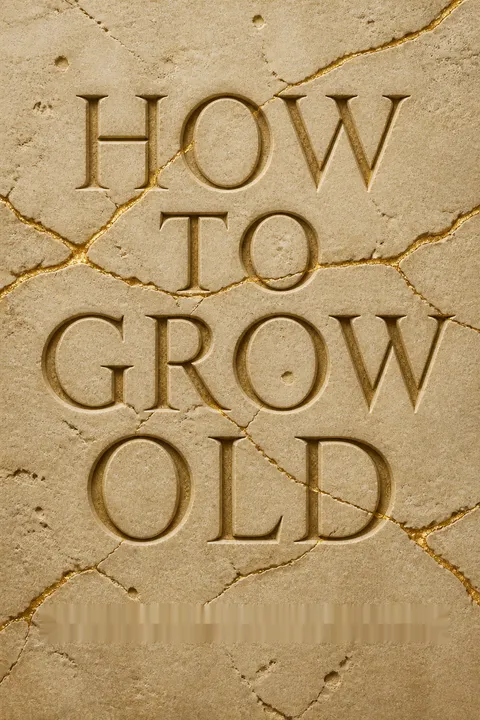


Key Takeaways
Treat old age as a harvest, not an illness to endure.
A different final chapter. Cicero wrote about aging while grieving his daughter and pushed from public life. In his dialogue, the eighty-four-year-old Cato argues that later life can be satisfying, not because its losses are imaginary, but because its rewards differ from youth’s. Wisdom, lasting friendships, purposeful work, and the pleasure of seeing a life’s efforts bear fruit can matter more than physical power or intense appetites.
The harvest depends on preparation. Cato’s confidence is not a promise that every older person will be happy. He insists that a peaceful old age grows from qualities developed over a lifetime. The dialogue’s central challenge is practical: stop measuring every stage by what youth can do, and learn to value what maturity makes possible.
The book’s most useful move is to replace a single scale of decline with a sequence of changing capacities. That reframing can loosen the grip of youth-centered standards without pretending that illness, poverty, or bereavement disappear. Its harvest image also implies accumulated effort: later life is not automatically rewarding, and earlier choices matter. The argument is strongest as a guide to cultivating sources of satisfaction, not as a verdict that anyone who suffers in old age has failed to develop character.
Build the habits of a good old age before youth ends.
Character compounds over time. Cato says that calmness, moderation, curiosity, and a record of decent actions help make old age bearable. He points to Quintus Fabius Maximus, a Roman commander whose patience and judgment mattered more than youthful speed. The older man’s authority came not simply from surviving, but from years of decisions that gave others reason to trust him.
Age reveals what was practiced. Cato contrasts such examples with people who blame aging for irritability or dissatisfaction. He argues that a difficult temperament does not suddenly appear with gray hair. Still, his own admission matters: wealth and status can make aging easier, even if they cannot guarantee contentment. Preparation helps, but it cannot control every condition of later life.
This is a long-horizon account of character: habits shape not only daily conduct but the resources a person can draw on when roles and abilities change. It also treats memory of past actions as a source of emotional steadiness, an idea that connects identity to a coherent life story. The limitation is the risk of turning hardship into a moral judgment. Cicero recognizes material advantage, but character cannot substitute for accessible care, security, or supportive relationships.
Trade physical dominance for judgment, teaching, and counsel.
Contribution changes form. Cato rejects the idea that reduced physical strength makes older people useless. He compares the elder to a ship’s pilot: others handle strenuous tasks, while the pilot’s judgment guides the whole vessel. Roman statesmen such as Fabius Maximus and Appius Claudius, old and blind, still influenced decisions through experience and argument. Their work required discernment, not speed.
Pass knowledge onward. Cato also treats teaching as serious public service. Older people can prepare younger ones for responsibilities they have already encountered. Their role is not to imitate youth or demand control over everything, but to offer counsel and remain engaged. The examples are drawn from an elite political world, yet the underlying distinction is broader: capacity is not identical to physical performance.
Cato’s pilot image is compelling because it distinguishes visible exertion from consequential work. A person can have less physical capacity and still improve a group’s decisions, preserve institutional memory, or mentor someone facing an unfamiliar problem. The model does not require elders to dominate younger people; its best form is reciprocal, with experience offered and tested rather than imposed. Its civic setting also raises a useful question: communities must create real ways for older people to contribute, not merely praise their wisdom in theory.
Keep the mind working while adapting the body’s workload.
Exercise both capacities wisely. Cato advises moderate physical activity, careful eating, and attention to health, while rejecting the demand to retain a young person’s strength. He says people should make good use of the abilities they have rather than grieve endlessly for those they have lost. Illness can limit people at any age, so bodily weakness should not automatically be treated as proof that age itself has made life worthless.
Keep learning and recalling. Cato learned Greek literature in old age and describes reviewing each day’s conversations and actions before sleep as a way to exercise memory. He cites Sophocles, who reportedly defended his mental competence by reading a recent tragedy in court. These examples make continued attention and practice central, while acknowledging that no exercise can guarantee freedom from illness or cognitive decline.
The section resists two familiar traps: treating the body as infinitely controllable, and treating its limits as a reason to stop using the mind. Its practical wisdom lies in adaptation, not denial. The evening review is especially suggestive because it combines recall with reflection on conduct, making mental exercise part of ethical self-assessment. The claims should not be mistaken for a guarantee against cognitive impairment. Their value is more modest and durable: sustained engagement gives people meaningful activity even when outcomes remain uncertain.
Let fading appetites make room for friendship, conversation, and study.
Pleasure need not disappear. Cato argues that losing some sensual desire can bring relief from cravings that once distracted or dominated a person. He does not claim that older people must reject enjoyment. He praises modest meals, lively conversation, and companionship, describing social dinners as valuable for the exchange among friends rather than the amount consumed.
Choose pleasures that endure. Cato recalls Sophocles welcoming freedom from sexual desire, then celebrates older people who remain absorbed in literature, law, astronomy, or writing. His point is not that every appetite is corrupt or that age should be joyless. Rather, pleasure can change its center of gravity. Conversation and learning can remain available even when physical gratification becomes less intense or less important.
Cato’s strongest insight is not his severe suspicion of sensual pleasure, but his observation that desire itself shapes whether its absence feels like deprivation. He also refuses to reduce enjoyment to sensation: friendship, conversation, and intellectual absorption are pleasures with social and reflective dimensions. The argument becomes less persuasive when it treats bodily desire as chiefly a threat to reason. A balanced reading preserves the invitation to broaden pleasure without ranking all physical enjoyment beneath disciplined study.
Choose work that keeps you invested in lives beyond yours.
Purpose can outlast a person. Cato’s favorite example is farming, which gives him delight in both the harvest and the patient process of tending vines, trees, and soil. A farmer plants for people who may never meet the planter. Cato also recalls Cincinnatus, summoned from his farm to serve Rome, and Cyrus, who took pride in personally planning and planting a garden.
The activity matters as much as the reward. Cato sees agriculture as useful, beautiful, and suited to older people because it combines attention, routine, and care for future growth. Farming is his own passion, not a prescription for everyone. The transferable lesson is to find work or study that remains engaging even when its full benefit belongs to someone else or arrives after the current task is finished.
The garden brings together two powerful sources of meaning: close attention to a process and participation in a future beyond one’s own lifetime. That combination counters the assumption that worthwhile activity must deliver immediate personal rewards. It also makes purpose concrete: tending, pruning, studying, or teaching offers visible acts of care. The farming ideal can obscure the fact that not everyone has land, leisure, or good health. Its broader value lies in the pattern of sustained stewardship, not in copying Cato’s particular pastime.
Earn respect through a life lived well, not gray hair.
Seniority is not a credential. Cato says the respect associated with old age grows from the way a person lived before reaching it. Wrinkles alone cannot establish sound judgment or trustworthiness. He points to everyday signs of regard, such as being consulted, welcomed, and given room to speak, as rewards that can follow a life of service and self-command.
Character shapes the experience of aging. Cato concedes that some older people become irritable, anxious, or miserly, but attributes these traits to character rather than age itself. He also tells of an elderly Athenian denied a seat at a theater by fellow Athenians, while Spartan visitors stood to offer one. The episode makes respect not only an individual achievement, but a test of how a community treats its elders.
This argument usefully separates age from moral authority. Respect becomes credible when it is linked to demonstrated judgment and care, rather than demanded as an automatic reward for longevity. The theater story adds a social dimension: a community’s values are measured by ordinary acts of accommodation, not its abstract admiration for elders. Yet Cicero’s emphasis on earning respect can leave vulnerable people exposed to neglect. Dignity should not depend entirely on productivity, reputation, or the ability to defend one’s own standing.
Prepare for death by treating a finite life as capable of completion.
Death is shared, not age’s private burden. Cato notes that young people also face unpredictable death, so old age cannot be blamed for mortality itself. He offers two possibilities after death: consciousness ends, or the soul continues. In his view, neither outcome warrants terror. He also presents belief in an immortal soul as a conviction that comforts him, not as something he can demonstrate beyond dispute.
Completion can matter more than duration. Cato compares life to a performance with distinct stages and says a life can be well lived without lasting indefinitely. He remembers his own son’s death and admits that the loss hurt, so his acceptance is not emotional numbness. He argues against both clinging desperately to life and abandoning it without reason: continue while one can fulfill meaningful duties, then accept that life has limits.
Cato’s two-part argument is psychologically astute even where its metaphysics remain uncertain. It asks readers to distinguish fear of dying from fear of what death means, then uses the possibility of either nonexistence or continued life to loosen absolute dread. The idea of completion offers a further shift: duration is not the only measure of a life’s worth. Still, grief cannot always be resolved by philosophical reasoning, as Cato’s own bereavement shows. The argument is most humane when it allows grief and acceptance to coexist.
Analysis
Cicero’s dialogue is both a philosophical argument and a piece of persuasion staged as conversation. The fictional Cato gives younger men a preview of aging, but Cicero’s own circumstances lend the subject urgency: political defeat, family rupture, and the death of his daughter form the background described in the introduction. The result is not a neutral account of later life. It is a deliberate case against the idea that aging is simply a chain of losses.
The book’s organizing strategy is effective because it takes four recognizable fears in sequence: exclusion from public life, bodily weakness, loss of pleasure, and proximity to death. Each objection is answered by changing the standard of value. The old need not match the young in speed if they offer judgment; they need not preserve every appetite if other pleasures deepen; they need not live indefinitely if a finite life can be completed with integrity. Its most memorable examples, from the pilot to the farmer planting for descendants, make this change of standard tangible.
Cicero’s argument also has limits. Cato is an elite Roman man whose wealth, education, political standing, and household give him resources unavailable to many. The text acknowledges that poverty and poor health make aging harder, but its main explanation for misery is often character. That emphasis can encourage preparation and agency, yet it risks treating structural hardship as a personal failure. Its examples of public service and household authority also reflect a Roman social order, not a universal model of elderhood.
The lasting value, then, is not a promise that wisdom makes old age painless. It is a method of reassessment. Identify what a stage of life still permits, cultivate forms of activity that survive changing abilities, and distinguish genuine loss from the demand to remain young forever. Cicero offers a humane ideal of aging, provided its confidence is tempered by recognition that dignity and support are not always earned, and should not have to be.
Review Summary
How to Grow Old receives mostly positive reviews for its timeless wisdom on aging gracefully. Readers appreciate Cicero's arguments against common fears of old age, emphasizing character development and lifelong learning. Many find the book's advice still relevant today, praising its brevity and accessibility. Some reviewers note its optimistic tone and philosophical depth. While a few find certain points less convincing, most consider it a valuable perspective on embracing the later stages of life, with many recommending it for readers of all ages.
People Also Read


Glossary
convivium
A meal as shared lifeCicero explains convivium as a gathering whose central value is companionship and conversation, rather than eating and drinking alone. The Latin term links a meal with living together. He uses it to argue that social pleasure can remain satisfying in old age even when appetite for food or drink diminishes.
auctoritas
Earned social influenceIn Cicero’s discussion, auctoritas is the standing and influence that lead others to seek an elder’s judgment and defer to it. It is not granted by age alone. It grows from a life regarded as honorable and useful, and is expressed through consultation, respect, and the weight given to a person’s counsel.
Pythagorean practice
Daily memory reviewCato describes reviewing each evening what he said, heard, and did during the day as a practice associated with the Pythagoreans. He uses it to exercise memory and keep the mind active. In the dialogue, this routine is also a form of reflection on one’s conduct, joining intellectual discipline with self-examination.
FAQ
1. What is "How to Grow Old: Ancient Wisdom for the Second Half of Life" by Marcus Tullius Cicero about?
- Ancient guide to aging: The book is Cicero’s philosophical treatise on how to approach old age with wisdom, dignity, and fulfillment, originally written as "Cato Maior de Senectute."
- Dialogue format: It presents a fictional conversation between the elder statesman Cato and two younger friends, Scipio and Laelius, discussing the challenges and virtues of growing old.
- Reframing old age: Cicero argues that old age, rather than being a period of decline, can be the most rewarding phase of life if approached with the right mindset and habits.
- Enduring relevance: The book draws on Greek philosophy and Roman experience, offering advice that remains applicable to modern readers seeking meaning and contentment in later life.
2. Why should I read "How to Grow Old" by Cicero?
- Timeless wisdom: Cicero’s insights into aging are as relevant today as they were in ancient Rome, addressing universal concerns about purpose, decline, and mortality.
- Positive perspective: The book challenges negative stereotypes about old age, offering a hopeful and empowering view of later life.
- Practical advice: Cicero provides concrete suggestions for cultivating habits and attitudes that lead to a fulfilling old age.
- Literary and historical value: The treatise is a classic of Western literature, influential on thinkers from Montaigne to Benjamin Franklin, and offers a window into ancient Roman thought.
3. What are the key takeaways from "How to Grow Old" by Marcus Tullius Cicero?
- Preparation starts young: A happy old age is built on habits of moderation, wisdom, and virtue developed throughout life.
- Embrace each life stage: Nature has given each age its own appropriate pleasures and duties; resisting this leads to frustration.
- Active and engaged aging: Old age need not be idle; intellectual, social, and even physical activity remain important.
- Death is not to be feared: Cicero reframes death as either a peaceful end or a transition to something better, encouraging acceptance rather than dread.
4. How does Cicero define a "good old age" in "How to Grow Old"?
- Foundation in youth: Cicero insists that the qualities making old age enjoyable—wisdom, moderation, and clear thinking—must be cultivated early.
- Internal resources: Happiness in old age depends more on character and mindset than on external circumstances like wealth or health.
- Acceptance of limitations: Recognizing and adapting to the natural constraints of aging is key, rather than futilely clinging to youth.
- Contribution and teaching: Older people have a duty and pleasure in sharing their experience and wisdom with the young.
5. What practical advice does Cicero offer for living well in old age?
- Exercise the mind: Keep mentally active through study, reflection, and learning new things, as the mind is a "muscle" that must be used.
- Stay physically active: Engage in appropriate physical activity within your limits, rather than giving in to inactivity.
- Cultivate meaningful pursuits: Find activities—like farming for Cicero—that bring joy and purpose, regardless of age.
- Defend your dignity: Stand up for your rights and maintain self-respect, as old age is respected only if it asserts itself.
6. How does Cicero address common fears and complaints about aging in "How to Grow Old"?
- Loss of activity: He argues that while some activities become harder, others—especially those requiring wisdom and judgment—are well-suited to old age.
- Physical decline: Cicero acknowledges bodily limitations but emphasizes that mental and moral faculties can remain strong.
- Diminished pleasures: He claims that the fading of sensual appetites is a blessing, freeing us to enjoy deeper, more lasting satisfactions.
- Proximity to death: Cicero reframes death as natural and not to be feared, likening it to a well-acted play coming to its close.
7. What role does the relationship between youth and old age play in Cicero's philosophy?
- Mutual benefit: Cicero sees value in intergenerational relationships, with the old offering wisdom and the young providing energy and companionship.
- Teaching and learning: Older people should actively mentor the young, while also remaining open to learning and new experiences themselves.
- Respect and honor: Societies and families function best when they honor the experience of elders and the promise of youth.
8. How does Cicero use the metaphor of farming in "How to Grow Old"?
- Symbol of cultivation: Farming represents the ongoing cultivation of virtue and purpose, even in later years.
- Joy in simple tasks: Cicero praises the satisfaction found in tending to the land, suggesting everyone should find their own "garden" to nurture.
- Connection to nature: The cycles of planting and harvest mirror the natural stages of human life, teaching acceptance and patience.
- Productive old age: Farming is an example of meaningful, productive activity that remains accessible and rewarding in old age.
9. What is Cicero’s view on sensual pleasures and sexuality in old age?
- Fading desires as freedom: Cicero argues that the decline of sexual passion is a relief, allowing for greater focus on intellectual and social pleasures.
- Overrated in youth: He suggests that society overvalues sensual pleasures, which are fleeting compared to the lasting joys of the mind and spirit.
- Room for other joys: The reduction in sensual appetites opens space for more meaningful and enduring forms of happiness.
- Not total abstinence: Cicero does not condemn all pleasure, but advocates for moderation and a shift in focus as one ages.
10. How does "How to Grow Old" by Cicero address the fear of death?
- Natural part of life: Cicero presents death as the final, natural act in the drama of life, not something to be dreaded.
- Two possibilities: He argues that death is either the end of consciousness (and thus not to be feared) or the beginning of eternal bliss.
- Acceptance and readiness: A wise person, having lived well, should be ready to "leave the stage" when the time comes.
- Comfort in legacy: Cicero finds solace in the idea that good deeds and wisdom live on, and that the soul may be immortal.
11. What are the most memorable quotes from "How to Grow Old" and what do they mean?
- "A good old age begins in youth." — Emphasizes the importance of lifelong habits and character in shaping later years.
- "Old age is respected only if it defends itself, maintains its rights, submits to no one, and rules over its domain until its last breath." — Advocates for dignity and self-assertion in old age.
- "Death is not to be feared." — Encourages acceptance of mortality as a natural and potentially positive transition.
- "Cultivate your own garden." — Suggests finding personal fulfillment in meaningful, self-chosen activities.
12. How has "How to Grow Old" by Cicero influenced later thinkers and why is it still relevant?
- Enduring inspiration: The book has been praised by figures like Montaigne, John Adams, and Benjamin Franklin for its wisdom and optimism about aging.
- Counter to youth obsession: In a modern world focused on youth, Cicero’s message about the value and dignity of old age remains especially pertinent.
- Foundation for later philosophy: Cicero’s blend of Stoic and practical advice has shaped Western attitudes toward aging, virtue, and mortality.
- Universal appeal: Its insights transcend time and culture, offering guidance for anyone seeking meaning and contentment in the second half of life.
About the Author


Download PDF
Download EPUB
.epub digital book format is ideal for reading ebooks on phones, tablets, and e-readers.








