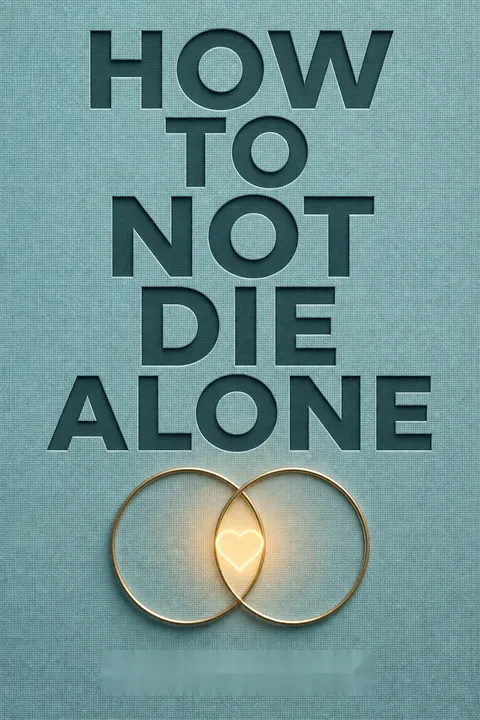


Key Takeaways
Treat love as a series of choices, not a lottery ticket from fate.
Love is built deliberately. Dating can feel harder now because people must define their own lives, face enormous choice, and make consequential decisions without certainty. Social media shows polished relationships while hiding ordinary conflict, and many people lack models of healthy partnership. The answer is not to turn romance into a calculation. It is to recognize predictable errors and choose more thoughtfully: whom to meet, what to value, when to commit, and when to leave.
Intentional Love is Ury’s name for this approach. A lasting relationship is not simply discovered in a perfect match; it is shaped by decisions and shared effort. The book’s arc follows that work from preparing to date, through choosing and evaluating partners, to handling milestones and maintaining a relationship.
The useful distinction is between controlling an outcome and improving a decision process. No method can guarantee love, but a process can reduce avoidable mistakes, such as waiting passively for fate or demanding certainty before acting. This resembles decision science in medicine: good decisions are judged partly by whether they used sound evidence and clear values, not only by whether events turned out well. Still, personal agency has limits. Dating conditions are shaped by time, money, discrimination, disability, geography, and access to community. Intentionality is most empowering when it informs choices without implying that every romantic outcome is an individual’s fault.
Name your dating blind spot before it chooses for you.
Three patterns recur. The Three Dating Tendencies framework groups common obstacles by where unrealistic expectations land. A Romanticizer expects relationships to feel destined and effortless. A Maximizer expects a partner to be the best possible choice and wants certainty before committing. A Hesitater expects to become an ideal version of themselves before dating. Ury suggests identifying the strongest pattern, with help from a trusted friend if self-assessment is difficult.
These are tendencies, not fixed identities. The Romanticizer needs to take action and let real relationships develop. The Maximizer needs to define reasonable standards and stop endlessly comparing. The Hesitater needs to start before feeling completely prepared. Naming the pattern makes a vague frustration actionable: instead of concluding that love never works, a dater can ask which repeated behavior is getting in the way.
A pattern label can create useful distance: a person can notice a habit without treating it as their essence. That is consistent with cognitive behavioral approaches, which turn global self-judgments into observable thoughts and actions. The framework is memorable because each tendency points to a different intervention. Its limit is that people may not fit neatly into one category, and behavior can change with a partner or life circumstances. The labels work best as temporary diagnostic tools, not personality verdicts. A useful follow-up question is not only “Which tendency fits?” but “When does it appear, and what does it protect me from?”
Trade soulmate tests for earned intimacy and ordinary reliability.
Fairy tales distort expectations. Romanticizers may assume the right person will appear naturally, match a precise image, and make love effortless. Ury links these expectations to cultural stories of soul mates, cinematic first meetings, and social media’s selective display of happiness. In her client Maya’s case, a detailed picture of her imagined partner narrowed her choices, while ordinary relationship difficulties seemed like proof that a match was wrong.
A different outlook treats love as something partners do, not merely a feeling they receive. Maya eventually built a relationship with someone unlike her imagined ideal: a divorced father who was kind, funny, and made her feel at ease. They still disagreed and argued, but she no longer took difficulty as automatic evidence of failure. This is not an argument for tolerating mistreatment; it is a reminder that imperfection and effort are normal parts of partnership.
The distinction between destiny and effort helps separate compatibility from fantasy. Relationship research broadly supports the idea that beliefs about whether relationships can grow influence how people respond to conflict. Yet “relationships take work” can be misused to excuse chronic disrespect or one-sided labor. Effort is constructive when both people participate and the relationship remains safe. The stronger test is not whether conflict exists, but whether partners can address it with care, accountability, and change. That preserves the book’s challenge to effortless-romance myths while protecting the equally important right to leave harmful relationships.
Stop searching once a genuinely good fit meets your real standards.
More searching can deepen doubt. Maximizers believe that comparing every option will reveal a perfect partner. Yet they can remain dissatisfied even after making a good choice, because they keep imagining a better alternative. Satisficers also have standards; they simply stop searching once they find someone who meets them. The goal is not to lower standards, but to distinguish essential needs from endless optimization.
Ury uses the Secretary Problem as a decision-making analogy. In a simplified model of choosing among a fixed number of candidates, examining about 37 percent before selecting the next person who exceeds the early benchmark improves the odds of choosing the best. Dating does not have a known, fixed pool, so the number is a heuristic, not a marriage formula. Its practical point is that past dating experience may already provide a useful benchmark. Steven, who delayed commitment while wondering if someone else could be slightly better, learned to focus on building a good life with a real partner.
The distinction between standards and maximization is crucial. A person can be highly selective about safety, values, and mutual respect without treating every preference as a ranking metric. The 37 percent rule is memorable because it offers a stopping principle, but its mathematical assumptions do not map cleanly onto dating: the pool is unknown, candidates are not independent, and people change through interaction. Its value is therefore psychological rather than literal. It invites a shift from collecting more profiles to asking whether current evidence is sufficient for the next reasonable commitment.
Start dating before you feel finished; experience is part of preparation.
Readiness can become a moving target. Hesitaters postpone dating until they lose weight, earn more, finish school, or feel more confident. But there may never be a moment of complete readiness. Waiting also has an opportunity cost: lost chances to learn what feels compatible and to practice the skills of meeting, listening, flirting, and communicating. Jing, who began dating in her thirties, described feeling inexperienced partly because she had missed earlier opportunities to learn by trying.
Ury recommends making action easier and concrete. Set a near-term start date, prepare what is genuinely useful, tell a few trusted people, and begin with a manageable goal such as one date a week. Therapy or self-improvement can happen alongside dating rather than serving as an indefinite entry requirement. Compassion matters, too: a disappointing date is practice and information, not a verdict on someone’s worth.
This is an application of exposure and behavioral activation: action can produce confidence and learning that waiting alone rarely supplies. The advice is especially valuable for perfectionists, for whom preparation can disguise avoidance. At the same time, “just start” should not override a person’s need for safety, recovery, or practical stability. The right threshold is not perfect self-esteem; it is sufficient capacity to participate honestly and respectfully. Small, voluntary steps preserve agency while preventing readiness from becoming a promise that continually moves into the future.
Choose a life partner by character, security, and who you become together.
Long-term qualities are often quiet. Ury contrasts a Prom Date, exciting and appealing in the moment, with a Life Partner, someone capable of building a life through routine and difficulty. Research she discusses points toward kindness, emotional stability, loyalty, a willingness to grow, and constructive conflict as more useful indicators than matching hobbies, identical personalities, or impressive looks and income. Ask not only who the person is on paper, but how the relationship affects both people.
Attachment theory adds another lens. Secure partners tend to communicate consistently and tolerate closeness. Anxious patterns can produce fear of abandonment and repeated bids for reassurance; avoidant patterns can prompt withdrawal as intimacy grows. An anxious person pursuing an avoidant partner may mistake uncertainty for chemistry. Choosing a more secure partner, and learning to regulate one’s own reactions, can interrupt that cycle. Compatibility also includes how partners handle hard decisions together.
This reframes partner choice from trait matching to interaction quality. A person’s effect on a partner is partly relational: the same individual may feel expansive in one pairing and diminished in another. That makes observing shared decisions and conflict more informative than building a résumé checklist. Attachment categories can help name patterns, but they should not become diagnoses assigned from a few texts. Attachment behavior varies by context, and people can change. The practical standard is behavioral evidence over labels: reliability, responsiveness, boundaries, and repair after disagreement.
Use apps to arrange encounters, not to rank imaginary spouses.
Profiles are poor substitutes for experience. Dating apps foreground measurable traits such as height, age, job, and photographs, which can make those traits seem more important than they are. They also invite relationshopping: comparing people as if profiles were product specifications. Yet people are experience goods; a short profile cannot show how someone listens, handles stress, or makes a date feel. In Ury’s account, 39 percent of couples met online, making the apps useful but consequential environments.
Broaden filters that may exclude promising people, be cautious about snap judgments, and avoid scheduling so many dates that every person becomes interchangeable. For offline opportunities, the Event Decision Matrix sorts events by two questions: will people interact, and will the dater enjoy it? A discussion group, volunteer activity, or hobby gathering can be a better bet than an event with little conversation. The book also notes racial disparities in app attention, so access and outcomes are not equal for every user.
The key insight is that interfaces do not merely display preferences; they help shape them. This is a familiar problem in human-computer interaction: what a system makes easy to compare can dominate what users value. The answer is not to dismiss apps, which expand access, especially for people in smaller or marginalized dating markets. Rather, the interface should be treated as a biased filter, not a neutral judge. The same caution applies to offline events: a matrix can reduce indecision, but it cannot guarantee safety, inclusion, or romantic opportunity.
Make dates experiments in connection, not auditions for instant chemistry.
Context changes the feeling. A rushed morning coffee before a stressful meeting is a poor test of attraction. Ury calls résumé-checking dates evaluative dating; she recommends a more experiential approach that pays attention to curiosity, comfort, energy, and whether each person feels heard. A walk, game, class, or shared task offers something to respond to together and can reveal kindness or teamwork more naturally than a formal question-and-answer session.
The spark is neither required for a good relationship nor proof that one will last. Familiarity and shared experience can allow attraction to grow, while anxiety or mixed signals can feel like excitement. Ury suggests making a second date the default unless something genuinely troubling occurred. Separate actual dealbreakers, such as incompatible plans for children, from minor irritations. If there is no interest, communicate clearly rather than disappearing and leaving the other person uncertain.
This shifts attention from judging a person to observing a process: what happens between two people in a particular setting? That is a more ecologically valid form of information than profile comparison, because relationships unfold through interaction. Still, a second-date default is a nudge, not an obligation. Discomfort, disrespect, or lack of consent are sufficient reasons to stop. The spark critique is similarly balanced when chemistry is treated as one signal among several, not dismissed altogether. Attraction matters to many people, but it can develop at different speeds and should never be coerced.
Turn relationship milestones into explicit decisions, not accidental momentum.
Pause at the thresholds. Couples can move into a new stage by deciding deliberately or by sliding into it through convenience and habit. Research cited in the book associates deliberate transitions with stronger commitment and relationship quality. Defining the relationship is one such moment: partners should discuss labels, exclusivity, and what each person wants rather than infer commitment from meeting friends or taking a trip.
Moving in together deserves the same clarity. Shared rent, belongings, routines, and pets can make a breakup harder, so cohabitation may increase inertia rather than test compatibility neutrally. One study cited by Ury found that 42 percent of couples who deliberately decided to live together reported happy marriages, compared with 28 percent of those who slid into cohabitation. Before signing a lease, discuss what the step means, where the relationship is headed, and concerns about money, chores, and commitment.
Explicit conversations convert vague expectations into negotiable information. This resembles informed consent: agreement is meaningful when people understand what they are agreeing to and can say no without punishment. The cohabitation figures are associations, not proof that moving in causes a poor marriage; couples who choose each path may differ in other ways. The more general lesson is robust: irreversible or costly transitions deserve an intentional pause. A clear conversation cannot guarantee alignment, but it can reveal misalignment before logistics quietly make the choice for both partners.
Check whether you're escaping too soon or staying from sunk cost.
Two opposite traps distort breakups. Ditchers leave quickly, often chasing the intensity of new romance or fearing a better option is being missed. Hitchers stay because they have already invested time, fear losing what they have, or hope the relationship will return to an earlier high. The sunk-cost fallacy makes past investment feel like a reason to continue, even though only the future is still available to choose.
Ury’s Wardrobe Test asks what item of clothing a partner would be: a comforting favorite, or something worn out and uncomfortable? It is a prompt for reflection, not a diagnostic verdict. Also examine whether external stress is temporary, whether concerns have been discussed, whether both people have tried to improve the relationship, and whether expectations are realistic. Trusted friends can offer perspective, but the decision remains with the people in the relationship.
The paired categories are valuable because breakup advice often assumes that everyone needs either more courage to leave or more patience to stay. The same person may occupy either pattern in different relationships. A decision should account for present conditions and plausible future change, not simply the emotional pain of loss or the glow of the beginning. Outside perspectives can correct tunnel vision, but advisers also bring their own histories and incentives. The wardrobe metaphor helps surface feeling, yet it should be balanced with concrete evidence about safety, reciprocity, values, and attempts at repair.
Plan a breakup with clarity, then reclaim the parts of yourself you surrendered.
Kindness needs structure. When a breakup is decided, Ury recommends recording the reasons, setting a near-term deadline, planning the conversation, and asking a trusted person to provide accountability. Be direct and considerate; avoid turning the conversation into a critique of the other person’s character. Plan support for the first days afterward, avoid sex that may blur the decision, and create alternatives to habitual contact with the ex.
Heartbreak can disrupt sleep, concentration, and a sense of identity, but the pain is not a permanent forecast. Ury describes writing about the benefits of the breakup, naming the relationship’s difficulties, returning to abandoned activities, and identifying lessons for future choices. These reframes do not deny grief. They give it context and help restore parts of life that had narrowed around the relationship.
A breakup plan applies commitment devices to an emotionally difficult task: it captures reasons during a clear moment and makes follow-through less dependent on later willpower. The recovery advice also recognizes that identity is social; routines, friendships, and hobbies can be absorbed into a couple’s shared life. Restoring them is more than distraction. However, a positive reframe should not become pressure to call every loss a gift. Grief can be meaningful and painful at once. Safety concerns, coercion, or abuse may also require a different plan and outside professional support.
Keep love alive with scheduled attention and agreements that evolve.
Long relationships need maintenance. People change more than they expect, and a partnership that assumes both people will remain fixed can become a poor fit. Ury’s Relationship Contract is a nonlegal, revisable agreement about shared priorities, including time, family, money, sex, conflict, and personal space. Its purpose is to make assumptions discussable and set a date to revisit them as circumstances shift.
A weekly Check-In Ritual provides a smaller maintenance loop. Partners ask how the week felt, whether each felt supported, and what support would help in the coming week. Regular conversations can catch resentment before it hardens into distance. The book’s personal story of Ury and Scott illustrates the principle: a difficult period improved when both paid attention, listened, and adjusted how they invested in the relationship. The point is not a perfect contract, but a habit of updating the partnership together.
The maintenance model treats a relationship less like a possession and more like a living institution that needs governance. Written agreements can reduce ambiguity, while recurring check-ins create a low-cost channel for small repairs. This echoes organizational practice: teams function better when responsibilities and feedback are explicit rather than assumed. The danger is over-formalizing intimacy or treating agreements as enforceable scorecards. A contract should support conversation, not replace tenderness, spontaneity, or renegotiation. Its value lies in making difficult topics easier to raise before crisis gives them a deadline.
Analysis
The book’s central achievement is to treat dating as a sequence of decisions shaped by predictable biases, rather than as a mysterious test of whether two people are destined for each other. Its strongest practical move is to connect a diagnosis to a behavior: a Romanticizer takes action instead of waiting for fate, a Maximizer stops comparing after finding a fit, and a Hesitater learns through dating rather than postponing it. The same logic carries from profile swipes to commitment, breakups, and ongoing relationship care.
This decision-centered approach is especially useful because romantic choices combine incomplete information with high emotional stakes. People cannot research their way to certainty about a future partner, but they can design better conditions for learning: meet in settings that allow real interaction, notice how each person behaves under mild stress, and discuss milestones before inertia decides. The book’s stories make these abstract biases recognizable and its exercises turn insight into action.
Its most important boundary is that behavioral tools cannot make relationships fully predictable. The Secretary Problem’s 37 percent rule depends on assumptions that dating does not satisfy, and statistical comparisons about cohabitation or marriage should not be read as simple causal rules. Attachment styles and dating tendencies are useful maps, not complete accounts of a person. The author also notes that much relationship research focuses on cisgender heterosexual couples, limiting how universally findings can be applied.
The most convincing interpretation of Intentional Love is therefore not optimization. It is informed participation: replace fantasy with evidence, replace drift with conversation, and preserve the ability to revise choices when new information arrives. A good process cannot promise a partner, but it can make romantic decisions more honest, humane, and responsive to the lives people actually want.
Review Summary
How to Not Die Alone received mixed reviews, with ratings ranging from 1 to 5 stars. Positive reviews praised its practical advice, behavioral science insights, and comprehensive coverage of dating stages. Critics found it condescending, overly simplistic, or geared towards a specific demographic. Some readers appreciated the author's tone and found the book helpful for self-reflection, while others felt it promoted settling or lacked depth. The book's approach to dating as a process rather than relying on instant chemistry resonated with many readers.
People Also Read






Glossary
Intentional Love
deliberate relationship-buildingUry’s approach to love as a set of choices rather than an accidental discovery. It combines relationship knowledge about what supports lasting partnerships with behavioral tools that help people act on their intentions. It covers decisions across dating, commitment, breakups, and the ongoing work of maintaining a relationship.
The Three Dating Tendencies
three dating blind spotsA framework for common dating patterns rooted in unrealistic expectations. Romanticizers expect relationships to be destined and effortless, Maximizers expect to find a perfect partner through exhaustive comparison, and Hesitaters wait to become fully ready before dating. The categories are intended to reveal habits that can be changed, not fixed personality types.
Romanticizer
expects destined, effortless loveA dating tendency marked by idealized expectations of relationships. Romanticizers may wait for love to arrive naturally, hold a rigid image of a future partner, and interpret ordinary conflict or fading infatuation as evidence that a relationship is wrong. The alternative is to recognize that affection and partnership develop through shared effort.
Maximizer
keeps searching for betterA dating tendency in which a person tries to identify the best possible partner by examining every option and seeking complete confidence. Because the dating pool cannot be fully explored and no partner is perfect, this pattern can produce indecision, regret, and missed opportunities. The counterpoint is satisficing: using clear standards, then stopping when they are met.
Hesitater
waits to feel readyA dating tendency in which someone delays starting until they feel sufficiently attractive, successful, stable, or self-improved. The hoped-for moment of complete readiness may never arrive. Ury argues that dating itself offers practice and information, so preparation should support action rather than become a reason to postpone it indefinitely.
Satisficer
chooses once standards are metA decision-maker who identifies important criteria and chooses an option that satisfies them, without needing to prove that no better option exists. In dating, satisficing does not mean accepting an unsuitable partner or abandoning standards. It means ending the search when a genuinely acceptable match appears and investing in the choice.
Prom Date
short-term excitement matchUry’s label for a person selected mainly for immediate excitement, appearance, social appeal, or a memorable romantic story. These traits may suit a fun encounter but do not establish whether someone can build a durable life with a partner. The concept asks daters to distinguish short-term attraction from long-term suitability.
Life Partner
long-term teammateUry’s label for a partner who can participate in the ordinary and difficult work of a shared life. Useful qualities include kindness, loyalty, emotional stability, growth, and the ability to make decisions and handle conflict together. The emphasis is on how the relationship functions over time, not how impressive the person appears at first.
Relationshopping
comparing partners like productsA pattern encouraged by online dating in which people search for partners by comparing profile details as if evaluating consumer goods. It treats measurable features as if they could predict the experience of being with someone. Ury argues that people are better understood through interaction than through a checklist of attributes.
Monet Effect
idealizing a distant profileUry’s term for filling in missing information about someone with optimistic assumptions when only a limited profile or first impression is available. Once the person is encountered more closely, normal flaws can feel unexpectedly disappointing. The effect can keep daters cycling toward the next imagined perfect match instead of learning about the person present.
The Event Decision Matrix
selects promising social eventsA tool for choosing offline events using two questions: how likely the event is to create interaction with other people, and how likely the dater is to enjoy it. Events high on both dimensions are promising because they create opportunities to connect while allowing the person to feel engaged and comfortable, whether or not a romantic match appears.
The Post-Date Eight
eight experience-focused promptsA reflection tool Ury created to replace résumé-style evaluation after a date. Its prompts direct attention to the dater’s experience, including whether they felt relaxed, energized, heard, attractive, amused, or curious. It also asks what side of the dater emerged around the other person, helping assess interaction rather than simply checking profile criteria.
Deciding versus sliding
choosing or drifting forwardA distinction between consciously agreeing to a relationship transition and entering it through convenience, habit, or momentum. Examples include becoming exclusive, moving in together, or planning marriage. Ury argues that explicit decisions reveal whether partners share expectations before practical entanglements make it harder to reconsider.
Hitcher
stays despite persistent unhappinessUry’s term for someone who tends to remain in a relationship after it has stopped working. The sunk-cost fallacy can make past investment seem like a reason to continue, while loss aversion makes separation feel especially threatening. The label prompts reflection on whether staying reflects hope and mutual effort or fear and inertia.
Ditcher
leaves before love developsUry’s term for someone who tends to end relationships too quickly. Ditchers may fixate on flaws, chase the intensity of new romance, or fear that a better option exists. The pattern can prevent them from experiencing how attraction, trust, and partnership develop over time. It does not mean someone should remain in an unsafe or incompatible relationship.
The Wardrobe Test
metaphor for relationship feelingsA reflection exercise that asks someone considering a breakup to imagine which item of clothing their partner would be. A warm, well-loved garment may suggest comfort and support, while something itchy, worn out, or embarrassing may reveal frustration or distance. The answer is a prompt for self-understanding, not a standalone rule for deciding whether to stay.
Relationship Contract
revisable shared agreementA nonlegal document partners create to clarify shared priorities and expectations, such as time together, family, finances, sex, conflict, and personal space. The partners set a date to revisit it, recognizing that their needs and circumstances may change. Its purpose is to prompt conversation and adjustment, not to enforce a transactional scorecard.
Check-In Ritual
recurring relationship conversationA regularly scheduled conversation in which partners discuss how the relationship is going, whether they felt supported, and what support they need. Ury favors a weekly routine because it creates a predictable opportunity to raise concerns before resentment accumulates. Couples can adapt the timing, setting, and questions to suit their lives.
FAQ
What's How to Not Die Alone about?
- Focus on Finding Love: The book delves into the science of dating and relationships, highlighting that love involves informed choices and strategies.
- Intentional Love Philosophy: Logan Ury introduces "Intentional Love," encouraging readers to see their love lives as a series of deliberate choices.
- Behavioral Science Insights: Ury uses behavioral science to help readers understand their dating habits and make better romantic decisions.
Why should I read How to Not Die Alone?
- Practical Advice: The book provides actionable strategies and exercises for navigating modern dating complexities.
- Research-Based Insights: Ury's background in psychology and behavioral science offers evidence-based advice for healthier relationships.
- Relatable Stories: Real-life anecdotes make the content engaging and relatable for those seeking love.
What are the key takeaways of How to Not Die Alone?
- Understand Your Dating Tendency: Ury identifies three dating blind spots: The Romanticizer, The Maximizer, and The Hesitater.
- Shift Your Mindset: Move from a "soul mate" mindset to a "work-it-out" mindset, recognizing relationships require effort.
- Focus on Compatibility: Prioritize long-term compatibility, seeking Life Partners over Prom Dates.
What are the three dating tendencies described in How to Not Die Alone?
- The Romanticizer: Believes in a perfect soul mate and waits for love to happen.
- The Maximizer: Obsesses over making the best choice, leading to dissatisfaction and analysis paralysis.
- The Hesitater: Delays dating due to self-doubt, believing they need to improve first.
What is the "Happily-Ever-After Fallacy" in How to Not Die Alone?
- Misconception of Love: The fallacy is the belief that finding someone is the hard part, ignoring the effort needed to maintain a relationship.
- Reality of Relationships: Successful relationships require ongoing work, communication, and mutual support.
- Importance of Work: Ury emphasizes that relationships are not magical experiences but require continuous effort.
What does Ury mean by "Intentional Love" in How to Not Die Alone?
- Purposeful Approach: Encourages making conscious choices in dating rather than leaving it to chance.
- Awareness of Patterns: Recognize and address personal dating blind spots and habits.
- Framework for Success: Provides exercises to implement Intentional Love, leading to healthier relationships.
How can I identify my dating tendency using How to Not Die Alone?
- Take the Quiz: Ury includes a quiz to help identify your dating tendency based on behaviors and attitudes.
- Understand Your Patterns: Analyze responses to determine if you're a Romanticizer, Maximizer, or Hesitater.
- Reflect on Experiences: Use quiz results to recognize patterns that may hinder finding love.
What is the "Post-Date Eight" in How to Not Die Alone?
- Reflective Questions: A set of eight questions to assess feelings after a date.
- Focus on Feelings: Encourages self-awareness about emotional responses rather than partner evaluation.
- Shift from Evaluation: Helps understand personal feelings and experiences during the date.
How does How to Not Die Alone define "the spark"?
- Myth of Instant Chemistry: Challenges the idea that a strong initial attraction is necessary for success.
- Slow Burn Relationships: Argues that chemistry can develop over time, with many successful relationships starting without an immediate spark.
- Focus on Compatibility: Encourages prioritizing compatibility and shared values over chasing the spark.
What are the "Four Horsemen" mentioned in How to Not Die Alone?
- Negative Communication Patterns: Refers to criticism, contempt, defensiveness, and stonewalling, identified by John and Julie Gottman.
- Impact on Relationships: These behaviors can lead to relationship breakdowns and should be avoided.
- Healthy Communication Alternatives: Encourages adopting healthier communication strategies for better connection and understanding.
How does How to Not Die Alone suggest handling breakups?
- Make a Breakup Plan: Plan for a breakup, including reasons and a timeline for the conversation.
- Compassionate Communication: Be direct yet kind, focusing on feelings rather than blame.
- Post-Breakup Support: Create a support system and self-care plan to aid recovery.
What is the "Relationship Contract" in How to Not Die Alone?
- Mutual Commitment Document: A non-legally binding agreement outlining a shared vision for the relationship.
- Adaptable Framework: A living document revisited and revised as the relationship evolves.
- Encourages Open Communication: Fosters discussions on important topics, helping couples navigate their partnership intentionally.
Download PDF
Download EPUB
.epub digital book format is ideal for reading ebooks on phones, tablets, and e-readers.








