

Plot Summary
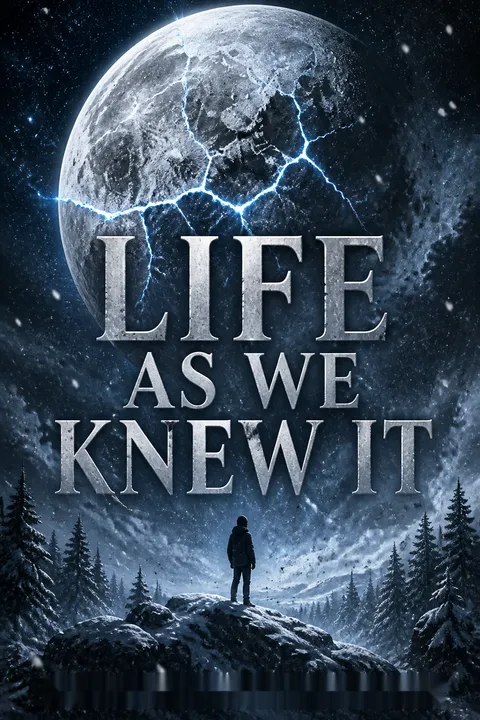
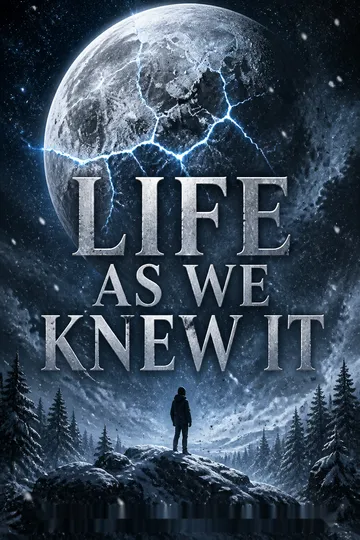
Before the Moon Moves
Miranda records the small fractures of teenage life: her father’s pregnant new wife, Lisa, asks her to be the baby’s godmother, while her mother, Laura, resists paying for the skating lessons Miranda wants. Her friends are drifting apart.
Megan has turned to church, Sammi to dating, and Miranda still measures her hopes against figure skater Brandon Erlich. Then her mother’s boyfriend, Dr. Peter Elliott, mentions an asteroid scheduled to strike the moon.
The coming event gives teachers a reason to assign moon projects and gives the family something to watch together. Miranda’s older brother Matt, usually a reassuring presence, calls unexpectedly and admits to a vague unease. She cannot tell whether the danger is real, but his concern unsettles her.
The novel begins by giving Miranda a diary crowded with recognizably adolescent concerns, then lets the cosmic event approach through that intimate lens. Her attention to skating, school, and fractured friendships is not trivial padding: it establishes what catastrophe will take from her, and what she will keep trying to recover. Matt’s unease briefly interrupts her assumption that adults and older siblings can explain the world. His uncertainty foreshadows the book’s central condition: knowledge will arrive late, partially, and without the power to restore safety.
The Moon Takes a Blow
On May 18, Miranda, Laura, and her younger brother Jonny join neighbors outside to watch the asteroid hit. Instead of a brief flash, the moon appears larger and displaced, and the celebration collapses into panic. Phones, internet access, and television feeds fail as people try to reach relatives. Matt manages to call from a pay phone and says he is safe, but the news soon reports immense tsunamis along the eastern seaboard.
New York, Cape Cod, and coastal communities are devastated; the number of dead is unknown. The next morning, Miranda’s father confirms that he and Lisa survived, and her grandmother in Las Vegas is also safe. The family is inland, but the altered moon has changed the tides and pushed the crisis far beyond one night.
The impact turns a shared spectacle into a rupture in the assumptions that make everyday life feel stable. The moon remains visible, familiar, and physically altered, so danger cannot be dismissed as a distant news story. Communication failure makes uncertainty immediate: Miranda knows her family may be safe only when a fragile phone connection briefly proves it. The catastrophe also exposes the limits of geographic reassurance. Being inland protects her household from the first waves, but it cannot insulate them from the economic and environmental consequences that follow.
The Pantry Becomes a Fortress
The morning after Miranda hears from her father, lightning and destructive winds hit her Pennsylvania town. Laura collects Miranda from school, where students have been sheltering, and drives her, Jonny, and the elderly Mrs. Nesbitt to a supermarket.
With electricity out and shoppers fighting, Laura assigns each person necessities to gather: canned food, pet supplies, water, medicine, and paper goods. Miranda helps fend off a man trying to seize Mrs. Nesbitt’s cart, then buys candles, oil lamps, and other supplies. At a nursery, Laura adds vegetable seedlings, already planning for future harvests.
They divide their purchases with Mrs. Nesbitt and return home exhausted. The power eventually comes back, but intermittent blackouts, fuel shortages, and the president’s warnings make Laura’s emergency shopping look less like panic and more like preparation.
Laura’s hurried shopping is the first decisive conversion of fear into practical labor. Her strategy is imperfect and improvised, but she gives the family a chance to act before scarcity becomes complete. Miranda’s participation matters: she moves from watching events happen to pushing a cart through danger and protecting Mrs. Nesbitt. The scene also establishes a tension that will recur throughout the diary. Stockpiling can preserve life, yet it narrows attention toward one’s own household. Miranda will repeatedly test whether survival must mean refusing obligations to anyone outside it.
School Loses Its Shape
Electricity returns, then disappears again. Gas prices climb, restaurants close, and food becomes difficult to find, even as school briefly resumes. Matt comes home from college and helps Laura inventory supplies, repair bicycles, and organize the household.
Miranda clings to his presence, hoping he can make events comprehensible, while he reminds her that survival will depend on what people choose to do. School soon announces that buses, hot lunches, sports, and the rest of the year’s usual activities will end early.
Miranda’s swim team loses its pool, so she suggests using Miller’s Pond when the weather warms. At lunch, Megan gives away part of her sandwich, while classmates grow increasingly hungry. The ordinary school calendar persists on paper, but the institutions that made it meaningful are already coming apart.
The collapse is measured here not by another spectacular disaster but by the disappearance of dependable routines. A school day, a cafeteria meal, and access to a swimming pool once seemed permanent; now each depends on unreliable power, transport, and food. Matt offers Miranda a model of agency grounded in useful work rather than prediction. Her suggestion of the pond is similarly modest but consequential: she finds a way to preserve one practice she values without waiting for normal life to return. The school’s decline reveals that social order is material, sustained by meals, buses, and maintenance as much as by rules.
A Kiss Beside the Pond
When swimming pools close, Miranda begins meeting her swim teammate Dan at Miller’s Pond. They race, talk about the relatives he lost in the tsunamis, and kiss for the first time. Laura initially allows Miranda to swim after she admits sneaking out, but a later food giveaway exposes how differently mother and daughter understand loyalty.
Miranda fetches Dan so he can claim a household ration bag; Laura is furious that Miranda risked losing food for someone outside the family. Her fear turns into accusations about sex and pregnancy, and Miranda retreats to her room, convinced Laura no longer trusts her.
Matt helps them reconcile the next day. Miranda brings Jonny swimming, sees how much he needs an ordinary pleasure, and helps Laura bake bread. For a brief stretch, family life feels generous again.
The pond offers a rare space where Miranda can be a teenager rather than a dependent member of a threatened household. Her connection with Dan is real to her precisely because it is not reducible to provisioning, although the food line shows that the distinction is becoming difficult to maintain. Laura’s anger is not simply possessiveness: she is trying to protect children in a world where pregnancy, hunger, and lost supplies carry immediate consequences. Miranda hears that protection as mistrust. Their repair begins when she recognizes Jonny’s needs, then joins her mother in breadmaking, turning conflict back into shared work.
Faith Becomes a Hunger
As the family reduces meals, Miranda confronts Megan about giving away food. Megan says her faith sustains her and explains that Reverend Marshall helped her make sense of Becky’s earlier death by teaching her to accept suffering as God’s will.
Miranda rejects the idea that starvation is holy, though she cannot persuade her friend. Meanwhile, Jonny leaves for baseball camp, where the boys work on a farm in exchange for fresh food. Laura is relieved that he will eat well and suggests the remaining family cut back.
Miranda resents the difference, then gradually accepts a shared fasting schedule. Her hopes rise when Laura makes pancakes and discovers enough yeast for homemade bread, but food remains precarious. Miranda also learns how carefully Laura worries over each child, even when Miranda mistakes sacrifice for favoritism.
Megan and Miranda respond to deprivation with opposing forms of meaning-making. Megan turns suffering into evidence of spiritual purpose; Miranda insists that bodily life deserves protection even when it is frightening and unfair. Neither position is merely abstract, since a half sandwich makes the disagreement visible. Laura’s meal reductions introduce another moral strain: rationing can look like unequal love from the child who does not know the parent’s full calculations. Jonny’s farm placement temporarily eases one household burden, but it also gives Miranda a sharper awareness of how hunger reorganizes affection, guilt, and the distribution of care.
The Sun Disappears
On July 10, Miranda finds Laura and Matt discussing a new danger. The moon’s changed gravitational pull is associated with earthquakes and eruptions, and multiple volcanoes, including Yellowstone, have begun sending ash into the atmosphere.
The sky over Pennsylvania turns gray, the air grows clammy, and scientists warn that sunlight may be weakened for months or longer. Without sun, crops may fail and cold could arrive far earlier than usual. The family begins boiling drinking water, storing what it can, and considering stricter food rationing.
Peter advises Miranda to stop swimming because the pond may become unsafe as water systems fail. Soon she loses her appetite for looking at the moon and begins gathering kindling for winter. The danger is no longer a distant wave. It threatens the conditions that make food, warmth, and ordinary health possible.
The volcanic crisis changes the family’s time horizon. They can no longer treat survival as a matter of enduring a short emergency until utilities return; they must prepare for a season, perhaps more, without crops or reliable infrastructure. The gray sky is a powerful narrative shift because it removes the most basic reassurance, the visible presence of daylight. Miranda’s response remains divided: she wants to continue swimming and resist a future she cannot imagine, yet she begins collecting kindling. Practical adaptation does not erase fear. It gives fear a task.
The Missing Cat Returns
Miranda accidentally lets Horton outside after dark, and the family cannot find him for days. She blames herself, fears someone has taken the cat for food, and fights with Laura over whether she cares more about Horton than about Jonny, who has not written from camp. The conflict leaves Miranda ashamed and isolated. Then Horton scratches at the kitchen door and returns hungry but unharmed.
Around the same time, Laura receives Jonny’s letters, and the family marks both pieces of news with a shared meal. Their relief is fragile, but it reminds Miranda that fear can outrun evidence. She has spent days imagining losses that have not happened, while the family’s actual resources and relationships remain, for now, intact.
Horton’s disappearance concentrates the book’s broad catastrophe into a private, culpable fear. Miranda does not merely worry that the cat may be dead; she believes her own carelessness has caused it, extending her familiar self-criticism into a world where mistakes seem fatal. The return does not solve the food crisis, but it breaks the spell of certainty that the worst has already occurred. Jonny’s letters reinforce that lesson. A small, delayed communication can restore a family member to the shared present, even when it cannot restore the world they knew.
Goodbyes Along the Road
Miranda’s friend Sammi announces she is leaving for the South with George, a much older man who has supplied her family with food and fuel. Sammi admits she is not sure she loves him, but believes leaving offers a chance to escape.
Soon Dan reveals that his family has lost his sister and that his father is sending him west to seek help from relatives. Before Dan departs, he tells Miranda he had hoped to ask her to the prom; they say goodbye knowing they may never meet again.
Miranda’s father, Lisa, and Jonny arrive with a van full of food, fuel, warm clothes, and tools. Dad helps Matt cut firewood, and Laura gives Lisa the baby clothes she had bought. After several days together, Dad and Lisa leave for the West, taking Jonny back from camp and leaving Miranda behind.
The departures force Miranda to distinguish between abandonment and the choices people make under pressure. Sammi’s route depends on an unequal bargain, while Dan leaves after a devastating family loss and his father’s insistence that he travel. Miranda cannot follow either of them, and her romantic hopes remain suspended in a future that may not arrive. Her father’s visit briefly restores a larger family, but his generous supplies also make his departure harder: he can provide tools and provisions, not permanence. The baby clothes matter because care crosses the separation even when the families cannot stay together.
A School Without a Future
After Dad leaves, Miranda and her family struggle through an early frost, dwindling supplies, and silence from the outside world. On a trip into town, Miranda sees young men with guns stripping plywood from storefronts. The police station is empty, and armed hospital guards warn her that women are unsafe alone.
At the makeshift school opening, rumors of a missing girl deepen her fear; Miranda chooses homeschooling rather than biking through town. Her quarrels with Laura flare again, but a visit to Megan gives them a chance to speak honestly.
Megan admits that her faith has not made the world feel less like hell, though she still clings to it. Miranda returns home and reconciles with Laura. At Jonny’s birthday, the family plays baseball and shares a meal at Mrs. Nesbitt’s, a brief celebration shaped by their changed lives.
The threat of violence contracts Miranda’s world more sharply than geography alone. School remains technically available, yet getting there now requires exposure to armed men, missing-person rumors, and a vanished police presence. Her choice to stay home is therefore not simple surrender; it is a judgment about risk made with incomplete information. Megan’s confession complicates the earlier image of faith as effortless certainty, allowing the girls a last moment of intimacy without resolving their disagreement. Miranda’s reconciliation with Laura and the birthday gathering show how family rituals can create structure, even when the future those rituals once anticipated has become difficult to imagine.
Chocolate Costs Four Meals
As September brings colder mornings, Miranda sees food stored in the pantry and decides the family’s rationing is pointless. She eats a large portion of the chocolate chips she had bought months earlier, then throws the rest across the floor during an argument with Laura.
Laura makes Miranda eat every chip she can recover and bars her from food for four meals. Miranda is ashamed, especially because Laura had been saving the chocolate for Matt’s birthday. The punishment teaches her that stored provisions are not personal property but a shared reserve.
Days later, Matt brings letters from Dad, who reports that Kansas has blocked their passage west and that he and pregnant Lisa are struggling to find a route through guarded borders and refugee camps. The family has no way to help or know what comes next.
The chocolate episode turns scarcity into a conflict over ownership, impulse, and trust. Miranda’s hunger is physical, but her rebellion is also a protest against a future that seems to demand endless self-denial. Laura responds harshly because the pantry represents not indulgence but the family’s margin against winter. The punishment is ethically uncomfortable, as it makes survival discipline feel coercive rather than communal. Dad’s letter then enlarges the danger beyond Pennsylvania: even a well-stocked household cannot assume that roads, borders, or relatives offer escape. Miranda’s growing maturity begins with recognizing that her choices have costs others must bear.
Megan's Last Choice
Laura falls and badly sprains her ankle, leaving Miranda to seek help at the hospital. A guard refuses to pass her message to Peter until Matt arrives, exposing how access now depends on recognition and status. Peter treats Laura at home, and Miranda takes on more care work.
Soon Matt brings grim news: Megan and her mother are on the local dead list. Miranda visits Reverend Marshall, who says Megan died and her mother later hanged herself after he left to seek help burying her.
He refuses to question what happened and accepts food from his congregation. Miranda condemns his hypocrisy, then visits Megan’s ransacked house to remember their friendship. She returns home and eats, deciding that she will not follow Megan into starvation and will keep living for Laura.
Megan’s death is the story’s sharpest challenge to the promise that belief can make suffering intelligible. Her chosen faith had given grief a framework, but it could not protect her body or sustain her mother after the loss. Reverend Marshall’s response further separates spiritual language from ethical action: he claims certainty while refusing responsibility or inquiry. Miranda’s anger is not a rejection of every form of hope; it is a refusal to let piety disguise preventable harm. Her decision to eat is an act of attachment. Staying alive becomes something she owes to the people who love her, especially Laura.
Brandon Skates on Ice
The library closes as the cold deepens, and the town grows quieter. Miranda returns to Miller’s Pond on borrowed skates and discovers Brandon Erlich, the figure skater she has followed for years, practicing alone. He survived the disaster while touring in Indianapolis and eventually made it home.
Miranda struggles for breath in the ash-heavy air, but Brandon invites her to skate with him, and for a short time she recovers the pleasure of moving across ice. He tells her his coach, Mrs. Daley, has gone to Texas.
When Miranda returns home, Laura falls again and reinjures her ankle. Miranda gives up skating so she can care for her mother, while Matt and Jon board windows and bring in more wood. Her brief return to a former passion is swallowed by the household’s immediate needs.
Brandon’s appearance brings one of Miranda’s private fantasies into the material world, but the encounter refuses the rescue fantasy she might once have attached to him. He is not a celebrity untouched by catastrophe; he coughs, has lost his Olympic plans, and shares the same damaged air. Skating still gives Miranda bodily pleasure and a brief sense of continuity with her earlier self. Laura’s injury then makes that pleasure costly, not because Miranda is forbidden to want it, but because care demands her time. The scene holds desire and obligation together without pretending they can be neatly reconciled.
Mrs. Nesbitt's Last Gift
As November approaches, Miranda visits Mrs. Nesbitt, who speaks plainly about her approaching death and instructs Miranda to take useful belongings. Soon Mrs. Nesbitt dies at home. While gathering blankets, food, keepsakes, and her requested jewelry, Miranda discovers that the older woman’s well still runs.
Her own household’s well has dried, so the water is a crucial resource. She alerts Matt and Jonny, who help move water containers, firewood, and supplies back to their house; Miranda drives Mrs. Nesbitt’s car despite her fear.
They take Mrs. Nesbitt’s body to the hospital and share a meal in her memory. The practical haul does not cancel grief, but Mrs. Nesbitt’s foresight extends the family’s chances and leaves Miranda with a lasting reminder of their bond.
Mrs. Nesbitt’s preparation makes death neither abstract nor sentimental. She discusses her body, belongings, and family plainly, giving Miranda responsibilities that are painful but useful. The discovery of water is a material consequence of that trust: the household gains a resource because Mrs. Nesbitt continued to maintain her home and invited them to use it. Miranda’s choice to take what they need might once have felt like theft; now it fulfills a gift deliberately made. Grief and survival are inseparable here. The family honors Mrs. Nesbitt by carrying forward both her provisions and her care.
Snow Seals the House
Power and natural gas are gone, and the family relies on its woodstove. Dad’s letters arrive out of order, including one describing hardship at the Kansas border and Lisa’s pregnancy.
A small chicken from Matt’s work at the post office gives the family a rare feast, after which Laura insists everyone resume some schoolwork. In early December, a blizzard covers the house and traps Matt in town. Miranda and Jonny take turns standing in the storm with an oil lamp, hoping he can find the driveway.
Miranda falls, loses her lamp, and nearly gives in to panic before Matt reaches her. They guide one another back to the house. The snowfall supplies water, but drifts bury the doors and garage, so the family must dig paths and clear the sunroom roof.
The blizzard converts the family’s gradual isolation into a literal enclosure. Snow is both threat and resource: it blocks movement and risks collapsing the roof, yet it supplies water they had lost when the well failed. Miranda’s role in the rescue matters because she volunteers despite the danger, then endures a moment when fear overwhelms her. Matt’s return depends on mutual guidance rather than solitary strength. The scene also places education beside survival. Laura’s insistence on schoolwork is not optimism that life will soon be normal; it is an effort to preserve habits of thought when the future has narrowed to heat, water, and shelter.
One Meal, One Tomorrow
Trapped indoors, the family recognizes how little each person eats. Jonny offers to reduce his meals, but Laura and Matt insist he keep eating so someone remains strong. Miranda admits she would give up food for him if necessary, though no one can know what the winter will demand.
Matt shifts their main meal to late morning, easing the long stretch of hunger. Miranda invents a future in which Dad reaches Colorado, Lisa has a healthy baby girl she names Rachel, and the family reunites; the imagined life gives her somewhere to place her longing.
On December 21, Laura orders them back to their textbooks. Miranda studies the American Revolution and thinks of the soldiers’ hardship. The diary ends without rescue or certainty, but with the family still alive, learning, and making plans for the next day.
The ending offers no resolution to the planetary crisis, only a more practiced way of living inside uncertainty. Miranda’s fantasy of Rachel and Colorado is not evidence that she has mistaken hope for fact; she knows it is invented and uses it to preserve emotional possibility. The family’s meal schedule shows adaptation at the level of daily rhythm, while Jonny’s wish to sacrifice his food reveals how survival can become a frightening calculation of whose strength matters most. Laura’s return to schooling preserves a future-oriented practice without promising a future. Miranda’s diary keeps testimony alive when public communication has largely disappeared.
Analysis
Life As We Knew It makes apocalypse intimate by measuring it in the units Miranda already understands: a school lunch, a swim, a phone call from her father, the taste of bread. The asteroid is spectacular, but the novel’s real pressure comes from the slow withdrawal of systems that had seemed invisible. Electricity, fuel, clean water, food distribution, schooling, and medical care each fail at a different pace. The family survives not through a single heroic solution but through repeated labor: Laura stockpiles, Matt cuts wood, Jonny works and learns to shoulder responsibility, and Miranda records, gathers, cares, and gradually accepts that her own choices affect others.
Miranda’s diary makes uncertainty an ethical problem as well as a narrative one. She cannot know whether Dad is safe, whether a rumor is true, or how long the supplies will last. In response, she repeatedly makes emotional predictions: Springfield will be better, Dan’s departure means he no longer cares, her mother’s rationing means she loves Jonny more. These conclusions are understandable but incomplete. As Miranda grows, she learns to distinguish what she fears from what she knows, and to see care in actions that do not feel comforting at first. The book also refuses to treat survival as morally clean. Sharing food may help a stranger and endanger one’s family; saving supplies may preserve the household and feel selfish; faith may ease grief for one person while justifying cruelty in another. Megan’s story and Reverend Marshall’s conduct test the difference between finding meaning in suffering and using meaning to excuse it. Miranda’s answer is not a complete philosophy. She chooses embodied life: food, friendship, care, memory, and the daily work of staying alive. The ending remains unresolved because the catastrophe has not ended. What has changed is Miranda’s ability to face a future she cannot guarantee without surrendering the present.
Review Summary
Life As We Knew It depicts a post-apocalyptic world through a teenager's diary after an asteroid knocks the moon closer to Earth. Readers found the premise intriguing but scientifically implausible. Many praised the realistic portrayal of family survival and psychological impact, while others criticized the simplistic writing and lack of action. The book provoked mixed reactions regarding its portrayal of religion and politics. Despite flaws, it resonated with readers, making them contemplate their own preparedness for disaster. The series sparked interest in YA post-apocalyptic fiction.
People Also Read





Characters
Miranda
The family diaristMiranda is an observant teenager whose diary tracks both the planetary disaster and the ordinary losses that make it personal. Before the crisis, she worries about school, figure skating, friends, and whether anyone will ask her to a dance. She is quick to feel slighted and quick to blame herself, but she also notices when other people are hungry, frightened, or lonely. Her attention to small concrete things, a meal, a cat, a patch of ice, becomes a way of recording a world that public institutions can no longer explain. Miranda’s defining struggle is learning how to remain emotionally open without becoming careless about the people who depend on her.
Laura
A mother counting suppliesLaura, Miranda’s mother, is a writer and the household’s chief planner. She responds to danger by buying food, organizing supplies, growing vegetables, and trying to protect her children from risks they do not yet understand. Her resourcefulness can harden into control, especially when she fears hunger or pregnancy could endanger Miranda. She also has a generous instinct, sharing with Mrs. Nesbitt and welcoming Peter, though scarcity forces her to reconsider what she can give away. Laura’s relationship with Miranda moves through anger, misreading, and tenderness. Beneath her practical authority is a frightened parent trying to keep the family alive without asking her children to carry every fear she carries.
Matt
The practical older brotherMatt is Miranda’s older brother, a college student whose steady judgment makes him her first source of explanation and reassurance. He returns home when the catastrophe begins and turns his energy toward organizing food, repairing bicycles, chopping firewood, and helping Jonny. Matt does not pretend to know how the crisis will end; instead, he emphasizes useful work and the value of making choices under uncertainty. His strength has limits, and his frustration sometimes surfaces when he is exhausted or overburdened. Miranda admires him, but their closeness is not a simple dependence: he also expects her to contribute, recognize their mother’s strain, and make room for Jonny’s needs.
Jonny
The young baseball hopefulJonny is Miranda’s younger brother, a baseball-loving boy whose ambitions once centered on playing second base for the Yankees. He is quieter than Miranda and often expresses himself through practical questions about food, strength, and whether he will keep growing. His baseball camp gives him a rare stretch of work, companionship, and fresh food, but it also separates him from the family during a period of uncertainty. Jonny’s humor and stubbornness help preserve some childhood energy, even as he begins to think about adult responsibilities. His relationship with Miranda deepens when they swim together and talk honestly about fear, ambition, and the possibility that none of them can control what comes next.
Dad
A father on the roadMiranda’s father lives apart from her family after his divorce from Laura. He is married to Lisa and is preparing for the birth of their child, while trying to remain present in the lives of Miranda and her brothers. He calls when communications allow, visits with supplies, and helps prepare the household for winter. His optimism is partly temperament and partly a form of care: he tries not to burden his children with every danger he sees. Yet the journey west with Lisa places him in a situation he cannot fully control. He remains emotionally connected to his older children, even when geography and scarce resources limit what he can do for them.
Lisa
The expectant stepmotherLisa is Dad’s younger wife and the mother-to-be of Miranda’s half-sibling. She approaches Miranda warmly, inviting her to become the baby’s godmother, and tries to include her in the expanding family. The crisis makes Lisa anxious about the pregnancy and determined to reach her own parents before the baby arrives. She is not simply an obstacle between Miranda and her father; she is another vulnerable family member facing the same shortages and uncertainty. Her tenderness toward the baby clothes Laura gives her reveals gratitude and a wish to make kinship visible even when the families cannot remain together.
Mrs. Nesbitt
The neighbor who sharesMrs. Nesbitt is Laura’s longtime friend and a grandmotherly presence in Miranda’s household. She is practical, funny, and willing to share what she has, from eggs and candles to stories about the Depression and wartime life. Her experience gives the younger characters a historical perspective without making the present seem easy. She refuses to be treated as helpless, and her attachment to her own home reflects a deep connection to memory and independence. Mrs. Nesbitt’s relationship with Miranda is built through errands, meals, jokes, and quiet visits. She helps the family understand that care is not only protection; it is also companionship and the willingness to speak honestly.
Peter Elliott
The overworked doctorPeter is a local doctor and Laura’s companion. Miranda and her brothers call him Peter rather than Dr. Elliott, a small sign that he is becoming part of their family life. As illness spreads and the hospital becomes guarded, he continues treating patients under increasingly difficult conditions. His visits bring both practical medical advice and reports of infections, deaths, and risks the family would rather not hear. Peter is compassionate but visibly burdened by his work and by personal losses. His connection with Laura is gentle and sincere, though the crisis leaves little room for ordinary courtship or leisure.
Megan
The searching believerMegan begins as one of Miranda’s closest friends, but her growing involvement with church changes how she relates to the people around her. She seeks certainty through Reverend Marshall’s teachings, especially after the death of their friend Becky. Her devotion can make her compassionate, but it can also lead her to judge Miranda and to treat hunger as spiritually insignificant. Megan is not presented as simply foolish: she is trying to make unbearable loss coherent, and her faith gives her a structure when the world seems senseless. Her friendship with Miranda holds both affection and conflict, because each girl believes the other is turning away from what matters most.
Sammi
The restless friendSammi is Miranda’s longtime friend, candid, socially confident, and more interested in dating than Miranda is. She often resists being judged, especially by Megan’s religious certainty, and she has a sharp sense of humor. After the crisis, Sammi’s desire to escape becomes more urgent than her attachment to familiar places. She is willing to accept help from someone much older because she believes movement may offer a better chance than staying. Sammi’s choices unsettle Miranda, who both misses her and recognizes that fear can drive people toward imperfect bargains.
Dan
Miranda's first romanceDan is a strong swimmer on Miranda’s team and a thoughtful young man whose calmness contrasts with the surrounding panic. At Miller’s Pond, he and Miranda share swimming, conversation, and a first romance that gives her a glimpse of ordinary teenage life. Dan is also grieving relatives lost in the coastal disaster, though he does not make his grief the center of every interaction. His family’s plans to travel west place him among the many people who must choose between staying and searching for safety elsewhere. To Miranda, Dan represents affection that is sincere but vulnerable to forces neither of them can command.
Brandon Erlich
The skater from Miranda's dreamsBrandon is a talented figure skater whom Miranda has followed through fan sites and memories of local lessons. Before the disaster, he embodies a distant world of competition, travel, and public achievement. When Miranda encounters him again, he is no longer a glamorous image but a young athlete trying to practice in dangerous air and altered conditions. He treats Miranda kindly and shares the ice with her, allowing her to reconnect with a sport she once loved. Brandon’s presence reveals how a childhood fascination can become a real, imperfect meeting rather than the flawless fantasy Miranda had imagined.
Becky
The absent friendBecky was once close to Miranda, Megan, and Sammi. Her serious illness brought the friends together, and her death continued to shape how each of them responded to grief. Miranda remembers Becky through dreams, shared laughter, and the contrast between the lively girl she knew and the losses that followed. Becky remains an emotional reference point rather than an active participant in the events, showing how earlier bereavement has already taught the teenagers that love cannot guarantee safety.
Reverend Marshall
Megan's spiritual guideReverend Marshall leads the church Megan turns to after Becky’s death. He offers Megan a strict framework in which suffering must be accepted as divine will, and his certainty appeals to her when grief leaves her searching for answers. His influence changes the girls’ friendship and brings Miranda into direct conflict with his teachings. He represents one response to catastrophe: explaining pain through moral judgment and submission. The story also asks whether such certainty remains compassionate when believers are hungry and vulnerable.
George
Sammi's route southGeorge is the older man who provides Sammi’s family with supplies and offers to take her south. Sammi is uneasy about the age difference and unsure whether she loves him, but his access to food and transportation makes him seem like a possible route to safety. He illustrates how scarcity changes the terms on which people judge trust, affection, and protection.
Plot Devices
Miranda's diary
A record of daily collapseThe diary frames the novel as Miranda’s dated, first-person record rather than an all-knowing account of the disaster. It keeps the reader close to what she can observe, misunderstand, hear secondhand, or fail to learn. That restricted knowledge makes the breakdown of communication part of the form: letters arrive late, lists are incomplete, and rumors often cannot be checked. The diary also tracks changes too small for news reports, including meals, family arguments, weather, and Miranda’s shifting sense of responsibility. Her act of writing preserves a personal history when television, internet, school, and public records steadily disappear.
The displaced moon
The engine of cascading disasterThe asteroid’s impact knocks the moon closer to Earth and sets off a chain of environmental consequences. The altered gravitational pull drives catastrophic tides and is later associated with earthquakes and volcanic eruptions. The moon is both physical cause and visible reminder: Miranda can see it looming above her town even when other news sources fail. Its effects reach the family through rising water, ash-darkened skies, failing crops, early frost, and disrupted seasons. The device gives the novel a single initiating event while allowing its consequences to unfold gradually, so the catastrophe keeps changing shape rather than ending with the first wave.
The household pantry
A measure of survival and trustFood stores begin as Laura’s practical response to a temporary emergency, then become the family’s main defense against a supply system that no longer works. The pantry also becomes a source of conflict: Laura restricts access, Miranda resents the rationing, and each can of food represents a future meal that may not arrive from elsewhere. The stored goods shape decisions about Jonny’s camp, family visits, sharing with neighbors, and when the family must reduce meals. Because Miranda once helped acquire many of the supplies, the pantry carries both her contribution and her temptation to treat one item as personally hers.
Lists, letters, and rumors
Fragile links beyond homeAs phones and the internet fail, the characters depend on uneven substitutes: mailed letters, community notices, lists of dead and missing people, and stories repeated in queues or at school. These sources offer information without certainty. Miranda learns that people may be dead through a public list, while missing names do not prove survival. Her father’s letters describe travel restrictions and refugee camps, but they arrive out of order and cannot be answered reliably. The device creates emotional suspense without a conventional mystery: the family keeps waiting for news about people they love, knowing that silence may mean only delay, or something worse.
Cold and failing infrastructure
The slow tightening of dangerThe disaster advances through failures that accumulate rather than strike all at once. Electricity flickers, gas service ends, the household well dries, and water must eventually be reclaimed from snow. Ash damages air quality and sunlight, early frost kills crops, and severe cold makes the woodstove and firewood essential. Each failure forces a new adjustment: fewer meals, less washing, sleeping in shared warm rooms, and finally clearing snow from doors and the roof. This sequence keeps survival grounded in bodily labor. The family’s most consequential victories are not dramatic rescues but practical acts that preserve heat, water, food, and shelter.
FAQ
Synopsis & Basic Details
What is Life As We Knew It about?
- Teenage life disrupted: Miranda's diary chronicles her life after an asteroid hits the moon, causing tsunamis, earthquakes, and volcanic eruptions.
- Family struggles to survive: Miranda, her mother, and her brother Jonny face dwindling resources, isolation, and the constant threat of the changing environment.
- Documenting a changed world: The diary entries detail their daily struggles, emotional turmoil, and the evolving dynamics within their family and community.
Why should I read Life As We Knew It?
- Exploration of human resilience: The novel offers a compelling look at how ordinary people cope with extraordinary circumstances and maintain hope in the face of despair.
- Thought-provoking themes: It raises questions about family bonds, community, and the importance of appreciating what we have in a world where everything can change in an instant.
- Unique perspective: The diary format provides an intimate and realistic portrayal of a teenager's experience during a global catastrophe.
What is the background of Life As We Knew It?
- Astronomical event premise: The story is set against the backdrop of a hypothetical asteroid impact on the moon, triggering a chain reaction of natural disasters on Earth.
- Environmental disaster context: The background includes the scientific understanding of how the moon affects tides, climate, and geological activity.
- Social breakdown exploration: The story explores the potential societal consequences of such a disaster, including resource scarcity, infrastructure collapse, and the breakdown of social order.
What are the most memorable quotes in Life As We Knew It?
- "It'll be all right. Whatever it is, we'll get through this.": Mom's unwavering optimism and determination to protect her children in the face of disaster.
- "This is a crisis the whole world is going through together.": Mrs. Sanchez's attempt to provide perspective and unity during a school assembly, highlighting the global scale of the catastrophe.
- "Family is all that matters.": Mom's evolving perspective on priorities, emphasizing the importance of familial bonds in a world where resources are scarce and survival is paramount.
What writing style, narrative choices, and literary techniques does Susan Beth Pfeffer use?
- First-person diary format: The story is told through Miranda's diary entries, creating a sense of immediacy, intimacy, and realism.
- Simple and direct prose: Pfeffer uses straightforward language to convey Miranda's thoughts and experiences, making the story accessible and relatable.
- Foreshadowing and symbolism: Subtle hints and recurring motifs, such as the moon, foreshadow future events and deepen the thematic resonance of the story.
Hidden Details & Subtle Connections
What are some minor details that add significant meaning?
- Horton's behavior: The cat's increased anxiety and restlessness foreshadow the impending disaster and reflect the growing unease in the human characters.
- The changing gas prices: The escalating cost of gasoline serves as a tangible indicator of the deteriorating economic and social conditions.
- The empty supermarket shelves: The gradual depletion of goods in the supermarket symbolizes the loss of normalcy and the increasing scarcity of resources.
What are some subtle foreshadowing and callbacks?
- Matt's late-night call: Matt's unusual phone call to Miranda before the asteroid hits foreshadows his awareness of impending chaos and his desire to connect with his family.
- The "Star Spangled Banner": The initial singing of the anthem during the moon impact is later echoed by Miranda's dark humor about it during the school storm, highlighting the shift from patriotic fervor to grim reality.
- Skating lessons: Miranda's initial desire for skating lessons is a callback to her pre-disaster life and a symbol of lost opportunities and dreams.
What are some unexpected character connections?
- Peter and Mom's relationship: The evolving relationship between Mom and Peter provides a glimmer of hope and normalcy amidst the chaos, showcasing the human need for connection and support.
- Megan and Reverend Marshall: Megan's increasing devotion to Reverend Marshall highlights the vulnerability of individuals seeking solace in extreme beliefs during times of crisis.
- Miranda and Dan: The brief romance between Miranda and Dan offers a fleeting moment of joy and connection, emphasizing the importance of human relationships in the face of despair.
Who are the most significant supporting characters?
- Mrs. Nesbitt: She provides wisdom, support, and a sense of continuity, representing the importance of community and intergenerational connections.
- Matt: He embodies resilience, practicality, and leadership, serving as a source of strength and stability for the family.
- Peter: He represents compassion, medical expertise, and a connection to the outside world, offering a sense of hope and reassurance amidst the chaos.
Psychological, Emotional, & Relational Analysis
What are some unspoken motivations of the characters?
- Mom's self-sacrifice: Mom's unspoken motivation is to ensure her children's survival, even if it means sacrificing her own well-being and happiness.
- Matt's need for control: Matt's actions are driven by a need to maintain order and control in a world that has become increasingly chaotic and unpredictable.
- Jonny's desire for normalcy: Jonny's longing for baseball and familiar routines reflects his desire to cling to a sense of normalcy and escape the harsh realities of their situation.
What psychological complexities do the characters exhibit?
- Miranda's survivor's guilt: Miranda grapples with feelings of guilt and responsibility, questioning whether she is doing enough to help her family and whether she deserves to survive.
- Mom's emotional repression: Mom struggles to express her own fears and anxieties, often prioritizing the needs of her children over her own emotional well-being.
- Matt's burden of responsibility: Matt carries the weight of responsibility for his family's survival, leading to increased stress and emotional strain.
What are the major emotional turning points?
- The loss of Megan: Megan's death marks a significant emotional turning point for Miranda, forcing her to confront the reality of loss and the fragility of life.
- The arrival of Dad and Lisa: The visit from Dad and Lisa brings a mix of joy, relief, and sadness, highlighting the complexities of family relationships and the challenges of maintaining connections during a crisis.
- The realization of limited resources: The growing scarcity of food and water forces the family to make difficult decisions, leading to increased stress and emotional strain.
How do relationship dynamics evolve?
- Miranda and Mom: Their relationship deepens as they rely on each other for support and comfort, navigating the challenges of their changed world together.
- Miranda and Matt: Their bond strengthens as they work together to protect their family and adapt to their new reality, sharing the burden of responsibility.
- Miranda and Jonny: Their relationship evolves as they grow closer, supporting each other through the hardships they encounter and recognizing each other's strengths.
Interpretation & Debate
Which parts of the story remain ambiguous or open-ended?
- The fate of Dad and Lisa: The story leaves the fate of Dad and Lisa ambiguous, leaving the reader to wonder whether they made it to Colorado and whether they are safe.
- The long-term survival prospects: The ending offers a glimmer of hope, but the long-term survival prospects of Miranda and her family remain uncertain, leaving the reader to contemplate the challenges they will continue to face.
- The future of society: The story does not provide a clear picture of what the future holds for society, leaving the reader to imagine the potential for rebuilding and recovery.
What are some debatable, controversial scenes or moments in Life As We Knew It?
- Mom's decision to ration food: Mom's decision to ration food and prioritize certain family members over others raises questions about the ethics of survival and the limits of self-sacrifice.
- Miranda's feelings towards Lisa: Miranda's complex and evolving feelings towards Lisa, her stepmother, spark debate about family dynamics and the challenges of blended families.
- Megan's religious extremism: Megan's increasing devotion to her faith and her willingness to sacrifice her own well-being raise questions about the dangers of religious extremism and the importance of critical thinking.
Life As We Knew It Ending Explained: How It Ends & What It Means
- Enduring hardships: The ending emphasizes the family's commitment to enduring whatever comes their way, highlighting their resilience and determination to survive.
- Uncertain future: The future remains uncertain, but the family is ready to confront whatever challenges lie ahead, armed with the knowledge that they can endure anything as long as they have each other.
- Power of human spirit: The story is a testament to the enduring strength of the human spirit and the importance of family and community in times of crisis, showcasing the ability to find hope and meaning even in the darkest of times.
Last Survivors Series
Download PDF
Download EPUB
.epub digital book format is ideal for reading ebooks on phones, tablets, and e-readers.








