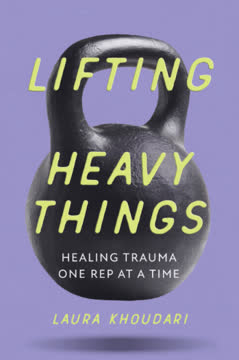
Key Takeaways
1. Trauma's Embodied Impact Requires Body-Based Healing
For a fuller form of healing from trauma, we need to contend with the physiological states that correspond to our thoughts and emotions.
Beyond talk therapy. Trauma is not merely a psychological event; it leaves a deep-seated emotional and physiological residue in the body, manifesting as a constant feeling of unsafety. Traditional talk therapy, while valuable for awareness, often falls short in addressing these embodied states. A comprehensive healing approach must integrate physical and emotional processing.
Nervous system dysregulation. Trauma overwhelms the nervous system, preventing the natural completion of the threat response cycle (fight, flight, freeze). This leaves the body stuck in a state of chronic activation, leading to hair-trigger reactions and a diminished ability to relate effectively to the world. The prefrontal cortex, responsible for rational thought, often goes offline, leaving the limbic system (survival instincts) in charge.
Embodied awareness. Healing requires befriending our bodies and developing embodied awareness—a fluid state of tuning into internal signals. This can be challenging for trauma survivors, as body sensations might feel intolerably uncomfortable. Trauma-informed movement practices, like strength training, offer a pathway to safely return to a sense of safety within the body, fostering lasting healing.
2. Cultivate a Safe and Accepting Relationship with Your Body
It is hard to experience your body when you hate being in it.
Internalized body shame. Societal weight stigma and fatphobia deeply harm individuals, leading to internalized beliefs that one's body is less valuable or capable if it doesn't conform to narrow ideals. This shame can make engaging in physical activity feel punitive or impossible, as the gym becomes a place associated with judgment and public ridicule.
Exercise as self-care. Shifting the mindset from viewing exercise as punishment to an act of self-care is transformative. The author's experience with trainer Ed Williams demonstrated that exercise is beneficial for unseen systems like endocrine, cardiovascular, and nervous systems, boosting mood and managing chronic pain, regardless of body size or appearance. This non-judgmental approach fosters pride and joy in movement.
Unpacking harmful messages. To engage in embodied movement, individuals must unpack the harmful messages absorbed from diet culture and societal biases. This involves silencing the "inner bully" and cultivating self-compassion, recognizing that every body deserves love and kindness. This internal work creates space for self-acceptance and a sustainable, intuitive relationship with exercise.
3. Orient to Your Environment to Create a Sense of Safety
Orienting is something you do instinctively under threat, but it can also be done intentionally when you need to come back to the present moment and demonstrate to yourself that you are safe.
Instinctual safety mechanism. When faced with an unfamiliar stimulus or perceived threat, our natural instinct is to orient—to look around, listen, and assess the situation. This is a fundamental part of keeping ourselves safe. Trauma can disrupt this process, making new or even familiar environments feel threatening.
Intentional grounding. We can intentionally use orienting techniques to bring ourselves back to the present moment and establish a sense of safety. This involves consciously engaging our senses to take in our surroundings:
- Sight: Noticing colors, shapes, and objects in the room.
- Sound: Listening to sounds near and far, like your own breath, ambient noises, or distant traffic.
- Touch: Feeling the support of the ground or seat beneath you, or placing a hand on your belly.
Creating a safe container. Orienting to a space, whether a gym or your home, helps create a "safe container" for new experiences and healing work. This includes familiarizing yourself with the layout, identifying resources, and having a plan for setting up and putting away equipment. Knowing the plan for a workout, for instance, is a form of orientation that reduces anxiety and promotes safety.
4. Re-establish Mind-Body Connection Through Interoception
Perceiving the visceral feeling of a physical sensation inside the body is known as interoception.
Dissociation's impact. Trauma can lead to dissociation, where individuals mentally check out of their bodies or specific body parts. This "undercoupling" is a survival strategy, but it can result in chronic pain, injury, and an inability to fully experience life. In movement, it manifests as certain muscles being "offline" or a lack of awareness during exercise.
Activation exercises. To counteract dissociation, activation exercises are used to re-establish a mind-body connection. These simple drills isolate specific muscles, helping individuals feel them working and bringing them back online. This process must be done slowly and thoughtfully, as rushing can overwhelm the system and trigger past trauma.
Titration and pendulation. When working with dissociated body parts, it's crucial to use techniques like titration (processing small, tolerable amounts of discomfort) and pendulation (shifting attention between uncomfortable and neutral/pleasant body sensations). This gradual approach prevents overwhelm and allows for meaningful connections to be made, fostering healing and safer movement.
5. Anchor Trauma in the Past to Move Towards Thriving
Although traumas can be narrowed down to a point in time, examined closely, and securely placed in the past, they cannot be untangled from the fabric of our lives.
Trauma as time travel. Unprocessed trauma keeps the nervous system stuck in the past, causing individuals to "time travel" through triggers, intrusive memories, and flashbacks. The body continues to react as if the threat is present, preventing true healing and integration of the experience into one's personal timeline.
Somatic Experiencing (SE). This body-oriented approach helps individuals process trauma by focusing on bodily responses (sensations, behaviors) alongside thoughts and emotions. SE provides tools to complete thwarted threat responses, teaching the nervous system that the traumatic event is over and that the individual has survived. This allows the body to move from a state of survival to one of thriving.
"I survived. I'm alive." A pivotal moment in trauma healing is the explicit, embodied realization that the threat is gone and one is alive in the present. This statement, when truly felt and understood by the nervous system, can reorganize internal systems, creating a sense of calm and spaciousness. It anchors the trauma firmly in the past, allowing individuals to reclaim their lives and step into their aliveness.
6. Claim Your Agency by Honoring Your Boundaries
Your agency is your capacity to act independently and to make your own free choices.
Breach of boundaries. Trauma inherently involves a breach of boundaries—physical, emotional, or energetic—leaving individuals feeling porous and unsafe. This can make it difficult to discern where one ends and others begin, impacting relationships and self-perception. Healing requires repairing these boundaries and learning to enforce them.
Interoception and action. Cultivating interoception (feeling what's happening inside your body) is crucial for identifying your needs and wants. Agency then involves taking action based on this embodied knowing. In a trauma-informed practice, this means:
- Invitational language: Practitioners ask for engagement rather than commanding it.
- Consent: Explicitly asking for and receiving permission for touch or specific movements.
- Active listening: Deeply understanding a client's experience without imposing one's own.
Empowerment through practice. Practicing agency in a safe environment, like the gym, builds a solid foundation for advocating for oneself in all areas of life. Honoring the body's signals—resting when needed, modifying movements that cause pain, or choosing not to train—is an act of self-care that reinforces boundaries and empowers survivors to reclaim their truth.
7. Build Resilience Through Intentional Rest and Recovery
Resilience, which is built during recovery, is the ability to return to rest with ease after lifting heavy things—not simply the ability to tolerate lifting them.
The importance of cool down. Just as a workout has an activation phase, it must have a recovery phase, or "cool down." This transition from high exertion to rest prevents dizziness, reduces muscle soreness, and eases the nervous system back into its window of tolerance. Skipping it hinders the body's ability to integrate physical developments and strengthen muscles.
Nervous system resilience. A resilient nervous system isn't one that avoids stress, but one that can recover from it more quickly and easily. Intentional rest after arousal, whether from exercise or trauma processing, allows the body to integrate lessons and replenish resources. This practice helps the nervous system move fluidly between activated and restful states.
Active recovery. For those who find stillness challenging or triggering, active recovery offers a valuable alternative. Moderate activities like walking, hiking, or gentle yoga can encourage the nervous system to move into a rest state while still allowing for movement. The key is to work hard enough to feel it, but still be able to breathe through the nose and carry on a conversation, promoting calm without immobilization.
8. Discover Your "Why" to Sustain Your Movement Practice
Finding motivation that comes from within us, making a wellness practice a habit, and ultimately finding the practices we love, is a process that asks us to start somewhere, be curious, and find our joy.
The "why" drives consistency. Knowing your fundamental reason for engaging in a movement practice is crucial for long-term adherence. Whether it's to heal, manage pain, lift your spirit, or deepen self-connection, a clear "why" provides the internal motivation to keep showing up, especially when external factors or initial enthusiasm wane.
Start somewhere, stay curious. Many people struggle to make exercise a habit, often giving up by February after New Year's resolutions. The key is to simply start, even begrudgingly, and remain curious about what you enjoy and what feels natural. This might involve trying different modalities—yoga, dance, strength training, or outdoor activities—until you stumble upon something that sparks joy and aligns with your strengths.
Relationships and joy. Healing relationships, whether with a trainer, workout buddy, or community, can provide vital social support and accountability, making the practice more enjoyable and sustainable. Ultimately, finding joy in the movement itself—the cultivation of new skills, the feeling of strength, or the meditative aspect—transforms exercise from a chore into a cherished ritual.
9. Heal Relationships and Find Connection for Safety
Feeling connected to others is important to healing—in therapy, in the gym, and around the kitchen table.
Trauma's ripple effect. Trauma often leads to withdrawal, lashing out, or isolation, impacting relationships. As individuals heal, their behavior changes, necessitating healing work within their relationships as well. Strong, supportive connections are not just beneficial; they are essential for trauma recovery.
Co-regulation as a healing platform. Co-regulation is a psycho-biological phenomenon where two nervous systems sync up, creating a physiological platform of safety. This occurs through observing tone of voice, facial expressions, body language, and touch. For trauma survivors, who may struggle with trust, finding even one safe, authentic relationship—with a therapist, friend, or pet—can initiate this crucial process.
Community beyond trauma. Connections don't always need to be explicitly about trauma. Finding community in spiritual groups, dance studios, art classes, or gyms can provide a sense of belonging and support. These environments offer opportunities for co-regulation and shared experiences, fostering trust and reducing the isolation that trauma often imposes, even if the trauma narrative is never shared.
10. Choose Wisely When (Not) Telling Your Trauma Story
Your story is yours to share.
Intentional disclosure. Before sharing your trauma story, consider its potential impact on yourself and others. Ask: Will it help me? Will it help this person? How will I feel afterwards? Will it cause harm? Sharing unprocessed trauma can be re-traumatizing, leading to dysregulation and overwhelm, especially if met with blame, disbelief, or toxic positivity.
Boundaries in sharing. Learning to identify and enforce boundaries is crucial for healthy storytelling. You have the right to choose when, how, and with whom you share your narrative. This might mean sharing only a headline, using content warnings, or simply saying "no" to requests for details. This act of ownership is empowering and protects your emotional well-being.
Community and empathy. While not all stories need to be shared publicly, finding safe spaces to confide in trusted individuals can be profoundly healing. Being met with understanding and empathy can combat the alienation trauma causes, tethering you back to humanity. Public sharing, when done from a place of resilience, can normalize experiences for others and drive social change, but personal safety and readiness must always be prioritized.
Last updated:
Similar Books