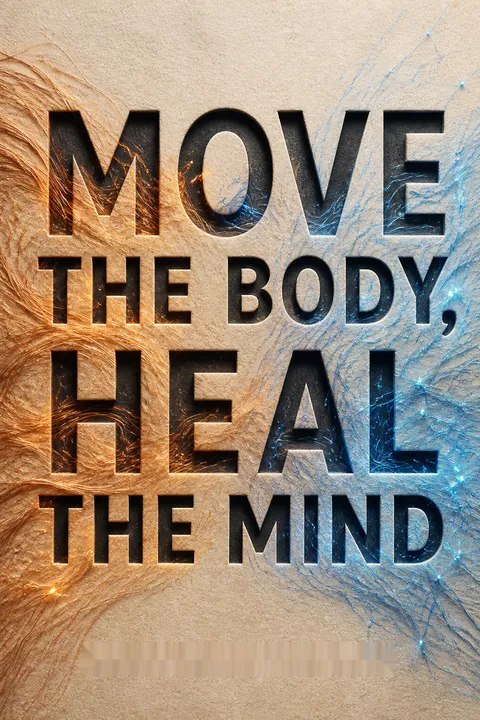


Key Takeaways
Treat movement as brain care, not merely a fitness project.
Movement changed the story. In 2017, Jennifer Heisz was facing the end of her marriage and felt physically depleted. She chose a triathlon as a reason to begin moving, despite a history of painful attempts to become a runner. Cycling on an old road bike became a source of relief, and eventually helped her build the strength for a new life and a research career focused on exercise and the brain.
The claim is broader than fitness. The book connects regular movement with changes in mood, stress resilience, addiction recovery, memory, sleep, attention, and creativity. The central invitation is to use exercise as a tool for mental as well as physical health, beginning at a level that is possible now. It is not a promise that exercise cures every illness or a substitute for medical care.
What's compelling is the book's shift in the purpose of exercise: movement is not a punishment for eating or a project limited to appearance. It can be a way to regain agency when life feels narrowed. That framing also fits behavioral science, where actions that feel meaningful and immediately rewarding tend to be easier to repeat than those justified only by distant outcomes. The personal story makes a useful case study, but it is not clinical proof. Exercise can support recovery, while mental illness, unsafe relationships, and material barriers may require treatment or changes that movement alone cannot provide.
Start gently, then train just beyond what feels easy.
Plan before resistance arrives. Heisz describes the brain as biased toward conserving energy, so an unscheduled workout becomes an easy target when time or motivation is scarce. Putting exercise on a calendar, with a clear activity, time, place, and companion, reduces last-minute decisions. A study of sedentary women found that those who planned workouts ahead were more consistent than those given no planning instructions.
Find a useful challenge. Allostasis means the body's adaptive response to a manageable challenge. Too little challenge may produce little adaptation; too much, without enough recovery, can create allostatic load, or accumulated stress that leaves the body weaker. The Talk Test offers a practical guide: at an easy pace, conversation is comfortable; near or above a personal lactate threshold, talking becomes difficult. Start below your limit and increase gradually.
This is a strong bridge between physiology and behavior design. A calendar converts a vague intention into a cue, while a tolerable starting pace makes the first experience less punishing. Together, those changes address both the decision to begin and the likelihood of returning. The useful challenge is individual, not a fixed speed or heart rate, and stress outside exercise affects what a person can recover from. The framework should not turn every walk into a threshold test. For many people, regular comfortable movement is a meaningful beginning, and people with medical concerns may need individualized advice.
Use movement to teach a fearful brain that body sensations can be safe.
Fear can attach to movement. The amygdala helps detect threats, but it can learn to treat harmless situations as dangerous. Heisz connects this fear conditioning to her own avoidance of swimming after humiliating lessons as a teenager. Exercise can bring on sensations such as a racing heart or shortness of breath, which may frighten people who fear panic or illness. Her suggested tools include gentle exposure, reframing stress sensations as manageable, and attending to the breath.
Beliefs can shape pain. In a study described in the book, patients with back pain who were warned exercise might worsen symptoms reported more pain and restricted their movement. Reassuring instructions reduced reported pain. Regular light-to-moderate exercise, around 30 minutes three times a week, helped reduce anxiety in research cited by Heisz. A small HIIT trial also reported fewer panic symptoms, but some interested patients never began the program.
The section shows how expectation, attention, and bodily sensation can interact, without implying that pain or panic is imaginary. The distinction matters: the experience is real, even when threat interpretation adds to it. Gradual exposure is a well-established learning principle, and movement can provide repeated evidence that an elevated pulse is not automatically a catastrophe. But intensity should not be prescribed casually to someone with heart disease, severe panic, or chronic pain. The small HIIT study is promising rather than definitive, and supervised care can make the difference between helpful exposure and an overwhelming experience.
Build a weekly hour of movement to help protect against depression.
Small amounts may matter. A large study followed more than 33,000 adults without prior mental or physical illness for 11 years. People reporting at least an hour of exercise each week were less likely to develop depression; the researchers estimated that this activity level might have prevented 12 percent of new cases. Because this was an observational study, the result does not prove exercise alone caused the difference.
The body and mood interact. Heisz describes inflammation as one possible contributor to some depression, rather than a universal explanation. Contracting muscles release myokines, signaling molecules associated with the body's response to exercise and its anti-inflammatory cleanup. In a study of students facing final exams, sedentary participants developed clinically concerning depressive symptoms, while both moderate continuous exercise and interval training appeared protective. Exercise can complement therapy or medication, not replace needed care.
The most valuable move here is away from a single-chemical explanation of depression and toward a system that includes stress, immunity, behavior, and environment. That makes room for different people to have different biological contributors and different treatment responses. The evidence also spans distinct designs: a large cohort can identify a long-term association, while an exercise intervention offers stronger evidence of a possible protective effect in one stressful setting. Neither establishes that inflammation explains every case or that movement works for everyone. The one-hour figure is an accessible starting point, not a threshold below which exercise is useless.
Pair addiction treatment with supervised exercise that restores reward circuitry.
Exercise offers a healthier reward. Drugs can flood the brain's reward system with dopamine, prompting it to reduce dopamine production and receptors. Natural rewards then feel less satisfying, while cravings and the pressure to use can grow. Exercise also raises dopamine, but at a much smaller scale than drugs in the comparisons cited by Heisz. It may help restore reward-system function during recovery rather than mimic a drug high.
Structure matters. In a study of people recovering from methamphetamine dependence, an eight-week supervised program combined cardio and strength work for 55 minutes, three times a week. Dopamine receptor measures increased 14 percent in the exercise group, compared with 3 percent in an education group. Participants also reported improved mood. Relapse outcomes were not equally positive for all participants: exercise reduced relapse for lighter users, but not heavier users. Ongoing support after rehab remains crucial.
This account wisely treats recovery as more than a test of willpower. Addiction changes reward learning and impulse control, while a scheduled group program supplies external structure at a time when self-regulation may be strained. Exercise can also create routine, social contact, and non-drug sources of reward, so its value is not reducible to dopamine measurements. The mixed relapse results are important: a promising add-on is not a stand-alone treatment, especially for people with more severe use. A humane approach combines exercise with established addiction care and practical support rather than making relapse a moral failure.
Break up sitting and build fitness to defend the aging brain.
Interrupt long sitting spells. Prolonged sitting can affect metabolism and blood flow. In a study described by Heisz, two minutes of movement every 30 minutes during a four-hour sitting period preserved brain blood flow better than sitting continuously. The frequent short breaks also performed better than taking an equal amount of movement in longer breaks every two hours.
Progress when ready. Fitness in midlife is associated with lower dementia risk, and interval walking can improve fitness, blood pressure, and blood sugar regulation. In Heisz's lab, 64 sedentary older adults completed a 12-week program that alternated light and vigorous walking. Their episodic memory improved by 30 percent, and gains tracked with improvements in fitness. The book also notes that inactivity can offset some genetic advantages, while acknowledging that direct evidence about new brain cells in humans remains unsettled.
The aging chapter resists fatalism in two directions: genes do not dictate the whole future, and an age label should not dictate what someone can do today. Frequent movement breaks are especially practical because they do not require a gym or a large block of free time. The memory result is striking, but it comes from a relatively small, specific study and should not be read as a promise that interval walking prevents dementia. Brain health is also shaped by health care, social connection, income, and safe places to move. Lifestyle advice is strongest when it expands options rather than assigning blame.
Use steady exercise timing to improve sleep, not to replace it.
Timing helps set the clock. The brain's internal clock does not match the day perfectly on its own. Light and exercise can shift its timing, so regular workouts may help align sleep with the desired schedule. In lab research discussed by Heisz, exercise shifted participants' biological timing, and combining it with bright light produced a larger shift than either alone. The direction of change depended on the time of the workout.
Build sleep pressure too. Exercise can make it easier to fall asleep and may increase deeper sleep, especially when activity is regular and sufficiently challenging. One woman with long-term insomnia followed a gradually increasing walking plan at the same time each weekday. After six months, her insomnia score had dropped below the book's clinical threshold. Vigorous exercise close to bedtime can delay sleep for some people, so late workouts may need to be gentler.
Sleep is governed by both timing and accumulated need, which helps explain why a single rule about morning or evening exercise cannot suit everyone. Consistency gives the body a predictable signal, while chronotype and daily obligations shape the best schedule. The insomnia case offers an encouraging example, not a guarantee for all causes of poor sleep. Persistent insomnia can involve conditions that exercise does not address, and sleep restriction should not be treated as a training problem. Movement is a useful part of sleep care, alongside a realistic schedule and appropriate clinical help.
Take movement breaks before demanding work, not after attention collapses.
A short reset can help. Focus depends partly on executive functions, including working memory, inhibitory control, and mental flexibility. These functions support holding information in mind, resisting distractions, and switching perspectives. Heisz's lab found that brief exercise breaks, including five-minute bouts, improved on-task attention compared with remaining sedentary. The book reports that the cognitive boost can last up to two hours, making a movement break useful before a meeting or focused work period.
Classrooms can move too. One teacher added short bouts of activity between lessons and movement into academic exercises. Her students became less distracted and disruptive, and teachers across the school adopted the approach. Research reviewed in the book suggests active classrooms can preserve learning while making more of the time productive. The practical point is not that every work session needs intense exercise. Light or moderate movement can be enough to interrupt mental drift.
This insight treats attention as a state that can be supported by changing the body's activity, rather than a virtue that must be summoned indefinitely. It also points toward better-designed schools and workplaces: movement breaks are easier to use when they are built into the schedule instead of left to individual discipline. The reported benefit is most relevant as a short-term aid, not a replacement for sleep, task design, or treatment for attention disorders. Nor does every person need the same movement. A choice of walking, stretching, or brief calisthenics makes the idea more inclusive.
Choose varied, playful movement to grow creativity and make exercise stick.
Play trains flexible thinking. Creative action depends on more than concentration. Heisz contrasts rehearsed routines with sports that require responding to changing opponents; the latter ask the brain to adapt in real time. Walking, yoga, cycling, and other activities can also prompt creative thinking. For children, the book cites research linking a more balanced mix of organized sport and free play with greater creative potential in adulthood.
Enjoyment supports repetition. In a study described by Heisz, people asked to focus on an exercise goal, such as weight loss, became less enthusiastic than people asked to notice the experience of exercising. Social movement can add another reason to return: older adults in group programs reported support and less loneliness, while athletes often described friendship as a major source of motivation. The lesson is to keep goals, but let the activity itself offer something worth repeating.
The connection between play and persistence is more than a motivational trick. Novel, responsive activities give the mind room to explore, while enjoyable experiences make repetition less dependent on distant rewards. This resonates with intrinsic motivation, the idea that behavior is more durable when it feels engaging or personally meaningful. Still, novelty is not a substitute for practice: a skill improves through repetition, and some goals require structured training. The practical balance is to preserve enough variety and choice that exercise remains a lived experience, not another item on a productivity checklist.
Analysis
Heisz's most useful contribution is not a single exercise prescription but a change in the unit of analysis. Exercise is treated as a repeated interaction among body, brain, setting, and behavior. That perspective explains why the same activity can soothe one person and overwhelm another, why an available gym does not guarantee recovery, and why a short walk can matter even when it falls far short of athletic training. Her personal narrative gives that idea emotional form: movement is not a cure for a broken marriage or a universal solution to illness, but it can restore capacity for action during a difficult transition.
The book's strongest evidence is heterogeneous. It includes randomized exercise interventions, observational cohorts, animal research, small clinical studies, and personal experience. Those sources do not support identical levels of certainty. For instance, a cohort association between weekly movement and reduced depression risk cannot establish causation, and a memory improvement in a modest interval-walking study does not prove dementia prevention. The book sometimes moves quickly from plausible biological mechanisms, such as inflammation, BDNF, or dopamine receptors, to practical conclusions. Mechanisms help explain results, but they are not themselves proof that a particular program will work for every patient. Human neurogenesis is explicitly unsettled in the material, a useful reminder that exercise can benefit brain function even when the exact cellular story remains unclear.
The adaptation that matters most is therefore individualized and modest: schedule movement, begin at a tolerable effort, and adjust for recovery, fear, health conditions, and daily stress. The social and environmental dimensions deserve equal emphasis. A safe route, a supportive group, adaptive equipment, or paid time to move can determine whether advice is possible. Framing exercise as medicine can empower, but it can also sound like a new obligation to people facing disability, poverty, caregiving, or discrimination. The book is most persuasive when it offers movement as an expanding set of options, not as a moral test or a substitute for medical and social support.
Review Summary
Move The Body, Heal The Mind receives mostly positive reviews for its accessible approach to explaining the mental health benefits of exercise. Readers appreciate the scientific backing and practical advice, finding it motivating and informative. Many praise the author's personal anecdotes and the included exercise routines. Some criticize the writing style as simplistic or repetitive, and a few disagree with the emphasis on exercise over medication. Overall, readers found the book helpful in understanding the mind-body connection and encouraging a more active lifestyle.
People Also Read






Glossary
Allostasis
Adaptation through changeAllostasis is the body's process of maintaining stability by adjusting to changing demands. Exercise briefly pushes the body away from its usual state, prompting adaptations that can improve fitness and stress tolerance. The useful challenge must be balanced with recovery, since repeated demands without adequate rest can become harmful.
Allostatic load
Accumulated stress burdenAllostatic load is the strain that builds when the body's stress systems are activated too often or for too long without enough recovery. In the book's exercise framework, training beyond a person's capacity, especially while life stress is high, can add to this burden rather than produce beneficial adaptation.
Lactate threshold
Personal challenging intensityLactate threshold is the exercise intensity at which lactate begins accumulating faster than the body can clear it. Heisz uses it as a guide to a comfortably challenging effort that can stimulate adaptation. The Talk Test offers a rough estimate: above the threshold, comfortable conversation becomes difficult.
Talk Test
Conversation-based effort guideThe Talk Test estimates exercise intensity without laboratory equipment. If a person can speak comfortably while moving, the effort is probably below their lactate threshold. If talking comfortably becomes difficult, the effort may be near or above it. The test is approximate and should be interpreted in light of individual health and fitness.
Neuropeptide Y (NPY)
Stress-resilience signaling moleculeNeuropeptide Y is a signaling molecule associated in the book with lower fear responses and greater resilience to stress. Heisz describes research suggesting that exercise can increase NPY after a workout. The evidence discussed includes small studies, so it supports a possible mechanism rather than a complete account of how exercise reduces anxiety.
Myokines
Muscle-released signaling moleculesMyokines are signaling molecules released by contracting muscles during exercise. They communicate with other parts of the body and are discussed in the book as part of exercise's anti-inflammatory effects. Their activity offers one explanation for how muscular work may influence conditions involving both physical health and mood.
Runner's high
Exercise-related euphoriaRunner's high is a pleasurable, sometimes euphoric state associated with prolonged or sufficiently challenging exercise. Heisz discusses evidence involving both endorphins and endocannabinoids, the body's own signaling chemicals. The experience varies by person and is not required for exercise to support health or recovery.
Executive functions
Planning and mental controlExecutive functions are mental abilities used to manage information and behavior. The book emphasizes working memory, which holds and manipulates current information; inhibitory control, which helps suppress distractions; and mental flexibility, which supports switching perspectives. Exercise may provide short-term boosts and longer-term training benefits for these abilities.
Chronotype
Preferred sleep-wake timingChronotype describes an individual's tendency toward earlier or later sleep and waking times. Heisz explains that workout timing can interact with this biological preference and shift the body's internal clock. A consistent schedule may help align sleep with daily demands, though the best timing differs among people.
Flow
Absorbed, effortful engagementFlow is a state of intense absorption in a challenging activity, where attention, skill, and action feel closely coordinated. Heisz connects it with tasks that are demanding but achievable and with cooperation between brain networks associated with focused control and spontaneous thought. It is an experience, not a guaranteed result of exercise.
FAQ
What's Move The Body, Heal The Mind about?
- Focus on Exercise and Mental Health: The book explores the connection between physical activity and mental well-being, emphasizing how movement can alleviate issues like anxiety, depression, and cognitive decline.
- Evidence-Based Approach: Dr. Jennifer Heisz presents original research and studies that support the idea that exercise is a powerful tool for improving mental health.
- Personal Journey: The author shares her own transformation from a sedentary lifestyle to becoming a triathlete, illustrating the profound impact of exercise on her mental state.
Why should I read Move The Body, Heal The Mind?
- Practical Guidance: The book offers actionable advice and exercise plans that readers can implement to enhance their mental health.
- Scientific Backing: It is grounded in neuroscience, providing readers with a deeper understanding of how exercise affects the brain and body.
- Inspiration for Change: Dr. Heisz’s personal story serves as motivation for readers to embark on their own fitness journeys, showing that change is possible at any age.
What are the key takeaways of Move The Body, Heal The Mind?
- Exercise is Essential: Regular physical activity is crucial for maintaining mental health and can help combat anxiety, depression, and cognitive decline.
- Mind Over Matter: The book emphasizes the importance of overcoming mental barriers to exercise, such as the brain's natural resistance to change.
- Holistic Approach: It advocates for a comprehensive view of health, where physical and mental well-being are interconnected and equally important.
How does exercise help with anxiety and depression in Move The Body, Heal The Mind?
- Biological Response: Exercise triggers the release of endorphins and other neurochemicals that improve mood and reduce feelings of anxiety.
- Cognitive Benefits: Regular physical activity enhances brain function, leading to better emotional regulation and resilience against stress.
- Social Interaction: Engaging in group exercises can provide social support, which is crucial for mental health and combating feelings of isolation.
What specific methods does Dr. Heisz recommend for incorporating exercise into daily life?
- Wellness Walks: The book introduces the concept of short, manageable walks as a starting point for those new to exercise, emphasizing consistency over intensity.
- Structured Plans: Dr. Heisz encourages readers to schedule workouts in advance, treating them as important appointments to ensure they are prioritized.
- Gradual Progression: The author advocates for slowly increasing the intensity and duration of workouts to build confidence and avoid injury.
How does Move The Body, Heal The Mind address the aging process and brain health?
- Neurogenesis and Aging: The book discusses how exercise can promote the growth of new brain cells, particularly in the hippocampus, which is vital for memory and learning.
- Preventing Cognitive Decline: Dr. Heisz emphasizes that regular physical activity can significantly lower the risk of dementia and other age-related cognitive issues.
- Positive Aging Mindset: The author encourages readers to challenge stereotypes about aging, promoting the idea that staying active can lead to a vibrant and fulfilling life at any age.
What role does social support play in exercise according to Move The Body, Heal The Mind?
- Community Engagement: The book highlights the importance of exercising with others, as it can enhance motivation and accountability.
- Shared Experiences: Group activities foster camaraderie and can make exercise more enjoyable, reducing the likelihood of dropping out of a fitness routine.
- Support Networks: Having friends or family involved in one’s fitness journey can provide emotional support, making it easier to overcome challenges.
How does exercise impact sleep according to Move The Body, Heal The Mind?
- Improved Sleep Quality: Heisz explains that regular physical activity can help individuals fall asleep faster and experience deeper sleep, which is essential for cognitive function and emotional stability.
- Circadian Rhythm Regulation: The book discusses how exercise can help reset the body's internal clock, making it easier to maintain a healthy sleep-wake cycle.
- Exercise Timing: Heisz provides insights on the best times to exercise for optimal sleep benefits, suggesting that morning or afternoon workouts can be particularly effective.
What are the reasons it’s hard to exercise according to Move The Body, Heal The Mind?
- Brain's Resistance to Change: The brain prefers the status quo and views exercise as an unnecessary expense of energy, making it difficult to initiate a fitness routine.
- Physical and Psychological Barriers: Factors such as stress, fatigue, and fear of injury can create mental blocks that prevent individuals from starting or maintaining an exercise program.
- Need for Planning: The author suggests that without a structured plan, it’s easy to let exercise fall by the wayside, as spontaneous decisions often lead to inactivity.
What are some exercises recommended in Move The Body, Heal The Mind?
- Wellness Walk: A simple 30-minute walk at a comfortable pace is recommended to promote physical activity and mental clarity.
- Vitality Pump: This workout combines strength and aerobic exercises, designed to be fun and achievable, making it suitable for various fitness levels.
- Elixir for Life: A series of exercises aimed at enhancing overall well-being, focusing on strength and balance, which are essential for maintaining independence as we age.
How can I start my fitness journey based on the advice in Move The Body, Heal The Mind?
- Set Realistic Goals: Begin with small, achievable fitness goals to build confidence and create a sense of accomplishment.
- Create a Schedule: Use a calendar to plan workouts, ensuring that exercise becomes a regular part of your routine.
- Focus on Enjoyment: Choose activities that you enjoy to make exercising feel less like a chore and more like a rewarding experience.
What are the best quotes from Move The Body, Heal The Mind and what do they mean?
- “Every new beginning comes from some other beginning’s end.”: This quote by Seneca highlights the importance of embracing change and starting anew, which is a central theme in the author’s journey.
- “You can change your brain by changing your mind.”: This emphasizes the power of mindset in overcoming obstacles to exercise and improving mental health.
- “A walk a day keeps dementia at bay.”: This catchy phrase encapsulates the book's message that regular movement can significantly reduce the risk of cognitive decline.
Download PDF
Download EPUB
.epub digital book format is ideal for reading ebooks on phones, tablets, and e-readers.








