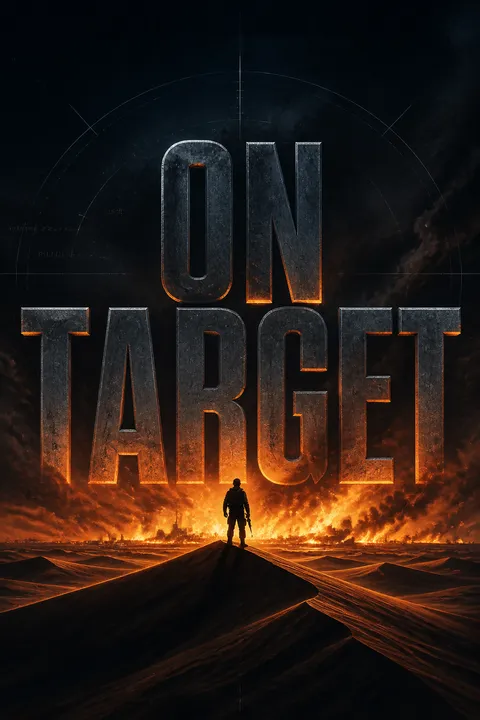


Plot Summary
Prologue
After months recovering from a bullet wound and knife injury, Court Gentry, the Gray Man, arrives in Dublin by fishing boat, determined to return to work despite his dependence on painkillers. Russian crime boss Gregor Sidorenko has arranged a contract on Dougal Slattery, an Irish former hit man now playing drums in a pub band.
Court has agreed to judge the target for himself, but he is also trying to prove that injury, isolation, and narcotics have not made him soft. He heads into the city under a disguise, carrying an old wound and a private rule about whom he is willing to kill.
The opening makes physical recovery inseparable from moral recovery. Court’s body is healing, but his reliance on narcotics and his need to feel operational again reveal a man who treats work as proof of existence. His return to Dublin therefore begins as more than a contract: it is a test of whether his private code still governs him when the employer supplying his work is a criminal. The disguise and the anonymous arrival establish his habits of concealment, while the lingering injuries remind us that this supposedly controlled professional is vulnerable to pain, exhaustion, and the judgments he tries to keep at a distance.
A Drummer on Retainer
In a shabby hotel, Court uses a coded online forum to confirm his arrival to Sidorenko, a Russian mob boss who has become his new source of contracts. Sidorenko’s file identifies Dougal Slattery as a onetime hired killer who now plays traditional Irish drums, but offers little evidence that the older man has committed a recent crime.
Court accepts the assignment anyway, reasoning that Slattery may again be working for a criminal network. He has deliberately left his prescription narcotics behind to break his dependence, and the withdrawal leaves him sore, sleepless, and uncertain of his edge. Before approaching the target, Court changes into local clothes, checks for anyone following him, and studies Slattery at a packed Temple Bar pub.
Court’s standard of justice is personal rather than institutional: he vets targets because he wants a moral distinction between his own killing and the violence he claims to prevent. Yet the thin evidence on Slattery already strains that distinction. His decision to proceed rests on probability and Sidorenko’s authority, not proof. At the same time, the attempt to detox shows that Court understands how easily competence can become dependency. He wants to regain control of his body, but he chooses a job that may test his conscience more sharply than his marksmanship. The story begins by placing those two forms of control in direct competition.
The Pub Sees Through Him
Court follows Slattery from the music pub to the Padraic Pearse, expecting a quiet night of surveillance. A detour into the narrow back alley reveals that the pub is larger and rougher than it looks, but when Court enters, he finds only a cramped room full of wary regulars. Slattery has already noticed him at the first bar.
The Irishman quietly recruits two young companions to test the stranger, while the bartender and patrons watch Court through the mirror. Slattery intervenes before the men can force a fight, giving Court a chance to leave without drawing a weapon. The gesture does not restore secrecy. Court follows Slattery into the night, now knowing his target is alert and the operation must move faster.
The pub reverses the usual hunter-and-prey arrangement. Court enters believing that observation gives him control, but Slattery reads the room and recognizes the disguise. The older man’s intervention is both practical and revealing: he can manage violence without displaying it, a skill Court respects even before he knows why. The episode also exposes Court’s vulnerability after injury. His tactical judgment remains acute, yet a small miscalculation about the pub’s layout places him among a dozen potential attackers. His safest route out depends not on force, but on Slattery’s choice to restrain his own men.
Sid’s Contract Unravels
Two of Slattery’s young associates ambush Court on the way to the Irishman’s flat. Court disables them and forces one to reveal the address. Inside, Slattery waits with whiskey and asks for one day to send money to his adult son, who has Down syndrome and depends on private care.
Court refuses, but Slattery then reveals that Sidorenko has invented the supposed outside client. Years earlier, Sid had made Slattery kill a rival contractor to create a vacancy; now he is using Court to remove his aging employee and install a replacement.
Court lowers his pistol, then survives Slattery’s sudden attempt to strangle him. He kills Slattery in the ensuing fight. Later, he arranges a protected trust for the son’s care, making the promise he could not keep in the flat.
Slattery’s plea disrupts Court’s convenient categories. The target is a killer, but he is also a father trying to protect someone dependent on him; the job’s moral premise collapses when Sid’s deception becomes clear. Court does not spare Slattery, however. Once attacked, he chooses survival and kills him, then tries to repair one consequence by securing money for the son. That sequence is psychologically revealing: compassion does not erase violence, and atonement arrives as administration after irreversible action. Sid’s manufactured contract also establishes the central danger of the book: Court’s code can guide his choices only when the facts he receives are trustworthy.
The Russian’s Larger Offer
Instead of letting Court leave Poland, Sidorenko’s gunmen seize his weapon and escort him to the mob boss’s mansion outside Saint Petersburg. Sid recounts how he survived Russia’s criminal upheavals through a combination of calculation and brutality, then offers Court a new contract: kill Bakri Ali Abboud, Sudan’s president, for four million dollars.
Sid claims Russia wants Abboud removed because he is enabling Chinese access to newly discovered oil in Darfur, and promises a secret military flight into Sudan.
Court is skeptical of both the explanation and the logistics, but Abboud is a wanted ruler blamed for mass atrocities. Sid’s offer gives Court what he wants most: a target he can regard as worthy, plus a route back to profitable work.
Sidorenko sells power as a form of intimacy. His mansion, armed entourage, and story of surviving torture all press Court to accept the Russian’s authority, while the proposed target appeals to Court’s moral self-image. The financial offer is enormous, but the deeper lure is the chance to kill a man whose crimes appear undeniable. Sid’s account also turns mass suffering into geopolitical currency, linking justice to oil rights and state rivalry. Court hears the manipulation but cannot yet distinguish which parts are false. His decision to listen shows how easily a righteous target can make an unreliable patron seem temporarily useful.
Zack Rewrites the Mission
Before Court can act, a CIA team drugs him and brings him face to face with Zack Hightower, his former Golf Sierra leader. Zack explains that the shoot-on-sight order against Court is temporarily suspended. The CIA wants him to use Sid’s Russian transport to enter Sudan, seize Abboud during a staged rebel attack, and hand him to the International Criminal Court.
In return, the agency will end its hunt and offer future contract work. Director Denny Carmichael confirms the bargain but refuses to explain why Court was burned years earlier. Court accepts, driven by the chance to escape permanent pursuit and return to agency work. He begins preparing for a mission whose political purpose conflicts with Sid’s assassination contract.
Zack’s offer converts Court from a hired killer into an instrument of state policy without changing the methods required of him. The agency’s promise of clemency addresses Court’s deepest practical fear, a life spent scanning shadows, but it does not answer the moral question of why he was marked for death. Carmichael’s refusal keeps Court dependent on an institution that withholds the very facts it demands he trust. The arrangement also makes plausible deniability its own kind of violence: Court is useful precisely because the CIA can disown him. He accepts freedom on conditional terms, returning to the system that once made him an expendable outsider.
A Landing in Darfur
After a week of training, Court boards a Russian Il-76 carrying machine guns into Sudan. Air traffic control diverts the aircraft from Khartoum to Al Fashir in Darfur, delaying the mission and placing him beside an unauthorized weapons shipment. There he notices Ellen Walsh, a Canadian investigator who has been stranded at the airport.
She recognizes the aircraft as a variant she has been researching and approaches the Russian crew under false UN credentials, hoping to inspect it. Court warns the pilot that she is asking too many questions, but Ellen’s knowledge makes her dangerous to the flight. When the pilot and Sudanese security discover her notebook, the encounter shifts from flirtation and suspicion to interrogation.
The diversion brings Court’s covert operation into contact with the very evidence Ellen has been seeking. The Russian crew treats the cargo as routine, while she sees that the aircraft’s presence may expose an arms transfer into a war zone. Court’s priorities are narrower: he needs the transport system to survive long enough to reach Suakin. His warning to the pilot is tactically sound but morally evasive, because it treats the investigator as an obstacle rather than a person at risk. Their collision begins with mismatched knowledge: Ellen understands the political stakes; Court understands what the people guarding the secret may do to protect it.
The Ghost House Escape
When the Russian pilot confronts her about the aircraft sketch, Ellen reveals that she works for the International Criminal Court and is investigating weapons sanctions violations. Sudanese National Security Service officers handcuff her and threaten to take her to the Ghost House, a secret prison.
Court first urges her to deny the claim, then realizes the officers intend to make her disappear. He runs back, intercepts the sedan carrying her, and uses a road flare, stolen fuel, and the NSS commander as a shield to force the car open.
Ellen drives while Court holds off the security men; he kills two officers and they escape through Al Fashir. In the countryside, he admits she was endangered because he had tried to keep her away from the plane.
Court’s rescue is the first unmistakable break from pure operational self-interest. He risks his cover and his route out of Sudan because the consequence of his earlier intervention has become impossible to ignore. Yet he does not transform into a conventional rescuer: he lies about the killings, barks orders, and uses the commander’s fear to create an exit. Ellen’s presence makes his responsibility legible to someone outside the clandestine world. Her insistence on truth and his insistence on immediate survival are not reconciled, but the rescue creates a temporary bond founded on culpability rather than trust.
The Convoy Turns to Fire
Court and Ellen join an aid convoy led by Mario Bianchi, whose apparent humanitarian success depends on paying the Janjaweed militia. When the militia ambushes the convoy, Bianchi’s arrangement fails; the commander orders the staff beaten, and Bianchi is dragged to his death.
Court has secretly built a crude explosive diversion from welding gas and truck supplies. The first blast misfires, but a tank rocket launches into another truck and detonates with devastating force. The explosion scatters the attackers and kills or injures people on both sides, including Bishara, a young Darfuri loader who helped Court.
After the surviving convoy abandons them, Court kills two wounded Janjaweed fighters and rides with Ellen toward a displacement camp. She condemns his choices, then reaches safety while he continues toward Suakin.
This battle exposes the moral cost of improvisation. Court’s device is designed to interrupt a massacre, but its force exceeds his control, destroying a truck and killing people he hoped to protect. Bianchi’s bribery complicates the humanitarian image: survival in Darfur is purchased through compromises that may strengthen the perpetrators. Ellen’s refusal to accept Court’s execution of wounded men keeps the conflict ethical rather than merely tactical. Bishara’s death gives the violence a personal cost for Court, who recognizes his courage only after it is too late. The rescue succeeds, but no one emerges cleanly from the choices that made survival possible.
Suakin’s Numbers Collapse
After returning to Al Fashir, Court obtains a satellite phone and alerts Zack that he can still reach Suakin. There, Russian informant Mohammed reports that Sudanese secret police and a company of government troops have arrived because they tracked a small group of Sudanese Liberation Army rebels.
The CIA had promised a much larger force to draw Abboud’s guards away from the bank; now the planned diversion looks compromised. Court tells Zack, who asks Langley to abort.
Carmichael instead trusts Sudan Station’s assurances and authorizes the operation to continue, giving Zack discretion to intervene directly. Court hides a sniper rifle on Old Suakin Island to make Sid believe he is pursuing the assassination, then enters the bank before dawn and stages equipment for the planned capture.
The shrinking rebel force is not merely an intelligence error; it exposes how institutional confidence can replace verification. Court’s independent source offers a warning, but the CIA prefers its own chain of command and its own preferred story. The plan’s secrecy therefore becomes a liability: the people with the clearest local information have less authority than distant officials with political commitments. Court responds by preserving two incompatible appearances, a sniper’s hide for Sid and a capture position for Zack. His ability to improvise keeps the mission alive, but it also leaves him increasingly alone with the consequences of everyone else’s misjudgment.
The Bank Becomes a Battlefield
When the promised rebels fail to appear, Zack’s team creates its own diversion with gunfire. Government troops and Abboud’s guards converge on Suakin, and Court uses a blinding stun device inside the bank to incapacitate the president’s security detail.
He carries Abboud out through the rear and binds him to a hand truck. An arrow strikes Court in the back as he escapes, but he reaches the staged car and drives the captive to a hide outside town. Meanwhile, the CIA team is trapped in the streets.
Its members fight through government soldiers and a helicopter; Zack’s men lose Brad and Spencer, while Milo and Dan are wounded. Court returns to help them escape, then takes Abboud back to the hide as the surviving operatives head for the coast.
The capture succeeds only because Court turns a carefully staged institutional plan into a sequence of immediate decisions. The stun device exploits the guards’ expectation that the bank is a refuge, while the hand truck converts a heavy, disoriented president into transportable cargo. Outside, the CIA team’s losses expose the cost of improvising against a larger force with air support. Court’s return for Zack and the others is another departure from the narrow logic of mission completion. Yet the arrow wound makes his own body a visible record of the operation’s instability, while Abboud remains alive and politically consequential.
The Target Becomes a Witness
Once the team reaches the coast, Washington orders an immediate withdrawal after the battle kills Chinese military advisers aboard the helicopter. Carmichael tells Zack to abandon the rendition and eliminate Abboud, fearing a diplomatic crisis with China.
Court argues that the president can expose Russian and Chinese interference and help prevent a wider conflict, then refuses Zack’s order to kill him. After a morphine injection leaves Court briefly impaired, Abboud nearly escapes, but Court restrains him again.
The two men discuss the political bargain behind the capture: Abboud believes he can avert civil war by testifying and influencing his followers. Zack later takes a sniper position and shoots Abboud near the coast. Court survives the shot, but the president dies before he can be delivered to the ICC.
The most consequential conflict is not between Court and Abboud, but between two definitions of duty. The CIA wants to protect its political position by erasing evidence; Court believes Abboud’s testimony can prevent further bloodshed. His choice to resist is morally serious but not morally simple, since he is still protecting a dictator and has no guarantee the man will honor any bargain. Zack’s shot destroys the possibility of testing that hope. The killing also turns the former team leader into Court’s pursuer, making their old professional bond irreparable. Court’s failure is political as well as personal: the person whose testimony might have mattered is gone.
The Submarine’s Second Passenger
After Abboud’s death, Court reaches a yacht being searched by Sudanese forces and finds Zack gravely wounded after a fight with looters. He refuses to leave his former leader to die, treats Zack’s chest wound, and pilots the vessel toward international waters.
A patrol boat attacks, forcing them into a hidden mini-sub attached beneath the yacht. Court cannot operate it until Zack, despite his orders to kill him, talks him through the controls. They reach a tanker, then transfer to a private sailing ship arranged through Sir Donald Fitzroy.
In Alexandria, Court disappears. The actual epilogue finds him in Venezuela, where he forces Russian pilot Gennady Orloff to disclose the Sudanese arms operation to the ICC. Ellen helps arrange Orloff’s family’s safety, then Court vanishes before the renewed manhunt closes in.
Court’s decision to save Zack completes the novel’s emotional reversal: he protects a man who has tried to kill him, even when doing so costs time, pain, and a safer escape. The mini-sub makes that choice literal, since Zack’s knowledge is the only thing keeping them alive underwater. Court’s survival then depends on relationships he once rejected, including Fitzroy’s network and Ellen’s institutional access. The epilogue refuses a clean redemption. To secure Orloff’s testimony, Court threatens the pilot’s family, reproducing the coercive logic he opposes. He helps expose state violence, but the method leaves him troubled and hunted rather than restored.
Epilogue
Two weeks later, Court corners Russian pilot Gennady Orloff in a Caracas hotel and discovers that the pilot’s lover is a Venezuelan intelligence asset. Court uses the threat to Orloff’s family to make him testify about the weapons flights into Sudan. Ellen Walsh arrives with an ICC team and arranges for the family to leave Russia safely.
She decides not to pursue Court for the events in Darfur, but Sir Donald warns him that the CIA, Russian government, and Sidorenko’s network are all hunting him. Court leaves the hotel district alone, abandoning the possibility of comfort with Ellen and disappearing into the rain.
The epilogue resolves the geopolitical thread while refusing emotional absolution. Orloff’s testimony can expose the Russian arms pipeline, but Court obtains it by threatening the pilot’s children, repeating the coercive tactics that made his enemies powerful. Ellen’s decision not to prosecute him is a limited act of judgment, not a declaration that he is innocent. Their hoped-for meeting is displaced by the knowledge that every attachment can become a route to him. The final flight into anonymity preserves the Gray Man’s survival, yet the warning that everyone is closing in makes that survival feel less like freedom than a narrowing corridor.
Analysis
On Target treats moral judgment as an intelligence problem. Court’s self-image depends on knowing that a target deserves death, but the evidence he receives is mediated by employers who have their own interests. Sidorenko lies about Slattery; the CIA withholds the reason for Court’s burn notice; Sudan Station overstates the rebel force; and political leaders revise the purpose of the mission when the cost becomes inconvenient. In this world, deception is not a departure from policy. It is one of policy’s ordinary instruments.
Court’s private code gives him a way to act without becoming numb, but it cannot keep violence contained. He rescues Ellen after helping place her in danger, builds a diversion that injures the aid convoy, and kills wounded fighters because he believes delay will endanger them all. His decisions are often tactically coherent, yet their consequences exceed the clean moral categories he would prefer. Ellen’s legal idealism challenges him, but the novel does not present her institutions as reliably powerful: she can witness, record, and seek accountability, while armed men decide what happens in the moment.
The relationship with Zack gives this conflict its most intimate form. The two men share the language of service and competence, but their loyalty has different limits. Zack treats obedience as the foundation of professional identity; Court increasingly treats conscience as the last possession no institution can revoke. Saving Zack after refusing his orders does not erase their rupture. It shows that Court can reject the system’s command without surrendering the human bond created inside it.
The ending refuses the comfort of moral victory. Abboud dies before he can testify, Court remains hunted, and Orloff’s cooperation is extracted through a threat against his family. Court may help expose a weapons pipeline, but he does so by using the same coercion he condemns. The book’s bleakest insight is not that justice is impossible. It is that people who pursue it through clandestine violence may reproduce the methods that made justice necessary.
Review Summary
On Target receives mostly positive reviews, praised for its non-stop action, well-researched details, and compelling protagonist Court Gentry. Readers appreciate the complex moral dilemmas and geopolitical intrigue. Some critics find the pacing uneven and character development lacking compared to the first book. The novel's exploration of Sudan and its conflicts adds depth to the story. While some readers find the female character poorly written, many enjoy the thrilling plot twists and Gentry's internal struggles as he navigates dangerous missions and personal redemption.
People Also Read









Characters
Court Gentry
The Gray ManA highly trained American assassin, Court lives under a CIA shoot-on-sight order and accepts private contracts while enforcing his own rough test of whether a target deserves to die. He is observant, disciplined, and capable of frightening violence, but his injuries and dependence on painkillers expose the body beneath the professional legend. Court distrusts institutions because they have used and discarded him, yet he still wants the purpose and belonging he once found in agency work. His moral code is real but unstable: he tries to distinguish killing from murder, then repeatedly discovers that good intentions do not control consequences. He keeps people at a distance, partly to protect them and partly because intimacy threatens the self-command on which his survival depends.
Ellen Walsh
The ICC investigatorA Canadian lawyer working as a special investigator for the International Criminal Court, Ellen pursues evidence of illegal arms transfers into Sudan. She is intellectually prepared and institutionally minded, but she also takes dangerous risks when bureaucratic procedure feels like a substitute for action. Her insistence on naming what she sees contrasts with Court’s instinct to conceal, delay, and control information. Ellen is not simply an idealist: she recognizes political complications and can revise her judgment when events challenge it. Her courage is genuine, though it sometimes outruns her assessment of danger. In confronting Court, she becomes a witness to the gap between legal accountability and immediate survival, while trying to preserve the belief that the rule of law still matters.
Zack Hightower
The former team leaderA former Navy SEAL and Court’s old CIA team leader, Zack combines charm, physical confidence, and absolute commitment to the chain of command. He knows Court’s habits well enough to predict his choices, and he frames their renewed partnership as a chance to restore both a useful operator and a damaged friendship. Zack believes in doing the job as ordered, even when the political purpose shifts or the cost rises. His humor and bravado help his team endure danger, but they also conceal how completely he has made obedience part of his identity. Court’s refusal to follow orders forces Zack to choose between personal loyalty, institutional service, and the lethal mission he has accepted.
Gregor Sidorenko
The Russian crime bossA Russian mob overboss, Sidorenko brokers assassinations and tries to make himself indispensable to Court. He is educated, calculating, and fascinated by the power of cruelty, regarding violence as a business and a proof of authority. His polished manners coexist with a willingness to deceive contractors and use them as disposable tools. Sidorenko understands that Court needs work and logistical support, but he underestimates the limits of Court’s loyalty. His stories about Russian power and his proposed mission in Sudan blend genuine knowledge with self-serving claims, making him dangerous precisely because he can sound reasonable. He wants Court both as an instrument and as a participant in the world of death he has chosen to build.
Bakri Ali Abboud
The Sudanese presidentKnown by the operation’s code name Oryx, Abboud is Sudan’s president and a ruler accused of overseeing atrocities in Darfur. He is politically experienced, personally controlled, and adept at reading the motives of people around him. Abboud treats survival as a matter of negotiation, offering Court and his captors arguments about the regional consequences of his removal. His intelligence does not soften the violence associated with his rule; it makes him more capable of using other people’s calculations to protect himself. He sees power as an instrument that can be redirected through alliances, testimony, and threat. His presence forces Court to consider whether a condemned leader might still serve a purpose beyond punishment.
Sir Donald Fitzroy
Court’s former handlerAn English former spymaster, Fitzroy once managed Court’s work and provided him with reliable contracts before their relationship fractured. He understands the clandestine world’s bargains and remains willing to help when Court is cornered, though neither man can pretend their history is uncomplicated. Fitzroy is pragmatic, experienced, and less interested in moral purity than in keeping people alive long enough to deal with consequences. His support gives Court a final route out, while his warnings make clear that rescue is not the same as safety.
Dougal Slattery
The aging hired killerOnce a formidable Irish contract killer, Slattery now plays drums in a Dublin band and lives with the damage of age and violence. He is physically imposing, proud, and more perceptive than his quiet civilian life suggests. His adult son’s dependence on private care gives him a responsibility he cannot pass off to anyone else. Slattery recognizes the brutal logic of his profession, but he also wants to secure a future for his son. He is a mirror for Court: an older killer whose past makes it difficult to separate earned punishment from the claims of an ordinary human bond.
Denny Carmichael
The CIA operations chiefA senior CIA operations director, Carmichael authorizes the plan to capture Abboud and offers Court a path out of the agency’s hunt. He is controlled and formal when presenting policy, but his professional language cannot hide the lethal consequences of the decisions he makes. Carmichael treats covert operators as assets whose deniability can protect institutions and political relationships. He can recognize the strategic value of Abboud while still abandoning the plan when a larger diplomatic interest takes precedence. His authority gives the mission legitimacy, but not consistency.
Gennady Orloff
The Russian transport pilotA Rosoboronexport pilot who carries Russian military cargo to foreign governments, Gennady is a capable professional who prefers to regard politics as someone else’s responsibility. His confidence and appetite for a comfortable private life make him careless about the people and weapons his flights enable. He has family obligations he would rather keep separate from his work, and that separation becomes a vulnerability. Gennady’s practical knowledge makes him valuable as a witness, though his cooperation must be forced out of him by people who understand how much he fears losing.
Bishara
The Darfuri convoy workerA young loader for Speranza Internazionale, Bishara helps Court navigate the aid convoy and understand the danger of the Janjaweed. He has lost family and community to the militia, yet he does not mistake personal hatred for tactical knowledge. His humor and practical intelligence make him a capable partner under pressure. Bishara’s courage grows from intimate experience of the violence around him, not from a romantic idea of battle.
Mario Bianchi
The aid convoy directorThe Italian head of a relief organization operating in Darfur, Bianchi has built a reputation for getting aid through dangerous territory. His method depends on bribing armed groups, including the Janjaweed, a compromise he treats as the price of keeping clinics and camps supplied. He is experienced at negotiation and convinced that practical results matter more than clean hands. His confidence in his arrangements makes him underestimate how quickly a political threat can overwhelm the bargains that have protected his convoys.
Brad Hightower
Whiskey Sierra’s secondKnown to the CIA team as Sierra Two, Brad is Zack’s second-in-command and one of the experienced operators supporting the Suakin mission. He is steady under pressure and accustomed to the practical demands of moving a team through hostile terrain. His role is less to question the larger political plan than to make it work on the ground, a discipline that binds him closely to Zack’s leadership.
Spencer
The team’s forward observerA former Army Special Forces soldier, Spencer operates as Sierra Five and helps watch the square from a hotel overlooking the planned capture site. He is professional, physically capable, and willing to take exposed positions when the team needs information or a diversion. His calm manner reflects the disciplined culture of Whiskey Sierra, where individual fear is subordinated to the team’s immediate task.
Dan
The rooftop gunnerA member of Zack’s Whiskey Sierra team, Dan takes an overwatch position in Suakin and provides fire support when the plan collapses into a running battle. He is a practical operator, able to adjust quickly when the promised rebel force fails to appear. His willingness to act under pressure makes him central to the team’s effort to survive the government assault.
Milo
The team’s machine gunnerA former Navy SEAL and Sierra Four, Milo carries the team’s heavy machine gun and helps defend the escape route through Suakin. He is physically formidable and stubborn about remaining useful even when injured. That determination helps the group keep moving, though it also reflects the professional culture that can make endurance difficult to distinguish from self-endangerment.
Mohammed
The local police informantA Suakin policeman who supplies information to Russian intelligence, Mohammed offers Court a local view of the security situation. He is cautious about the danger involved and tries to increase his payment when conditions worsen. His access to local developments makes him useful, but his interest is transactional rather than loyal.
Slattery’s son
The dependent adult sonSlattery’s adult son has Down syndrome and lives in private care in Galway. Though he never appears directly, his need for stable support shapes his father’s final request and forces Court to confront the human consequences of the contract.
Plot Devices
Court’s target dossier
Tests his moral filterSidorenko’s dossiers provide Court with the supposed history and current threat posed by each target. They appear to make assassination a form of judgment, allowing Court to reject contracts that do not meet his private standard. The Slattery file is incomplete and misleading, however, revealing how easily Court’s moral code can be manipulated when he relies on information supplied by an interested employer. The dossier is therefore both an operational tool and a test of who controls the facts behind a killing.
Nocturne Sapphire
Turns a hit into renditionThe CIA operation uses Sidorenko’s Russian transport and a staged rebel attack to get Court into position to seize President Abboud. Zack’s team is supposed to support the capture and move the president toward the International Criminal Court. The plan’s layers of secrecy protect the agency from attribution, but they also make it dependent on unreliable local intelligence and political approval. When the rebels fail to materialize and government troops converge, Court must act without the support the operation promised.
The Russian transport flight
Smuggles Court into SudanThe unmarked Il-76 carrying weapons is Sidorenko’s covert route for placing Court in Sudan. It links the assassination plot to the larger arms trade and brings Ellen into the story when the plane diverts to Al Fashir. The flight also exposes the limits of Sid’s control: Sudanese authorities can redirect it, and Court’s access depends on a transport crew that does not know the true mission. Its cargo becomes evidence of the political machinery that Court and Ellen are separately trying to expose.
Improvised diversions
Convert debris into escape routesCourt repeatedly makes tactical tools from whatever the setting provides. In Darfur he assembles a gas-fueled device from convoy cargo to disrupt the Janjaweed attack. In Suakin he uses a stun device to incapacitate Abboud’s guards and relies on concealed equipment to move the president. These improvisations express his defining strength, rapid adaptation, but they also show its danger: a plan made under pressure can injure bystanders and escape its maker’s control.
Painkillers and morphine
Blur control and judgmentCourt’s injuries leave him physically dependent on narcotics, and his attempt to detox becomes an ongoing struggle to stay operational without surrendering to pain. When he eventually injects morphine during the Sudan mission, it relieves his wound but impairs his focus and gives Abboud an opening to consider escape. The medication therefore does more than complicate his stamina. It makes visible the tension between the controlled professional Court wants to be and the damaged body he cannot command through will alone.
FAQ
Synopsis & Basic Details
What is On Target about?
- Fugitive Assassin's Complex Mission: On Target follows Court Gentry, the Gray Man, a former CIA operative now working as a freelance assassin. Initially tasked with a seemingly straightforward hit in Dublin for a Russian handler, his mission is unexpectedly complicated by a diversion to war-torn Darfur.
- Entangled with Unexpected Allies: Stranded and exposed, Court becomes entangled with Ellen Walsh, an idealistic ICC investigator, and later finds himself caught between the manipulative agenda of his Russian handler and the desperate needs of his former CIA team, who want him to kidnap his target instead of killing him.
- Survival Against Global Forces: The narrative becomes a high-stakes game of survival as Court navigates treacherous landscapes, battles ruthless militias, and evades pursuit by multiple intelligence agencies and criminal organizations, all while grappling with his own moral code and the consequences of his actions.
Why should I read On Target?
- Deep Dive into Operative Psychology: The book offers a compelling look into the mindset of a highly skilled, morally complex operative living on the run, exploring themes of isolation, addiction, and the blurred lines between right and wrong in the world of black ops.
- High-Octane Global Thriller: Readers seeking relentless action, intricate plotting, and globe-trotting intrigue will find the narrative delivers intense combat sequences, daring escapes, and unexpected twists across diverse and vividly depicted international settings.
- Exploration of Geopolitical Realities: Beyond the action, the story subtly weaves in complex geopolitical dynamics involving major world powers and their clandestine interests in volatile regions, providing a thought-provoking backdrop to the personal stakes of the protagonist.
What is the background of On Target?
- Sequel to The Gray Man: On Target is the second novel in Mark Greaney's Gray Man series, continuing the story of Court Gentry after the events of the first book, where he was burned by the CIA and became a hunted man.
- Focus on Post-9/11 Black Ops: The novel is set in a contemporary world influenced by post-9/11 geopolitical realities, touching upon themes of international sanctions, war crimes (specifically in Darfur), and the shifting landscape of covert operations involving state and non-state actors.
- Diverse and Authentic Settings: The narrative moves from the gritty streets of Dublin and the opulent mansions of Saint Petersburg to the harsh, dusty landscapes of Darfur and the chaotic port town of Suakin, drawing on detailed descriptions of locations, weaponry, and tradecraft to build a sense of authenticity.
What are the most memorable quotes in On Target?
- "Death solves all problems. No man, no problem.": Attributed to Joseph Stalin by Gregor Sidorenko (Chapter 6), this chilling quote encapsulates the ruthless pragmatism often found in the world of assassins and power brokers, a philosophy Court Gentry grapples with throughout the story.
- "Being the Gray Man sucks.": Zack Hightower's blunt assessment of Court's life (Chapter 10) cuts through the romanticized image of a lone wolf operative, highlighting the isolation, constant danger, and lack of personal connection that define Court's existence.
- "I am a killer of men.": Court's stark self-identification to Ellen Walsh (Chapter 26) after the Janjaweed confrontation reveals his acceptance of his brutal profession, contrasting with Ellen's idealism and forcing her to confront the reality of who he is.
What writing style, narrative choices, and literary techniques does Mark Greaney use?
- Lean, Action-Oriented Prose: Greaney employs a direct, unadorned writing style focused on conveying information and action efficiently, prioritizing pace and clarity over elaborate descriptions or complex sentence structures.
- Third-Person Limited POV: The narrative primarily follows Court Gentry from a third-person limited perspective, allowing readers access to his thoughts, skills, and internal conflicts while maintaining a sense of mystery about other characters' true intentions.
- Detailed Tradecraft and Weaponry: The author incorporates extensive, seemingly accurate details about weapons, tactics, surveillance, and improvised devices, grounding the high-stakes plot in technical realism and appealing to fans of military and espionage thrillers.
Hidden Details & Subtle Connections
What are some minor details that add significant meaning?
- The "No Singing Allowed" Sign: In the Padraic Pearse pub (Chapter 1), this seemingly throwaway detail about the pub's strict atmosphere subtly foreshadows the sudden shift from a casual reconnaissance to a tense, hostile confrontation, indicating this is not a typical, friendly Irish pub.
- Slattery's Limp: Mentioned early as a result of "a bad knee and a worse knee" (Chapter 2), this physical weakness becomes the crucial vulnerability Court exploits during their fight (Chapter 4), turning a seemingly insurmountable physical disadvantage into a tactical opportunity.
- The Rickshaw Repair Kit: Court's quick scan of the rickshaw's burlap bag (Chapter 19) yields a rusty screwdriver and a red road flare, seemingly insignificant items that become essential components of his improvised plan to create a diversion and rescue Ellen from the NSS.
What are some subtle foreshadowing and callbacks?
- Court's Painkiller Addiction: Introduced early with his reliance on acetaminophen and longing for stronger drugs (Chapter 1), this struggle is subtly woven throughout the narrative (Chapters 13, 43), foreshadowing moments where his judgment or physical capacity might be compromised by withdrawal or relapse, and culminating in his deliberate use of morphine before a critical call (Chapter 43).
- The Ghost House Reputation: Zack Hightower's casual warning about the Al Fashir Ghost House ("You go in... you don't come out, and you don't die quick. It is legendarily miserable.") (Chapter 14) serves as chilling foreshadowing for the fate Ellen Walsh narrowly avoids, emphasizing the brutality of the NSS and raising the stakes of Court's rescue attempt.
- Stalin's Quote Echoes: Sidorenko's recitation of Stalin's "Death solves all problems. No man, no problem." (Chapter 6) is subtly echoed later in Court's own pragmatic, brutal decision-making, particularly his execution of the wounded Janjaweed (Chapter 26), highlighting how the harsh realities of his world force him towards similar cold logic, even if he doesn't embrace the philosophy fully.
What are some unexpected character connections?
- Court and Zack's Shared Past: The revelation that Zack Hightower, the CIA operative hunting Court, was actually his former team leader (Sierra One to Court's Sierra Six) in the CIA's Goon Squad (Chapter 9) is a significant and unexpected connection, transforming a hunter-prey dynamic into a complex relationship rooted in shared history and betrayal.
- Ellen Walsh's Vancouver Roots: Ellen mentioning she's from Vancouver (Chapter 17) and later revealing she's originally from Detroit, Michigan (Chapter 21), creates a surprising, albeit brief and deceptive, commonality with Court, who initially claims to be from Detroit, adding a touch of unexpected personal connection amidst the high-stakes conflict.
- Mohammed the FSB Informant: The local Suakin policeman Court meets (Chapter 30), ostensibly provided by Sidorenko for logistical support, is revealed to be an FSB informant, providing crucial, albeit conflicting, intelligence about the military presence in Suakin, highlighting the layered and often contradictory nature of intelligence networks.
Who are the most significant supporting characters?
- Zack Hightower: As Court's former team leader and primary antagonist, Zack is crucial to the plot, representing the CIA's relentless pursuit and offering Court a path back into the fold. His complex relationship with Court, rooted in their shared past and conflicting present objectives, drives much of the tension and personal stakes in the latter half of the book.
- Ellen Walsh: Ellen serves as Court's moral counterpoint and an unexpected catalyst. Her idealism and determination inadvertently expose Court and complicate his mission, but her presence also forces him to confront his own actions and provides him with a crucial, albeit reluctant, ally in his defiance of the CIA's final orders.
- Gregor Sidorenko: Sidorenko initiates Court's mission and represents the dangerous world of international organized crime. His manipulation and ultimate betrayal of Court highlight the precariousness of Court's alliances and force him to seek alternative, more dangerous paths, setting the stage for the CIA's intervention.
Psychological, Emotional, & Relational Analysis
What are some unspoken motivations of the characters?
- Court's Need for Validation: Beyond survival and completing missions, Court's willingness to defy orders and risk everything to do what he perceives as "right" (saving Ellen, trying to get Abboud to the ICC) suggests an unspoken need to justify his existence and atone for past actions, perhaps the "fuckup in '06" that led to his burn notice (Chapter 10).
- Zack Hightower's Loyalty and Duty: While Zack claims to be just following orders, his personal investment in hunting Court ("I've been waiting four years for this moment") (Chapter 9) and his later desperation to save his team ("The future of the Special Operations Group rests on this op.") (Chapter 31) reveal a deep-seated loyalty to his unit and the CIA, driving him beyond mere professional obligation.
- Ellen Walsh's Idealistic Drive: Ellen's decision to forge documents and venture into Darfur alone, despite the immense danger, stems from a deep, perhaps unspoken, frustration with the bureaucratic limitations of the ICC and a powerful need to make a tangible difference in the face of overwhelming injustice (Chapter 20).
What psychological complexities do the characters exhibit?
- Court's Controlled Detachment vs. Unexpected Empathy: Court exhibits extreme emotional control and detachment, viewing civilians as "sheep" and enemies as targets. However, his decision to rescue Ellen, his genuine grief over Bishara's death (Chapter 26), and his unexpected connection with Ellen reveal moments where his carefully constructed emotional barriers break down, showing a buried capacity for empathy.
- Zack's Brutal Pragmatism and Underlying Care: Zack embodies the brutal pragmatism of a seasoned paramilitary operative, using crude language and seemingly callous tactics. Yet, his efforts to bring Court back into the fold, his concern for his team's well-being, and his final, difficult decision regarding Spencer (Chapter 40) hint at a complex individual beneath the tough exterior, capable of difficult choices driven by a twisted sense of care.
- Abboud's Calculated Charm and Ruthlessness: President Abboud presents a facade of calm reason and even charm, attempting to negotiate and justify his actions. However, his casual admission of responsibility for genocide and his willingness to sacrifice others for his own survival reveal a chilling ruthlessness beneath the surface, highlighting the psychological disconnect of a man who views human lives as disposable.
What are the major emotional turning points?
- Court's Decision Not to Kill Slattery: After hearing Slattery's story and realizing Sidorenko's deception, Court lowers his gun and decides not to kill him (Chapter 4). This is a significant emotional turning point, demonstrating his adherence to his own moral code over a contract and setting him on a collision course with Sidorenko.
- Court's Rescue of Ellen from the NSS: Court's impulsive decision to return for Ellen (Chapter 19), despite the immense risk and the fact that she complicated his mission, marks a turning point where his sense of responsibility and unexpected connection overrides his usual detached pragmatism, leading to a chaotic and dangerous escape.
- Zack's Order to Kill Spencer: Zack's agonizing decision to order Court to kill Spencer (Chapter 40) to prevent his capture and potential compromise is a brutal emotional turning point for the team, highlighting the extreme sacrifices demanded by their profession and the depth of their loyalty to the mission and each other.
How do relationship dynamics evolve?
- Court and Sidorenko: From Client to Adversary: The relationship begins as a professional handler-operative arrangement based on mutual benefit. Sidorenko's deception and Court's defiance lead to a rapid deterioration, culminating in Sidorenko's decision to hunt Court, transforming the dynamic into one of open hostility and betrayal.
- Court and Ellen: From Distrust to Unlikely Alliance: Initially wary and distrustful of each other due to their conflicting roles (assassin vs. investigator), Court and Ellen are forced into a partnership for survival. Their shared ordeal, emotional vulnerability, and debates about morality lead to a grudging respect and an unlikely alliance based on a shared desire to prevent further harm, despite their fundamental differences.
- Court and Zack: From Team Leader/Operator to Hunter/Prey: Rooted in a past of mutual respect and shared danger as part of the Goon Squad, the relationship is initially defined by Zack's role as Court's relentless hunter. However, the mission in Suakin forces them back into a form of collaboration, revealing lingering bonds and mutual understanding, even as their objectives remain fundamentally opposed, culminating in Zack's final, tragic decision to hunt Court again.
Interpretation & Debate
Which parts of the story remain ambiguous or open-ended?
- The Full Extent of Court's "Fuckup in '06": While mentioned as the reason for his CIA burn notice (Chapter 10), the specific details of what Court did in 2006 that led to the shoot-on-sight order remain deliberately vague, leaving readers to speculate on the severity and nature of the event that turned him into a fugitive.
- The True Identity and Motivations of Court's "Private Party": Court claims to be working for a private group of U.S. citizens, possibly in the arts/entertainment industry (Chapter 46), who initially wanted Abboud kidnapped but later ordered him killed. The identity and true motivations of this group are never confirmed, leaving open the possibility that Court is either lying or working for a shadowy entity whose full agenda is unknown.
- The Long-Term Fate of Zack Hightower: While severely wounded and left behind on the tanker (Chapter 51), Zack's ultimate fate is not explicitly stated. His survival is left ambiguous, allowing for the possibility of his return in future installments to continue his pursuit of Court.
What are some debatable, controversial scenes or moments in On Target?
- Court's Execution of the Wounded Janjaweed: Court's decision to shoot the two injured Janjaweed fighters (Chapter 26) to prevent them from potentially revealing his and Ellen's direction of travel is highly controversial. While framed as a pragmatic necessity for survival in a brutal environment, it directly clashes with conventional morality and international law, sparking debate about whether the ends justified the means and if Court crossed a moral line.
- The CIA's Decision to Proceed with Nocturne Sapphire Despite Compromise: Despite clear intelligence from Court's source that the SLA rebels were compromised and a large GOS/NSS force was in Suakin (Chapter 30), Denny Carmichael orders the mission to proceed (Chapter 31). This decision is highly debatable, risking the lives of the Whiskey Sierra team and escalating the conflict for questionable strategic gain, highlighting the cynical calculus of high-level intelligence operations.
- Carmichael's Order to Kill Abboud: After the Chinese casualties, Carmichael orders Court to kill President Abboud (Chapter 44), reversing the original objective. This controversial decision prioritizes political damage control (the trade deal with China) over the potential to end a genocide and prevent a regional war, forcing Court into a direct moral conflict with his superiors and highlighting the often-cynical priorities of state interests over human lives.
On Target Ending Explained: How It Ends & What It Means
- Defiance and Renewed Fugitive Status: The On Target ending sees Court Gentry defying direct orders from Denny Carmichael to assassinate President Abboud. Instead, Court decides to get Abboud to the ICC alive, believing this is the only way to prevent a larger war fueled by Russian and Chinese interests (Chapter 44). This act of defiance immediately reinstates and escalates the CIA's shoot-on-sight order against him, turning him back into a primary target for the agency's elite hunter-killer teams, led by his former boss, Zack Hightower (Chapter 45).
- Escape and Disappearance: Wounded and alone after leaving the injured Zack on the sinking yacht, Court is rescued by a tanker and later a sailing ship, arranged by his former handler, Sir Donald Fitzroy (Chapter 51). Despite being hunted by virtually every major intelligence agency and criminal organization, Court manages to slip away in Alexandria, disappearing into the shadows once again, his location unknown.
- Meaning: Moral Autonomy and Endless Pursuit: The ending signifies Court's ultimate commitment to his own moral compass, even when it puts him at odds with powerful state actors and risks his own life. He chooses to prioritize preventing a larger conflict over his personal safety or loyalty to his former employers. It means his life as the Gray Man, the hunted operative, is far from over; in fact, the stakes and the number of adversaries have dramatically increased, setting the stage for a relentless, global pursuit that defines his future.
Gray Man Series





About the Author



Download PDF
Download EPUB
.epub digital book format is ideal for reading ebooks on phones, tablets, and e-readers.








