

Key Takeaways
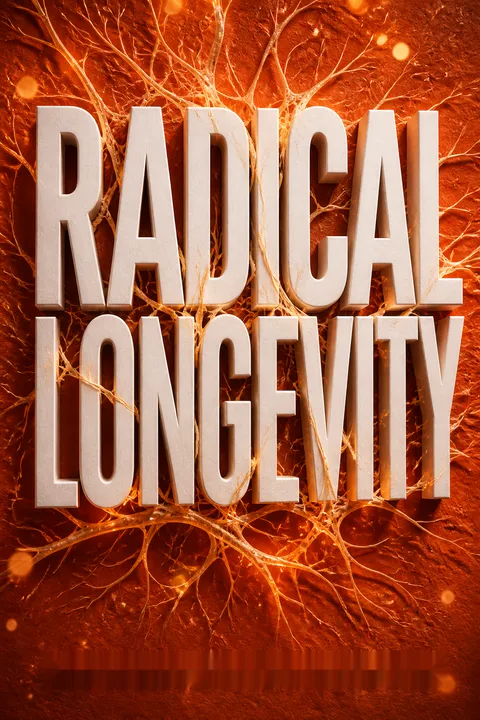
Radical longevity starts by treating aging as influenceable, not fixed.
A different premise. Gittleman argues that aging deserves respect, but declining function should not automatically be accepted as inevitable. She treats fatigue, stiffness, memory changes, and skin or hair changes as prompts to investigate health and habits. Her motivation began with her grandmother, who died at forty-two after a mysterious illness, and grew through mentors who encouraged her to search for underlying causes. Hazel Parcells, one of those mentors, lived to 106 with her senses and intellect intact, an inspiring example of possibility rather than proof of a particular regimen.
A whole-system lens. The book's central idea is that daily choices, internal biology, and surroundings interact. Its aim is not simply adding years, but preserving strength, clarity, movement, and independence while aging.
What's useful in this premise is its resistance to age-based fatalism. Treating a new symptom as information can prompt timely evaluation and prevent people from normalizing treatable problems. The mentor story gives the argument a human face, while remaining an anecdote rather than evidence that one person can reproduce another's lifespan. The distinction matters: optimism can support agency, but it should not become blame when illness occurs. Biology, access to care, social conditions, and chance all influence health. The strongest version of the book's message is that aging is neither wholly controllable nor wholly predetermined.
Reduce everyday exposures while supporting immunity through ordinary, measurable habits.
Start with basics. The book presents immune health as connected to sleep, stress, movement, diet, and the environment, not as a single supplement problem. Among its everyday suggestions are washing hands with soap and water when available, keeping indoor humidity around 40 to 60 percent, getting adequate sleep, and discussing vitamin D status with a clinician. It also emphasizes clean food, water filtration, and reducing avoidable contact with contaminants.
Choose priorities. The author describes toxins as a burden that can exceed the body's capacity to clear them. That broad claim leads to advice about air quality, household products, cookware, and environmental testing. Since this is a wide-ranging health book, the safest practical starting point is to address clear, specific hazards and maintain established preventive care, rather than trying to eliminate every possible exposure.
This section's strongest insight is environmental design: health is shaped by the air, water, food, and routines people encounter repeatedly. Measures such as handwashing and adequate sleep are actionable without requiring a complex supplement plan. The caution is that a long catalogue of possible toxins can make risk feel omnipresent, even when exposure levels and evidence differ substantially. A useful decision rule is to rank hazards by the quality of evidence, the likely dose, and the feasibility of reducing exposure. That keeps reasonable prevention from turning into costly or anxiety-driven avoidance.
Lower dietary AGEs by changing how you cook, not merely what you eat.
What AGEs are. Advanced glycation end products, or AGEs, form when sugars bind to proteins or fats. The book argues that they contribute to oxidative stress and inflammation, and that dry, high-heat cooking can increase them in food. Its tables illustrate the contrast: a three-ounce grilled steak is listed at 6,700 AGE units, compared with 2,200 for stewed steak. A fried egg is listed at about 1,200 units, while a poached egg is listed at 30.
Use moisture and time. The practical advice is to favor simmering, steaming, poaching, braising, and slow cooking. Acidic marinades, such as those using lemon or vinegar, are another suggested tool. The author proposes keeping intake below 8,000 units daily, but that figure is a book-specific target, not a standard clinical guideline.
The memorable move here is shifting attention from ingredients alone to preparation. Cooking is a behavior people can change without banning every food they enjoy, and moist, lower-temperature methods can also make meals easier to prepare in batches. The numerical comparisons make the principle concrete, but the AGE counts should not be mistaken for a complete measure of a food's health value. A meal's overall pattern, portion, nutritional needs, and enjoyment matter too. The idea is most useful as a cooking preference, not as a new scorecard that turns every browned bite into a threat.
Test mineral status before trying to remove or replace minerals.
Balance matters. Gittleman emphasizes that minerals essential for normal function can become harmful in excess, and that shortages can alter how the body handles related elements. She focuses especially on iron, copper, and zinc. Iron is needed to carry oxygen, but stored iron can rise with age; the book recommends checking ferritin, a marker of iron stores. It also suggests red blood cell zinc testing and cautions that large zinc doses may affect other minerals.
Avoid self-treatment. The author links excess iron and environmental copper to oxidative damage and age-related disease, and she recommends avoiding unnecessary iron- or copper-containing supplements. Those concerns do not make chelation or restrictive diets a do-it-yourself project. Mineral levels and test results need interpretation in light of symptoms, medications, inflammation, and medical history, with a qualified health professional guiding any treatment.
This is a valuable corrective to the idea that more of a nutrient is always better. Testing can replace guesswork, especially when deficiency and excess produce overlapping symptoms. At the same time, a biomarker is not a diagnosis by itself. Ferritin, for example, can change for reasons beyond iron stores, so a result needs context and, when appropriate, follow-up testing. The book's claims about copper exposure and Alzheimer's disease are more contentious than its general point about mineral balance. Readers should keep the useful principle, measure before acting, without assuming that ordinary household materials explain a complex disease.
Keep movement easy by treating mobility as a daily maintenance practice.
Movement supports movement. Fascia is connective tissue that surrounds and links muscles, organs, and other structures. Gittleman argues that inactivity, prolonged stress, injuries, and surgery can leave this tissue restricted, contributing to stiffness and pain. She calls internal bands of scar-like tissue adhesions, and notes that they are difficult to identify with standard imaging. The book recommends gentle stretching, walking, hydration, dry brushing, and myofascial treatments as ways to encourage mobility.
Build capacity. The wider program also emphasizes weight-bearing and resistance exercise, balance practice, and dancing. These activities support strength and coordination, which help people remain independent. The author presents fascial restriction as an underrecognized source of symptoms, but joint pain can have many causes and deserves clinical assessment rather than an assumption that adhesions are responsible.
The practical strength of this section is its low-barrier approach: regular movement need not mean punishing workouts. Walking, resistance work, and balance practice address different capacities, and variety can make a routine more sustainable. The fascia model offers a way to think about how tissues interact across the body, but some of the book's causal claims about adhesions and arthritis exceed what can be concluded from the description alone. Pain is multifactorial, and a vivid explanation can feel certain before it is confirmed. Movement is broadly useful; a specific tissue diagnosis requires appropriate assessment.
Protect cognition by linking gut health, sleep, stress, and companionship.
The gut-brain link. The microbiome is the community of microorganisms living in and on the body, especially in the digestive tract. The book describes two-way communication between gut microbes and the brain, with possible effects on digestion, immunity, mood, and stress response. It encourages a varied diet and fermented foods, and warns that frequent antibiotic use, highly processed food, and chronic stress may disrupt gut balance.
Connection is health practice. Gittleman also treats grief and isolation as physical stressors, not merely emotional inconveniences. She cites research associating loneliness in older adults with increased risk of death and decline, and encourages community, volunteering, faith-based participation, and mentoring. Sleep, social support, and emotional care are presented as part of health maintenance alongside diet and exercise.
This integrated view corrects a common split between mental and physical health. Sleep, grief, food, and social contact affect daily behavior and stress, while the gut-brain framework gives readers a reason to take digestive health seriously. Still, the microbiome is complex, and a change in mood cannot reliably identify a particular bacterial imbalance. Likewise, an association between loneliness and health outcomes does not prove that social contact alone prevents disease. The sound application is to treat relationships and restorative routines as meaningful parts of wellbeing, while seeking professional help for persistent digestive or psychological symptoms.
Build meals from whole foods and apply the plan without detox theatrics.
A practical food pattern. The Radical Longevity plan favors minimally processed foods, vegetables, fruit, adequate protein, and fats from sources such as hemp, seeds, and olive oil. It limits added sugar and heavily processed snacks, and proposes cooking methods that retain moisture. The book also offers a five-day reset built around a protein drink, soup, water, and selected snacks, followed by a seven-day meal sampler with soups, salads, fish, poultry, beans, and vegetables.
Use the template selectively. The recipes and kitchen guidance make the plan easier to picture, but the reset is restrictive and may not suit everyone. The author also proposes specific drinks and supplements as detox supports. These should not be treated as necessary for health or as a substitute for medical care. A steady eating pattern that meets individual nutritional needs is more important than following a branded cleanse exactly.
The book's greatest practical asset may be its translation of theory into a stocked kitchen, cooking methods, and actual meals. Planning matters because the easiest available option often wins on a busy day. The caution is that the language of cleansing can imply that ordinary metabolism needs special rescue, while restrictive resets may be unsuitable for people with medical conditions, medication needs, or a history of disordered eating. The useful takeaway is the durable food pattern, not the promise of rapid purification. Readers can borrow the recipes and preparation ideas without adopting every exclusion or supplement.
Investigate new memory, heart, bone, skin, or sexual changes before blaming age.
Look for causes. The targeted chapters argue that symptoms often have more than one possible source. Memory changes, for example, may be affected by sleep, blood sugar, infections, or medications, including drugs with anticholinergic effects. The heart chapter discusses blood pressure, smoking, activity, and tests such as ferritin, blood lipids, and inflammation markers. For bones and muscles, the book stresses protein, resistance exercise, and balance. It also connects hair, skin, and sexual changes with nutrition, hormones, and health conditions.
Get the right assessment. These topics are not invitations to self-diagnose. Sudden or worsening symptoms need appropriate medical evaluation, and prescribed medications should not be stopped without guidance. Hormone tests and replacement therapies require individualized interpretation. The book's principle is useful: a change deserves attention. Its many proposed explanations and treatments are not interchangeable or equally established.
This is the book at its most clinically valuable and most in need of restraint. A medication review or assessment of a new cognitive change can uncover an important, treatable contributor. Strength, balance, and cardiovascular habits also address function rather than appearance alone. But a broad list of possible causes can encourage readers to connect ordinary symptoms to toxins or hormone imbalance without adequate evidence. The safest bridge between self-advocacy and reliable care is to document what changed, when it began, and what medications or conditions may be relevant, then bring that history to a clinician.
Let lifestyle shape risk, but don't mistake cell-repair theories for proof.
Genes are not a script. Epigenetics describes how conditions around cells can influence which genes are active. Gittleman uses this idea to argue that habits and exposures can affect health even when genetic risk is present. She discusses telomeres, protective structures at chromosome ends that shorten as cells divide, and adult stem cells that help repair tissues. The book also presents resveratrol, redox signaling products, light-activated patches, and platelet-rich plasma as ways to support cellular renewal.
Separate plausibility from promise. The broad idea that behavior and environment influence health is distinct from the claim that a specific supplement, patch, or procedure reverses aging. The book itself warns against some unproven stem cell treatments, but its enthusiasm for commercial products can blur the line between a mechanism, preliminary findings, and established benefit.
Epigenetics is a useful antidote to genetic fatalism, but it is not a guarantee that changing one's environment can switch off disease. Telomeres and stem cells are important research areas, yet describing a pathway does not establish that a consumer product meaningfully extends life or reverses biological aging. This is a familiar translation problem in health science: a plausible mechanism can be marketed long before clinical outcomes are clear. Readers can preserve the empowering message by prioritizing habits with broad practical value and asking for human outcome evidence before paying for a high-tech longevity claim.
Analysis
Radical Longevity is an expansive health and lifestyle book organized around seven principles, followed by a food program and chapters devoted to particular body systems. Its narrative spine is the author's conviction that aging should be approached as a period of possibility, informed by her family history and mentors. Its practical spine is environmental awareness, nutrition, movement, sleep, testing, and social connection. The book tries to make those themes feel like one system rather than a collection of unrelated symptoms. That ambition creates both its value and its difficulty. The reader gets an unusually broad map: cooking choices are linked to glycation, mineral status to brain and heart health, and grief to stress physiology. The same breadth also places very different kinds of claims side by side. Low-risk habits, biological hypotheses, specific supplement protocols, and commercial technologies may sound equally established because they share the same confident voice. A cited study or plausible mechanism is not automatically proof of a clinical benefit, and a target laboratory value is not necessarily appropriate for every patient.
The most transferable parts are the ones that remain useful without accepting the book's strongest causal claims: do not dismiss new symptoms as inevitable, favor minimally processed foods, vary cooking methods, maintain strength and balance, protect sleep, and invest in meaningful relationships. The more speculative parts concern some toxin explanations, electromagnetic exposure, detox products, cellular signaling supplements, and promised stem cell activation. Those claims merit independent evaluation rather than automatic adoption.
A discerning reader can therefore use the book as a menu of questions and habits, not as a prescription. Medical evaluation, medication review, and clinician-guided testing matter especially because the text recommends high doses of multiple supplements and discusses hormone therapies. Its best message is agency without surrendering judgment: health can be influenced, but no protocol guarantees youth, disease reversal, or a particular lifespan.
Review Summary
Radical Longevity receives mixed reviews, with an average rating of 3.51. Readers appreciate the comprehensive information on aging and health, including diet, supplements, and lifestyle changes. Many find the advice valuable, particularly on topics like detoxification and mineral importance. However, some criticize the overwhelming number of supplement recommendations and perceived product promotion. The book is praised for its thorough research and easy-to-follow structure but criticized for potentially unrealistic expectations and pseudoscientific claims. Overall, it's considered informative for those interested in healthy aging, though readers are advised to approach some recommendations cautiously.
People Also Read






Glossary
Advanced glycation end products (AGEs)
Sugar-linked protein compoundsAGEs are compounds formed when sugars react with proteins or fats. They occur through normal processes in the body and can also be present in foods, with some cooking methods increasing their formation. The book links accumulated AGEs with inflammation, oxidative stress, and tissue stiffness, and recommends reducing them through lower-heat, moist cooking.
Fascia
Bodywide connective tissueFascia is connective tissue that surrounds and supports muscles, organs, and other structures. The book emphasizes its continuity throughout the body and argues that injury, surgery, inactivity, or stress may contribute to restricted movement and adhesions. It presents stretching, walking, and manual therapies as ways to support mobility, while recognizing that pain can have other causes.
Microbiome
Community of body microorganismsThe microbiome is the collection of microorganisms living in and on the body, especially in the digestive tract. The book focuses on gut microbes and their relationship with digestion, immune function, and brain signaling. Diet, stress, illness, and antibiotics may affect this ecosystem, although a person's symptoms alone cannot establish a specific microbial imbalance.
SIRT1
Cellular regulatory proteinSIRT1 is a protein in the sirtuin family involved in regulating cellular processes. The book presents it as a key influence on metabolism, immune activity, and cellular defense, and argues that high AGE exposure may impair its function. It discusses calorie restriction and resveratrol as ways to support SIRT1-related activity, but the proposed benefits should not be read as proof of lifespan extension in people.
Telomeres
Protective chromosome endsTelomeres are protective structures at the ends of chromosomes. They shorten as cells divide, and very short telomeres can limit a cell's capacity to divide. The book uses telomere length as one indicator related to aging and discusses telomerase, an enzyme that can lengthen telomeres. Telomere biology is complex, and changing a marker does not by itself demonstrate improved health or longer life.
Platelet-rich plasma (PRP)
Concentrated platelet preparationPRP is a preparation made from a person's blood by concentrating platelets in plasma. Platelets contain growth factors involved in tissue repair. The book describes PRP as a potential treatment for skin, hair, joint, and muscle concerns. Its effectiveness depends on the condition and treatment method, so the book's broad regenerative framing should not be taken to mean every proposed use is proven.
Download PDF
Download EPUB
.epub digital book format is ideal for reading ebooks on phones, tablets, and e-readers.








