Plot Summary
Welcome to Hell
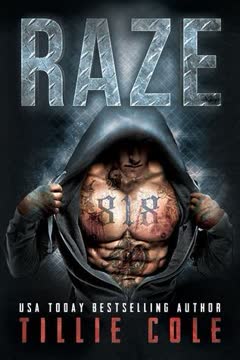
A nameless boy is thrust into a brutal underground world, stripped of identity and hope. Forced into a cage where children fight to the death for the entertainment of men, he is given a number—818—and told to survive or die. The stench of blood and fear is everywhere, and the boy's only lesson is to never show emotion. As he witnesses his first kill, the horror and numbness begin to take root. Over time, 818 becomes a machine, a killer, a legend in the pit. His humanity is buried beneath scars, drugs, and violence, and the only thing that remains is a single, burning word carved into his cell wall: revenge.
Caged Hearts, Broken Souls
Kisa Volkova, daughter of a Russian mob boss, is trapped in a world of violence and tradition. Her fiancé, Alik Durov, is the Bratva's champion fighter—cruel, possessive, and obsessed with her. Kisa is both his prize and his prisoner, enduring his brutality and clinging to the small freedoms she finds in charity work. Haunted by the loss of her childhood love, Luka, and her brother, Rodion, Kisa's heart is a shell. She survives by submitting, hiding bruises, and playing the perfect mob princess, all while longing for a love she believes is lost forever.
The Butcher's Possession
Alik Durov, known as The Butcher, is the Bratva's most feared fighter. His love for Kisa is twisted, violent, and absolute. He controls her every move, punishing any perceived disloyalty with pain. Alik's rage is legendary, his need for dominance insatiable. He is both a product and a perpetrator of the Bratva's darkness, shaped by a sadistic father and a lifetime of bloodshed. Kisa is his anchor, the only thing that calms the voices in his head, but his love is a prison from which she cannot escape.
A Stranger in the Shadows
After years in the Gulag, 818 escapes during a riot, driven by a single purpose: to find and kill Alik Durov. He makes his way to Brooklyn, surviving as a homeless man, collecting money for a buy-in to the underground fighting ring known as The Dungeon. His body is a map of scars and tattoos, his mind a fog of rage and fragmented memories. When he saves Kisa from an attack in an alley, their fates become entwined. She is drawn to his silent strength, sensing something achingly familiar beneath his feral exterior.
The Girl and the Ghost
Kisa cannot forget the hooded stranger who saved her life. She seeks him out, compelled by gratitude and a strange pull she cannot explain. When she looks into his eyes—one brown, one with a smudge of blue—she is haunted by the memory of her lost love, Luka, who shared the same rare trait. The stranger, now calling himself Raze, is silent and broken, but Kisa feels a connection that transcends reason. She risks everything to help him, giving him the money he needs to enter The Dungeon, unknowingly setting the stage for a reckoning years in the making.
The Numbered Fighter
Raze, sponsored by Kisa's secret charity, becomes the newest fighter in The Dungeon. His reputation for violence precedes him, and his presence unsettles the Bratva hierarchy. Alik senses a threat, both in the cage and in Kisa's growing fascination with the newcomer. As Raze trains, his body remembers the rhythm of violence, but his mind is tormented by flashes of a past he cannot grasp—sun, sand, a girl's laughter, a promise of love. Kisa, too, is drawn deeper into his orbit, torn between fear and hope.
Blood Debts and Vows
The past bleeds into the present as Kisa and Raze's paths cross again and again. Kisa is haunted by memories of Luka, her first love, and the night everything changed—her brother's murder, Luka's disappearance, and Alik's sudden claim on her life. Raze is driven by a mantra of revenge, but the sight of Kisa stirs something long buried. Their encounters are electric, fraught with longing and pain. As the championship approaches, secrets begin to unravel, and the true cost of survival in the Bratva world is laid bare.
The Dungeon's Deadly Dance
The Dungeon's championship draws fighters and gamblers from across the underworld. Raze's brutal efficiency in the cage makes him a rising star, while Alik's dominance is challenged for the first time. The crowd is hungry for blood, and the stakes are higher than ever. Kisa watches in terror and awe as Raze carves a path through his opponents, each kill marked on his skin. The violence outside the cage mirrors the violence within, as Kisa's relationship with Alik grows more dangerous and her connection to Raze deepens.
Unraveling the Past
As Raze and Kisa grow closer, fragments of memory begin to surface. Raze dreams of a girl with blue eyes, of promises made on a sunlit beach, of a betrayal that shattered everything. Kisa, desperate for answers, brings him tokens from their childhood, hoping to spark recognition. The truth emerges in painful flashes: Raze is Luka, stolen from his life, condemned for a crime he did not commit. The revelation rocks both of them, forcing Kisa to confront the lies that have shaped her existence and Luka to face the monster he has become.
The Monster Remembers
The dam breaks, and Luka remembers everything—his love for Kisa, his friendship with Rodion, Alik's betrayal, and the years lost to violence and abuse. The knowledge is both a gift and a curse, flooding him with grief, rage, and longing. Kisa is his anchor, the only thing that keeps him from drowning in the darkness. Together, they piece together the conspiracy that destroyed their lives, realizing that Alik and his father orchestrated everything to seize power and possess Kisa. The time for vengeance has come.
Love in the Ruins
In the aftermath of revelation, Kisa and Luka find solace in each other's arms. Their love, once innocent and pure, is now forged in pain and survival. They make love for the first time as adults, healing old wounds and making new promises. But freedom comes at a price—Alik's jealousy explodes into violence, and Kisa is brutally punished for her defiance. Luka, desperate to save her, must face his greatest enemy in the only arena he knows: the cage.
The Final Reckoning
The championship final is a battle for more than a title—it is a fight for justice, for love, for the right to reclaim a stolen life. Luka and Alik face off in a savage, bloody duel, each driven by years of hatred and loss. The crowd roars as the two titans clash, but for Luka, there is only Kisa—her pain, her hope, her love. In a final, brutal act, Luka kills Alik, ending the cycle of violence that began so many years before. The truth is revealed to all, and the Bratva's sins are laid bare.
Freedom's Price
With Alik dead and the truth exposed, Luka is reunited with his family, and Kisa is finally free from her cage. Both are scarred—inside and out—but together, they begin the slow process of healing. Luka struggles to reclaim his humanity, haunted by the memories of the Gulag and the lives he has taken. Kisa stands by him, her love unwavering, helping him find peace in a world that once offered only pain. Their story is one of survival, redemption, and the enduring power of love to heal even the deepest wounds.
Characters
Luka Tolstoi / Raze
Luka is the heart of the story—a boy stolen from innocence, forged into a killer, and stripped of his name and past. As Raze, he is a force of nature: brutal, silent, and deadly, driven by a singular need for revenge. His psychological trauma is profound; years of abuse, drugs, and forced violence have left him numb, haunted by nightmares and fragmented memories. Yet beneath the scars lies a deep well of love and loyalty, especially for Kisa, his childhood soulmate. Luka's journey is one of rediscovery—of self, of love, and of hope. His transformation from monster to man is both harrowing and redemptive, a testament to the resilience of the human spirit.
Kisa Volkova
Kisa is the daughter of a Bratva king, raised in privilege but imprisoned by tradition and violence. Her life is defined by loss—her brother's murder, her mother's death, and the disappearance of her first love, Luka. Forced into an abusive relationship with Alik, she survives by submitting, hiding her pain, and clinging to small acts of kindness. Kisa's psychological complexity lies in her ability to endure, to hope, and to love despite unimaginable suffering. Her reunion with Luka is both a salvation and a reckoning, forcing her to confront the lies that have shaped her life and to fight for her own happiness.
Alik Durov
Alik is the story's primary antagonist—a product of violence, raised by a sadistic father to be a killer and an enforcer. His love for Kisa is possessive, obsessive, and destructive, rooted in a desperate need for control. Alik's psyche is fractured, plagued by voices and urges he cannot contain. His jealousy and rage drive the story's central conflict, culminating in acts of brutality that reveal the true depths of his depravity. Alik is both a victim and a villain, a cautionary tale of what happens when love is twisted by power and pain.
Kirill Volkova
Kisa's father, Kirill, is the Pakhan—the head of the Bratva. He is a man of few words, ruled by duty and the codes of the underworld. His love for his family is real but often overshadowed by the demands of power. Kirill's inability to see the darkness in Alik, or to protect his daughter from harm, is a source of deep regret. When the truth is revealed, he is forced to confront his own complicity and to choose justice over loyalty.
Ivan Tolstoi
Luka's father, Ivan, is a figure of quiet strength and enduring grief. The loss of his son and the betrayal of the Bratva have left him hollow, but he remains a pillar for his family. Ivan's journey is one of hope and forgiveness, as he welcomes Luka back and seeks to right the wrongs of the past. His love for his children is unwavering, and his willingness to seek vengeance for Luka's suffering is both a comfort and a curse.
Talia Tolstoi
Talia is Luka's sister and Kisa's best friend. She is sharp, resilient, and fiercely protective of those she loves. Talia's grief over Luka's loss has shaped her life, making her wary of violence and distrustful of the Bratva's promises. Her friendship with Kisa is a lifeline for both women, and her role in the story is one of support, truth-telling, and, ultimately, healing.
Abram Durov
Alik's father, Abram, is the shadow behind the throne—a man who values power above all else. His manipulation sets the story's tragedy in motion, orchestrating Rodion's murder and Luka's exile to secure his son's place as heir. Abram's coldness and ambition are matched only by his willingness to sacrifice anyone, even his own blood, for the sake of the Bratva.
Serge
Serge is Kisa's lifelong bodyguard, a surrogate uncle who sees the truth behind the Bratva's facade. His love for Kisa is paternal, and his death at Alik's hands is a devastating reminder of the cost of loyalty in a world ruled by violence.
Viktor
Viktor is Raze's reluctant trainer, a former Gulag handler burdened by the lives he has helped destroy. His relationship with Luka is complex—part mentor, part penitent. Viktor's knowledge of the underground world and his own search for redemption make him a crucial ally in Luka's quest for vengeance.
362 / Goliath
362 is Luka's only friend from the Gulag, a fellow champion who understands the cost of survival. Their bond is forged in blood and pain, and their final fight is a heartbreaking testament to the ways violence destroys even the strongest connections. 362's death is both a loss and a catalyst, pushing Luka to claim his humanity and his future.
Plot Devices
Duality of Identity and Memory
The novel's central device is the duality of identity—Luka as both Raze and the lost boy he once was. The narrative structure alternates between Kisa and Luka's perspectives, allowing readers to experience the fragmentation and gradual restoration of Luka's memory. Foreshadowing is used through dreams, sensory triggers, and repeated motifs (the smudge of blue in Luka's eye, the mantra of revenge) to hint at the truth before it is fully revealed. The use of numbers instead of names in the Gulag underscores the dehumanization of violence, while the gradual return of Luka's memories parallels his journey from monster to man.
The Cage as Symbol
The physical cage of The Dungeon and the metaphorical cages of trauma, tradition, and power are central to the story. The cage is both a place of death and a crucible for rebirth—where Luka reclaims his identity, Kisa finds her strength, and the cycle of violence is finally broken. The fights are choreographed as both literal and psychological battles, with each opponent representing a step in Luka's journey toward freedom.
Star-Crossed Lovers and Soulmates
The motif of soulmates—two halves of one soul separated and tested by fate—runs throughout the novel. The smudge of blue in Luka's eye, the childhood promises, and the repeated question of whether true love can survive even the worst betrayals all serve to reinforce the story's emotional core. The lovers' reunion is both a fulfillment of destiny and a hard-won victory over the forces that sought to destroy them.
Violence as Inheritance
The plot is driven by the legacy of violence passed down through generations—the Bratva's codes, the ambitions of fathers, and the ways children are shaped and scarred by the world they inherit. The revelation of Alik and Abram's crimes is both a personal and a systemic indictment, forcing the characters to choose between perpetuating the cycle or forging a new path.
Redemption and Healing
The final act of the novel is a meditation on healing—physical, emotional, and spiritual. Luka's journey is not just one of vengeance but of reclaiming his humanity, learning to love and be loved, and finding peace after years of torment. Kisa's forgiveness and unwavering support are the keys to his redemption, and their union is a testament to the power of love to overcome even the deepest wounds.
Analysis
Raze is a dark, brutal meditation on trauma, identity, and the redemptive power of love. At its core, the novel asks whether it is possible to reclaim one's humanity after being forged into a monster by violence and betrayal. Through the dual perspectives of Luka and Kisa, Tillie Cole explores the psychological scars left by abuse, the ways in which power and tradition can corrupt love, and the resilience required to break free from cycles of pain. The story's use of memory and identity as both plot device and theme allows readers to experience the disorientation and hope of recovery alongside its characters. Ultimately, Raze is a story about survival—not just of the body, but of the soul. It is a testament to the idea that even in the darkest places, love can be a lifeline, and that true freedom comes not from vengeance, but from the courage to heal and begin again. The novel's lessons are both timeless and timely: that forgiveness is possible, that the past need not define the future, and that even the most broken among us can find their way home.
Last updated:
Review Summary
Raze is a dark, gritty romance that polarized readers. Many praised its intense, emotional story of a tortured hero seeking revenge and reconnecting with his soulmate. They found the writing gripping and the characters compelling. However, some felt it was too violent, predictable, or over-the-top. The explicit content and mafia setting were divisive. While most reviewers were captivated by the passionate love story and character development, others struggled with the graphic scenes and found certain plot elements unrealistic.