


Plot Summary
The Gun Beneath the Pillow
After several days shut inside her Saint View apartment, Rebel Kemp asks her neighbor for a gun, intending to kill the men who assaulted her or herself. A photograph of her mother, Miranda, and her friend Bliss keeps her from pulling the trigger.
Miranda arrives with startling news: she is marrying wealthy Bart Weston that weekend, and Rebel must stand beside her. She also asks Rebel to arrange a motorcycle escort from the courthouse, which means contacting Fang, the biker Rebel has desired for years.
Fang had left Psychos on the night of the assault, and Rebel cannot separate his absence from the harm that followed. He brings her soup and chocolate, then insists she ride on his bike for the wedding. His kindness reaches her, but his claim unsettles her.
Rebel's crisis is not presented as a clean passage from despair to resilience. She survives one immediate danger because a remembered bond interrupts her self-destruction, yet she still imagines revenge as the only available form of agency. Miranda's wedding plans bring ordinary attachment back into the room, but also draw Fang into a trauma that has altered their relationship. Fang's food is significant because it asks nothing from Rebel's body. His insistence on the motorcycle, by contrast, carries an intimacy she is not ready to accept.
A Wedding Turns Fatal
At the hotel restaurant, Rebel waits alone and meets Vaughn, a sharply dressed stranger who needles her into trading insults despite her instinct to avoid men. Her mother has failed to mention that Bart has a son, so Rebel learns the truth only when Vaughn identifies himself as her new stepbrother.
At the courthouse the next day, Miranda and Bart arrive visibly impaired, yet insist on marrying. Rebel and Vaughn watch them exchange vows before both collapse. Paramedics cannot revive either of them.
Miranda and Bart are pronounced dead in the ceremony room, leaving their children grieving and surrounded by police. The joyful surprise of a new family ends before the marriage can become a shared life, and Rebel and Vaughn are bound together by loss rather than affection.
The sudden deaths turn a comic family introduction into a shared catastrophe, while the timing makes the marriage itself feel painfully unfinished. Rebel and Vaughn arrive with sharply different expectations: she wants to protect her mother's happiness, while he has agreed to meet a stranger for his father's sake. Their new kinship has almost no emotional history to support it. The courthouse therefore becomes more than a setting for tragedy. It exposes how little control either adult child has over the structures that are supposed to give them security: family, law, and wealth.
Grief Comes Home
Rebel cannot leave Miranda's body until Fang carries her from the courthouse. When he punches Vaughn for restraining her, Rebel recognizes the mistake and explains that Vaughn was trying to help.
Fang takes her to the Slayers clubhouse, where she rejects his touch but accepts the room, shower, and clothes he quietly provides. He sees the bruises on her face and learns she intends to kill several men herself. Meanwhile, Vaughn watches his father's body leave the courthouse and returns to the Weston home, where he finds Kian O'Malley, his childhood friend and the household's longtime caretaker.
Their reunion is bitter: Vaughn has been absent for ten years, and Kian has remained. Vaughn learns Kian's father has died too, then drinks rather than face how much he abandoned.
Grief makes the characters' different defenses visible. Rebel can accept practical care but experiences unwanted affection as another threat to her control. Fang reads her needs imperfectly, yet he stops when she pulls away. Vaughn's retreat into alcohol protects him from regret only briefly; Kian's presence gives that regret a face. Their old friendship has survived as a wound rather than a comfort. The parallel losses connect the two households, but the characters cannot yet turn that connection into trust.
An Inheritance Divides Them
While recovering in her apartment, Rebel discovers Bart's will names her and Vaughn equal heirs to his estate, including the Weston mansion. Vaughn, drunk and grieving, accuses her of killing their parents for the money and threatens to keep the property.
Rebel points a gun at him until he leaves. At work, she learns she is months behind on rent and faces eviction, while Vaughn's lawyer contests her inheritance and offers a small payment to make her go away. Rebel refuses the money and claims the house instead.
With help from Vincent's practical advice, she moves her few belongings into the mansion while Vaughn is out. There she meets Kian, who agrees to help her stay. Vaughn returns to find her installed in a bedroom and must choose between throwing her out and letting her remain.
The will makes grief materially unequal: Vaughn sees an estate he believes is his birthright, while Rebel sees a chance to stop being one missed rent payment from homelessness. Her decision to occupy the house is legally uncertain but psychologically clear. She will no longer wait for a powerful person to decide whether she deserves shelter. Vaughn's accusation, sharpened by mourning and money trouble, repeats the class hierarchy he has taken for granted. Kian's support offers Rebel a foothold, while forcing Vaughn to confront the consequences of his long absence.
Locks, Fists, and Old Friends
Kian installs locks on Rebel's bedroom and bathroom doors after learning what the attackers did to her, giving her control over who can enter. He accepts her plan to pursue revenge and takes her to an underground fight night, where he and Fang agree to box for the right to train her.
Fang lets Kian beat him, punishing himself because he believes leaving Psychos helped expose Rebel to Caleb. Rebel stops the fight and punches Fang herself for trying to get hurt on her behalf.
Away from the crowd, Fang apologizes and admits he suspects the man at the bar was Caleb. Rebel confirms it. She lets Fang comfort her, but cannot promise him a relationship. Kian remains a new ally, while Fang learns that protecting Rebel must include respecting her choices.
The lock is a small but consequential form of care: it changes the architecture of Rebel's home rather than asking her to trust faster. The fight exposes two competing ideas of protection. Fang tries to pay for a past failure with his own body, while Rebel insists that his self-punishment does not restore her agency. Her punch is not a cure, but it returns action to her hands. Kian's willingness to support a plan without taking it over makes him useful in a way that both men must learn to be.
The Doctor at the Hospital
Rebel returns to the hospital with Fang after he injures his hand in the fight. When a doctor with a lion tattoo appears, Rebel recognizes him as Leonn, one of the men who assaulted her. Her panic freezes her in the waiting room, and Fang charges through the hospital searching for him.
Rebel steers Fang into a supply room before security and police can catch them. There, she kisses him to stop his angry growling from giving them away, and the kiss changes their familiar sexual arrangement into something harder to dismiss.
Later, Vaughn visits his father's body and finds the wedding vows Bart never read aloud. The letter promises to protect Miranda and Rebel. Vaughn feels the weight of that promise and decides to take his father's place in looking after Rebel.
The hospital turns a place associated with care into a site of involuntary recognition. Rebel's body reacts before she can choose a response, while Fang's immediate violence expresses love in a form that risks making her situation worse. The kiss reverses their usual pattern: it begins as a way for Rebel to manage danger, then reveals the intimacy underneath their sexual routine. Bart's unwritten vows give Vaughn a different model of inheritance. His father's legacy is not simply wealth, but an obligation he can choose to honor.
Vaughn Enters Caleb's Circle
Vaughn learns that his estranged wife, Brooke, has spent his trust fund and is threatened by the people to whom she owes money. He still needs a large sum, which helps explain why he first tried to seize Bart's estate.
But he abandons the will contest after hearing Bart's promise to protect Rebel. At a coffee shop, Vaughn recognizes Caleb Black, Leonn, and Hugh, former college friends. He overhears Leonn describe Rebel's accusation and Caleb dismiss it, then accepts Caleb's invitation to a Halloween party so he can learn more.
Back at Psychos, Rebel says she wants more than addresses: she needs to face the men who attacked her and uncover their vulnerabilities. Vaughn agrees to help her investigate, though he insists on disguises and staying close.
Vaughn's change begins with a distinction between need and entitlement. Brooke's debts make his financial desperation real, but they do not justify depriving Rebel of the home Bart meant her to have. The coffee shop gives Vaughn access to the attackers because he can perform the manners and status they trust. That performance is morally uncomfortable, especially when he joins their conversation, yet it turns privilege into a tool for someone who has rarely possessed it. Rebel rejects rescue as a substitute for knowledge; Vaughn's useful role is to gather information without taking her plan away.
A List of Suspects
Police pressure Rebel over Miranda and Bart's deaths, treating her inheritance as a possible motive and using an interview to make her fear arrest. Lawyer Liam Banks gets her released and warns that the Providence police pursue convenient suspects.
Rebel returns to Psychos, determined not to let the assault drive her from the place she considers home. With Vaughn and Fang, she writes down possible suspects, including herself, Vaughn, Kian, Miranda's former partners, Vaughn's wife, and Bart's business partner, Harold Coker.
Vaughn initially expects the police to use the list, but Rebel reminds him that they cannot rely on the authorities. Around the same time, Vaughn's old college friends invite him to Caleb's Halloween party. Rebel insists on going, planning to observe them under a mask.
The suspect list converts the police's accusation into a method Rebel can control. Naming herself and Vaughn alongside less obvious candidates resists the simplistic story that wealth alone proves motive. Her return to Psychos is equally deliberate: she distinguishes the place where she works from the danger that began after she left it. Vaughn's trust in official procedure reflects a life in which institutions have usually protected him. Rebel's distrust is not merely cynicism; it is a practical response to a system already willing to treat her poverty as evidence.
The Pool Chemical Clue
Kian starts training Rebel, building her stamina and teaching her to use her smaller size rather than apologize for it. His closeness with Vaughn hints at a history neither man explains, adding tension to the crowded house.
While baking, Rebel visits a neighbor, Sasha, for eggs and hears her theories about the deaths. Sasha claims a poison used in pool chemicals, Oxyanedride, was found in the victims, and notes that Kian maintained the pool and lived with Bart and Miranda. She also recalls hearing Miranda scream the night before the wedding.
The claims are unverified, but they give Kian means, access, and a possible connection to the household. Rebel adds an asterisk beside his name on the suspect list, troubled that the person helping her feel safe may also be implicated.
The clue destabilizes the trust Rebel has been building, but the novel keeps suspicion provisional. Sasha's account is a mix of potentially useful observation and sensational speculation, making information itself something Rebel must evaluate rather than simply accept. The pool chemical links domestic maintenance to possible homicide, turning Kian's familiar competence into a source of unease. Rebel's response is important: she does not immediately condemn him or dismiss the clue. Her investigation asks her to hold affection and doubt at the same time.
Caleb's Basement Prisoner
Caleb's point of view reveals the polished executive's contempt for women and his hunger for approval from wealthy businessmen. He resents Bliss, Rebel's best friend, for leaving him, and treats the women around him as instruments of status or pleasure. At his home, a pregnant woman confronts him, saying he is the father and demanding financial support.
Caleb refuses to accept responsibility. Instead, he orders Leonn and Hugh to drag her into his basement and leaves her imprisoned. The scene establishes that Rebel is not the only woman Caleb has harmed and shows how quickly he turns an unwelcome demand into captivity. As he prepares for his Halloween party, the house becomes both a social stage and a place where he hides violence.
Caleb's public ambition and private cruelty are not separate traits; both depend on controlling how other people see him. A woman's demand threatens his carefully managed image, so he converts a claim that could be answered through law or money into a problem he can imprison. His fixation on status also connects him to the affluent world that has long discounted Rebel. The basement literalizes the consequence of his worldview: women become disposable when they cannot serve his preferred story about himself.
Masks at the Halloween Party
Rebel, Fang, Vaughn, and Kian arrive at Caleb's large party in costumes, with instructions to keep Rebel guarded and unrecognized. Guests surrender their phones and sign a broad liability form; the bouncer treats Rebel as someone a man must claim.
The party has few women and a strange, coercive atmosphere. Rebel and Fang slip beneath warning tape into the house, where familiar rooms trigger memories of her assault. Leonn enters and recognizes them. Fang pins and binds him while Rebel decides not to kill him yet, warning that she will return.
She goes back inside to retrieve her purse and locate Kian and Vaughn, then hides in the basement when she hears Caleb approaching. Behind a wall, she discovers another captive woman trying to get help.
The party's rules disguise coercion as consent: guests sign away protections and women are treated as property before Rebel even reaches the house. Her entry is a chosen confrontation, but the setting quickly reveals that observation cannot be separated from danger. Leonn's capture gives Rebel a moment of control, yet she refuses the easy finality of killing him. The unseen woman behind the basement wall widens the stakes beyond Rebel's own revenge and shows how Caleb's violence is organized, not isolated.
The Party Becomes a Trap
Fang returns to the yard and finds the party has become an organized assault. Hugh announces that the women were signed over as available for use, and men pin them down while the crowd cheers. Fang, Kian, and Vaughn are horrified, but face too many attackers to intervene everywhere; they focus on finding Rebel.
Kian checks her location, which appears to place her back at home, while Caleb's car is missing. Vaughn calls Caleb and hears Rebel scream over the phone. Caleb boasts that the police have been paid to ignore the party and taunts them about what he is doing to her. The three men break out through the locked gate and race toward the Weston house, fearing they have arrived too late.
The party strips away the pretense that the men are merely reckless or sexually adventurous. Its crowd functions as an enforcement system: spectacle, numbers, and a signed form make violence appear socially authorized. The three men cannot save every victim by force, a limit that makes their search for Rebel agonizing rather than heroic. Caleb's call weaponizes their love for her, turning distance into part of the assault. The locked gate confirms that the event was designed to prevent escape, not simply to entertain.
Rebel Over the Pool
Caleb has drugged Rebel and driven her from the party to the Weston home. She wakes in the back of his car, too weak to break a window or escape through the child-locked doors. He binds her to a chair, cuts through her costume, and takes photographs, intending to use them against her and her friends.
Rebel taunts him about Bliss rejecting him and attacks his insecurity about what other men think of him. Sirens sound in the distance, but Caleb ignores her belief that Vaughn, Fang, Kian, and the police are coming. He tips the chair into the pool with Rebel still tied to it. Her rescuers are racing toward the house, but the book ends before anyone reaches the water or learns whether she survives.
Rebel's final act of resistance is verbal because Caleb has engineered her physical helplessness. She identifies the insecurity beneath his polished authority and refuses to let him define her as a willing participant. The pool, previously associated with Kian's work and the murder investigation, becomes an immediate instrument of violence. Sirens promise intervention but cannot guarantee it in time. Ending at the moment of the fall preserves the central uncertainty: whether Rebel's regained sense of self can survive a body again placed under someone else's control.
Analysis
The novel links three kinds of power that usually seem separate: the power to control a body, the power to control a home, and the power to control the official account of an event. Caleb's violence is possible because he expects his social standing to protect him. Rebel's poverty and past experience with institutions make that expectation credible; the police treat her inheritance as a reason to suspect her, while her own account of assault is easily threatened with dismissal. Against this, the story gives Rebel forms of agency that are imperfect but concrete. She takes a gun, refuses a settlement, moves into the house, asks for locks, trains, and insists that revenge remain her decision. None of these actions erases what happened, and the ending refuses the comforting fiction that courage guarantees immediate safety.
The house is the story's most flexible symbol because it changes meaning without becoming abstract. To Vaughn, it is part of an estate and a possible source of money. To Kian, it is the place where he grew up and worked. To Rebel, it is a chance to stop living under threat of eviction. Their competing attachments make inheritance an ethical question: what does someone deserve when legal ownership, lived history, and urgent need point in different directions? Bart's will cannot settle that question by itself. Vaughn's decision to honor his father's intention matters because he chooses responsibility over a claim he could likely enforce.
The romance develops through similar negotiations. Fang's instinct to protect Rebel is loving but risks replacing her judgment with his own. Rebel's fear of attachment comes from watching love leave her mother vulnerable, not from a lack of desire. Kian and Vaughn offer different forms of intimacy, but none can make her recovery happen for her. The story's strongest emotional claim is therefore not that love cures trauma. It is that care becomes trustworthy when it respects refusal, shares power, and stays present without pretending the danger is over.
Review Summary
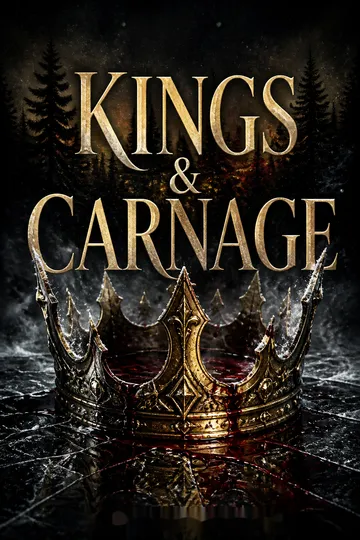
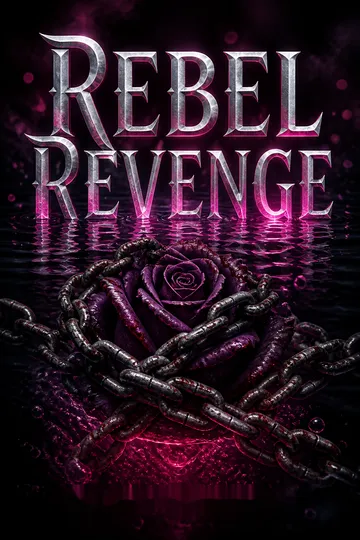
Rebel Revenge by Elle Thorpe follows Rebel Kemp, a trauma survivor seeking vengeance against those who hurt her. After her mother's sudden death at her wedding, Rebel inherits wealth and gains three love interests: Fang (an MC biker), Vaughn (her stepbrother), and Kian (Vaughn's roommate). The reverse harem romance features a murder mystery and revenge plot. Reviews average 4.24/5 stars, with readers praising the spicy scenes and suspense but criticizing the cliffhanger ending and Rebel's impulsive decisions. Some found it less captivating than previous Saint View books.
People Also Read









Characters
Rebel Kemp
The defiant survivorA Saint View bartender with a loud mouth, restless energy, and hard-won confidence, Rebel has learned to rely on herself because reliable adults were scarce in her childhood. Her instinct is to turn fear into action, sometimes before she has a safe plan. She loves her mother despite their blurred parent-child roles and values the chosen family she has made at Psychos. Sexual confidence once gave her a sense of command over her own body; trauma makes that confidence difficult to access. Her central struggle is not simply learning to accept help, but deciding what help can look like without surrendering the right to choose.
Fang, Milo Garrisen
The guarded bikerA towering member of the Saint View Slayers MC, Fang's scars and size make him seem dangerous to strangers, but he is careful and attentive with the people he loves. He has wanted Rebel for years and is frustrated by their arrangement, which lets him be physically close while keeping emotional commitment at a distance. His protective instinct is genuine, though it can become possessive or impulsive when he fears she is in danger. Rebel's boundaries force him to distinguish caring for her from making decisions on her behalf. He finds purpose in loyalty and is most vulnerable when he believes he has failed someone he loves.
Vaughn Weston
The estranged heirBart's only son, Vaughn has spent years away from Providence, where his wealth and polished appearance once insulated him from the consequences of his choices. His marriage to Brooke and her financial troubles have left him desperate for money, but grief makes him confront the cost of treating his father as a permanent safety net. He hides shame behind sarcasm and suspicion, especially around people who can see how little he knows about his own family. Rebel challenges his assumptions about class, police, and inheritance. His attraction to her complicates their new step-sibling connection and his effort to act as the responsible heir.
Kian O'Malley
The house's steady keeperKian grew up in the Weston household because his father worked there, and he remained after Vaughn left. He is practical, generous, and physically formidable, with a playful streak that helps Rebel feel welcome without demanding that she explain herself. Fighting is part of his life, but he also knows how to teach, cook, repair a door, or make a home safer. His long history with Vaughn carries unresolved hurt and attraction, though he rarely states either plainly. Kian's warmth can make him seem uncomplicated, but his closeness to the Weston family also places him inside the murder investigation's circle of suspicion.
Miranda Kemp
Rebel's impulsive motherRebel's mother is a glamorous, impulsive woman who has often relied on her daughter for steadiness. Their relationship is affectionate and combative, more like sisters than a conventional parent and child. Miranda has a history of choosing men poorly, but she is also capable of hope and protective loyalty. Her sudden plans to marry Bart signal that she believes she has found a gentler kind of love.
Bart Weston
The generous businessmanVaughn's father is a wealthy businessman whose generosity extends beyond his son and whose affection for Miranda reshapes his plans for the future. He wants his family to become larger and more connected, even as his relationship with Vaughn remains strained by distance. Bart's final decisions reveal a man who thinks seriously about the people who might be left behind.
Caleb Black
The polished predatorA wealthy executive who depends on charm, status, and the approval of powerful men, Caleb keeps a respectable public face while revealing a controlling and misogynistic private character. He treats rejection as humiliation and sees other people as instruments for his ambition. His history with Bliss gives him a personal grievance, while his ties to Vaughn and other affluent men help him move comfortably through Providence.
Bliss, Bethany-Melissa
Rebel's chosen sisterRebel's best friend and employer, Bliss helps run Psychos and shares her life with War and other partners. She is loving, outspoken, and fiercely protective, but understands that caring for Rebel does not mean taking every choice away from her. Her past relationship with Caleb gives the conflict a wider history, though Rebel is reluctant to burden her with the details.
Kara Churchill
The pregnant strangerA young woman from Texas, Kara is pregnant and trying to secure support while navigating a family that has taught her obedience rather than independence. Her father remains a powerful presence in her decisions, even after she leaves home. She wants to make a future for her child, but must do so without the safety net she hoped to find.
War
The Slayers' presidentThe president of the Slayers MC, War balances authority with loyalty to his club and deep concern for Bliss. He supports Rebel through the network of people who care about her, while trying not to override her stated wishes. His position gives him the power to mobilize the club, but he knows intervention can create new dangers.
Brooke
Vaughn's estranged wifeVaughn's wife is entangled in addiction and serious debts, leaving him financially and emotionally burdened even as their marriage collapses. She uses the history between them to press him for help, while he struggles to separate care from obligation. Her absence from Providence still shapes his choices.
Leonn Edrington
The doctor in Caleb's circleA physician and one of Caleb's old friends, Leonn moves between a respectable profession and a private social circle whose behavior is far less respectable. His appearance at the hospital connects Rebel's fear to the investigation and makes his professional authority feel especially threatening.
Hugh
Caleb's loyal lieutenantA former college associate of Vaughn, Hugh works closely with Caleb and shares his contempt for women. He is willing to help enforce Caleb's wishes, making him more than a passive companion. His place in the group gives him both access and influence.
Sasha
The neighbor with theoriesA young neighbor who lives alone, Sasha is fascinated by true crime and eager to turn local tragedy into a case to solve. She offers Rebel potentially useful information about the poison and the night before the wedding, but her confidence exceeds the reliability of her sources.
Harold Coker
Bart's business partnerThe senior partner in Bart's company, Harold is ambitious and influential enough to shape its future. Kian believes Harold may have had a financial motive to benefit from Bart's death. His power makes him a plausible suspect, though Rebel has little direct information about him.
Liam Banks
The trusted defense lawyerA lawyer and friend of Rebel's circle, Liam understands that the Providence police may use pressure rather than evidence to secure a confession. He helps Rebel leave the station and gives her a clear rule for dealing with investigators: she should not face them alone.
Nash
Psychos co-ownerOne of the owners of Psychos and Bliss's partner, Nash is Rebel's employer and a steady presence in her chosen family. He offers support without confusing concern with command.
Vincent
Psychos' dangerous protectorA bouncer at Psychos and one of Bliss's partners, Vincent is fiercely loyal to Rebel. His alter ego, Scythe, has a sharper and more unsettling sense of humor.
Riva and Karmichael
Vaughn's family supportVaughn's mother, Riva, and her husband, Karmichael, remain close to Bart and attend the wedding. They are warm toward Vaughn and help steady him when grief and police attention leave him disoriented.
Queenie
A clubhouse friendA friend at the Slayers clubhouse, Queenie greets Rebel with warmth and recognizes when the usually confident bartender is hurting. She offers food, company, and concern without pressing for details.
Plot Devices
Bart's Will
A home becomes contestedBart's will divides his estate between Vaughn and Rebel, making the Weston mansion both a source of conflict and a possible refuge. For Vaughn, the estate could help resolve Brooke's debts; for Rebel, it offers escape from eviction and the first stable home she has imagined. The inheritance also gives the police an apparent motive for the deaths, turning a provision meant to protect Rebel into evidence against her. Its importance shifts as Vaughn learns what his father intended and stops treating the will as a simple contest over money.
The Pool Chemical
A clue contaminates trustSasha tells Rebel that Oxyanedride, a chemical used in pool maintenance, was found in Bart and Miranda and suggests Kian had access to it. She also claims to have heard Miranda scream before the wedding. Neither statement is independently verified in the story, so they operate as leads rather than proof. The clue connects the deaths to Kian's household work and the mansion's pool, while forcing Rebel to examine whether her growing trust in him has blinded her to a possible motive.
The Halloween Masks
Cover for a dangerous approachThe disguises allow Rebel and her allies to enter Caleb's party without immediately revealing their identities. The guests' phone collection and signed disclaimer initially look like eccentric party rules, but the party's imbalance of power gives those rules a darker function. The masks protect the investigators only briefly; inside the house, Leonn recognizes Rebel and Fang. The disguises therefore create access without guaranteeing safety, helping the characters get close to Caleb while emphasizing how little control Rebel has once the crowd turns hostile.
The Bedroom Locks
Safety made tangibleKian installs simple locks on Rebel's bedroom and bathroom doors after learning she has trouble feeling safe around men. They do not solve her trauma or promise that nothing bad can happen, but they give her a small choice she can exercise without asking anyone's permission. The locks also establish Kian's style of care: he makes a practical change and leaves Rebel in control of how she uses it. Their meaning deepens as she tries to claim the mansion as a home rather than merely a place to hide.
Saint View Rebels Series


About the Author






Download PDF
Download EPUB
.epub digital book format is ideal for reading ebooks on phones, tablets, and e-readers.








