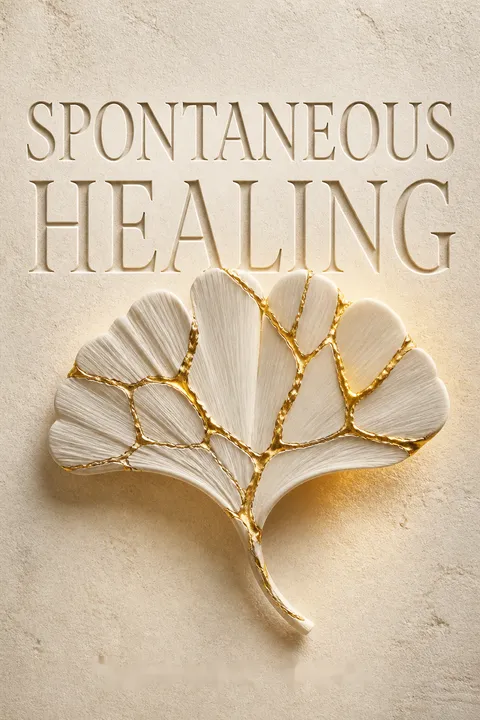


Key Takeaways
Look beyond treatment: the body supplies the repair work
A different starting point. Weil’s central idea is that the body has an inbuilt “healing system”: a functional network that detects damage, defends against threats, and repairs or replaces injured tissue. In his view, treatment can assist this work, but the body performs the final healing. This reframes the physician’s role from sole fixer to partner who supports recovery and removes obstacles to it.
A lesson from the Amazon. Weil traveled to remote Kofán territory hoping a shaman would reveal healing’s secrets. Pedro, the healer he sought, had stopped practicing to defend his community from oil development. Years later, Weil found a healing-oriented practitioner closer to home in osteopath Robert Fulford. The change in direction became a larger point: healing is not an exotic power bestowed by a special person. It is part of living biology.
The distinction is useful because it separates an intervention from the processes that make recovery possible. A surgeon can repair a fracture, for example, but living tissue must still knit together. Yet the distinction should not become a contest between medicine and nature. Effective treatment can be indispensable, and a body’s capacity to recover varies with the condition. The strongest version of Weil’s idea is not that medicine is unnecessary, but that care should ask both what needs intervention and what conditions support the body’s response.
Study ordinary repair before chasing miraculous recoveries
Repair is routine. Weil builds his case from familiar biology. Enzymes detect and repair some DNA damage; cells recycle or replace worn membrane components; a cut triggers clotting, immune activity, and new tissue growth. Bones can mend through a sequence of clot formation and rebuilding. The liver can restore lost tissue, while heart muscle and neurons have far more limited regenerative capacity. These examples suggest a system of maintenance, not a single healing organ.
The daily miracle. Weil argues that the most important evidence is not a dramatic tumor disappearing, but the ordinary repair that lets people move through daily life without every injury or cellular error becoming a crisis. The capacity has limits: damage can exceed the repair mechanisms, or illness, poor circulation, or inadequate energy can obstruct them.
This is the book’s most durable move: it grounds an expansive idea in observable processes rather than relying only on astonishing recoveries. The comparison across DNA, cells, and tissues also encourages systems thinking, since repair depends on coordination among many processes. Still, similarities across levels do not prove that one unified healing mechanism governs all of them. The analogy is a useful research prompt, not a substitute for identifying specific mechanisms or determining which interventions improve outcomes.
Use recovery stories as research clues, not proof of cures
Stories can start inquiry. Weil objects to dismissing every patient account as worthless anecdote. He describes reports of improved function after ginkgo and his own observations of a topical bloodroot paste removing growths. Such accounts may draw attention to an overlooked treatment or an unexpected recovery. But a report that something happened after a treatment does not show that the treatment caused it. Weil himself questions the ginkgo writer’s conclusion that the herb must explain every improvement.
Separate experience from explanation. The patient may accurately describe feeling better while remaining uncertain about why. Other explanations can include the natural course of illness, simultaneous changes, expectation, or mistaken diagnosis. For Weil, testimonials testify most securely to the possibility of recovery, not necessarily to the effectiveness of the product or practitioner credited with it.
The distinction between reporting an experience and explaining its cause is essential to both humane care and sound inquiry. Dismissing a patient’s account can erase useful observations; accepting the patient’s causal theory without testing it can create false confidence. A productive response is to preserve the report, clarify what changed and when, and seek independent confirmation. The book is strongest when it treats anecdotes as hypothesis-generating material. Its weaker moments occur when a small number of favorable cases are presented as evidence that a remedy is safe or effective.
Treat belief and emotion as influences, not guarantees of recovery
Mind and body interact. Weil argues that expectation, stress, imagery, and emotional change can affect bodily experience and behavior. He treats the placebo response, improvement associated with belief or expectation, as a possible part of healing rather than a meaningless experimental nuisance. His examples include patients who used guided imagery or experienced a major shift in outlook alongside physical improvement. He also describes acceptance of illness, rather than constant struggle against it, as a recurring feature in some recovery stories.
Influence is not control. The book does not establish that a mental technique caused a particular recovery. Weil acknowledges that some people improve without a profound psychological change, while others do not recover despite spiritual commitment. Mind-body practices may support coping and care, but they cannot guarantee that disease will resolve.
This account resists a false split: psychological states can shape symptoms, habits, treatment choices, and the experience of illness without making disease imaginary. That is a valuable middle ground between dismissing mind-body effects and claiming that thought controls biology at will. Acceptance can reduce the exhausting burden of treating illness as personal failure, but it should not be prescribed as a cure or used to judge patients who remain sick. Psychological support belongs alongside appropriate medical care, not in place of it.
Choose clinicians whose language supports agency without promising outcomes
Words carry authority. Weil calls a doctor’s hopeless prediction a form of “medical hexing” when it leaves a patient frightened, passive, or convinced that improvement is impossible. He recounts a man who became consumed by a prediction of cancer and another patient with multiple sclerosis who was told to practice using a wheelchair. The harm may be unintended: clinicians can communicate statistical risk as though it were a certain personal future.
Keep realism and hope together. Weil does not argue that doctors should conceal danger or promise recovery. He wants them to speak carefully about uncertainty, listen to patients, and avoid turning a prognosis into a sentence. A constructive clinician can explain risks while helping the patient identify useful choices, obtain another opinion, and remain involved in care.
Clinical communication is not decorative; it affects whether people understand options, trust their care, and feel able to act. Weil’s warning is especially persuasive when a population statistic is delivered as an individual certainty. The counterpoint is that reassurance can also mislead if it hides a serious risk or delays a decision. The ethical goal is calibrated honesty: explain what is known, what remains uncertain, and what actions are available. Hope is most credible when it accompanies clear information rather than replacing it.
Build resilience through daily movement, rest, food, and breathing
Support the basics. Weil’s practical program emphasizes regular activity, adequate rest, nourishing food, stress management, and social and spiritual well-being. He particularly favors walking because it is accessible and combines physical movement with sensory attention. His eight-week plan gradually increases walking toward forty-five minutes on five days a week, while adding breathing practice and manageable dietary changes. The point is a sustainable routine, not a dramatic cure or a promise of boundless energy.
Avoid turning a plan into a prescription. The book also recommends supplements, fasting, and avoidance of particular exposures. Those specific recommendations reflect the period in which it was written and should not be treated as current personalized medical advice. Its more enduring practical principle is to make supportive changes gradually and adapt them to a person’s health and circumstances.
The emphasis on ordinary routines makes the book’s preventive vision actionable. Walking, sleep, and stress regulation are not glamorous, but they can shape the conditions in which people manage illness and maintain function. The gradual structure also recognizes that behavior change is more workable when introduced in steps. The caution is that a broad lifestyle program cannot be assumed to prevent or reverse every disease, and supplements or fasting can carry risks. Personalization matters, especially for people with medical conditions or ongoing treatment.
Use medicine decisively for emergencies and thoughtfully elsewhere
Match care to the problem. Weil argues that conventional medicine is particularly valuable for trauma, urgent crises, diagnosis, surgery, and some infections. He illustrates this with Frederick, a patient seeking natural remedies for pain that sounded digestive but occurred with exertion and spread to his chest and arm. A cardiac evaluation revealed a dangerous heart problem, and emergency surgery followed. The point is not to reject conventional care, but to recognize when delay can be dangerous.
Combine, do not confuse. For chronic problems, Weil encourages patients to understand what a treatment can accomplish, what risks it carries, and whether other options might help. He presents alternative practices as possible complements or choices in selected situations. His broad claims about which conditions conventional medicine can or cannot treat are opinions from the book, not a reliable current guide to care.
This is a necessary corrective to the book’s more sweeping criticism of technological medicine. Patient agency includes the ability to seek a second opinion, but it also includes using effective urgent care when symptoms warrant it. A sensible decision process weighs evidence, severity, time sensitivity, and treatment risk rather than sorting therapies into “natural” and “medical” camps. Weil’s emergency example makes the priority clear: philosophical commitments should never outrank recognition of a potentially life-threatening condition.
Make illness a reason to change, not proof you caused it
Agency without blame. Weil identifies recurring behaviors among patients who found a path through difficult illness: they kept looking for help, sought out people who had recovered, built supportive relationships with practitioners, and made substantial changes when needed. Some came to see illness as an opportunity for personal growth. The stories of Jan, who changed how she cared for herself and addressed a painful family relationship, and Harvey, who reconsidered responsibility in his life after serious illness, illustrate that possibility.
Growth is not a test. The book also warns that failing to recover does not mean a patient lacked courage, faith, or the right attitude. That qualification matters. Illness can prompt reflection, but it is not evidence of moral failure, and no one should be pressured to find a gift in suffering.
The distinction between responsibility and blame gives these patient strategies their best ethical form. People can influence many choices around care, relationships, and daily routines without having caused the illness or controlling its outcome. Stories of growth can help patients imagine a future beyond diagnosis, but they can also become an unfair demand to transform suffering into inspiration. The framework is most useful when it expands a patient’s options and sense of participation, while leaving room for grief, uncertainty, and outcomes no amount of effort can determine.
Judge cancer therapies by the specific tumor, evidence, and tradeoffs
Cancer is not a simple case. Weil treats cancer differently from many other illnesses because a detectable tumor indicates that abnormal cells have escaped the body’s usual controls. He describes surgery, radiation, chemotherapy, and emerging immune-based approaches, and urges patients to ask how a proposed treatment performs for their particular cancer and stage. His account of Helen, whose widespread abdominal tumors later showed no malignant features, illustrates the rare recoveries that inspired his interest in immune responses. It does not establish why her disease changed.
Do not generalize from a case. Weil is deeply skeptical of radiation and chemotherapy and encourages careful review of their risks and benefits. Those judgments are not a safe substitute for current oncology advice. Cancer treatment decisions are complex and time-sensitive; patients should consult qualified cancer specialists and seek additional opinions when needed.
The chapter’s most useful contribution is its insistence that treatment decisions depend on the cancer in front of the patient, not on slogans about either technology or nature. The story of Helen is emotionally powerful precisely because its mechanism remains uncertain. That uncertainty should invite research, not justify assuming that a particular diet, belief, or alternative therapy can reproduce the outcome. A careful decision weighs credible evidence, likely benefit, harms, and the patient’s priorities with specialists who know the disease.
Rebuild medicine around prevention, patient partnership, and healing research
A different health system. Weil imagines care that teaches people to maintain health, supports recovery, and makes conventional and alternative approaches available for informed consideration. He argues that medical education focuses heavily on disease and intervention, while giving too little attention to prevention, communication, mind-body interaction, and the body’s repair processes. He calls for dedicated research on healing phenomena and for patients and clinicians to work as partners rather than adversaries.
Make the idea testable. A healing-oriented system would need more than a change in philosophy. It would need reliable ways to distinguish treatments that help from those that do not, and to compare their costs and risks. Weil’s proposed registry of people who recovered from particular diseases could preserve useful leads, but claims drawn from those accounts would still need careful evaluation.
The institutional argument links individual agency to the incentives and education that shape care. Prevention and respectful communication are not merely softer alternatives to technical medicine; they influence how people encounter treatment and whether they can participate in decisions. The proposal for systematic healing research is compelling, especially because unusual recoveries can expose gaps in knowledge. Its success depends on rigorous methods. Without controls for diagnosis, disease course, concurrent treatment, and selective reporting, a registry could collect memorable stories while leaving their causes unresolved.
Analysis
Spontaneous Healing is both a memoir of changing medical convictions and an argument for widening the meaning of health care. Its narrative arc matters: Weil sets out for an exotic healer, finds Pedro occupied with defending his people, and eventually locates a different model of care much closer to home. That journey gives emotional force to the book’s claim that healing is not a rare gift delivered from outside. The most persuasive material is the biological account of repair and the insistence that patients deserve attentive, nonfatalistic communication. The book also makes a useful epistemic argument: a patient story can be worth recording even when its explanation is uncertain.
Its central limitation is the leap from real biological repair to confident claims about specific alternative treatments and causes of recovery. The case histories are selected successes, without a comparison group or a denominator showing how often similar attempts failed. A recovery following a remedy does not establish that the remedy caused it. Natural fluctuations, concurrent care, diagnostic uncertainty, and expectation can all complicate interpretation. The same caution applies to claims that psychological change or toxic exposure explains a particular disease. Mind and body interact, but that does not make patients responsible for becoming ill or able to control their outcomes through attitude.
The book’s distrust of conventional medicine also needs balance. Clinical systems can be rushed and overly interventionist, yet modern diagnosis and emergency treatment save lives. The soundest lesson is not to choose nature over medicine, but to seek care that combines technical competence with respect for the patient and a clear account of uncertainty. Finally, this is a text rooted in 1995. Its recommendations about supplements, fasting, environmental exposures, and cancer treatment should not be followed as current medical guidance. Its enduring contribution is a question for medicine and research: how can care support the body’s repair processes while testing claims rigorously and protecting patients from both false hope and needless pessimism?
Review Summary
Spontaneous Healing receives mixed reviews, with many praising its insights on natural healing and the body's ability to recover. Readers appreciate Weil's focus on prevention, lifestyle changes, and alternative medicine. Some criticize the book's reliance on anecdotal evidence and potential dangers of abandoning conventional treatments. The nutritional advice is considered outdated by some. Despite its age, many find the book's core message on holistic health still relevant and inspiring, though some recommend critical reading and updated research.
People Also Read




Glossary
healing system
The body's repair capacitiesWeil’s term for the body’s connected capacities to detect damage, defend against threats, maintain normal function, and repair or replace injured tissue. It is not a separate anatomical organ. The book applies the idea across biological levels, from DNA repair and immune activity to wound healing, and also considers how mental and emotional states may influence recovery.
Hygeian medicine
Health-maintenance approachWeil’s name for a medical philosophy centered on preserving health and strengthening the body’s resistance, rather than focusing chiefly on treating disease after it appears. The term refers to Hygeia, the Greek goddess of health. In the book, this approach emphasizes prevention and supporting the body’s own capacities, while remaining distinct from rejecting all treatment.
Asklepian medicine
Disease-treatment approachWeil’s name for a medical philosophy focused on diagnosing and treating disease, often through interventions that come from outside the patient. The term refers to Asklepios, the Greek god of medicine. Weil contrasts this with Hygeian medicine, but presents the distinction as a difference in emphasis, not a reason to refuse effective treatment.
medical hexing
Pessimism that undermines agencyWeil’s term for the harm that can follow when a medical professional communicates hopelessness or a grim prediction in a way that a patient experiences as a sentence. He argues that such language may intensify fear, despair, and passivity. The term does not mean that doctors should conceal a poor prognosis; it calls for communicating risk with care and appropriate uncertainty.
primary respiratory mechanism
Proposed cranial rhythmA concept associated in the book with osteopath William Sutherland. It describes a subtle, breathlike rhythm involving the skull, brain and spinal membranes, cerebrospinal fluid, and sacrum. Fulford believed restrictions in this mechanism could affect health and that hands-on treatment could restore motion. This is presented as an osteopathic theory, not as an established medical consensus.
Seven Strategies of Successful Patients
Patient behaviors supporting recoveryWeil’s framework drawn from recovery stories. The strategies are to keep seeking options, actively look for help, connect with people who have recovered, form constructive partnerships with health professionals, consider major life changes, find growth in illness where possible, and cultivate self-acceptance. The framework is meant to support participation and hope, not to imply that patients cause illness or control whether recovery occurs.
placebo response
Change linked to treatment contextA beneficial change associated with a treatment experience, which may occur even when the treatment’s specific active effect is uncertain. Weil treats this response as evidence that expectation and the therapeutic relationship can influence health, rather than as experimental noise. A placebo response does not prove that a remedy treats the underlying disease or that symptoms are imaginary.
FAQ
What's Spontaneous Healing about?
- Healing System Focus: Spontaneous Healing by Andrew Weil, M.D. explores the body's natural ability to heal itself, emphasizing a healing system that operates continuously, often unnoticed.
- Integrative Approach: Weil advocates for a holistic health approach, combining conventional medicine with alternative therapies, lifestyle changes, and mental well-being.
- Spontaneous Healing Stories: The book includes testimonials of unexpected recoveries, showcasing the mind and body's power in the healing process.
Why should I read Spontaneous Healing?
- Empowerment Through Knowledge: The book empowers readers to take charge of their health by understanding the body's self-healing capabilities.
- Practical Advice: It offers strategies for enhancing the healing system, including dietary recommendations and stress management techniques.
- Inspiring Testimonials: Stories of spontaneous healing provide motivation and hope, illustrating that recovery is possible even in challenging situations.
What are the key takeaways of Spontaneous Healing?
- Healing Comes from Within: Healing is an intrinsic process originating within the body, not solely from external treatments.
- Mind-Body Connection: Mental states significantly influence physical health, with positive thinking and emotional well-being crucial for healing.
- Lifestyle Modifications: Diet, exercise, and stress reduction are essential for optimizing the body's natural healing abilities.
How does Andrew Weil define the healing system in Spontaneous Healing?
- Intrinsic Mechanism: The healing system is an intrinsic mechanism within the body, ready to repair and regenerate continuously.
- Self-Diagnosis and Repair: It includes processes of self-diagnosis, self-repair, and regeneration at various biological levels.
- Mind-Body Interaction: The healing system interacts with the mind, with mental states influencing physical healing.
What lifestyle changes does Spontaneous Healing recommend for optimal health?
- Healing Diet: Emphasizes whole foods, reducing saturated fats, and increasing fruits, vegetables, and healthy fats like olive oil.
- Stress Management: Techniques like meditation, yoga, and deep breathing are recommended to enhance mental well-being.
- Regular Physical Activity: Exercise is essential for maintaining health, promoting circulation, boosting immunity, and enhancing mood.
What role does the mind play in healing according to Spontaneous Healing?
- Influence on Healing: The mind profoundly influences healing, with positive mental states activating the body's healing mechanisms.
- Emotional Release: Expressing emotions like anger and grief can facilitate healing, leading to better health outcomes.
- Mindfulness and Awareness: Being mindful and aware of thoughts and feelings enhances the healing process, allowing for conscious health-supporting choices.
How does Spontaneous Healing address the concept of spontaneous remission?
- Common Occurrence: Spontaneous healing is not rare but common, occurring in various illnesses, including cancer.
- Activation of Healing Mechanisms: Spontaneous remission often results from activating the body's intrinsic healing mechanisms without medical intervention.
- Case Studies: The book includes case studies of spontaneous remission, illustrating the healing system's potential.
What are the obstacles to healing discussed in Spontaneous Healing?
- Lack of Energy: Proper nutrition and metabolism are crucial for the healing system to function effectively.
- Poor Circulation: Impaired circulation limits nutrient and oxygen delivery to injured areas, hindering healing.
- Mental and Emotional Barriers: Negative mental states like fear and pessimism can obstruct healing, requiring a positive mindset.
What dietary changes does Andrew Weil recommend in Spontaneous Healing?
- Reduce Animal Protein: Suggests cutting down on animal protein, replacing it with plant-based sources to ease the digestive system.
- Increase Omega-3 Fatty Acids: Recommends omega-3s from fish or flaxseed for their anti-inflammatory properties.
- Emphasize Fruits and Vegetables: Encourages a diet rich in fresh produce for essential nutrients and antioxidants.
How does Spontaneous Healing address the role of the mind in healing?
- Belief and Healing: Positive beliefs can enhance healing capabilities, while negative beliefs can hinder them.
- Visualization Techniques: Visualization is a powerful tool for promoting healing by imagining positive outcomes.
- Emotional Well-Being: Managing emotions and stress is crucial for optimal health, as emotional turmoil can obstruct healing.
What are some specific methods for protecting oneself from toxins mentioned in Spontaneous Healing?
- Dietary Awareness: Avoid processed foods and opt for organic produce to minimize exposure to harmful chemicals.
- Water Quality: Use filtration systems to ensure clean drinking water, being informed about its source.
- Environmental Considerations: Reduce exposure to air pollution by spending time in nature and being proactive about environmental toxins.
How can I apply the principles from Spontaneous Healing to my life?
- Start with Diet: Make small dietary changes, like incorporating more fruits and vegetables and reducing processed foods.
- Practice Mindfulness: Include mindfulness practices like meditation or deep breathing in your daily routine to manage stress.
- Seek Support: Surround yourself with supportive individuals who believe in the healing process to inspire and motivate your journey.
About the Author
Other books by Andrew Weil

Download PDF
Download EPUB
.epub digital book format is ideal for reading ebooks on phones, tablets, and e-readers.








