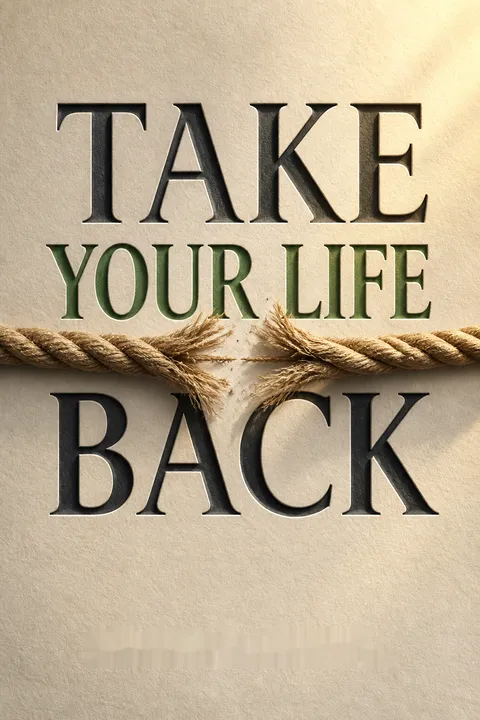


Key Takeaways
Look for the prodigal in rebellion and resentment, not just addiction.
Two ways to get lost. Jesus’s familiar parable shows a younger son who squanders his inheritance and returns home in shame. The father welcomes him without humiliation. But the older brother, who stayed home and obeyed, is trapped by resentment when the younger one is celebrated. One brother acts out; the other turns pain inward through bitterness, judgment, and isolation. Both have lost touch with the life available to them.
Grace invites responsibility. The story’s welcome is not approval of destructive behavior. The younger son must face what his choices have done, while the older one must recognize how grievance has narrowed his life. The book’s Christian message is that neither rebellion nor self-righteousness places someone beyond the possibility of return.
The older brother complicates the easy story that visible misconduct is the main sign of a life gone wrong. Resentment can look respectable, especially when it grows from a real sense of unfairness, yet still consume attention and closeness. The parable also holds two ideas together: welcome need not erase consequences, and accountability need not require humiliation. That distinction matters in families and communities where forgiveness is sometimes confused with permission. A useful question is not simply who behaved badly, but what each person is doing with pain, power, and the possibility of repair.
Treat old survival reactions as signals, not permanent personality.
Protection can become a cage. The authors call a life organized around automatic self-protection reactive living. It can involve lashing out, withdrawing, minimizing harm, appeasing someone, or trying to control the situation. These habits may begin as ways to survive experiences a child could not change. In adulthood, they can keep the person stuck, especially when a familiar reaction feels safer than an unfamiliar choice.
Notice the pattern. One author recalls crushing a finger under a heavy box, then denying the pain to the helpful stranger who caused it. Once alone, he cried and cursed. He recognized the response as familiar: conceal suffering to avoid seeming weak. The point is not that every reaction has one hidden cause, but that noticing repeated reactions can reveal what is being protected and what the protection now costs.
This framing treats behavior as both understandable and changeable. That is more useful than either blame, which ignores context, or excuse, which leaves harmful patterns untouched. It also resembles a basic principle of learning: responses repeated in threatening situations can become automatic even when the original danger has passed. Still, self-observation is not enough in every case. A reaction may be reinforced by ongoing abuse, illness, or unsafe conditions. The person’s task is not to reinterpret every danger as a personal trigger, but to distinguish present risk from an old alarm and seek help where needed.
Build relationships where you can be needy, distinct, and still accepted.
A mask can outlive its purpose. The book calls the authentic person beneath protective habits the real self. A false self is the role or facade built to hide vulnerability and win safety, approval, or control. The authors trace this pattern through the biblical story of Adam and Eve: after shame enters, they hide and blame rather than remain open with each other and God.
Connection shapes identity. The book draws on attachment research to describe secure relationships as available, responsive, and accepting. Insecure patterns may appear as emotional distance, anxious clinging, or fear of closeness. Katherine, a successful professional, still believed she was stupid because of messages she had absorbed from her mother. Her achievements did not undo the belief; examining its origins helped her question it and recover a more authentic sense of herself.
The distinction between a person and a protective role gives readers a humane way to understand perfectionism, caretaking, or withdrawal without treating them as fixed traits. Attachment theory also helps explain why independence and closeness are not opposites: secure relationships can make exploration safer. The categories are best used as prompts for reflection, not as labels for diagnosing oneself or a partner. People can behave differently across relationships and circumstances. A practical test is whether a relationship allows honest needs and disagreement without making acceptance feel conditional.
Let remorse change behavior without letting shame define identity.
A mistake is not an identity. The authors distinguish toxic shame, which turns failure into a verdict on the whole person, from godly sorrow, which signals that behavior needs correction. Toxic shame can fuel secrecy, self-punishment, and further destructive choices. The book compares it to oil coating wildlife after the Exxon Valdez spill: the damage spreads and becomes difficult to escape if it is left untreated.
Turn feeling into repair. Godly sorrow, in the book’s Christian framework, prompts a person to change course, seek forgiveness, make restitution when appropriate, and protect against repeating the harm. It does not deny wrongdoing or insist that consequences disappear. The authors describe a woman whose shame after losing a pregnancy drove her toward a damaging lifestyle; recovery began when she stopped treating shame as proof that she was beyond help.
The distinction resembles the difference between condemning a whole self and evaluating a specific action. The former can make change seem pointless; the latter can guide repair while preserving agency. Shame, however, is not always easy to sort into a healthy or toxic category, and people can experience both at once. A useful response is to ask what the feeling identifies: a behavior to address, a boundary that was violated, or a global claim of worthlessness. Compassion matters here not as a way to avoid responsibility, but as a condition that can make responsibility bearable.
Trauma explains narrowed choices, but healing needs safety and support.
Threat changes the field of choice. The authors describe trauma as an overwhelming event or pattern that undermines a person’s sense of security and can leave them feeling helpless. They list reactions such as vigilance, sleep disruption, numbness, difficulty concentrating, isolation, and shame. A person may also form a trauma bond, an attachment to someone who causes harm, because fear, dependence, and intermittent closeness can make leaving feel impossible.
Do not mistake survival for consent. The book argues that people caught in abusive or coercive dynamics need compassionate support rather than blame for staying or hiding what is happening. Safe relationships, counseling, and practical protection can help restore the ability to choose. The authors also discuss a personal account of possible football-related brain injury, but present it as one man’s explanation of his history, not a universal account of trauma.
This section’s strongest contribution is moral as much as psychological: behavior under threat should not be judged as if it occurred under ordinary conditions. That insight can reduce stigma and make help-seeking more realistic. It also calls for care with causal claims. Trauma can affect attention, trust, and decision-making, but one symptom does not prove a particular history, and a relationship label cannot substitute for a professional assessment. The priority is practical: establish safety, listen without coercion, and involve qualified support when the person’s health or security is at risk.
Spend energy changing your side of the relationship, not theirs.
Return to your own choices. The book’s central instruction is to take your life back by shifting effort away from trying to make another person change. It contrasts that futile effort with examining one’s own actions, assumptions, and options. The authors recommend replacing thoughts such as “I am trapped” with the more workable recognition that options may exist even if they are difficult to reach.
Practice a different response. One couple learned to stop giving their son whatever he demanded as a way to avoid conflict. Saying no was painful, but it stopped temporarily soothing a problem they could not solve for him. Responsive living, as the book calls this alternative, involves acting deliberately instead of letting old fear or anger dictate the next move. It includes learning to trust, identify feelings, and make choices with support.
The shift from controlling others to examining one’s own conduct is a powerful antidote to rumination. It resembles the distinction between what a person can influence and what remains outside their control. The idea should not be reduced to individual willpower, though. Economic dependence, disability, caregiving duties, and coercion can constrain available options. In those circumstances, taking responsibility may mean building resources and seeking allies, not pretending that a simple change in attitude solves the problem. Agency often grows through practical support, not in isolation.
Name the wound, grieve it with support, then practice forgiveness.
Make the hidden specific. The authors propose beginning recovery with a safe person, such as a trusted counselor or support-group member. With that person, examine what happened, what attachment patterns developed, and which emotions tend to dominate under stress. They suggest naming the experience in language that makes it easier to acknowledge without turning the name into an attack on someone else.
Grief takes more than insight. The book describes grieving as recognizing what was lost, including a sense of self, and allowing both protest and sadness. Writing an unsent letter can help someone express either feeling. Forgiveness is presented as a process of releasing an unpayable debt, not pretending that the harm was acceptable. The authors also offer an imagery exercise: picture the adult self comforting the younger self who lacked protection or understanding.
The sequence gives emotional work a structure: tell the truth, recognize loss, feel what was suppressed, and consider what release might mean. Naming can reduce confusion, while a trusted listener can help distinguish memory, interpretation, and present-day impact. The imagery exercise may be meaningful for some people, but revisiting painful experiences can overwhelm others, especially without skilled support. The book’s emphasis on a safe companion is therefore essential, not decorative. Forgiveness also need not mean renewed contact, trust, or the absence of consequences.
Make boundaries firm enough for safety, flexible enough for connection.
Protection should preserve choice. The authors describe three capacities needed in recovery: deciding what is acceptable, defending against harmful treatment, and developing a fuller life beyond defense. They caution against turning boundaries into permanent walls. A clear no might mean ending an abusive conversation, leaving, or seeking help. It should not be used as punishment or as a reflexive rejection of every risk.
A cautionary marriage story. Austin withdrew emotionally soon after marrying Kathy, and counseling helped him understand how fear shaped his behavior. Kathy’s counselor advised a month of total distance, which hardened into a barrier the couple could not repair. The story illustrates the authors’ point that protection can become isolation when it leaves no path back to dialogue. But where there is danger, distance and professional help may be necessary.
The distinction between boundaries and walls is useful because both can look like saying no from the outside. A boundary names what someone will do to protect their wellbeing; a wall attempts to prevent all vulnerability or repair. The difference depends on context and purpose, not appearance alone. The marriage example also deserves caution: no single counseling tactic explains a divorce, and staying engaged is not always wise. In relationships involving violence or coercion, safety takes priority over preserving connection. Flexibility is not an obligation to tolerate harm.
Work recovery with others, from honesty through amends and service.
Recovery is relational. The authors present the Twelve Steps of Life Recovery, adapted from Alcoholics Anonymous with an explicitly Christian understanding of God. The steps begin by admitting that a problem has become unmanageable, accepting help beyond oneself, and turning one’s will toward God. They then move through personal inventory, confession, readiness to change, and requests for help.
Repair makes change visible. The steps also ask people to identify those they have harmed, make amends where doing so will not cause further injury, and continue taking inventory. Prayer and reflection support ongoing change; sharing recovery with others comes after doing the work, not as a substitute for it. The authors emphasize that disclosure and support can interrupt isolation. Their approach is intended to address a person’s relationship with God, self, and other people.
The sequence joins inward change to observable responsibility. Confession without repair can become a performance, while amends without reflection may repeat the same harm. The caution about not causing further injury is especially important: an apology can serve the apologizer’s relief more than the harmed person’s needs. Because this program is explicitly Christian, it may fit some readers better than others. Its broader practical insight remains clear: change is more durable when it includes honest witnesses, repeated self-review, and concrete repair.
Measure progress by the next responsible choice, not perfect recovery.
A taken-back life is practiced daily. The book describes recovery as becoming more able to see danger clearly, feel emotions without being ruled by them, choose deliberately, connect with others, and receive help. The authors portray surrender to God not as a one-time event but as a daily practice. Their repeated test is whether a person can take the next responsible step rather than being driven by an old script.
Protect progress without demanding perfection. They encourage readers to notice triggers, avoid needless exposure to harmful situations, maintain supportive relationships, and have a plan for setbacks. A relapse or return to an old pattern is treated as information about what needs attention, not automatic proof that change is impossible. The endpoint is not a flawless life; it is a more honest, stable, connected life that can keep growing.
This is a realistic standard for change because it prizes repeatable action over dramatic transformation. Recovery often involves setbacks, and interpreting them as evidence can make a plan more specific: What was missed, what support was absent, or what risk was underestimated? The book’s spiritual language gives this persistence meaning, while its practical emphasis on relationships and routines keeps it grounded. Still, perseverance should not become pressure to endure unsafe conditions. Progress includes knowing when to seek urgent help or change the environment.
Analysis
The book’s central move is to reinterpret self-defeating behavior as an adaptation that once served survival but now limits adult choice. That framing can soften self-condemnation without excusing harm. Its strongest narrative device is the pairing of the rebellious younger son with the resentful older brother: one is visibly lost, the other appears dutiful, yet both are organized around pain rather than connection. The image prevents recovery from being reduced to stopping addiction or correcting outward misconduct.
The practical arc is coherent. Readers first identify protective patterns, then recover access to feelings and history, and finally practice agency through boundaries, repair, and support. The insistence that recovery cannot be done alone is especially important because the book’s own account of wounding is relational. Its Christian framework gives the process a source of grace and a reason to forgive, while still asking for honesty and restitution.
The model also needs careful use. The authors sometimes generalize broadly about childhood wounds, dependency, brain processes, and attachment. These concepts can help readers ask better questions, but they should not be treated as diagnoses or as proof that every current difficulty originates in childhood. Nor does personal responsibility mean equal power in every relationship. A person’s options may be limited by abuse, health, money, or caregiving demands. The book is most persuasive when its spiritual conviction is paired with professional care, practical safety, and respect for individual differences. Its enduring lesson is not that people can simply choose their way out of pain, but that pain need not have the final authority over every choice.
Review Summary
Take Your Life Back receives mixed reviews, with an overall rating of 3.99/5. Many readers find it insightful and helpful for understanding past trauma and developing healthier relationships. The book's Christian perspective is appreciated by some but off-putting to others. Readers value its coverage of topics like attachment, abuse, and shame. Some criticize its lack of depth or practical steps. The book is seen as a good starting point for those beginning their healing journey, though some found it repetitive or overly religious.
People Also Read





Glossary
Reactive living
Automatic self-protectionA pattern of responding to life through habitual defenses shaped by pain, fear, shame, or insecure relationships. It can include acting out, withdrawing, appeasing, minimizing, controlling, or becoming preoccupied with another person’s behavior. The authors distinguish it from responsive living, in which a person pauses, recognizes options, and chooses an action deliberately.
Real self
Authentic, vulnerable selfThe person beneath defensive roles and performances, including genuine feelings, needs, strengths, and flaws. In the book’s Christian framework, this is the self God knows and loves, not an idealized version without mistakes. Recovering it means facing painful experiences and becoming more honest and connected rather than maintaining a facade.
False self
Protective identityA set of roles, habits, or performances developed to hide vulnerable parts of oneself and seek safety, approval, control, or connection. The false self may appear self-sufficient, pleasing, competent, or emotionally detached. It can help someone cope in difficult circumstances, but may later obstruct authentic feelings and relationships.
Classic dependency
Early-learned caretaking patternThe authors’ term for dependency patterns that develop from childhood wounds and become an adult focus on other people’s needs and problems. Behaviors may include appeasing, monitoring others’ moods, sacrificing personal needs, and trying to keep peace at any cost. The book also uses codependency for this pattern and treats it as chronic unless actively addressed.
Secondary dependency
Relationship-developed dependencyA dependent pattern that develops in adulthood, often through close involvement with someone whose addiction or dysfunction demands continual attention. A person without severe childhood dependency patterns may gradually adopt caretaking and self-neglecting behaviors. The authors say recovery focuses especially on understanding the adult relationship that shaped the pattern.
Toxic shame
Shame that defines identityA destructive form of shame that treats mistakes or harm as proof that a person is fundamentally defective. In the book, it can drive isolation, secrecy, self-punishment, and further harmful behavior. The authors contrast it with godly sorrow, which identifies a behavior that needs correction without declaring the whole person worthless.
Godly sorrow
Remorse that prompts repairThe book’s term for a constructive response to wrongdoing. Rather than defining a person by a mistake, godly sorrow signals that behavior should change and may require confession, restitution, or protective choices. It is grounded in the authors’ Christian understanding of conscience and forgiveness, and is contrasted with shame that makes change seem hopeless.
Trauma bond
Attachment within harmful dynamicsAn attachment to a person who causes harm, which the authors associate with fear, dependence, and powerful or unpredictable relationship dynamics. It can help explain why someone remains connected to an unsafe person despite serious mistreatment. The term describes a possible relational pattern, not a clinical diagnosis or proof of why a particular person stays.
Adult reactive attachment
Informal pattern of insecure relatingThe authors’ informal description of adult behaviors that resemble some effects of insecure attachment, such as emotional withdrawal, distrust, difficulty accepting care, or unstable closeness. They explicitly distinguish this phrase from a formal clinical diagnosis. It is intended to describe a way of relating, not to label or diagnose an adult.
Twelve Steps of Life Recovery
Faith-based recovery sequenceA Christian adaptation of the Twelve Steps of Alcoholics Anonymous presented as a broad process for recovery. It moves from admitting that life is unmanageable and accepting help from God, through personal inventory, confession, change, and amends, toward ongoing prayer and helping others. The authors apply the steps to relationships with God, oneself, and other people.
Decider, Defender, and Developer
Three capacities for agencyThe authors’ framework for rebuilding personal agency. A decider identifies what is acceptable and makes choices; a defender protects against harmful treatment and can say no; a developer builds a fuller life through growth and connection. The capacities are meant to work together, so protection does not harden into isolation.
Hazan and Shaver study
Adult love and attachment researchA 1987 study by psychologists Cindy Hazan and Phillip Shaver that examined romantic love through the lens of attachment research, including John Bowlby’s work on infants and caregivers. The book cites it to connect patterns of safety, separation, and responsiveness in early relationships with behaviors in adult romance. It is a research reference, not a diagnostic tool.
FAQ
1. What is "Take Your Life Back" by Stephen F. Arterburn and David Stoop about?
- Core Focus: The book addresses how individuals can stop letting their past and other people control their lives, especially through the lens of Christian faith and psychological insight.
- Main Problem: It explores the concept of "reactive living," where people are controlled by wounds, shame, trauma, and unhealthy relationships, leading to a loss of their true selves.
- Goal of the Book: The authors guide readers toward "responsive living," where they reclaim ownership of their lives, heal from past wounds, and develop healthy boundaries and relationships.
- Christian Perspective: The book integrates biblical principles, especially the parable of the prodigal son, to illustrate God’s grace and the journey back to wholeness.
2. Why should I read "Take Your Life Back" by Stephen F. Arterburn and David Stoop?
- For Those Feeling Stuck: If you feel controlled by your past, shame, or difficult relationships, the book offers practical steps to break free.
- Faith-Based Healing: Readers seeking a Christian approach to emotional and psychological healing will find biblically grounded advice.
- Actionable Guidance: The book provides clear methods for identifying wounds, understanding codependency, and building healthier patterns.
- Empathy and Hope: The authors share personal stories and assure readers they are not alone, offering hope and encouragement for real change.
3. What are the key takeaways from "Take Your Life Back" by Stephen F. Arterburn and David Stoop?
- Reactive vs. Responsive Living: Understanding the difference between living in reaction to pain and choosing healthy, intentional responses is central.
- Healing Requires Action: True change starts with acknowledging wounds, grieving losses, and taking responsibility for your own healing.
- Importance of Boundaries: Learning to decide, defend, and develop your life is crucial for breaking free from unhealthy control.
- Role of Faith and Community: Recovery is not a solo journey; trusting God and connecting with safe people are essential for lasting transformation.
4. How do Arterburn and Stoop define "reactive living" in "Take Your Life Back"?
- Living in Reaction: Reactive living means responding automatically to pain, wounds, or the actions of others, often through denial, compliance, or control.
- Loss of Self: It involves burying the real self and creating false selves to cope with fear, shame, or unmet needs.
- Unhealthy Patterns: Common reactions include enabling, placating, isolating, attacking, and minimizing problems, which perpetuate cycles of dysfunction.
- Rooted in Woundedness: These patterns often originate in childhood experiences of abuse, neglect, or broken attachments.
5. What is the "responsive life" according to "Take Your Life Back" by Stephen F. Arterburn and David Stoop?
- Choosing Responses: The responsive life is about acting intentionally rather than reacting automatically, making conscious choices aligned with your values and God’s will.
- Regaining Ownership: It means reclaiming your power to decide, set boundaries, and develop your life, rather than being controlled by others or your past.
- Emotional Awareness: Responsive living involves learning to feel and process emotions in healthy ways, rather than suppressing or being overwhelmed by them.
- Trust and Connection: Building trust with yourself, others, and God is foundational to living responsively and experiencing true freedom.
6. How do the authors use the parable of the prodigal son in "Take Your Life Back"?
- Two Types of Prodigals: The book highlights both the "acting out" younger son and the "acting in" elder brother, showing that both need healing and restoration.
- God’s Grace Emphasized: The father’s unconditional love represents God’s readiness to welcome us back, regardless of our past or shame.
- Shame and Restoration: The parable illustrates how shame can keep us from returning home, but God offers celebration, not condemnation, for those who come back.
- Application to Readers: Readers are encouraged to identify with either brother and see their own need to take their life back by returning to God’s embrace.
7. What are the main sources of woundedness discussed in "Take Your Life Back" by Stephen F. Arterburn and David Stoop?
- Types of Abuse: The book details five primary forms—mental, emotional, physical, sexual, and spiritual abuse—as common sources of deep wounds.
- Broken Attachments: Insecure or unhealthy attachments in childhood, such as avoidant, ambivalent, anxious, or fearful styles, contribute to adult struggles.
- Generational Patterns: Woundedness is often passed down through families, with parents unintentionally repeating the pain they experienced.
- Trauma and Loss: Significant life events, such as trauma, loss, or relationships with narcissistic or borderline individuals, can also cause lasting wounds.
8. How do Arterburn and Stoop explain the development of the "false self" in "Take Your Life Back"?
- Hiding the Real Self: To cope with pain, children often bury their authentic selves and create false selves to gain approval or avoid rejection.
- Survival Strategy: The false self is a protective mask, shaped by family dynamics, abuse, or unmet needs, but it ultimately leads to emptiness and disconnection.
- Codependency Link: Many false selves are rooted in codependent behaviors, where self-worth is tied to caring for or controlling others.
- Restoring the Real Self: Healing involves unburying the real self, grieving losses, and embracing the person God created you to be.
9. What practical steps do the authors recommend for taking your life back in "Take Your Life Back"?
- Change Your Thinking: Begin by identifying and challenging self-defeating thoughts, focusing on what you can change—yourself.
- Find Self-Compassion: Practice self-care and comfort your wounded inner child, rather than criticizing or neglecting yourself.
- Build Safe Relationships: Seek out a safe person or counselor to share your healing journey and provide accountability.
- Work the Twelve Steps: The authors advocate using the Twelve Steps of Life Recovery, adapted from AA, as a structured path for spiritual and emotional growth.
10. What is the significance of boundaries in "Take Your Life Back" by Stephen F. Arterburn and David Stoop?
- Decider, Defender, Developer: Healthy boundaries allow you to decide for yourself, defend your well-being, and develop your life without being controlled by others.
- Flexible, Not Rigid: The goal is to create firm but flexible borders, not impenetrable walls that isolate you from healthy connection.
- Saying No and Yes: Learning when to say no (to abuse, manipulation, or enabling) and when to say yes (to growth, connection, and opportunity) is essential.
- Tough Love: Boundaries are an act of self-respect and love, both for yourself and for others, enabling real change and healthier relationships.
11. How do the authors address shame and its impact in "Take Your Life Back"?
- Toxic vs. Healthy Shame: Toxic shame is destructive, leading to self-loathing and hopelessness, while healthy shame (godly sorrow) motivates positive change.
- Shame Cycle: The book describes how shame perpetuates cycles of isolation, self-sabotage, and further wounding if not addressed.
- Replacing Lies with Truth: Healing from shame involves recognizing and rejecting lies about your worth, and embracing God’s truth and grace.
- Breaking the Cycle: The authors provide steps for breaking free from shame, including confession, forgiveness, and renewing your mind with Scripture.
12. What are the best quotes from "Take Your Life Back" by Stephen F. Arterburn and David Stoop, and what do they mean?
- “You can’t heal a wound by saying it’s not there!” – Emphasizes the necessity of acknowledging pain and woundedness as the first step toward healing.
- “True freedom comes when you gain the strength to no longer live in reaction to the negative power whose destructive control has kept you from living the life you were meant to live.” – Highlights the book’s core message of moving from reactive to responsive living.
- “The real self, quite simply, is the self that God sees.” – Reminds readers that their authentic self, with all its flaws, is loved and accepted by God.
- “Taking your life back puts you on a path full of wonder, meaning, and blessings so plentiful that you can’t even imagine all that is possible.” – Encourages hope and perseverance, assuring readers that the journey is worth the effort.
- “Decide right now that when you wake up in the morning, you will do whatever it takes to develop the gift of your life in honor of the one who gave it to you.” – Inspires daily commitment to growth, healing, and honoring God with your life.
About the Author
Other books by Stephen F. Arterburn


Download PDF
Download EPUB
.epub digital book format is ideal for reading ebooks on phones, tablets, and e-readers.








