

Key Takeaways
Treat sleep as a second arena for inner work and possible soul travel
A larger dream life. Fey’s central idea is that dreaming can be more than the brain sorting the day. She calls some vivid, orderly dreams “soul traveling”: the soul journeys beyond the sleeping body to meet guides, loved ones, or other people. Her starting story is a shared dream of walking through a subway tunnel with spirit guides. The next day, a friend said she had experienced the same scene. Fey reads this as a possible meeting beyond ordinary dreaming, while also accepting that many dreams arise from the unconscious.
Begin with curiosity. The book moves between spiritual testimony, historical cases, and practical exercises. Readers need not settle whether a dream is psychological or paranormal before exploring what it reveals about grief, fear, creativity, or connection.
The book’s most useful opening move is to treat dreams as experiences worth examining, rather than dismissing them as meaningless noise. That stance fits research showing that sleep supports memory processing and emotional regulation, even without requiring a spiritual explanation. Fey’s larger claim, that consciousness travels outside the body, remains a matter of belief rather than established evidence. Keeping those claims distinct lets readers take the practices seriously without confusing compelling experience with proof of its cause.
Capture dreams before daylight's demands overwrite them
Recall begins on waking. Fey argues that a dream is difficult to interpret if it disappears before it is recorded. She cites research indicating that about 80 percent of people recall dreams when awakened during REM sleep, compared with far fewer when awakened during non-REM sleep. Her practical advice is to stay still on waking, revisit whatever images or feelings remain, and write them down immediately. A fragment, such as a color or a remembered mood, counts.
Make remembering routine. Keep a journal by the bed, note the date, and record dreams even when recall is thin. Before sleep, repeat an intention to remember. Fey also recommends a regular wind-down routine, meditation, and talking about dreams. Over time, the journal can reveal recurring people, concerns, and themes that are easy to miss in isolation.
A dream journal does more than preserve unusual stories. It creates a record that can help distinguish recurring patterns from memories reshaped by hindsight. That distinction matters because dream recall is reconstructive: each retelling can add emphasis or coherence. A useful journal captures the first impression before interpretation, separating what was actually remembered from what it came to mean. The routine also gives people a low-cost way to notice links between sleep, stress, and emotion.
Treat premonitions as warnings to weigh, not futures carved in stone
A dream may feel different. Fey describes premonitory dreams as unusually vivid, realistic, and often chronological, with familiar people or places. She cites a survey finding that roughly 30 percent of people report having had a dream that later came true. Stories range from a mother dreaming of her daughter’s accident abroad to Mark Twain dreaming of his brother’s funeral before his brother died in a riverboat accident.
A glimpse is not a verdict. Fey compares the future to a network of roads: a dream may suggest what lies ahead on one route, but choices can change the journey. Her own recurring dream of her husband being shot did not show how the event could be survived. She urges people to treat such dreams as prompts for attention and preparation, not as proof that an outcome is unavoidable.
The distinction between a warning and a fixed prediction protects both agency and judgment. An unsettling dream can prompt sensible action, such as checking in with someone or taking ordinary precautions, without becoming a command. The hard question is how to test accuracy: memorable matches stand out, while dreams that do not come true are easily forgotten. Recording dreams before events occur offers a fairer test than relying on retrospective certainty. Meaning can remain even when prediction cannot be verified.
Let dream visits soften grief without requiring proof of an afterlife
A reunion can comfort. Fey describes “dream visitations” as dreams in which a deceased loved one appears in a coherent, familiar setting and communicates a message. In one example, a grieving woman dreamed that her late husband encouraged her to accept a new relationship. The book also shares a study in which more than 80 percent of bereaved participants reported dreaming of a deceased loved one, while more than 77 percent reported a dream about a deceased pet.
Do not force the experience. Fey believes grief can make these encounters harder to remember and that loved ones may visit for a reason, such as reassurance or unfinished communication. Whether understood as contact from beyond or as the mind’s continuing bond with the dead, the dream can be emotionally important. The book recommends remembering the person, writing a letter, and keeping a dream record.
The continuing-bonds perspective in grief research helps explain why a felt relationship with someone who has died can remain psychologically meaningful. A dream may offer a safe setting to express affection, regret, or unfinished words. Its comfort does not depend on proving that the deceased literally visited. At the same time, bereaved people should not be made to feel responsible for summoning a dream or for failing to receive one. Grief has no reliable timetable, and absence of a visitation is not evidence of diminished love.
Practice lucidity to turn the dream from a movie into a choice
Notice that you are dreaming. Lucid dreaming means becoming aware of the dream while it is happening. Fey notes that many people report at least one lucid dream, but only about 20 percent experience them regularly. Once aware, a dreamer may choose to explore a scene, confront a fear, or change course. One student’s dream turned a frightening presentation into an absurd scene of laughing rabbits, helping him approach his real talk with less anxiety.
Train attention, not control. Dream researcher Stephen LaBerge’s MILD method uses a remembered dream and a repeated intention to recognize the next dream as a dream. Fey also describes the WILD method, which involves staying mentally alert while the body falls asleep. A journal and patient practice help. If excitement or fear wakes the dreamer, that is not failure; lucidity is a skill, not a switch.
Lucid dreaming is compelling partly because it resembles mental rehearsal: a person can approach a feared situation in a vivid, lower-stakes setting. That may build confidence, though a dream is not a substitute for preparation in waking life. Nor does lucidity guarantee control; the experience can remain unpredictable. Its value may lie less in directing every image than in recognizing that a familiar response, panic, avoidance, or self-criticism, is occurring and trying a different one.
Explore astral travel as an experience, while keeping its claims provisional
A different explanation of dreaming. Fey defines astral travel as the soul leaving the body in an astral body, which she describes as a vehicle for the soul. She says a “silver cord” keeps this travelling self connected to the physical body. The idea appears in ancient traditions and modern accounts. Robert Monroe described spontaneous out-of-body experiences, then developed training at the Monroe Institute to help people explore altered states. Unlike lucid dreaming, astral travel is presented as an experience of being outside the body, not merely knowing one is dreaming.
Approach gently. The book offers visualization and relaxation exercises, while stressing grounding and spiritual preparation. It does not establish that the soul literally leaves the body. Readers can record what they experience, notice how it affects them, and avoid treating a vivid sensation as automatic proof of an external journey.
Out-of-body experiences deserve careful attention as subjective events, especially when they alter someone’s sense of self or reality. But a powerful experience and a verified journey are different kinds of evidence. Sleep science can explain some sensations through transitions between sleep and waking, without necessarily exhausting their personal meaning. A balanced approach is to describe the experience precisely, consider ordinary explanations, and reserve stronger claims for cases that can be independently checked.
Read nightmares as signals before declaring them supernatural attacks
Fear may point inward. Fey says many nightmares reflect stress, trauma, or neglected problems. A friend repeatedly dreamed of a masked pursuer; when she identified the figure as her overburdened boss, she addressed the workload and the nightmare stopped. The book also explores sleep paralysis, a state in which a person becomes partly aware while the body remains temporarily unable to move. Reports of presences or frightening figures often accompany it.
Protect sleep without feeding panic. Fey also discusses ghosts and other negative entities as possible spiritual explanations, then recommends grounding, calming routines, prayer, and visualizing protection. These practices may help a reader feel safer, even if the cause of a nightmare is uncertain. Persistent distress, recurring trauma dreams, or severe sleep disruption also warrant practical support from a qualified health professional.
The book’s willingness to consider emotional and spiritual interpretations gives readers more than one language for frightening experiences. Sleep paralysis, however, is commonly understood as a mismatch between waking awareness and the muscle inhibition of REM sleep, sometimes accompanied by vivid hallucinations. That explanation need not invalidate a person’s fear or beliefs. The safest first response is to reduce distress, protect sleep, and look for patterns in waking stress before adopting an explanation that may intensify fear.
Use dreams to seek healing, then pair insight with waking-world care
Dreams can organize a question. Fey describes healing dreams as messages that may offer emotional insight, physical warnings, or a sense of connection. She recounts the ancient Greek practice of dream incubation, in which people sought healing guidance through ritual and sleep. She also tells of a woman whose repeated dreams suggested a pregnancy problem; further medical testing identified a risk that her doctor had not initially recognized. The lesson is to take persistent concerns seriously and ask for appropriate help.
Keep the roles clear. Fey recommends setting a specific intention before sleep, then recording whatever follows. Dreams may help people notice worries they have not voiced or imagine possibilities they have overlooked. They cannot diagnose illness or replace treatment. A dream can motivate a medical appointment, therapy, or a conversation, but decisions about health belong in the waking world and should draw on qualified care.
Dreams can serve as prompts for attention: an image or recurring theme may bring a concern into focus that a person has been avoiding. That is a useful role even when dreams do not deliver medical information. The boundary matters because interpreting a dream as diagnosis can delay treatment or amplify anxiety. The strongest use is complementary: let the dream raise a question, then investigate it through evidence, conversation, and appropriate professional care.
Treat past-life dreams as clues to patterns, not certified histories
The past can appear as a story. Fey presents past-life dreams as vivid experiences that may illuminate fears, relationships, and recurring emotional patterns. She recounts dreaming that her daughters had been vulnerable children in another life, a scene she interpreted as helping explain her protective bond with them. The book also describes researcher Ian Stevenson’s cases in which children’s claimed past-life memories were compared with birthmarks or injuries associated with deceased people.
Look for present-day usefulness. Fey says a dream need not prove reincarnation to help someone notice a repeated pattern. One woman’s dreams of waiting for an unavailable partner helped her recognize that she was repeating the same painful relationship dynamic in her current life. The practical question is not only “Did this happen before?” but “What fear or choice is this story helping me understand now?”
Past-life narratives can be psychologically potent because they give shape to difficult feelings and recurring relationship patterns. Their explanatory power should not be mistaken for historical verification: memory is suggestible, and vividness alone does not establish a former identity. Readers can retain the reflective value by treating a dream as a meaningful story, then checking its interpretation against present evidence. This approach respects spiritual belief while reducing the risk of turning speculation into certainty.
Ask guides for perspective, but keep responsibility for choices
A team in the dreamscape. Fey believes people have spirit guides, guardian angels, and a higher self that can offer help through dreams. She describes different guides as supporting areas such as learning, healing, parenting, protection, or creative work. In one dream, her guide showed her that a shortcut around the effort of spiritual practice was not available. In another, a guide’s image helped her stop fighting a difficult coworker and change how she approached the situation.
Invite, then evaluate. Fey suggests asking for guidance before sleep, noting dreams, and watching for personally meaningful signs. She also emphasizes that guides cannot make every decision or spare people from every lesson. Whether a reader understands a guide as a spiritual being or as an inner source of perspective, the exercise is useful only when insight is considered thoughtfully and tested against waking responsibilities.
A guide can function as a spiritual companion, but also as a way to give intuition a voice and create distance from an immediate problem. In psychology, perspective-taking and self-distancing can help people reconsider emotionally charged situations. The risk is outsourcing judgment to a perceived authority, especially when a dream seems to issue a command. A grounded practice treats guidance as one perspective among several, preserving the dreamer’s agency and accountability.
Analysis
The book’s central proposition is both expansive and practical: sleep can become a field of exploration, not merely a pause in waking life. Fey builds that proposition through personal stories, historical figures, client accounts, spiritual traditions, and exercises. The narrative works because it moves from wonder toward practice. Readers are invited to remember dreams, set intentions, approach lucid dreaming, and reflect on grief, fear, and recurring patterns.
The material is strongest when it treats dreams as meaningful experiences without requiring a single interpretation. A visitation dream can comfort a bereaved person whether it is understood as contact with the dead or as a continuing bond formed by memory and attachment. A nightmare can identify stress even if its imagery is not a literal warning. These interpretations retain practical value while respecting the reader’s beliefs.
The book also makes claims that need a different evidentiary standard. Reports of precognition, astral travel, past lives, spirit guides, and psychic influence are presented alongside research on REM sleep and dream recall. Those are not equivalent forms of support. A remembered dream that resembles a later event is evidence that the dream felt significant, but not, by itself, that information travelled from the future. Likewise, a vivid out-of-body sensation establishes a powerful subjective experience, not necessarily a soul outside the body. The text sometimes moves between these registers faster than a skeptical reader may find warranted.
Its lasting contribution may be less a verdict on what dreams are than a method for engaging with them. Record first, interpret carefully, and translate insight into a waking action that can be assessed. That method preserves the book’s spiritual openness while limiting the harms of fatalistic prediction, medical self-diagnosis, or fear of supernatural attack. Readers can approach the dreamscape as a place of personal meaning, and remain honest about what is known, what is believed, and what remains uncertain.
Review Summary
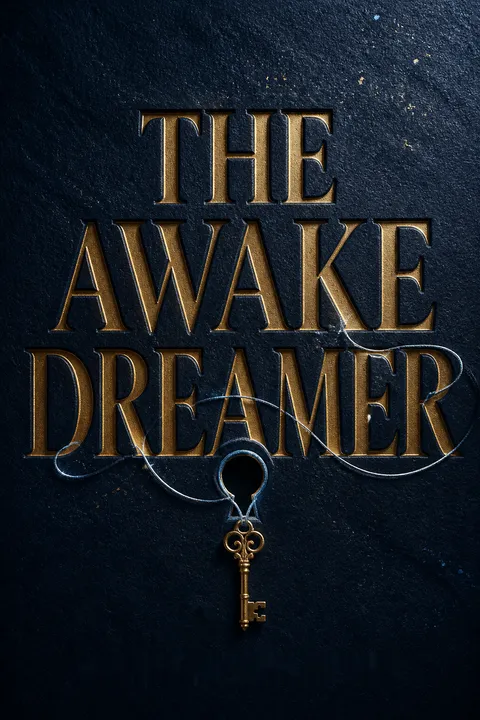
The Awake Dreamer received mostly positive reviews, with readers praising its insightful content on dreams, spirituality, and metaphysical topics. Many found the personal anecdotes and practical exercises helpful. Readers appreciated the author's writing style and the book's comprehensive coverage of dream-related subjects. Some critics felt it lacked scientific rigor or was too basic for experienced practitioners. Overall, the book was well-received for its blend of information, personal stories, and practical techniques for exploring the dream world.
People Also Read





Glossary
soul traveling
Dreaming as soul journeyFey’s term for the idea that the soul journeys beyond the sleeping body during dreams. In her account, such journeys may involve visiting loved ones, meeting guides, receiving insight, or helping others. She distinguishes these vivid, often coherent experiences from ordinary dreams, while acknowledging that many dreams may come from the unconscious mind.
premonitory dreams
Dreams seeming to foresee eventsDreams that a person believes anticipate a later event. Fey describes them as often vivid, realistic, and centered on familiar people or places. She argues that they may offer warning or preparation, but also emphasizes that the future can change through choice. The term describes the reported experience, not proof of foreknowledge.
dream visitations
Dreams of deceased loved onesCoherent, emotionally vivid dreams in which a deceased person appears to the dreamer, often in a familiar setting and with a message of comfort, guidance, or farewell. Fey interprets these as possible visits from the other side. They may also be understood as experiences of memory and continuing emotional connection during grief.
lucid dreaming
Awareness inside a dreamThe state of recognizing that one is dreaming while the dream continues. Fey describes lucid dreamers as sometimes able to choose how to respond, explore the scene, or alter its direction. Lucidity varies: awareness does not always bring control, and excitement or fear may end the dream by waking the dreamer.
astral travel
Conscious out-of-body journeyFey’s term for an experience in which a person’s soul leaves the physical body and travels in an astral body. She describes the astral body as a vehicle for the soul and says a silver cord maintains its connection to the physical body. The book presents this as a spiritual explanation, not an established scientific fact.
hypnagogia
Transition into sleepThe transitional state between waking and sleep. Fey describes it as a period when people may notice flashes of color, images, sounds, or brief sensations. She presents this threshold as a possible opening to unusual or intuitive experiences. Sleep researchers also study it as part of the ordinary process of falling asleep.
sleep paralysis
Awareness with temporary immobilityA state in which a person becomes partly aware while the body remains temporarily unable to move, often around REM sleep. The experience may include pressure, fear, or a sensed presence. Fey discusses both spiritual interpretations and the possibility that fear arises from awareness of paralysis; the book does not settle the cause.
MILD
Memory-based lucid dream techniqueMnemonic Induction of Lucid Dreams, a method associated with researcher Stephen LaBerge. The dreamer recalls a recent dream, rehearses it mentally, and repeats the intention to recognize the next dream as a dream. The technique uses memory and focused expectation to increase the chance of becoming lucid.
WILD
Wake-preserving lucid dream techniqueWake-Induced Lucid Dreams, a technique described by Fey in which a person relaxes while maintaining awareness as the body falls asleep. The practice involves observing images in the transition to sleep and imagining a dream scene. It aims to enter a dream consciously, though results may vary and the transition can be difficult.
announcing dreams
Dreams of an arriving soulIan Stevenson’s term, discussed by Fey, for dreams in which a person appears to announce that they will soon be born or return to a family. Some accounts include details later associated with a newborn, such as a birthmark or birth position. These stories are offered as suggestive cases, not conclusive proof of reincarnation.
Download PDF
Download EPUB
.epub digital book format is ideal for reading ebooks on phones, tablets, and e-readers.








