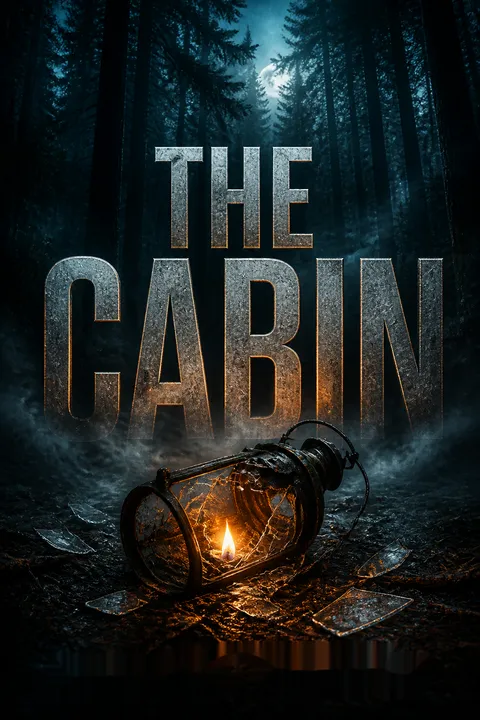


Plot Summary
Prologue
An unnamed voice looks at a group of young people who believe themselves untouchable and decides that their past actions demand punishment. The speaker presents violence as a choice forced by other people’s supposed sins, a private verdict delivered before the reader knows who is judging whom.
This brief opening plants revenge at the story’s threshold and makes the later murders feel less like random horror than the execution of a grievance.
The prologue supplies motive-shaped language without identifying its speaker or target. Its most important psychological move is the claim that violence has become necessary: the speaker converts personal anger into a sentence passed on behalf of justice. That logic will recur as characters interpret an earlier tragedy, each deciding who should carry its guilt. By withholding the speaker’s identity, the opening also makes suspicion part of the reading experience. The reader is invited to search for a hidden avenger before knowing that the story’s characters will do exactly the same.
The Cabin Invitation
Mackenzie Keaton joins her close friends Courtney, Megan, Aaron, and Kyle for a weekend at a remote Lake District cabin owned by Josh, Courtney’s controlling boyfriend. She resents Josh for insulting their friends Tilly and Gigi after a car crash killed them, but agrees to keep the peace for Courtney’s sake.
Josh brings along Blake, his older brother, who has spent years living with their father and barely knows the group. Mackenzie and Blake connect during the drive: he speaks bluntly about their parents’ divorce, while she pushes back against his detached manner. His barbed jokes at Josh’s expense make her curious, though Aaron and Kyle remain wary of the stranger joining them.
The trip begins with a social bargain that Mackenzie does not believe is fair: she must soften her anger so Courtney can preserve her relationship with Josh. Blake’s arrival unsettles that arrangement because he is both an outsider and someone who sees the group’s existing tensions without needing their shared history to explain them. His family estrangement quietly echoes the friends’ fractured loyalties. The cabin is not simply a getaway; it gathers old resentments, bereavement, and attraction in a place isolated from ordinary help. Mackenzie’s instinct to keep the group intact is already in conflict with her judgment of Josh.
One Night Upstairs
At the cabin, Josh tries to control the guests and the evening, while Aaron challenges his treatment of Megan and Kyle. Blake draws Mackenzie away into the surrounding woods, where he reads her as someone who works hard to keep other people and old mistakes in order. Their flirtation turns physical, but he stops when she admits she would likely regret sex with someone she has just met.
Back at the cabin, heavy drinking leaves Mackenzie sick and exhausted. After the others settle downstairs, Blake wakes her and they go upstairs together. In the morning, Mackenzie feels hungover, embarrassed by her impulsiveness, and unexpectedly eager to see Blake again, even as she worries that their intimacy has arrived before trust.
Mackenzie’s attraction to Blake is bound up with the relief of being noticed accurately. His reading of her self-control exposes a pressure she usually disguises as responsibility, while his willingness to stop in the woods gives her a measure of safety within their intense chemistry. The later hookup does not erase her uncertainty; it sharpens it. Her conflicting reactions reveal how desire can feel both liberating and dangerous when someone has learned to associate intimacy with regret. The alcohol matters beyond atmosphere: it blurs the night’s memory, leaving the group unable to account for the hours that will soon become central to the investigation.
Blood in the Kitchen
Mackenzie returns downstairs to find Courtney and Josh dead in the kitchen, their bodies covered in stab wounds. Aaron, Kyle, Megan, and Blake are horrified, but Aaron quickly suspects Blake because he arrived only the day before and had a strained relationship with Josh. The police find no forced entry, and both the front and kitchen doors were locked, so Detective Inspector Wright tells the group the killer may be one of them.
At the station, officers question their drinking, their arguments, and the earlier crash that killed Tilly and Gigi. Mackenzie insists that resentment toward Josh is not the same as wanting him dead. She leaves the station shaken, still unable to explain how two friends were murdered while everyone slept.
The locked doors turn the group’s emotional history into apparent evidence. Because everyone had some reason to dislike Josh, motive becomes difficult to distinguish from ordinary grievance, and Blake’s outsider status makes him an especially easy target. Mackenzie’s shock is intensified by the circumstances: she has lost her best friend again, but this time her surviving friends are being asked to suspect one another. Wright’s method encourages confession through pressure rather than shared trust. The investigation therefore reproduces the cabin’s central problem: people who need one another for support are pushed to treat each other as possible threats.
A Drugged Farewell
As the friends attend Josh’s wake and Courtney’s funeral, the village’s suspicion follows them, and Josh’s uncle Pete openly accuses them of murder. Blake tells Mackenzie that his mother, Eloise, favored Josh and had long kept him at a distance, leaving him feeling like a stranger at his brother’s funeral.
At Courtney’s graveside, the group tries to remember her together, but Wright interrupts their gathering with the drug-test results: everyone at the cabin, including the victims, tested positive for Rohypnol. He refuses to clear them, arguing that a killer could have drugged the others and then taken the drug too. Mackenzie turns the new information into a plan to identify anyone who held a grudge against either victim.
The drug results undermine the survivors’ most basic evidence, their own memories. Rather than resolving suspicion, the discovery gives Wright another explanation that keeps every friend within reach of accusation. The funerals meanwhile make grief public: neighbors who once knew Mackenzie now treat her as dangerous, and Pete converts family mourning into blame. Blake’s account of Eloise’s favoritism adds a different kind of wound, one measured not in violence but in years of unequal attention. Mackenzie responds to these pressures by becoming an investigator, using action to postpone grief. Her determination is compassionate, but it also makes her vulnerable to believing that enough effort can keep everyone safe.
Secrets Under Paint
While helping Kyle repaint his bedroom, Mackenzie finds a recent photograph of him kissing Courtney. Kyle admits they had a secret affair for eight months while Courtney was dating Josh, then ended it when Courtney chose to stay with Josh. He says he still loves her and resents the way she hurt him. The revelation makes Mackenzie question how well she understood either friend.
Soon afterward, Megan confesses that years earlier she secretly added vodka to Gigi’s beer because she wanted to sleep with her; Gigi became too intoxicated to drive, so Courtney took the wheel on the night of the fatal crash. Megan insists she did not mean for anyone to die, but Mackenzie sees how the guilt could give her a motive for revenge.
The revelations dismantle Mackenzie’s comforting idea that long friendship means complete knowledge. Kyle’s affair complicates the image of Courtney as simply trapped in Josh’s orbit, while Megan’s confession exposes an act of coercion hidden beneath the group’s familiar version of the crash. Neither secret proves murder, but each changes how Mackenzie reads the past. The book makes guilt especially unstable: Megan’s responsibility is real, yet the deaths were accidental, and the distinction matters. Mackenzie must resist treating a painful motive as proof. Her investigative work now threatens not only her friendships but also the moral stories that helped them survive earlier losses.
The Shed in the Woods
Mackenzie returns to the cabin with Blake and searches the woods for a place where an intruder might have waited. In an old shed, they find a discarded wrapper marked with blood and take it to Wright, though he gives them little encouragement. Mackenzie then visits Tilly’s father, Lawrence, hoping his anger over the crash might explain the murders.
Lawrence speaks bitterly about Gigi and Courtney, making Mackenzie suspect him, but Blake persuades her not to accuse him without evidence. The police later connect the shed blood to Aaron, who explains that he cut himself on a piece of glass during an earlier walk. Meanwhile, Pete is attacked with his own cricket bat and later dies, turning the case into a more immediate danger.
The shed offers Mackenzie a tangible clue, but the blood refuses to deliver a simple answer. Instead, it draws suspicion toward Aaron while leaving room for an innocent explanation. Lawrence’s grief likewise sounds incriminating when heard through Mackenzie’s need for a culprit, and Blake reminds her that hatred alone cannot establish guilt. Pete’s attack changes the investigation’s stakes: the past is no longer contained in the cabin, and someone may be silencing people who know too much. The sequence reveals the limits of amateur detection. Mackenzie can notice connections, but without reliable evidence she risks converting grief, anger, or an accident into a verdict.
The Message Nobody Claims
Anonymous texts begin warning Mackenzie to watch the people around her, and she keeps them from the police and her friends. After Pete’s death, she finally tells Blake why Josh had such power over her: when she was fifteen, she had an abortion and kept it secret from her parents.
Josh saw her leaving the clinic and used the knowledge to pressure her into favors, rides, money, and silence about his treatment of Courtney. Blake, in return, admits that as a teenager he badly injured someone in a fight after years of anger about his mother’s rejection. Wright overhears part of their exchange and questions Mackenzie about Josh’s blackmail, making her private shame another possible motive.
The confession reframes Mackenzie’s hostility toward Josh without turning it into proof of violence. For years, she has mistaken secrecy for control: hiding the abortion protected her from judgment but gave Josh leverage over her. Blake’s reciprocal disclosure creates a rare relationship in which vulnerability is exchanged rather than extracted. Yet Wright’s presence immediately transforms intimacy into evidence, showing how a legal investigation can make even truthful disclosure feel dangerous. The anonymous messages deepen that pressure by exploiting Mackenzie’s difficulty trusting her own friends. Her private past is no longer only a source of shame; it is part of a public narrative others may use to define her.
Friends Become Suspects
Mackenzie learns that Aaron sometimes uses marijuana and later sees a hooded visitor at his home, reinforcing her fear that he can obtain stronger drugs. Blake helps her watch the friends, though their stakeout yields little beyond the suspicious meeting. At the cemetery, they find Kyle drunk and raging about Courtney, calling her responsible for his heartbreak and for the group’s losses.
Blake steps between him and Mackenzie, while Megan reveals she did not know about the affair. The friends’ secrets and outbursts make Mackenzie less certain of everyone, even as she resists choosing a suspect. She and Blake also compare their anonymous messages, which threaten Mackenzie directly and suggest that the sender knows about Pete’s attack.
Suspicion becomes corrosive because every ordinary weakness now resembles a clue. Aaron’s drug use does not establish that he obtained Rohypnol, and Kyle’s drunken fury does not establish that he killed anyone, yet Mackenzie can no longer separate information from fear. The messages are especially effective because they exploit that uncertainty rather than offer verifiable facts. Blake becomes her closest ally, not because he has solved the case, but because he is willing to look at evidence without pretending the group is unchanged. Mackenzie’s loyalty is shifting from the whole friend circle to specific acts of trust, a necessary but painful recalibration.
Josh’s Hidden Photographs
Mackenzie and Blake search Josh’s room for threats or clues and find hidden photographs of Tilly, then a concealed box containing sexual restraints and pictures of Josh and Courtney engaging in violent sexual activity. Blake sees blood in the images and is disturbed by what the couple kept private.
Mackenzie wonders whether Courtney was forced into it and whether she had a reason to kill Josh, but their idea that one victim might have killed the other collapses when they take the evidence to Wright. He explains that both victims were stabbed by the same person and that the wounds rule out either of them killing themselves. The discovery broadens the mystery but does not identify a killer.
The photographs expose a gap between the friendship Mackenzie thought she had with Courtney and the private life Courtney chose not to share. Mackenzie’s first response is protective: she asks whether Courtney was coerced, trying to read evidence of harm without claiming certainty about consent. The scene also shows how grief can turn intimate material into investigative property. Blake and Mackenzie must decide whether the possibility of a victim’s abuse outweighs the couple’s privacy, and they give the evidence to police because the murders demand answers. Wright’s forensic correction blocks an emotionally attractive theory and returns the investigation to what the wounds can actually support.
Blake’s Sudden Arrest
Police arrive at Blake’s home and arrest him after Eloise reports finding Courtney’s earring and Josh’s chain beneath his bed. Mackenzie believes the objects were planted because officers had already searched the house without finding them, but Eloise is too grief-stricken and distrustful to defend her son.
Mackenzie confronts Aaron, who insists Blake must be guilty, then joins Aaron, Kyle, and Megan for a tense gathering where they treat the arrest as justice. She calls Wright and learns the case remains open; the evidence is being tested. Blake is released later that night without being charged, though suspicion remains. His mother finally acts like a protective parent at the station, and Blake decides to move in with her.
The planted possessions are powerful because they look like the kind of concrete proof Mackenzie has been seeking, while their late appearance makes them suspect to her. Eloise’s accusation carries particular emotional force: Blake’s deepest fear is that his mother will choose Josh over him, and now she seems to do so in public. Mackenzie’s refusal to abandon him marks a decisive change in her loyalties, but it is not blind certainty so much as a judgment formed from inconsistencies in the police search. The gathering afterward shows how easily a group can mistake relief for justice. Blake’s release offers only provisional safety, not vindication.
The Threat Becomes Physical
After Blake returns, Mackenzie and he begin a relationship, though her parents restrict her movements and the investigation continues. When she visits Megan alone, someone strikes her from behind and warns her not to tell anyone or keep searching. She hides the attack from her parents and the police, fearing the threat will be carried out, while Blake insists they cannot simply stop.
Later, Mackenzie replays Kyle’s video from the day the group packed for the cabin and recognizes the attacker’s distinctive, heavy footsteps. Before she can make sense of the recording, Aaron calls and admits responsibility. Believing she is being summoned to hear the truth, Mackenzie goes to Aaron’s home without calling Blake for help.
The blow to Mackenzie’s head converts the anonymous messages from psychological pressure into bodily danger. Her decision to conceal the assault is understandable, but it repeats the pattern that has already made her vulnerable: she tries to protect others by withholding information. The video gives her a sensory clue rather than a confession or forensic result, tying the present threat to an ordinary moment the group once recorded without suspicion. Aaron’s call then makes the friendship itself feel newly perilous. Mackenzie goes because the need to know remains stronger than caution, illustrating both her courage and the self-endangering cost of her belief that she can manage danger alone.
Aaron’s Confession Turns Violent
At Aaron’s house, Mackenzie finds Blake, Kyle, and Megan gathered to hear Aaron’s explanation. Aaron claims he killed Josh and Courtney because he believed they had failed to care about Tilly and Gigi, then reveals a knife and plans to stab Blake before blaming him for the group’s deaths. Mackenzie and Megan try to calm him, but Blake challenges him.
Aaron lunges, and Blake is stabbed during the struggle. Kyle restrains Aaron while Megan calls emergency services; paramedics take Blake to hospital and police arrest Aaron. Aaron’s confession appears to settle the case, though the anonymous threats and planted evidence still leave Mackenzie uneasy. Blake survives the wound, and the two cling to one another through the immediate aftermath.
Aaron’s confession seems to supply the motive the group has been searching for, but its rehearsed logic turns grief into an excuse for punishment. He does not merely admit to violence; he attempts to make his friends participate in a false account that would sacrifice Blake. The knife makes that betrayal material, and Blake’s injury forces Mackenzie to stop treating investigation as an abstract puzzle. Her attention narrows to keeping him alive. The apparent closure remains unstable because the threats and planted evidence have never been explained. The scene therefore delivers a climax in action while withholding the deeper truth, making the reader’s relief as provisional as the survivors’.
Megan’s Final Confession
Eighteen months later, Mackenzie visits Courtney’s grave with Blake, who is still recovering emotionally as well as physically from Aaron’s attack. At Megan’s house, they find her strangely detached beside her father’s gun.
Megan reveals that she killed Courtney, Josh, and Pete, while Aaron confessed to protect her. She explains that she drugged the cabin group with Rohypnol, waited until the others were incapacitated, and stabbed Courtney and Josh in the kitchen. She also describes attacking Pete and planting evidence intended to send Blake to prison.
When Mackenzie and Blake refuse to accept her plan, Megan shoots herself. Mackenzie fears the remaining planted evidence will still condemn Blake and urges him to run. The novel ends before the consequences are known.
The final reversal exposes how completely Megan’s public vulnerability concealed deliberate control. Her grievance over Tilly and Gigi began in a real secret: she had spiked Gigi’s drink to secure intimacy, contributing to the circumstances of the crash. Rather than face that guilt, Megan turned it outward and called revenge justice. Aaron’s confession repeats the same distortion in another form, accepting blame to protect someone he loves. Megan’s suicide prevents legal resolution and leaves Blake exposed to evidence she says she planted. The ending denies the comfort of a solved case: Mackenzie has the truth, but truth alone cannot guarantee that anyone will believe it.
Analysis
The Cabin builds its mystery around a problem more intimate than identifying a killer: how can a group trust its own memories and judgments after discovering that every member has kept something important hidden? Rohypnol removes the witnesses’ confidence in what happened during the night, while the town’s suspicion and Wright’s questioning make ordinary secrets resemble evidence. Mackenzie responds by investigating, but her loyalty repeatedly tempts her to confuse care with certainty. Her growth is not a simple rejection of trust. She learns that loyalty must include scrutiny, boundaries, and the willingness to hear painful truths.
The earlier crash gives the novel its moral engine. Megan’s concealed act contributed to the circumstances that put Courtney behind the wheel, while the survivors’ grief supplies several characters with reasons to assign blame. The novel distinguishes responsibility from revenge: guilt can be real without making murder just. Josh’s cruelty, Kyle’s heartbreak, Blake’s resentment, and Aaron’s grief all create plausible suspicions, but none alone proves what happened. Each person’s private story threatens to become a public verdict.
The romance between Mackenzie and Blake offers a counterpoint to the group’s collapsing trust. Blake’s guardedness is not cured by love, and Mackenzie’s faith does not make her immune to manipulation. Their bond grows through reciprocal disclosure and practical care, yet the final revelation leaves even that bond exposed to evidence planted against him. Megan’s suicide prevents truth from becoming clean closure. Mackenzie knows who killed her friends, but the facts may still fail to protect Blake. The ending therefore makes justice depend not only on discovering what happened, but on surviving the lies arranged to outlast the person who made them.
Review Summary
The Cabin received mixed reviews, with many readers finding it entertaining but flawed. Some praised its engaging mystery and fast-paced narrative, while others criticized underdeveloped characters and an unsatisfying ending. The book's romantic subplot drew both positive and negative reactions. Several reviewers noted plot holes and unrealistic elements, particularly in the investigation and character motivations. Despite these issues, many found it an addictive read, comparing it to a B-movie thriller. The controversial ending sparked debate, with some finding it shocking and others calling it nonsensical.
People Also Read










Characters
Mackenzie Keaton
The loyal investigatorMackenzie is an observant, conscientious teenager who tries to keep her close-knit group from splintering, even when she dislikes Josh and distrusts his treatment of Courtney. She is protective by instinct and often takes responsibility for other people’s emotional stability, a habit that makes her compassionate but also vulnerable to manipulation. Her attraction to Blake draws her toward someone who challenges her assumptions rather than simply affirming them. Mackenzie’s need to find answers grows from grief and fear, but also from a deep reluctance to let suspicion define the people she loves. She is brave in a practical, imperfect way: she acts before she feels ready, then has to reckon with the cost.
Blake Harper
The guarded outsiderBlake is Josh’s older brother, raised mostly by his father after his parents’ divorce separated him from his mother and younger brother. He masks hurt with sarcasm, sexual bravado, and an air of indifference, but his sharp attention to Mackenzie shows that he notices more than he admits. His history of anger and fighting has made him wary of emotional dependence, while his strained family ties leave him with few people he trusts. Blake is drawn to Mackenzie’s loyalty, even as he warns her that it can make her easy to exploit. His role combines romantic partner, reluctant investigator, and outsider whose lack of shared history lets him question the group’s assumptions.
Courtney Young
Mackenzie’s closest friendCourtney is Mackenzie’s longtime best friend, a sociable and affectionate young woman who values closeness and wants her friends to get along. Her relationship with Josh changes how she behaves in the group, often placing her in the position of defending him even when he treats others badly. Courtney’s desire to preserve romance and harmony can leave her divided between her boyfriend and her friends. She is remembered through shared plans, private histories, and the warmth of a friendship built over years, which makes Mackenzie’s sense of loss inseparable from all the futures they once imagined together.
Josh Harper
The controlling boyfriendJosh is Blake’s younger brother and Courtney’s boyfriend. He likes organizing the group and expects others to respect his authority, particularly at his family’s cabin. His self-importance and cruel remarks about Tilly and Gigi strain his friendships, while his influence over Courtney frustrates Mackenzie. Josh is not presented as a simple monster: he can make plans and draw people together, but he often treats that effort as a debt others owe him. His behavior creates the resentments that shape the mystery, forcing the people around him to distinguish genuine motives from the anger he routinely provokes.
Aaron
The protective hotheadAaron is one of Mackenzie’s oldest friends, known for his loyalty, physical courage, and willingness to defend the people he loves. His past relationship with Tilly remains emotionally important to him, even after their on-and-off romance ends. He is quick to confront Josh and sometimes lets anger outrun judgment, but he also offers comfort when Mackenzie is overwhelmed. Aaron’s grief is difficult for him to express directly; he tends to turn it into action, bravado, or silence. His place in the group is that of a defender, which makes his reactions to conflict especially consequential.
Megan Haydock
The uneasy friendMegan is part of Mackenzie’s longtime circle and often uses humor, dramatics, and a carefully managed social presence to avoid standing apart. She dislikes losing control and can be self-conscious about how others see her, yet she values belonging and shared rituals. Her friendship with Courtney and the wider group gives her a place among people who remember her childhood, but she is not always comfortable exposing what she feels. Megan’s outward lightness can obscure how deeply grief, guilt, and rejection affect her, making her a character whose silences matter as much as her visible reactions.
Kyle
The gentle confidantKyle is a sensitive, dependable friend who has known Mackenzie since childhood and often provides the steadiness she relies on. He is creative, interested in filmmaking, and attentive to the emotional needs of others. His patience makes him seem easy to read, though his private feelings can be more complicated than Mackenzie realizes. Kyle’s attachment to Courtney places him inside the group’s romantic tensions, while his support for Mackenzie makes any conflict between them especially painful. He tends to absorb hurt before showing it, a trait that can make his anger startling when it finally surfaces.
Tilly Moss
The absent caretakerTilly is one of Mackenzie’s close friends and Aaron’s former on-and-off girlfriend. She is remembered as caring and practical, the friend who tried to help whenever someone was hurt or unwell. Her dream of becoming a doctor reflects a strong impulse to be useful to others. Tilly’s place in the group remains emotionally vivid through shared jokes, old routines, and Aaron’s continuing attachment to her. Her absence shapes how the survivors interpret the crash and their responsibilities to one another.
Giana Beaucoup
The spirited friendGiana, whom her friends call Gigi, is one of Mackenzie’s closest friends and a confident presence in their social circle. She is remembered for her warmth, her distinct sense of humor, and the bonds she formed privately as well as publicly. Her death in the earlier car crash leaves the group with unresolved grief and competing versions of responsibility. Gigi’s memory becomes a measure against which the survivors judge Josh, Courtney, and one another.
Eloise Harper
The grieving motherEloise is Josh and Blake’s mother. She is close to Josh but has a damaged, distant relationship with Blake, whose childhood left him feeling neglected and unwanted. After a family loss, she becomes withdrawn and struggles to offer comfort to anyone around her. Eloise is not simply unfeeling; her grief and history with her sons complicate her ability to respond fairly. Her relationship with Blake gives the mystery a domestic dimension, where old favoritism and abandonment persist beneath present sorrow.
Pete Sheffield
The angry unclePete is Josh’s uncle and a friend of Mackenzie’s father. He is outspoken, quick to take sides, and fiercely protective of his relatives. Grief sharpens his temper, leading him to accuse the young people before he knows what happened. His forceful presence reflects how a community’s need for justice can become a demand for someone to blame.
Lawrence
Tilly’s grieving fatherLawrence is Tilly’s father, once a welcoming adult in Mackenzie’s life. After the crash, grief makes him more guarded and bitter, particularly when speaking about the circumstances that preceded it. His change alarms Mackenzie because she remembers the man he was before losing his daughter. Lawrence embodies the painful distance between knowing that an event was accidental and feeling that someone must answer for it.
Detective Inspector Wright
The pressure-minded detectiveWright leads the investigation into the cabin murders. He is confident, theatrical, and willing to unsettle witnesses with pointed theories and withheld information. His methods make the friends feel perpetually suspected, even when they are seeking his help. Wright is alert to motive and contradiction, but his pressure tactics also encourage the group to turn against itself. He represents the law’s demand for a coherent account in a case where the witnesses’ memories are compromised.
Felicity
Courtney’s university cousinFelicity is Courtney’s cousin, raised close enough to feel like a sister. She studies nursing at university and has her own way of handling grief, one that differs from Mackenzie’s urgent need for justice. Her practical perspective gives Mackenzie a brief chance to speak about loss outside the immediate circle of suspects.
Mackenzie’s parents
Her watchful home baseMackenzie’s mother and father are loving, attentive parents who become increasingly protective after the cabin murders. Her mother offers emotional reassurance, while her father tries to secure information from the police. Their care is sometimes restrictive, but it gives Mackenzie a stable home at a time when her friendships and sense of safety are under strain.
Plot Devices
The locked cabin
A closed-room suspect trapThe isolated cabin has only two doors, both found locked after Courtney and Josh are killed, with no signs of forced entry. This arrangement gives the police an immediate reason to suspect the surviving guests and makes the group’s existing conflicts look like evidence. The woods offer possible hiding places but no easy route to certainty. The locked-room premise also places the reader beside Mackenzie: without a clear intruder or reliable memories of the night, every explanation depends on incomplete information and personal trust.
Rohypnol
A memory-erasing alibiDrug tests reveal that everyone at the cabin, including Courtney and Josh, had Rohypnol in their systems. The drug explains why the survivors remember so little and why no one heard the killings, but it does not automatically clear them. Instead, Detective Wright argues that a killer could have drugged the group and taken some of the drug as cover. The substance becomes both a physical clue and a source of narrative uncertainty: the witnesses cannot rely on their memories, and the evidence can be interpreted as either proof of an outside plan or part of a suspect’s deception.
The anonymous texts
A voice of unseen pressureUntraceable messages urge Mackenzie to distrust the people she knows and threaten her if she continues investigating. Blake receives related warnings, including a message that connects Pete’s attack to the larger case. The texts make suspicion feel personal and immediate, while withholding the sender’s identity keeps the friends from knowing whether they are being warned, manipulated, or targeted. Their appearance also forces Mackenzie and Blake to confront how much they have each hidden from the other.
The hidden evidence
A false trail toward BlakeObjects belonging to Courtney and Josh appear beneath Blake’s bed after police have already searched the house. Their discovery prompts Eloise to report her son and leads to Blake’s arrest, even though Mackenzie believes the items were planted. The evidence gives suspicion a concrete form and exploits Blake’s fraught family history to make the accusation emotionally persuasive. Later revelations establish that the apparent proof is part of a deliberate effort to direct blame away from the actual killer.
The earlier car crash
Grief turned into motiveThe deaths of Tilly and Gigi in a previous car accident shape nearly every relationship in the investigation. Josh’s cruel comments about the crash anger the group; Aaron remains attached to Tilly; Kyle and Courtney carry private romantic history; and Megan hides her role in the events preceding the collision. The crash supplies a plausible revenge motive, but it also shows how survivors convert guilt into blame. Its function is not merely backstory: the characters’ competing interpretations of responsibility drive the suspicions and the eventual violence.
FAQ
Synopsis & Basic Details
What is The Cabin about?
- Weekend getaway turns deadly: A group of friends, including Mackenzie, head to a remote cabin for a weekend getaway, hoping to relax before university. However, their trip takes a dark turn when two of them, Courtney and Josh, are found murdered.
- Suspicion and secrets emerge: With no sign of forced entry, the friends become suspects, and long-held secrets and tensions begin to surface, threatening to tear the group apart. Mackenzie finds herself caught in the middle, trying to uncover the truth while grappling with her own feelings and fears.
- Unmasking the killer: As the investigation unfolds, Mackenzie must navigate a web of lies and deceit to unmask the killer among them, facing betrayal and danger at every turn. The story explores themes of trust, friendship, and the dark side of human nature.
Why should I read The Cabin?
- Suspenseful and gripping plot: The Cabin offers a thrilling and suspenseful reading experience, filled with twists and turns that will keep you guessing until the very end. The mystery surrounding the murders and the constant suspicion create a palpable sense of tension.
- Exploration of complex relationships: The novel delves into the intricate dynamics of friendship, exploring themes of loyalty, betrayal, and the impact of past traumas on present relationships. The characters are well-developed, and their interactions are realistic and engaging.
- Fast-paced and engaging writing style: Natasha Preston's writing style is fast-paced and accessible, making The Cabin a quick and enjoyable read. The narrative is driven by dialogue and action, keeping the reader invested in the story.
What is the background of The Cabin?
- Small-town dynamics: The story is set in a close-knit community where everyone knows everyone else, amplifying the impact of the murders and the subsequent suspicion. The characters' shared history and interconnected relationships add depth to the narrative.
- Transition to adulthood: The characters are on the cusp of adulthood, preparing to go their separate ways for university. This transition creates a sense of uncertainty and vulnerability, as they grapple with their identities and futures.
- Past trauma and unresolved conflicts: The characters are haunted by a tragic accident that claimed the lives of two of their friends, Tilly and Gigi. This event casts a long shadow over their relationships and contributes to the underlying tensions within the group.
What are the most memorable quotes in The Cabin?
- "They think they're invincible...They've left me no choice.": This quote from the prologue foreshadows the events to come and hints at the killer's motive, suggesting a desire for revenge against those who believe they are above consequences. It establishes the theme of justice and retribution.
- "Some hurts aren't that easy to get over, and I couldn't forgive someone who wasn't sorry and hadn't changed their behavior.": This quote reveals Mackenzie's strong moral compass and her inability to forgive Josh for his past actions. It highlights the theme of forgiveness and the challenges of moving past past hurts.
- "The secrets you hide from yourself are always the most dangerous.": This quote, spoken by Blake, hints at the hidden depths and complexities of the characters, suggesting that their repressed emotions and unresolved conflicts may lead to destructive behavior. It foreshadows the revelations to come.
What writing style, narrative choices, and literary techniques does Natasha Preston use?
- First-person narration: The story is told from Mackenzie's point of view, allowing the reader to experience the events through her eyes and gain insight into her thoughts and feelings. This creates a sense of intimacy and immediacy, drawing the reader into the narrative.
- Suspenseful pacing and foreshadowing: Preston employs a fast-paced writing style, gradually building suspense through subtle clues and foreshadowing. This keeps the reader engaged and guessing until the final reveal.
- Dialogue-driven narrative: The story relies heavily on dialogue to advance the plot and reveal character relationships. The conversations between the friends are realistic and engaging, adding depth to the narrative.
Hidden Details & Subtle Connections
What are some minor details that add significant meaning?
- Kyle's film obsession: Kyle's constant filming and interest in the film industry foreshadow his desire to control the narrative and create a specific image, mirroring the killer's manipulation of events. His camera becomes a tool for observation and potential misdirection.
- Courtney's bangs: Courtney's perpetually unruly bangs, which she constantly pushes out of her eyes, symbolize her inability to see Josh's true nature and the flaws in their relationship. This seemingly minor detail underscores her naivete and vulnerability.
- Blake's black clothing: Blake's preference for dark clothing and chunky boots creates an aura of mystery and danger, contributing to the initial suspicion surrounding him. This visual cue reinforces his outsider status and hints at a hidden darkness.
What are some subtle foreshadowing and callbacks?
- The prologue's ominous tone: The prologue, with its talk of sins and consequences, foreshadows the violent events to come and sets the stage for the revelation of the killer's motive. It creates a sense of unease and anticipation from the very beginning.
- Aaron's threat to Josh: Aaron's outburst, where he threatens to kill Josh if he mentions Tilly's name again, foreshadows his potential for violence and creates a red herring that initially leads Mackenzie to suspect him. This moment highlights the lingering trauma and unresolved grief within the group.
- The recurring mention of the accident: The constant references to the accident that killed Tilly and Gigi serve as a callback to the past, reminding the reader of the underlying tensions and unresolved guilt that plague the characters. This event is the catalyst for the events that unfold in the present.
What are some unexpected character connections?
- Megan and Gigi's secret relationship: The revelation of Megan and Gigi's past relationship adds a layer of complexity to Megan's character and provides a potential motive for her actions. This connection challenges Mackenzie's perception of her friends and forces her to question everything she thought she knew.
- Kyle and Courtney's affair: The affair between Kyle and Courtney reveals a hidden betrayal within the group and adds another layer of tension to the already strained dynamics. This connection highlights the complexities of love, loyalty, and desire.
- Blake and Josh's strained relationship: The strained relationship between Blake and Josh, stemming from their parents' divorce and their mother's favoritism, creates a potential motive for Blake to harm his brother. This connection adds to the initial suspicion surrounding Blake and complicates Mackenzie's feelings for him.
Who are the most significant supporting characters?
- Courtney Young: As Mackenzie's best friend and one of the victims, Courtney's death sets the plot in motion. Her past relationships and secrets contribute to the mystery and add depth to the narrative.
- Blake Harper: As Josh's estranged brother and Mackenzie's love interest, Blake's presence adds an element of mystery and suspicion to the story. His outsider perspective and troubled past make him a compelling character.
- Aaron: As a close friend of Mackenzie and a former love interest of Tilly, Aaron's grief and guilt over the accident make him a complex and conflicted character. His initial confession and subsequent actions drive the plot forward.
Psychological, Emotional, & Relational Analysis
What are some unspoken motivations of the characters?
- Mackenzie's need for control: Mackenzie's desire to maintain order and fix her friends' relationships stems from her guilt over a past mistake and her need to compensate for it. This unspoken motivation drives her actions and shapes her interactions with others.
- Blake's desire for acceptance: Despite his tough exterior, Blake craves acceptance and connection, particularly from his mother and his brother. This unspoken motivation drives his decision to join the group at the cabin and his willingness to help Mackenzie uncover the truth.
- Megan's need for justice: Megan's desire for justice for Tilly and Gigi stems from her guilt over her role in the accident and her belief that Josh and Courtney were not held accountable. This unspoken motivation fuels her actions and ultimately leads to her downfall.
What psychological complexities do the characters exhibit?
- Mackenzie's survivor's guilt: Mackenzie grapples with survivor's guilt over the accident that killed Tilly and Gigi, leading her to feel responsible for the well-being of her remaining friends. This guilt drives her need to fix their relationships and uncover the truth about the murders.
- Blake's emotional detachment: Blake's emotional detachment stems from his troubled childhood and his strained relationship with his mother. He uses sarcasm and humor to mask his true feelings and protect himself from vulnerability.
- Megan's repressed anger: Megan's repressed anger over the accident and her secret relationship with Gigi festers beneath the surface, eventually erupting in a violent act of revenge. Her calm demeanor masks a deep-seated rage and a twisted sense of justice.
What are the major emotional turning points?
- The discovery of the bodies: The discovery of Courtney and Josh's bodies is a major emotional turning point, shattering the group's sense of security and throwing them into chaos and disbelief. This event forces them to confront the reality of death and the fragility of life.
- The revelation of the drug test results: The revelation that the friends were drugged is a major emotional turning point, shifting the focus from individual suspicion to a sense of collective vulnerability. This event creates a sense of paranoia and distrust, as the friends realize they were all victims of a calculated plan.
- Megan's confession and suicide: Megan's confession and subsequent suicide is a major emotional turning point, leaving Mackenzie and Blake to grapple with the loss of their friend and the horrifying truth about her actions. This event forces them to confront the dark side of human nature and the devastating consequences of unchecked emotions.
How do relationship dynamics evolve?
- Mackenzie and Blake's relationship: Mackenzie and Blake's relationship evolves from initial suspicion to mutual trust and affection. They find solace in each other's company and support each other through the ordeal, forming a deep bond that transcends their individual traumas.
- Mackenzie and Courtney's friendship: Mackenzie and Courtney's friendship is tested by the events of the story, as secrets and unresolved tensions come to light. Despite the challenges, their bond remains strong, and Mackenzie is determined to honor Courtney's memory by uncovering the truth.
- The group's dynamics: The group's dynamics are fractured by the murders and the subsequent suspicion, as trust erodes and old wounds resurface. The friends struggle to reconcile their loyalty to each other with the growing realization that one of them may be responsible for the deaths.
Interpretation & Debate
Which parts of the story remain ambiguous or open-ended?
- The extent of Josh's knowledge: The extent of Josh's knowledge about Megan's plan and his potential involvement in the events leading up to his death remains ambiguous. While he is portrayed as a victim, his past actions and manipulative tendencies leave room for doubt.
- The nature of Blake's feelings for Mackenzie: The depth and sincerity of Blake's feelings for Mackenzie are open to interpretation. While he provides her with support and affection, his emotional detachment and troubled past make it difficult to fully gauge his true intentions.
- The long-term impact on Mackenzie: The long-term impact of the events on Mackenzie's mental and emotional well-being is left open-ended. While she finds solace in her relationship with Blake, the trauma of the murders and the betrayal by her friends will likely continue to affect her for years to come.
What are some debatable, controversial scenes or moments in The Cabin?
- Mackenzie's relationship with Blake: Mackenzie's decision to pursue a relationship with Blake, given his connection to Josh and the ongoing investigation, is a controversial one. Some readers may question her judgment and wonder if she is blinded by her attraction to him.
- The graphic violence and gore: The novel contains scenes of graphic violence and gore, which may be disturbing to some readers. The level of detail used to describe the murders and their aftermath may be seen as excessive or gratuitous.
- The portrayal of mental illness: The portrayal of Megan's mental state and her descent into violence may be seen as stereotypical or insensitive. Some readers may object to the way her mental illness is used to explain her actions.
The Cabin Ending Explained: How It Ends & What It Means
- Megan's suicide: The story ends with Megan's suicide, a tragic and shocking event that underscores the devastating consequences of her actions. This ending highlights the theme of guilt and the inability to escape the consequences of one's choices.
- Blake and Mackenzie's future: The ending leaves Blake and Mackenzie together, having survived the ordeal and found solace in each other's company. Their relationship represents hope for the future and the possibility of healing after trauma.
- The lasting impact of trauma: The ending acknowledges the lasting impact of the murders and the betrayal on Mackenzie and Blake. While they have found a measure of peace, they will likely continue to grapple with the events for years to come. The ending emphasizes the importance of resilience and the power of human connection in overcoming adversity.
About the Author
Other books by Natasha Preston






Download PDF
Download EPUB
.epub digital book format is ideal for reading ebooks on phones, tablets, and e-readers.








