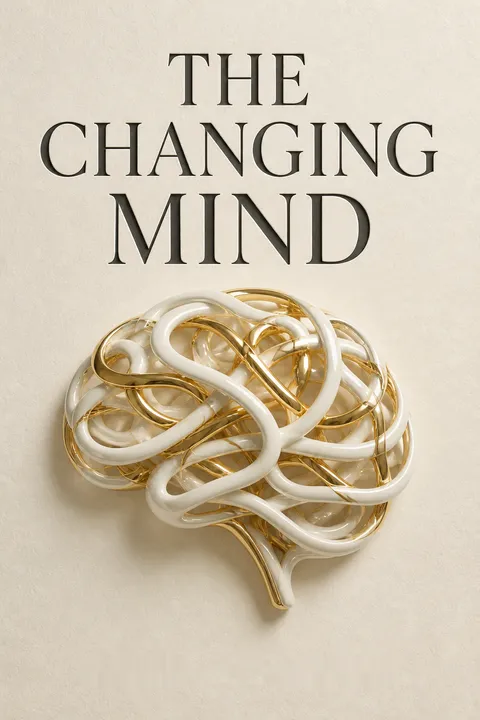


Key Takeaways
Treat old age as a distinct developmental stage rather than a slow-motion ending
A different life stage. Levitin argues that aging brings losses, such as slower processing, but also gains in emotional steadiness, pattern recognition, and perspective. The aim is not to recover youth. It is to make the later decades a period of engagement and contribution. He calls the years spent generally healthy and capable of self-direction the health span, distinguishing them from the disease span, when illness limits daily life.
Purpose changes outcomes. His father, urged to retire at sixty-two, became depressed and physically unwell. After finding work teaching business students, his mood and health improved, and he continued teaching into his late eighties. Meaningful activity cannot erase biological decline, but it can help keep decline from defining a whole life.
The distinction between life span and health span is valuable because it changes the question from how long a person lives to what those years allow them to do. This is also a useful corrective to age-based assumptions: a slower response does not mean a weaker judgment, especially where experience matters. The father’s story makes social recognition part of health, not merely a matter of courtesy. Still, meaningful work is not equally available to everyone, and an ideal of thriving in old age should not become another standard used to blame people who face illness or exclusion.
Change the traits shaping your health, even after childhood
Traits are tendencies. Personality describes patterns, not permanent types. Childhood traits predict later health markers: elementary-school behavior has been linked to lipid levels, blood glucose, waist size, and lifespan decades afterward. Yet genes do not dictate a finished personality. Their effects interact with culture, opportunity, and experience, and people can change their behavior throughout life.
A practical compass. Levitin’s COACH principle gathers five supports for aging well: Curiosity, Openness, Associations with other people, Conscientiousness, and Healthy practices. Conscientiousness matters in concrete ways: people who are organized and dependable are more likely to keep medical appointments and follow through on commitments. The framework is not a personality test or a guarantee. It is a reminder that habits and surroundings can strengthen or weaken traits that affect health.
This account avoids two tempting errors: treating personality as destiny, and pretending that effort alone can overcome every constraint. The interaction among predisposition, culture, and opportunity resembles a developmental systems view, where small influences accumulate through feedback. Someone who plans carefully may protect their health, then feel more capable of planning; supportive environments can reinforce the same loop. The framework is most useful as a menu of levers, not a scorecard. Curiosity and conscientiousness can help, but poverty, disability, discrimination, and access to care also shape what choices are realistically available.
Treat memory as reconstruction, then build supports outside your head
Recall edits the past. Memory is not a recording. It preserves selected fragments, fills gaps with familiar patterns, and can change when recalled. After the September 11 attacks, many people remembered seeing television footage of the first plane hitting the North Tower before seeing the second impact. The North Tower footage was not broadcast until the next day, but the known sequence of events reshaped people’s memories of what they had watched.
Make remembering active. Ordinary lapses often reflect distraction or poor sleep, not necessarily disease. Levitin recommends focusing on one task at a time, writing reminders down, keeping essential objects in consistent places, and repeating a new acquaintance’s name in conversation. These external supports reduce the burden on short-term memory and make everyday independence less dependent on perfect recall.
Memory’s fallibility is not simply a defect. A mind that extracts patterns and fills gaps can navigate a noisy world efficiently, but the same process makes confidence a poor measure of accuracy. This matters in family disputes, medical histories, and eyewitness accounts, where a sincere recollection can still be mistaken. External reminders are a form of distributed cognition: useful information lives partly in notes, routines, and surroundings rather than in the brain alone. The caution is not to distrust every memory, but to distinguish personal recollection from verifiable records when the consequences of error are high.
Use experience to solve new problems when raw processing slows
Different abilities age differently. Fluid intelligence refers to reasoning through unfamiliar problems; crystallized intelligence is accumulated knowledge and skill. Processing speed and the ability to learn some new tasks can decline, while practical judgment, abstraction, and expertise may improve. George Augspurger, an eighty-seven-year-old acoustician, tuned a home recording room through careful listening and tiny speaker adjustments, drawing on decades of professional experience even though high-frequency hearing often declines with age.
Broaden the challenge. Cognitive reserve is the brain’s capacity to withstand damage or disease before everyday abilities are impaired. Education and complex work may help build it, but the book cautions against equating intelligence with test speed or school performance. Practicing one puzzle mainly improves that puzzle. For broader flexibility, keep encountering varied problems, skills, and situations that require different kinds of thought.
The distinction between speed and judgment challenges institutions that use quick tests as proxies for competence. Many real decisions reward recognizing a familiar structure, weighing context, and knowing which detail matters, abilities that a timed test may miss. The acoustician illustrates expertise as efficient pattern recognition, not mere repetition. Cognitive reserve is a helpful model, though it should not be mistaken for immunity: education and mental complexity may buffer impairment without guaranteeing protection. The practical implication is to value experience while continuing to learn, rather than asking older adults to prove that they can still perform like younger ones.
Move through varied environments to train memory, balance, and attention
Movement is information. Embodied cognition is the idea that thinking depends partly on the body’s perception and action, not only on abstract brain activity. A walk on an uneven trail asks the brain to adjust foot placement, balance, vision, and pace repeatedly. That active navigation engages systems involved in memory and planning in ways a predictable route may not.
Start where you are. Exercise supports blood flow and cognitive function, and even ten minutes of very light cycling improved performance on a difficult memory task in one experiment. Outdoor movement adds changing sensory and motor demands. A treadmill still has value, especially when weather or safety limits outdoor activity, but the useful target is sustainable movement suited to the person’s abilities, not an ambitious workout that creates injury or is quickly abandoned.
Movement provides a bridge between physical and cognitive health: the body does not merely carry the brain, it continually supplies problems for the brain to solve. Novel terrain, changing surroundings, and coordinated action can make ordinary activity mentally engaging without turning it into a formal training program. This reframes exercise from a narrow fitness obligation into a way of staying responsive to the environment. The emphasis on outdoor complexity should remain flexible. For someone with mobility limitations, a safe indoor activity or adapted routine can still preserve movement and agency.
Protect your body clock with regular light, meals, and sleep
Timing coordinates the body. Circadian rhythms are biological cycles that organize sleep, alertness, digestion, and other functions across roughly a day. The suprachiasmatic nucleus, or SCN, is the brain’s master clock, adjusted by cues such as daylight and meal timing. With age, clock signals can weaken or shift, contributing to earlier waking and more fragmented sleep. Older adults still need adequate sleep even when they find it harder to obtain.
Use consistent cues. A regular bedtime and wake time, morning daylight, a dark bedroom, and less bright screen light near bedtime can support a steadier rhythm. Eating at predictable times may help coordinate digestive cycles as well. Older adults also tend to perform better earlier in their waking day, so demanding decisions may be easier in the morning. These are practical tendencies, not universal rules; individual chronotypes differ.
The body-clock model makes time an overlooked part of health behavior. A sound diet or exercise plan can be less effective if it repeatedly conflicts with sleep and biological rhythms. Regular cues are especially useful because they reduce the need to make fresh decisions about routine each day. The discussion also exposes a policy issue: school and work schedules often follow institutional convenience rather than people’s biological timing. Still, circadian guidance should not become rigid doctrine. Chronotypes vary, and illness, caregiving, shift work, and living conditions can make ideal routines difficult to maintain.
Treat meaningful connection as health infrastructure, not a social extra
Loneliness is not a headcount. Social isolation means having few interactions; loneliness is the felt absence of meaningful connection. A person can feel lonely in a crowd or content while alone. The book reports that chronic loneliness is associated with a 30 percent higher risk of death over seven years and compares its health burden to smoking fifteen cigarettes a day. These are population-level associations, not predictions for an individual.
Create useful roles. Retirement, bereavement, and mobility problems can shrink social worlds. Volunteering, intergenerational programs, and shared activities can provide companionship and a sense of contribution. Levitin describes his grandmother finding renewed purpose by reading to children after her husband died. The point is not simply to be around people. It is to belong, matter to others, and have relationships that feel supportive rather than draining.
Connection functions like infrastructure because it supports several needs at once: emotional regulation, practical help, identity, and participation. The grandmother’s volunteer role was valuable not because it filled her calendar, but because it connected her experience to someone else’s needs. That distinction helps separate genuine belonging from superficial contact. Digital communication can maintain ties across distance, but it does not automatically replace reciprocal involvement. At the same time, solitude is not pathology, and social interventions should respect preference. The goal is not maximal social activity, but access to relationships that provide meaning and dependable support.
Choose food patterns over miracle diets and supplement promises
Nutrition evidence is messy. Long-term diet studies often observe people rather than control every aspect of their lives, so food claims can outrun the evidence. Levitin finds no single diet proven best for everyone and warns that supplements may not reproduce the effects of nutrients inside whole foods. In a controlled two-week study, people offered ultra-processed meals ate about 500 more calories per day than people offered minimally processed foods, despite the meals being designed with similar nutrient profiles.
Favor durable basics. The book’s practical direction is to eat a varied diet with more vegetables, fruits, whole grains, and minimally processed foods, while limiting excess refined sugar and heavily processed fare. It also argues against treating testimonials or impressive-sounding ingredients as proof. Diet should support health without becoming a cycle of strict rules, guilt, and rebound eating.
The strongest contribution here is epistemic as much as nutritional: it distinguishes plausible mechanisms from demonstrated human outcomes. A nutrient that changes a marker in a cell or animal study is not automatically a proven supplement for people. The ultra-processed food experiment offers a behavioral clue as well as a calorie result: food form and eating context can influence consumption even when nutrient labels appear comparable. The broad advice is sensible, but population guidance cannot specify the best pattern for every medical condition, culture, or budget. Individual needs still belong in a conversation with qualified clinicians.
Spend effort on healthy years, not speculative immortality
Longer is not automatically better. Health span focuses attention on years lived with function and independence, rather than lifespan alone. The book surveys promising biology, including telomeres, insulin pathways, and senescent cells, but much of this work remains experimental or comes from animals. Telomerase, for example, may support cell renewal, yet it can also help cancer cells keep dividing.
Distrust the fountain-of-youth market. Levitin reports that researchers have not proved any marketed intervention can slow, stop, or reverse human aging. Claims based on dramatic mouse results, biomarkers, or individual success stories should not be confused with evidence of longer, healthier human lives. The actionable priorities are less glamorous: avoid preventable harm, maintain health, and judge new treatments by rigorous outcomes rather than by the promise of living forever.
Aging science sits at the intersection of genuine biological discovery and a market that monetizes fear of decline. The book’s skepticism is important because an intervention can affect a biomarker without improving lived health, and a result in a short-lived organism may not translate to humans. Yet caution should not be mistaken for cynicism: basic research can eventually produce valuable therapies. The meaningful test is whether an approach improves function, quality of life, or survival in people with acceptable risks. Until then, healthspan is a more grounded goal than biological immortality.
Keep a meaningful role, preserve choice, and plan before crisis narrows both
Agency supports well-being. Self-efficacy is the belief that one can influence one’s surroundings and actions. In a nursing-home study, residents who chose whether to keep a plant and were responsible for caring for it became more active and alert than residents whose plants were managed for them. Small choices can therefore carry real psychological weight. Meaningful work, teaching, volunteering, and shared responsibilities can preserve a role after conventional retirement.
Prepare while choices are yours. Consider who could help with household tasks, how to reach activities that bring pleasure, and whom to share a meal with. Discuss preferences about future care and document them before a crisis makes conversation harder. Planning does not predict every need. It gives family and clinicians a clearer understanding of what matters to the person whose life is being managed.
The plant study captures a principle with wide relevance: support should enable capability where possible, rather than taking over by default. Autonomy is not absolute, especially when safety is at stake, but preserving choices that remain manageable can protect dignity and motivation. Advance planning applies the same logic across time, allowing present preferences to guide future care when communication may be difficult. A caveat is essential: responsibility should not be imposed as a test of worth. Good support adapts to changing capacity while keeping the person, rather than the institution, at the center.
Analysis
The book’s central achievement is its refusal to treat aging as a single downward curve. It joins personality research, developmental neuroscience, and practical health advice to show that different capacities change at different rates. Processing speed, sensory precision, and some forms of new learning may weaken, while accumulated knowledge, emotional regulation, abstraction, and social judgment can strengthen. This unevenness is the book’s most useful mental model: a person can be slower and still be better at seeing what matters.
The narrative makes that model memorable through people rather than slogans. A displaced father regains confidence through teaching; an elderly acoustician solves a technical problem through experience; a bereaved grandmother recovers purpose by helping children. These stories argue that aging is shaped not only by neurons and genes but by the roles society permits older people to occupy. The book’s strongest practical themes follow: cultivate curiosity and conscientiousness, move, protect sleep, maintain relationships, and build routines that compensate for predictable weaknesses.
Its breadth is also its main risk. Mechanistic neuroscience, observational correlations, animal experiments, early clinical findings, and established behavioral guidance sometimes sit close together in the same narrative. Readers need to keep their evidence levels distinct. A mouse lifespan result, a biomarker association, and a demonstrated human health benefit are not interchangeable. The book often signals uncertainty, particularly around supplements and anti-aging treatments, but its persuasive storytelling can make tentative findings feel more settled than they are.
The larger social argument deserves equal weight with personal advice. Lifestyle choices matter, yet the ability to sleep well, exercise safely, receive care, remain employed, and participate in community depends partly on money, accessible environments, and public policy. A humane account of successful aging should celebrate adaptation without turning health into a moral achievement. Its most durable lesson is therefore both individual and collective: preserve the conditions in which older people can keep learning, choosing, contributing, and being treated as full participants in shared life.
Review Summary
Successful Aging receives mostly positive reviews, with readers appreciating its comprehensive approach to brain health and aging. Many find the scientific information valuable, albeit sometimes overwhelming. Readers highlight the book's emphasis on social connections, physical activity, and continued learning as key factors in healthy aging. Some criticize the book's length and occasional tangents, while others praise its optimistic tone and practical advice. Overall, reviewers appreciate the author's thorough research and accessible writing style, though some find certain sections overly technical.
People Also Read







Glossary
COACH principle
five supports for agingLevitin’s acronym for Curiosity, Openness, Associations, Conscientiousness, and Healthy practices. It gathers personality-related capacities and everyday behaviors that may support health, engagement, and adaptability across the lifespan. The principle is a guide for reflection and action, not a validated diagnostic scale or a guarantee of a particular aging outcome.
Big Five
five broad personality dimensionsA widely used framework that describes personality through Extraversion, Agreeableness, Conscientiousness, Emotional Stability versus Neuroticism, and Openness to Experience or Intellect. It is not a system of five personality types. A person is better described by a profile across these continuous dimensions, and the framework organizes many narrower behavioral traits.
health span
years lived in good healthThe portion of a person’s lifespan spent generally healthy and able to live with function and independence. Levitin contrasts health span with disease span, the period when illness substantially limits activity or self-sufficiency. The distinction shifts attention from survival alone toward the quality and capability of the years a person lives.
cognitive reserve
buffer against brain damageThe brain’s capacity to tolerate disease or injury while preserving everyday cognitive function. Levitin describes education, intelligence, and sustained mental complexity as possible contributors. Reserve does not mean that damage is absent or that dementia is impossible; it suggests that people may differ in how much impairment is visible before daily abilities are affected.
embodied cognition
thinking shaped by bodily actionThe view that cognition depends partly on the body’s sensory and motor systems and its interaction with the environment. Perception, movement, memory, and problem solving are not wholly separate processes. Levitin uses walking through varied surroundings to show how action supplies the brain with ongoing information and demands for adjustment.
circadian rhythms
roughly daily biological cyclesInternal rhythms that coordinate bodily and mental functions on a cycle of approximately twenty-four hours. They influence sleep and waking, alertness, digestion, temperature, and hormonal activity. Light and meal timing act as environmental cues that help synchronize these rhythms; aging can weaken or shift their timing.
chronotype
personal timing preferenceAn individual’s tendency toward earlier or later periods of sleep and alertness. Chronotype varies among people, has genetic influences, and can also be shaped by experience and environmental cues such as light. A schedule that conflicts with a person’s timing may make sleep and daytime performance more difficult.
socioemotional selectivity theory
social goals shift with time perspectiveA theory that people adjust their social priorities according to how much future time they believe remains. When time seems open-ended, people tend to pursue knowledge, new contacts, and future-oriented goals. When time feels limited, they more often prioritize emotionally meaningful relationships and experiences in the present.
allostasis
stability through physiological adjustmentThe body’s process of adjusting physiological systems in response to changing demands, rather than holding every measure at a fixed level. Such adjustments can help meet short-term challenges. When stress responses remain activated for too long, their cumulative strain is called allostatic load and can disrupt multiple systems.
FAQ
What's The Changing Mind about?
- Focus on Aging: The Changing Mind by Daniel J. Levitin explores the neuroscience of aging, presenting it as a unique developmental stage rather than a decline.
- Positive Perspective: Levitin challenges stereotypes by showing that older adults can experience cognitive growth and emotional resilience.
- Practical Advice: The book offers strategies for maintaining mental agility and emotional well-being, emphasizing lifestyle choices that enhance cognitive function.
Why should I read The Changing Mind?
- Empowering Insights: The book provides a hopeful perspective on aging, portraying it as a time of growth and opportunity.
- Research-Based Guidance: Levitin uses extensive research to offer evidence-based strategies for improving cognitive health.
- Cultural Shift: It encourages a cultural shift in how society views older adults, advocating for their value and contributions.
What are the key takeaways of The Changing Mind?
- Aging as Development: Aging is framed as a developmental stage with its own advantages, not just a period of decline.
- Personality Changes: The book suggests that personality traits can change over time, allowing for personal growth at any age.
- Lifestyle Choices Matter: Levitin highlights the importance of diet, exercise, and social engagement in maintaining cognitive health.
What are the best quotes from The Changing Mind and what do they mean?
- “Aging need not be dreaded but can be a time of health and creativity.”: This quote encapsulates the book's central theme of aging as a positive experience.
- “The greatest days of our lives can still be ahead of us.”: Levitin encourages viewing aging as a time for new experiences and achievements.
- “We can change our personalities and our responses to the environment.”: This emphasizes the potential for personal growth and adaptation at any age.
How does The Changing Mind define neuroplasticity?
- Definition of Neuroplasticity: Neuroplasticity is the brain's ability to reorganize itself by forming new neural connections throughout life.
- Importance Across Lifespan: Levitin emphasizes that neuroplasticity is not limited to youth; older adults can also experience significant brain changes.
- Practical Implications: Engaging in new activities and learning can promote neuroplasticity, essential for healthy aging.
What is the COACH principle in The Changing Mind?
- Components of COACH: COACH stands for Curiosity, Openness, Associations, Conscientiousness, and Healthy practices.
- Curiosity and Openness: Maintaining curiosity and openness fosters lifelong learning and adaptability.
- Conscientiousness and Healthy Practices: Being conscientious in habits and engaging in healthy practices supports cognitive function.
What lifestyle changes does The Changing Mind recommend for healthy aging?
- Diet and Nutrition: Levitin advocates for a diet rich in vegetables, healthy fats, and antioxidants to support brain health.
- Regular Exercise: Physical activity is crucial for both physical and mental health, enhancing mood and cognitive abilities.
- Quality Sleep: Good sleep hygiene is vital for cognitive function, especially in older adults.
How does The Changing Mind address memory and aging?
- Memory Myths: Levitin dispels myths about memory decline, explaining that many older adults retain significant cognitive abilities.
- Types of Memory: The book distinguishes between short-term, long-term, and procedural memory and their aging effects.
- Strategies for Improvement: Practical strategies include mental exercises, social connections, and mnemonic devices to enhance memory.
What role do social factors play in aging, according to The Changing Mind?
- Importance of Social Engagement: Social interactions are crucial for mental health and cognitive function in older adults.
- Cultural Attitudes: Societal attitudes toward aging can impact individuals' experiences and self-perceptions.
- Support Systems: Strong support systems, including family and community, promote healthy aging.
How does The Changing Mind explain the relationship between personality and aging?
- Personality Changes: Personality traits can evolve over time, allowing for positive changes at any age.
- Impact on Health: Traits like conscientiousness and agreeableness are linked to better health outcomes and longevity.
- Role of Environment: Positive changes in surroundings can lead to beneficial shifts in behavior and outlook.
What are the implications of The Changing Mind for society's view of older adults?
- Changing Cultural Narratives: Levitin advocates for a shift from negative stereotypes to a positive view of older adults as valuable contributors.
- Intergenerational Collaboration: Encourages collaboration between generations for mutual respect and understanding.
- Policy Recommendations: Societal policies should reflect the value of older adults, promoting their engagement in various sectors.
How does The Changing Mind address the concept of aging and cognitive decline?
- Aging is Not Inevitable: Levitin challenges the notion that cognitive decline is unavoidable, presenting evidence that lifestyle choices can mitigate its effects.
- Focus on Health Span: Emphasizes the importance of health span over mere longevity, advocating for quality experiences and cognitive vitality.
- Empowerment Through Knowledge: Encourages readers to take control of their cognitive health through informed choices for a fulfilling life as they age.
About the Author
Other books by Daniel J. Levitin




Download PDF
Download EPUB
.epub digital book format is ideal for reading ebooks on phones, tablets, and e-readers.








