

Key Takeaways
Start protecting health decades before symptoms make prevention visible.
Disease has a long runway. The book argues that many chronic illnesses develop through years of small influences, so waiting for symptoms means arriving late to the story. It calls this approach incremental medicine: act early, across daily life, rather than treating each diagnosis as an isolated event. A Lancet expert panel cited in the book estimated that about one-third of dementia cases could be prevented by addressing risk factors across the lifespan, including education, blood pressure, exercise, smoking, depression, and social isolation.
Build health continuously. The authors connect childhood learning to cognitive reserve, the brain’s capacity to compensate for damage by drawing on extra connections. Their larger point is that wellness is not one perfect diet or gym routine. It is the cumulative effect of habits, relationships, stress, and care over time.
The life-course perspective is valuable because it shifts attention from dramatic interventions to the less visible conditions that accumulate before illness. It also gives prevention a more humane frame: education, social connection, and emotional well-being belong in health conversations, not only in lifestyle checklists. The caution is that population-level prevention estimates do not predict any one person’s fate. A risk reduction across a group is not a guarantee, and people should not be blamed when illness occurs despite sensible choices.
Become an active partner in healing, not a substitute for medical care.
Healing has two participants. The healing self is the book’s name for a person acting as both the one receiving care and an active contributor to it. The authors describe a general sequence: a disruption, such as infection, injury, stress, or distress, prompts a healing response, which may restore balance. They call the integrated network of physical processes and lived experience the bodymind. In this view, sleep, food, feelings, and behavior all become inputs to health.
Self-care has limits. The book does not claim that awareness cures established disease. It explicitly advises seeking qualified medical care for symptoms and chronic illness. A patient can contribute patience, close attention to changes, knowledge of personal history, and clear questions, while clinicians bring diagnostic skill and treatment. The goal is partnership, not replacing expertise.
This is the book’s strongest practical correction to passive patienthood. People can track symptoms, describe their experience, and ask what a treatment is meant to do without treating a clinician as an adversary. The bodymind model also encourages clinicians to hear context rather than reducing a person to a single test result. Its boundary matters: the language of self-healing can become harmful if it implies that patients caused their illness or can manage serious conditions alone. The authors’ insistence on medical care helps keep the idea responsible.
Treat belonging as part of health, not a soft extra.
Connection can reach the heart. The authors cite a study of people recovering from open-heart surgery. After researchers accounted for several medical risk factors, patients who participated in social groups and drew comfort from religious or spiritual faith had a reported six-month death rate below 5 percent. Those with neither support had a rate between 20 and 25 percent. The result is striking, though it describes an association, not proof that social ties alone caused the difference.
Relationships shape interpretation. The book also recounts research linking feelings of love and support with less coronary artery blockage, and a cold-virus study in which people with fewer kinds of social relationships were more likely to develop symptoms. Its message is not that every relationship must be intimate. A broader network of meaningful contact can help people feel supported and engaged.
The important move here is to treat relationships as part of the conditions in which health unfolds, rather than as decoration around the supposedly real medical story. Support can offer practical help, emotional steadiness, and a reason to stay engaged with daily life. The chapter’s dramatic survival comparison should be read carefully, since social support and faith may be markers for other differences that a study cannot fully separate. Even so, the idea is actionable: nurturing connection is a form of care, not a reward reserved for people with spare time.
Interrupt chronic stress before your body normalizes its alarm.
Stress is not only crisis. The book defines stress as an input that activates the body’s stress response. A joyful event, such as having a baby, can be stressful alongside a painful event, such as losing a job. The authors warn that repeated low-level stress can become so familiar that a person stops noticing it, even while it affects sleep, mood, behavior, and physical health. They call prolonged activation of the fight-or-flight system sympathetic overdrive.
Change the response where possible. Their everyday strategy is to step away from the stressor, find a quiet center, move, seek a positive outlet, contact someone supportive, or leave a situation that is persistently harmful. They also recommend comfortable slow breathing, such as breathing in for four counts and out for six. These practices are not a substitute for addressing major sources of danger or distress.
The useful insight is that stress management is not merely learning to endure pressure more gracefully. It includes noticing when a routine has become costly and deciding whether it can be changed, negotiated, or exited. That focus restores some agency without pretending that all stressors are under personal control. The framework is strongest for ordinary, recurring pressures. Severe distress, unsafe relationships, or demanding working conditions may require outside support and structural change, not only breathing exercises or a more optimistic interpretation.
Question the stories that turn experience into bodily expectation.
Interpretation changes the experience. The book uses placebo and nocebo effects to illustrate how expectations and the meaning attached to treatment can influence how people feel and respond. A placebo is an inactive treatment that can still be associated with improvement; a nocebo is the reverse, when negative expectations accompany worse symptoms. The authors cite studies in which sham procedures helped some patients and report that a review of antidepressant trials attributed a substantial portion of improvement to placebo responses.
Belief is not magic. The authors argue that experience passes through interpretation before it shapes a response. Their practical exercise is to notice a negative belief, ask whether it is true or useful, and develop realistic alternatives. They also cite a virus-exposure study where participants with fewer social connections were more likely to develop cold symptoms, suggesting that health reflects more than exposure alone.
The chapter’s most productive distinction is between taking expectations seriously and treating them as supernatural control. A patient’s beliefs can shape how a treatment is experienced, so communication and trust are part of care. That does not mean symptoms are imagined, or that positive thinking can replace effective treatment. The same distinction protects against self-blame: a person is not responsible for every physiological response simply because beliefs and expectations matter. The practical value lies in examining interpretations while remaining open to medical evidence.
Feed the gut and notice why you are eating.
Food is a whole-system input. The authors emphasize a varied diet built around natural foods, especially fruits, vegetables, and fiber, while reducing excess sugar, highly processed food, and other dietary patterns they associate with inflammation. They explain that prebiotics are fibers that nourish microbes already living in the digestive tract; probiotics introduce living microbes through foods such as yogurt or fermented vegetables. The book acknowledges that microbiomes vary and that the effects of specific supplements are difficult to predict.
Make eating conscious. Before a meal or snack, pause, breathe, and ask what is prompting the choice. Hunger is one answer; boredom, stress, loneliness, or habit may be others. The authors advise noticing the answer without scolding yourself, then choosing deliberately. Their seven-day plan applies the same low-pressure principle: pick one helpful change or one old habit to undo, then repeat the cycle at your own pace.
This approach is more sustainable than turning every meal into a moral test. Asking why someone is eating makes emotional and environmental cues visible, while a gradual plan avoids the all-or-nothing logic that can make behavior change brittle. The microbiome discussion also supports dietary variety rather than fixation on a single miracle food. Still, the book sometimes presents emerging links between food, inflammation, and disease with more confidence than the complexity allows. Readers can use the broad habits without treating every dietary recommendation as settled or universally suitable.
Keep daily movement, real rest, and sleep in the same routine.
The parts work together. The book groups standing, walking, rest, and sleep as connected needs rather than separate health goals. Standing and brief walks interrupt long periods of sitting. The authors suggest moving around hourly and walking for five minutes during each work hour. They also describe meditation as restful alertness: a quieter mental state that need not mean dullness or sleep.
Protect the night. The book links sleep with memory, appetite, immune function, and the body’s daily rhythms. Its practical advice includes regular sleep times, a dark and quiet bedroom, a cooler room, and keeping screens and work out of bed. It argues that waiting until the weekend to recover lost sleep is a poor long-term strategy. The central lesson is modest but useful: build activity and rest into ordinary days instead of relying on occasional heroic workouts.
Pairing movement with rest is a better behavioral design than treating health as an exhausting contest. Small, repeatable actions are easier to fit into a life than an idealized exercise plan that exists only on paper. The book’s emphasis on sleep also resists the cultural habit of treating rest as wasted time. Its numerical claims about calories and weight should not be mistaken for individualized prescriptions. The durable principle is to reduce prolonged inactivity and protect sleep, while adapting the specifics to a person’s health and circumstances.
Build brain resilience through learning, sleep, movement, and connection.
Resilience can provide detours. Cognitive reserve is the brain’s capacity to compensate for damage by drawing on additional learned connections and pathways. The book explains that education and continued learning may help preserve function even when disease-related changes are present. In its account of Alzheimer’s research, plaques, tangles, and neuroinflammation are distinct parts of the disease process; the author describes brain inflammation as a major contributor to damage, not simply a harmless bystander.
Start before symptoms. The authors note that Alzheimer’s-related changes can precede dementia symptoms by years, making prevention and early research important. Their practical recommendations include a varied, Mediterranean-style diet, seven to eight hours of sleep, daily activity, stress reduction, new learning, and social engagement. They do not claim that these measures cure Alzheimer’s. The larger point is to support brain health across a lifetime while seeking medical advice about concerning changes.
This section usefully separates the presence of brain pathology from the visible loss of function. The idea of reserve gives readers a way to understand why two people may not show the same symptoms despite damage. It also turns learning into a long-term health practice rather than a school-age task. However, the biological story is active research, and lifestyle measures should be understood as risk-reduction strategies, not guarantees against dementia. That distinction makes the optimistic message credible without minimizing the disease or the need for care.
Meet pain as information without turning every sensation into suffering.
Pain and suffering differ. The authors describe pain as a physical signal that can alert a person to injury or illness. Suffering includes the interpretation layered onto that sensation, such as fear, helplessness, or the belief that pain must define what comes next. They do not argue that pain should be ignored or that medical treatment is unnecessary. Rather, they suggest that awareness can change the emotional burden even when the sensation remains.
Practice non-struggle. The book uses this term for a stance combining acceptance, surrender, and flow, rather than reflexively resisting every unwanted experience. It cites a study in which experienced meditators reported pain as less unpleasant than novice meditators, though they felt similar intensity. The authors extend this into a spiritual account of a higher self and witnessing. In practical terms, that means observing thoughts and feelings without automatically obeying them.
The distinction between sensation and its interpretation can help people respond to pain without adding panic or shame. It also prevents a common misunderstanding: acceptance is not passivity, and less suffering does not mean less need for diagnosis or relief. The spiritual language of a higher self may resonate with some readers and feel less accessible to others. The underlying practice is more broadly usable: notice what is happening, separate the signal from the story around it, and choose an appropriate response rather than reacting automatically.
Analysis
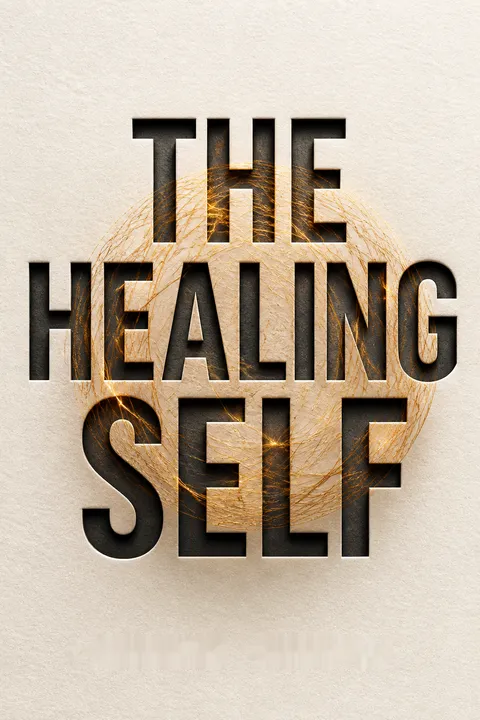
The Healing Self is a hybrid of popular science, lifestyle guidance, and spiritual philosophy. Its organizing claim is that health emerges from an integrated person, not from organs considered in isolation. The narrative moves from prevention and immunity, through relationships, stress, belief, aging, and suffering, then turns these themes into a seven-day plan. Case stories make abstract claims personal, while research references lend the argument scientific authority.
Its most durable contribution is a change of scale. Instead of asking only how to treat a disease after diagnosis, it asks what repeated experiences are doing to a person before symptoms appear. That framework makes social support, sleep, movement, emotional life, and patient advocacy legitimate parts of health. The practical plan is deliberately incremental, which suits the book’s argument that lasting change is cumulative rather than dramatic.
The book is less reliable when it moves from plausible connections to broad causal certainty. Findings about relationships, stress, inflammation, genes, and disease do not all have equal evidentiary strength, yet they are sometimes presented as parts of one seamless explanation. Claims that lifestyle can prevent or reverse serious illness require careful qualification. Correlation, biological mechanism, and proven clinical benefit are different kinds of evidence. The authors do provide an important safeguard by telling readers to seek medical care and not to treat the book as a cure for established disease.
A second tension concerns agency. The healing-self idea can empower readers to pay attention and participate in care, but it could also imply that illness reflects a failure of awareness or good choices. The book’s strongest version avoids that trap: people can influence some conditions of health without controlling every outcome. Read that way, its value is not a promise of immunity from disease. It is a practical invitation to care for the whole life in which health is formed, while keeping scientific humility and medical partnership intact.
Review Summary
The Healing Self receives mixed reviews, with an average rating of 3.91/5. Many praise its comprehensive approach to health, covering topics like stress reduction, diet, and mindfulness. Readers appreciate the scientific backing and practical advice. Some find it repetitive or too dense with medical jargon. The book is lauded for its holistic perspective on mind-body connection and self-healing potential. Critics argue some recommendations are questionable or impractical. Overall, most readers find value in the book's insights on improving overall health and well-being.
People Also Read






Glossary
Healing self
Active self-care partnershipThe healing self is the person understood as both the recipient of care and an active participant in supporting health. It includes noticing physical and emotional signals, making daily choices, and working with qualified clinicians when needed. The concept is not presented as a replacement for medical treatment or as a guarantee that illness can be prevented.
Total immunity
Holistic protection and healthTotal immunity is the book’s expanded idea of health protection. It goes beyond the immune system’s response to pathogens to include processes and conditions that influence well-being, such as chronic inflammation, stress, relationships, sleep, behavior, and emotional life. The authors use the term to describe a whole-person approach, not a specific medical measurement.
Bodymind
Interconnected mind and bodyBodymind names the authors’ view that mental experience and bodily processes are parts of one interacting system. Signals move through the nervous, hormonal, and immune systems, linking feelings, beliefs, behavior, and physical function. The term challenges a strict separation between psychological and physical health, while not implying that every illness can be explained or controlled by thought.
Incremental medicine
Early, lifelong preventionIncremental medicine is the book’s term for acting on health risks gradually and early, sometimes decades before a disorder becomes visible. It emphasizes sustained choices throughout life rather than waiting for symptoms and relying only on treatment after diagnosis. The authors use dementia prevention as an example of how experiences at different life stages may affect later health.
Sympathetic overdrive
Prolonged fight-or-flight activationSympathetic overdrive describes the book’s proposed state in which the sympathetic nervous system, associated with the fight-or-flight response, is repeatedly or persistently activated by everyday demands. The authors connect this pattern with stress, disrupted rest, and possible bodily effects. They recommend awareness, movement, relaxation, and social support as ways to respond, while recognizing that some stressors require practical change.
Heart rate variability (HRV)
Variation between heartbeatsHeart rate variability is the variation in time between successive heartbeats. In the book, higher variability is described as a sign of a more flexible response to changing demands, while lower variability is associated with stress and several health risks. HRV is presented as an indicator, not a complete diagnosis, and the authors suggest that breathing and contemplative practices may influence it.
Psychoneuroimmunology (PNI)
Mind, nervous system, immunityPsychoneuroimmunology studies interactions among psychological processes, the nervous system, and immune function. The book traces the field to research showing that learned associations and stress can affect immune responses. PNI supports the authors’ case against treating the mind and immune system as entirely separate, though it does not mean that thoughts alone determine whether someone becomes ill.
Cognitive reserve
Brain capacity to compensateCognitive reserve is the brain’s capacity to maintain function despite damage by drawing on additional connections and learned pathways. The book links education and continued learning with reserve, using the idea to explain why people with Alzheimer’s-related brain changes may show different levels of impairment. It is presented as a source of resilience, not as immunity from dementia.
Non-struggle
Acceptance without needless resistanceNon-struggle is the book’s term for an approach combining acceptance, surrender of unhelpful attachments, and flow. It means reducing avoidable resistance and the belief that a difficult situation must unfold in only one way. It does not require tolerating danger or refusing action; the authors also advise trying to repair, endure, or leave recurring harmful situations deliberately.
Witnessing
Observing without automatic reactionWitnessing is a mindful practice of observing thoughts, emotions, and sensations from a more detached perspective. In the book’s spiritual framework, it allows a person to notice inner activity without identifying completely with it or reacting automatically. The authors associate witnessing with meditation and a deeper sense of self, but its practical element is simply attentive observation before response.
FAQ
What's The Healing Self about?
- Holistic Health Focus: The Healing Self by Deepak Chopra and Rudolph E. Tanzi emphasizes a holistic approach to health, integrating mind, body, and spirit for optimal well-being.
- Healing Self Concept: It introduces the "healing self," empowering individuals to take charge of their health by merging the roles of healer and healed.
- Actionable Strategies: The book offers a 7-day action plan with dietary changes, stress reduction techniques, and positive belief cultivation to enhance overall wellness.
Why should I read The Healing Self?
- Empowerment Through Knowledge: The book equips readers with insights into how lifestyle choices impact health, encouraging active participation in their healing journey.
- Holistic Health Approach: It presents a comprehensive view of health, including emotional, mental, and physical aspects, relevant for anyone seeking improved wellness.
- Practical Guidance: Offers practical advice and strategies easily integrated into daily life, leading to significant health improvements.
What are the key takeaways of The Healing Self?
- Mind-Body Connection: Emphasizes the interconnectedness of mind and body, crucial for achieving true wellness.
- Lifestyle Changes Matter: Highlights that diseases like dementia and heart disease can be prevented through lifestyle changes such as diet and stress management.
- The Healing Self: Encourages individuals to become their own healers, taking responsibility for their health and well-being.
What are the best quotes from The Healing Self and what do they mean?
- "Wellness is no longer just a valid alternative to regular prevention." This underscores integrating wellness practices into daily life, not just as supplementary to medical treatment.
- "The healing self is the choice maker who steps into the arena of everyday life." Highlights personal agency in health, suggesting individuals can influence their healing through conscious choices.
- "Immunity is what keeps our genes ahead of survival threats." Reflects the critical role of the immune system, emphasizing the need to support it through lifestyle choices.
What is the "healing self" as defined in The Healing Self?
- Dual Role Concept: Merges the roles of healer and healed, empowering individuals to take an active role in their health.
- Holistic Approach: Encompasses both mental and physical health, recognizing emotional well-being's impact on physical health.
- Proactive Health Management: Encourages lifestyle changes that enhance immunity and overall health, a key theme throughout the book.
How does The Healing Self suggest we improve our immunity?
- Lifestyle Changes: Recommends an anti-inflammatory diet, regular physical activity, and stress management to enhance immunity.
- Mindfulness Practices: Incorporating mindfulness and meditation can reduce stress and improve emotional well-being, supporting immune function.
- Awareness of Chronic Inflammation: Highlights the link between chronic inflammation and diseases, suggesting reducing inflammation through diet and lifestyle.
What is the 7-day action plan in The Healing Self?
- Daily Focus: Includes specific themes for each day, such as anti-inflammation diet and stress reduction, building a comprehensive wellness approach.
- Practical Steps: Provides actionable steps like dietary changes and mindfulness practices, making it easy to follow and implement.
- Holistic Integration: Encourages integrating these practices into daily life, promoting a holistic approach to health.
How does The Healing Self address the concept of stress?
- Chronic Stress Impact: Discusses how chronic stress can lead to health issues like heart disease and weakened immunity.
- Mindfulness and Relaxation: Advocates for mindfulness practices and relaxation techniques to combat stress and promote healing.
- Awareness of Stressors: Encourages awareness of stressors and responses, the first step in managing stress and improving health.
What role do beliefs play in healing according to The Healing Self?
- Power of Positive Beliefs: Emphasizes that beliefs significantly influence health outcomes, with positive beliefs enhancing healing.
- Placebo Effect: Discusses the placebo effect as a demonstration of belief leading to physiological changes, highlighting mindset importance.
- Transforming Negative Beliefs: Provides strategies for identifying and transforming negative beliefs into positive ones, essential for a healing mindset.
How can I apply the concepts from The Healing Self in my daily life?
- Integrate Mindfulness: Incorporate mindfulness practices like meditation or deep breathing into your routine to reduce stress and improve well-being.
- Make Conscious Choices: Be mindful of lifestyle choices, including diet and exercise, aiming to support health and well-being.
- Embrace the Healing Self: Adopt the healing self mindset by taking an active role in health, recognizing the power to influence your healing journey.
What is the journey of return mentioned in The Healing Self?
- Reclaiming the Self: Refers to rediscovering and reclaiming aspects of oneself lost or suppressed due to life circumstances.
- Stages of Healing: Outlines stages like overcoming anxiety and finding a spiritual path, contributing to personal growth and healing.
- Empowerment and Wholeness: Emphasizes becoming whole again, embracing true selves, and living authentically.
How does The Healing Self define the different versions of the self?
- Outward Self: Shaped by societal expectations and external achievements, often leading to a superficial identity.
- Private Self: Concerned with personal relationships and emotional experiences, reflecting inner life and values.
- Unconscious Self: Contains hidden instincts and drives, including negative traits that can manifest if not acknowledged.
- Higher Self: Aspirational self seeking to transcend everyday conflicts, representing higher consciousness and unity with the universe.
About the Author
Other books by Deepak Chopra




Download PDF
Download EPUB
.epub digital book format is ideal for reading ebooks on phones, tablets, and e-readers.








