

Key Takeaways
Claim your own heroism by becoming more fully yourself in public life
Heroism starts close to home. Pearson recasts the hero as an ordinary person who faces a problem, discovers a truer way to live, and brings that insight back to family, work, or community. The aim is not fame or self-importance. It is making the contribution that only this person can make. A woman in one of Pearson’s workshops had been homeless and addicted to drugs. After recognizing her life as a journey rather than a fixed identity, she entered recovery, found work, and secured an apartment.
Change travels outward. Personal growth can influence the groups a person belongs to, but it does not require a grand gesture. Integrity at work, care for neighbors, or refusing to pass harm onward can all count as heroic action.
The book’s strongest democratic move is to stop reserving heroism for celebrities, rescuers, or people with extraordinary resources. Narrative identity research likewise suggests that the stories people tell about themselves can shape purpose and action. Yet the homeless woman’s recovery should not be read as proof that hardship is secretly beneficial or that self-belief alone ends addiction. Material support, treatment, and safe housing matter. The framework is most humane when inner agency and practical help are treated as partners, not competing explanations.
Notice which inner story is driving your response before choosing your next move
Stories guide reactions. An archetype, in Pearson’s Jungian usage, is a recurring pattern of perception and behavior that supplies a familiar plot for interpreting life. The book focuses on six: the Orphan survives hardship, the Wanderer seeks identity, the Warrior asserts and achieves, the Altruist cares and gives, the Innocent trusts and finds happiness, and the Magician transforms situations. These are inner possibilities, not permanent personality types.
The same event changes shape. After missing out on a job, one person may feel unfairly defeated, another relieved to escape a poor fit, and another curious about what to learn. Noticing the story behind the reaction can reveal what the moment calls for: comfort, exploration, effort, generosity, faith, or creative change.
This model resembles cognitive reframing: experience is not simply an event, but an event interpreted through learned assumptions. Naming a pattern can create useful distance from it, much as mindfulness helps people observe a thought without treating it as a command. The six-part map is memorable precisely because it gives distinct names to common motives. Its limit is that real reactions are often mixed, and a person can be strategic, frightened, and caring at once. The archetypes work better as prompts for inquiry than as labels that settle the question.
Let the Fall teach realism, then reach for help instead of rescue
Disillusionment begins growth. The Orphan is the part of the journey that confronts betrayal, loss, unfairness, or the discovery that no authority can guarantee safety. Pearson calls the move from assumed paradise into reality a fortunate Fall: painful experience can force a person to develop realism, empathy, and new skills. The Orphan’s danger is getting trapped in helplessness, blaming, or waiting for a perfect rescuer.
Pain needs company. The book’s response is not to deny suffering or rush past it. Acknowledge what hurts, tell the story to someone trustworthy, and ask for useful support. A child whose parents separated blamed himself, believing he could have fixed their marriage. The example shows how self-blame can feel like control, while compassionate help makes responsibility possible without treating the child as guilty.
The distinction between responsibility and blame is clinically and ethically important. People often need safety, validation, and support before they can plan a next step; telling someone in crisis simply to take charge can deepen shame. The author’s emphasis on asking for help also resists the fantasy of self-sufficiency. Still, adversity does not reliably produce wisdom, and some pain is preventable harm, not a developmental lesson. The useful question is not whether suffering is good, but what protection, repair, and agency are possible now.
Take enough distance to discover who you are, then return by choice
Identity needs room. The Wanderer leaves roles, relationships, or expectations that prevent self-discovery. The task is not endless escape; it is learning what genuinely fits, sometimes through solitude, experimentation, or a change in direction. In Jean Auel’s story of Ayla, a girl raised by a rigid clan secretly learns to hunt, then survives alone after being cast out. Her separation helps her trust her own abilities, even as she grieves the community she left.
Independence can mature. A person who has always pleased others may need to say no before a real yes becomes possible. The journey aims for autonomy that can coexist with intimacy: connection chosen freely, rather than purchased by hiding essential parts of oneself.
The Wanderer maps well onto psychological autonomy, the experience of acting from one’s considered values rather than mere pressure. Research on motivation also finds that autonomy is not the opposite of connection; people can belong more securely when they are not required to erase themselves. Ayla’s story makes the cost of conformity vivid, but the freedom to leave is not equally available to everyone. Care responsibilities, poverty, disability, or legal constraints can narrow options. Inner distance and small acts of choice may still matter when departure is impossible.
Use Warrior courage to protect boundaries and pursue work that matters
Power needs a purpose. The Warrior develops competence, discipline, self-respect, and the ability to defend oneself or others. Pearson links this pattern to earning a living and doing work well, while warning that achievement can become a trap when status and output replace real desire. A teenager whose controlling father repeatedly tested him gradually developed his own standards. As he became more self-disciplined, their relationship grew less combative.
Courage can change form. Early Warrior energy imagines an enemy to defeat. A more developed form can compete fairly, focus on excellence, and engage opponents as people with their own claims. The practical test is not simply whether a goal is reached, but whether the effort serves values the person can respect.
The Warrior is a useful corrective to advice that prizes accommodation without teaching self-protection. Boundaries and competence support both individual dignity and effective collaboration. The chapter’s shift from defeating others toward pursuing excellence also echoes mastery-oriented approaches to learning, where progress is measured against developing skill rather than constant comparison. But effort alone cannot overcome unfair rules or economic precarity. A just workplace needs institutional safeguards as well as courageous workers. Otherwise, the language of personal discipline can excuse systems that reward overwork and punish dissent.
Give because you choose, not to invoice others with your sacrifice
Care must remain free. The Altruist commits time, attention, or resources to people and causes beyond personal advantage. Pearson distinguishes this generosity from martyrdom, where a person gives under pressure and then demands obedience, gratitude, or repayment. In Joseph Heller’s Catch-22, airman Yossarian refuses to keep flying missions he sees as pointless and destructive. His refusal costs him something, but it restores his integrity rather than reinforcing a harmful cycle.
Receiving is part of giving. In a healthy relationship, care can move in both directions. Pearson recalls arriving home exhausted after taking her young daughter to gymnastics, then feeling renewed when the child offered a tender sign of love. The point is not equal accounting. It is allowing affection and help to register instead of defining oneself as the only giver.
This account usefully separates care from self-erasure. Care ethics emphasizes that human beings are interdependent, while consent and boundaries help prevent dependence from becoming coercion. Reciprocity need not mean a precise exchange, especially in parenting, illness, or unequal relationships. It does mean that a person’s needs remain visible. The structural dimension matters too: care work is often undervalued, and praising individual sacrifice cannot substitute for fair pay, public services, or shared domestic labor. Generosity is more sustainable when institutions do not rely on people quietly exhausting themselves.
Find happiness by receiving life fully, not waiting for perfect conditions
Innocence can return wiser. The Innocent begins as dependent trust, but after the journey it can become a more mature capacity for faith, gratitude, and delight. This return is not a claim that everything is good or that problems vanish. In The Wizard of Oz, Dorothy returns to Kansas changed by what she has experienced. Home becomes newly valuable because she can now recognize what she once overlooked.
Notice what is already here. Pearson also draws on The Alchemist, where Santiago discovers that the treasure matters less than the journey that taught him how to live. The returned Innocent appreciates existing sources of care and possibility while continuing to act. The practice is to attend to what nourishes life without using optimism to disguise danger, loss, or injustice.
Gratitude can redirect attention toward resources that are easy to overlook, and positive reappraisal can help people find meaning without denying facts. Dorothy’s changed perception captures that shift elegantly. The caution is essential: reframing cannot make an unsafe home safe, and an insistence that people create their own reality can slide into blaming victims. Appreciation is most credible when paired with accurate perception and action. It should widen a person’s view of life, not pressure them to call harm a gift.
Transform a problem by owning your part and naming its real needs
Change begins with honesty. The Magician takes responsibility for choices that can alter a life or a system. This is not omnipotence. It means identifying what is wrong, examining one’s own contribution, and acting in line with a vision of what could be better. Martin Luther King Jr. challenged segregation by appealing to values shared across racial and religious groups, inviting people to change without making an entire population the enemy.
Bring the shadow into view. Pearson uses shadow for qualities or impulses that a person refuses to recognize, which can then emerge in harmful or distorted ways. Naming a problem compassionately is not the same as excusing it. In the story of the frog and the princess, honest rejection matters because kindness without boundaries can enable mistreatment. Transformation asks for both truthful recognition and limits that protect people.
The Magician combines agency with systems awareness: people influence their surroundings, while their surroundings also constrain them. King’s strategy illustrates how moral language can recruit allies by calling a society to its own stated commitments. The shadow concept adds another useful move, asking what a person or group disowns before projecting it onto an enemy. Yet self-examination should not become a demand that harmed people accept responsibility for others’ abuse. Accountability belongs with the actor who caused harm, while institutional conditions also require attention.
Keep all six archetypes available instead of letting one run your life
Balance means more choices. Pearson presents the six archetypes as a repertoire, not a ladder to climb and leave behind. The Orphan helps face difficulty, the Wanderer explores identity, the Warrior acts with courage, the Altruist gives, the Innocent trusts, and the Magician chooses and transforms. Each can help in a different situation, while any one can become limiting when it dominates. A relentlessly achievement-focused person, for instance, may need to practice care or exploration rather than add more effort.
Check the surrounding system. The book’s Heroic Myth Self-Test compares how a person sees themself with how others, family, and workplace see them. This can reveal which qualities are encouraged or suppressed. Pearson explicitly notes that this checklist has not undergone reliability or validity testing, so it is a reflection tool, not a clinical diagnosis.
The repertoire idea resembles psychological flexibility: choosing a response that fits the situation instead of repeating a favored strategy. Comparing private self-perception with feedback from others can also expose blind spots, provided feedback is gathered from trustworthy people and interpreted carefully. The book’s candid note about the self-test’s unvalidated status is important. More broadly, a neat six-part map can create false certainty if treated as a measurement instrument. Its best use is conversational: identify a missing perspective, test a small change, and notice what the situation actually requires.
Analysis
Pearson’s central achievement is to make the hero myth practical without shrinking it to a checklist of goals. The journey begins when a familiar life stops feeling alive, then moves through vulnerability, separation, agency, care, renewed trust, and deliberate transformation. Its recurring lesson is that no single virtue is enough. Courage without care becomes domination; care without boundaries becomes self-erasure; faith without realism becomes denial. The sequence gives readers a memorable vocabulary for conflicts that can otherwise feel like personal defects.
The model is best treated as an interpretive map, not an established psychological taxonomy. Jungian archetypes have cultural and clinical influence, but the book does not demonstrate that these six patterns are universal structures with independently verified stages. Pearson also states that her self-test was not psychometrically validated. These limits do not erase its practical value, but they do argue against using the labels to diagnose people, predict behavior, or prescribe a single developmental route.
Some claims deserve particular care. The book’s discussions of gender draw on historical conventions that readers today should not mistake for fixed differences between women and men. Its spiritual language about synchronicity, inner choice, and adversity can inspire meaning-making, yet can also become harmful if used to imply that people chose abuse, illness, or poverty. The book’s own ethical emphasis on respecting each person’s journey offers a needed guardrail, but social structures and unequal access to safety must remain visible.
The most durable contribution is the union of inward reflection and outward responsibility. The framework asks not only, What story am I living? but also, What does this story make possible for other people? Used lightly, the six archetypes enlarge a person’s response options and encourage communities to value more than competition or sacrifice. Used rigidly, they risk turning a rich life into a stage chart. Their strength lies in opening questions, not closing them.
Review Summary
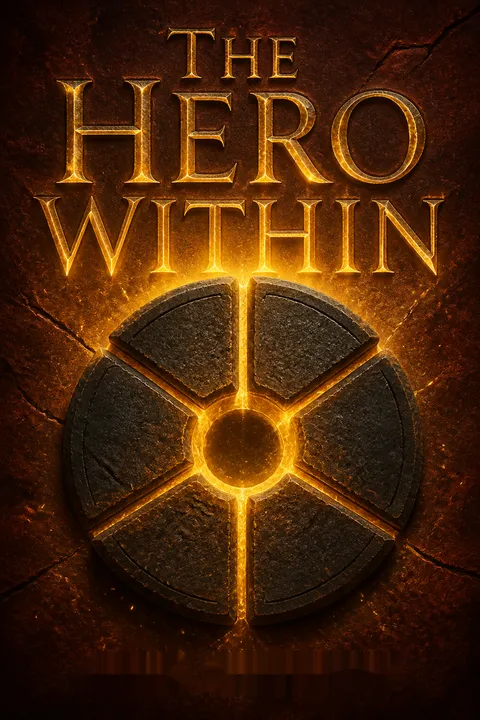
The Hero Within received mixed reviews. Many readers found it insightful and helpful for personal growth, praising its exploration of Jungian archetypes and their application to everyday life. Some appreciated the book's focus on self-awareness and transformation. However, others criticized it for being repetitive, overly abstract, or pushing a progressive agenda. Some readers felt the writing style was difficult to engage with. Despite these criticisms, many still found value in the book's core concepts and exercises for self-reflection and development.
People Also Read






Glossary
Archetype
Recurring psychic patternIn Pearson’s Jungian framework, an archetype is a deep, recurring pattern that shapes how a person interprets experience and acts. It is not a fixed personality type. The same pattern can appear differently in different people and cultures, and a person may draw on several archetypal perspectives at once.
Orphan
Realism through hardshipThe Orphan is the perspective that emerges when trust or assumed safety is broken by loss, betrayal, neglect, or other hardship. Its developmental work is to recognize vulnerability, grieve, build realistic expectations, and seek help. Its strengths include resilience and empathy; its shadow can include helplessness, chronic blame, or waiting for rescue.
Wanderer
Identity through explorationThe Wanderer is the pattern of separating from expectations that restrict self-discovery. It encourages solitude, experimentation, and independent choice so a person can identify what is genuinely meaningful. Its mature form does not require permanent isolation. It supports relationships and communities chosen without surrendering essential parts of the self.
Warrior
Courageous, disciplined actionThe Warrior develops the ability to set boundaries, pursue goals, build competence, and defend oneself or others. In Pearson’s account, its expression can evolve from defeating enemies toward fair competition, excellence, and principled action. When dominant or immature, it can become ruthless, controlling, workaholic, or preoccupied with winning.
Altruist
Chosen care and generosityThe Altruist commits attention, effort, or resources to others and to purposes beyond private advantage. Pearson distinguishes it from imposed self-sacrifice: care is most life-giving when freely chosen, responsive to real needs, and compatible with receiving support. Its shadow may appear as martyrdom, guilt, resentment, or enabling.
Innocent
Trust and renewed joyThe Innocent begins as a childlike expectation of safety and care. After the journey, it can return as a more mature capacity for faith, gratitude, awe, and happiness. This renewed trust is not supposed to erase difficulty or excuse harm. It helps a person receive life while remaining responsible for it.
Magician
Conscious, integrative changeThe Magician takes responsibility for choices that can transform a person’s life or shared environment. It combines vision, honest self-examination, awareness of interdependence, and action. Its work includes recognizing disowned qualities, often called the shadow, and finding responsible ways to express underlying needs without manipulating or harming others.
Heroic journey
A path of inner developmentThe heroic journey is Pearson’s model of personal and social transformation. A person encounters difficulty, searches for identity, develops agency, learns generosity, recovers a mature trust in life, and acts to change a situation. The pattern is not a rigid sequence. People revisit its challenges at different moments and levels.
Shadow
Disowned inner potentialThe shadow consists of qualities, emotions, or capacities a person or group represses or refuses to recognize. These may be destructive impulses, but they can also include positive abilities that feel unacceptable. Unrecognized shadow material may be projected onto others or expressed in distorted ways. Awareness allows for more responsible integration.
Personal mastery
Conscious inner balancePersonal mastery is the capacity to notice when outer roles conflict with inner needs, values, or developing strengths, and then make more deliberate choices. In this book, it involves drawing on all six archetypes rather than being governed by one perspective. It includes self-reflection, skill development, and responsibility for relationships and systems.
The Heroic Myth Self-Test
Reflective archetype checklistThe Heroic Myth Self-Test is a set of checklists for considering archetypal qualities in oneself, in other people’s feedback, and in family, school, or workplace settings. Pearson presents it as a reflection aid and explicitly notes that it has not undergone reliability or validity testing. It should not be treated as a clinical assessment.
FAQ
What's The Hero Within about?
- Exploration of Archetypes: The Hero Within by Carol S. Pearson explores six archetypes—Innocent, Orphan, Wanderer, Warrior, Altruist, and Magician—that represent different aspects of the human psyche and influence our personal journeys.
- Heroic Journey Framework: The book uses the concept of the "heroic journey" as a metaphor for personal growth and transformation, emphasizing that everyone has the potential to be a hero in their own life.
- Practical Guidance: Pearson provides practical exercises and insights to help readers identify and activate these archetypes, empowering them to take charge of their journeys and find greater meaning and happiness.
Why should I read The Hero Within?
- Personal Empowerment: The book offers tools for self-discovery and personal mastery, helping readers tap into their inner potential and navigate life's challenges with confidence.
- Universal Themes: It addresses common struggles such as feeling lost or unfulfilled, resonating with anyone seeking to understand their identity and purpose.
- Transformative Stories: Pearson shares compelling stories that illustrate the power of the archetypes, inspiring readers to embark on their own heroic journeys.
What are the key takeaways of The Hero Within?
- Understanding Archetypes: Recognizing and understanding the six archetypes can help individuals navigate their personal journeys more effectively, each offering unique strengths and challenges.
- The Heroic Journey: Life is depicted as a heroic journey, where each individual has the potential to grow, learn, and transform through their experiences.
- Practical Exercises: The book includes self-assessment tools and exercises to help readers identify which archetypes are most active in their lives, encouraging practical application of the concepts.
What are the best quotes from The Hero Within and what do they mean?
- “You are a hero—or could be.”: This encapsulates the book's message that everyone has the potential for heroism, encouraging readers to recognize their capacity for growth and transformation.
- “The journey transforms the challenger.”: Highlights that personal challenges are opportunities for growth, leading to self-discovery and the development of inner strength.
- “Suffering stops here!”: Emphasizes breaking the cycle of victimhood and taking responsibility for one's life, encouraging individuals to confront their pain and move forward positively.
How do the archetypes in The Hero Within help in personal development?
- Guidance Through Life Stages: Each archetype represents a different stage in personal development, providing a framework for understanding one's journey.
- Accessing Inner Strengths: Identifying active archetypes allows readers to tap into their inner strengths and resources, facilitating intentional decision-making and growth.
- Facilitating Change: The archetypes guide individuals during transitions, helping them navigate challenges and embrace new opportunities.
What is the significance of the "heroic journey" in The Hero Within?
- Metaphor for Growth: The heroic journey serves as a powerful metaphor for personal growth and transformation, illustrating the process of facing challenges and discovering one's true self.
- Universal Experience: It reflects the common struggles and triumphs that define the human experience, shared by all individuals regardless of background.
- Empowerment Through Action: Emphasizes the importance of taking action and making choices that align with one's values, encouraging readers to become active participants in their lives.
How can I apply the concepts from The Hero Within to my life?
- Self-Assessment: Use the Heroic Myth Self-Test to identify which archetypes are most active in your life, providing insights into your strengths and areas for growth.
- Practical Exercises: Engage with the exercises and reflections provided in the book to explore your inner archetypes and apply the concepts to your daily experiences.
- Community Engagement: Consider forming or joining a Heroic Journey Group to share your journey with others, providing support, accountability, and new perspectives.
What challenges do the archetypes in The Hero Within address?
- Overcoming Victimhood: The Orphan archetype addresses feelings of powerlessness, encouraging individuals to take responsibility for their lives.
- Navigating Change: The Wanderer archetype helps individuals cope with feelings of alienation and the desire for adventure, encouraging exploration and self-discovery.
- Balancing Ambition and Generosity: The Warrior and Altruist archetypes address the tension between personal ambition and the desire to contribute to the greater good.
How does The Hero Within redefine traditional notions of heroism?
- Everyday Heroism: Pearson redefines heroism as an everyday experience, emphasizing that anyone can be a hero by taking charge of their own journey.
- Inclusivity of Experiences: Highlights that heroism includes the struggles and triumphs of ordinary people, encouraging readers to recognize their own heroic potential.
- Empowerment Through Self-Discovery: Focuses on inner archetypes and personal journeys, shifting the narrative from external validation to internal fulfillment.
What role does community play in The Hero Within?
- Support for Personal Journeys: Community provides essential support and encouragement during individual journeys, fostering connection and understanding.
- Collective Transformation: Personal growth contributes to collective transformation, positively impacting families, workplaces, and communities.
- Heroic Journey Groups: Pearson encourages forming Heroic Journey Groups to share stories and support one another, enhancing the journey and fostering belonging.
How does The Hero Within address the concept of balance among archetypes?
- Importance of Equilibrium: Achieving balance among the archetypes is crucial for personal mastery, as over-identifying with one can hinder growth.
- Dynamic Interaction: The archetypes interact dynamically, influencing each other, and recognizing this interplay helps navigate personal journeys effectively.
- Holistic Development: Fostering a balanced expression of all archetypes enhances resilience and adaptability in various life situations.
What role does the Magician archetype play in The Hero Within?
- Catalyst for Change: The Magician represents transformation and the ability to create positive change, encouraging individuals to harness their inner power.
- Mindfulness and Awareness: Promotes mindfulness, helping individuals become aware of their choices and their consequences, encouraging a reflective approach.
- Integration of Other Archetypes: Serves as a unifying force, helping to balance and integrate the other archetypes, allowing individuals to draw on their strengths.
About the Author
Download PDF
Download EPUB
.epub digital book format is ideal for reading ebooks on phones, tablets, and e-readers.








