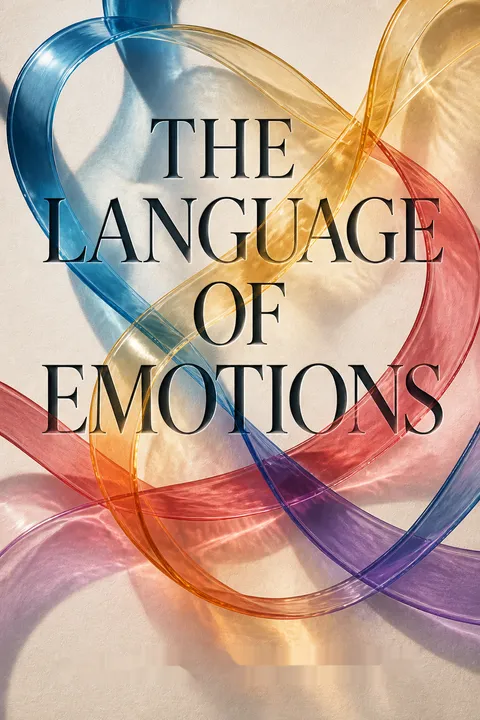


Key Takeaways
Treat every emotion as information, not a moral verdict.
A personal origin. McLaren’s argument grows from a childhood shaped by abuse and unusually intense sensitivity to other people’s feelings. A cat she called Tommy became a safe companion when human relationships felt confusing and dangerous. Years later, while helping injured animals, she noticed that calm, patient care could help them recover from shock. These experiences led her to see emotions as distinct signals with useful functions, rather than defects to suppress or virtues to display.
Signals need interpretation. The book’s central claim is that no emotion is inherently good or bad. Anger may indicate a boundary problem, while sadness may invite release. But an emotion can be valid as an experience without being correct about another person’s motives. Feel the signal, then check it against context, evidence, and your values.
The book offers a humane alternative to treating difficult feelings as personal failures. That stance fits appraisal theories of emotion, which examine how people assess events in relation to goals and needs. Yet the book sometimes gives emotions fixed jobs, as if anger or fear always carried one clear message. Contemporary emotion research also emphasizes learning, language, bodily state, and culture. The strongest practical reading is therefore not that every feeling contains an infallible instruction, but that each feeling deserves attention before it is dismissed or obeyed.
Name the feeling before reacting, and notice its intensity and company.
A better emotional vocabulary. People often call many different states stress, unhappiness, or simply feeling bad. McLaren argues that these catchall labels hide what is happening. Anxiety, for example, is described as future-focused energy for preparing and completing tasks; fear helps orient attention to the present; panic mobilizes survival responses. The distinctions matter because each calls for a different response.
Feelings travel together. Emotions also arrive in combinations and at different strengths. A driver cut off in traffic might feel fear about danger and anger about a violated boundary. Instead of forcing one label, ask what is present, how strong it is, and what else may be underneath. The book’s vocabulary list is designed to help people move beyond a single word such as stressed.
Naming a feeling can create useful distance between an experience and an impulsive response. It also makes self-observation more precise: a person who identifies dread may need different support from someone facing ordinary deadline pressure. Still, labels are maps, not measurements. People use the same word differently, and bodily sensations do not always reveal one obvious emotion. A helpful practice is to treat a label as a working hypothesis, then ask what happened, what the feeling points toward, and whether another explanation fits.
Channel emotion between bottling it and dumping it on someone.
A third option. McLaren calls the middle route emotional channeling: noticing a feeling, making room for it, and directing its energy toward a considered action. Suppression can hide a feeling without resolving the situation; uncontrolled expression can frighten or hurt others and leave the original problem untouched. Channeling is meant to avoid both handoffs, inward and outward.
Make the feeling workable. If someone’s words sting, pause before retaliating or pretending nothing happened. Identify what mattered, settle your attention, and choose a response: state a boundary, ask a question, or leave the conversation. Later, private writing, movement, or a trusted conversation may help process what remains. The aim is not to perform emotion perfectly, but to use it without making another person responsible for regulating it.
This middle route resembles emotion-regulation approaches that distinguish acknowledging a feeling from acting on its first impulse. It also makes room for context: open expression can be honest and connecting when the setting is safe, while restraint can protect people during a crisis. Neither expression nor suppression is automatically harmful in every moment. The useful question is whether the chosen response preserves safety and helps address the underlying need. A technique that encourages reflection should not become another rule for judging someone who is already overwhelmed.
Ground yourself and set boundaries before exploring intense feelings.
Build a stable base. The book’s four-element model treats the body, intellect, emotions, and vision as complementary capacities. McLaren uses this metaphor to argue that emotional work becomes more manageable when a person is also physically present, able to think, and able to see a wider perspective. Her core practices include grounding attention in the body, imagining a defined personal space, and using movement or rest to regain steadiness.
Protect the work. A boundary, in this approach, means knowing where one person’s experience ends and another’s begins. Someone feeling flooded might first orient to the room, notice their feet, and take space before investigating the feeling. The book’s imagery can be adapted or ignored; its stated aim is wholeness, not a perfect routine or an invisible shield that replaces practical boundaries.
The model is most useful as a checklist against one-sided coping. A person who thinks endlessly may need bodily rest; someone caught in action may need reflection or emotional contact. Grounding practices also have a practical advantage: sensory attention can help people notice their surroundings instead of spiraling into abstraction. The four elements are a poetic organizing device, not a scientifically established structure of the mind. And an imagined boundary cannot substitute for clear communication, physical safety, or help from others.
Match your response to what each emotion is trying to do.
Different jobs, different questions. McLaren offers a practical map of emotional functions. Anger can highlight what matters and where a limit is needed. Fear helps scan the present, while anxiety can focus effort on future tasks. Panic is a survival response. Sadness can help a person pause and release; shame can prompt accountability when behavior violates a chosen value. Jealousy and envy may draw attention to concerns about intimacy, resources, or fairness.
Investigate, do not assume. Ask what the feeling is responding to before acting on its first story. Jealousy may signal relationship insecurity, but it does not prove betrayal. Shame may reflect a real mistake, or an unfair message imposed by others. The book also distinguishes guilt, which it treats as a factual judgment of wrongdoing, from shame, the feeling that may motivate repair.
Function-based questions are a memorable way to turn a vague feeling into an inquiry. They can support agency without demanding that a person instantly feel better. Their limit is the risk of overconfidence: treating jealousy as a reliable detector of infidelity, or depression as a precise verdict on a situation, can distort judgment. Emotions may reflect present events, earlier learning, physical conditions, or several factors at once. The map works best as a prompt for investigation, not as a diagnostic system or permission to act on suspicion.
Treat distraction as a clue to unmet needs, not a character flaw.
Look beneath the habit. McLaren frames avoidance, distraction, and addiction as attempts to get relief from distress, not evidence that someone is weak or foolish. She asks readers to notice what feeling or situation tends to appear just before reaching for a substance, a screen, shopping, or another repetitive activity. The habit may offer stimulation, numbness, escape, or a temporary sense of calm.
Understand before changing. The book compares some habits to makeshift supports: they may help someone cope in the short term while creating costs over time. Asking what relief a behavior provides can point toward the missing support or emotion that needs attention. This is not a reason to quit abruptly or handle addiction alone. The book itself recommends outside help, and substance dependence may require medical guidance.
Treating a habit as an attempted solution can reduce shame and make change more realistic. This aligns with approaches that examine the function a behavior serves, including harm-reduction practice. But the book’s suggestion that an avoided emotion sits behind every distraction is too sweeping. Habits also reflect availability, social conditions, dependence, and neurobiology. Understanding function can guide care; it cannot by itself treat addiction or make withdrawal safe. Compassion and accountability belong together, especially when a behavior is harming the person or others.
Let trauma recovery restore safety and agency, without romanticizing the wound.
A story shaped the model. As a child, McLaren cared for injured animals and observed them shake, move, and recover when they seemed safe enough to do so. She later used that experience to think about trauma and emotional reintegration. The book also presents trauma through a three-part initiation metaphor: separation from ordinary life, an overwhelming ordeal, and a recognized return to community. Its point is that survivors may need acknowledgment and support, not just pressure to resume normal life.
Safety comes first. This is a metaphorical framework, not a universal clinical sequence. Trauma is not automatically a gift, spiritual initiation, or a process that must be relived. In particular, suicidal thoughts should be treated as a serious safety concern, not decoded as merely symbolic. Seek qualified professional or crisis support; if danger is immediate, contact emergency services. Do not attempt intense solo trauma exercises during crisis.
The idea of a recognized return highlights an often-neglected social dimension of recovery: people need safe relationships and communities, not only private insight. Ritual and acknowledgment can help make survival visible. However, describing trauma as initiation can unintentionally assign purpose to harm or pressure survivors to find transformation in it. Trauma responses vary, and recovery does not require dramatic memory work. The safest contribution of this model is its emphasis on dignity, agency, and support, while clinical care remains essential when symptoms or safety risks are severe.
Give grief time, witnesses, and rituals instead of rushed reassurance.
Loss needs a place. McLaren describes grief as distinct from ordinary sadness because it follows profound loss, including death, a relationship, health, or a hoped-for life. She contrasts her earlier habit of distancing herself from loss with the grief she experienced when her mother became comatose. Her account emphasizes the body’s response and the value of being allowed to mourn without immediately explaining or fixing the loss.
Make remembrance tangible. The book suggests creating a modest memorial space with photographs or meaningful objects, sharing stories, and choosing a closing gesture when a period of mourning feels complete. Such rituals can help people and communities mark a change while keeping the person or loss in memory. They are invitations, not rules: the length and form of grief differ, and no one should be hurried to meet a timetable.
Ritual gives grief a social container: it marks that something has changed and offers others a role besides delivering advice. That can be especially valuable where public mourning is discouraged. Yet the book’s spiritual imagery about the dead crossing into another world belongs to its worldview, not an empirical requirement for bereavement. The practical insight does not depend on that belief. Remembrance can be private or communal, brief or ongoing, and prolonged grief may deserve professional care rather than judgment.
Do not force happiness or forgiveness to silence anger and grief.
Positive is not always helpful. The book warns that demanding cheerfulness can conceal the information in fear, anger, sadness, or grief. It cites research indicating that repeating positive self-statements can make some people with low self-esteem feel worse. Happiness, contentment, and joy each have their own roles; none is a substitute for every other feeling. McLaren also treats love as a commitment that can persist through changing emotions, rather than as one more temporary feeling.
Forgiveness is not a shortcut. The book argues that pressing survivors to forgive before they can recognize harm and restore their boundaries may silence them. That caution is valuable, but forgiveness is not a required final step in recovery. A person can heal, set limits, and leave a harmful relationship without forgiving the person who caused harm.
This is a strong challenge to compulsory positivity and moral pressure, especially when those pressures protect the comfort of bystanders more than the person who was hurt. Research on thought suppression and self-affirmation likewise suggests that positive language does not reliably override distress. The distinction between enduring love and passing emotion can help separate care from mood, though people define love in many ways. Most important, forgiveness should remain a personal choice, not a test of maturity or a condition for healing.
Replace stress-talk with the feeling, the trigger, and the next choice.
Stress is a catchall. In a book example, a person preparing a family party faces a power outage, a jammed garage door, and a looming deadline. Calling the experience stress does not explain whether the person feels anxious, ashamed, angry, panicked, or several emotions at once. Naming the actual feelings makes more responses visible: ask for help, change the plan, complain privately, or take a moment to regroup.
Keep the world in view. McLaren argues that stressors can expose personal concerns and social pressures. That can make them informative, but it does not mean every hardship is an inner-growth assignment. Poverty, discrimination, unsafe work, and other structural problems require material and collective responses, not just better emotional skills. Identify the emotion, the practical obstacle, and what can realistically be changed.
Replacing a vague label with a specific feeling and concrete problem supports better decisions. It also resists the idea that a person is simply a passive object acted upon by circumstances. Still, stress has physiological dimensions, and some stressors are harmful rather than instructive. Treating every disruption as an opportunity can minimize real constraints or injustice. The most balanced approach combines emotional literacy with practical action: regulate where possible, seek help where needed, and address the conditions producing the strain.
Analysis
The book’s most useful contribution is a change of stance: feelings deserve curiosity before correction. Its emotionally specific questions give readers language for distinctions that everyday speech often blurs, such as fear versus anxiety, sadness versus grief, or guilt versus shame. The personal narrative gives this proposal warmth and stakes. McLaren’s account of relying on a cat and later observing injured animals helps explain why she came to value safety, bodily presence, and patient attention.
The model is strongest as a reflective vocabulary, weaker as a universal psychology. Assigning each emotion a stable purpose can help people generate questions, but it risks turning a metaphor into a diagnosis. Emotions are shaped by context, learning, culture, health, and relationships; jealousy does not verify betrayal, and depression cannot reliably identify one hidden cause. The four-element framework is a poetic scaffold, not an established map of the brain.
The trauma argument also needs careful boundaries. The initiation metaphor can emphasize acknowledgment and belonging, but it should not imply that trauma is spiritually necessary or that reliving it is required for recovery. The book’s most dramatic guidance around panic, depression, and suicidal urges should not replace professional care. Suicidal thinking is a safety issue, not simply a symbolic message to interpret alone.
Taken as a humane practice rather than a clinical theory, the book offers a compelling discipline: name what is happening, notice what matters, protect safety, and choose a response instead of reflexively suppressing or discharging emotion. Its social critique is also important. Emotional skill can improve an individual’s choices, but it cannot substitute for changing unjust conditions. The most durable reading pairs inward listening with evidence, relationships, and practical action.
Review Summary
Readers praise The Language of Emotions for its unique approach to understanding and working with emotions. Many find it life-changing, offering valuable insights into the purpose and benefits of all emotions, including those often labeled as negative. The book provides practical tools for emotional awareness and regulation. Some readers appreciate the author's personal anecdotes, while others find them less helpful. Critics note the book's length and repetitiveness, as well as its occasionally esoteric language. Overall, most reviewers highly recommend it for improving emotional intelligence.
People Also Read





Glossary
Dynamic Emotional Integration®
emotion skills and practiceMcLaren’s applied approach to understanding emotions through attention, empathy, and practical exercises. It treats feelings as meaningful parts of cognition and relationships, and encourages people to recognize emotional nuance, maintain boundaries, and choose responses deliberately. The book presents it as a learnable framework, not a replacement for medical or mental health care.
emotional channeling
directing feelings into actionA method of noticing an emotion, allowing its information and energy to be present, and directing them toward a considered response. McLaren presents it as an alternative to reflexively suppressing feelings or expressing them in ways that harm oneself or others. It can include pausing, grounding, movement, writing, or setting a boundary.
four-element, or quaternity, model
four capacities in balanceA symbolic model that associates earth with the body, air with thought, water with emotion, and fire with vision or spirituality. McLaren uses it to encourage a broader view of decision-making and self-understanding, rather than letting one capacity dominate. The book explicitly describes the model as mythological and poetic, not scientific.
emotional attribution errors
mistaken blame about feelingsMcLaren’s label for two errors: blaming emotions for the problems they may be responding to, and blaming emotions for harmful behavior caused by poor emotional skills. The distinction is intended to separate a feeling from the circumstances that evoke it and from the actions someone chooses while feeling it.
three stages of initiation
separation, ordeal, returnA framework McLaren draws on to describe transition through separation from ordinary life, an overwhelming ordeal, and a recognized return to community. She uses it as a metaphor for trauma and the need for acknowledgment after survival. It is not a universal clinical model, and trauma recovery does not require following these stages.
panger
panic mixed with angerA blended term used in the book for anger responses that also contain panic. McLaren uses it to distinguish boundary-setting anger from fight, flight, or freeze reactions that can accompany perceived danger. The label is intended to help readers notice mixed states, not to diagnose a condition.
kairos time
time for unhurried changeA term the book uses for a period that does not follow ordinary schedules or deadlines. It describes a pause during which someone may be uncertain, resting, or undergoing change without yet knowing the outcome. McLaren connects it with confusion and transition, and contrasts it with clock-based, planned time.
emotion shrines
people embodying emotional strugglesMcLaren’s metaphor for people whose lives are strongly shaped by a recurring emotional struggle, such as grief, panic, anger, or depression. The image asks observers to respond with respect rather than treating the person as broken. It should not be used to romanticize distress or discourage professional support.
FAQ
What is The Language of Emotions by Karla McLaren about?
- Emotions as intelligence: The book redefines emotions as vital, intelligent systems essential for cognition, meaning-making, and behavior, rather than problems to be solved or suppressed.
- Emotional language and healing: McLaren presents emotions as our native language, offering tools to channel their energy for self-knowledge, interpersonal awareness, and profound healing.
- Comprehensive model: The book introduces a four-element model (earth, air, water, fire) and the Dynamic Emotional Integration® (DEI) method to help readers balance physical, intellectual, emotional, and spiritual aspects of themselves.
- Personal and collective transformation: By learning to understand and work with emotions, readers can change their lives and contribute to a more emotionally healthy society.
Why should I read The Language of Emotions by Karla McLaren?
- Empathic and practical approach: McLaren’s experience as a hyper-empath and trauma survivor informs a compassionate, practical guide to engaging with emotions positively and healingly.
- Concrete emotional tools: The book offers actionable practices like grounding, boundary-setting, burning contracts, and conscious complaining to help readers manage emotions skillfully.
- Addresses trauma and societal dysfunction: It explores how unhealed trauma leads to emotional confusion and societal issues, providing a path to resilience and reintegration.
- Balances intellect and feeling: Readers learn to harmonize logic and emotion, fostering emotional intelligence and conscious living.
What are the key takeaways from The Language of Emotions by Karla McLaren?
- All emotions are valid: Every emotion, even those considered negative, carries important information and should be welcomed and understood.
- Problems stem from mismanagement: Emotional difficulties arise from misunderstanding or mishandling emotions, not from the emotions themselves.
- Channeling leads to healing: Skillful engagement and channeling of emotions restore emotional flow, leading to healing and wholeness.
- Emotional vocabulary matters: Developing nuanced language for emotions enhances emotional fluency and self-awareness.
What is the Emotional Genius model in The Language of Emotions by Karla McLaren?
- Four Keys to Emotional Genius: The model includes: (1) no negative or positive emotions, (2) learning to channel emotions, (3) understanding emotional nuance, and (4) recognizing multiple emotions at once.
- Emotions as neutral information: Emotions are not inherently good or bad; they are messages that guide action and cognition.
- Nuanced emotional awareness: The model encourages recognizing the full spectrum and intensity of emotions, improving emotional agility.
- Practical application: It supports empathic mindfulness practices for safe, effective emotional engagement and resilience.
How does Karla McLaren define emotions in The Language of Emotions?
- Biologically given senses: Emotions are described as senses that orient us toward action and cognition, crucial for survival in social groups.
- Fluid and intelligent: Emotions are ever-changing, versatile, and carry energy and information within us.
- Distinct from moods: Each emotion has its own voice, character, and purpose, making them tools for understanding and navigating life.
- Not problems to fix: Emotions are to be worked with, not suppressed or eradicated.
What is the four-element (quaternity) model in The Language of Emotions by Karla McLaren?
- Elements and their realms: The model includes earth (body), air (mind), water (emotions), and fire (spirit/vision), each representing a vital aspect of the self.
- Water as emotions: Emotions are linked to the water element, symbolizing flow, fluidity, and life-giving properties.
- Balance and integration: Achieving psychological health requires balancing all four elements and their associated intelligences.
- Fifth element (quintessence): When balanced, a meta-intelligence arises, representing the integrated self.
What are the Empathic Mindfulness practices in The Language of Emotions by Karla McLaren?
- Grounding: Uses sadness and fear to connect to the present and stabilize attention, countering dissociation.
- Defining Your Boundary: Employs anger and shame to create a flexible, protective personal space for emotional work.
- Burning Contracts: A ritual to release unworkable behaviors or beliefs by symbolically burning them with emotional energy.
- Conscious Complaining: Allows safe, solitary expression of frustrations to restore emotional flow.
- Rejuvenation: Integrates previous practices to restore energy and maintain emotional agility.
How does The Language of Emotions by Karla McLaren address trauma and its impact on emotions?
- Trauma as initiation: Trauma is seen as an unconscious initiation with stages of separation, ordeal, and the need for reintegration.
- Disrupted emotional flow: Unhealed trauma leads to dissociation, avoidance, and emotional confusion, as the psyche tries to bring trouble into awareness.
- Healing through integration: True healing requires open communication between body, mind, emotions, and spirit, with anger and fear helping to restore boundaries and focus.
- Avoiding repression and destructive expression: The book advocates conscious channeling of trauma for resolution and wholeness.
What is Conscious Complaining in The Language of Emotions by Karla McLaren and why is it important?
- Honors emotional truth: Conscious Complaining allows honest expression of frustrations, respecting the psyche’s true messages.
- Restores emotional flow: It helps release stored tension and revitalizes the psyche, unlike forced positivity.
- Creates sacred space: The practice transforms complaining into a meditative, clarifying ritual for emotional health.
- Prevents repression: It avoids the pitfalls of suppressing or denying uncomfortable feelings.
How does Karla McLaren differentiate positive affirmations from Conscious Complaining in The Language of Emotions?
- Affirmations as quick fixes: Positive affirmations can override real feelings, leading to emotional repression.
- Conscious Complaining as healing: This practice addresses concerns directly, allowing emotions to flow and be processed authentically.
- Avoids internal conflict: Conscious Complaining respects emotional realities, preventing the sabotage that comes from denying true feelings.
- Leads to genuine balance: It supports emotional health by honoring, rather than bypassing, discomfort.
How does The Language of Emotions by Karla McLaren explain the relationship between anger and panic?
- Anger as boundary setter: Anger helps identify values and set healthy boundaries with strength and vulnerability.
- Panic as survival response: Panic triggers fight, flight, freeze, or flock responses to immediate danger, distinct from anger.
- Panger concept: The book introduces “panger” (panic + anger) to describe mixed states that can lead to rage or repression if unskilled.
- Channeling for healing: Understanding and channeling both emotions is key to emotional regulation and resilience.
What is the role of shame and hatred in The Language of Emotions by Karla McLaren?
- Shame as boundary protector: Shame monitors behavior and ethics, helping maintain integrity and make amends.
- Guilt vs. shame: Guilt is factual acknowledgment of wrongdoing; shame is the emotional experience that follows.
- Hatred as shadow mirror: Hatred signals boundary devastation and points to repressed parts of the self, offering a path to integration.
- Channeling for transformation: Properly working with shame and hatred can strengthen self-respect and catalyze deep healing.
About the Author
Other books by Karla McLaren
Download PDF
Download EPUB
.epub digital book format is ideal for reading ebooks on phones, tablets, and e-readers.








