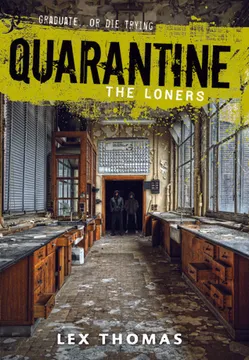


Plot Summary
The Party Goes Wrong
Nine months after his mother’s death, David Thorpe finds evidence that his girlfriend, Hilary, has been seeing Sam Howard, his former football teammate. At Sam’s party, Hilary blames David’s grief and withdrawal for their failing relationship, then ends it. David turns to drinking with Alan, another teammate, and promises to return to football.
But when he sees Sam humiliating a younger player, resentment overwhelms him. David headbutts Sam and kicks him while the partygoers watch. His former teammates drag him outside and shut him out. The next morning, David still intends to reclaim his place on the team, but he has likely destroyed the friendships that might have helped him rebuild his life.
The breakup lands on top of grief that David has mistaken for a private, almost self-sufficient condition. Hilary’s accusation that he has chosen misery is harsh, but it identifies how thoroughly mourning has narrowed his world. His promise to return to football briefly reconnects him with a former identity, yet the attack on Sam converts hurt into action before David can examine it. The scene establishes his central weakness and strength at once: he wants to protect what he loves, but under pressure he mistakes force for repair.
McKinley’s First Morning
David takes his younger brother, Will, to McKinley High on Will’s first day, despite fearing the fallout from the party. Will, newly confident after a wilderness leadership trip, needs his brother beside him, so David enters the crowded school instead of retreating. An explosion tears through the East Wing. Adults begin vomiting blood and die, while students discover their hair coming away in handfuls.
David fights through the panicked crowd to find Will, then tries to escape with him through the front entrance. Soldiers outside fire on students fleeing the building, and the brothers shelter behind a pillar. The military orders everyone back inside. Its command is the last contact the school has with the outside world for months.
The catastrophe arrives at the moment David is trying to resume ordinary responsibilities, especially his role as Will’s protector. That timing turns a personal fresh start into a public emergency without giving either brother time to prepare. The soldiers’ gunfire also unsettles the simple distinction between rescue and danger: the institution that might save the students is the first force they see shooting at them. Will’s need for David brings the brothers together, but the outbreak will soon test whether protection can become partnership rather than control.
The First Supply Drop
Two weeks after the explosion, David helps move the dead teachers into lockers because their bodies are rotting throughout the school. Adults are gone, communications have failed, and the surviving students have exhausted the cafeteria.
When a helicopter finally lowers food and supplies through a slit in the canopy, the starving crowd tears into the packages. David gathers provisions with Will, but his brother suddenly suffers an epileptic seizure. As David holds him, other students steal their supplies, leaving them with almost nothing.
Will wakes humiliated and terrified. His epilepsy medication has run out, and further seizures are likely. Meanwhile, seniors begin dying in the same bloody way as the adults, while hunger and theft turn communal sleeping areas into dangerous places.
The drop offers relief in a form that makes cooperation nearly impossible. Food arrives as a shared resource, but its sudden abundance triggers a scramble in which a medical emergency leaves David and Will defenseless. David’s protective instinct is real, yet the scene shows its cost: he cannot guard his brother and their supplies at once. The recurring deaths of seniors deepen the uncertainty because the students have no reliable explanation for who will die next. Survival begins to depend not only on endurance, but on whether people can build trust under conditions designed to reward suspicion.
The Virus Explained
After months without answers, soldiers enter McKinley to install a thumb scanner and deliver an explanation. Lieutenant Sanders says an illegal virus developed by Mason Montgomery Technologies infects pubescent teenagers, making them fatally toxic to adults and young children.
A test subject escaped during a military raid and reached the school, prompting the Army to destroy the East Wing in a failed attempt at containment. The infection has spread beyond Colorado, and the school remains sealed because the outside world is still in crisis.
As puberty ends, the virus leaves the body; a bloody nose signals the change, and a student must use the scanner to request release. David and Will hold onto that timetable and imagine life beyond the doors.
The explanation gives the students information without giving them meaningful control. The scanner offers a procedure, but its promise depends on a biological clock and a military system they cannot question or contact. The virus also turns adolescence into a literal boundary between safety and danger: the teenagers are protected from one another’s poison, yet their bodies make them lethal to the people they hope to return to. For David and Will, the account produces hope through a schedule, although that hope is founded on a world whose stability they cannot verify.
A School of Gangs
A year passes under the canopy. Regular helicopter drops have made each delivery a violent contest, and students divide into gangs marked by dyed hair, territory, and control of useful goods. Sam’s Varsity group takes food by force, while the Pretty Ones ally themselves with the athletes and other groups trade, scavenge, or hide.
David survives by washing clothes and trading the proceeds, protecting Will while insisting his brother should learn a trade. Will resents being treated as a dependent, especially because his epilepsy makes other groups wary of accepting him. When Sam kills senior Danny Liner with a broken pallet shard over food, the school’s rough order changes. Murder has joined robbery and hunger as an everyday threat.
The gangs make social identity both practical and coercive. Dyed hair tells students whom to avoid, but it also decides who can claim food, protection, and trade. David’s laundry work gives him a narrow kind of independence while preserving the family role he has assumed since their mother’s death. Will’s refusal to remain a dependent is a different survival strategy, not simply teenage defiance. Sam’s killing of Danny reveals how quickly violence can become authority when no institution remains to punish it.
Lucy Loses Protection
David finds a frightened girl alone at the graduation booth, where the scanner confirms she is not ready to leave. Brad Hammond, one of Sam’s Varsity friends, drives away the onlookers and then corners her, ignoring her efforts to escape. David abandons his pack of food and knocks Brad down. Brad hits his head on the metal booth and dies.
The girl is Lucy, whom Will knows from their wilderness trip. At the Thorpe brothers’ hidden elevator home, Lucy explains that Hilary expelled her from the Pretty Ones after Lucy refused to date a Varsity boy. Hilary had isolated her from food and friends, then declared her unprotected. David realizes that saving Lucy has made him a target.
David’s intervention is morally clear but materially costly: he risks his own food and shelter, then inherits the consequences of Brad’s death. The novel refuses to make the rescue clean. David acts against an assault, but his strength produces a fatal accident that the school can interpret as murder. Lucy’s account also reframes the Pretty Ones’ polished image as a system of coercion, where protection is exchanged for obedience. Her presence complicates the brothers’ refuge by bringing affection, danger, and competing loyalties into their tiny private space.
David Takes the Rope
Sam’s Varsity gang captures David and hangs him by an extension cord in the market, accusing him of murdering Brad. As the crowd watches, David insists Brad’s death was accidental and explains that he intervened to protect Lucy. Nobody steps forward. Will arrives with a bag of food stolen from Varsity’s gym and scatters it across the market.
The crowd surges after the provisions, knocking David’s captors down. Belinda Max and a handful of other Scraps carry David to safety. Belinda asks him to lead a gang for students without protection. David accepts. At the next supply drop, dozens of white-haired Scraps rally behind him, seize food together, and overwhelm Varsity. David stops the mob from killing Sam, then leads the new Loners away.
The rescue changes David’s position because it turns an isolated act of protection into a public claim on collective responsibility. Will disrupts Sam’s spectacle with the very resource Sam uses to control people, while Belinda offers David a role that his old team and gang leaders have denied him. David’s decision to spare Sam matters as much as the victory: he refuses to make revenge the foundation of the Loners, even though doing so leaves the original conflict alive. Leadership begins as a practical promise that nobody in his new group should have to fight alone.
A Pool Behind Walls
The Loners establish a guarded home in a stairwell and begin building routines, but Will and Lucy feel the years ahead pressing on them. One night they slip out despite David’s rule against leaving in small groups. Will leads Lucy across the school and balances on the foyer railing, alarming her before admitting how strongly he feels about her.
Later, he uses a hidden route through the walls and ventilation ducts to reach the Varsity pool. Lucy is delighted by the clean water and swims as if remembering her old life. Will presents her with a gold necklace he traded away much of his food to obtain. When he leans in to kiss her, Lucy turns aside. She cares for him, but not in the way he hopes.
The pool offers a brief restoration of bodily freedom in a building that has made every movement political. Will’s gift and risky route are sincere, but they also reveal how he tries to earn affection through dramatic proof rather than direct emotional honesty. Lucy’s refusal is painful precisely because she does not exploit him or pretend certainty. The necklace becomes a material record of Will’s hope, not a guarantee of reciprocity. Their scene anticipates the larger question facing the Loners: whether care can survive when one person’s needs are mistaken for another person’s obligation.
The Television Raid
Will steals a television and films from the Freaks, then races their angry gang back to the Loners’ stairwell. David objects that the theft will create another enemy, but the group cheers the rare prospect of shared entertainment, and he allows the television to stay. Will’s popularity rises, though his rivalry with David deepens.
Elsewhere, Sam returns to the market and intimidates the Freaks’ leader, Jackal, while making clear that David remains his personal target. David receives a note from Hilary and follows her into the Nerds’ trading post. She is disguised as a Scrap and frightened of Sam. David agrees to meet her privately, still drawn to the former girlfriend whose decisions helped shape his life at McKinley.
The television seems like a small luxury, but its theft exposes the Loners’ unfinished political identity. David calculates consequences, while Will seeks recognition and pleasure for people who have endured too much deprivation. His success earns approval from the group and resentment from his brother, strengthening a pattern in which Will tests David’s authority to prove he is more than someone to protect. Hilary’s reappearance works similarly: old intimacy competes with David’s newer commitments, and Sam’s public menace makes private choices dangerous.
Hilary Asks for Blood
Sam’s fear of losing control becomes public when he beats Alan to death with a baseball bat in the Varsity gym. David meets Hilary soon afterward, expecting to recover something of their former relationship. Instead, she tells him Sam is increasingly dangerous and asks David to kill him so she can help take control of Varsity. David refuses, recognizing that Hilary wants power as much as safety.
At the Geek show, David tries to relax among the school’s improvised performances and games. Lucy draws him away from his guards, and they share a kiss. Will sees them together and, stung by rejection and jealousy, abandons his guard post. Hilary leads Pretty Ones into David’s room and holds him down while she drives a sharpened comb into his eye.
The danger here grows from compromised intimacy rather than a sudden battlefield. Hilary approaches David with genuine fear, but her proposed solution repeats the coercive logic she has used to survive: remove the rival and take control. David’s refusal marks a moral boundary, though it cannot protect him from the violence that follows. His kiss with Lucy is a mutual choice, yet Will experiences it as another loss he cannot control. His absence from the post gives Hilary access, making private jealousy part of the chain that exposes David to attack.
Graduation Turns to Gunfire
David lies unconscious for nearly three weeks while Lucy cares for him. When he wakes, he learns Will has disappeared, partly because he left his post on the night of the attack. David returns to the foyer for Gonzalo’s graduation, wearing a white patch over his ruined eye.
The scanner fails to release Gonzalo, but armed soldiers arrive and begin processing graduates manually. Dickie Bellman, the former student president, protests when he is rejected as ineligible and runs toward the exit.
Soldiers shoot him, then fire into the crowd as students rush the doors. The military withdraws amid the riot, leaving McKinley without its routine food drops or reliable electricity. David’s brief return to public life ends with the school more desperate than before.
The scanner’s failure makes the students’ promised route to freedom feel less like a system than a fragile fiction. The soldiers’ use of force confirms that the outside world is not prepared to treat them as ordinary teenagers, while Dickie’s death collapses the hope he had sustained through imagined negotiations. David’s damaged eye is visible evidence of vulnerability, but he still appears because Gonzalo matters to him and because leadership requires presence. The massacre removes the school’s remaining external guarantees and makes escape a necessity rather than a distant ambition.
Will Finds the Dog
After the massacre, Will hides from the Loners and searches the ruined East Wing for Smudge, convinced that his friend helped Hilary reach David. In a flooded, collapsed science area, Will encounters a wounded German shepherd and follows its blood trail. He finds Smudge near a broken staircase, impaled on exposed rebar.
As Smudge dies, he admits Hilary’s group promised him food and claimed they only meant to raid the Loners’ supplies. He had helped them because he loved a Pretty One who had been forced to show interest in him. Will grieves, then keeps moving. The dog’s presence suggests there may be a route into or out of the ruins, giving the trapped students one last possible path beyond McKinley.
Will’s search is fueled by guilt as much as anger. He wants to punish Smudge for the attack, but the dying boy’s explanation reveals the same economy of coerced intimacy that has shaped Lucy’s experience. Will does not absolve him, yet he recognizes how loneliness made Smudge vulnerable to manipulation. The dog interrupts the revenge narrative with a practical mystery. Unlike the gangs, it offers no bargain and asks for no allegiance. Its trail gives Will a direction when grief has left him with no way to repair what happened to David.
The Last Escape Attempt
When David develops a bloody nose, he realizes the virus is leaving his body and that his immunity will soon end. Will returns and reveals the dog may have found a route through the ruins. The Loners set out with David, Lucy, and their allies, but Skaters ambush them in the darkened commons. They capture David in their rolling cage, then Nelson steals the cage back during the fighting.
Dorothy dies beneath a fallen ladder, leaving an unfinished mural of David and the Loners. At the next entrance, Zachary, leader of the Geeks, offers cooperation, then takes David hostage. David overpowers him, secures the Geeks’ retreat, and holds a funeral for Dorothy. The group presses on, though its leader is now weakening by the hour.
The nosebleed transforms the timetable from an abstraction into a threat inside David’s body. His leadership has always depended on appearing capable, but the journey now forces the group to see his vulnerability while depending on him. Dorothy’s death and mural place that dependence in concrete form: she has imagined a collective future just as the group loses one of its members. Zachary’s betrayal demonstrates how hunger can turn even theatrical friendship into leverage. David still chooses burial and restraint, preserving a community ethic as the route ahead grows more violent.
The Library Betrayal
David’s worsening hallucinations make the fight through Freak territory disastrous. He mistakes enemies for visions, then continues attacking after the Freaks have been driven from the cafeteria, injuring Loners and Sluts.
Will takes charge and leads the survivors toward the library, where Violent has an arrangement with the Nerds. The Nerds appear to welcome them, but then topple bookshelves and attack. They drag David away on a book cart and shut the others out. Will cannot catch them.
Lucy and Violent are left on the library’s trapped front approach, where falling bricks, a spiked bucket, a burning Slut, and collapsing lockers kill members of their party. They survive the passage, but David is now in enemy hands and Lucy has no clear way back to him.
David’s hallucinations literalize the danger of leadership under biological pressure: the group’s trust cannot make his perceptions reliable. His inability to stop fighting after the threat has passed makes the cost collective, and Will must act without waiting for his brother’s authority. The library’s betrayal then strips away the last assumption that agreements between gangs can guarantee safety. Lucy and Violent’s deadly corridor forces them to survive without protection or certainty. In both storylines, loyalty is tested less by declarations than by who continues moving when a trusted plan fails.
Will Challenges Sam
The Nerds deliver David to Sam, who binds him to a football tackling sled and uses Varsity players to batter him. Will discovers the captive’s location through a bargain with P-Nut, leader of the Skaters, and challenges Sam over the school PA system. Sam leaves David to confront Will in the quad.
During the fight, Will appears to suffer a seizure, then kicks Sam between the legs and announces that Varsity’s gym is unguarded. The starving gangs rush the food stores, overwhelming Varsity. Sam retreats with them, and the Loners reach David. Will cradles his battered brother in the darkness after the generator fails. His reckless plan works, but David is near the end of his immunity, and the school remains shut.
Will’s plan turns the vulnerability that has made others dismiss him into a tactical advantage. His history of epilepsy allows him to counterfeit a seizure convincingly, and his knowledge of hunger lets him redirect the school’s violence toward Varsity’s hoarded food. The victory does not restore the old hierarchy; it breaks the food monopoly long enough for the Loners to rescue David. Will’s action is at once strategic and intensely personal, an effort to save the brother he resents. The power failure immediately after the raid keeps triumph from becoming security.
Lucy Crosses the Ruins
Separated from the group, Lucy and an injured Violent cross the trapped library approach and enter the East Wing ruins. A white-haired boy steals Lucy’s gold necklace, then begs for it back, claiming it belonged to his mother. Violent recognizes him as the infected teenager who escaped the military labs and ran into McKinley, bringing the virus into the school.
Lucy stops Violent from beating him further and returns the necklace. They reach room 1206, where Will and the Loners have gathered around David. David is already separated from them by the toxic danger of their bodies. Following the dog’s bloody pawprints, he crawls into a rubble passage alone. The ceiling collapses behind him, cutting off Lucy, Will, and the others.
The encounter with the escaped boy gives the catastrophe a human source without reducing it to a simple villain story. He fled captivity and tried to preserve the only object connecting him to his mother, yet his survival helped expose hundreds of teenagers to a lethal crisis. Lucy’s decision to return the necklace acknowledges his loss without excusing the consequences of his escape. David’s departure reverses the familiar rescue pattern: to protect the people he loves, he must leave them behind. The collapse makes that separation physical, turning care into distance rather than closeness.
David Reaches the Night
Alone in the wreckage, David follows the dog’s pawprints while his failing immunity fills the passage with hallucinations: dead dogs, Sam, and distorted versions of his own body. His phone dies, forcing him to feel his way through unstable gaps in the rubble. At last, he reaches the gray canopy covering the remains of the East Wing and finds a torn opening near the roof.
David climbs out beneath the night sky, breathes cold air, and touches a tree before running toward the perimeter fence. He has escaped McKinley, but the school’s fate remains unresolved. Lucy, Will, and the Loners are still inside, and David cannot return without endangering them with the virus he carries.
The escape is both physical achievement and emotional defeat. David reaches the natural world he and Will once imagined, but he cannot share it with the people who made that hope meaningful. His hallucinations make the passage a struggle to distinguish danger from memory, while touch becomes his last dependable instrument after the phone fails. The tree and fresh air are not a full restoration; they are sensations he can claim only briefly. Leaving the school alive therefore does not resolve his obligations. It changes them into a painful separation imposed by the same virus that began the story.
The Doors Open Again
Two weeks after David escapes, Sam moves through the unlit school, starving and considering a plan to burn the other students alive. He finds Will and Lucy trying the dead graduation scanner and prepares to attack them. Before he can strike, the steel doors open. A white-haired teenage boy enters with a group of armed teenagers, carrying food and asking whether the students are safe.
The soldiers are gone. Will and Lucy can only stare at the unexpected rescue party, while Sam hides his knife and asks whether the newcomers have more weapons. The story ends before the school’s survivors learn who the rescuers are or what condition the outside world is in. David remains beyond the fence, separated from his brother and Lucy.
The ending grants the trapped students a new opening but refuses to make rescue equivalent to safety. The armed teenagers arrive with food, a striking contrast to the military force that once sealed the doors, yet their presence raises questions about what kind of society has formed outside. Sam’s immediate interest in weapons shows how thoroughly he interprets every encounter through power and scarcity. Will and Lucy receive a chance to leave, but David’s absence prevents the reunion that would make the moment emotionally complete. Hope returns as possibility, not assurance.
Analysis
The novel turns adolescence from a social transition into a biological emergency. The students are old enough to make their own rules, but their infection makes those rules necessary for survival and makes reunion with adults potentially lethal. The graduation scanner gives that contradiction a ritual form: freedom is imagined as a scheduled threshold, even though the students cannot control the machinery or the outside conditions that determine whether it opens.
McKinley’s gangs are not simply substitutes for school cliques. They are institutions formed around the distribution of food, shelter, protection, and status. Varsity’s control of supplies lets Sam convert physical dominance into political authority, while the Loners challenge that authority by making mutual defense available to students who were previously left outside every bargain. Their community remains imperfect. David’s instinct to provide can become paternal control, and Will’s insistence on independence can become dangerous risk-taking. Their conflict asks whether love means keeping someone safe or allowing them to act.
The book’s most consequential violence often grows from intimacy. David’s defense of Lucy ends in Brad’s accidental death; Will’s jealousy contributes to his absence when David is attacked; Hilary’s search for security makes her both victim of coercion and participant in it. These entanglements prevent the story from sorting characters neatly into good and evil. Survival pressures people to repeat the very forms of domination they fear.
The ending offers escape without reunion or certainty. David reaches open air, but his infection makes closeness with Lucy and Will dangerous. The armed teenagers entering McKinley promise that the outside world has changed, not that it has improved. Freedom therefore arrives as a problem of distance and trust. The novel’s deepest question is not only how the students survive confinement, but what kind of community they can carry with them when the walls finally open.
Review Summary
People Also Read

Characters
David Thorpe
Grieving team captainDavid is a former high-school quarterback whose mother’s death has left him withdrawn from his friends and unsure how to resume his life. He is protective of his younger brother, Will, and often expresses care through practical labor, from securing food to washing clothes. His instincts are generous, but his temper can turn protection into force before he has considered the cost. David is also shaped by a longing to belong to a team, first through football and later through the relationships he builds in the school. His tension between responsibility and control makes him a compelling leader: he wants to keep others safe, yet must learn that their needs and choices cannot be managed by him alone.
Will Thorpe
Restless younger brotherWill is David’s younger brother, an epileptic teenager who returns from a wilderness expedition with new confidence and a taste for risk. He relies on David for food and protection, but resents being treated as fragile or incapable. Will uses humor, dares, theft, and bold improvisation to push against the limits of school life. His attraction to Lucy complicates his relationship with David, while his admiration for his brother persists beneath their arguments. Will’s central struggle is to make his own decisions without confusing recklessness with independence. His epilepsy is a real vulnerability, but it does not define the whole of his character or his ability to act decisively.
Lucy
Independent displaced girlLucy is a newcomer to Pale Ridge who enters McKinley as a member of the Pretty Ones, a gang that promises security while demanding obedience. She is warm and attentive, but not merely passive or delicate: she makes difficult choices, improvises with what she has, and values the ability to think for herself. Lucy shares a meaningful history with Will from their wilderness trip, and she develops a close bond with David after he intervenes when she is vulnerable. Her romantic feelings are complicated by gratitude, attraction, and concern for the brothers’ relationship. Lucy’s desire for kindness does not erase her capacity to judge cruelty or act against it.
Sam Howard
Fear-driven gang bossSam is a powerful former quarterback who rises into a dominant position among McKinley’s athletes. He is competitive, physically imposing, and skilled at turning food and fear into leverage. His need to appear untouchable masks a deep sensitivity to humiliation and betrayal; challenges to his authority can provoke disproportionate violence. Sam’s relationship with David begins in the ordinary world of football and becomes tangled with rivalry, jealousy, and the collapse of familiar rules. He is not simply a bully without motives: he understands that people are frightened and hungry, then uses that knowledge to secure obedience. His leadership reveals how easily charisma and cruelty can reinforce each other when accountability disappears.
Hilary
Powerful former girlfriendHilary is David’s former girlfriend, a socially confident girl whose beauty and poise help her occupy a powerful place at McKinley. Before the quarantine, she supports David through his grief, but she also becomes frustrated by his retreat from their shared life. Inside the school, she navigates a hierarchy in which the Pretty Ones depend on Varsity for protection. Her choices reveal the conflict between survival and complicity: she can be frightened by Sam while still helping preserve the system that benefits her. Hilary is motivated by a need for security and influence, and her relationship with David is charged with the history of affection, resentment, and different ideas about what loyalty requires.
Belinda Max
Scrap organizerBelinda is a former outsider who recognizes that isolated students need collective protection. She approaches David with the idea of forming a gang for Scraps and helps bring overlooked students together. Her directness can harden into suspicion, particularly toward newcomers she thinks are not contributing. Belinda wants fairness and safety, but she is also learning how to build a community without reproducing the exclusions that made her vulnerable.
Smudge
Lonely scavengerSmudge is a frail boy and Will’s longtime friend who survives by scavenging and keeping others at arm’s length with insults. His sarcasm is a defense against being ignored, and he knows the school’s hidden spaces better than most students. He wants connection but distrusts the possibility that anyone will offer it without a price. His friendship with Will exposes both the comfort and the danger of relying on someone who is equally desperate.
Gonzalo
Solitary giantGonzalo is a towering, self-reliant student who has survived McKinley without joining a gang. His size discourages others from challenging him, but he is not naturally interested in leadership or status. He values independence and practical action, and his dry humor softens an intimidating presence. His relationship with Sasha shows a quieter, more affectionate side than his solitary reputation suggests.
Ritchie
Scarred fighterRitchie is a small, scarred student who prefers action to elaborate reassurance. He becomes one of the Loners’ most dependable fighters and takes pride in defending the group. His bluntness and competitive streak can make him difficult, especially when he thinks someone is weakening the gang. Beneath the bravado, Ritchie understands that loyalty requires accepting help and responsibility from others.
Violent
Slut gang founderViolent, formerly known as Violet Kelly, leads the Sluts, a gang that trades widely and offers a place to girls willing to fight for themselves. She is aggressive, alert to threats, and protective of her group, though her methods can be harsh. Her reputation is shaped by an assault she suffered before the gangs formed, which helps explain her insistence on strength and retaliation. Violent’s guardedness makes trust difficult, but she recognizes that alliances can matter more than pride.
Zachary
Theatrical Geek leaderZachary leads the Geeks with extravagant clothes, theatrical gestures, and a talent for making school life feel briefly festive. He is attentive to performance and understands that entertainment can give students relief from fear. Beneath the showmanship, he is also responsible for a group whose members need food and security. His choices reveal the pressure placed on leaders to balance personal ethics against the immediate survival of their followers.
Dorothy
Exiled artistDorothy is an art student whose attempt to provoke reflection through nude photographs gets her expelled from the Geeks. She is awkward and often uncertain in conversation, but she keeps making art and offering small handmade gifts. Dorothy looks for a way to make vulnerability visible in a school where students hide behind gang identities. Her creative impulse gives the Loners a means of imagining themselves as a community.
Mort
Scrap scoutMort is a limping Scrap who knows concealed routes through McKinley and helps David find the group seeking a leader. He is energetic, resourceful, and eager to make himself useful despite his injuries. Mort’s excitement contrasts with the danger of his surroundings, and his practical knowledge helps reveal how the school’s forgotten spaces can become shelter.
Nelson Bryant
Gentle oddballNelson is a mostly deaf student who uses an improvised funnel to hear when his hearing aids no longer work. He is kind, eccentric, and frequently underestimated. His awkwardness does not prevent him from taking risks for his friends, and his willingness to help becomes important when the Loners need someone others might overlook.
Leonard Jong
Quiet door guardLeonard is a soft-spoken student who often loses confidence midway through a sentence. He is shy and easily intimidated, yet he repeatedly takes on responsibilities that require him to face other people. His work guarding the Loners’ home gives him a practical role and a chance to grow beyond the fear that once defined his behavior.
Julie Tanaka
Scarred Slut recruitJulie is a former classmate of Lucy whose family has known Lucy’s family for years. Her injured nose and blunt manner make her difficult to mistake, while her role among the Sluts reflects a practical search for protection and belonging.
Dickie Bellman
Hopeful student presidentDickie is McKinley’s former student body president, still wearing the stained clothes from the day of the outbreak. He tries to maintain hope by organizing petitions and insisting that he has influence with the military. His confidence lets him imagine a route back to ordinary civic life.
P-Nut
Skater gang leaderP-Nut leads the Skaters and cultivates an easygoing, flirtatious persona. He values pleasure and status, but he is also a practical negotiator who understands what information and favors are worth inside McKinley.
Lieutenant Bernard Sanders
Military messengerSanders is the military officer assigned to explain the quarantine and oversee the installation of the graduation scanner. He appears exhausted by the scale of the emergency, but he gives the students the clearest account they receive of the virus and their possible release.
Chazz
Wilderness instructorChazz is the wilderness instructor who leads Will and Lucy’s outdoor expedition. He emphasizes preparation and caution, qualities that contrast with Will’s appetite for daring risks.
Plot Devices
The Teen Virus
Makes adolescence lethalThe engineered infection thrives in pubescent teenagers and makes them toxic to adults and young children. As it leaves a teenager’s body, that person loses protection from the same toxic effects. Bloody noses, headaches, confusion, and coughing mark the transition, giving the students a biological clock that determines when they can attempt release. The virus creates the school’s central dilemma: remaining together protects teenagers from the outside world, but eventually their bodies make them dangerous to one another and to the families they hope to see again.
The Gray Canopy
Seals the school from sunlightA translucent cover encloses McKinley and blocks the students from reaching the outside. A helicopter periodically opens a slit in it to lower food, water, medicine, and other supplies, then the opening closes again. The canopy makes the drops the school’s principal source of necessities, turning each delivery into a predictable struggle over survival. Its presence also gives the students glimpses of the sky without access to the world beneath it.
Gang Colors
Make belonging visibleStudents dye their hair in gang colors and claim distinct territories, trading posts, and resources. Color helps a student identify danger during a crowded drop, but it also makes affiliation impossible to hide. The gangs provide protection and cooperation while creating new boundaries, hierarchies, and exclusions. The white-haired Scraps begin without a group identity or shared power, so organizing them into the Loners challenges a system built around visible allegiance.
The Graduation Scanner
Measures the path outsideA thumb scanner tests whether the virus has left a student’s body and, when the process works, gives that student a route to release. Students treat it as a promise of eventual freedom, and graduates scratch their names into the entrance doors. Because access depends on a machine and the military’s procedures, the scanner also concentrates hope in a system the students cannot repair or reliably question.
The Ruined East Wing
Hides a possible exitThe East Wing was destroyed in the military’s attempt to contain the original outbreak. Its collapsed rooms, flooded passages, dead teachers, and unstable rubble make it dangerous to cross. At the same time, its neglected spaces conceal routes and evidence that the students do not find elsewhere. The ruins force characters to move through the physical remains of the disaster while searching for a way beyond the school.
Download PDF
Download EPUB
.epub digital book format is ideal for reading ebooks on phones, tablets, and e-readers.








