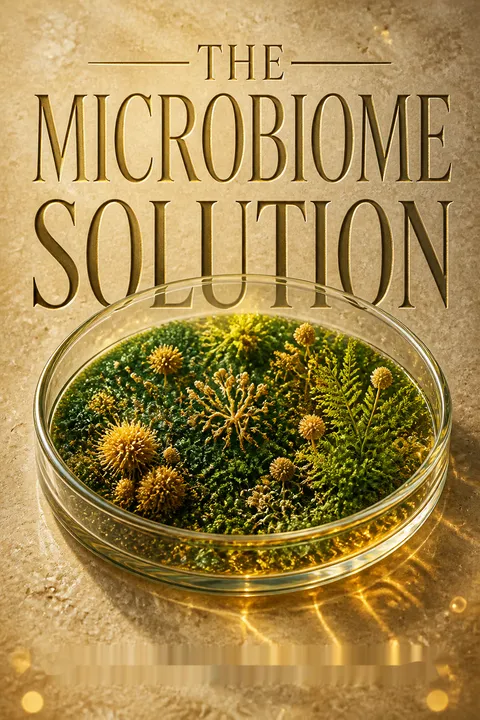


Key Takeaways
Treat your microbiome as a working organ, not a pile of germs.
A microscopic workforce. The microbiome is the community of bacteria, viruses, fungi, protozoa, worms, and their genes living in and on the body. Gut microbes help digest food, produce vitamins and short-chain fatty acids, maintain the intestinal lining, and train immune defenses. Chutkan asks readers to see them as participants in a shared ecosystem: the body provides food and shelter, while microbes perform tasks humans cannot manage alone.
A personal reversal. The author traces her change of mind to her daughter’s repeated antibiotic exposure early in life and the health problems that followed. She had been trained to eliminate germs, not to preserve beneficial microbial communities. The story explains the book’s urgency, but it is an individual clinical history, not proof that antibiotics caused every later symptom.
The ecosystem metaphor is useful because it shifts the question from whether a microbe is good or bad to what it does in a particular setting. That is a systems-level view: a community’s health can depend on relationships among its members, not simply on the presence of one favored species. The metaphor also has limits. Resident microbes can cause harm in some contexts, and diversity by itself is not a guarantee of health. The strongest version of Chutkan’s argument is therefore not that microbes should never be removed, but that interventions should consider the whole community they disturb.
Give developing immunity safe microbial variety, without mistaking dirt for medicine.
Early encounters matter. The hygiene hypothesis proposes that reduced exposure to certain microbes in childhood may impair immune regulation. Chutkan recounts David Strachan’s study following 17,000 British children, in which hay fever and eczema were less common among children from larger families, who were more likely to encounter infections early. The Old Friends hypothesis extends the idea to organisms that lived alongside humans over evolutionary time.
A narrow window. Birth, household contacts, pets, food, and breast milk all help shape early microbial communities. The book links cesarean birth and formula feeding with different microbial patterns and higher rates of some later conditions. These observations support attention to early development, not deliberate exposure to dangerous infections or refusal of necessary medical care.
This argument makes immune development easier to picture: the immune system needs practice distinguishing harmless signals from genuine threats. But the evidence does not mean cleanliness is inherently harmful. Clean water, sanitation, vaccination, and infection control prevent serious disease, while the effects of microbial exposure vary by organism, timing, and person. The useful distinction is between avoiding needless sterilization in ordinary life and maintaining protections against pathogens. In other words, a child playing outdoors is not equivalent to a child being exposed to untreated sewage or an uncontrolled infection.
Reserve antibiotics for genuine need, while never withholding lifesaving treatment.
A blunt tool. Antibiotics can save lives, but broad-spectrum drugs also kill beneficial bacteria. Chutkan cites an estimate that a five-day course of some antibiotics can suppress as much as one-third of gut bacteria. She also reports that nearly half of antibiotic use may be inappropriate and that the average American child receives about 17 courses by age eighteen, often for illnesses that do not need them.
A vicious cycle. In one patient story, repeated antibiotics for sinus infections coincided with fewer bacterial strains in the sinuses and continued infections. The book also describes C. difficile, which can flourish after antibiotics disrupt gut communities. Its practical advice is to ask whether an infection is confirmed, whether treatment is essential, and whether a narrower-spectrum drug or shorter course is appropriate.
Antibiotic stewardship is the clearest public-health implication of the book’s microbial perspective. A drug can solve an immediate problem while creating selection pressure for resistant organisms and collateral disruption in microbial communities. That does not make antibiotics suspect by default: serious bacterial infections require prompt, evidence-based treatment, and patients should not stop prescribed medication on their own. The better question is whether the expected benefit outweighs the harm in this specific case. Careful diagnosis, appropriate cultures when indicated, and shared decisions can reduce both undertreatment and reflexive prescribing.
When symptoms span body systems, look for shared causes without self-diagnosing.
One imbalance, many signals. Chutkan defines dysbiosis as a disruption of a microbial community in which helpful organisms decline and less helpful ones gain ground. She connects it with symptoms that may seem unrelated, including bloating, bowel changes, recurrent yeast infections, skin problems, fatigue, food sensitivities, and brain fog. Antibiotics, acid-suppressing drugs, steroids, some hormones, low-fiber diets, alcohol, stress, and infections appear among the possible contributors.
History matters. The author describes patients whose routine scopes and blood tests did not explain their symptoms, but whose histories included substantial antibiotic use or other potential disruptors. She presents dysbiosis mainly as a clinical judgment, not a diagnosis established by one definitive test. The book also estimates that it affects up to 30 million Americans, while acknowledging that it is not the sole cause of these conditions.
A shared-cause model can be valuable when it prompts clinicians to take diffuse symptoms seriously and review a person’s full medication and illness history. It can also become too elastic: if one theory explains everything, it may stop helping distinguish among very different diseases. Bloating, fatigue, rashes, and mood changes have many possible explanations, some of which need timely conventional evaluation. The responsible use of this framework is as a question to investigate, not a conclusion to adopt from symptoms alone. The book’s own emphasis on history-taking is more defensible than treating a broad symptom list as proof of microbial imbalance.
Feed gut microbes with varied plants, legumes, and fiber-rich starches.
Give microbes their fuel. The Live Dirty, Eat Clean approach centers meals on vegetables, fruit, nuts, seeds, and legumes, with limited animal foods and fewer refined sugars and processed carbohydrates. It also favors fermented foods such as sauerkraut and kimchi. Resistant starch, found in foods such as lentils, beans, and green bananas, reaches the colon largely undigested, where microbes ferment it into short-chain fatty acids that support intestinal cells.
A clinical signal, not a verdict. In a small practice study of 12 people with inflammatory bowel disease, all reported symptom improvement after dietary changes, 8 reduced or stopped medication, and 6 of 8 who had follow-up colonoscopies showed healing. The study had no control group, so it cannot establish that diet caused the results. The author’s practical heuristic is to build meals around plants and increase vegetables across the day.
The dietary model is strongest when understood as feeding an ecosystem, not as a universal cure or a contest between named diets. Fiber supplies substrates for microbial fermentation, while a varied plant intake offers different kinds of food to different organisms. The small patient study is encouraging, particularly because it tracked both symptoms and some endoscopic outcomes, but its size and lack of a comparison group limit what can be concluded. Fiber also does not suit every gut in every circumstance. Significant dietary changes, especially for inflammatory bowel disease, should be coordinated with a clinician rather than used as a reason to discontinue treatment.
Rewild ordinary routines gently, instead of sterilizing every surface and sensation.
More contact with nature. Chutkan argues that indoor living, antibacterial products, harsh personal-care chemicals, and overly aggressive cleaning may reduce everyday contact with microbes. Her suggestions include gardening, opening windows, spending time outdoors, exercising, and sharing homes with pets when practical. She reports a study in which professional rugby players had more diverse gut bacteria than less active men, though the athletes also ate more fruit and vegetables, so exercise cannot be isolated as the cause.
Keep sensible hygiene. The book urges readers to use fewer antibacterial products and avoid stripping skin with frequent harsh cleansing. Its larger point is not that dirt itself heals illness, but that the body has microbial communities worth considering. Ordinary handwashing and infection precautions remain important, especially around illness or in health-care settings.
This is a useful corrective to the idea that every microbe is an enemy and every chemical product is an upgrade. It also reframes exercise and time outdoors as part of a broader pattern of contact with the living environment. Yet the evidence cited for specific lifestyle changes is often observational, and hygiene has clear benefits when infection risk is high. A sound approach is context-sensitive: reduce unnecessary antibacterial use and make room for outdoor activity, while keeping basic sanitation and targeted infection control. Rewilding should mean less needless disruption, not less protection when protection matters.
Ask what a treatment may disrupt, not only which symptom it targets.
Make the trade-off visible. Chutkan encourages patients to ask whether an antibiotic treats a confirmed infection or is being given preventively, what may happen without it, and whether a narrower or shorter course is possible. The same general scrutiny applies to other medicines she discusses, including acid suppressants and anti-inflammatory drugs, which may affect the gut environment or lining.
Choose care in context. The author’s approach to illness includes rest, hydration, and nourishing food for many minor viral illnesses, while recognizing that serious disease may require stronger medication. Her own practice began with dietary and lifestyle changes for some patients, adding medication when needed. These are decisions to make with a qualified clinician. The book is not a safe basis for abruptly stopping medication, delaying urgent care, or substituting supplements for necessary treatment.
The central skill here is informed questioning, not suspicion of medicine. Shared decision-making helps patients and clinicians compare likely benefits, risks, and alternatives in language that matters to the person receiving care. The framework is especially valuable when a treatment is proposed as a precaution, since preventive action can feel harmless even when it has costs. Still, risk comparisons depend on the condition: delaying treatment can be far more dangerous than microbial side effects. A good conversation identifies warning signs, a follow-up plan, and the threshold for changing course, rather than treating restraint as an end in itself.
Use probiotics selectively, and reserve stool transfer for specialist-guided care.
Replacement has limits. Probiotics are live microorganisms intended to provide a health benefit; prebiotics are ingredients that feed beneficial microbes, and fermented foods can supply both. Chutkan notes that probiotic products differ by strain, dose, and evidence, and that many microbes taken in capsules may pass through rather than establish themselves. She recommends choosing products for a specific purpose and treating them as aids, not substitutes for a fiber-rich diet or medical care.
A powerful medical tool. Fecal microbiota transplant, or FMT, transfers microbes from a screened donor to a recipient. The book reports response rates above 90 percent for recurrent, treatment-resistant C. difficile infection and describes early investigation for other conditions. FMT can also transmit harmful organisms, and its long-term effects remain uncertain. The author advises against it for a basically healthy person with mild symptoms and no clear indication.
The distinction between supplying microbes and supporting the conditions they need to thrive is important: a supplement cannot compensate for every dietary or ecological problem. The book is also right to separate a well-studied use of FMT from more speculative applications. Transplanting an entire microbial community is not a simple probiotic dose; it raises questions about donor screening, transmission, and long-term effects. These interventions belong under medical oversight, and evidence for one diagnosis should not be treated as evidence for another. The most durable message is to match a microbial intervention to a defined condition and a credible evidence base.
Analysis
The book’s central move is a change of scale. Instead of viewing the body as an individual machine attacked by germs, Chutkan describes it as a host ecosystem whose health depends partly on microbial relationships. This makes otherwise disconnected topics, including antibiotics, diet, birth practices, skin care, and exercise, fit into one story: modern efforts to control risk can also disrupt systems that support resilience.
That synthesis is memorable and often useful. The strongest practical implications are modest but consequential: do not use antibiotics casually, eat more fiber-rich plant foods, and ask clinicians to explain the benefits and costs of interventions. The clinical stories give those ideas emotional force, especially the author’s account of her daughter’s early treatment and the patients caught in cycles of recurrent infections and medication.
The same unifying power creates the book’s main weakness. Associations between microbial patterns and conditions do not establish that dysbiosis caused them, and broad symptoms can invite over-attribution. A small dietary study or an animal microbiota transfer can motivate research, but neither proves that a given diet or supplement treats a complex human disease. The book also sometimes treats a diverse microbiome as a universal good, though microbial effects depend on species, location, timing, and host. Read as a call for microbial stewardship, the book is more persuasive than as a sweeping account of disease origins. Its best lesson is not to reject modern medicine or romanticize dirt. It is to ask what an intervention changes beyond its immediate target, and to distinguish unnecessary disruption from care that prevents serious harm. The resulting outlook is neither germ-free nor anti-medical. It is ecological, cautious, and most useful when paired with evidence-based clinical judgment.
Review Summary
The Microbiome Solution receives mostly positive reviews for its informative content on gut health and microbiome. Readers appreciate Dr. Chutkan's easy-to-understand explanations and practical advice on improving gut bacteria through diet and lifestyle changes. Some find the book repetitive and lacking scientific references, while others praise its comprehensive approach. The "live dirty, eat clean" philosophy resonates with many, though some find certain recommendations extreme. Overall, readers find value in the book's insights into the connection between gut health and various health issues.
People Also Read






Glossary
Microbiome
Body-wide microbial communityThe microbiome is the collection of microorganisms living in or on the body, together with their genes. In Chutkan’s account, it includes bacteria, viruses, fungi, protozoa, and worms. The gut community receives particular attention because its members help digest food, support the intestinal lining, interact with immune defenses, and produce substances the body uses.
Dysbiosis
Disrupted microbial balanceDysbiosis is an alteration in a microbial community that reduces helpful organisms or allows potentially harmful organisms to become more prominent. Chutkan uses the term for imbalances in the gut and elsewhere on the body, linking them to a range of symptoms and conditions. She describes it primarily as a clinical judgment based on history and symptoms, not a diagnosis made by one definitive test.
Hygiene hypothesis
Early exposure may train immunityThe hygiene hypothesis proposes that reduced exposure to microbes during childhood may affect immune development and increase the likelihood of allergic or autoimmune problems. Chutkan traces the idea to David Strachan’s observation that hay fever and eczema were less common in children from larger families. The hypothesis concerns patterns of exposure and immune regulation, not a claim that sanitation or infection control should be abandoned.
Old Friends hypothesis
Longstanding microbes shape toleranceThe Old Friends hypothesis, associated in the book with Graham Rook, argues that organisms that co-evolved with humans helped shape immune regulation. It broadens the hygiene hypothesis beyond ordinary childhood infections to include ancient microbial partners, such as parasites. Chutkan presents the loss of contact with these organisms as one possible contributor to modern inflammatory and allergic conditions.
Prebiotics
Food for beneficial microbesPrebiotics are ingredients that resist digestion and promote the growth or activity of beneficial microorganisms in the intestines. Chutkan highlights plant fibers in foods such as oats, bananas, onions, garlic, leeks, asparagus, and artichokes. They differ from probiotics, which are live microorganisms. Prebiotic foods support resident microbes rather than introducing a new microbial culture.
Resistant starch
Starch fermented in the colonResistant starch is a carbohydrate that passes through the small intestine largely undigested and reaches the colon, where gut bacteria ferment it. Chutkan emphasizes foods such as lentils, white beans, green bananas, and oats as sources. Fermentation produces short-chain fatty acids, which the book describes as fuel for intestinal cells and as compounds with potential benefits for gut health.
Synbiotics
Microbes paired with their foodSynbiotics combine live beneficial microorganisms with ingredients that feed them. Chutkan uses fermented foods such as sauerkraut, kimchi, pickles, and kefir as examples because they can provide live microbes along with food that supports microbial growth. The concept joins two distinct strategies: introducing microorganisms and supplying fermentable material that can nourish microbes in the gut.
Veleo
Plant-centered flexible eatingVeleo is Chutkan’s name for a vegetable-centered way of eating that combines elements associated with Paleo and vegan diets. It emphasizes vegetables, fruit, nuts, seeds, legumes, and other fiber-rich foods, while allowing limited animal products or none at all. The central purpose in the book is to provide plentiful plant fiber for gut microbes while reducing refined sugars and heavily processed foods.
Fecal microbiota transplant (FMT)
Transfer of donor gut microbesFMT transfers processed stool from a screened donor into a recipient’s digestive tract, with the aim of changing the recipient’s microbial community. Chutkan discusses it most strongly as a treatment for recurrent C. difficile infection that has not responded to standard therapy. Because stool may carry infectious organisms or other unwanted traits, donor screening and medical supervision are central to its safe use.
Live Dirty, Eat Clean Plan
Microbiome-focused lifestyle programThe Live Dirty, Eat Clean Plan is Chutkan’s program for supporting microbial health through food, daily habits, thoughtful medical decisions, and selective use of probiotics or other treatments. Its dietary emphasis is on varied plant foods and fiber, while its lifestyle advice discourages needless use of antibacterial products. It is a framework for discussing health choices, not a replacement for individualized medical care.
FAQ
What's The Microbiome Solution about?
- Focus on Gut Health: The Microbiome Solution by Robynne Chutkan emphasizes the critical role of gut bacteria in maintaining overall health. It explores how modern lifestyles disrupt these microbial communities, leading to various health issues.
- Rewilding Approach: The book introduces "rewilding," which involves restoring our microbiome through dietary and lifestyle changes, such as eating natural foods and reducing antibiotic use.
- Practical Guidance: Chutkan offers actionable advice on improving gut health, including dietary recommendations and lifestyle adjustments, empowering readers to take control of their health.
Why should I read The Microbiome Solution?
- Understanding Modern Health Issues: The book connects modern lifestyle factors to the rise of chronic diseases, offering insights into the link between gut health and conditions like obesity and autoimmune disorders.
- Empowering Solutions: Chutkan provides practical steps to enhance gut health, making it a valuable resource for those seeking to improve their well-being through informed choices.
- Holistic Perspective: The book encourages a holistic view of health, emphasizing the interconnectedness of diet, lifestyle, and microbiome health for sustainable health practices.
What are the key takeaways of The Microbiome Solution?
- Microbiome Importance: The book highlights the microbiome's crucial role in digestion, immunity, and mental health, stressing the need for a healthy microbiome for overall well-being.
- Impact of Modern Practices: Chutkan discusses how antibiotics, processed foods, and sanitized lifestyles harm gut bacteria, leading to dysbiosis and related health problems.
- Live Dirty, Eat Clean: The core philosophy is to "live dirty" by embracing natural environments and foods while "eating clean" with nutrient-rich, whole foods to restore and maintain a healthy microbiome.
What is dysbiosis, and how does it affect health according to The Microbiome Solution?
- Definition of Dysbiosis: Dysbiosis is an imbalance in the body's microbial community, particularly in the gut, often caused by antibiotics, poor diet, and stress.
- Health Implications: It is linked to various health issues, including digestive disorders, autoimmune diseases, and mental health problems, with symptoms like bloating and fatigue.
- Restoration Strategies: The book outlines strategies to restore a healthy microbiome, such as dietary changes and probiotics, crucial for improving overall health.
How does the "Live Dirty, Eat Clean" plan work in The Microbiome Solution?
- Remove Harmful Factors: The plan begins by eliminating medications, foods, and practices that harm the microbiome, such as antibiotics and processed foods.
- Replace with Probiotics: Emphasizes repopulating the gut with beneficial bacteria through high-quality probiotics to restore balance and diversity.
- Restore Gut Health: Focuses on dietary recommendations with nutrient-rich, whole foods to nourish gut bacteria, improving digestion, immunity, and overall health.
What dietary changes are recommended in The Microbiome Solution?
- Emphasize Plant-Based Foods: Advocates for a diet rich in fruits, vegetables, legumes, and whole grains, providing essential nutrients and fiber for gut health.
- Limit Processed Foods: Advises reducing or eliminating processed foods, refined sugars, and unhealthy fats, which can disrupt the microbiome.
- Incorporate Fermented Foods: Encourages including fermented foods like yogurt and kimchi, which contain beneficial probiotics to repopulate the gut.
What role do antibiotics play in gut health according to The Microbiome Solution?
- Disruption of Microbiome: Antibiotics can significantly disrupt gut bacteria balance, leading to dysbiosis by killing both harmful and beneficial bacteria.
- Increased Risk of Disease: Excessive antibiotic use is linked to higher risks of obesity, autoimmune diseases, and allergies, highlighting the need for cautious prescribing.
- Alternatives to Antibiotics: Suggests exploring alternative treatments and preventive measures, including dietary changes and natural remedies, to support gut health.
What is the Hygiene Hypothesis discussed in The Microbiome Solution?
- Concept Overview: The Hygiene Hypothesis suggests that reduced microbial exposure in early life increases the risk of autoimmune diseases and allergies.
- Microbial Exposure Benefits: Early exposure to diverse microbes helps train the immune system to distinguish between harmful and harmless organisms, preventing overreactions.
- Rewilding Approach: Advocates for embracing natural environments and reducing excessive cleanliness to restore beneficial microbial exposure.
What are some practical tips for implementing the "Live Dirty, Eat Clean" lifestyle from The Microbiome Solution?
- Start with Small Changes: Gradually incorporate more whole foods and reduce processed foods in your diet for significant improvements over time.
- Focus on Local and Organic: Choose locally grown, organic produce for higher nutrient content and beneficial microbes, supporting health and local farmers.
- Reduce Use of Antibacterial Products: Limit antibacterial soaps and sanitizers to protect beneficial microbes, embracing a more natural cleanliness approach.
What are the best quotes from The Microbiome Solution and what do they mean?
- "Eat a peck of dirt before you die.": Emphasizes the importance of microbial exposure for health, suggesting that natural exposure to microbes can be beneficial.
- "Disease begins in your microbiome.": Highlights the central theme that many modern diseases trace back to gut bacteria imbalances, underscoring the need to focus on gut health.
- "Live dirty, eat clean.": Encapsulates the book's philosophy of embracing natural environments while choosing nutrient-rich foods for a balanced health approach.
How does The Microbiome Solution address the use of antibiotics?
- Caution Against Overuse: Warns about the dangers of unnecessary antibiotic use, which can significantly disrupt the microbiome.
- Mitigating Damage: Provides strategies to minimize antibiotics' negative impact, such as taking probiotics and consuming prebiotic foods during and after treatment.
- Critical Questions for Doctors: Offers questions to ask healthcare providers when prescribed antibiotics, empowering patients to make informed health decisions.
How can I improve my gut health based on The Microbiome Solution?
- Follow the 1-2-3 Rule: Implementing the 1-2-3 Rule ensures adequate vegetable intake, crucial for gut health, by simplifying fiber incorporation into your diet.
- Incorporate Fermented Foods: Adding fermented foods like kimchi and yogurt introduces beneficial bacteria to your gut, essential for maintaining a healthy microbiome.
- Limit Processed Foods: Reducing processed foods and sugars helps restore gut bacteria balance, focusing on whole, nutrient-dense foods for overall health.
Download PDF
Download EPUB
.epub digital book format is ideal for reading ebooks on phones, tablets, and e-readers.








