Plot Summary
Waking in a New Body
Cora Glass wakes in a strange, antique boxcar, expecting pain but finding her chronic illness miraculously gone. The comfort is alien, and the unfamiliar surroundings—part of the mysterious Harrow Faire—only deepen her confusion. She quickly realizes her body is healed, her bruises and injuries vanished, and even her fatigue is lifted. But this new health is not a blessing; it's a sign she's been transformed. The eerie perfection of her body and the surreal, living quality of the Faire hint at a supernatural force at work. Cora's disbelief wars with the evidence of her senses, and she clings to hope that she can escape, refusing to accept her new reality or the possibility that she's become something other than human.
The Family's Dark Welcome
Two women, Amanda and Donna, burst into Cora's boxcar, bringing food and a strange, forced cheerfulness. They explain the rules of the Faire: there are twenty-two "Family" members, each filling a supernatural role, and Cora is now the Contortionist, a slot empty for decades. The women reveal that the Faire is alive, feeding on the essence—"seity"—of visitors, and that Cora's transformation was forced by Simon, the Puppeteer, who is now bound to her. The Family is both welcoming and resigned, sharing their own stories of being trapped. Cora's resistance is met with a mix of sympathy and fatalism, and she's told that escape is impossible, her old life erased. The warmth of the Family is tinged with the horror of their shared captivity.
Simon's Strings and Shadows
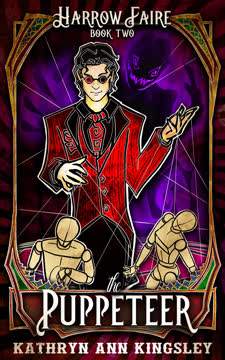
Simon, the Puppeteer, is both tormentor and reluctant protector. He demonstrates his supernatural control, freezing Cora with invisible strings and taunting her with the futility of escape. His relationship with Cora is fraught: he's dangerous, unpredictable, and yet drawn to her because a piece of his seity now lives within her. Simon's shadow, a living, mischievous entity, mirrors his fractured psyche. The connection between them is both a curse and a bond—he cannot harm her without harming himself. Simon's cruelty is matched by moments of vulnerability, and his obsession with Cora is as much about reclaiming his lost self as it is about dominance. Their dynamic is a dance of fear, attraction, and mutual dependence.
Escape is Impossible
Desperate to return home, Cora tries every means of escape: physical barriers, appeals to her friends (who no longer recognize her), and even death. Each attempt is met with supernatural resistance or indifference. The invisible wall around the Faire is impenetrable to her, though objects pass through. Her friends, erased from her life, react with fear and confusion. Simon's demonstration—shooting her in the heart—proves that death is no release; she revives, unharmed, her immortality now a prison. The realization that her existence has been rewritten, and that she is truly alone, brings her to the brink of despair. The Faire's rules are absolute, and hope seems a cruel joke.
The Bargain of Seity
The Family explains the mechanics of their existence: each member is sustained by seity, fragments of soul taken from visitors. Sponsorship—giving a piece of oneself to create a new Family member—is a sacrifice that diminishes the giver. Simon's reluctance to sponsor Cora is rooted in self-preservation, but the bond is now unbreakable. The older members, like Ludwig, are fading, having given too much. The Family's immortality is a slow erosion, and the only way to survive is to feed on others. Cora's transformation is both a theft and a gift, and the ethics of their existence are murky. The price of belonging is the loss of self, and the only alternative is oblivion.
Death, Rebirth, and Acceptance
Simon, frustrated by Cora's denial, shoots her to force her to accept reality. She dies, only to awaken whole, her body restored. The experience is traumatic, but it breaks her resistance. She lashes out at Simon, physically and verbally, but the truth is undeniable: she is now one of them. The Family's immortality is not a blessing but a sentence, and Cora's old life is irretrievable. The only path forward is to adapt, to find meaning in her new role, and to navigate the dangerous, seductive world of the Faire. Her relationship with Simon shifts from terror to a wary, complicated alliance.
The Unraveling of Cora
As Cora interacts with the Family, she learns their histories and the depth of their loss. Each member has been severed from their past, their loved ones' memories wiped clean. The Faire's magic is total, erasing all traces of their former lives. Cora's attempts to assert her individuality are met with indifference or gentle correction. The Family's camaraderie is genuine, but it is built on shared trauma and resignation. Cora's sense of self erodes, replaced by the role she has been forced to fill. The only constants are her pain, her anger, and the strange, growing connection to Simon.
The Shadow's Longing
In dreams, Cora encounters Simon's shadow, a childlike, needy version of the man, desperate for affection and touch. The shadow confesses its loneliness and pain, explaining that it is the part of Simon that still feels, still hopes. Their interactions are both tender and unsettling, blurring the line between dream and reality. The shadow's longing mirrors Cora's own need for connection, and their shared vulnerability creates a strange intimacy. The shadow's presence in her dreams is both a comfort and a warning: Simon is not whole, and his brokenness is dangerous.
The Price of Freedom
Cora, desperate for escape, appeals to Mr. Harrow, the enigmatic master of the Faire. He responds with a chilling bargain: he will release her, but only if she is willing to sacrifice the entire Family. The price of her freedom is the annihilation of everyone she has come to know, including Simon. The offer forces Cora to confront her own morality and the value of her life versus others'. The choice is agonizing, and the knowledge that she has the power to destroy or save the Family weighs heavily on her. The true nature of the Faire's cage is revealed: it is not just physical, but ethical and existential.
The Faire's Inescapable Cage
Cora's attempts to escape—through the gate, through the forest, through death—are all futile. The Inversion, a supernatural pocket reality, traps the Faire and its inhabitants in a timeless, color-inverted world. The forest outside is a surreal, endless loop, always leading back to the gate. The sky is a void, the world outside erased. The Family is resigned to this cycle, finding meaning in performance and each other. Cora's hope is crushed, and she is forced to accept that there is no way out. The only freedom is in choosing how to live within the cage.
The Contortionist's Gift
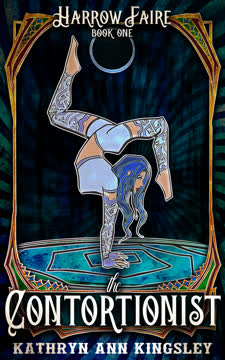
Under Simon's guidance, Cora explores the extent of her transformation. Her body is now capable of impossible feats of flexibility and strength, painlessly contorting into shapes she could never have imagined. The process is both exhilarating and humiliating, as Simon's training is laced with innuendo and dominance. Yet, there is a genuine artistry to her new role, and a sense of purpose begins to emerge. The Contortionist is not just a victim, but a performer, a creator of wonder. Cora's acceptance of her abilities is a step toward embracing her place in the Family, even as she resists Simon's control.
Family, Monsters, and Belonging
The Family is a collection of outcasts, each with their own darkness and pain. Some, like Amanda and Jack, offer friendship and support; others, like Simon, are dangerous and unpredictable. The bonds between them are forged in suffering, but they are real. Cora is both repelled and drawn in, finding moments of joy and laughter amid the horror. The Family's rituals—meals, performances, stories—create a sense of belonging that is both comforting and suffocating. The question of what makes a monster is ever-present: is it the act of feeding on others, or the refusal to care? Cora's journey is one of finding humanity in the monstrous, and monstrosity in the human.
The Inversion Descends
At midnight, the Inversion falls: the Faire and its inhabitants are transported to a color-inverted, timeless realm. The outside world is gone, replaced by an endless, alien forest. The Family is trapped, their only solace in each other and their routines. Cora's last hope of escape is extinguished, and she is forced to confront the reality of her new existence. The Inversion is both a metaphor and a reality: the world is turned upside down, and nothing is as it seems. The only way forward is to adapt, to find meaning in the performance, and to accept the Family as her own.
The Choice and the Betrayal
Simon discovers Cora's secret bargain with Mr. Harrow and reacts with rage and heartbreak. He binds her, preparing to turn her into a doll, but is unable to go through with it. The confrontation forces both to confront their feelings: Simon's pain at betrayal, Cora's guilt and fear. The Family's leader, Ringmaster, intervenes, decreeing that Cora must be kept under watch until the danger has passed. The episode cements the bond between Cora and Simon, forged in conflict and vulnerability. The choice to spare the Family is both a sacrifice and a surrender, and the consequences are irrevocable.
The Heart of the Puppeteer
Left alone together, Simon and Cora share their deepest wounds. Simon reveals the pain of his past, his lost love, and the cost of feeling. Cora confesses her own trauma, the scars left by betrayal and violence. Their mutual honesty creates a fragile trust, and the dynamic between captor and captive shifts. Simon's cruelty is revealed as a shield, his dominance a mask for loneliness. Cora's compassion is both her strength and her weakness, and she finds herself drawn to Simon despite everything. Their relationship becomes a lifeline in the darkness of the Inversion.
The Impossible Forest
In the Inversion, Cora tries to flee through the endless, color-inverted forest, only to find herself always returned to the gate. The world outside is gone, and the rules of reality no longer apply. Simon waits for her, both amused and sympathetic, and offers comfort as she breaks down. The futility of escape is total, and Cora is forced to confront the truth: there is no way out. The only choice is how to live within the cage, and who to trust. The forest is a symbol of her own mind: a labyrinth with no exit, only the possibility of making peace with its confines.
Letting Go of Cora Glass
Exhausted and defeated, Cora returns to her boxcar, guided by Simon's gentle care. The Family gathers, offering support and acceptance. Cora realizes that her old life is truly gone, and that the only way to survive is to let go of Cora Glass and become the Contortionist. The cage of the Faire is inescapable, but it is also a home, a place of belonging and meaning. The final lesson is not about freedom, but about choosing one's cage, and finding happiness within it. Cora's journey is one of transformation, not just of body, but of soul.
Characters
Cora Glass
Cora is a young woman marked by chronic pain and a sense of alienation, whose life is upended when she is forcibly inducted into the supernatural Family of Harrow Faire. Her journey is one of resistance, trauma, and reluctant acceptance. Cora's psychological arc is defined by her struggle to maintain her identity in the face of erasure—her old life, friends, and even her pain are stripped away. She is both victim and survivor, her stubbornness and wit clashing with the reality of her captivity. Her relationship with Simon is fraught: he is both tormentor and the only one who truly understands her. Cora's development is a slow surrender to her new role, finding meaning and even joy in the Family, but never losing the scars of what was taken from her.
Simon Waite, the Puppeteer
Simon is the most dangerous member of the Family, a man whose power to control others with invisible strings is matched only by his emotional volatility. He is both villain and tragic figure, his cruelty a mask for profound loss and longing. Simon's psyche is split: his shadow is a living entity, embodying the part of him that still feels and hopes. His obsession with Cora is rooted in the piece of his soul she now carries, but it evolves into something more complex—a desperate need for connection and redemption. Simon's development is a dance between dominance and vulnerability, his love for Cora both a salvation and a threat to his carefully constructed defenses.
Amanda, the Aerialist
Amanda is one of the first Family members to welcome Cora, offering comfort and guidance. Her athleticism and beauty are matched by a deep empathy, shaped by her own experience of being trapped. Amanda's relationship with Donna and the rest of the Family is maternal, and she becomes a model for how to find happiness within the cage. Her optimism is genuine, but not naïve—she knows the cost of survival, and her kindness is a choice, not a default. Amanda's presence is a reminder that even in captivity, community and love are possible.
Donna, the Flyer
Donna is Amanda's partner and a survivor, her small stature belying her strength. She is blunt and honest, unafraid to confront harsh truths. Donna's own induction into the Family was traumatic, and she serves as a guide for Cora, warning her of the dangers and offering solidarity. Her relationship with Rick, the Catcher, is a source of stability, and her loyalty to the Family is unwavering. Donna's development is subtle, showing how resilience and vulnerability can coexist.
Jack, the Rigger
Jack is the Family's builder and fixer, a man who lost his mother to the Faire and chose to stay rather than abandon her. He is kind and protective, offering Cora friendship and a sense of safety. Jack's own trauma is hidden beneath a calm exterior, and his rivalry with Simon is rooted in a desire to shield others from harm. Jack's development is a lesson in quiet strength, showing that heroism is not always loud or violent.
Aaron, the Barker
Aaron is the Faire's showman, always ready with a joke or a come-on. His bravado masks a fear of irrelevance and a need for validation. Aaron's promiscuity is both a coping mechanism and a genuine expression of his love for life. His relationship with the rest of the Family is complicated—he is both beloved and exasperating. Aaron's development is a reminder that humor and sexuality can be shields as well as gifts.
Ludwig, the Strongman
Ludwig is one of the oldest Family members, his strength legendary but his essence nearly spent. He has sponsored many new members, giving away pieces of himself until little remains. Ludwig's decline is a warning to the others, a living example of the cost of immortality. His kindness and gentleness are undiminished, and his presence is both comforting and tragic. Ludwig's development is a meditation on aging, loss, and the meaning of legacy.
Bertha, the Bearded Lady
Bertha is a pillar of the Family, her unconventional appearance matched by a deep well of compassion. She is a collector of lost souls, offering refuge to those who cannot become full Family members. Bertha's wisdom is hard-won, and her acceptance of her fate is both inspiring and heartbreaking. She serves as a moral center, reminding the others of the importance of kindness and community.
Clown
Clown is a silent presence, communicating through gestures and expressions. His painted face is both mask and truth, hiding a deep sensitivity. Clown's ability to comfort Cora and others is a testament to the power of nonverbal connection. He is both comic relief and a symbol of the Family's resilience. Clown's development is a study in the ways that joy and sorrow can coexist.
Mr. Harrow
Mr. Harrow is the unseen master of the Faire, his will enforced through cryptic notes and impossible bargains. He is both jailer and judge, offering freedom at a price no one can pay. Mr. Harrow's motivations are inscrutable, his power absolute. He is a symbol of fate, the embodiment of the cage that holds the Family. His development is minimal, but his presence looms over every choice and every moment of hope or despair.
Plot Devices
The Living Circus
The Harrow Faire is not just a setting but a character, alive and hungry, feeding on the seity of visitors and sustaining its Family. Its rules are absolute: escape is impossible, and the price of immortality is the gradual erosion of self. The Faire's magic is both wondrous and horrific, creating a world where death is meaningless and time is fluid. The Inversion, a color-reversed, timeless realm, serves as both prison and sanctuary. The Faire's sentience is expressed through Mr. Harrow, whose bargains are always double-edged.
Seity and Sponsorship
The concept of seity—fragments of soul or essence—drives the plot and the characters' relationships. Sponsorship is both a gift and a theft, binding the giver and recipient in a dangerous intimacy. The loss of seity is a slow death, and the only way to survive is to feed on others. This device explores themes of sacrifice, identity, and the ethics of survival. The bond between Simon and Cora, forged through forced sponsorship, is both a source of power and vulnerability.
The Shadow
Simon's shadow is a living entity, embodying the part of him that still feels, hopes, and suffers. It appears in dreams and in the waking world, blurring the line between reality and imagination. The shadow's interactions with Cora reveal the depth of Simon's brokenness and the possibility of healing. It serves as both a warning and a promise: the cost of feeling is pain, but the cost of numbness is emptiness.
The Impossible Forest and Inversion
The Inversion is a supernatural pocket world, a color-inverted, timeless realm that traps the Family between cycles of performance. The forest outside the Faire is an endless loop, always leading back to the gate. This device symbolizes the futility of escape and the necessity of adaptation. The Inversion is both a metaphor for psychological imprisonment and a literal, physical barrier.
The Bargain
Mr. Harrow's offer to Cora—a chance at freedom if she is willing to destroy the Family—forces her to confront the ethics of survival. The bargain is a classic Faustian device, exploring the price of desire and the limits of self-sacrifice. It is also a test: the true cage is not physical, but moral and existential.
Narrative Structure and Foreshadowing
The novel's structure mirrors the inescapable loops of the Faire and the Inversion. Events repeat with variations, and the characters' attempts to escape or change their fate always lead back to the beginning. Foreshadowing is used extensively: dreams, shadows, and the warnings of other Family members all hint at the inevitability of Cora's transformation. The narrative is both linear and recursive, reflecting the psychological journey from denial to acceptance.
Analysis
Kathryn Ann Kingsley's The Puppeteer is a dark, psychological fantasy that interrogates the nature of captivity, identity, and the price of survival. The Harrow Faire is both a literal and metaphorical cage, its supernatural rules reflecting the inescapable structures of society, trauma, and self. Cora's journey from resistance to acceptance is not a triumph, but a surrender to the reality that freedom is an illusion; the only choice is how to live within the cage. The novel's exploration of seity, sponsorship, and the ethics of feeding on others is a meditation on the costs of community and the boundaries of selfhood. Simon's fractured psyche and the living shadow are powerful symbols of the ways we compartmentalize pain and desire, and the dangers of refusing to feel. The Inversion, with its endless, impossible forest and color-reversed world, is a masterful metaphor for psychological imprisonment and the futility of escape. Ultimately, The Puppeteer suggests that happiness is not found in breaking free, but in choosing one's cage and making it a home. The lesson is both comforting and chilling: we are all captives, but we can choose the terms of our captivity.
Last updated:
Review Summary
The Puppeteer receives polarizing reviews, averaging 4.17 stars. Readers praise Simon's complex, villainous character and his chemistry with Cora, enjoying the dark circus setting and slow-burn romance. Many appreciate the unique world-building and found family dynamics. However, critics express discomfort with Simon's abusive, manipulative behavior and lack of consent, finding the relationship disturbing rather than romantic. Some note repetitive pacing, excessive internal monologues, and Cora's prolonged resistance to her situation. The story depicts Cora adjusting to immortal circus life while battling attraction to her captor, whose fractured psyche manifests as a sentient shadow.