


Plot Summary
Moonshine and a Dying Faire
After Clown’s death leaves Cora unconscious, Simon overcomes his pride and asks Aaron, the Barker, for moonshine to wake her. In her dream, Clown speaks with the memories of Harrow Faire and explains that the ancient carnival is alive, though not human, and that Cora now carries a connection to it.
He tells her that without the Faire, she would have died alone, while Simon would have murdered his fiancée and children. Those futures are gone, but Cora cannot dismiss the people they reveal she might have become. The Faire admits it is dying and says it needs Cora to save it. When she wakes, Simon holds her close, alarmed by the new power inside her and by the possibility of losing her.
Love Split in Two
Cora grows closer to Simon’s shadow, the tender portion of his fractured psyche, who confesses his love and asks her to marry him in a dream. When the Faire summons Cora away, the shadow fears that Simon will sacrifice her to protect himself.
Their argument spills into Simon’s own nightmare, where he insists that he wants Cora only for pleasure and would never love her. Cora arrives in time to hear him. She wakes heartbroken, and Simon, still trapped in the nightmare’s panic, mistakes her for a threat and grabs her throat before recognizing her.
She flees to the Inverted forest. The Faire explains that it showed her the scene to force Simon to confront his feelings. When Simon finds her, he admits he cannot tell whether his cruelty is the truth or a defense.
Mr. Harrow’s Empty Door
Cora returns to the Faire’s dining tent, where Ringmaster Turk presses her for an explanation of Clown’s death. Wanting to reach Mr. Harrow without Turk following, she asks Simon to create a distraction. Simon answers with a massacre, cutting down the Family with his strings, though they will heal. Cora runs to boxcar twenty-one, the supposed home of Mr. Harrow, and knocks.
The door opens onto a void instead of a person. As she reaches toward it, the darkness grabs her and pulls her through. Simon, left among the bodies, discovers that he can no longer sense Cora. He blames Mr. Harrow, pounds on the boxcar door, and is dragged away by Turk’s whip before he can get an answer.
Lazarus and the Stolen Key
Cora lands in a rough encampment beside the lake, where the clown explains that it is 1761 and the Faire has taken her into its past. He gives her his former name, Lazarus Harrow, and recounts how a woman keeper passed the Faire’s burden to him centuries earlier. Lazarus later offered the role to Turk, then known as Murad Atan, but Turk accepted only the Key to the Heart, which controls the carnival’s central power.
He refused the living link that would make him its keeper, leaving the Faire vulnerable. Turk now starves it by keeping the Family trapped and restricting its feeding. Lazarus explains that the tower contains the Heart and tells Cora the truth he has withheld: to save the Faire, she must kill Turk and take the Key.
Blood on the Family Table
While Cora is trapped in the past, Turk binds Simon to a post and whips him for slaughtering the Family. Cora returns in time to stop Turk from cutting into Simon’s back and insists the punishment has gone far enough. She lies about where she has been, claiming she walked in the woods, then helps Simon back to his boxcar and cleans his wounds.
Once he is asleep, she reveals to him that Mr. Harrow is not a man at all. The Faire itself occupies boxcar twenty-one. Simon takes the revelation hard: he has been trying to reach a nonexistent person while the carnival’s intelligence has been speaking directly to Cora. She also understands that Turk is not merely suspicious of her. He is committed to ending the Faire.
Rudy’s Menagerie, Turk’s Demand
The Faire’s demand splits Cora from Simon: he urges her to kill Turk and preserve their lives, while she fears that saving the carnival means continuing its theft of human seity. Rudy, the Zookeeper, shows her his strange animal family and explains that Harrow Faire can create joy and belonging as well as consume people.
He offers to stand with her but warns that delay could doom everyone. Turk privately tells Cora that he wants the Faire dead because its feeding makes their existence monstrous. He promises not to harm her, yet makes clear he will fight rather than surrender the Key. Cora likes both Turk and Amanda, and still refuses to promise either side her allegiance.
A Photograph with Ghosts
Cora begins making a life beyond Simon’s boxcar. She visits Bertha, Jack, and Aaron, hears how each was drawn to the Faire after loss or exclusion, and learns that even Jack’s childhood memories of his mother were taken from everyone else.
Jim repairs Cora’s camera, and at a Family gathering she uses it to photograph the performers together. The image includes Clown and Ludwig, two dead members who should no longer be there, making the photograph feel like the family Cora wishes she could keep intact.
Later, Cora tells Jack about the futures the Faire showed her and admits she fears becoming a murderer. In a dream, the Faire reveals that its chosen people have all been capable of killing, including Cora, and warns that it has only about a week left.
One Week Under Open Sky
The Inversion ends sooner than expected, bringing blue sky, birds, and the public back to Harrow Faire. Cora knows the carnival’s return is also a deadline: Lazarus has warned that it may not survive another retreat. Turk invites her to his boxcar and explains that he wants the Family to die peacefully rather than fight over the Faire.
He gives her a final chance to join him, but threatens to use the tower if she refuses. Simon is furious when Cora reports this, though he holds back from attacking Turk. Cora agrees to perform that evening, partly because Simon insists she belongs onstage and partly because she wants to feel alive before deciding what kind of person she can become.
The Contortionist Takes the Stage
Before Cora’s performance, Simon destroys his wooden and porcelain puppets in a fit of anger, then mocks her fear that she may become a monster like him. Cora answers by meeting his violence with desire, and their intimacy leaves her steadier before she walks into the spotlight.
Her contortion act fills the tent and draws applause. Afterward, a young girl named Jane asks for her autograph. Cora recognizes Jane’s family and her old friends, including Trent, now happily married, and Emily, who is walking with Duncan, Cora’s abusive former partner.
Their faces bring home how much time has passed and how thoroughly Cora has vanished from their lives. She sees Emily flinch beside Duncan and follows the group, unable to accept that her friend is safe.
Cora Claims the Last Choice
Cora and Simon follow Emily and Duncan through the fair until Duncan drags Emily behind the attractions and tries to assault her. Simon restrains him with strings while Cora helps Emily dress and urges her to seek help from Trent. Then Cora turns on Duncan.
She remembers how he raped and manipulated her, places her hand over his heart, and directs Harrow Faire to feed through her. As the Faire drains his seity, Duncan loses the memories and identity that made him a person, though his body remains alive.
Cora understands that she has become capable of killing to protect someone else. Simon watches in awe, then quietly admits to himself that he loves her. Cora tells him they will kill Turk, leaving the promised war unresolved as the book ends.
Analysis
The book makes its central ethical problem deliberately resistant to a clean answer. Harrow Faire survives by taking seity from human beings, but it also gives its Family shelter, purpose, and bonds they could not find elsewhere. Turk’s plan treats the carnival’s destruction as moral restraint; Cora’s growing attachment makes that restraint look less like justice and more like a sacrifice imposed on people who have finally found a home. Neither position is free of self-interest. The opening meditation on rebels who replace one system with another anticipates Turk’s authority and Simon’s hunger for control, while the final discussion of the soul’s individuality gives the conflict its most unsettling measure: the body may remain, but the person can be lost. Cora’s transformation is not a simple passage from innocence to violence. She begins with the belief that refusing to act might keep her hands clean. The Faire’s predictions, her conversations with Jack and Rudy, and her reunion with Emily dismantle that comfort. When she drains Duncan, she chooses violence to prevent further harm, but the act does not prove that violence is righteous in every circumstance. It proves that she can no longer treat inaction as neutral. Her decision to kill Turk remains ahead, so the story closes not with moral certainty but with a chosen responsibility.
The romance sharpens that ambiguity. Simon’s cruelty is neither cured by love nor excused by it, and Cora does not mistake his gentler shadow for a safe replacement. Yet Simon’s eventual admission of love reveals that intimacy can alter someone who insists he is beyond change. The ending leaves the next conflict unresolved: Cora has gained power, accepted a frightening part of herself, and chosen to fight for the Family, but she has not yet established whether saving Harrow Faire is an act of care or another form of captivity.
Review Summary
The Ringmaster receives mixed reviews averaging 4.16 stars. Many praise the character development, particularly Cora's transformation and her complex relationship with Simon. Readers enjoy the ethical dilemmas and unique world-building of the man-eating murder circus. However, several critics note pacing issues, with Cora's indecisiveness dragging the narrative. Some feel the series could have been condensed from five to three or four books. The Ringmaster character himself receives limited development despite the title. Fans appreciate the villain romance tropes and dark themes, while detractors find repetitive internal monologues frustrating.
People Also Read
Characters
Cora Glass
Reluctant centerCora is a former photojournalist whose illness and grief had narrowed her life before Harrow Faire took her in. She is observant, skeptical, and more compassionate than she thinks herself to be, but she resists being assigned a destiny by either the Faire or its people. Her attraction to Simon unsettles her moral self-image because she sees his cruelty clearly and loves him anyway. Cora’s central struggle is not simply whether she can act violently. It is whether she can choose what that violence serves, rather than letting other people decide for her.
Simon Waite
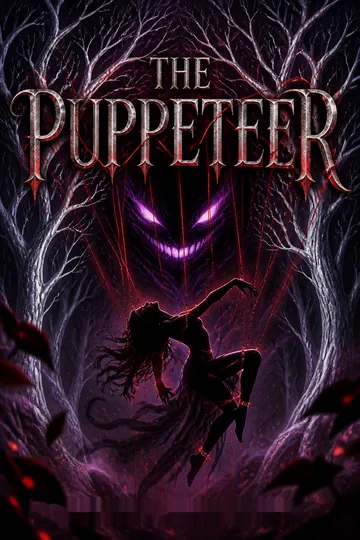
The beautiful predatorSimon is the Puppeteer, a gifted artist whose strings can control and dismember others. He is witty, possessive, and openly dangerous, treating affection as a vulnerability he would rather mock than confess. His fractured psyche leaves a gentler shadow separate from his waking self, but Simon is not simply the shadow’s opposite: both carry parts of the same history and desire. Cora draws him into companionship without making him safe or morally redeemed. He wants to keep her close, and his inability to distinguish love from possession shapes nearly every choice he makes around her.
Turk
The weary RingmasterTurk leads Harrow Faire and bears the exhaustion of a man who has spent too long protecting a family whose existence troubles his conscience. He is devoted to Amanda and takes his responsibility for the Family seriously, but his certainty that the Faire should end can make his compassion frighteningly conditional. He sees himself as a guardian willing to accept terrible costs for the greater good. His conflict with Cora is therefore not a simple contest between kindness and cruelty: both believe they are protecting lives, but they disagree about which lives count.
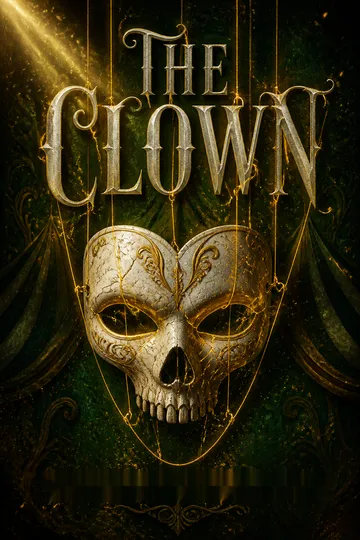
Clown
Carnival’s old storytellerClown is an elderly, painted performer with a gift for stories and an unusual closeness to Harrow Faire. He is warm, playful, and difficult to pin down, often using humor to soften revelations that would otherwise terrify Cora. His affection for the Family does not make him honest or harmless; he withholds information when he thinks the truth might change someone’s decision. He gives Cora both a connection to the carnival and a burden she never asked to carry.
Lazarus Harrow
The Faire’s old keeperLazarus is the name attached to Clown’s earlier life and the history of Harrow Faire’s human keepers. He speaks through memories and visions, explaining the carnival’s past with the patience of someone who has seen centuries pass. His longing for a family gives warmth to his immense power, while his tendency to manipulate Cora shows that affection and coercion can coexist.
Simon’s shadow
Tender divided selfThe shadow is the emotional, vulnerable portion Simon separated from himself. It worries openly, seeks Cora’s comfort, and struggles to protect her despite having little power in the waking world. Its tenderness makes Simon’s inner fracture visible, but it is still part of the same complicated person, not an uncomplicated moral alternative.
Amanda
The Ringmaster’s belovedAmanda is Turk’s partner and confidante. She understands his fear of losing the Family and supports his desire to protect them, though she is less willing than he is to abandon hope. Her affection is direct and steady, giving Turk a private tenderness that contrasts with the hard decisions he makes as Ringmaster.
Rudy
The animal keeperRudy, the Zookeeper, is a guarded shapeshifter who tends strange creatures made from broken souls. He speaks little, distrusts easy sentiment, and understands survival through the language of predators and prey. His care for the animals reveals a gentler discipline beneath his intimidating form. He respects Cora’s courage and offers help without pretending that her choice will be painless.
Jack
The loyal RiggerJack is a warm, protective member of the Family who tries to make Cora feel welcome. His history with his mother gives him a quiet grief and a lasting need to be believed. He values loyalty and practical kindness, yet he also wonders whether a life without purpose is worth continuing. His conversations with Cora give her a view of the cost of belonging to the Faire.
Aaron
The irreverent BarkerAaron is the Barker, a shameless storyteller and maker of moonshine. He jokes through danger and helps Simon wake Cora despite disliking him. His humor makes the Family’s strange customs feel lived-in rather than merely monstrous, and his history suggests that he chose the Faire as an escape from a life already coming apart.
Bertha
The Bearded LadyBertha is a blunt, generous member of the Family who offers Cora books, company, and a place among her friends. She has survived rejection by choosing a life where she can be herself. Her humor does not erase her vulnerability; it is one of the ways she makes room for other people.
Emily
Cora’s old friendEmily is one of Cora’s friends from her former life, a quiet woman who wants to be loved and accepted. Her history with Cora gives their reunion emotional weight, even before Cora understands what has happened in her absence. Emily’s gentleness should not be mistaken for weakness.
Duncan
A familiar face from homeDuncan belongs to Cora’s mortal past and reappears among the people she once knew. He presents himself as ordinary and familiar, which makes Cora’s unease around him difficult to explain to those who do not share her memories. His presence forces her to confront how much of her old life continued without her.
Trent
Cora’s steadfast friendTrent is Cora’s close friend from before the Faire. He is loyal, affectionate, and important to her sense of home. His life continues beyond Cora’s reach, and seeing him again reminds her that love can persist even when its familiar shape has changed.
Elena
The devoted SeamstressElena is a shy but capable Seamstress and Louis’s partner. She makes Cora’s performance costume and takes genuine pleasure in helping her prepare for the stage.
Louis
The thoughtful MagicianLouis is the Magician, a practical, sociable performer devoted to Elena. He enjoys debating craft and politics, and he helps make the Family’s everyday life feel companionable.
Jim
The inventive MechanicJim is Harrow Faire’s Mechanic, skilled at repairing machines and other devices. He restores Cora’s damaged camera, giving her a way to preserve a moment of Family life.
Jane
The autograph seekerJane is a young visitor to the reopened Faire who asks Cora for an autograph. Her enthusiasm gives Cora an unexpected glimpse of how the outside world has moved on.
Plot Devices
The Inversion
Carnival’s borrowed refugeHarrow Faire periodically retreats from the ordinary world into a strange realm without a real sky. The Family lives inside this Inversion while the carnival recovers, but the retreat also confines them and signals that the Faire is weakening. Its return restores crowds, sunlight, and performance, while making the danger of the next disappearance immediate.
Seity
The self that can be takenSeity is the part of a person that carries identity and individuality. Harrow Faire feeds on it to survive, and its loss can leave a living body without the person who once inhabited it. The concept turns the carnival’s hunger into a concrete moral problem: feeding may not kill the body, but it can erase the self.
The Key and the Heart
Power divided from dutyThe Key unlocks the Heart, the place where Harrow Faire’s power is centered. Turk possesses the Key but refuses the human bond that would make him its keeper. That division leaves the carnival’s authority and survival out of alignment, and it explains why Cora’s link alone cannot settle the conflict.
Sponsorship
A bond with a costWhen a Family member Sponsors a newcomer, the Faire changes that person and binds the two through a portion of seity. The bond can create loyalty, attraction, and shared sensation, but it does not guarantee trust or goodness. Cora’s connection to Simon makes their intimacy more powerful while leaving her uncertain about how much is choice and how much is the Faire’s design.
Harrow Faire Series
About the Author
Other books by Kathryn Ann Kingsley


Download PDF
Download EPUB
.epub digital book format is ideal for reading ebooks on phones, tablets, and e-readers.








