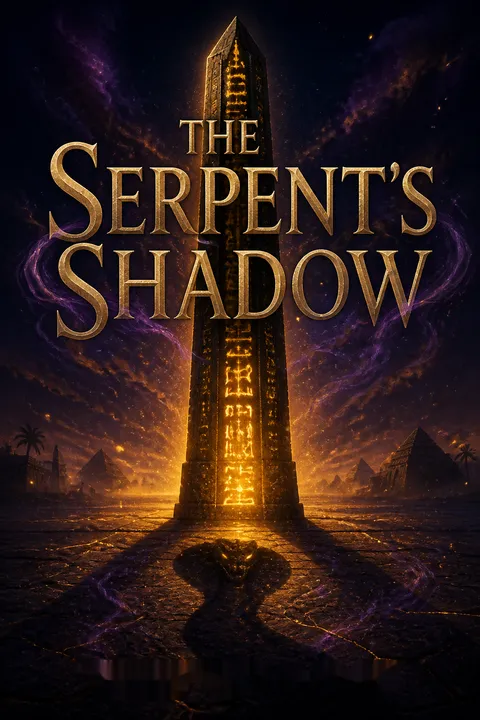


Plot Summary
Prologue
The account arrives as a damaged audio transcript, continuing the Kanes’ earlier recordings. Its editor warns that this one came in a scorched box marked by claw and tooth damage, protected by hieroglyphs.
The siblings begin after the world has narrowly survived Doomsday, then retrace the chain of mistakes, bargains, and sacrifices that brought them there. The battered container frames their tale as something that barely made it through the catastrophe it describes.
The damaged recording gives the story a survivor’s frame before its causes are known. The Kanes are not simply recounting an adventure; they are sending evidence from a world that nearly ceased to exist. The protective hieroglyphs and the box’s physical damage make the act of preserving a story resemble the act of preserving life. This framing also creates a quiet tension: the siblings know the ending is momentous, but the listener must follow the costly decisions that made survival possible.
Dallas Burns the Last Scroll
Carter and Sadie Kane bring their young magician team to Dallas, where the local nome guards the last surviving copy of a scroll written by the ancient magician Setne. They warn its leader, JD Grissom, that Apophis has been destroying every copy before attacking on the darkest night. In the King Tut exhibit, Sadie sees a face emerge from the wall.
The apparition identifies itself as Setne and urges her to save a small golden cabinet, promising it will point toward the answer they need. Before Sadie can question him, the museum shakes. An explosion draws JD away to protect his wife and the other Texas magicians, leaving the siblings and their friends facing Apophis’s attack alone.
Order in the Ruins
Apophis animates the museum’s guardians and sends a wave of Chaos magic tearing through the floor toward both the scroll and the golden cabinet. Sadie’s shield fails, and the last copy of the scroll disappears into the destruction. As the force threatens the cabinet, she summons Ma’at, the principle of order, to steady the building and stop the attack.
Her friends survive, and Khufu the baboon carries the cabinet to safety, but Sadie collapses and briefly loses her heartbeat. Outside, they find the Fifty-first Nome reduced to a crater. JD, his wife Anne, and the other Texas magicians are dead. A mark of Chaos remains in the wreckage, while the rescued cabinet is their only tangible clue.
The Empty Cabinet’s Secret
Back at Brooklyn House, Bast explains that the cabinet is a shadow box, an ancient container meant to preserve one part of a soul. Carter connects this to the Egyptian belief that a person’s shadow, or sheut, is more than an outline: it is a part of the self. The box appears empty, but Sadie remembers seeing darkness inside it and recalls Setne’s warning.
Their search for answers grows urgent when Carter receives a broadcast from Sarah Jacobi, leader of the rebel magicians. She blames the Kanes for the rise of Apophis and shows attacks on nomes in Europe and Asia, including the British headquarters she has seized. The siblings now face an enemy inside the House of Life as well as the Chaos serpent.
A Dance Among Ghosts
Sadie insists the Brooklyn House initiates attend a school dance, hoping to give them a few ordinary hours before another battle. Anubis, the god of the dead, appears and dances with her among the ghosts of soldiers killed on the site. He explains that the dead are being pulled into a dark force in the Duat, where Sadie’s mother’s spirit may also be trapped.
He confirms that Apophis has a shadow, but says only a dangerous magician can teach them how to use it. The gods then send Shu, Anubis’s great-grandfather, to separate them. In the confusion, a young Russian magician named Leonid arrives and warns Sadie that the rebels are preparing to strike the First Nome.
Thoth Names the Price
Carter and the ailing magician Walt Stone fly to Memphis to consult Thoth, the god of knowledge. They arrive as demons assault his pyramid, and Carter fights them while Walt summons a golden sphinx to help. Apophis’s lieutenant, the Face of Horror, strangles Carter and shows him a vision of the serpent swallowing the sun and consuming the world.
Thoth helps drive the demon away, then reveals that Setne wrote a spell capable of using a shadow against a god. Setne’s scrolls are gone, but his stolen Book of Thoth may explain the spell and locate Apophis’s shadow. Setne is due to stand trial before Osiris that evening. Walt also confides that his inherited curse may kill him by the next sunset.
A Shadow in Saïs
Sadie takes Leonid to the First Nome, where Amos and Zia study a magical war map showing the House of Life losing allies. Leonid explains that Sarah Jacobi and her lieutenant Kwai are secretly working with Apophis and plan to attack from Abu Simbel. Sadie tells Amos that a shadow may be used to defeat the serpent.
At the House of Rest, she finds Zia losing control of her fire, sometimes blacking out after helping care for the senile Ra. Tawaret, caretaker of the forgotten gods, tells Sadie that Bes once left his shadow at the ruins of Saïs. Sadie hopes to use Bes as a test of the shadow magic before attempting it on Apophis.
Setne Leaves the Court
The Kanes, Walt, and Zia reach Osiris’s Hall of Judgment just as Setne’s trial begins. Julius Kane, now serving as Osiris, is ready to condemn the repeat offender to oblivion. Sadie and Carter explain that Setne may know how to find Apophis’s shadow, while Setne claims he can lead them to his hidden Book of Thoth.
Osiris makes him hold the Feather of Truth; Setne admits the spell is real and says the book contains his notes. The siblings persuade their father to delay judgment, despite his fear that Setne will betray them. The party splits: Carter and Zia escort Setne to the book, while Sadie and Walt search for Bes’s shadow.
The Bull Beneath Memphis
Setne leads Carter and Zia through the catacombs beneath Memphis, where ancient tombs hold the mummified Apis Bulls. On the Nile, a giant hippo attacks their boat; Carter uses Setne’s spell to summon Hapi, the river god, who throws the monster away and carries them inland.
Setne’s hidden chamber holds the Book of Thoth, but a stone bull awakens and charges them through the tunnels. Its solar disk fires beams hot enough to melt stone.
When Carter is cornered, Zia channels Khepri, the scarab form of the rising sun, and destroys the bull with a burst of power. She collapses with a dangerous fever. Carter retrieves her and the book, but the demon captain, acting on Setne’s orders, turns against them and drives the boat into the Land of Demons.
Walt’s Deathless Bargain
In the Delta, Sadie and Walt find Neith, the hunting goddess, at the ruins of Saïs. She agrees to help only if they survive her hunt until sunset. They use matching shen amulets to pull each other out of danger, then spot Bes’s shadow on the remains of the temple wall where he once left it. Walt uses his charm-making skill to capture the shadow in a wax figure, but the effort leaves him near death.
Sadie learns that Walt has chosen to join his life to Anubis, whose power has already shaped Walt’s magic. Anubis appears as Walt collapses, and the two reveal their bond. Horrified that they kept this from her, Sadie leaves through a dark portal, carrying Bes’s shadow and the knowledge she needs.
Setne Betrays the Quest
Carter and Zia reach the Sea of Chaos with Setne, who has disguised them as demons to cross the shifting Land of Demons. At the edge of the primordial sea, the Book of Thoth guides them to the white obelisk that stands for Ma’at. They summon Apophis’s immense shadow, but Setne binds them, steals the book, and plans to bargain with the serpent rather than destroy it.
Sadie arrives through a portal, frees her brother and Zia, and uses Walt’s method to draw the shadow into their prepared statue. Bes returns, restored after Sadie sent his captured shadow back to him, and leads forgotten gods in a rescue. They escape the demon army aboard Ra’s approaching sun boat.
The First Nome Holds
At sunrise, the sun boat reaches Giza as Apophis coils around the pyramids and Bast fights him alone. Carter and Sadie descend into the First Nome, where Sarah Jacobi and Kwai have already broken in. Amos channels Set’s power to fight them, while the Brooklyn House initiates battle the rebels in the corridors. Walt, now wielding Anubis’s death magic, breaks through the enemy line and protects Sadie.
Jacobi takes Amos hostage, but the siblings rally the magicians against her. Walt’s attack sends Jacobi into the Underworld; Kwai then spends his life force to curse the Hall of Ages and bring its ceiling down. Sadie summons Ma’at and repairs the hall. Amos and the former rebels join Carter’s call to defend the world.
Apophis Swallows the Sun
Carter summons the available gods and leads them, the magicians, and Sadie into battle. Apophis fractures reality, dividing the fighters across layers of the Duat. Bes and Bast help hold the serpent back while Ra, carried through Zia, attacks with the power of the sun.
Apophis swallows Zia and Ra, and the battlefield buckles toward darkness. Carter refuses the serpent’s offer to spare him and his sister, then throws Ra’s crook and flail at its face. While the weapons distract Apophis, he and Sadie perform the shadow execration together.
The black statue burns away, severing the serpent’s connection to the world and releasing the trapped dead, including their mother. Zia and Ra emerge from the serpent’s destruction, alive, as daylight returns.
Carter Takes the Throne
With Apophis gone, the gods withdraw from the mortal world, since order and Chaos cannot remain separated forever. Ra leaves Carter the crook and flail and names him pharaoh, but Carter accepts the authority only for emergencies, leaving daily leadership of the House of Life to Amos. In the Underworld, Carter and Sadie reunite with their parents.
Their mother confirms that the shadow’s destruction freed her from Apophis’s pull, while Julius tells his children they have outgrown his protection. Carter admits that Setne escaped with the Book of Thoth. Their father does not blame them, knowing Setne has evaded stronger captors for ages. The victory restores the House of Life, but the escaped magician and his stolen book remain a danger.
Goodbyes, Then a Dance
Sadie and Carter visit the House of Rest, where Bes has recovered and plans a home with Tawaret. The forgotten gods who fought at Giza have regained purpose, though Bast must return to her own domain. On Brooklyn House’s roof, Walt waits for Sadie. He explains that he remains mortal while sharing his body with Anubis, and asks to stay.
Sadie is still angry at their secrecy, but accepts that Walt and Anubis are now one person and chooses to trust him. Two weeks later, Carter takes Zia to the Mall of America, where they agree she can live and teach at Brooklyn House. The siblings return to training and ordinary responsibilities, with Setne at large and new magical dangers still possible.
Analysis
The novel makes survival depend on the recovery of what has been excluded. Apophis draws strength from division: the nomes distrust one another, the gods withdraw into separate conflicts, and the dead are dragged beyond the reach of ordinary judgment. The Kanes counter this by restoring connections, not by discovering a weapon detached from human cost. Sadie must learn the shadow spell through Walt’s act of creation; Carter must lead magicians who do not all trust him; and forgotten gods regain purpose when they are invited to fight. In this moral structure, Ma’at is less a static cosmic law than a practice of mutual responsibility.
The shadow is the book’s most precise metaphor and its working magical mechanism. It preserves an identity when the visible body or familiar personality has been damaged, but it can also be captured and weaponized. That ambiguity makes the final victory ethically serious. The Kanes could use knowledge of divine shadows for coercion, as Setne intends, yet choose to use it against the force threatening every soul. Their restraint in refusing to destroy Setne themselves preserves the distinction between defeating Chaos and becoming its mirror.
Grief runs alongside the apocalypse. Sadie’s lost mother, Walt’s uncertain future, Bes’s absence of self, and Ra’s diminished condition all make restoration intimate rather than symbolic. The story does not pretend that love abolishes death or fear. Instead, it asks whether people can accept imperfect forms of closeness: a parent encountered as a ghost, a friend restored by a shadow, or a relationship complicated by divine presence. Carter’s movement toward leadership and Sadie’s movement toward emotional trust both involve accepting that care cannot guarantee control.
The ending therefore offers renewal without claiming permanence. Apophis is defeated, but the gods retreat, Setne escapes, and new dangers remain. The Kanes inherit responsibilities rather than a finished world. Their ordinary plans, school, teaching, friendship, and dating, matter because they are the very forms of life that cosmic chaos would erase.
Review Summary
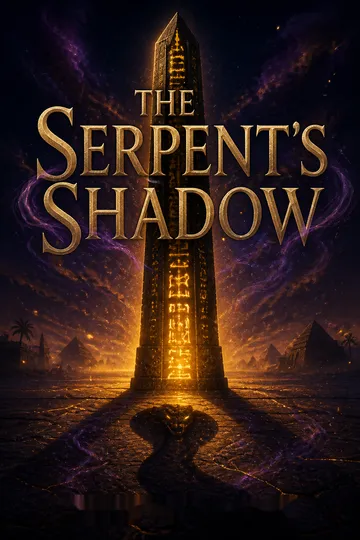
The Serpent's Shadow received mixed reviews, with many praising its action-packed plot and humor. Readers enjoyed the character development, especially the resolution of the love triangle between Sadie, Walt, and Anubis. Some found the Egyptian mythology engaging and appreciated the hints of crossover with other Rick Riordan series. However, a few readers felt the book was predictable or lacked depth compared to Riordan's other works. Overall, fans of the Kane Chronicles found it a satisfying conclusion to the trilogy.
People Also Read

Characters
Carter Kane
Reluctant young commanderCarter is a fifteen-year-old magician, Sadie’s older brother, and the head of Brooklyn House. He is thoughtful, disciplined, and inclined to blame himself when people under his protection are hurt. His training with Horus gives him combat power, but his deeper challenge is deciding when to lead without pretending he has certainty. Carter’s affection for Zia complicates his concentration, while his loyalty to his friends makes him wary of sacrificing them for victory. He tends to carry responsibility as if it were proof that he must handle every danger alone. His growth is shaped by learning that leadership means asking others to act with him, not merely standing in front of them.
Sadie Kane
Defiant spell-readerSadie is Carter’s younger sister, a sharp-tongued magician who channels Isis and reads hieroglyphs with unusual skill. Raised in London while Carter traveled with their father, she is still negotiating where she belongs and how much of her identity is ordinary teenager versus magical heir. Her impatience often masks fear, especially when someone she loves is in danger. Sadie protects herself with humor and bravado, but she is capable of extraordinary concentration when others depend on her. Her complicated feelings for Walt and Anubis expose her fear of loss and her reluctance to trust a future she cannot control. She values loyalty, but refuses to let gods dictate every choice she makes.
Walt Stone
Dying charm-makerWalt is a Brooklyn House magician known for making protective charms and for remaining calm when others panic. He is athletic, generous, and quietly attentive to the people around him, especially Sadie and Carter. An inherited illness makes his future uncertain, and he often tries to spare others from the burden of his fear. Walt’s reluctance to pursue romance is partly an act of care, but it can also become a way of deciding for Sadie what she can bear. His gift for creating magical objects gives him a practical role in the group, while his steady temperament makes him an emotional anchor during crises.
Zia Rashid
Fire-wielding survivorZia is an Egyptian magician trained by the former Chief Lector and a trusted ally of Amos. She is composed, capable, and protective of the people placed in her care, though she often hides uncertainty behind a controlled exterior. Her history includes long confinement in a magical tomb, leaving her sensitive to imprisonment and loss of control. Zia’s fire magic is powerful, but power alone does not make her feel safe; she worries that her strength may harm people she loves. Her connection with Carter is tender but cautious, shaped by previous grief and by the immense responsibilities now pressing on her.
Apophis
Primordial force of ChaosApophis is the ancient serpent of Chaos, an enemy of the sun’s nightly journey and of the order that sustains creation. He attacks not only with physical destruction but by turning people against one another and offering them private safety at the cost of everyone else. His strength grows as the gods and magicians become divided. Apophis understands fear and uses it precisely, targeting each opponent’s sense of helplessness or resentment. He is not simply a monster to be struck down; his threat lies in making surrender seem reasonable and making destruction feel like freedom.
Amos Kane
Burdened Chief LectorAmos is Carter and Sadie’s uncle and the Chief Lector of the House of Life. Stylish, perceptive, and responsible for a scattered community of magicians, he must balance political authority with the moral limits of Ma’at. His past experience with Set makes him understand how Chaos can distort a person’s will, even as he considers using the god’s power. Amos cares deeply for his niece and nephew but knows that protecting them cannot mean keeping them from every danger.
Setne
Untrustworthy ghost magicianSetne, also known as Prince Khaemwaset, is an ancient magician with an appetite for forbidden knowledge and a talent for escaping consequences. He is clever, vain, and socially persuasive, treating danger as a game he expects to win. His ambition to surpass his famous father, Ramses, helps explain why he hoards magical secrets, but does not make him trustworthy. Setne can be useful because he knows hidden routes and old spells; the trouble is that he always has a private purpose alongside whatever help he offers.
Anubis
Guide of the deadAnubis is the Egyptian god who guides the dead and oversees the passage between life and the Underworld. He appears to Sadie with warmth and restraint, though divine rules limit his contact with her. His work gives him an intimate knowledge of souls, including the parts of identity that mortals rarely understand. Anubis is compassionate in a quiet, grave manner, but his responsibilities can make him seem distant when those he cares about want simple answers. His presence complicates Sadie’s feelings and offers a counterpoint to the gods who seek power or command.
Ra
Fading sun kingRa is the ancient sun god and first divine pharaoh, once central to the gods’ defense against Apophis. When the Kanes encounter him, his mind and strength are diminished, and he depends on others to protect him during the day. His apparent frailty hides the importance of the sun’s continuing journey through the Duat. Ra represents a form of authority that must be renewed rather than merely inherited, and his relationship with Zia reflects the danger and possibility involved when a mortal channels a god.
Bes
Ugly-hearted protectorBes is a dwarf god whose deliberately alarming appearance makes him an effective source of protection and comic relief. He is loyal to the Kanes and has already risked a great deal to help them. Beneath his irreverent manner, Bes is deeply attached to his friends and to Tawaret, though he has not always recognized what she means to him. His willingness to stand beside mortals rather than demand worship makes him one of the most accessible gods in their circle.
Bast
Fierce cat guardianBast is the cat goddess who protects the Kane siblings and the young magicians at Brooklyn House. She is affectionate in a fiercely practical way, checking injuries, guarding the home, and treating the initiates as her kittens. Her feline independence means she does not always explain her fears or accept a plan readily. Bast has fought Apophis before and understands the scale of the danger, but her protective instincts are personal: she wants the children in her care to survive.
Horus
Warrior god within CarterHorus is the Egyptian god of war and kingship, whose power Carter can channel. He prizes direct action and military confidence, often encouraging Carter to meet danger head-on. Their connection gives Carter courage and strength, but also raises questions about where the boy’s decisions end and the god’s ambitions begin. Horus is proud and sometimes impatient, yet he can recognize leadership in a mortal when it serves a larger cause.
Isis
Powerful patron goddessIsis is Sadie’s patron goddess, a formidable magician and mother of Horus. She offers Sadie immense power through their bond, but their closeness is not uncomplicated: Isis has her own ambitions and often sees the world through divine priorities. She believes that rules preserve order, even when those rules restrict Sadie’s choices. Their relationship forces Sadie to distinguish genuine guidance from the desire to be shaped into someone else’s instrument.
Thoth
Keeper of dangerous knowledgeThoth is the god of knowledge, invention, and writing, living among books, computers, experiments, and a troop of baboons and ibises. He is brilliant but eccentric, and he resists giving the Kanes a simple answer even when time is running out. Thoth believes knowledge must be pursued and understood rather than merely handed over. His caution reflects a real fear: information that can defeat a god can also be used to threaten every god.
Sarah Jacobi
Rebel magician leaderSarah Jacobi is a powerful rebel magician who rejects the Kanes’ cooperation with the Egyptian gods and challenges Amos’s authority. She presents herself as a defender of the House of Life, using fear of the Kanes and anger over past disasters to recruit followers. Her political skill matters as much as her magic: she knows frightened people may prefer a simple enemy to an uncertain alliance.
Kwai
Jacobi’s ruthless lieutenantKwai is a dangerous magician who serves as Sarah Jacobi’s lieutenant. He is associated with lightning magic and the persecution of people who question the rebels’ cause. His loyalty to Jacobi makes him a direct threat to the House of Life, while his willingness to use fear and force shows how easily a struggle over tradition can become a campaign of domination.
Leonid
Russian defectorLeonid is a young Russian magician who leaves a hostile nome to warn Sadie about the rebels’ plans. He is nervous, brave, and still learning to use forbidden forms of magic. His decision to trust the Kanes comes from having seen them spare him when they could have treated him as an enemy.
Zia’s mentor Iskandar
Cautious former leaderIskandar was the former Chief Lector and Zia’s teacher. He used powerful protective magic and made difficult choices about how to keep her safe. His legacy shapes Zia’s understanding of duty, confinement, and the cost of being chosen for a larger purpose.
Julius Kane
Father and underworld judgeJulius Kane is Carter and Sadie’s father, a renowned magician whose choices altered the lives of his children and the House of Life. In the Underworld he serves as Osiris, judging the dead with a strict sense of fairness. He wants to protect his children, but he understands that they must act without his permission if the world is to survive.
Ruby Kane
Absent but loving motherRuby Kane is the siblings’ mother, whose death left Carter and Sadie with very different childhoods. Her spirit remains connected to them, especially Sadie, and she offers an understanding of grief that the living cannot replace. Ruby’s memories of family life give the siblings a measure of home even when they are separated by death and responsibility.
Tawaret
Caretaker of forgotten godsTawaret is a hippo goddess who cares for elderly and forgotten deities at the House of Rest. Gentle and generous, she gives Bes the attentive companionship he rarely asks for. Her affection makes her an important source of knowledge about the old gods and a reminder that care work continues even in the supernatural world.
Neith
Paranoid hunting goddessNeith is an ancient hunting goddess who treats the ruins of Saïs as her private territory. She is skilled, suspicious, and prepared for catastrophe, with elaborate survival plans that make her difficult to persuade. Her eccentricity sits beside genuine courage and a hunter’s respect for those who prove resourceful.
Shu
Anubis’s rule-bound elderShu is the god of air and Anubis’s great-grandfather. He enforces divine boundaries between gods and mortals, often with the disruptive force of a sudden wind. His concern for propriety makes him an obstacle to Sadie’s closeness with Anubis, even as he helps move people where they need to go.
Hapi
Cheerful Nile godHapi is the god of the Nile and of the abundance its floods once brought. He is exuberant, enormous, and cheerfully dangerous, delighted whenever someone remembers to call on him. His power can move people across the landscape, though the journey is far less comfortable than his enthusiasm suggests.
Plot Devices
The sheut and shadow box
A soul’s hidden remainderIn Egyptian belief, the sheut is one part of a soul, a magical shadow that can persist when other parts are lost. A shadow box preserves that part, as the golden cabinet associated with King Tut demonstrates. The idea first appears as an apparently empty object, then becomes the possible answer to two crises: restoring Bes and locating a vulnerability in Apophis. Walt’s charm-making shows how a shadow can be caught in a figurine, while Sadie learns how to return one to its owner or use it in an execration. The device makes identity tangible, but it also makes that power dangerous to gods and mortals alike.
The Books of Thoth and Setne
Knowledge with a priceSetne’s version of the Book of Overcoming Apophis is the scroll the serpent destroys, while the Book of Thoth contains the original magician’s notes and knowledge of divine secrets. The two books create a chain of clues: protecting the final scroll leads the Kanes to the shadow-box revelation, and seeking Thoth leads them to Setne and his hidden library. Thoth refuses to hand over dangerous answers, so the siblings must risk trusting a criminal ghost to reach the book. Its contents help them locate Apophis’s shadow, but Setne’s desire to control that knowledge turns the guide into a threat.
Ma’at and Isfet
Order resisting dissolutionMa’at is the order that holds the world together; Isfet marks the Chaos that erodes it. These are not abstract labels in the story. Apophis’s power physically breaks floors, distorts the Duat, divides armies, and pulls the dead into the dark. Sadie’s ability to summon Ma’at first stabilizes the Dallas museum and later repairs the collapsing Hall of Ages. The contrast also governs the final choice: Apophis offers survival through surrender, while the Kanes accept risk to protect a world shared by strangers. The story treats order as something people must actively restore, not a condition guaranteed by the gods.
The path of the gods
Mortal power, shared uneasilyThe path of the gods allows a magician to channel a deity’s abilities and presence. Carter works with Horus, Sadie with Isis, and Zia discovers a connection to Khepri and Ra. The power makes otherwise impossible feats possible, but it can overwhelm a magician’s body and blur the boundary between personal will and divine influence. Amos’s use of Set shows the political danger of such alliances, while Zia’s instability makes the physical danger visible. The device turns inherited magic into a relationship: gods provide strength, but mortals must retain judgment and responsibility for how that strength is used.
The Duat and sun barque
A world layered beneath oursThe Duat is the magical realm that overlaps the mortal world, with landscapes and passages shaped by myth, memory, and divine power. The Kanes use portals, enchanted boats, and the sun barque to travel through it, but its paths become unreliable as Apophis grows stronger. Its layers also make battle difficult: enemies can occupy different versions of the same place, and a journey toward the Sea of Chaos can pull matter apart. The sun barque follows Ra’s nightly route, linking the threat to the sun with the rhythms of the world. Travel through the Duat is never merely transportation; it changes what the characters can see and what can reach them.
FAQ
Synopsis & Basic Details
What is The Serpent's Shadow about?
- Final battle against Chaos: The Serpent's Shadow concludes the Kane Chronicles, focusing on the final confrontation with Apophis, the Chaos serpent, as he attempts to plunge the world into darkness.
- Kanes' desperate quest: Carter and Sadie Kane, along with their allies, must find a way to defeat Apophis, which involves a dangerous journey into the Duat, the Egyptian Underworld, and a desperate search for a way to use shadow magic.
- Balancing personal and global stakes: The story intertwines the Kanes' personal struggles with their relationships and identities with the fate of the world, as they face betrayals, sacrifices, and the ultimate test of their abilities.
Why should I read The Serpent's Shadow?
- Epic conclusion to a beloved series: The book provides a satisfying and action-packed conclusion to the Kane Chronicles, tying up loose ends and delivering a final showdown with the series' main antagonist.
- Exploration of complex themes: The story delves into themes of identity, sacrifice, and the balance between order and chaos, offering a deeper reading experience beyond the surface plot.
- Unique blend of action, humor, and mythology: Rick Riordan's signature style of blending action-packed sequences with humor and Egyptian mythology makes for an engaging and entertaining read.
What is the background of The Serpent's Shadow?
- Egyptian mythology: The story is deeply rooted in Egyptian mythology, featuring gods, goddesses, and magical concepts from ancient Egyptian beliefs, such as the Duat, Ma'at, and the various aspects of the soul.
- Modern world setting: The narrative is set in the modern world, with characters using cell phones and visiting museums, creating a unique blend of ancient magic and contemporary life.
- Global magical community: The story expands the magical world beyond Egypt, introducing nomes (magical communities) from around the world, highlighting the global nature of the conflict with Apophis.
What are the most memorable quotes in The Serpent's Shadow?
- "You will lose the ones you love the most.": This quote, spoken by Apophis, highlights the emotional stakes of the story and foreshadows the sacrifices the characters will have to make.
- "Fair means everyone gets what they need. And the only way to get what you need is to make that happen yourself.": This quote, a recurring lesson from Carter's father, emphasizes the importance of self-reliance and taking action in the face of adversity.
- "We are servants of Ma'at—order and justice. We don't kill our enemies for things they might do in the future.": This quote from Amos Kane reflects the core values of the House of Life and the struggle to maintain balance even in the face of extreme threats.
What writing style, narrative choices, and literary techniques does Rick Riordan use?
- First-person narrative: The story is told from the alternating perspectives of Sadie and Carter Kane, providing a personal and engaging view of the events and their inner thoughts.
- Humorous and sarcastic tone: Riordan employs a humorous and sarcastic tone, particularly through Sadie's narration, which lightens the mood and makes the story more accessible to younger readers.
- Fast-paced action sequences: The book is filled with fast-paced action sequences, often interspersed with mythological explanations and witty banter, creating a dynamic and entertaining reading experience.
Hidden Details & Subtle Connections
What are some minor details that add significant meaning?
- The recurring mention of "pudding": The phrase "My pudding!" used by the fire god Hot Foot, seems like a throwaway line, but it highlights the loss of identity and purpose among the forgotten gods, adding a layer of pathos to their situation.
- The description of the cat goddess Bast's clothing: Bast's ever-changing bodysuit, shifting between tiger stripes, leopard spots, and calico, subtly reflects her complex nature and her role as a protector, a hunter, and a domestic cat.
- The emphasis on the color pink: The recurring use of pink, from the Ribbons of Hathor to the color of the sky in the Duat, adds a subtle layer of irony, contrasting the color's association with sweetness and innocence with the dark and dangerous events of the story.
What are some subtle foreshadowing and callbacks?
- The mention of shadow boxes: Bast's casual mention of shadow boxes early in the story foreshadows the importance of shadows in the fight against Apophis, and the significance of the golden box they acquire.
- The recurring image of the serpent: The serpent imagery, from the fire-breathing sheep to the description of Apophis's form, serves as a constant reminder of the looming threat and the pervasive nature of Chaos.
- The reference to Peter Pan's lost shadow: Carter's offhand comment about Peter Pan's lost shadow foreshadows the importance of the sheut and the idea that shadows are not just physical but also magical projections of the soul.
What are some unexpected character connections?
- The connection between Walt and Anubis: The merging of Walt and Anubis, while hinted at, is an unexpected twist that highlights the complex nature of the gods and their interactions with mortals, and the idea that death is not necessarily the end.
- The link between Zia and Ra: Zia's connection to Ra, revealed through her ability to channel his power and her possession of the scarab amulet, is a surprising development that underscores her importance in the fight against Apophis.
- The shared history of Setne and the Kanes: The revelation that Setne, a notorious villain, is connected to the Kane family through his relationship with Ramses the Great adds a layer of complexity to his character and his motivations.
Who are the most significant supporting characters?
- Bes: The dwarf god's sacrifice and his eventual return highlight the themes of loyalty and redemption, and his unique perspective and humor provide a much-needed counterpoint to the seriousness of the main plot.
- Tawaret: The hippo goddess's compassion and care for the forgotten gods of the House of Rest underscore the importance of empathy and kindness, and her connection to Bes adds a layer of emotional depth to the story.
- Bloodstained Blade: The demon captain of the Egyptian Queen, while a minor character, serves as a reminder of the dangers of the Duat and the complex nature of good and evil, and his loyalty to the Kanes adds a layer of complexity to his character.
Psychological, Emotional, & Relational Analysis
What are some unspoken motivations of the characters?
- Carter's need for control: Carter's desire to be a good leader stems from his need to control the chaos around him and protect his loved ones, a motivation rooted in his past losses and his sense of responsibility.
- Sadie's fear of loss: Sadie's fierce independence and her tendency to push people away are driven by her fear of losing those she cares about, a fear that is exacerbated by her past experiences with death and separation.
- Walt's desire for meaning: Walt's willingness to risk his life and embrace his connection to Anubis stems from his desire to find meaning and purpose in his limited time, and his need to leave a lasting impact on the world.
What psychological complexities do the characters exhibit?
- Amos's internal conflict: Amos's struggle to control Set's power highlights the internal conflict between good and evil, and the difficulty of maintaining one's identity when faced with overwhelming forces.
- Zia's identity crisis: Zia's struggle to balance her own identity with the power of Ra reveals the psychological challenges of being chosen by a god, and the difficulty of maintaining one's sense of self when faced with such a powerful force.
- Setne's manipulative nature: Setne's manipulative nature and his desire for power stem from a deep-seated need for recognition and control, and his constant attempts to outwit and deceive others reveal his complex and often contradictory motivations.
What are the major emotional turning points?
- The destruction of the Fifty-first Nome: The destruction of the Fifty-first Nome in Dallas serves as a major emotional turning point, highlighting the devastating consequences of Apophis's power and the Kanes' inability to protect everyone.
- Sadie's encounter with Anubis: Sadie's encounter with Anubis at the school dance and their subsequent separation highlight the emotional turmoil she faces in her relationships, and the difficulty of balancing her feelings with her responsibilities.
- Walt's decision to merge with Anubis: Walt's decision to merge with Anubis, while a means of survival, is also an emotional turning point that forces Sadie to confront her feelings for both of them, and the complex nature of their relationship.
How do relationship dynamics evolve?
- Carter and Sadie's sibling bond: The sibling bond between Carter and Sadie evolves from a mix of annoyance and rivalry to a deep sense of mutual respect and reliance, as they learn to trust and support each other in the face of adversity.
- Sadie's complex feelings for Walt/Anubis: Sadie's feelings for Walt and Anubis evolve from a simple crush to a complex mix of love, fear, and confusion, as she grapples with the idea of their merged existence and her own feelings about death and loss.
- The Kanes' relationship with the gods: The Kanes' relationship with the gods evolves from one of dependence to one of partnership, as they learn to work alongside the gods while also asserting their own agency and independence.
Interpretation & Debate
Which parts of the story remain ambiguous or open-ended?
- The true nature of Setne: Setne's motivations and his ultimate fate remain ambiguous, leaving the reader to wonder if he is truly a force of chaos or if he has some hidden agenda that will be revealed in the future.
- The long-term effects of the merging of Walt and Anubis: The long-term effects of the merging of Walt and Anubis are left open-ended, leaving the reader to wonder how their shared existence will evolve and what challenges they will face in the future.
- The future of the gods: The future of the gods and their relationship with the mortal world is left somewhat ambiguous, leaving the reader to wonder how the balance between Ma'at and Chaos will be maintained in the absence of their direct intervention.
What are some debatable, controversial scenes or moments in The Serpent's Shadow?
- The decision to release Setne: The decision to release Setne from the Underworld is a controversial moment, as it highlights the ethical dilemmas of using evil to fight evil, and the risks of trusting a known manipulator.
- The merging of Walt and Anubis: The merging of Walt and Anubis is a controversial plot point, as it raises questions about identity, free will, and the nature of death, and it forces the reader to consider the ethical implications of such a drastic transformation.
- The use of the shadow execration spell: The use of the shadow execration spell is a controversial moment, as it highlights the dangers of wielding powerful magic and the potential for unintended consequences, and it forces the reader to consider the ethical implications of using such a destructive force.
The Serpent's Shadow Ending Explained: How It Ends & What It Means
- Apophis is defeated, but not destroyed: The ending sees Apophis's shadow destroyed, which weakens him and banishes him from the mortal world, but it does not completely eliminate the threat of Chaos, suggesting that the struggle between order and chaos is an ongoing process.
- The gods retreat, leaving mortals to rebuild: The gods retreat from the mortal world, leaving humans to rebuild and maintain balance, highlighting the importance of human agency and responsibility in shaping their own destiny.
- The Kanes embrace their roles: The ending sees the Kanes embracing their roles as leaders and protectors of the House of Life, suggesting that they have grown and matured throughout their journey, and that they are ready to face future challenges with courage and determination.
The Kane Chronicles Series

About the Author
Other books by Rick Riordan


Download PDF
Download EPUB
.epub digital book format is ideal for reading ebooks on phones, tablets, and e-readers.








