

Plot Summary
Westover’s Stolen Children
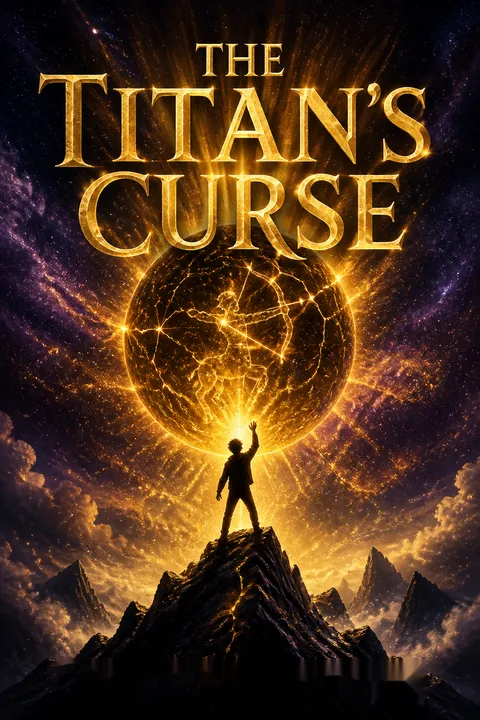
Percy Jackson, a young demigod, arrives at Westover Hall with his friends Annabeth Chase and Thalia Grace to help their satyr friend Grover rescue two newly discovered half-bloods, Bianca and Nico di Angelo. The school’s vice principal, Dr. Thorn, is really a manticore serving an enemy called the General.
When Thorn kidnaps the siblings, Percy pursues alone and is pinned to a wall by a poisoned spike. Thalia, Grover, and the invisible Annabeth arrive in time to fight, but Annabeth jumps onto the monster as the Hunters of Artemis fire. Thorn plunges over a cliff with Annabeth still on his back. The Hunters save the others, and their leader reveals herself as Artemis, goddess of the hunt.
Bianca Joins the Hunt
After the fight, Artemis explains that Bianca and Nico are demigods, then offers Bianca a place among her immortal Hunters. Wanting a life beyond constant responsibility for Nico, Bianca accepts the vow of eternal maidenhood; Nico will instead go to Camp Half-Blood. Percy learns that Thorn spoke of an awakening monster capable of bringing down Olympus.
Artemis sets out alone to find it, promising to return by the winter solstice, and assigns Percy to escort the Hunters to camp. Apollo, Artemis’s twin brother, arrives in a sun-powered vehicle and lets Thalia drive. Her panic sends the bus soaring and then crashing into the camp’s canoe lake. The ruined landing delivers the group to Chiron and Dionysus, but Annabeth remains missing.
The Oracle Names Five
At camp, Percy demands a search for Annabeth, but Dionysus refuses to risk more campers. Thalia reveals that her mother has died, helping Percy understand why she froze at the sun chariot’s wheel. During a capture-the-flag match against the Hunters, Percy abandons his post to seize their flag, only to lose when Zoe captures his team’s banner.
Then the Oracle, a mummy in the Big House attic, unexpectedly walks to the field and issues a prophecy: five must travel west to the goddess in chains, one will be lost in a rainless land, and one will die by a parent’s hand. The quest party is set as Zoe, Bianca, Thalia, and Grover, with Phoebe as the fifth. Zoe refuses Percy a place because he is male, leaving him furious and excluded.
Percy Follows Anyway
Percy dreams that Annabeth is trapped beneath a collapsing darkness while Luke, his former friend turned enemy, leaves her to suffer. His mother, Sally, supports his decision to help, so he ignores the order to go home. When Phoebe is poisoned by a prank T-shirt, the Hunters leave without replacing her, fulfilling the prophecy’s five-person count once Percy secretly joins them.
Nico asks Percy to keep Bianca safe; Percy promises to try, then follows the departing van wearing Annabeth’s invisibility cap. His pegasus, Blackjack, carries him to Washington, where Percy spots Dr. Thorn and slips into a meeting at the Natural History Museum. There he sees Luke, the General, and skeletal warriors being raised from dragon teeth.
The Smithsonian’s Dead Army
Percy steals a silver Hunter’s scarf from the General before the new warriors can scent the quest party, but one skeleton catches his sleeve and learns his trail. He reaches his friends at the Air and Space Museum just as the Nemean Lion, a beast whose hide defeats weapons, attacks.
Thalia’s shield repels it briefly, while Zoe and Bianca’s arrows bounce harmlessly away. Percy lures the lion into opening its mouth by throwing it repulsive astronaut food, giving the Hunters a clear shot.
Their arrows kill it, and its golden pelt becomes a protective coat for Percy. With the skeletons closing in outside, Zoe finally accepts him as the quest’s fifth member. The group escapes Washington by abandoning their van and boarding a westbound freight train.
A Boar Crosses the Desert
On the train, Percy meets Apollo disguised as a homeless traveler. Apollo cannot locate Artemis or Annabeth, but directs Percy to seek Nereus in San Francisco. A dream then shows young Zoe giving Hercules the hairpin that becomes Percy’s sword, Riptide, before Hercules takes credit for her help.
In Cloudcroft, New Mexico, skeletons ambush the quest party. Grover senses a gift from the Wild, and a gigantic Erymanthian boar bursts from the woods, scattering the attackers.
The group survives by fleeing uphill, where Percy discovers Thalia is terrified of heights. They use the boar as transport across the desert, guided by Grover’s belief that the missing nature god, Pan, briefly sent it to help them. Percy begins to see that the journey’s odd detours may carry meaning.
Talos Takes Bianca
Near an Arizona junkyard, Ares brings Percy to Aphrodite, who reveals that Percy’s determination to save Annabeth is personal and that she arranged the trick that removed Phoebe. Aphrodite warns him away from the junkyard, where discarded divine objects are dangerous, but the quest must cross it.
A defective bronze giant, Talos, rises from the scrap when Bianca secretly takes a small god figurine for Nico. Percy and his friends cannot stop the machine with ordinary weapons.
Bianca volunteers to enter its maintenance hatch and disrupt its controls, allowing the others to escape its crushing steps. Talos collapses, but Bianca cannot be found in the wreckage. Grover recognizes the loss as the prophecy’s warning about a rainless land. Percy blames himself for letting her go.
Hoover’s Bronze Guardians
Still pursued by the skeletons, the four survivors reach Hoover Dam, where Percy hears the moo of the strange sea creature he rescued earlier, though he cannot find it. The undead surround the dam and drive Percy into its turbine corridors.
There he meets Rachel Elizabeth Dare, a mortal girl who can see through the Mist that conceals mythological events. Rachel misdirects the skeletons and helps Percy escape. The reunited group is trapped outside by the remaining warriors, until Percy notices that tourists have polished the toes of two bronze statues for luck.
Thalia prays to Zeus, her estranged father, and the statues awaken as winged automatons. They shield the group from gunfire and carry them over the dam toward California. Thalia’s father has answered her, though she cannot yet trust what that means.
Bessie Is the Bane
In San Francisco, Zoe leads Percy to Nereus, the Old Man of the Sea, and Percy wrestles him through a series of transformations until he agrees to answer one question. Nereus points to the water, where the rescued cow-serpent has reappeared.
Grover understands its ancient language and identifies it as the Ophiotaurus, a creature whose sacrifice could give someone power to destroy the gods. Before they can protect it, Dr. Thorn attacks with armed mercenaries.
Thalia hesitates when Thorn promises her the power to overthrow Olympus on her sixteenth birthday. Grover’s music breaks the spell, and Percy uses an Iris-message to reach Dionysus at camp. The god traps Thorn in grapevines and tells Zoe that the quest must enter her sisters’ garden before sunset.
Zoe Faces Her Father
Grover guides the Ophiotaurus east through the sea while Percy and the others seek a way to Mount Tamalpais. Percy sacrifices the Nemean Lion’s pelt to Poseidon for safe passage, then Thalia finds Annabeth’s father, Frederick Chase.
He lends them his car despite the danger, and his wife insists that Annabeth still has a home with them. Near the mountain, lightning destroys the car, forcing Percy and Thalia through the Mist into Zoe’s hidden garden. Zoe confronts her sisters, the Hesperides, and the dragon Ladon guarding their golden apples.
Her sisters reject her, but she draws Ladon’s attention while Percy and Thalia slip past. At the summit they find Artemis chained beneath the weight of the sky, Annabeth captive beside Luke, and the General revealed as Atlas, Zoe’s father.
Percy Bears the Sky
Atlas offers Thalia the Ophiotaurus and a place beside Luke in the Titan army, but she refuses and attacks her former friend. Percy challenges Atlas, who overwhelms him and nearly kills him. To free Artemis and turn the fight, Percy takes the sky’s unbearable weight while she attacks Atlas.
She maneuvers the Titan beneath the burden, trapping him again. Thalia disarms Luke, but he falls from the cliff during their struggle. Zoe reaches her father with an arrow, and Atlas strikes her down. Her wound from Ladon is poisoned, and she is gravely injured.
As the Titan army advances, Frederick Chase flies in on his restored Sopwith Camel, firing celestial-bronze ammunition and scattering the monsters. Artemis carries the survivors away in her silver chariot, while Annabeth is reunited with her father.
Zoe Joins the Stars
At Crissy Field, Zoe dies from the combined effects of Ladon’s poison and Atlas’s blow. Before she fades, she reconciles with Thalia and gives Percy her blessing for carrying Riptide, the sword she once gave Hercules. Artemis releases Zoe’s spirit into the sky, where it becomes a new constellation. She then leaves for Olympus to report the danger.
Annabeth thanks her father, who tells her that she remains welcome at home, though she cannot safely live in San Francisco. Percy, Thalia, and Annabeth fly east on pegasi. During the ride, Annabeth insists that Luke survived his fall and is still being manipulated by Kronos. They reach Olympus as the winter-solstice council begins, carrying news of Atlas, the Titan army, and the Ophiotaurus.
Thalia Chooses Artemis
At Olympus, the gods debate whether to destroy the Ophiotaurus and whether Percy and Thalia are too dangerous to live. Artemis argues that the heroes should be rewarded, while Poseidon vouches for Percy and promises to protect the creature. The council agrees to keep it safe.
Artemis appoints Thalia as her new lieutenant, and Thalia accepts immortality rather than turn sixteen and risk becoming the child of prophecy. Athena warns Percy that loyalty to friends is his fatal flaw because Kronos can use those he loves to manipulate him.
Poseidon also confirms that Luke survived and remains with Kronos’s forces. After the council’s celebration, Percy dances with Annabeth, though neither resolves what their closeness means. He leaves the gods’ hall knowing the immediate threat has passed, but the war has only gathered strength.
Nico Opens the Earth
Back at camp, Percy contacts his mother and learns that she is happy with her writing instructor, Paul Blofis; Percy accepts their relationship and promises to return for Christmas. He then tells Nico that Bianca died saving the quest.
Nico accuses Percy of breaking his promise, and when skeletal warriors attack, Nico’s anger splits the ground and swallows them. The figurine Bianca left behind depicts Hades, revealing that the siblings are children of the god of the dead. Percy reasons that they spent decades in the Lotus Casino and were born before the gods’ oath against having more children.
Fearing the Olympians’ reaction, he hides this discovery. Nico disappears into the woods. Soon afterward, Grover reports hearing Pan’s voice in his mind, a brief summons that renews his search for the lost nature god.
Analysis
The novel makes loyalty both Percy’s strongest virtue and the danger Athena identifies in him. He pursues Annabeth despite orders, joins a quest that has rejected him, and promises Nico that he will protect Bianca. These choices are compassionate, but they also let enemies predict his movements. The narrative does not resolve this tension by teaching Percy to care less. Instead, it asks whether loyalty can mature into judgment, cooperation, and respect for another person’s agency. Bianca’s desire to stop being responsible for Nico, Thalia’s conflicted attachment to Luke, and Zoe’s history with Hercules each show how devotion can be demanded, manipulated, or freely chosen.
The prophecy’s power comes from its incompleteness. Its phrases seem to describe events only after the characters have suffered them, and their attempts to assign each warning in advance cannot prevent loss. Yet prophecy is not simple fatalism. Percy chooses to bear the sky; Thalia chooses the Hunt; the gods choose to protect the Ophiotaurus. Their decisions do not erase danger, but they determine what kind of people they become inside it. The story’s moral center therefore lies less in predicting the future than in deciding what must not be sacrificed to control it.
The book also contrasts institutions that claim to offer safety. Camp, the Hunters, Olympus, and Kronos’s army all promise belonging, but each demands something different: obedience, renunciation, political submission, or allegiance through grievance. Bianca’s choice and Thalia’s later decision to join Artemis show that protection can become freedom only when it is chosen rather than imposed. Meanwhile, the gods’ fear of the Ophiotaurus resembles Kronos’s willingness to use it: both treat a living creature as a possible threat before it has done anything. Percy’s refusal to accept that logic is an ethical act, not merely a sentimental one.
Finally, the ending refuses clean victory. Artemis returns, Atlas is contained, and Annabeth is safe, but Bianca is gone, Zoe becomes a constellation, Luke survives, and Nico vanishes after discovering his power. Grover’s first contact with Pan opens another uncertain path. Percy has saved people without repairing the world that endangered them. The closing movement leaves him carrying both a clearer sense of responsibility and a more complicated future.
Review Summary
The Titan's Curse receives mostly positive reviews, with readers praising its humor, action, and character development. Many enjoy the Greek mythology elements and Percy's sarcastic narration. Some find the plot predictable but still entertaining. New characters like Nico and the Hunters of Artemis are well-received. Readers appreciate the series' growing maturity and darker themes. Some criticize Percy's density and historical inaccuracies. Overall, fans find it a fun, fast-paced adventure that keeps them engaged in the Percy Jackson series.
People Also Read


Characters
Percy Jackson
Loyal sea-born heroPercy is a fourteen-year-old demigod, the son of Poseidon, whose instincts are strongest when someone else is in danger. He is brave and resourceful, but impatience and fierce loyalty often make him act before consulting his friends. His narration pairs irreverent humor with a sharp awareness of shame, grief, and exclusion. He dislikes being treated as a child or as a threat, yet repeatedly accepts responsibility for people he barely knows. His relationship with Annabeth is intimate but undefined, and he trusts Thalia even when their competitive temperaments collide. Percy’s courage is genuine, but the story also shows how easily care for one person can become a vulnerability others exploit.
Annabeth Chase
Architect and strategistAnnabeth, a daughter of Athena, is Percy’s closest friend and one of camp’s most capable planners. She loves architecture, monuments, and systems that reveal how people build a lasting place in the world. Her confidence can look like certainty, but it conceals the strain of divided loyalties between her father’s household and the safety of demigod life. She is perceptive about other people’s weaknesses and willing to take risks when someone needs help. Her complicated attachment to Luke makes her judgments difficult for Percy to understand. Annabeth’s bond with Percy is marked by trust, teasing, and unspoken expectations, while her intelligence is most powerful when it serves someone beyond herself.
Thalia Grace
Storm-born fighterThalia is the daughter of Zeus, a punk-styled fighter with a spear, a terrifying shield, and an instinct for taking command. Her confidence and temper can make her seem invulnerable, but her years as a tree interrupted the ordinary passage into adulthood. She carries unresolved grief about her mother and fierce loyalty to the friends with whom she once survived on the road. Her history with Luke makes his choices painful in a way she resists admitting. Thalia and Percy challenge one another because each recognizes a familiar impulsiveness in the other. Beneath her defiance is a search for belonging that does not require her to surrender her strength.
Grover Underwood
Satyr and seekerGrover is a satyr who scouts for endangered demigods and serves as Percy’s friend through an empathic bond. He is nervous, compassionate, and easily distracted by food or romance, but his sensitivity is also a form of intelligence: he notices changes in the natural world that others miss. His deepest ambition is to find Pan, the missing god of the wild, and he struggles when camp duties pull him away from that search. Grover often doubts his usefulness beside armed heroes, yet his music and knowledge of animal speech repeatedly matter. His loyalty is gentle rather than commanding, and he keeps grieving companions moving by caring for them when they cannot care for themselves.
Zoe Nightshade
Artemis’s veteran lieutenantZoe leads Artemis’s Hunters with formal discipline and an old-fashioned manner that often alienates the younger demigods around her. She values loyalty, self-control, and wild places, and expects others to honor the rules that have shaped her long life. Her hostility toward boys is not mere posturing; it reflects a history of being used and overlooked by heroes. Zoe is proud of her skill and authority, but her confidence is shadowed by estrangement from her family. Her clashes with Thalia reveal two different defenses against abandonment: one built from rules, the other from defiance. She respects courage even when it comes from someone she distrusts.
Bianca di Angelo
Protective older sisterBianca is a guarded twelve-year-old who has spent much of her life caring for her younger brother, Nico. She is alert to danger, skeptical of strangers, and burdened by the belief that she must always make decisions for two people. The prospect of joining the Hunters appeals because it offers companionship and an identity beyond guardianship. Bianca is not unloving when she seeks independence; she is trying to discover whether she exists apart from the role her circumstances assigned her. Her tentative warmth toward Percy grows from recognizing that he understands both fear and responsibility. She wants a choice that belongs to her, even when its consequences are difficult.
Nico di Angelo
Mythomagic-loving brotherNico is a curious ten-year-old whose enthusiasm for Mythomagic gives him a way to organize an unfamiliar world. He asks blunt questions, notices details adults overlook, and depends deeply on Bianca, the sister who has been his closest family. His confidence can shift quickly into fear when events stop behaving like a game. Nico’s memories of his earlier life are incomplete, though he senses that something about them is wrong. He wants belonging and protection but also resents being treated as too young to understand. His emotional honesty makes him vulnerable, and his fierce attachment to Bianca shapes how he judges anyone who promises to keep her safe.
Artemis
Goddess of the HuntArtemis is the immortal patron of the Hunters, appearing as a girl of about twelve, the age she considers most fitting for her followers. She values independence, protection of the young, and the pursuit of dangerous creatures. Her authority is absolute within the Hunt, but she is not indifferent to the cost of her decisions. Artemis expects discipline from her companions while recognizing courage even in those who challenge her. Her twin Apollo teases her, and she answers with irritation sharpened by affection. She views Percy with initial suspicion because he is a boy among Hunters, yet she is attentive to his choices and capable of revising her judgment when his actions earn it.
Luke
Defector with old loyaltiesLuke was once one of Camp Half-Blood’s most trusted older campers and a friend to Thalia and Annabeth. He now serves Kronos, the Titan lord seeking to overthrow Olympus, and recruits demigods who feel abandoned by their divine parents. Luke is persuasive because his anger contains real grievances, but he turns those injuries into permission to harm others. His attachment to his former friends complicates his allegiance without making him trustworthy. He is skilled with a sword and accustomed to taking risks for a larger cause. To Percy, Luke is both a personal betrayal and evidence that heroic qualities can be redirected toward destructive ends.
Atlas
Titan generalAtlas commands Kronos’s forces and projects the certainty of a leader who believes strength gives him the right to rule. He is imposing, strategic, and contemptuous of those he considers lesser beings. His command over monsters and mortal mercenaries gives him reach beyond the battlefield, while his patience lets him use other people’s loyalties as weapons. Atlas’s family relationships are marked by control rather than care. He recognizes that heroes can be manipulated through their attachments and plans accordingly. His confidence comes not simply from physical power but from believing that the old order deserves to be replaced by his own.
Chiron
Camp’s centaur mentorChiron trains demigods at Camp Half-Blood and serves as a patient, experienced guide to Percy and the other campers. He understands prophecy better than most, but he refuses to pretend that understanding guarantees control. His caution can frustrate Percy, especially when it means withholding information or preventing a dangerous rescue. Chiron’s restraint comes from responsibility for children whose courage often outruns their judgment. He offers advice without demanding obedience and remains alert to the personal costs hidden inside heroic choices.
Dionysus
Reluctant camp directorDionysus, whom the campers call Mr. D, is the god assigned to direct Camp Half-Blood as punishment. He acts bored, needles the heroes, and resents being expected to care about their crises. His disdain for heroes comes from his own painful history with betrayal and heartbreak. That bitterness makes him appear careless, but he is more observant and capable than he lets on. Dionysus’s attention to Percy shifts when Percy asks him for help rather than assuming divine intervention is owed. His dry humor masks a god who understands the cost of loyalty.
Sally Jackson
Percy’s steady motherSally is Percy’s mortal mother, perceptive about his fear and unwilling to confuse protection with control. She wants him safe, but she recognizes that his choices must eventually belong to him. Her support gives Percy emotional permission to act without pretending danger is trivial. Sally has endured an unhappy marriage and is beginning a new relationship with Paul Blofis. Her warmth is not passive: she tells Percy to trust his conscience while accepting that she cannot choose for him. She provides a model of care that allows a loved one to grow beyond dependence.
Frederick Chase
Annabeth’s inventive fatherFrederick is Annabeth’s father, a professor of military history whose interests spill into elaborate models and a restored World War I airplane. He can seem distracted and awkward, but his curiosity is genuine and his affection for Annabeth is steady. Their relationship has been strained by years of disagreement over where she can safely live. Frederick does not fully understand the demigod world, yet he is willing to help when he learns she is in danger. His household with Annabeth’s stepmother and younger half-brothers offers a picture of home that is imperfect, busy, and welcoming.
Rachel Elizabeth Dare
Mortal who sees throughRachel is a quick-talking mortal Percy meets at Hoover Dam. Unlike most mortals, she can see through the Mist that obscures monsters and magic. She is observant, irreverent, and brave enough to help a stranger even after he startles her with a sword. Rachel’s practical intelligence lets her improvise a convincing distraction for the pursuing skeletons. She does not yet understand Percy’s world, but she refuses to ignore what her eyes show her. Her presence challenges the assumption that only demigods can perceive or respond to mythological danger.
Poseidon
Percy’s distant divine fatherPoseidon is the god of the sea and Percy’s father. Their relationship is affectionate but distant, shaped by the demands of divine conflict and the limits of contact between gods and mortal children. Poseidon communicates care through practical gifts and offers support when Percy’s choices place him at risk. He is powerful enough to threaten the balance among the Olympians, so his protection of Percy carries political weight. His manner is less formal than Zeus’s, but he does not promise more closeness than he can provide.
Athena
Annabeth’s strategic motherAthena is the goddess of wisdom and Annabeth’s mother. She assesses danger through strategy rather than sentiment, which makes her counsel useful and her judgments difficult to bear. Athena recognizes that good qualities can become liabilities when taken too far. She is protective of Annabeth, though she does not automatically approve of the people her daughter trusts. Her composure and long view distinguish her from gods who act out of anger, but her confidence in calculation can make compassion seem like an avoidable risk.
Apollo
Sun-driving twinApollo is Artemis’s twin brother, a god of the sun, prophecy, and archery who treats danger with theatrical humor. His sun-powered vehicle and bad poetry make him seem unserious, but he knows more than he initially shares. Apollo helps move the Hunters toward camp and later points Percy toward Nereus, while respecting the limits placed on divine interference. His playfulness is partly a way of managing immortality: he can make even a crisis sound like material for a poem.
Nereus
Shape-shifting sea oracleNereus is an ancient sea god who hoards knowledge and resents being forced to share it with heroes. He changes shape to escape capture, turning an information-seeking encounter into a physical contest. His answers are technically truthful but deliberately unhelpful, making him a test of a hero’s judgment as much as a source of facts.
Plot Devices
The Oracle’s prophecy
Quest and deadlineThe Oracle gives a five-line prophecy that determines the quest’s party, destination, losses, and danger without explaining how its phrases should be interpreted. Its prediction that one traveler will be lost in a land without rain foreshadows the desert, while the warning about death by a parent’s hand appears to point toward several characters. The prophecy makes the characters act under uncertainty rather than offering a map. It also creates a contest between attempts to control fate and the moral choices that give its words meaning. The Oracle’s reappearance turns a failed camp game into the mission’s formal beginning.
The Mist
Myth hidden in sightThe Mist is a magical veil that shapes how mortals perceive monsters, gods, and supernatural events. It allows mythic danger to exist beside ordinary schools, museums, and roads without most people recognizing it. Some mortals, including Rachel Dare, can see through it, which makes their perception strategically valuable. Demigods can also manipulate the Mist in small ways, as Thalia does to make teachers accept a false explanation. The device gives the story a modern setting without separating it from Greek myth, while making perception itself a source of uncertainty and power.
Annabeth’s Yankees cap
Invisibility and pursuitAnnabeth’s enchanted cap makes its wearer invisible and lets Percy follow the quest after the Hunters leave without him. It first enables Annabeth to surprise Dr. Thorn at Westover Hall, then gives Percy a way to spy on the Hunters and enter the General’s meeting in Washington. The cap is more than a convenient disguise: it carries Annabeth’s presence into the journey while she is missing. Percy uses it to act without permission, accepting the risk that his friends will discover him or that the enemy will see through the magic.
The Ophiotaurus
Innocence as leverageThe Ophiotaurus is a small, gentle creature with the front half of a calf and the tail of a sea serpent. Percy rescues it before learning that an ancient prophecy grants world-threatening power to whoever sacrifices it and burns its entrails. Its harmless appearance makes the danger morally difficult: the gods fear what may happen if Kronos’s forces claim it, while Percy resists treating an innocent life as a strategic object. The creature’s mobility through bodies of water helps connect distant stages of the quest, and its fate becomes a test of whether the heroes can resist solving fear through violence.
Riptide
A weapon with a pastPercy’s sword begins as a bronze pen and returns to his pocket when lost, making it practical for a demigod who must pass unnoticed among mortals. It can harm monsters and gods but does not make Percy invulnerable; the Nemean Lion’s hide defeats it, and Atlas overwhelms Percy despite his skill. A dream connects the sword’s history to Zoe and Hercules, revealing that a weapon can carry the memory of a betrayal as well as the strength to fight. Its name and changing form make it a compact emblem of Percy’s inheritance and the older stories that shape his present.
FAQ
Synopsis & Basic Details
What is The Titan's Curse about?
- Demigod Rescue Mission: Percy, Thalia, and Annabeth embark on a mission to rescue two new demigods, Bianca and Nico di Angelo, from a military school, but things go awry when Annabeth is captured.
- Quest for Artemis: The group, joined by Grover, must then embark on a quest to find the missing goddess Artemis, who has also been captured, and confront the growing threat of the Titans.
- Prophecy and Sacrifice: The story is driven by a dire prophecy that foretells loss and sacrifice, forcing the young heroes to make difficult choices as they face powerful enemies and navigate complex relationships.
Why should I read The Titan's Curse?
- High-Stakes Adventure: The book offers a thrilling adventure with high stakes, as the heroes face dangerous monsters, powerful Titans, and difficult choices that could determine the fate of the world.
- Complex Characters: The characters are well-developed, with internal conflicts and personal struggles that make them relatable and engaging, exploring themes of loyalty, sacrifice, and identity.
- Mythological World: The story seamlessly blends Greek mythology with modern settings, creating a rich and immersive world that is both familiar and fantastical, offering a unique reading experience.
What is the background of The Titan's Curse?
- Greek Mythology: The story is deeply rooted in Greek mythology, featuring gods, goddesses, Titans, and monsters from ancient legends, providing a rich and fantastical backdrop for the narrative.
- Camp Half-Blood: The story builds upon the established world of Camp Half-Blood, a training ground for demigods, and explores the challenges and dangers faced by these young heroes in a modern context.
- Titan War: The book is set against the backdrop of a brewing war between the Titans and the Olympians, with the Titan Lord Kronos seeking to rise again, creating a sense of urgency and impending doom.
What are the most memorable quotes in The Titan's Curse?
- "You are in no condition to be hurling yourself off cliffs.": Artemis's cold yet concerned words to Percy after he tries to save Annabeth, highlighting her complex nature and the dangers the heroes face.
- "I pledge myself to the goddess Artemis. I turn my back on the company of men, accept eternal maidenhood, and join the Hunt.": Bianca's oath, showcasing her desire for a new family and a life free of responsibility, while also foreshadowing her tragic fate.
- "The most dangerous flaws are those which are good in moderation.": Athena's warning to Percy about his fatal flaw of loyalty, revealing the complexities of heroism and the dangers of unchecked virtue.
What writing style, narrative choices, and literary techniques does Rick Riordan use?
- First-Person Perspective: The story is told from Percy Jackson's first-person point of view, creating an intimate and engaging narrative that allows readers to experience the events through his eyes and emotions.
- Humor and Wit: Riordan uses humor and wit to balance the serious themes and action sequences, making the story accessible and entertaining for a wide range of readers, while also highlighting the characters' personalities.
- Foreshadowing and Symbolism: The author employs foreshadowing and symbolism to create suspense and add layers of meaning to the story, with recurring motifs and subtle hints that build anticipation and enhance the reader's understanding of the plot and characters.
Hidden Details & Subtle Connections
What are some minor details that add significant meaning?
- The New York Yankees Cap: Annabeth's New York Yankees baseball cap, which she leaves behind, becomes a symbol of her absence and a reminder of Percy's determination to find her, highlighting their deep connection.
- The Saltwater Spring: The saltwater spring in Percy's cabin, a gift from Poseidon, serves as a reminder of his connection to his father and the sea, and also as a means of communication, foreshadowing his underwater call to Tyson.
- The Mythomagic Cards: Nico's Mythomagic cards and figurines, initially seen as a childish hobby, foreshadow his connection to the Underworld and his true parentage, adding a layer of mystery to his character.
What are some subtle foreshadowing and callbacks?
- Thalia's Fear of Driving: Thalia's discomfort with driving the sun chariot foreshadows her fear of heights and her past trauma, adding depth to her character and explaining her reluctance to take control.
- The Mention of San Francisco: Annabeth's comment about San Francisco being dangerous for half-bloods foreshadows the group's journey to the West Coast and the challenges they will face there, creating a sense of impending doom.
- The Scarf of Aphrodite: The pink silk scarf recovered at Waterland, labeled as belonging to Aphrodite, foreshadows the goddess's later involvement and her interest in Percy's love life, adding a layer of complexity to the plot.
What are some unexpected character connections?
- Zoe and Atlas: The revelation that Zoe is the daughter of Atlas adds a tragic dimension to her character and explains her deep-seated hatred for heroes, creating a complex dynamic between her and her father.
- Thalia and Luke: The history between Thalia and Luke, revealed through flashbacks and subtle hints, adds a layer of complexity to their relationship and explains Thalia's internal conflict when she faces him again.
- Percy and Tyson: The bond between Percy and Tyson, though not fully explored in this book, is strengthened by their underwater communication, highlighting their unique connection and foreshadowing their future adventures.
Who are the most significant supporting characters?
- Dr. Chase: Annabeth's father, Dr. Chase, plays a crucial role by providing transportation and support, showcasing his intelligence and resourcefulness, and highlighting the importance of mortal allies.
- The Hesperides: The Hesperides, Zoe's sisters, add a layer of complexity to her character and the mythology, revealing the tragic history of her family and the dangers of the garden they guard.
- The Naiads: The naiads, though minor characters, play a crucial role in helping Percy and his friends navigate the river, showcasing the power of nature and the importance of respecting the natural world.
Psychological, Emotional, & Relational Analysis
What are some unspoken motivations of the characters?
- Thalia's Fear of Heights: Thalia's unspoken fear of heights, stemming from her past trauma, drives her reluctance to take control and her desire to avoid situations that make her feel vulnerable, revealing her hidden insecurities.
- Zoe's Desire for Redemption: Zoe's unspoken desire for redemption, stemming from her past betrayal of her family, motivates her to protect Artemis and the other heroes, showcasing her internal struggle and her need for forgiveness.
- Annabeth's Conflicted Feelings: Annabeth's unspoken conflicted feelings for Luke, despite his betrayal, drive her desire to save him and her hope that he can be redeemed, highlighting her internal struggle and her inability to let go of the past.
What psychological complexities do the characters exhibit?
- Percy's Loyalty vs. Responsibility: Percy struggles with the conflict between his loyalty to his friends and his responsibility to the larger world, showcasing his internal battle between personal desires and the greater good.
- Thalia's Fear of Prophecy: Thalia's fear of the prophecy and her desire to escape her fate drive her decision to join the Hunters, highlighting her internal struggle with her destiny and her desire for control.
- Zoe's Internal Conflict: Zoe's internal conflict between her loyalty to Artemis and her love for her father, Atlas, creates a complex psychological dynamic, showcasing her struggle with her past and her desire for redemption.
What are the major emotional turning points?
- Annabeth's Capture: Annabeth's capture at Westover Hall is a major emotional turning point, driving Percy's determination to rescue her and setting the stage for the rest of the quest, highlighting the importance of their friendship.
- Bianca's Sacrifice: Bianca's sacrifice at the junkyard is a major emotional turning point, showcasing her bravery and selflessness, and leaving a lasting impact on Nico and the other heroes.
- Zoe's Death: Zoe's death at Mount Othrys is a major emotional turning point, highlighting the personal costs of the quest and leaving a lasting impact on Artemis and the other heroes, showcasing the tragic nature of their journey.
How do relationship dynamics evolve?
- Percy and Thalia's Rivalry: Percy and Thalia's rivalry evolves into a grudging respect and understanding, as they learn to work together and appreciate each other's strengths, showcasing the growth of their friendship.
- Zoe and Artemis's Bond: Zoe and Artemis's bond deepens throughout the quest, as they face challenges together and Zoe's loyalty is tested, highlighting the importance of mentorship and companionship.
- Percy and Annabeth's Connection: Percy and Annabeth's connection is strengthened by their shared experiences and their mutual concern for each other, showcasing the evolution of their friendship and their growing feelings for each other.
Interpretation & Debate
Which parts of the story remain ambiguous or open-ended?
- The Nature of the Great Stirring: The exact nature of the Great Stirring, mentioned by Dr. Thorn, remains ambiguous, leaving the reader to wonder about the full extent of Kronos's plans and the ancient powers that are awakening.
- The Identity of the Lawyer: The identity of the lawyer who rescued Bianca and Nico from the Lotus Casino remains a mystery, leaving the reader to speculate about his motives and his connection to the larger plot.
- The Full Extent of Nico's Powers: The full extent of Nico's powers as a son of Hades remains ambiguous, leaving the reader to wonder about his potential and his future role in the series, adding a layer of mystery to his character.
What are some debatable, controversial scenes or moments in The Titan's Curse?
- Thalia's Decision to Join the Hunters: Thalia's decision to join the Hunters of Artemis is a controversial moment, as it allows her to escape the prophecy but also means she will never have a normal life, raising questions about the nature of choice and sacrifice.
- Percy's Decision to Take the Sky: Percy's decision to take the sky from Artemis is a controversial moment, as it puts him in mortal danger and raises questions about his recklessness and his willingness to sacrifice himself for others.
- The Gods' Treatment of Heroes: The gods' treatment of heroes, particularly their willingness to sacrifice them for their own purposes, is a controversial theme, raising questions about the nature of power and the morality of the gods.
The Titan's Curse Ending Explained: How It Ends & What It Means
- Thalia's Choice: Thalia's decision to join the Hunters of Artemis is a significant turning point, as it allows her to escape the prophecy and find a sense of belonging, but also means she will never have a normal life, highlighting the complexities of choice and sacrifice.
- The Ophiotaurus's Fate: The Ophiotaurus's fate is left ambiguous, with the creature being taken to Olympus for safekeeping, but its power and potential for destruction remain a looming threat, creating a sense of uncertainty about the future.
- Luke's Survival: Luke's survival, despite his fall, is a significant development, as it sets the stage for future conflicts and highlights his resilience and his continued threat to the gods, creating a sense of impending doom.
Camp Half-Blood Chronicles Series
About the Author
Other books by Rick Riordan


Download PDF
Download EPUB
.epub digital book format is ideal for reading ebooks on phones, tablets, and e-readers.








