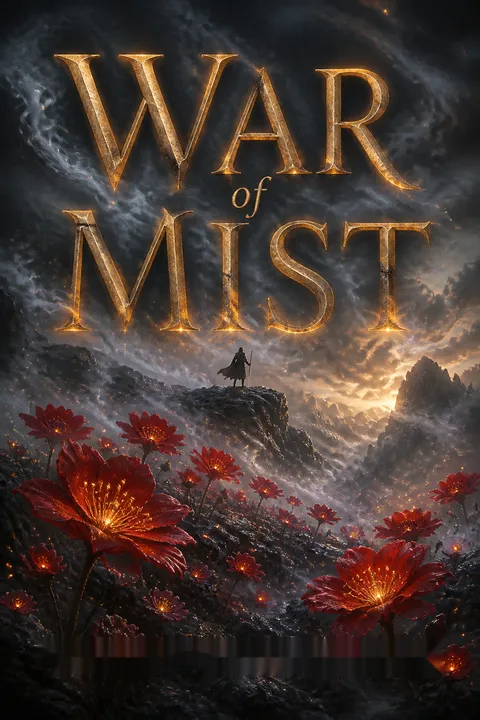


Plot Summary
Prologue
Ines, now mistress of Ellest and lover to King Arden, searches the castle library for a violet amulet she believes was made to defeat her. It was given to her years earlier by Prince Casimir, who warned that another collector might strip her of her magic.
Ines now understands the gift was a weapon, not a safeguard. Her power has made her feared, but its many conflicting forms leave her restless and hungry for more. Certain that the amulet is hidden in the library, she tears through its shelves, determined to find it before her enemies can.
The prologue makes Ines frightening not only because she commands armies and magic, but because she experiences power as an answer to an inner absence that cannot be answered. Her collection of possessions and abilities offers a temporary sense of possession, never security. The amulet complicates her account of betrayal: she reads Casimir’s past actions through her present need to dominate, while the reader sees that her understanding of the object is incomplete. By opening with Ines’s search, the novel makes the struggle for the amulet personal before it becomes strategic. Its threat is both political and intimate.
The Tailor's False Trail
Four weeks after the battle in Havennesse, Bleak and Prince Casimir reach a Heathton brothel looking for the elusive Tailor, whom they need to find the hidden amulet. Bleak uses her mind magic to get them into his room, where maps track the rebellion and notebooks list her movements. Some entries are wrong, leaving Casimir unsure whether the Tailor has been watching them or misleading their enemies.
Madame Joelle directs them to find a baron, though Ellest has no such official title. At the stables, cook Martha warns that Ines has been tearing apart the castle library. Fanatics attack, and Martha stays behind to draw them away while Bleak and Casimir escape. Bleak feels her old plague scar react, a sign that Ines’s reach has grown.
The search begins with surveillance rather than a face-to-face meeting. Bleak discovers that someone has followed her for years, yet the false entries make observation look less like simple betrayal and more like a risky form of protection. That uncertainty matches the novel’s collapsing trust: allies hide information because the enemy is powerful, but secrecy also leaves others exposed. The scene also contrasts Bleak’s growing command of mind magic with her vulnerability to the city’s political violence. Her scar reacts before she can explain the danger, making the body a record of harm that official stories cannot erase.
Erostey Demands Justice
Across the Janhallow Desert, former commander Dimitri Swinton leads Prince Nazuri, Princess Olena, and Captain Fiore Murphadias toward water. A vision guides Swinton to Erostey, a village he once helped devastate under King Arden’s orders.
Chief Yaridha recognizes him and lets the clans beat him for his role in the old attack. Nazuri and Olena stop the punishment, then reveal the prince has secretly been building support among the clans. Refugees explain that Ines’s followers brand dissenters and that King Roswall has proclaimed her a living goddess.
With hundreds more displaced people arriving, the village cannot shelter them indefinitely. Swinton argues that the crown is already at war with its people, and Nazuri calls his supporters to arms.
Swinton’s beating gives the political alliance a moral cost: his past cannot be dissolved by his present loyalty. The scene does not treat justice as a simple obstacle to cooperation. Yaridha’s anger is grounded in real harm, while Nazuri’s intervention acknowledges that a future government must distinguish accountability from endless revenge. Olena’s insistence on standing beside the prince also establishes her authority as active rather than ceremonial. The refugees bring the consequences of Ines’s rule into the room, converting abstract warnings into branded bodies and an immediate crisis of food, safety, and allegiance.
The Pyre in the Alps
In the Kildaholm Alps, Dash, Luka, and Jarel catch Mariette, the kennel master accused of releasing toxic mist. Luka’s grief over Petra turns into violence: she beats Mariette until Dash draws his sword and forces her to stop. Jarel binds the unconscious prisoner, but the trio soon find a village preparing to burn captives alive while chanting for Ines.
They cannot attack the much larger crowd, and Dash must watch the victims die. Mariette later hints that someone compelled her to act, but Jarel silences her. Searching for hope, Dash reads an unfinished history in Princess Olena’s quaveer book and finds a letter describing a weapon hidden in Ellest, one that may help defeat Ines if Oremere’s prince returns.
Dash’s intervention marks an ethical step beyond passivity: he risks his friendship with Luka to prevent grief from turning into an execution. Yet the burning captives expose the limits of individual courage. Their decision not to charge the mob is not cowardice, but a recognition that heroic action can create more victims when power is badly mismatched. The letter offers hope, but its unfinished account keeps hope provisional. Dash does not receive a solution; he receives evidence that history has been suppressed and that collective resistance may still have a material chance.
Marks Beneath the Skin
Back in Wildenhaven, Bleak learns that red flowers bloom whenever Ines gains Ashai magic. The discovery makes the flowers at Langdon’s corpse and across Oremere signs of theft, not decoration. Bleak, Casimir, and Dash then find dark markings spreading over their bodies, each pattern beginning where the plague once struck.
A marked Ashai dies, her symbols gathering into Ines’s face before a surge of power leaves her body. The trio realizes the disease will harvest thousands of Ashai for Ines unless they can stop it. Their search for a cure is complicated when the Mother Matriarch Allehra gives contradictory information about Valian herbs and reacts strangely around Bleak’s panthers and a formerly captive Ashai woman.
The markings transform the plague from a past catastrophe into an ongoing extraction system. Ines does not merely kill opponents; she converts their bodies into future capacity for her own power. The red flowers make that transfer visible, turning landscape into a political ledger. Bleak’s personal history of infection therefore becomes inseparable from the survival of her people. The apparent authority of Allehra also becomes unstable: expertise and rank cannot be trusted on their own when the enemy can alter bodies and identities. The section redirects the heroes from battlefield preparation toward diagnosis, care, and verification.
Allehra's Stolen Face
Bleak enters the captive Ashai woman’s mind and follows her memories to Farlah, Ines’s general, torturing her at Moredon Tower. She also sees Farlah receive a charm meant to hide her thoughts while impersonating Allehra and targeting Bleak’s magic. When the group removes the charm, the false Mother Matriarch’s disguise falls away.
Bleak then searches Farlah’s memories for the real Allehra and finds her imprisoned beneath Ines’s statue in Heathton’s maze. The vision also reveals the history between Casimir and Ines: as young lovers, they planned a future together, while Ines quietly learned how to take his magic. Bleak sees that their enemy’s rise began through intimacy, manipulation, and patient preparation.
The impersonation makes political trust a literal bodily vulnerability: the person in the room looks like a loved authority but carries the enemy’s intentions. Bleak detects the fraud through connections that are not official, including the panthers’ wariness and the captive woman’s repeated counting. Her magic becomes investigative, but it also forces her to witness torture rather than merely collect facts. Casimir’s memories complicate the opposition between victim and villain: he once loved Ines and made choices that helped her, but recognition of complicity does not require him to excuse her later violence.
The Tailor Is Ermias
A snowstorm delivers the missing Tailor to Wildenhaven with Fiore, Olena, Nazuri, Therese, and Swinton. Bleak recognizes that the Tailor is Prince Ermias Goldwell, long presumed dead. Ermias explains that his inaccurate notebooks were deliberate false trails to shield Bleak and Casimir, and that he waited until he could help safely.
His return restores the third branch of Oremere’s ruling family, but Casimir resents the years of silence. Swinton, meanwhile, demands to see Dash and learns the boy is safe, though not yet ready to hear the truth. The reunion brings the scattered allies together, but their shared secrets now require open decisions about the amulet, the cure, and who will lead the coming fight.
Ermias’s reveal turns the earlier evidence of surveillance into a divided truth: his records endangered the group, but they also misdirected the enemy. The scene resists a clean moral verdict, asking whether secrecy can be protective without becoming paternalistic. The reunion also gathers people who have been physically separated by war, while exposing the emotional distance created by withheld identities. Swinton’s restraint matters as much as his longing. He does not yet have the right to claim Dash’s trust simply because he knows their biological connection.
The Tournament Rescue
The allied party returns to Heathton for the amulet, the cure ingredients, and Allehra. In the castle library, Casimir reveals a hidden chamber where the amulet can be opened only by the combined magic of Oremere’s three heirs.
Meanwhile, Swinton leads Henri and Sahara through the maze to Allehra’s supposed prison, but the herbs there are gone. They follow tournament cheers to the amphitheatre and find Allehra forced to fight for the crowd’s amusement. Henri and Sahara break into the arena, while Bleak’s message brings Valian and groundling fighters.
Swinton and Fi reach King Arden as he threatens his son, Prince Jaxon. Swinton kills Arden with the knightly axes returned by his father, and Fi’s hidden Battalonian influence helps persuade the king’s army to surrender.
The rescue joins private recovery to public revolt. Allehra’s captivity represents the regime’s attempt to turn a respected leader into entertainment, while the arena lets the crowd consume cruelty as spectacle. The allied rescue reverses that arrangement by making the spectators’ arena a site of resistance. Swinton’s use of his family’s axes is equally significant: he accepts a past he once tried to outrun, but uses its inheritance against Arden rather than in service of the crown. Fi’s authority reveals that political power has been moving beneath official titles all along.
The Cure in Allehra's Blood
At Emmett Carlington’s cottage, Casimir divides the recovered amulet into three stones, one for each Oremian heir. He explains that the stones can help their magic work with Oremere and pierce Ines’s defenses. Bleak and Casimir still need a way to halt the spreading marks, and Allehra reveals she secretly consumed the Valian herbs in Arden’s dungeon so their properties would remain in her blood.
Groundling healer Lyse makes a tonic from it. Bleak and Casimir drink the first doses; their markings recede, proving the treatment works. The cure gives them a chance to survive and to save other infected Ashai, but it must be produced and distributed before Ines can claim the power the disease is extracting.
Allehra’s remedy depends on care and bodily risk rather than a sudden magical counterattack. She preserved knowledge by making her own body its container, while Lyse’s practical skill turns that knowledge into treatment that can be shared. The amulet and tonic thus offer contrasting models of resistance: one is a weapon aimed at the ruler, the other a medicine that protects those she would exploit. Bleak and Casimir’s willingness to test the first dose recognizes that leadership cannot mean asking others to bear every uncertainty.
A Mother in the Counting
While the tonic is distributed in Wildenhaven, Bleak hears the familiar counting of the captive Ashai woman and takes her hands. The woman’s memories reveal that she is Gesa Thornton, Bleak’s mother, abducted at the docks years earlier while trying to hide her daughter from guards. Farlah’s torture left Gesa unable to speak, but the recognition reunites them.
Bleak cannot remain with her: the war is approaching, and healer Agnes agrees to care for Gesa. Before leaving, Bleak also visits Bren. Their affection remains, but the pain of his imprisonment and the choices they made have changed what they can offer each other. Bleak departs with Eydis’s dogs, carrying grief and a new responsibility.
The revelation comes through a repeated, damaged behavior rather than a clear explanation. Counting, once evidence of madness, becomes the thread connecting mother and daughter across years of separation. Recognition does not restore Gesa’s voice or undo her captivity; reunion is real but incomplete. Bleak’s departure immediately after finding her mother repeats an old pattern of leaving, yet this time she acts with knowledge and support rather than abandonment. Her farewell to Bren similarly accepts that love cannot return people to who they were before violence altered them.
The Underpass Bargain
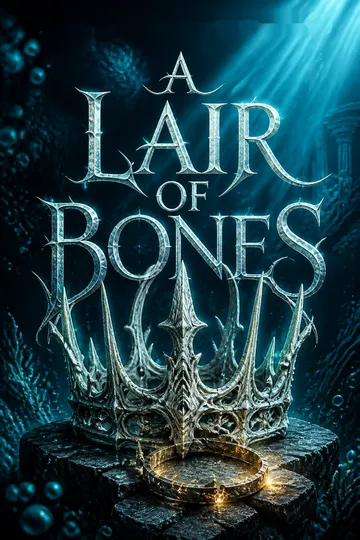
Bleak enters the East Sea Underpass with Eydis’s dogs and her teerah panther pride, while Henri leads the main force toward the ships. The lisloiks’ song draws Bleak away from the animals, but her amulet shields her from its lethal pull. Queen Delja receives her in the bone-built lair and agrees to consider helping in exchange for the return of Lamaka’s Basin after the war.
Bleak emerges near ruined Westerfort, where Sahara joins her, having been transported from the fleet by Ermias to reunite with Geraad’s rebels. Their arrival at the underground headquarters comes amid arguments over timing. Before plans settle, a warning bell sounds: someone has found and attacked the colonies.
The bargain makes victory dependent on negotiation with people who have suffered under the same enemy but do not owe the coalition automatic loyalty. Bleak must offer a future return of homeland rather than demand immediate sacrifice. The Underpass also tests her capacity to distinguish danger from moral certainty: the lisloiks are lethal, but their violence has a history, and their expulsion is part of the conflict. Sahara’s choice to leave the fleet for the rebels parallels Bleak’s own willingness to act outside the expected formation, though both choices expose the fragility of unity.
The Colonies Lose Their Shelter
The warning bell sends Oremian rebels racing through their underground refuge as Ines’s toxic mist leaks through its vents. Bleak recognizes the mist and is pulled into a memory of Ines as a child, taken from her mother and forced into the high-priestess order after accidentally collecting another girl’s magic.
Sahara rings the evacuation bell and gets the survivors moving. Ermias takes the children first, while Sahara escorts Bleak and Casimir through the panicked crowd.
Many people remain trapped, and Bleak emerges shaken by those they could not save. The survivors discover their location was betrayed, though they do not yet know by whom. Rather than wait for another attack, Sahara urges the rebel colonies to march on Freyhill immediately.
The attack makes the underground refuge, once a symbol of Oremian endurance, a vulnerability. Ines’s memory does not absolve her: her childhood dispossession helps explain the grievance she carries, but the adult ruler has converted that injury into a system that repeats it on others. The evacuation prioritizes children without pretending everyone can be saved. Bleak’s distress reflects an important limit in her role as a mind reader: knowledge and power cannot reverse every loss. The decision to march turns survival into action before grief can harden into paralysis.
The Blood Bloom Battlefield
At Freyhill, Dash and Luka paint a circle with Battalonian chemicals, then coat themselves so Dash can ignite the firestorm wells without burning his own skin. The flames devastate Ines’s army, but her survivors encircle the allied forces.
Bleak arrives with the teerah panthers, and the lisloiks answer her bargain, attacking the enemy while Bleak shields her allies from their song. Nicolai reveals his betrayal by leading Qatrolan reinforcements, but Eydis knocks him unconscious.
Ines’s shield holds until Bleak, Casimir, and Ermias unite their amulet stones; Casimir finds Ines’s pressure point beneath her scarves and drains her power. Swinton’s arrow kills her. Ines and her soldiers dissolve into red flowers, but Luka and Swinton die from their wounds.
The climax assembles the novel’s distinct forms of power rather than making one hero sufficient. Dash’s practical knowledge, Bleak’s mental defense, the heirs’ linked magic, the lisloiks’ force, and Swinton’s final shot each matter. Ines is defeated by a weakness created within the intimate history she tried to control, not by a weapon that simply overwhelms her. Yet victory remains costly: Luka and Swinton die, and the battlefield is still full of bodies. The flowers that once advertised Ines’s accumulation become the visible remains of a regime that can no longer command them.
Victory's Unquiet Aftermath
After Ines falls, Lyse revives Henri, and the remaining allies tend the wounded and identify the dead. Swinton’s arrow wound proves fatal; Fi stays beside him, while Dash grieves for both his father and Luka. The rulers honor Swinton and award Dash a medal for his actions, and Dash chooses to return to his grandparents and train toward knighthood rather than take a council post.
Olena and Nazuri end their engagement by mutual agreement, leaving Olena free to help her brother govern Ellest. Henri and Sahara bury Luka and Allehra in Valia, where Athene returns to mourn her daughter. Henri names Lyse her heir, and later allows Therese to begin Valian training. Bleak takes her mother to Angove for healing, then returns toward Oremere.
The aftermath refuses the fantasy that a just cause can make its losses feel acceptable. Swinton’s death arrives after victory, when the danger seems over, and therefore exposes how war’s costs outlast its decisive moment. Dash’s choices are shaped by grief but are not reduced to it: he accepts a future of training and family connection on his own terms. Henri’s appointment of Lyse and acceptance of Therese’s training broaden Valian authority beyond inherited status. The political settlement begins not with a triumphant coronation, but with mourning, succession, and a willingness to revise old boundaries.
Epilogue
Three months later, Bleak and Gesa return to Oremere aboard The Daybreaker. The mist has vanished, and workers are rebuilding Westerfort. Bleak leaves the battlefield’s blood-bloom circle intact as a record of what happened. At Lamaka’s Basin, she confirms that the lisloiks have returned and gives their new queen the amulet.
Three knotted reeds on the shore recall Senior’s familiar knots, linking Bleak’s old home to her new one. At Freyhill, she takes her place among the ruling heirs, with Gesa beside her. Bleak’s mother still cannot speak, but they can share memories. As the rebuilt realm gathers around them, Bleak’s restless search finally gives way to a sense of belonging.
The epilogue offers restoration without pretending that repair is the same as erasure. The blood-bloom circle remains visible because Bleak refuses to cleanse the landscape of its history, even when the image is painful. The return of the lisloiks to Lamaka’s Basin converts a wartime bargain into a political obligation fulfilled. Gesa’s silence likewise marks recovery as partial: intimacy begins through shared memory rather than a miraculous cure. The familiar knots connect Bleak’s life with Senior to the future she builds in Oremere. Her final belonging is not a return to innocence, but a chosen place among people who remember what survival cost.
Analysis
War of Mist treats authoritarian power as a process of taking: Ines collects magic, claims territory, rewrites religion, brands dissenters, and turns the bodies of infected Ashai into future resources. The novel makes this extraction literal through the spreading markings and the red flowers that announce each transfer. Her rule is therefore not sustained by strength alone. It also depends on control over memory, public stories, and the loyalties of people who mistake proximity to power for safety.
Against that system, the book assembles forms of resistance that are deliberately unlike one another. Bleak reads minds, Dash reads quaveer and interprets visions, Lyse and Allehra preserve herbal knowledge, Fiore draws on informal networks, and Henri and Eydis organize fighters. None is sufficient alone. The amulet requires three heirs; the battlefield plan requires Dash and Luka; the coalition requires rebels, groundlings, Valians, desert clans, and the lisloiks. Shared action becomes a practical alternative to the collector’s possessive model of power.
The story also refuses to equate explanation with excuse. Ines’s childhood dispossession illuminates the wound beneath her ambition, but her later choices reproduce the coercion she endured. Casimir’s guilt and Swinton’s past crimes receive similar treatment: remorse matters only when it changes present conduct and accepts consequences. Their relationships with Ermias, Bleak, Dash, and the wider coalition shift because people learn to disclose, listen, and leave others room to choose.
Victory does not restore what has been lost. Luka, Swinton, and Allehra leave absences that political agreements cannot fill, and Gesa’s recovery remains incomplete. The final rebuilding therefore carries grief rather than erasing it. Bleak’s decision to preserve the battlefield’s flowers makes that ethic visible: a just future must remember the violence from which it emerged, while refusing to let that violence govern what comes next.
Review Summary
War of Mist is highly praised as an epic conclusion to The Oremere Chronicles trilogy. Readers commend the fast-paced action, character development, and emotional impact. The book features intense battle scenes, surprising plot twists, and satisfying character arcs. Many reviewers appreciate the focus on friendship over romance and the complex, flawed characters. Some criticism is directed at convenient plot elements and underdeveloped villains. Overall, fans of the series find it a thrilling and bittersweet finale that leaves them eager for more from the author.
People Also Read



Characters
Bleak, Alarise Thornton
Reluctant Oremian heirAn Angovian survivor with unusual eyes, mind-reading magic, and an instinct to distrust grand titles, Bleak begins as someone shaped by scarcity and by the need to manage her own safety. Her quickness at reading minds gives her insight, but also exposes her to other people’s fear and pain. She relies on practical skills, including sailing and knot work, and is fiercely attached to the people and creatures she considers hers. Her deepest tension is between the old self who survived by staying mobile and the leader her people need her to become. Bleak resists the idea that ancestry alone should define her, even as she learns to claim responsibility for Oremere.
Casimir
Guilty Oremian princeCasimir is one of Oremere’s princes, a thoughtful and burdened magic wielder whose past relationship with Ines still shapes his choices. He wants to protect his people, but guilt makes him guarded and slow to trust others with information. His willingness to take responsibility is real, though it does not erase the damage caused by decisions he once made. With Bleak and Ermias, he has to work as part of a ruling family rather than as a solitary strategist. His character is driven by the difficult distinction between remorse and paralysis: he cannot undo the past, but he can decide what obligations it creates in the present.
Ermias Goldwell
Hidden prince and spyKnown in the Upper Realm as the Tailor of Heathton, Ermias combines a streetwise humor with the caution of someone who has spent years avoiding capture. His ability to travel and his trade in information make him unusually useful, but he does not always explain his choices to the people affected by them. As Casimir’s younger brother and another Oremian heir, he must step out from behind disguises and accept the demands of public leadership. Ermias is loyal to his people, yet his loyalty often takes the form of secret plans, leaving others to decide whether protection without consent is still a kind of betrayal.
Henrietta Valia
Warrior queen of ValiaHenri is a disciplined warrior queen whose authority rests on training, physical courage, and a fierce sense of responsibility for her kindred. She often meets fear with command and keeps grief private, which can make her seem harsher than she intends. Family estrangement and the pressures of leadership sharpen her suspicion of others, especially when information is withheld. Her relationship with Bleak grows from distrust into mutual respect, while the return of her twin sister forces her to reconsider what loyalty and independence mean. Henri’s central struggle is learning that control can protect a community, but it cannot substitute for trust or emotional honesty.
Dash Carlington
Stable boy turned seerRaised by Emmett and Dorothy Carlington as a stable boy, Dash is curious, practical, and more observant than he first appears. His growing visions and his ability to read quaveer make him a bridge between hidden history and urgent decisions. He is still learning how to speak and act with confidence in rooms full of rulers, but he does not mistake rank for wisdom. Dash values domestic comforts, especially baking and caring for horses, and these habits keep him connected to the life he knew before war. His sense of self must accommodate an unexpected inheritance without denying the people who raised him or the choices he wants to make.
Dimitri Swinton
Disgraced commanderOnce commander of King Arden’s army, Swinton is a skilled soldier shaped by duty, secrecy, and the guilt of past campaigns. He has spent years protecting others through omission, including people he loves, and must learn that a protective intention does not guarantee a harmless result. His loyalty to Fiore is deep, while his relationship with Dash begins under the strain of a truth withheld for years. Swinton carries grief and shame without treating either as absolution. What drives him is a desire to serve the realm more honestly than he did before, even when the people he hopes to protect have every reason to judge him.
Ines
Collector and false queenInes is a former high priestess who uses magic, political theater, and emotional manipulation to extend her control across the realm. Her hunger to collect power and possessions grows from a history of deprivation, but she turns that injury into a justification for taking agency from others. She is patient, strategic, and capable of making intimate relationships serve political ends. Her self-image as a rightful ruler masks how little room she leaves for anyone else’s will. Ines functions as more than a military enemy: she forces the characters to confront how grievance can become a cycle of reproduced harm when pain is used to license domination.
Sahara
Rebel Valian twinSahara is Henri’s twin, a skilled fighter who spent years away from Valia and built a life among Oremere’s rebels. Her loyalties are not simple disobedience or rejection of her family; they come from a strong need to choose where she belongs. She shares Henri’s courage but expresses it with a more openly rebellious streak. Her connection with Geraad pulls her between intimacy and political commitment, while her return to Henri asks both sisters to accept that closeness does not require sameness. Sahara values the Valian Way, but believes it must be lived through chosen solidarity rather than enforced family obligation.
Princess Olena
Blind, self-directed princessOlena is an observant and capable princess whose blindness has sharpened her attention to sound, touch, and the behavior of people around her. She often sees political tension before others notice it and insists on being treated as an equal participant in decisions. Her kindness is not passivity: she can judge danger and give firm direction when circumstances demand it. Olena shares a close friendship with Dash and a political partnership with Nazuri. She wants a life in which duty does not erase personal choice, and her approach to leadership rests on listening carefully rather than relying on appearances.
Fiore Murphadias
Captain and hidden baronFiore is a former Ellestian captain and Swinton’s closest friend, a warm and adaptable man whose humor often eases tension without hiding the danger around him. His family’s influence reaches beyond official government through a network built on trade, loyalty, and mutual aid. He keeps some of that history private, partly from habit and partly to protect others. Fiore’s steady companionship gives Swinton a rare space for honesty, and his political reach becomes an important resource when armies must decide whom to follow. He embodies a form of authority rooted in relationships rather than royal appointment.
Queen Eydis
Winterland rulerEydis rules Havennesse with a soldier’s practicality and a ruler’s awareness of what her decisions cost. Her visions offer guidance, but she knows they do not remove the need to choose. She is protective of her people and willing to share authority when allies prove dependable. Her affection for Nicolai makes betrayal especially painful, yet she does not let personal loss stop her from leading. Eydis’s relationship with Henri develops into a partnership between rulers who understand the loneliness of command. She is strongest when she accepts help without surrendering responsibility.
Allehra
Mother Matriarch of ValiaAllehra is the experienced Mother Matriarch of Valia, a leader with deep knowledge of the forest’s magic and herbal traditions. Her authority comes from more than rank: she has spent years building relationships with Valians and groundlings alike. She can be protective and secretive, sometimes withholding plans because she believes the burden is hers to carry. Her daughters’ different needs complicate her role as a parent, especially when political duties compete with family repair. Allehra’s understanding of care is practical and embodied; she preserves knowledge, prepares others to use it, and expects leadership to include responsibility for those most easily overlooked.
Luka
Rising Valian warriorLuka is a talented young Valian fighter with a teasing manner that often conceals grief and uncertainty. Petra’s death unsettles her, and her anger can outrun her judgment, but she is also capable of listening when a friend challenges her. Her relationship with Dash is built on training, humor, and frank companionship. Luka’s mother, Athene, and her queen, Henri, place her between competing forms of loyalty, forcing her to decide what kind of Valian she wants to become. She values courage, but her strongest moments come when she recognizes that strength also involves restraint and commitment to others.
Athene
Valian first-in-commandAthene is Henri’s lover and trusted first-in-command, a fierce warrior whose loyalty to Valia is tested by family and political conflict. She is direct, capable, and accustomed to acting when others hesitate. Her bond with Henri is intimate but constrained by the queen’s need to keep parts of her private. As Luka’s mother, Athene must also face the consequences of choices that affect her daughter’s place among the kindred. She is not defined only by her combat skill: her willingness to protect others and to accept difficult boundaries reveals a person trying to reconcile love, service, and belonging.
Geraad
Oremian rebel leaderGeraad leads Oremere’s underground rebellion and has spent years preparing its colonies for open resistance. He is pragmatic, guarded, and sometimes impatient with delays that could expose his people to danger. His connection with Sahara joins personal affection to the cause they both serve, though neither relationship nor shared politics removes the risks. Geraad’s leadership depends on coordinating scattered groups while protecting civilians who cannot simply relocate. He represents the long labor of resistance: the planning, secrecy, and community trust that make a dramatic uprising possible before anyone sees a battlefield.
Gesa Thornton
Ashai woman from Bleak's pastGesa is an Ashai woman whose history is closely bound to Bleak’s earliest years and to the dangers facing Oremere’s magic users. She has endured profound loss and trauma, and communication is difficult for her. Her connection with Bleak develops through memory, touch, and the moments of recognition they can share. Gesa’s experience shows the cost of a world in which powerful institutions can separate families and suppress individual histories. She is not simply a source of answers about the past; her needs and recovery demand patience from the people who love her.
Nicolai
Havennesse generalNicolai is Eydis’s general and lover, a capable military figure accustomed to serving close to the center of power. His relationship with the queen gives him influence as well as access to sensitive plans. He is difficult to read, and the trust placed in him makes his decisions especially consequential for the coalition. Nicolai’s presence tests the difference between intimacy and reliability, reminding the other leaders that long service and private affection cannot replace scrutiny when an entire army is at stake.
Farlah
Ines's brutal generalFarlah is Ines’s military general, an imposing Ashai who relies on intimidation and physical cruelty. She serves the queen with disciplined aggression and treats prisoners as instruments rather than people. Her ability to disguise herself and conceal her intentions makes her a threat even when she appears to be an ally. Farlah’s violence gives the larger political conflict an immediate human face, while her role shows how a ruler’s system depends on enforcers willing to carry out its punishments.
Henrietta's mother and Bleak's mother
Grounding family presenceDorothy Carlington helps raise Dash alongside Emmett and gives him the home life that anchors his identity. She is associated with ordinary care, family routines, and the kind of belonging that does not depend on bloodline or title. Her presence matters because Dash’s new political and magical responsibilities could otherwise make his earlier life seem disposable. Dorothy and Emmett represent the people who shape a person through daily commitment rather than inheritance.
Plot Devices
The Violet Amulet
A weapon against InesCasimir gives Ines a violet-stoned amulet as a young prince, presenting it as protection while arranging for Queen Delja and the three Oremian heirs to bind their magic to it. The amulet is hidden in a chamber that only Casimir, Ermias, and Bleak can open together. Divided into three stones, it links the heirs to Oremere’s magic and carries a trace of Ines’s power, allowing it to challenge her defenses. Its deeper function is to make shared authority materially necessary: none of the heirs can claim the weapon alone. It also connects Bleak to Ines’s memories and later becomes part of a political promise to the lisloiks.
The Plague Markings
Ines harvests Ashai powerDark markings appear where Ashai once suffered the plague and spread across their bodies. When an infected person dies, the markings gather into Ines’s image and a surge of magic leaves the body. Red flowers bloom as visible signs of the power she has collected. The marks turn a past epidemic into a continuing threat against thousands of Ashai, including Bleak, Casimir, and Dash. Valian herbs preserved in Allehra’s blood can be made into a tonic that slows and reverses the process. The device links bodily illness, political oppression, and the landscape, making the cost of Ines’s rule visible rather than abstract.
Quaveer and Visions
Hidden history guides actionQuaveer is a tactile writing system Dash learns to read, allowing him to uncover an unfinished history and a letter about a weapon hidden in Ellest. His visions offer glimpses of events and dangers before he understands their context. Together, the book and the visions give the coalition partial knowledge, not certainty. The letter points the search toward the amulet, while later visions help Dash understand how to use Battalonian firestorm resources. This device makes knowledge a form of work: Dash must practice reading, compare evidence, and accept that a vision can show a real danger without revealing its whole meaning.
The Lisloik Song
A lure and a bargainThe lisloiks use an entrancing song to draw travelers off course and toward lethal encounters in the East Sea Underpass. Eydis’s dogs can resist the melody, but Bleak is protected when her amulet shines. The song introduces the lisloiks as a dangerous people with their own history of displacement, not simply a monster to defeat. Bleak negotiates with their queen, promising that Lamaka’s Basin will be returned if they aid the coalition. Their arrival at the battlefield changes the balance of forces, but their violence is governed by their own interests. The song therefore represents both supernatural danger and the cost of treating former victims as allies.
Battalonian Firestorm Wells
A controlled battlefield infernoEach glass vessel contains an ember that can unleash a firestorm. Prince Nazuri’s forces bring the wells to the final battle, and Dash develops a way to use them: he and Luka mark a circle on the ground with a chemical that protects whoever is coated in it. Dash ignites the wells inside that boundary, devastating Ines’s army while shielding the allies who take cover. The plan depends on precise preparation and Dash’s willingness to enter the danger zone. Its power is not indiscriminate magic alone; it is knowledge, trust, and coordination converted into a weapon, with an imperfect margin that can still leave someone burned.
The Oremere Chronicles Series
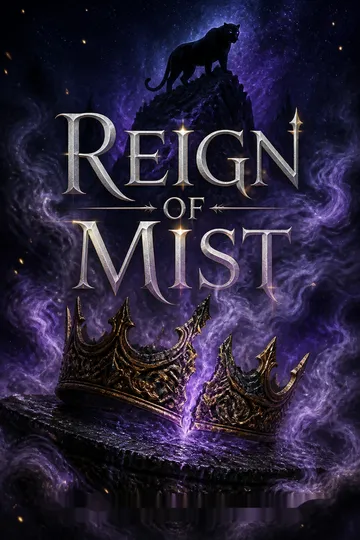
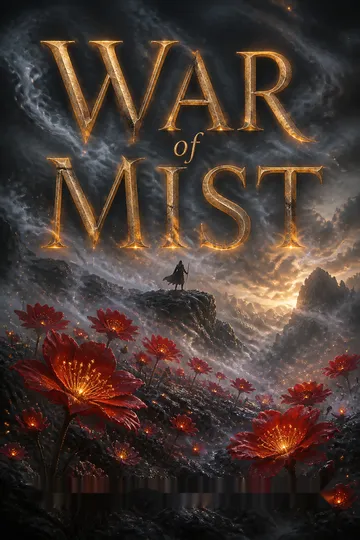
About the Author
Other books by Helen Scheuerer





Download PDF
Download EPUB
.epub digital book format is ideal for reading ebooks on phones, tablets, and e-readers.








