

Plot Summary
Prologue
Rachel remembers the ranch as the place where she and Shane first became inseparable, riding among the cattle and ravens while imagining a life beyond North Ridge. She wanted to leave; Shane belonged to the land, though he promised he would follow her.
Then he turned cold, told her their love had never mattered, and drove her away. She has spent six years building a life elsewhere, but the memories never quite released their hold.
The prologue frames the romance through Rachel’s remembered contradiction: Shane is both the person who made her feel most loved and the person whose rejection sent her fleeing. Her account initially makes the breakup look like a simple choice between love and home, but the unease around what happened signals that memory is incomplete. The ranch is not merely scenery; it is the ground where their attachment formed and where their different needs collided. By opening with an ending Rachel cannot explain, the book makes the reader experience her central wound before revealing its cause.
Rain Brings Rachel Back
Six years after leaving North Ridge, Rachel Waters returns from Toronto because her mother, Vernalee, has lung cancer. On a storm-dark highway, their car runs out of gas, and Shane Nelson stops to help. He is the rancher she once loved and the reason she swore never to return.
Vernalee recognizes him warmly, while Rachel can barely hide how much the sight of him unsettles her. Shane drives them to Ravenswood Ranch, where his father, Hank, welcomes them. Rachel had expected a brief visit and an absent ex; instead, the storm has delivered her straight into the world she escaped, with her mother’s illness and her unfinished history arriving together.
The return is triggered by care, not romantic nostalgia: Rachel comes because Vernalee is ill, despite years of distance between them. That distinction matters. Her choice is already more complicated than the self-protective identity she built in Toronto, where independence has partly meant keeping painful relationships at arm’s length. The roadside reunion makes the past physical before Rachel is ready to interpret it. Shane is no longer a memory she can manage privately; he is driving her toward the ranch, and the weather renders the meeting almost unavoidable. The story begins by placing duty, old desire, and unresolved injury in the same vehicle.
The Cottage Next Door
At dinner, Rachel learns that Vernalee has lost her library job, fallen behind on rent, and is being evicted. Hank offers the empty worker’s cottage on his ranch, arguing that Vernalee needs a stable place to recover and Rachel needs somewhere to stay while helping her. Rachel resists, but paying for a hotel or supporting her mother alone is not realistic.
The cottage sits beside the Nelson home, placing her within easy reach of Shane. She also has a boyfriend, Samuel, and a demanding advertising job waiting in Toronto, yet their brief messages offer little comfort. When Maverick and Delilah help move the boxes, Rachel admits that the town is less difficult than she expected. Shane remains the difficulty she cannot avoid.
The cottage turns a temporary medical visit into enforced proximity, but the pressure is practical rather than contrived. Vernalee’s illness, financial insecurity, and isolation expose how little Rachel knew about her mother’s life. Hank’s intervention supplies material care that the women cannot easily provide for themselves, while also making Rachel dependent on the very family connected to her heartbreak. Her Toronto life appears secure from a distance, yet Samuel’s thin responses and her fear of losing work suggest that its stability is more fragile than she admits. The domestic arrangement therefore unsettles two defenses at once: Rachel cannot dismiss her mother as self-sufficient, or Shane as safely past.
Thanksgiving Wishbone
Years earlier, nine-year-old Rachel arrives in North Ridge after her father, Errol Waters, becomes the town’s police chief. The Nelsons invite the new family to Thanksgiving dinner, and Shane, also nine, sits with Rachel at the children’s table. He watches her shrink under the adults’ attention and tries to make her comfortable by talking about his dog, Blue, and the horses at the ranch.
After dinner, they pull a turkey wishbone. Shane wins the larger piece, but Rachel’s disappointment stays with him because his private wish concerns both of them. The evening gives Rachel a rare welcome outside her tense home, while Shane’s instinct to notice her silences becomes the beginning of their unusually close friendship.
This childhood meeting establishes the emotional grammar of their bond before romance gives it a name. Shane’s defining attentiveness appears in a small action: he notices Rachel’s discomfort and offers the concrete world he knows, his dog and horses, as a way into conversation. Rachel’s quietness is not presented as simple shyness; it is a practiced strategy for taking up less space around an intimidating father. The wishbone introduces hope as an object that can be held, divided, and misread. Shane’s wish is for a shared future, but he cannot yet tell Rachel what it is. Their intimacy begins with care that exceeds their ability to explain it.
The Stormlit First Kiss
At thirteen, Rachel rides with Shane to an abandoned settler’s barn, where he gives her the nickname Raven after noticing her dark hair and the birds nesting nearby. When he startles her in the shadows, she strikes him, then touches his injured jaw as they apologize. Shane kisses her, and the thunderstorm that follows forces them to escape on one horse after his spooked mount bolts.
Rachel clings to Shane as they ride home, and they admit that their feelings are more than friendship. He connects the ravens with the courage to kiss her, while she begins to understand that the boy who makes her feel visible is also the boy she loves. Their childhood closeness becomes a first romance.
The kiss grows out of a precise exchange of vulnerability. Shane misjudges Rachel’s fear, she responds physically, and the repair begins when she reaches toward his hurt rather than retreating from it. The storm then gives their new intimacy a bodily consequence: with one horse gone, they must ride pressed together. The ravens and the nickname Raven turn Rachel’s identity from the guarded daughter of a powerful man into a person Shane sees on her own terms. Yet the scene also plants a risk. Shane’s promise of protection feels absolute to Rachel, whose home life has taught her to doubt safety elsewhere. Their love offers refuge, but it cannot yet solve the danger she is hiding.
A Promise in the Hayloft
At sixteen, Shane takes Rachel to the hayloft, where they become sexual partners and exchange the kind of devotion that makes their future feel settled. He gives her a rose-gold wishbone necklace, a wearable version of the wish they once made at Thanksgiving. Rachel then asks him to leave North Ridge with her.
She cannot yet tell him why the town feels unbearable, but she needs to know he will go. Shane promises he will follow her wherever she wants to live. His answer steadies her, even as the ranch remains the place he expects to inherit and the place where he feels he belongs. Their private pledge raises the stakes of the love that will later be tested.
The hayloft scene joins desire to a promise of escape, making intimacy carry more weight than the couple can safely bear. Rachel’s request is not adolescent restlessness alone; she is asking Shane to recognize an emergency she cannot yet disclose. His promise is emotionally sincere, but it is also made without confronting what leaving would demand of his family, identity, and work. The wishbone necklace condenses their shared hope into a keepsake, giving Rachel something tangible to trust when the future remains uncertain. The scene’s tenderness is therefore shadowed by an imbalance: Shane believes love can make the promise true, while Rachel needs that promise because home has become unsafe.
Ravenswood Reopens Old Wounds
In the present, Rachel struggles to settle into the cottage and avoids a real conversation with Shane. When Hank sends her to help him at the stable, she finds Shane cooling himself with a hose beside his horse. Their teasing quickly exposes the ease they still share. Rachel admits she is not coping well with Vernalee’s illness and the strain of being back; Shane listens, then sprays her with water until she laughs.
Later, he rides with her to the old barn. They find a dead raven and bury it together, a quiet gesture that leaves Rachel thinking about what their relationship has become. That night, Vernalee tells Shane she knows why he drove Rachel away and urges him to reveal the truth.
The return of laughter is meaningful because it precedes trust rather than proving it. Rachel can still respond to Shane’s familiar playfulness, but she remains wary of the person who once knew her best and then seemed to discard her. The dead raven makes grief material: rather than discussing their shared past, they perform a small burial together. This is not closure, but it gives their unresolved bond an image that both can see. Vernalee’s nighttime intervention shifts the burden toward honesty. She understands that Rachel’s distance rests on a false account of the breakup, and that affection without explanation risks repeating the original injury in a softer form.
The Breakup That Saved Her
At twenty, Rachel finally tells Shane that her father has sexually abused her since she was twelve and that Vernalee refused to believe her. Shane takes her in, then leaves to confront Errol, attacking him in his kitchen. Constable James Zimmer catches Shane before he can kill him. Errol threatens to have Shane imprisoned unless he ends the relationship and disappears from Rachel’s life.
Shane believes a public, vicious breakup will make Rachel leave town and escape her father. He tells her he never loved her, and Rachel throws his wishbone necklace at him in front of their friends. She leaves North Ridge believing she was abandoned. Shane’s attempt to protect her instead creates a six-year wound built on a lie.
This revelation reframes the romance’s central betrayal without making Shane’s choice harmless. His violence is an impulsive attempt to answer abuse with punishment; once caught, he accepts Errol’s coercive bargain rather than risk imprisonment and leave Rachel exposed. The sacrifice is real, but so is the damage caused by removing Rachel’s ability to understand or choose. His lie repeats the logic that has governed her childhood: powerful people decide what she can know, supposedly for her own good. Rachel’s public rejection of the necklace turns a symbol of shared wishes into evidence she can use to sever the bond. Protection becomes another form of control, even when motivated by love.
The Lie Comes Apart
Back in the present, Rachel agrees to be friends with Shane at the Bear Trap, but their easy talk and shared dancing draw them outside. He kisses her beside the truck, in the parking lot where he once ended their relationship. Rachel stops him and demands to know why he told her he never loved her.
Shane explains that Errol had made him choose between prison and driving her away, and that he believed cruelty would make her leave before her father could hurt her again. He also admits he caused the assault injuries that Errol blamed on intruders. Rachel is shaken by the truth: the breakup was not proof that Shane stopped loving her, but it still cost her years of grief and mistrust.
The parking lot makes the revelation inseparable from the original harm. Shane’s kiss initiates the moment, but Rachel refuses to let renewed desire substitute for an explanation. Her demand asserts a form of agency denied to her in the past: she gets to ask what happened and judge its meaning for herself. The truth changes the moral shape of the breakup, not its emotional consequences. Shane acted under coercion and with protective intent, yet he also decided that Rachel could not be trusted with the truth. The scene refuses an easy absolution. Knowledge opens a possibility between them, but Rachel must first absorb what the new account does to the life she built around the old one.
The Grizzly at Camp
The next day, Rachel tells Shane that she has ended things with Samuel, whose distance made the breakup feel inevitable, and admits she may lose her advertising clients while away. After an argument with Vernalee, she asks to accompany Shane on a cattle search rather than stay alone. On the range, Rachel steps into the trees to relieve herself.
A grizzly appears, and she climbs a pine as it tries to follow. Fletcher charges the bear and is thrown aside, buying Rachel time. Shane keeps his shotgun trained on the animal but does not fire; the grizzly eventually leaves. He finds Rachel in the branches, catches her when she climbs down, and leads her back to safety with Fletcher limping beside them.
The bear encounter makes Rachel’s fear immediate and physical, but it also reveals how far she has moved from the girl who learned to disappear. She is alone in the woods, yet she acts quickly, climbs, and holds on until help arrives. Shane’s restraint matters: armed and terrified for Rachel, he faces the animal without turning panic into violence. That choice contrasts sharply with his earlier assault on Errol, where rage made violence feel like the only available response. Fletcher’s attack is costly but protective, and the dog’s survival underscores the scene’s fragile relief. After years of carrying Rachel’s safety as a private burden, Shane must protect without pretending he controls every outcome.
A Night Under Open Sky
With the bear gone and the horses gathered, Shane makes camp beside a creek. Rachel chooses to be close to him, and they spend the night together. In the morning, he tells her plainly that he loves her and asks her to stay in North Ridge. Rachel argues that love cannot undo the harm she carries or replace the life she built in Toronto.
Shane insists she does not have to heal alone, but she cannot promise a permanent future. They ride back in silence until Rachel asks to keep seeing him and make the time they have count, even if she still leaves. Shane agrees, accepting an uncertain present rather than demanding a guarantee. Their renewed intimacy is real, but their plans remain unresolved.
The wilderness night offers closeness without removing the conflict that brought them there. Rachel’s choice to be with Shane follows danger and renewed trust, yet the morning conversation prevents sex from functioning as a shortcut to reconciliation. She distinguishes love from repair: Shane can support her, but he cannot erase her trauma or decide where her life belongs. His plea to stay comes from devotion, though it risks turning her recovery into proof of his worth. Rachel’s compromise is both brave and guarded. She grants them a present while refusing to promise an ending she is not ready to choose. The relationship advances through negotiated limits, not romantic certainty.
A Wish Before Surgery
When Vernalee secures surgery in Vancouver, Rachel drives her there despite their tense silence. Before the operation, Vernalee gives Rachel a dried wishbone she saved at Ravenswood and apologizes for denying her account of Errol’s abuse.
Rachel accepts that her mother was frightened and deeply wrong, and tells her she wants a genuine relationship. Vernalee also urges Rachel not to reject Shane simply because a future with him feels frightening. Then she proposes filing a police report about Errol, and Rachel agrees to join her.
The decision turns their shared history into something they can address together. As the doctors take Vernalee into surgery, Rachel holds the wishbone, no longer treating hope as a private wish she must keep hidden.
The wishbone returns in a changed form. Earlier, it carried Shane’s unspoken hope; now Vernalee offers Rachel a token connected to care and an apology. The object cannot undo the years in which Vernalee failed to protect her daughter, but it marks a willingness to face that failure without asking Rachel to deny its cost. Their reconciliation is not instantaneous forgiveness so much as a new agreement to tell the truth and remain present. Rachel’s decision to report Errol also changes the direction of the family story: shame no longer belongs solely to the person harmed. The mother and daughter act together, making accountability part of recovery rather than a private burden.
Lightning Takes the Cottage
After Vernalee’s successful surgery, she and Rachel return to Ravenswood Ranch. A dry thunderstorm sends lightning into a pine tree and then the worker’s cottage, where Vernalee is asleep and still weakened by her operation. Rachel rushes inside but is overcome by smoke before she can reach her mother. Shane pulls Rachel out, then goes back into the burning cottage and finds Vernalee unconscious in her bedroom.
He passes her through a window to Hank and Rachel, but falling rafters trap him inside. Fox arrives with firefighting gear and drags Shane out. Fire crews and family members perform CPR on both Vernalee and Shane as the cottage burns to its foundations. The ranch’s second chance becomes a life-or-death rescue.
The fire gathers the novel’s weather imagery into a literal crisis: a storm that once framed Rachel and Shane’s first kiss now threatens the family they have rebuilt. Rachel’s instinct to rescue Vernalee shows that their reconciliation has already altered how she responds to her mother, even before every wound is resolved. Shane’s return to the burning cottage echoes his earlier urge to protect Rachel, but here his action is directed toward the whole fragile family. Fox’s arrival gives the brothers a decisive role in saving him, briefly reversing the distance between them. The rescue does not romanticize danger; smoke, burns, and CPR make clear that love cannot control consequences, only motivate people to face them.
Toronto, Then Home
Doctors eventually confirm that Shane and Vernalee will recover. At Shane’s bedside, Rachel tells him she is staying in North Ridge because she loves him, not out of pity or obligation. She also commits to filing the report against Errol with her mother. Once both are stable, Rachel spends two weeks in Toronto closing the life she no longer wants: she quits her advertising job and puts her condo up for sale.
Shane worries she may change her mind, but she returns to Kelowna with her belongings and runs into his arms at the airport. Back at the ranch, Vernalee and Hank’s affection has become unmistakable. Rachel has chosen a future rooted in her own work and relationships, not simply the place she once fled.
Rachel’s decision becomes credible because it is followed by action. She does not remain in North Ridge solely in the emotional aftermath of a rescue; she returns to Toronto, assesses what she has built, and deliberately relinquishes the job and property that no longer fit her. That distinction separates chosen belonging from dependency. Her return also avoids making Shane’s love a cure for trauma. Rachel has committed to confronting Errol, rebuilding her relationship with Vernalee, and finding work suited to her abilities. Hank and Vernalee’s growing closeness offers a parallel model of later-life connection, while the airport reunion makes the central romance mutual in practice, not only in words.
Epilogue
Four months later, Rachel is helping Delilah at the Bear Trap and has turned the rebuilt worker’s cottage into a successful bed-and-breakfast, using her advertising skills on work she genuinely enjoys. Vernalee and Hank arrive together, visibly happy, while Shane joins Rachel at the bar.
Outside in the snow, Shane returns to the parking lot where they once broke apart and proposes with a rose-gold ring engraved with the wish he made as a child: to marry her. Rachel accepts. The family gathers at the pub to celebrate, and the old parking lot becomes the place where their shared future finally begins.
The proposal completes the wishbone motif by converting childhood hope into an adult choice. Shane’s wish once existed privately, protected from disappointment by silence; now he offers it openly and lets Rachel answer for herself. The parking lot is not magically cleansed of its past. Its meaning changes because the couple returns to the same site with greater honesty and a more balanced understanding of what love requires. Rachel’s work at the bed-and-breakfast matters as much as the ring: she has found a role that draws on her own competence and desire, rather than making romance the sole justification for staying. The communal celebration also broadens the ending beyond the couple, gathering repaired family ties around them.
Analysis
Wild Card builds its second-chance romance around a distinction often blurred in romantic fiction: loving someone and making choices for them are not the same act. Shane’s breakup looks like abandonment because he withholds the truth, although he believes the lie will protect Rachel. His sacrifice does not cancel the injury. Rachel has to live with the consequences before she can decide what the revelation means, and her eventual return is meaningful because she chooses it after testing her own life rather than because Shane claims a right to her.
Rachel’s history also makes safety more complicated than physical shelter. She has learned to survive by minimizing her needs, then tries to replace vulnerability with professional achievement and self-sufficiency. Her return for Vernalee challenges that strategy: caring for her mother means acknowledging both love and anger, not pretending one cancels the other. Their reconciliation develops through specific acts of accountability, culminating in their shared decision to report Errol. The novel treats recovery as relational but not passive. Rachel receives support while retaining the authority to define her future.
The ranch gives these questions a material setting. Its work is repetitive, communal, and rooted in a place Shane never wanted to leave, while Rachel once understood leaving as the only route to freedom. By the end, she does not simply surrender her independence to the ranch or to Shane. She creates work that uses her skills and chooses a home that includes the people she loves. Wishbones, ravens, and storms connect childhood hope to adult risk, but none guarantees a happy ending. The characters must do the work of honesty, care, and accountability themselves. The final proposal fulfills an old wish only after Rachel has gained the freedom to say yes.
Review Summary
Wild Card is a second-chance romance novel set in rural Canada. Readers generally enjoyed the emotional story and chemistry between Shane and Rachel, though some found it predictable. The flashbacks and small-town setting were praised, but a few felt the pacing dragged at times. Many appreciated the author's handling of difficult topics, though opinions varied on the resolution. While not universally loved, most found it an engaging, steamy read with compelling characters and beautiful descriptions of the Canadian wilderness.
People Also Read
Characters
Rachel Waters
A survivor learning to chooseRachel is a sharp, capable advertising professional who learned early to make herself small in a home governed by fear. As a teenager, she finds ease and recognition with Shane and at Ravenswood Ranch, but leaving North Ridge becomes essential to building a self beyond her family and first love. In adulthood she prizes independence, achievement, and the life she has made in Toronto, while remaining wary of dependence and emotional exposure. Her return forces her to care for a mother she resents and face a love she never fully put away. Rachel’s central struggle is not simply whether to choose Shane, but whether she can trust her own wants without surrendering her autonomy.
Shane Nelson
The ranch's quiet heirShane is a thoughtful rancher, more observant than talkative, whose loyalty to Ravenswood is tied to family, responsibility, and a deep need to prove he belongs. He is steady with animals and attentive to the people he loves, yet his instinct to protect can turn into decisions made on someone else’s behalf. His childhood closeness with Rachel becomes the emotional center of his life, and his bond with the land makes her wish to leave difficult for him to understand. Shane carries private guilt and doubts his own worth, but he is capable of tenderness, humor, and direct devotion. His challenge is to make love an honest partnership rather than a promise to bear every danger alone.
Vernalee Waters
A mother facing old failuresVernalee is Rachel’s proud, stubborn mother, a woman accustomed to concealing need behind sharp remarks and self-reliance. She has lived through a damaging marriage and a long estrangement from her daughter, but her defenses do not mean she feels nothing. Illness and financial trouble expose how isolated she has become and force her to accept help from Hank and the Nelson family. Vernalee’s love for Rachel is complicated by fear, denial, and remorse, and she must learn that affection without protection is not enough. Her gradual willingness to speak plainly gives Rachel a chance to know her as a person, not only as the mother who once failed her.
Hank Nelson
Ranch patriarch, hidden romanticHank runs Ravenswood Ranch with a gruff manner and a strong sense of duty. He raised Shane and his brothers after the death of his wife, relying on family and community to keep the ranch and household standing. His concern for Vernalee and Rachel appears first as practical help: he informs Rachel about her mother’s illness and offers the cottage when Vernalee loses her apartment. Beneath his reserve is a capacity for tenderness that he rarely expresses directly. Hank respects the people he cares for, even when he struggles to say what they mean to him, and his connection to Vernalee reflects the possibility of beginning again after loss.
Dick Nelson
The family's lively elderDick is Hank’s father and the cheerful elder presence at Ravenswood Ranch. He welcomes Rachel as part of the family, offers plain advice, and keeps an eye on Shane’s emotional habits without forcing him to speak before he is ready. His humor and warmth soften the household’s harder edges, while his long experience gives him a steady faith in love and second chances.
Fox Nelson
Fire jumper, fierce brotherFox is Shane’s older brother, a smoke jumper whose work takes him into dangerous wildfires. He is physically fearless, direct, and protective, though his relationship with Shane carries old strain. Fox respects Rachel and recognizes that her history with Shane remains unresolved. His affection often comes through action rather than intimate conversation, and his dangerous work reflects a restless temperament shaped by risk.
Maverick Nelson
Risk taker, search leaderMaverick, whose given name is John, is Shane’s confident, flirtatious brother and the head of North Ridge Search and Rescue. He thrives on challenge, jokes easily, and is more comfortable acting than dwelling on difficult feelings. Beneath the bravado is loyalty to his family and a genuine willingness to help. His independent career contrasts with Shane’s commitment to the ranch, while his closeness with Delilah suggests that his charm does not make him immune to emotional complications.
Delilah
Bar owner, loyal confidanteDelilah owns and runs the Bear Trap, where she manages the regulars with humor, nerve, and the occasional show of physical force. She grew up close to the Nelson family and treats Shane like a brother, which allows her to challenge him without ceremony. Delilah is also a perceptive friend to Rachel, able to see when her composure hides unfinished pain. Her interrupted engagement reveals a more vulnerable side beneath her practical competence and sharp wit.
Errol Waters
A controlling police chiefErrol is Rachel’s father and the former police chief in North Ridge. He presents himself as a man entitled to obedience, using his public authority to reinforce control within his family. His presence shapes Rachel’s childhood even when he is not in the room, teaching her to anticipate danger and distrust the idea that powerful people will be held accountable. Errol’s position makes him especially difficult for the people around him to challenge, and his behavior helps explain why Rachel longs to escape the town.
Samuel
Rachel's Toronto boyfriendSamuel is Rachel’s boyfriend in Toronto, part of the life she has built after leaving North Ridge. Their relationship is orderly on the surface but emotionally distant, and his short, detached responses reveal how little intimacy they have achieved. He represents a plausible future Rachel has chosen partly because it seems safe and separate from Shane.
Jeanine
The Nelsons' longtime caretakerJeanine raised Shane and his brothers alongside Hank after Shane’s mother died. She is Delilah’s mother and a lasting maternal presence in the Nelson household. Practical, affectionate, and familiar with the boys’ tempers, Jeanine helps make Ravenswood feel like a home rather than only a working ranch. Her steady care gives Shane a model of family devotion even though it cannot erase his sense of loss.
James Zimmer
A compromised local officerZimmer is a local officer who arrives during Shane’s confrontation with Errol. He finds Shane attacking the police chief and becomes caught between the evidence in front of him and the authority Errol still commands. His presence makes Shane’s impulsive attempt at justice immediately dangerous.
Old Joe
The Bear Trap regularOld Joe is a familiar drinker at the Bear Trap, where Delilah repeatedly catches him smoking despite the rules. His habits make him part of the pub’s comic routine, and his presence gives the bar its lived-in, small-town character.
Plot Devices
The Wishbone
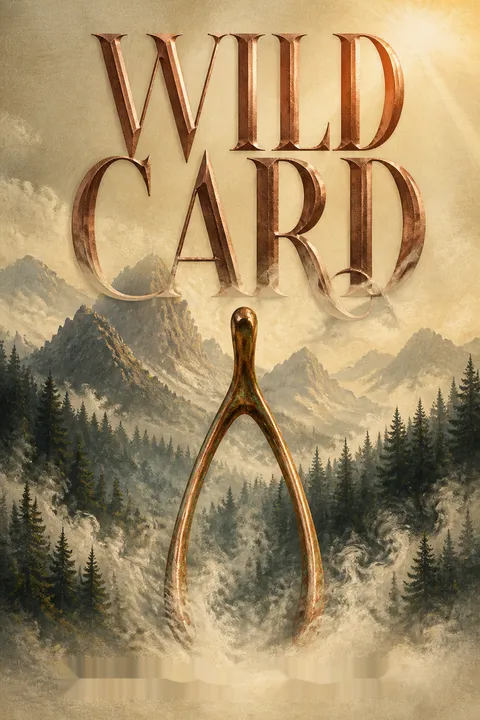
A wish carried forwardThe wishbone first appears at a Nelson family Thanksgiving, where young Shane privately invests it with hope for a future that includes Rachel. Years later, he gives her a rose-gold wishbone necklace, making the symbol part of their first love and later their painful separation. Vernalee’s saved wishbone then marks a change in the mother-daughter relationship, while Shane’s eventual proposal fulfills the childhood wish. Its function is not to make events happen by magic, but to give hidden longing a physical form that characters can keep, lose, and finally reinterpret.
Ravens and Storms
Nature mirrors emotional changeRavens, storms, and lightning recur around important shifts in Rachel and Shane’s relationship. The ravens witness the beginning of their romance and give Rachel her nickname; a dead raven later becomes the focus of their uneasy shared grief. Storms accompany their first kiss and, years later, Rachel’s realization that she wants a future with Shane. Lightning finally starts the cottage fire, turning the natural world from romantic witness into real danger. These patterns bind the ranch landscape to the characters’ memories without making nature a simple omen. The same wild environment can hold beauty, threat, loss, and renewal.
The Staged Breakup
A lie mistaken for rejectionShane’s public breakup is the story’s central concealed cause. After Rachel reveals Errol’s abuse, Shane attacks him and faces an ultimatum: prison or a cruel separation designed to drive Rachel out of town. Shane chooses the lie, convinced that Rachel’s hatred will keep her from questioning his motives and allow her to leave. The device creates the six-year gap between the lovers and shapes Rachel’s beliefs about her worth and Shane’s loyalty. When he finally explains the truth, the revelation changes how she understands the past but does not erase the harm of being denied the truth.
Ravenswood Ranch
Home made from shared laborThe ranch provides the story’s central physical and emotional setting. Its barns, horses, rivers, and open range hold Rachel and Shane’s childhood memories, while the work of moving cattle and caring for animals grounds their adult lives in concrete responsibilities. Ravenswood also becomes a place of shelter when Vernalee loses her apartment, forcing Rachel to confront the family she left behind. The ranch is not an uncomplicated refuge: it is tied to Shane’s sense of duty and Rachel’s old wish to escape. Its meaning changes as Rachel returns, chooses work that suits her, and decides what home can be on her own terms.
The Cottage Fire
Love tested by real dangerLightning ignites the worker’s cottage while Vernalee is recovering from surgery inside. Rachel rushes into the smoke, Shane pulls her out and returns for her mother, and Fox later rescues Shane when the structure begins collapsing. The fire brings several threads together: Rachel’s renewed bond with Vernalee, Shane’s protective devotion, the Nelson brothers’ family loyalty, and the literal fragility of the home they have shared. Unlike the earlier storms, this one has no romantic charge until after the danger passes. It makes survival, not a promise, the condition that allows the characters to speak honestly about the lives they want.
About the Author
Other books by Karina Halle





Download PDF
Download EPUB
.epub digital book format is ideal for reading ebooks on phones, tablets, and e-readers.








