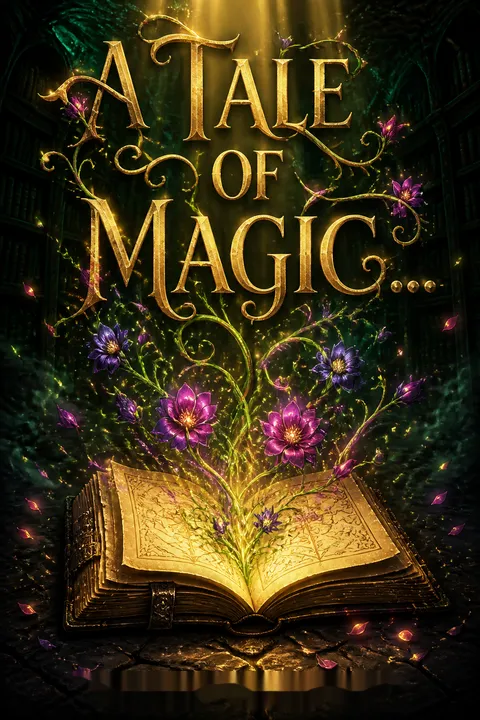


Plot Summary
Prologue
Across the four kingdoms, magic is treated as a crime so dreadful that accused people and their families are killed or imprisoned. Madame Weatherberry, a powerful fairy, visits the Southern Kingdom’s aging King Champion and argues that magic is a natural gift, distinct from destructive witchcraft.
She persuades him to let her recruit a boy and a girl for a school in the dangerous In-Between, with guardians’ permission. The king agrees partly because Weatherberry warns that a northern disaster may reach his borders. He signs the order, though neither he nor Weatherberry knows what the coming crisis will demand.
The prologue establishes that persecution is not simply popular superstition. Rulers encourage it because it redirects public anger and protects their own failures. Champion’s exception for magic is personal as well as political: his mother was executed on a false accusation, and his leniency partly serves his long campaign against his father’s legacy. Weatherberry’s school is therefore a practical experiment in changing public opinion, not a refuge detached from power. The threatened Northern Conflict also makes the king’s permission transactional. He helps a community he distrusts because he may need what its children can become.
Brystal's Borrowed Books
Fourteen-year-old Brystal Evergreen lives in a kingdom where girls are trained for marriage and barred from books. Her father, a Justice, enforces the rules at home, while her mother confiscates Brystal’s hidden collection but cannot answer why women are denied education.
Brystal quietly helps her anxious brother Barrie prepare for a legal examination, using knowledge she was never supposed to acquire. When their cruel older brother Brooks tries to rattle Barrie with false answers, Brystal corrects him, and her father berates her for speaking with a man’s authority.
Her mother warns her that defiance could ruin her marriage prospects. Brystal leaves for school believing she cannot accept the life chosen for her, though she has no clear path out.
Brystal’s first rebellion is intellectual, but the family scene shows how power reproduces itself through ordinary habits. Her father does not need to disprove her knowledge; he declares that a girl has no right to possess it. Her mother’s silence is more complicated than simple agreement. She recognizes the danger and has learned to survive by accommodation, while Brystal has not yet accepted survival as the same thing as living. Helping Barrie also makes the injustice intimate: Brystal can perform the work of a Justice, but the society that benefits from her mind refuses to recognize it.
The Library's Hidden Door
After school, Brystal finds a library job notice and uses a law that permits women to enter male-only premises when seeking work. She disguises her reason with a story about becoming a better wife, gives the librarian an alias, and secures evening access to thousands of books. While cleaning, she discovers a wooden lever disguised as a book and opens a concealed room marked for Justices.
Its shelves hold banned histories, arguments for women’s equality, and critiques of religious law. Beside the books, Brystal finds files tracking their authors through hiding places to their executions. The room is not simply a forbidden library: it is an official archive of truths the kingdom chose to erase.
The library turns Brystal’s private hunger for knowledge into a confrontation with how knowledge is governed. Her cover story succeeds because the librarian can imagine a girl wanting to please a future husband more readily than one wanting to read. The secret room sharpens that contradiction: the Justices preserve forbidden books not to learn from them, but to document the people they have silenced. Brystal’s curiosity is now politically consequential. Each page she reads offers both a fuller account of the world and evidence that the institutions around her have been deliberately shaping what she is allowed to imagine.
Flowers Become Evidence
Brystal’s last book in the hidden room, The Truth About Magic, describes fairies as people whose abilities can be used to heal, unlike witches who practice harmful witchcraft. When Brystal reads its test for fairy magic, flowers burst through the room’s walls and furniture.
She hides the evidence, but repeats the spell days later, producing a field of lights that exposes her to the librarian and two guards. Arrested under her alias, she faces charges of trespassing, female literacy, and magic.
Her brother Brooks is assigned to defend her, while Barrie becomes the prosecutor. Justice Oldragaid pushes Barrie to recommend the maximum penalty. Their father uses his connections to stop the execution, but sends Brystal to a brutal correctional facility and disowns her.
Brystal’s discovery of magic does not free her from the kingdom’s categories; it gives those categories a more dangerous target. The same society that polices women’s reading now treats her abilities as proof of criminality. The trial makes law’s neutrality impossible to sustain: Oldragaid exploits procedure for revenge, and Barrie follows professional advice until he understands who is in the cage. Their father intervenes not from tenderness but to protect his reputation. Brystal survives, yet the rescue relocates her into another institution built to punish her existence.
Pip Shares Her Blanket
At the Bootstrap Correctional Facility, the Edgars starve young women and force them into exhausting labor under the false promise of curing their magic. Brystal meets Pip Squeak, a small, long-imprisoned girl who can squeeze through bars and sneaks her a blanket when she shivers. When the wardens catch Pip taking it, they prepare to dunk her in an icy well.
Brystal claims responsibility and summons a flock of birds that drives off the staff. Before the Edgars can punish her, Madame Weatherberry arrives in a golden carriage drawn by unicorns and lifts Brystal free with magic. Brystal refuses to leave without Pip, but Pip urges her to take the escape she has been offered.
Pip’s blanket is a small act of care inside a system designed to make care seem like a punishable weakness. Brystal repays it by accepting blame, then discovers that defending another person can awaken power she cannot yet control. Her refusal to leave Pip makes escape morally harder than a simple rescue. Pip’s insistence that Brystal go prevents loyalty from becoming self-sacrifice without purpose. The scene begins the book’s recurring test of compassion: whether care can remain active without requiring someone to surrender every chance of a freer life.
A Mother's Signature
Weatherberry explains that Brystal is a fairy and invites her to join an academy where young people can learn to control their magic. The king’s order requires a guardian’s consent, so Weatherberry brings Brystal home. Justice Evergreen rejects the school and would rather see his daughter imprisoned than associated with magic.
As Brystal and Weatherberry leave, Mrs. Evergreen secretly gives her a permission form she has sewn back together after her husband tore it up. By signing as one parent, she authorizes Brystal to go. Her mother urges her to build a life beyond the house and not return. Brystal leaves with Weatherberry, carrying grief for the family she is losing and the first genuine choice she has been allowed to make.
Mrs. Evergreen’s signature is both a practical document and a quiet break in the family’s chain of obedience. She does not persuade her husband or publicly challenge his authority. Instead, she uses the form’s wording to create a narrow opening for her daughter. Her decision suggests that submission has never erased her judgment; it has constrained the ways she can act on it. For Brystal, departure is not uncomplicated triumph. Freedom arrives through a mother’s sacrifice, so hope and loss become bound together from the moment she takes the carriage away.
Fire Meets Emeralds
On the journey, Weatherberry recruits Xanthous Hayfield, an eleven-year-old whose uncontrolled fire killed his abusive father and destroyed their home. Xanthous had been heading toward a lake to drown himself, convinced his power made him dangerous. Weatherberry gives him a Muter Medal that suppresses his flames and offers him training.
Next, she finds Emerelda Stone in a coal mine, where Mr. Slate, the dwarf who raised her, has kept her hidden after discovering she can turn coal into jewels. Emerelda resists leaving the only home she knows, but Brystal’s appeal and Mr. Slate’s encouragement persuade her to go. The three children reach Weatherberry’s protected academy, a golden castle hidden behind a magical hedge in the In-Between.
Xanthous and Emerelda arrive at the academy with opposite strategies for surviving difference. Xanthous sees his power as proof that he must disappear; Emerelda has built a life in concealment and distrusts the human world that abandoned her. Weatherberry offers both instruction, but the risks are not identical. The Muter Medal acknowledges that power can harm before it is mastered, while Mr. Slate’s decision recognizes that protection can become confinement. Brystal’s presence helps make the school feel less like an adult’s scheme and more like a possibility the children can choose for themselves.
A Castle Learns Their Names
At the academy, Brystal meets Weatherberry’s apprentices, Tangerina Turkin, whose hair houses bees, and Skylene Lavenders, whose body carries flowing water, along with the warm but eccentric housekeeper Mrs. Vee.
The castle grows bedrooms suited to its residents, including a room full of books for Brystal. Soon the Goose Troupe brings Lucy Goose, a sharp-tongued young tambourine player whose strange incidents have exhausted her parents. Weatherberry accepts Lucy despite uncertainty about her abilities, and Lucy interprets the decision as another rejection.
Brystal brings her a birthday cake and begins to earn her trust. When a thunderstorm frightens the children, Brystal reads to them, and apprentices and newcomers crowd into one bed to listen.
The academy gives its students a form of welcome their earlier homes could not: space that changes to fit the person rather than demanding that the person fit the space. Lucy’s arrival complicates that promise. Her parents’ decision to leave her, even at a school, makes acceptance feel like abandonment in a new costume. Brystal’s cake cannot solve that wound, but it makes a first gesture of attention. The shared reading during the storm turns Brystal’s forbidden childhood pleasure into a communal practice, allowing the book that once isolated her to help create a chosen family.
The Wand Finds Brystal
Weatherberry teaches the students to improve, heal, create, and imagine through magic. Brystal’s attempts repeatedly overshoot: she transforms a tree’s leaves into butterflies and rejuvenates an injured gryphon until it hatches as a chick. Thinking she is failing, she fears expulsion.
Weatherberry identifies magiclexia, a block that can develop when fairies suppress their magic to survive persecution, and lends Brystal an old crystal wand. With it, Brystal begins directing her power, and her star on Weatherberry’s Map of Magic grows dramatically.
Tangerina and Skylene resent Brystal’s rapid progress. During a later lesson, four witches arrive and insist Weatherberry return to the Northern Kingdom to help end the Northern Conflict. Weatherberry leaves with them, concealing the danger from her students.
Magiclexia gives Brystal a way to understand failure without turning it into a verdict on her worth. Her power has been forced underground by a life that rewarded silence, so technical instruction alone cannot immediately make it accessible. The wand helps, but it also makes Brystal’s advancement visible and provokes jealousy among students who have had to master their abilities without similar assistance. Weatherberry’s departure introduces a second kind of concealment: the teacher who teaches her pupils to trust their own nature hides the crisis shaping her decisions. Protection and secrecy begin to resemble one another.
Lucy Runs Into Danger
After Tangerina tells Lucy she does not belong at the academy, Lucy slips into the In-Between with a note announcing her departure. Brystal follows her into the woods and finds her crying beneath a tree.
Their argument gives way to a pledge of friendship, but witch hunters interrupt them and fire crossbow bolts. Brystal and Lucy flee until a hill traps them. A silent armored knight riding a three-headed horse scatters the hunters and carries the girls back toward safety.
Weatherberry returns at the same time, exhausted and furious that Brystal broke the academy’s rules. The next morning, she apologizes after learning what happened. Brystal sees that her teacher’s bruises and concealed injuries suggest her supposed visits to a sick friend are not what they seem.
Brystal’s rescue of Lucy is an act of chosen responsibility, but it also exposes the limits of her preparation. She can persuade Lucy to return, yet neither girl can reason with armed people who have already decided what they are seeing. Horence’s intervention offers protection without explanation, reinforcing the forest’s ambiguity: danger and help can arrive in equally strange forms. Weatherberry’s anger initially seems like another adult punishment, then her apology restores trust. Her injuries, however, make that trust uneasy. Brystal now has reason to suspect that the teacher’s authority rests on a hidden story.
Secrets Around the Bottle
Brystal learns that Horence was once a soldier burned for loving a witch, and that a forbidden spell returned him as a silent guardian. She later gathers the students to settle Lucy and Tangerina’s feud by testing Lucy with spells from Weatherberry’s book.
The witchcraft test does nothing; the magic spell fills Brystal’s room with weeds, proving Lucy is a fairy. The girls apologize and the classmates make a pact to protect one another.
After Weatherberry secretly leaves again, Lucy’s game of circle of secrets helps Xanthous admit that his father beat him for playing with dolls before the fire. The friends accept him. Emerelda then describes the Snow Queen’s assault on the Northern Kingdom, and Brystal confirms on the Map of Magic that Weatherberry is there.
The group’s tests and confessions challenge the assumption that a person’s nature can be read from appearance, fear, or one disastrous moment. Lucy’s magic answers a question she dreaded, while Xanthous’s secret reveals that the shame he carried came from a parent’s cruelty, not from anything wrong with him. The pact makes mutual protection explicit, but it also gives the children a standard they will soon have to test outside the academy. Brystal’s map discovery converts worry into knowledge: Weatherberry’s absence is no longer a private mystery but a threat involving a kingdom.
The Snow Reaches Home
Weatherberry returns badly injured and admits that the Snow Queen is her old friend Queenie, now consumed by hatred, though she still hides the full truth of their connection. She tells Brystal she may not survive the next confrontation and asks her to lead the academy if she dies. She also asks Brystal to kill the Snow Queen if Weatherberry falls first.
Brystal reluctantly promises. Weatherberry begins teaching the students self-defense, then learns that King Nobleton has died and the Northern Kingdom is nearly lost. She leaves again with the witches. Two weeks pass. When snow falls over the academy, Brystal tells her classmates the truth about the danger and leads them toward the north to save Weatherberry.
Weatherberry’s request transforms Brystal from a student seeking rescue into a possible successor expected to make a lethal decision. The burden is especially sharp because Brystal has only just begun to control her gifts and has been taught that magic should heal. Her promise is made out of love and fear, not conviction. The snowfall that finally breaks the stalemate gives the children evidence that waiting is no longer neutral. Their departure is an act of agency, but it also shows how easily a young person can be pushed into adult responsibility by a crisis adults failed to contain.
The Canyon's Secret Garden
The students put Mrs. Vee to sleep so she will not follow, then enter the In-Between with supplies, a map, and winter clothing. Horence guides them until a stream marks the boundary of the land where he can travel. Later, trolls trap Tangerina and Skylene, while a dispute with goblins gives the group a chance to flee.
Lucy creates a rope bridge over a canyon, but Xanthous loses his Muter Medal, panics, and burns through the bridge. The children fall into Greenhouse Canyon, where enormous flowers cushion their landing. Rosette Meadows leads them to her aunt, Sorceress Floraline, who demonstrates that fairies and witches are not separate kinds of people. A Tree of Truth confirms the deception and reveals a tunnel to Tinzel Heights.
The journey turns the children’s lessons into physical consequences. Xanthous’s lost medal is not a symbolic inconvenience but the cause of the broken bridge, while Lucy’s quick invention buys the group an escape. Their survival depends on cooperation more than mastery. In Greenhouse Canyon, the Sorceress dismantles the moral division Weatherberry taught them, forcing the students to reconsider an identity that had offered safety and pride. The Tree of Truth gives Brystal enough information to keep moving, but not enough to settle every question. Knowledge becomes a route forward, not a substitute for judgment.
Betrayal at Tinzel Heights
Brystal explains to her classmates that Weatherberry separated fairies from witches to shield the magical community from human persecution, even though the distinction is false. Tangerina and Skylene confront their own pleasure in believing they were morally superior, and Brystal urges them to judge themselves by their choices.
The children take the goblin tunnel to the Northern Kingdom, where a spreading blizzard threatens the last refuge, Appleton Village. General White’s battered army prepares to defend it.
Brystal repairs the soldiers’ ruined armor to prove the children can help. On the mountainside, the Snow Queen appears with Crowbeth, Newtalia, Squidelle, and Feliena beside her. Brystal realizes the witches have betrayed Weatherberry and the Northern resistance.
The revelation about fairy and witch identity changes the group’s ethical problem before the battle begins. Tangerina and Skylene lose a comforting hierarchy that had let them answer persecution by imagining a lesser group beneath them. Brystal’s alternative is demanding: worth must be earned through conduct, not assigned at birth. At Tinzel Heights, her repair of the soldiers’ armor translates that ethic into immediate service. The witches’ alignment with the Snow Queen then turns the conflict into more than a fight against a powerful attacker. The children must act without the adult alliance they expected to rely on.
The Avalanche Breaks
The Snow Queen summons a blizzard and an army of snowmen against General White’s exhausted soldiers. Tangerina sends her bees into the storm to catch snowflakes and clear the soldiers’ sight; Emerelda makes emerald cannonballs, while Lucy, Brystal, Xanthous, and Skylene help defeat the snowmen. The four witches attack the children.
Lucy summons geese that damage Crowbeth’s wings, Xanthous disables Squidelle with his Muter Medal, Skylene freezes Newtalia in her own spray, and Emerelda turns Feliena into a jewel. When the Snow Queen triggers an avalanche, Lucy forces Xanthous to confront the shame he has carried. He releases a tremendous blast of heat, vaporizing the avalanche before it can bury the army and refugees.
The battle pays off the students’ individual specialties while showing that no single gift is enough. Tangerina’s bees clear the field, Emerelda supplies ammunition, and each student counters a particular threat through observation as much as force. Xanthous’s breakthrough is emotional and tactical at once: he can use his power at full strength only after separating it from the shame imposed on him. Lucy’s painful reminder pushes him toward that release, but the group’s support gives the moment its safety. Their victory over the witches saves the frontline, yet the Snow Queen remains at large.
Weatherberry Beneath the Crown
While her friends hold the battle line, Brystal climbs to Tinzel Palace and finds its people frozen in place. She hides when the Snow Queen returns, then aims her wand but cannot kill an unsuspecting opponent.
The queen spots her reflection, seizes her, and loses her strength when Brystal knocks away the icicle scepter. The Snow Queen’s face becomes Weatherberry’s. Weatherberry reveals that she has suppressed her lifelong anger until it formed the Snow Queen, then deliberately used the witch’s destruction to make humanity depend on magic.
Brystal refuses to kill her. Instead, she sends Weatherberry into hiding in the mountains and agrees to tell the others that the queen has retreated. The northern lights will signal whether Weatherberry still holds her back.
The central revelation turns the mentor’s plan into a test of whether Brystal will inherit its methods along with its goals. Weatherberry’s scheme treats fear as a political instrument: a frightened humanity will need magical people, even if it does not respect them. Brystal recognizes that such dependence cannot secure genuine acceptance, and that killing her teacher would make her complicit in the same logic. Sparing Weatherberry is not a declaration that the devastation is harmless. It is a refusal to let a promise made under pressure decide what kind of person Brystal becomes.
Brystal Faces the Justices
The Snow Queen’s blizzard sweeps through the Southern Kingdom for five days before fading. King Champion gathers his Justices and tells them that the northern catastrophe nearly destroyed their own kingdom. He presents Brystal and her classmates as the children who stopped it, then acknowledges their demands.
The Fairy Council requires magic to be legalized, prisoners of non-harmful magic released, resources and territories granted to the displaced peoples of the In-Between, equal education and employment for women, limits on political manipulation of religion, and the return of banned books and artistic freedom.
The Justices protest, but Champion accepts the terms. Brystal confronts her father when he claims her publicly, making clear that his earlier rejection cannot be undone by her success.
The Council’s demands convert a battlefield victory into a political negotiation. The students do not ask only for their own safety; they link magical freedom to women’s education, the treatment of displaced species, religious authority, and public knowledge. Their platform responds to the systems that made the crisis possible rather than treating the storm as an isolated emergency. Champion’s agreement is important, but it is not moral conversion: fear of another attack gives the children leverage. Brystal’s final exchange with her father marks a different kind of resolution, one based on boundaries rather than his belated approval.
A Home Behind the Hedge
The Council arranges for the girls held at Bootstrap to be released, and unicorns carry them through the In-Between to Weatherberry’s academy. Brystal reunites with Pip, who tells her the Edgars have lost the free labor they depended on.
Brystal and her friends welcome the former prisoners, establish rules for their new school, and begin teaching the skills Weatherberry introduced. Brystal restores the missing section of the Map of Magic and sees northern lights over the mountains, evidence that Weatherberry remains alive and resisting the Snow Queen.
Then Horence guides hundreds of magical people to the academy. Many are newly freed; others have spent years hiding. Brystal welcomes them, reminding the gathered community that their work must make the world safer for everyone, not only themselves.
The ending makes refuge tangible through specific acts: Pip reaches the ocean-side castle, prisoners leave forced labor, and hidden families arrive under Horence’s protection. The academy changes from an experiment with a handful of students into a school and sanctuary large enough to require more rooms. Brystal’s leadership remains unfinished; the northern lights promise that the threat has not vanished, and the wider world has not suddenly become just. Her welcome therefore avoids treating legal victory as the end of history. The community’s safety matters, but its purpose is joined to a broader responsibility toward those still excluded.
Analysis
A Tale of Magic... treats oppression as a system that controls both material opportunities and the stories people can tell about themselves. Brystal is denied books, education, and professional possibility before anyone knows she has magic. Her abilities intensify the danger, but the underlying conflict is already present in her family and the law. The hidden library makes that relationship explicit: power is sustained not only through punishment but through the deliberate management of history, religion, and access to knowledge.
The novel also asks whether a community can seek acceptance without reproducing the logic used against it. Weatherberry’s plan answers persecution with strategic fear, making the Snow Queen a manufactured crisis intended to force humanity to depend on magical people. Its political logic is understandable, especially after repeated atrocities, but it cannot produce genuine trust. Brystal’s refusal to kill Weatherberry marks a break with the idea that a good outcome excuses any means. She does not deny the damage or the need for protection; she rejects a future built on another act of coercion.
The children’s development is collective rather than solitary. Xanthous gains control when shame no longer governs his power. Lucy discovers that the disruptive incidents surrounding her do not define her as evil. Tangerina and Skylene must relinquish the comforting belief that they are innately superior to witches. Emerelda learns that a hidden life is not the only form of safety. Brystal’s compassion connects these changes, but the book does not present compassion as passive niceness. It involves defending Pip, confronting her father, leading a dangerous rescue, and establishing political demands.
The ending consequently offers a beginning rather than a perfected society. Magic is legalized, imprisoned girls are released, and the In-Between’s displaced peoples receive land and supplies, yet prejudice and the Snow Queen’s threat remain. The academy becomes a community capable of organizing for a wider public good. Its promise is not that kindness will immediately erase violence, but that resistance need not adopt the enemy’s values in order to become powerful.
Review Summary
A Tale of Magic... received mixed reviews. Many praised its engaging story, magical world-building, and positive messages about acceptance and equality. Readers enjoyed the characters and found the book captivating. However, some criticized it for being overly preachy, lacking subtlety in its messaging, and having underdeveloped characters. Several reviewers noted similarities to other popular fantasy series. Despite its flaws, many fans of Colfer's previous work found it enjoyable and looked forward to continuing the series.
People Also Read



Characters
Brystal Evergreen
Forbidden-book seekerBrystal is a curious, quick-thinking fourteen-year-old raised in a kingdom that treats female learning as defiance. She reads secretly, knows the law better than the adults who enforce it, and often notices the human consequence behind an abstract rule. Her humor and imagination help her endure a household where her father’s approval is conditional and her mother’s sympathy must remain hidden. Brystal is generous without being passive: she helps Barrie study, protects Pip, and tries to make newcomers feel welcome. Her strongest inner conflict is between the future she believes she deserves and the fear that others have the right to define her. She is driven by a persistent conviction that people can become more than the roles assigned to them.
Madame Weatherberry
Idealistic fairy mentorWeatherberry is a charismatic teacher and advocate for magical people, known for unusual elegance, strategic patience, and a talent for making frightened children feel seen. She believes education and public service can change how society understands magic, so she builds a protected academy and recruits children whose abilities have made them unsafe elsewhere. Her optimism is not naïveté; she has negotiated with rulers and planned for political resistance. Yet her confidence in carefully managed change also makes her secretive, especially when she believes the truth might burden her students. She values compassion as a discipline and asks her pupils to use their abilities in service of others. Her history gives that principle personal weight.
Lucy Goose
Unruly truth-tellerLucy is a sharp, theatrical thirteen-year-old who travels with her musician parents and has learned to use jokes and insults before anyone can reject her. Her strange, disruptive incidents have made her family anxious and her own sense of belonging precarious. Lucy enjoys performance, attention, and a good mystery, but beneath her bravado is a fear that her nature may be inherently harmful. She tests relationships with bluntness, then notices when someone offers genuine loyalty. Lucy is often the first to puncture solemnity, though she can also see when a friend is hiding pain. Her humor is both armor and social instinct: she uses it to control the terms of an encounter and to draw people back into the group.
Xanthous Hayfield
Fire-prone orphanXanthous is an eleven-year-old boy whose fiery abilities have frightened him since childhood. He is gentle, anxious, and deeply concerned about the safety of anyone near him, so he interprets loss of control as proof that he should withdraw from other people. A Muter Medal gives him temporary control while he learns to understand his power. His timidity does not mean he lacks courage; he keeps trying even when he expects to fail. Xanthous also carries shame about interests that his father condemned, revealing how social rules can turn ordinary self-expression into a secret. He responds strongly to reassurance, but his growth depends on learning to trust his own judgment rather than waiting for permission to exist.
Emerelda Stone
Gem-making survivorEmerelda is a resourceful girl raised by dwarfs after her human parents abandoned her. She can transform coal into precious gems, a talent that has made her valuable to the mine and wary of anyone who approaches her with promises. Her bluntness protects a real attachment to the community that raised her; she does not want gratitude to be mistaken for willingness to leave. Emerelda is practical, observant, and capable of revising her view when another person gives her a reason to do so. She values loyalty and useful work, and she tends to express care through action rather than sentiment. The academy asks her to imagine a life beyond the role she has already learned to perform.
Pip Squeak
Shape-shifting childPip is a small girl with the ability to stretch and squeeze her body through narrow openings. Imprisoned at Bootstrap from early childhood, she has few memories of life outside it and speaks with the matter-of-factness of someone who has mistaken deprivation for normality. Her kindness appears in concrete acts, especially when she risks punishment to bring Brystal a warm blanket. Pip is observant, adaptable, and more hopeful than her circumstances suggest. She dreams of seeing the ocean, though she has never left the facility, and her friendship with Brystal gives that dream a shared future.
Tangerina Turkin
Bee-haired apprenticeTangerina is an experienced apprentice whose orange beehive shelters a living swarm. She is proud of her abilities and status, and her confidence can harden into condescension toward students who seem less prepared. Underneath, she wants recognition and reassurance that she matters within the magical community. Tangerina’s attachment to a moral distinction between fairies and witches gives her a sense of security in a world that condemns both. She is loyal to Skylene and responsive to Weatherberry’s expectations, but must learn that hierarchy can reproduce the same cruelty she resents.
Skylene Lavenders
Water-bodied apprenticeSkylene is an apprentice whose body continuously carries water, making her abilities visible even when she would prefer to blend in. She is affectionate, distractible, and often follows Tangerina’s lead, though her practical intelligence emerges when a problem has a physical or scientific solution. Skylene’s innocent misunderstandings lighten tense moments, but she is not merely comic relief; she worries about belonging and values the security of the academy. Her friendship with Tangerina helps shape both girls’ assumptions about identity and moral worth.
Mrs. Vee
Warm-hearted housekeeperMrs. Vee runs the academy’s household and welcomes its students with food, jokes, and unreserved affection. Her humor often misses its audience, but the effort itself is part of how she makes a home. She is attentive to the children’s needs and notices when Weatherberry’s absences and injuries suggest concealed trouble. Mrs. Vee provides steadiness without claiming authority over the students’ inner lives. Her kindness gives the academy an everyday warmth distinct from its magical grandeur.
Justice Evergreen
Controlling family judgeBrystal’s father is an influential Justice who prizes order, reputation, and male authority. He expects his children to uphold the family’s legal standing, yet his harshest rules fall on Brystal because her intelligence threatens the gender roles he takes for granted. He can behave as though law is impartial while using its customs to protect his own status. His relationship with Brystal is marked by distance and intimidation rather than curiosity. He represents how institutional power can enter private life and teach a child to doubt her own right to speak.
Mrs. Evergreen
Quietly defiant motherBrystal’s mother manages the household’s labor while navigating a marriage shaped by her husband’s authority. She often repeats the limits society places on girls, partly because she understands the dangers of challenging them. Yet her moments of sympathy show that she has not mistaken compliance for conviction. She recognizes Brystal’s unhappiness and eventually finds a practical way to give her daughter a choice. Her care is restrained by fear, which makes her rare acts of defiance especially consequential.
Brooks Evergreen
Ambitious elder brotherBrooks is a confident young Deputy Justice who enjoys teasing Barrie and expects to advance within the family’s legal tradition. His sharpness can look like simple cruelty, but he is also observant and capable of using courtroom procedure strategically. When family and professional roles collide, his choices reveal how ambition can become an instrument of protection as well as rivalry. Brooks understands the court’s mechanisms better than Brystal can safely afford to.
Barrie Evergreen
Anxious younger brotherBarrie is a nervous law student who desperately wants to fulfill his family’s expectations and become a Justice. He is not naturally confident, and his fear of failure can overwhelm what he knows. Brystal understands his mind well enough to help him reconstruct facts through cause and effect rather than rote memorization. Barrie appreciates her intelligence, even when the society around him has taught him not to recognize its full value. His relationship with Brystal contains genuine affection beneath the pressure of their unequal opportunities.
Madame Floraline Meadows
Unorthodox plant sorceressFloraline is a sorceress who lives in Greenhouse Canyon among magically enhanced plants. Independent and skeptical of outsiders, she does not accept the academy’s rigid division between fairies and witches. Her demonstration of both creative and destructive magic forces the students to reconsider what Weatherberry has taught them. Floraline is neither a simple guide nor a villain; she values personal choice and accepts that people can contain contradictory capacities.
Mr. Slate
Dwarven adoptive fatherMr. Slate supervises the coal mine where Emerelda grew up and raised her as his daughter after finding her abandoned. He keeps her hidden because he fears humans would exploit her ability to make jewels, though the mine also benefits from her work. His love is genuine but tangled with dependence and overprotection. When Emerelda is offered a chance to leave, he must distinguish keeping her safe from deciding her future for her.
Horence
Silent forest guardianHorence is an armored, wordless knight who rides a three-headed horse through the In-Between. His appearance is frightening, but his actions repeatedly protect travelers from immediate danger. He communicates through gestures and seems bound to a particular stretch of land, making him a guardian with limits as well as formidable strength. Horence embodies the afterlife of violence: his existence is shaped by an old act of persecution, yet he uses his remaining presence to prevent others from suffering similar harm.
The Snow Queen
Northern storm witchThe Snow Queen is a powerful figure whose blizzards devastate the Northern Kingdom and threaten to spread across the continent. Stories about her portray an enemy no army can stop, which makes her both a military danger and a source of political panic. Her weather powers and icicle scepter give her immense destructive reach. She is connected to grief and vengeance, but the people facing her must respond to what she is doing, not only to the tragedy behind it.
King Champion XIV
Reluctant royal allyChampion is an aging Southern ruler who avoids work and dislikes being challenged, yet he has altered the kingdom’s treatment of magic after his mother’s execution. His leniency is neither pure altruism nor simple political calculation; it is shaped by a personal grievance against his father’s legacy. Weatherberry persuades him to authorize her school by connecting its potential to the threat from the north. He can act decisively, but only after someone makes the consequences of inaction impossible to ignore.
General White
Northern army commanderGeneral White commands the Northern Kingdom’s dwindling defense and continues to organize resistance as the Snow Queen advances. He is practical, disciplined, and focused on preserving the remaining population, even when the sovereign’s earlier denials have left him with too few resources. His willingness to accept help from the children follows their actions, not their claims.
Mr. and Mrs. Edgar
Bootstrap's cruel wardensThe Edgars administer the Bootstrap Correctional Facility, presenting forced labor and deprivation as religious treatment for girls they label troubled. Their polished office contrasts with the hunger and exhaustion of the children they control. They exploit the facility’s moral language to disguise a business built on unpaid work. Their authority depends on keeping the girls isolated and persuading them that punishment is care.
Justice Oldragaid
Vindictive court judgeOldragaid is a Justice known for pursuing severe penalties and exploiting procedure to settle personal grudges. His hostility toward Justice Evergreen turns Brystal’s case into a chance to humiliate an old rival. He treats the courtroom’s authority as a tool for dominance rather than a safeguard for the accused, embodying the danger of law administered without accountability.
Plot Devices
The Map of Magic
Tracks hidden magical livesWeatherberry’s map marks the living magical community with stars whose brightness reflects the strength of each person’s magic. She uses it to locate potential students, and Brystal later uses it to trace Weatherberry’s movements into the Northern Kingdom. It turns an otherwise invisible population into a visible network, but it cannot tell the observer what a person intends or whether a star’s location explains the whole truth. The blank spaces in the north become evidence in Brystal’s investigation.
The Crystal Wand
Makes Brystal's magic reachableWeatherberry gives Brystal an old crystal wand after recognizing that magiclexia blocks her access to magic. The wand helps Brystal focus abilities that otherwise emerge unpredictably, allowing her to participate more reliably in lessons and defend herself. It does not supply her power or remove the deeper effects of suppression; it gives her a practical way to work around them. Its importance is therefore both magical and psychological, as Brystal begins to trust that her abilities can be directed rather than feared.
The Muter Medal
Temporarily suppresses fireWeatherberry gives Xanthous a crystal medal that prevents his fire from appearing while he wears it. She designed it to protect him and the people around him until he can control his powers. The medal becomes a practical safety measure during training, but Xanthous’s dependence on it also makes it a source of vulnerability when it is lost during the journey. His later control of his flames matters because it shows that the device was a support, not a permanent substitute for understanding his abilities.
The Tree of Truth
Answers questions about the pastIn Greenhouse Canyon, the Tree of Truth answers questions about what is and what has been, but it cannot predict the future or read another person’s exact thoughts. Brystal consults it to investigate Weatherberry’s account of magic and witchcraft, learning that the distinction is a choice rather than a difference in birth. The tree also reveals Weatherberry’s location and a faster route to Tinzel Heights. Its answers provide essential direction, while leaving Brystal responsible for interpreting the motives behind what she learns.
The Northern Lights
Signals an unseen struggleAfter Brystal helps Weatherberry escape the palace, they agree that the northern lights will serve as a signal. Their continued appearance means Weatherberry is still resisting the Snow Queen; their disappearance would warn that the danger has returned. Brystal later checks the sky through a magical globe in Weatherberry’s office. The signal preserves a bond across distance, but it cannot tell Brystal exactly what is happening in the mountains or when she should act.
FAQ
0. Synopsis & Basic Details
What is A Tale of Magic... about?
- A World Suppressing Magic: A Tale of Magic... introduces a world where magic is outlawed and its practitioners, labeled "witches" and "warlocks," are brutally persecuted across four kingdoms. The Southern Kingdom, under King Champion XIV, offers a slight reprieve, sentencing magic users to hard labor rather than death.
- Brystal's Forbidden Quest: The story follows fourteen-year-old Brystal Evergreen, a girl in the oppressive Southern Kingdom where women are forbidden to read. Driven by an insatiable curiosity, Brystal secretly devours books, eventually securing a job as a maid in a library to access hidden knowledge.
- Discovery, Peril, and a New Path: Brystal's secret reading leads her to discover she possesses magic, resulting in her arrest and sentencing to a harsh correctional facility. Rescued by the enigmatic Madame Weatherberry, Brystal joins an academy of magic, embarking on a journey to understand her powers, confront a world steeped in prejudice, and ultimately challenge the very definition of good and evil.
Why should I read A Tale of Magic...?
- Unveiling Hidden Truths: Readers should delve into A Tale of Magic... for its profound exploration of societal oppression, challenging preconceived notions of good and evil, and the power of knowledge. The narrative expertly peels back layers of historical and religious manipulation, revealing how power structures control narratives to maintain authority.
- Empowering Character Journeys: The book offers deeply resonant character arcs, particularly Brystal's transformation from a repressed girl to a compassionate leader. Her journey, alongside other magical outcasts, highlights themes of self-acceptance, found family, and the courage to defy unjust systems, making it an inspiring read for anyone who feels marginalized.
- Rich World-Building & Allegory: Chris Colfer crafts a vibrant fantasy world that serves as a powerful allegory for real-world issues like gender inequality, prejudice, and the dangers of unchecked anger. The blend of whimsical magic with serious social commentary provides both escapism and thought-provoking insights, making it a unique and memorable fantasy experience.
What is the background of A Tale of Magic...?
- Prequel to a Beloved Series: A Tale of Magic... serves as a prequel to Chris Colfer's The Land of Stories series, offering readers a deeper understanding of the origins of magic and the fairy tale world's complex history. It establishes the foundational conflicts and characters that shape the later narratives, enriching the overall lore.
- Societal Oppression & Control: The story is set against a backdrop of extreme societal control, particularly in the Southern Kingdom, where women are denied education and magic is demonized. This reflects historical periods of censorship and gender inequality, providing a fantastical lens through which to examine real-world injustices and the mechanisms of power.
- Trauma and Political Manipulation: The political landscape is shaped by the trauma of past witch hunts and the self-serving motives of monarchs and Justices. King Champion XIV's leniency towards magic users stems from his mother's execution, while the Justices manipulate laws and religion to maintain their grip on power, creating a deeply corrupt and fearful society.
What are the most memorable quotes in A Tale of Magic...?
- "Magic is not a choice. Ignorance is a choice. Hatred is a choice. Violence is a choice. But someone's existence is never a choice, or a fault, and it's certainly not a crime. You would be wise to educate yourself.": This powerful declaration by Madame Weatherberry to King Champion XIV in the prologue encapsulates the core theme of identity and prejudice, challenging the very foundation of the kingdom's laws against magic. It's a pivotal moment that defines the philosophical battle at the heart of the story.
- "We're all just a couple of mistakes away from becoming the people we despise. So don't think worse of yourself, but let this change how you think of yourself. Start valuing who you are, more than what you are. Prove you're better than most people by showing more acceptance and empathy. And fuel your pride with what you earn and create, instead of what you're born with.": Brystal's profound advice to Tangerina and Skylene after the truth about fairies and witches is revealed, highlights her growth as a leader and her "specialty for compassion." This quote is central to the book's message of self-acceptance and overcoming internalized prejudice.
- "No matter how cruel or unfair the world becomes, never forfeit your happiness. And no matter how poorly someone treats you, never let anyone's hate rob you of compassion. The battle of good and evil isn't fought on a battlefield—it begins in each and every one of us. Don't let your anger choose sides for you.": Madame Weatherberry's final, poignant lesson to Brystal in Tinzel Palace serves as her ultimate legacy. It distills the book's complex themes of anger, forgiveness, and the choice between perpetuating cycles of hate or forging a path of compassion, directly influencing Brystal's leadership.
What writing style, narrative choices, and literary techniques does Chris Colfer use?
- Allegorical Fantasy with Modern Sensibilities: Colfer employs a classic fantasy narrative structure, complete with quests, magical academies, and mythical creatures, but infuses it with strong allegorical undertones. This allows him to address complex social issues like gender inequality, systemic oppression, and the dangers of unchecked anger in an accessible and engaging way for young adult readers.
- Third-Person Omniscient with Shifting Focus: The narrative primarily uses a third-person omniscient point of view, offering insights into multiple characters' thoughts and feelings, particularly Brystal's. However, it occasionally shifts focus to other characters or broader societal perspectives, providing a comprehensive view of the world and its inhabitants, and building suspense around Madame Weatherberry's secrets.
- Symbolism, Foreshadowing, and Irony: Colfer masterfully uses symbolism (e.g., books as freedom, clothing as identity, weather as emotion), subtle foreshadowing (e.g., Madame Weatherberry's one glove, the black envelopes, the Northern Conflict), and dramatic irony (e.g., Brystal's "maid" lie, Madame Weatherberry's "sick friend" story) to enrich the plot and deepen thematic resonance, rewarding attentive readers with layers of meaning.
1. Hidden Details & Subtle Connections
What are some minor details that add significant meaning?
- Mrs. Evergreen's Silent Rebellion: Brystal's mother, Mrs. Evergreen, initially appears as a strict enforcer of societal norms, but subtle details reveal her quiet defiance. Her brief spark of sympathy when Brystal asks why women can't read, and her ultimate act of sewing the permission form back together and signing it, show a deep, unspoken understanding of her daughter's plight and her own unfulfilled life. This highlights the pervasive nature of oppression, even affecting those who seem to uphold it.
- The Adaptive Castle's Personalization: The magical academy castle's ability to grow and furnish rooms based on the occupants' "specific needs" (Chapter 9) is more than just a whimsical detail; it subtly reflects the characters' inner selves and past traumas. Xanthous's fireproof room, Emerelda's cave-like chamber, and Brystal's book-filled tower are physical manifestations of their identities and struggles, emphasizing the academy as a place of self-discovery and healing.
- Mr. Woolsore's Financial Motivation: The librarian, Mr. Woolsore, initially dismisses Brystal's application due to her age and gender, citing "distraction" for male students. However, he quickly hires her when she offers to work for "three gold coins a week" instead of six (Chapter 2). This seemingly minor detail subtly exposes the underlying hypocrisy and greed of the Southern Kingdom's patriarchal system, where economic benefit can easily override supposed moral or legal principles.
What are some subtle foreshadowing and callbacks?
- Madame Weatherberry's Single Glove: From her very first appearance in the prologue, Madame Weatherberry wears "curiously, only one glove, which covered her left arm." This seemingly innocuous detail subtly foreshadows her hidden injury and the tragic origin of the Snow Queen, later revealed to be frostbite from her use of witchcraft (Chapter 18). It's a visual cue of her internal struggle and the duality she embodies.
- Horence's Cryptic Warning: When Brystal and Lucy encounter Horence in the In-Between, he points in their direction, then shows "two of his fingers, and then reduced them to one" (Chapter 17). Brystal initially finds this confusing, but later realizes it was Horence's non-verbal warning about Madame Weatherberry's dual identity as the Snow Queen, and the impending "two becoming one" as the witch consumed her. This callback deepens the tragic romance of Horence's backstory and his enduring loyalty.
- The Black Envelopes' Ominous Nature: The "scaly black envelopes" that Madame Weatherberry receives, which she claims are updates on a "sick friend," are consistently described with unsettling details like "scaled like a reptile's skin and sealed with wax the color of dried blood" (Chapter 10). These descriptions subtly hint at their true origin from the witches and their connection to the dark, escalating Northern Conflict, foreshadowing Madame Weatherberry's deeper, more dangerous involvement.
What are some unexpected character connections?
- Madame Weatherberry and Horence's Tragic Love: The revelation that Madame Weatherberry (Snowy Weatherberry) was the witch Horence loved, and that his death and her attempt to resurrect him led to her frostbite and the birth of the Snow Queen (Chapter 18), is a profound and unexpected connection. This transforms Horence from a mysterious protector into a living testament to Madame Weatherberry's deepest trauma and the catalyst for her complex plan, adding immense emotional depth to both characters.
- Brystal's Unwitting Connection to the Castle: The castle's "decision" to place Brystal's bedroom directly above Madame Weatherberry's office, and its "desire" for Brystal to "spy" on her teacher (Chapter 16), suggests a deeper, almost sentient connection between Brystal and the magical residence. This implies Brystal was chosen not just by Madame Weatherberry, but by the magic of the academy itself, highlighting her inherent destiny and the castle's role as a protective, guiding entity.
- Lucy's "Sixth Sense for Danger": Lucy's seemingly flippant claim of a "sixth sense for danger" (Chapter 17) proves surprisingly accurate when she correctly identifies the safer path in the goblin tunnels, despite Brystal's logical reasoning. This subtle detail elevates Lucy's "specialty for trouble" beyond mere chaos, suggesting an intuitive connection to the darker, more unpredictable aspects of the magical world, making her a more nuanced and valuable member of the Fairy Council.
Who are the most significant supporting characters?
- Mrs. Vee, the Academy's Heart: More than just a housekeeper, Mrs. Vee serves as the emotional anchor and comic relief of the academy. Her unwavering kindness, maternal care for the students, and often-terrible jokes (e.g., "If all my jokes were good I certainly wouldn't have this job! HA-HA!") provide a crucial sense of normalcy and warmth in a world of magic and danger. She represents unconditional acceptance and the simple joys of a chosen family.
- Horence, the Silent Guardian: The three-headed knight, Horence, is a powerful and tragic figure whose silent presence is deeply significant. His backstory as Madame Weatherberry's murdered husband, resurrected by dark magic, makes him a living symbol of the human cost of prejudice and the enduring power of love and sacrifice. His role as a protector, guiding the students through the In-Between, underscores the academy's mission of safeguarding the vulnerable.
- Pip Squeak, the Catalyst for Compassion: Pip, the young girl Brystal befriends at the Bootstrap Correctional Facility, is a poignant symbol of innocence and resilience under oppression. Her simple act of sharing a blanket and Brystal's fierce loyalty to her (refusing to leave without her) are pivotal. Pip's vulnerability and Brystal's desire to protect her directly motivate Brystal's commitment to Madame Weatherberry's mission, making Pip a silent but powerful force for change.
2. Psychological, Emotional, & Relational Analysis
What are some unspoken motivations of the characters?
- Justice Evergreen's Reputation Obsession: Justice Evergreen's primary motivation is not genuine adherence to the law or love for his family, but an overwhelming desire to protect his "good reputation" (Chapter 1). His willingness to disown Brystal and send her to a correctional facility, only to later try and claim her when she becomes a hero, reveals a deep-seated insecurity and hypocrisy, prioritizing public image over familial bonds.
- Madame Weatherberry's Suppressed Rage: Beneath Madame Weatherberry's cheerful and optimistic demeanor lies a profound, unspoken motivation: a lifetime of suppressed anger and trauma. Her "sick friend Queenie" is a metaphor for her own internal battle, and her plan to create the Snow Queen was a desperate, misguided attempt to externalize and control this rage, ultimately driven by a desire for justice for the magical community, but corrupted by her own unhealed wounds.
- Xanthous's Internalized Shame: Xanthous's extreme fear of his fire magic and his desire to drown himself are rooted in the unspoken shame of his father's death and his "secret" of playing with dolls (Chapter 15). His father's abuse for this "forbidden act" instilled a deep belief that his true self was inherently destructive and wrong, leading to a profound self-hatred that Madame Weatherberry and Brystal work to dismantle.
What psychological complexities do the characters exhibit?
- Madame Weatherberry's Duality of Self: Madame Weatherberry embodies a profound psychological complexity, grappling with the duality of her compassionate fairy self and the vengeful Snow Queen, a manifestation of her repressed anger and trauma. Her struggle highlights the psychological toll of systemic oppression, showing how unaddressed pain can transform into destructive forces, even within those who strive for good.
- Brystal's Internalized Oppression and Growth: Brystal initially exhibits the psychological complexities of internalized oppression, struggling with self-doubt and a need for perfection ("seeking perfection is a side effect of the oppression you've endured," Chapter 11). Her "magiclexia" symbolizes this internal block. Her journey involves dismantling these ingrained beliefs, learning to trust her instincts, and embracing her unique power, culminating in her compassionate leadership.
- Lucy's Cynicism as a Defense Mechanism: Lucy's abrasive humor, cynicism, and "specialty for trouble" are complex psychological defense mechanisms. Having been abandoned by her parents and fearing she was a witch, her tough exterior protects a deep vulnerability and fear of rejection. Her journey is about learning to trust, allowing herself to be vulnerable, and accepting her true identity as a fairy with a unique, albeit chaotic, gift.
What are the major emotional turning points?
- Brystal's Mother's Act of Defiance: The moment Mrs. Evergreen secretly sews together the shredded permission form and signs it, whispering to Brystal to "find the happiness you deserve" (Chapter 7), is a major emotional turning point. It signifies Brystal's mother's quiet rebellion against her oppressive life and her unconditional love, providing Brystal with the emotional validation and freedom she desperately needed to embark on her new path.
- Xanthous's Confession of Shame: During the "circle of secrets" game, Xanthous's tearful confession that his father beat him for "playing with dolls" (Chapter 15) is a powerful emotional release. This moment allows him to shed years of internalized shame and guilt, fostering a deeper bond with his classmates who offer unconditional acceptance, and enabling him to begin truly harnessing his magic without fear.
- Brystal's Refusal to Kill Madame Weatherberry: Brystal's decision not to kill Madame Weatherberry, despite her teacher's pleas and the perceived necessity for the world's salvation (Chapter 20), is the ultimate emotional turning point. It demonstrates Brystal's unwavering compassion and her refusal to perpetuate a cycle of violence, marking her as a leader who prioritizes empathy and a different path to peace, even when faced with an impossible choice.
How do relationship dynamics evolve?
A Tale of Magic Series
About the Author
Other books by Chris Colfer
Download PDF
Download EPUB
.epub digital book format is ideal for reading ebooks on phones, tablets, and e-readers.








