


Plot Summary
Prologue
Sophie races through a twisting corridor while the fortress around her shudders. The crowd above celebrates, unaware that cracks are spreading beneath them. She follows blue flames, searching for a way through the maze before the next tremor.
The scene offers no explanation of who is in danger or what the celebration conceals. It is a flash of the disaster to come, seen from inside the confusion rather than from the safety of hindsight.
The opening makes danger a problem of attention. The celebrants are not simply uninformed; their confidence has made them unable to notice the physical evidence gathering around them. Sophie, by contrast, reads small changes and acts before she understands the whole threat. The maze turns that difference into space: knowledge is not yet power when the route to safety is unclear. By withholding the cause of the collapse, the preface makes vigilance feel urgent while framing the novel's larger question: who recognizes danger in time, and who gets to decide what others are allowed to know?
Foxfire's Glass Implodes
Foxfire's midterms celebration gathers students and parents beneath a new web of goblin guards. Sophie, still grieving Calla and worried about Keefe, receives a replacement monocle from the Black Swan and a pair of Cognate rings from Fitz. Then Magnate Leto's office reveals an impossible visitor: Keefe, the friend who joined the Neverseen.
He says he is infiltrating them to learn their plans, partly because he believes he can rescue his mother, Lady Gisela. He warns Sophie that the rebels intend to target Grady and Edaline, then triggers a sound device that shatters the glass pyramid. Keefe's cloak shields Sophie from the flying shards; no one is hurt, but Foxfire has been attacked from within.
Keefe's warning arrives in the form of an assault, making his loyalty impossible to separate from its cost. He wants Sophie to trust his intention, while his actions resemble the enemy's methods and endanger the community he claims to protect. Sophie faces a problem she cannot solve by reading motive alone: good intentions do not neutralize consequences. The Cognate rings, gifts meant to make mental trust tangible, sharpen the contrast between open partnership with Fitz and Keefe's isolated double game.
A Star in Prentice's Mind
Mr. Forkle admits he searched the damaged mind of Prentice, a former Black Swan Keeper, for clues connected to the warning code called swan song. Sophie resents being kept away, but joins a second attempt with Fitz and Tam, a Shade who can sense and move mental shadows. Tam struggles to lift a heavy veil; Prentice's mind seems to help when he hears Sophie's name.
Inside, Sophie encounters a shifting image of Jolie, the daughter Grady and Edaline lost, who guides her through broken memories. Before the ten-minute limit expires, Sophie retrieves three fragments. Fitz fits them together with the earlier mark from Keefe's cloak: the pieces form a star-like Lodestar symbol.
Prentice's mind turns memory into both evidence and a vulnerable person who must not be treated as a lock. Tam's shadow ability opens a path, but Sophie succeeds because Jolie's image gives the shattered consciousness a form it can bear. That image is emotionally meaningful without being literally Jolie, complicating the boundary between memory and presence. The group's restraint matters: they set a time limit and stop short of healing Prentice, accepting that curiosity can injure the very person it seeks to help.
The Letter Beneath the Dust
Searching Keefe's enormous Candleshade bedroom, Sophie and her friends find jokes, prank supplies, and a sealed envelope hidden among his capes. Inside is a drawing of Lady Gisela and a message she left after the Everest battle, telling Keefe that his past holds more than he knows.
Three numbers and glittering crystal powder point toward a temporary leaping crystal, but Mr. Forkle recognizes the destination as an abandoned Neverseen hideout in Paris. Sophie insists on revisiting the site where she and Dex were tortured. There, Tam finds a shadowprint on the floor that matches the Lodestar mark, with a rune naming the isolated star Alabestrine. Their kidnapping may have been connected to the rebels' larger project.
The letter recasts Keefe's defection as an inheritance problem: he is pursuing a truth his mother planted, not simply making a reckless choice in the present. Its concealment also shows how family intimacy can be weaponized through withheld knowledge. Returning to the Paris hideout forces Sophie to approach trauma as an investigator, yet the shadowprint offers no clean answer, only a reason to fear that her captivity was designed. The discovery increases her agency and her uncertainty at once.
A World Ordered to Train
With attacks mounting, the Council announces that elves of every age will train in practical skills alongside Exillium's Waywards. The decision challenges the status system that treats special abilities as more valuable than learned skills.
While the children prepare for an expected assault on Havenfield, Sophie stays with Dex's family. There, Dex discovers that his mother, Juline, is secretly Squall, one of the Black Swan's anonymous leaders.
Juline explains that she joined after witnessing prejudice against her triplets and admits that secrecy has hurt the people she meant to protect. Dex and his father, Kesler, struggle with the revelation, then choose to work toward trusting her. The family makes room for anger without letting it erase their bonds.
The Council's training order is a political response to vulnerability, but it also unsettles a society built around inherited gifts. Juline's confession gives that public change an intimate counterpart: she has spent years deciding that protection justifies concealment. Dex experiences the cost of that logic from the other side. His family's partial reconciliation does not make Juline's secrecy harmless; it begins to replace unilateral protection with accountability, a distinction the larger conflict will repeatedly test.
Wylie Vanishes from Foxfire
Sophie, Fitz, Biana, and Dex wait at Rimeshire while Grady and Edaline prepare to defend Havenfield. Dex detects an unauthorized listening signal in the Imparter Sophie thought was hers. The device is actually Keefe's old communicator, accidentally switched during the search of his room, and its signal has gone dead.
Before the friends can understand who heard what, the adults reveal that the Neverseen attacked Wylie, Prentice's son, in his Silver Tower bedroom. Wylie escaped, but he has been badly tortured. The attack did not target Sophie's parents as Keefe expected, proving that his limited information cannot keep anyone safe. The friends prepare to examine Wylie's memories before the trauma is erased.
The dead listening signal makes surveillance feel less like omniscience than a damaged chain of responsibility. Sophie and her friends can identify a breach only after the information has stopped flowing, and Keefe's warning proves incomplete. Wylie's abduction also expands the moral stakes beyond Sophie's immediate circle. His survival depends on a narrow, private escape, while adults debate what to reveal and what to erase. The scene exposes the danger of treating secrecy as a reliable form of security.
Keefe's Blood-Bound Inheritance
In Alluveterre, Sophie and Fitz enter Wylie's mind with his consent. He describes being seized by a wind assault, trapped in Ruy's force field, drugged, and burned during questioning about his mother, Cyrah. Wylie begs Sophie not to let the Black Swan erase memories that might explain her death.
Later, Sophie follows a bead Keefe leaves in her room to a beach covered in shed selkie skin. She and Fitz question him, then Sophie searches Keefe's memories. She sees his mother take him as a child to a locked silver door, cut his thumb with a starstone hairpin, and use his blood to secure something she called his legacy. Keefe says that mystery is why he cannot leave the Neverseen.
Wylie and Keefe are linked by inherited uncertainty, but respond differently to it. Wylie asks that painful memory be preserved because it may protect others; Keefe accepts present danger because he believes his childhood was engineered toward a hidden purpose. Sophie must make room for both vulnerability and responsibility. Seeing Lady Gisela manipulate a child does not absolve Keefe of his choices, but it changes how Sophie interprets his self-blame and his fixation on finishing the mission.
Gethen Names the Starstones
Sophie and Mr. Forkle finally visit Gethen, the Neverseen telepath held in Lumenaria. Their plan is to distract him while Mr. Forkle searches his memories, but Gethen recognizes the tactic and blocks the search. Sophie instead asks what Cyrah had to do with the rebels. Gethen answers with a single clue: starstones.
On the journey back, Mr. Forkle explains that Lady Gisela's hairpin may have used one, though they have no proof of murder or coercion. The encounter changes priorities without solving the mystery. Oralie also tells them the Peace Summit is imminent, while Sophie understands that Gethen is more interested in its timing than he lets on.
Gethen's refusal to cooperate turns interrogation into a contest over who controls the terms of knowledge. Sophie loses the hoped-for access to his memories but gains a clue that redirects the investigation toward objects and routes. His interest in the summit hints that information has strategic value beyond the current mystery. The scene also shows Sophie learning to treat a fragment as useful without pretending it is a conclusion, a discipline she will need amid increasingly incomplete evidence.
Havenfield's Defenders Fall
The assault Keefe feared finally reaches Havenfield, where ten ogres strike during the animals' afternoon feeding. They wear devices that block Grady's Mesmer ability and arrive prepared for Edaline's likely defenses. Grady's bodyguard Brielle dies protecting him; Cadoc and Lady Cadence are gravely wounded.
Verdi, the dinosaur Sophie and Grady coaxed into eating a new food, breaks from her pasture and drives off the surviving attackers. Grady and Edaline survive, but the attack proves their home is no longer defensible. Sandor takes them to Gildingham, the goblin capital, while Sophie sees Brielle's death as the price paid for a warning that never gave them enough detail.
Havenfield's failure is not a simple triumph of force over safety. The attackers have studied the family's habits, while the defenders are caught between caregiving and combat. Verdi's intervention matters because earlier efforts to alter her diet gave her a role in protecting the people who care for her. But her help cannot undo Brielle's death. Sophie's anger at Keefe grows from a painful distinction: warning of danger is not the same as being able to prevent it.
Brielle's Gold and New Skills
At Brielle's goblin memorial, Sophie sees her body transformed into a golden likeness and recognizes that attendance matters to Sandor's people. Soon afterward, Foxfire's first all-elf skill session begins. Tam and Linh encounter their estranged parents, and Sophie helps the twins leave rather than accept a shallow demand for respect.
During outward-channeling practice, Sophie learns to seed energy inside an object and bursts several training spheres. Meanwhile, Maruca tells Sophie she is related to Wylie and wants to see him. Her insistence leads the Black Swan to arrange a visit, and her mother supplies a sealed envelope from Cyrah's old stall. Inside is a smooth starstone, the first physical lead in the mystery.
The memorial places communal honor beside the new training regime: both ask elves to take seriously forms of strength they once kept at the margins. Sophie uses power effectively, yet her defense of Tam and Linh depends on judgment rather than force. Maruca's request likewise turns a personal bond into an investigative obligation. The starstone arrives through family memory and a fragile act of trust, suggesting that evidence may survive where official records and institutions have failed.
Cyrah's Stone Finds Candleshade
At Everglen, Mr. Forkle triggers Marella's dormant ability after she bargains for his help with a clue from her mother, Caprise. The envelope contains a blue-veined starstone that projects a path. Sophie, Fitz, Sandor, and Grizel follow it to Keefe's bedroom at Candleshade, where his father, Lord Cassius, has kept Keefe's stuffed gulon.
The destination makes the stone's history hard to dismiss: Cyrah may have made the hairpin that carried Lady Gisela to a secret location, and Gisela may have killed her. The evidence is circumstantial, not a verdict. Sophie now has to tell Keefe that the mother he is trying to rescue may have murdered Wylie's.
The starstone makes private grief materially traceable, but it does not produce certainty. Its route links Cyrah's work, Lady Gisela's plans, and Keefe's home, forcing Sophie to handle a truth that could destabilize the very person she wants to protect. Marella's request also foregrounds the ethics of intervention: triggering an ability is a serious act, even when the recipient asks for it. The chapter's pressure comes from the difference between strong evidence and complete knowledge.
The Cimmerian Opens
Mr. Forkle offers Sophie a choice: trigger a rare Enhancer ability or leave it dormant. She chooses the power because she wants to strengthen the people around her, and discovers that touch can sharpen Fitz's, Biana's, and Dex's abilities. To protect others from accidental boosts, she begins wearing thin gloves.
Then Tam and Biana show the group how the Cimmerian mirror, opposite Foxfire's Lodestar mirror, multiplies shadows into a hidden passage. In its cramped chamber, Tam uses Sophie’s enhanced strength to read the floor's Lodestar symbol and open a route to a Neverseen hideout. The power works, but sends Sophie, Fitz, and Tam into unknown territory.
Sophie accepts the Enhancer ability as a relational choice: she cannot make herself invulnerable, but she can increase her friends' capacity to act. That choice also complicates consent and safety, since her touch now changes other people without an ordinary signal. The mirror discovery turns a familiar teaching space into an infiltration route. Knowledge of the symbol becomes operational only when paired with Tam's shadow talent and Sophie's enhancement, showing how collective ability can exceed any single person's design.
Keefe Chooses Alvar Again
The three friends arrive at a ruined hideout marked by the Lodestar route and are ambushed by Ruy, Brant, Alvar, and Keefe. Brant burns Keefe's hand and threatens to scar him if Sophie resists, but Tam breaks Ruy's force field while Sophie overwhelms the attackers with inflicting. Fitz and Tam bind Brant, Ruy, and Alvar.
Sophie offers Keefe a chance to return with them. Instead, Keefe takes Tam's crystal and carries Alvar away, hoping to preserve his position among the Neverseen and steal Fintan's secrets. The team escapes with the other prisoners by calling Silveny and Greyfell. Their victory is real, but Keefe's renewed choice leaves Sophie hurt and furious.
The rescue scene makes loyalty a costly decision rather than a feeling. Sophie uses her power to save Keefe, but the force required nearly overtakes her judgment; care and violence occupy the same act. Keefe then interprets the captured Alvar as a resource for his mission, even after being offered a safer alternative. His choice repeats the very isolation he claims to be correcting. The result is a victory that produces prisoners and information while deepening the emotional fracture among the friends.
Gisela Calls Through Static
Back at Everglen, Dex uses Sophie's new power to bypass a hidden sensor in Keefe's switched Imparter. The password opens a private line to Lady Gisela, who says she escaped ogre custody and wants Sophie to get Keefe away from Fintan. She claims Fintan's plans threaten her own, but refuses to explain the legacy or the silver door.
Sophie tells Keefe what his mother said. He admits escape is possible, though it would destroy the trust he has worked to earn. As the Peace Summit moves forward, Sophie cannot tell whether Gisela is warning them, manipulating them, or doing both. Keefe's safety now depends on a decision only he can make.
The Imparter becomes an intimate channel built by manipulation: its access depends on a blood-sensitive sensor and a password tied to family inheritance. Gisela's warning is useful precisely because it is untrustworthy. She and Sophie share an interest in Keefe's survival but not necessarily in his freedom. Keefe's hesitation reflects his core bind: the mission gives his pain a purpose, while leaving it risks making that purpose another instrument in his mother's hands.
Fintan Takes the Round Table
At Lumenaria, leaders debate whether Fintan should be allowed to address the Peace Summit. Sophie suspects the captured Neverseen prisoners are part of a planned escape, but cannot prove it. Fintan uses his turn at the table to condemn the Council and raise the threat posed by humans.
King Dimitar then rejects the Neverseen alliance and offers a treaty that would let the ogres withdraw from other species, provided they are left in peace. The leaders accept, and Fintan is returned to the dungeon. His composure and urgency make Sophie more certain that the apparent political defeat serves another purpose. Keefe, meanwhile, tells her he has decided to leave the Neverseen and is hiding near the island.
The summit exposes how public debate can serve competing functions. The leaders are negotiating peace, while Fintan uses their attention as cover for an unknown timetable. Dimitar's withdrawal is both a genuine attempt to protect his people and a political choice that unsettles the alliance Fintan sought. Sophie has learned to read timing and behavior as evidence, but she still lacks the mechanism behind the plot. Keefe's decision to escape marks a shift from proving loyalty to choosing his own safety.
Lumenaria Breaks Open
As the summit's guests celebrate, Sophie notices tremors that others mistake for ordinary movement. She realizes Gethen may be using the power accumulated in his cell to destroy the fortress, with Ruy's force field meant to protect the plotters. Sophie breaks out of her locked room and searches the shifting halls for Edaline.
The two escape through falling stone, with Sophie removing her Enhancer gloves so Edaline can conjure away debris. On the beach, Keefe finds them alive. Sophie then senses Mr. Forkle and Oralie trapped in the ruins and returns with Keefe. Gethen has stabbed Mr. Forkle with the sword from his cell. Mr. Forkle dies after asking Sophie to protect his legacy and keep his death secret.
The catastrophe is the consequence of treating containment as control. Lumenaria's elaborate security has given Gethen time to build strength, while the summit's ceremonial confidence keeps attention above the danger. Sophie survives by combining perception, risk, and trust: she returns for Edaline, then goes back into the ruins for Mr. Forkle. The Enhancer ability becomes practical care when she lends its force to her mother. Mr. Forkle's death makes the cost of secrecy personal, not merely political.
Nightfall Takes the Freemans
After the collapse, Keefe reaches Sophie and reveals that he stole both Fintan's and Kenric's caches, despite believing his months inside the Neverseen accomplished little. The Council raids all sixteen hideouts linked to the Lodestar symbol, but finds them emptied; a fourth cloaked figure has also escaped Lumenaria. Sophie returns home with Mr. Forkle's seed and grief she cannot resolve.
Then Keefe realizes the Neverseen's repeated references to Sophie's family may mean her human family, not Grady and Edaline. Sophie's Spyball cannot locate them. She and her friends find the Freeman house abandoned, with ash hiding the attackers' trail. A surviving girl steps from a closet and recognizes Sophie as her sister.
The ending converts the novel's central problem of incomplete knowledge into a personal emergency. The caches are tangible gains, yet the enemy has already cleared its network and removed Sophie's human family before she recognizes the danger. The sister's survival offers a witness, not a resolution; her account may open a new route into Nightfall and the Lodestar mystery. Sophie ends the book with a deeper claim on the conflict, because the hidden family she once had to leave is now directly endangered.
Analysis
Lodestar is a novel about the danger of inherited plans. Sophie was engineered by the Black Swan, Keefe has been shaped by Lady Gisela's hidden legacy, and the Council has built its authority on a social order that prizes some abilities over others. Each young character is asked to distinguish a self from the purpose adults assign to it. Sophie insists that being made for a role does not erase her right to choose; Keefe struggles to believe the same principle applies to him.
The book also treats information as a form of power that can protect or injure. Memory caches, altered records, veiled minds, stolen family memories, and coded locations all make knowledge portable, but rarely complete. The adults often withhold truth in the name of safety, while the children take risks because waiting has its own cost. Neither secrecy nor disclosure proves inherently moral. The harder question is who gets to decide what another person can bear, and whether protection without consent is simply control in gentler clothing.
Political change mirrors this intimate conflict. The Council introduces practical training because its citizens have become dependent on special abilities and goblin guards. The Peace Summit attempts to turn interspecies fear into negotiated limits, yet Fintan exploits the ceremony and its security. Dimitar's choice to separate the ogres from the wider world offers peace at the price of isolation, while the leaders' arguments reveal that no agreement is neutral for every community.
Sophie survives by combining trust with scrutiny, and by letting friends contribute strengths she cannot supply alone. But the ending refuses a clean victory: the Neverseen's network is raided, Keefe returns with stolen caches, and Sophie's human family is missing. Her sister's reappearance replaces closure with a new responsibility. The story's deepest claim is not that courage guarantees success, but that choosing to care binds people to consequences they cannot fully predict.
Review Summary
Lodestar receives mostly positive reviews, praised for its complex plot, character development, and emotional impact. Readers love the world-building, humor, and surprising twists. Many express strong feelings about the romance, particularly the Sophie-Keefe-Fitz love triangle. Some criticize the book's length and pacing. Fans eagerly anticipate the next installment, though some feel overwhelmed by the series' expanding mysteries. The cliffhanger ending and character deaths leave readers shocked and emotional. Overall, the book is seen as a strong continuation of the beloved series.
People Also Read



Characters
Sophie Foster
Engineered, relentless sleuthA young elf with unusually powerful, genetically altered abilities, Sophie was raised among humans before entering the Lost Cities. Her photographic memory and capacity for telepathy make her valuable to both the Black Swan and the people who want to control her. She is curious, fiercely protective, and inclined to trust people beyond what caution recommends. Her empathy is not softness without judgment: she studies motives, argues with authority, and accepts responsibility for the consequences of her abilities. Sophie wants to be treated as a person rather than a project, even as the world keeps asking her to fulfill a role she did not choose.
Keefe Sencen
The reckless empathic infiltratorKeefe is a quick-witted Empath whose humor often shields a painful family history. His ability to read emotions makes him socially perceptive, but it does not protect him from manipulation by the people he most wants to trust. He is loyal to Sophie and their friends, yet his instinct to solve danger alone can turn loyalty into secrecy. Keefe is drawn to puzzles about his past and to the possibility that he can repair what his parents have damaged. His charm and recklessness coexist with a serious capacity for guilt, making his choices difficult for friends to read and difficult for him to abandon.
Fitz Vacker
The guarded Cognate partnerFitz is Sophie's Cognate, a partner whose telepathic connection lets them work with unusual intimacy. Raised in a prominent family, he carries expectations of competence and loyalty, but his confidence has been shaken by betrayal within his own household. He tends to answer fear with anger and prefers evidence to hopeful interpretation. That skepticism can protect the group, though it can also make grief difficult for him to express. Fitz's bond with Sophie rests on trust, shared training, and a willingness to let her see thoughts he would rather keep private.
Mr. Forkle
The secretive Swan mentorA central Black Swan strategist, Mr. Forkle guides Sophie through investigations while often withholding the very information she needs. He is brilliant, resourceful, and unusually skilled at adopting disguises and identities. His secrecy comes from a belief that knowledge can endanger people when it reaches the wrong hands, but that conviction can make him paternalistic and slow to trust. He cares deeply for Sophie and her friends, even when his plans place them in difficult situations. His relationship with Sophie is shaped by genuine affection, ethical disagreement, and the uneasy history of her creation.
Grady Ruewen
The protective Mesmer fatherGrady is Sophie's adoptive father, a powerful Mesmer who shares her instinct to act when people are in danger. He and Edaline endured years of grief after losing their daughter, Jolie, and their care for Sophie is shaped by both love and fear of another loss. Grady tries to respect Sophie's independence while struggling to tolerate risks he cannot control. His history with his ability gives him particular concern about Sophie's inflicting power: he knows that useful strength can also distort judgment when it becomes a person's only answer.
Edaline Ruewen
The resilient adoptive motherEdaline is Sophie's adoptive mother and Grady's partner. She brings steadiness and practical care to a household repeatedly pulled into danger, and her warmth shows itself in ordinary acts such as teaching Sophie to bake. The death of her daughter Jolie has left deep grief, but Edaline does not mistake protection for possession. She understands why Sophie must sometimes take risks, even when every maternal instinct urges her to keep the girl safe. Her affection offers Sophie a home grounded in choice rather than blood.
Dex Dizznee
The inventive tech-minded friendDex is a Technopath and alchemist whose inventions repeatedly turn a group's vague need into usable equipment. He is bright, funny, and more emotionally perceptive than his anxious self-deprecation suggests. Longstanding prejudice against his family has made him wary of elite assumptions, especially systems that rank people by ability or pedigree. His friendship with Sophie begins in shared awkwardness and grows through loyalty, collaboration, and hard conversations. Dex wants his technical talent to matter, but also questions whether a society's established rules deserve automatic respect.
Biana Vacker
The poised loyal friendBiana is Fitz's younger sister, a Vanisher with a gift for moving unnoticed and a polished public presence. Beneath her confidence is a friend who pays close attention to shifts in other people's behavior. She has had to reconsider the family image she once accepted and works to repair relationships damaged by her earlier judgments. Biana brings social intelligence and practical courage to the group, often spotting a clue because she asks what everyone else assumes is obvious.
Tam Song
The watchful shadow-readerTam is Linh's twin and a Shade, able to manipulate darkness and read shadowvapor. His reserve is partly a defense built from years of being judged and abandoned by adults who should have protected him. He tests trust rather than granting it freely, which makes him a valuable skeptic when the group is tempted to believe what it wants. Tam's loyalty to Linh is unwavering, and his skill with shadows gives him a distinctive way of uncovering hidden routes and concealed feelings.
Linh Song
The water-wielding twinLinh is Tam's twin and a powerful Hydrokinetic. Her ability once overwhelmed her, but she has worked toward control without losing her instinctive generosity. Where Tam questions motives, Linh often asks whether the people involved have been treated fairly. She is gentle without being passive and can challenge her brother when his caution hardens into judgment. Her connection to water expresses both the danger of unregulated power and the patience required to shape it.
Sandor
The vigilant goblin guardianSandor is Sophie's goblin bodyguard, a formidable warrior whose squeaky voice contrasts with his imposing size. He treats protection as a duty that requires constant attention, not merely a weapon at the ready. His vigilance can frustrate Sophie when it restricts her choices, but it also reflects an honest awareness that danger is often real before it is visible. Beneath his stern discipline, Sandor is capable of tenderness and has a personal history that complicates his identity as a soldier.
Grizel
The stealthy goblin protectorGrizel is a goblin warrior and Fitz's bodyguard, relying on stealth and speed rather than Sandor's bulk. Competitive and direct, she enjoys testing other people's confidence and is not shy about pursuing what she wants. Her humor keeps tense situations from becoming joyless, while her skill makes her a dependable protector. Grizel values courage that includes attachment, not just the ability to stand alone.
Lady Gisela
The calculating Neverseen motherKeefe's mother is an influential Neverseen figure with a gift for planning and a habit of treating information as leverage. She presents her ambitions to her son as a legacy, binding family affection to secrecy and expectation. Lady Gisela is difficult to understand because she rarely explains her full purpose, even to the people whose lives her plans shape. Her polished manner conceals a formidable capacity for manipulation, making care and control hard to distinguish in her relationship with Keefe.
Fintan Pyren
The fire-wielding radicalFintan is a former Councillor and Pyrokinetic who leads the Neverseen's most volatile faction. He is patient when it serves him and theatrical when attention becomes a weapon. His vision of change is tied to decisive control, and he regards hesitation as a failure of leadership. Fintan's intelligence makes him more dangerous than a simple zealot: he studies institutions, exploits their blind spots, and turns public grievances toward his own ends.
Alvar Vacker
The estranged Vacker heirAlvar is Fitz and Biana's older brother, raised within one of the Lost Cities' most prominent families. His absence and choices have destabilized his family, forcing his siblings to revisit memories they once considered ordinary. He is difficult for them to reconcile with the brother they thought they knew. Alvar's history makes him a source of pain and uncertainty for the Vackers, and his connection to the Neverseen places loyalty and kinship in direct conflict.
Wylie Endal
The guarded grieving sonWylie is the son of Prentice and Cyrah, and was raised by Tiergan after his parents' lives were disrupted. He is thoughtful, private, and shaped by losses he had little power to understand as a child. Wylie values the truth even when learning it may reopen old pain. His memories are important to the people around him, but he is more than a source of evidence: he has his own boundaries and must decide what he is ready to face.
Tiergan
The devoted telepathy mentorTiergan is Sophie's telepathy mentor and a member of the Black Swan. He is also Wylie's adoptive father, a role grounded in loyalty and a long sense of responsibility toward Prentice's family. Reserved and exacting, Tiergan is less comfortable with emotional display than with patient work. His care becomes clearest when he stays beside someone suffering, even when he cannot make the suffering stop.
Juline Dizznee
The attentive Dizznee motherJuline is Dex's mother and the partner of Kesler. She is an attentive parent to Dex and the triplets, and her experience raising children in a society full of rigid expectations has made her alert to quiet forms of prejudice. Juline's practical warmth is balanced by a strong belief that some causes require action beyond the household. She wants to protect her family, though she knows that protection can become painful when it depends on keeping loved ones uninformed.
Oralie
The empathetic Council allyOralie is a Councillor and one of Sophie's strongest institutional allies. Her Empathic ability helps her understand the feelings beneath formal positions, but she knows that sympathy alone cannot repair political failures. She tries to keep the Council responsive to people outside its own hierarchy and is willing to make herself accessible. Oralie's poise can conceal grief and regret, especially where her past decisions have affected those she hoped to protect.
Marella Redek
The determined ability-seekerMarella is a Foxfire student and a second cousin of Wylie. She is outspoken, impatient with being excluded, and determined to understand her mother's unstable condition. Her desire for a particular ability grows from a wish to help her family, not from vanity. Marella can be pushy, but she is also willing to admit when she needs other people and to take risks for someone she loves.
Gethen
The imprisoned psychic tacticianGethen is a Neverseen Telepath held in Lumenaria. He uses patience, provocation, and carefully controlled information to unsettle those who question him. His ability makes him a serious threat, but imprisonment has not made him passive. Gethen understands that his captors need answers and treats every conversation as a chance to shift the balance of power.
Brant
The scarred fire extremistBrant is a Pyrokinetic and a high-ranking Neverseen member. He is volatile, cruel, and willing to use fire as punishment or coercion. His history connects Sophie and her adoptive family to the rebels' violence, making his presence a source of personal as well as political danger.
King Dimitar
The wary ogre sovereignDimitar rules the ogres and approaches diplomacy with the suspicion of someone who believes his people have been denied a fair share of the world. He is intelligent, proud, and capable of both negotiation and brutality. His choices affect the fragile relationship between the ogres and the Lost Cities.
Silveny
The trusting alicorn companionSilveny is one of the rare alicorns Sophie befriended and can communicate with telepathically. She is affectionate, exuberant, and strongly protective of the people she loves. Her bond with Sophie offers a relationship not governed by elvin status or political bargains.
Prentice
The broken Swan KeeperPrentice once served as a Keeper for the Black Swan, protecting the order's most important secrets. His mind was badly damaged after he concealed information from the Council. He is the husband of Cyrah and father of Wylie, and his fragile recovery draws Sophie into difficult questions about memory, healing, and consent.
Plot Devices
The Lodestar symbol
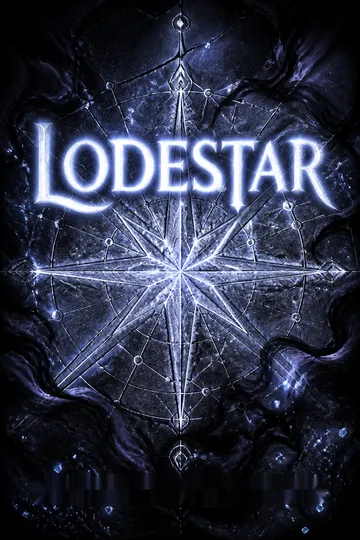
A map hidden in shadowsA multi-rayed star appears in Prentice's memories, on a stone disk sewn into Keefe's cloak, and as a shadowprint in a Paris hideout. Its rays are associated with star names and coded records. Dex deciphers the codes as location markers, while Tam's Shade ability and a hidden device make the symbols usable as routes between Neverseen hideouts. The symbol's repeated appearances connect otherwise separate attacks and turn investigation into a way to trace the rebels' network.
Starstones
A remembered pathThese rare stones can preserve a route to a place where they have been used. Lady Gisela's hairpin carries one, and a second stone found through Marella's family leads Sophie and her friends to Candleshade. The stones connect Cyrah's work to the Neverseen's movements and make her death look suspicious, though they do not immediately establish exactly what happened. Their light also helps reveal how access to hidden locations can be engineered.
The memory caches
Secrets sealed awayCouncillors and other powerful elves can store dangerous memories in compact devices, keeping knowledge outside their conscious minds. Kenric's cache is taken by Keefe and passed to the Neverseen; Fintan has a separate cache that may contain information about the rebels. The caches represent knowledge that can be preserved without being lived with, but their security makes access difficult. Keefe's eventual theft of two caches gives the group important material even as it fails to answer the immediate threat.
The Enhancer ability
Power shared by touchSophie can increase another person's ability through contact. The power strengthens Fitz's concentration, Biana's Vanishing, and Dex's Technopathy, and helps Tam manipulate the Lodestar symbol. It also creates a risk: Sophie's touch can enhance allies or enemies, and the force of the boost may exceed what a recipient can safely control. Thin gloves give her a buffer, but not a complete solution. The ability makes cooperation more potent while making consent and proximity newly consequential.
Outward channeling
Skill made into forceThe Council's new training program teaches elves to move energy beyond their bodies and place it inside objects. Students first burst soft training spheres, then learn to crack stone. Unlike a special ability, this skill is broadly available, challenging the status attached to inherited talents. It becomes consequential when Sophie uses the trained principle to break a locked door and when the fortress's vulnerable stonework becomes part of the rebellion's destructive strategy.
FAQ
```markdown
Synopsis & Basic Details
What is Lodestar about?
- Sophie's World Fractures: Lodestar plunges Sophie Foster deeper into the complex, dangerous world of the Lost Cities as the Neverseen escalate their attacks, threatening war with the ogres and fracturing existing alliances. The story follows Sophie's relentless quest for answers, navigating betrayals, hidden agendas, and the growing weight of her own genetically enhanced abilities.
- Keefe's Risky Infiltration: Central to the plot is Keefe Sencen's perilous decision to infiltrate the Neverseen as a double agent, driven by guilt and a desperate hope to protect his friends. His actions, though well-intentioned, lead to devastating consequences and force Sophie to question the very nature of trust and loyalty.
- Unraveling the Lodestar Initiative: The narrative revolves around the mysterious "Lodestar Symbol," a Neverseen master plan hinted at through cryptic symbols and stolen memories. Sophie and her friends race against time to decipher this puzzle, leading them to uncover a network of secret hideouts and a deeper conspiracy that threatens to shatter the fragile peace of their world.
Why should I read Lodestar?
- Deepens Character Arcs: Lodestar offers profound psychological and emotional development for its core cast, particularly Sophie and Keefe, as they grapple with immense personal sacrifices and the moral ambiguities of war. Readers seeking rich character exploration and complex emotional journeys will find this installment particularly rewarding.
- Intricate Plot Twists: The book is a masterclass in suspense and intricate plotting, with Shannon Messenger weaving together subtle foreshadowing, shocking betrayals, and high-stakes action sequences. It constantly challenges reader expectations, making it a compelling read for those who love a mystery-driven fantasy with unexpected turns.
- Expands World-Building: Beyond the immediate conflict, Lodestar significantly expands the lore and political landscape of the Lost Cities, introducing new species dynamics, ancient secrets, and the devastating consequences of long-held prejudices. It's essential for readers invested in the broader mythology and societal structures of the Keeper of the Lost Cities series.
What is the background of Lodestar?
- Elvin Societal Prejudices: The Lost Cities, despite their advanced civilization, harbor deep-seated prejudices against those with "unusual genetics" or without special abilities, as seen with Dex's family and the Song twins. This societal backdrop fuels much of the conflict, pushing characters like Juline to join the Black Swan to fight for a more equitable world, as she explains, "I could already see it happening. My physicians kept ending every sentence with 'for triplets,' like they automatically had low expectations."
- Ancient Conflicts & Human Secrecy: The elves' history is marked by averted catastrophes and a deliberate withdrawal from the human world millennia ago, sinking Atlantis to avoid war. This historical context, particularly the Council's fear of human violence and their "conundrum" regarding human destruction, underpins Fintan's radical vision and the Neverseen's ultimate goals, as he argues, "What do we do... with a species that's clever enough to build and create, and yet foolish enough to design its own ruin?"
- Black Swan's Origins & Methods: The Black Swan, an illegal organization, was formed to address the Council's complacency and protect the Lost Cities through unconventional means, including genetic experimentation (Project Moonlark) and covert operations. Their methods, often shrouded in secrecy and moral ambiguity, are a constant source of tension and debate, forcing Sophie to question if "good can be done for the wrong reason."
What are the most memorable quotes in Lodestar?
- "Sometimes things have to get worse before they get better.": Keefe Sencen utters this line to Sophie after destroying part of Foxfire (Chapter 2), encapsulating his philosophy for infiltrating the Neverseen. This quote is a powerful reflection of his self-sacrificial nature and the morally gray path he believes he must walk, even as it causes immense pain to those he cares about.
- "It takes a special person to see darkness inside of someone and not condemn them.": Councillor Bronte's message to Sophie (Chapter 5) reveals his profound change of heart towards her. This quote highlights the central theme of empathy, forgiveness, and the struggle to look beyond initial judgments, directly influencing Sophie's decision to continue trusting Keefe despite his actions.
- "Time is a funny thing. Once it's gone, it's gone. But then it passes to someone else. You'll do great things with it, Sophie.": Mr. Forkle's dying words to Sophie (Chapter 81) are a poignant farewell and a powerful charge for her future. This quote underscores the themes of legacy, the cyclical nature of time, and the enduring impact of mentorship, emphasizing Sophie's pivotal role in the ongoing fight.
What writing style, narrative choices, and literary techniques does Shannon Messenger use?
- First-Person Perspective & Emotional Immersion: Messenger primarily uses Sophie's first-person point of view, allowing readers deep access to her internal struggles, anxieties, and emotional responses. This narrative choice creates a strong sense of empathy and immediacy, making Sophie's triumphs and heartbreaks intensely personal, as seen when she describes her "knot of emotions lodged under her ribs" (Chapter 2).
- Propulsive Pacing & Cliffhanger Endings: The novel maintains a relentless, fast-paced narrative, with each chapter often ending on a mini-cliffhanger or a significant revelation. This technique keeps readers constantly engaged and eager for the next development, exemplified by the dramatic discovery of Sophie's human family missing at the very end of the book.
- Intricate World-Building & Sensory Detail: Messenger excels at crafting a vibrant, imaginative world filled with unique creatures, dazzling architecture, and complex magical systems. She uses rich sensory details—from the "sour-cheese smell" of selkie skin (Chapter 39) to the "buttery sunlight" of Gildingham (Chapter 60)—to immerse readers fully, making the fantastical settings feel tangible and alive.
Hidden Details & Subtle Connections
What are some minor details that add significant meaning?
- Grizel and Sandor's Flirtation: The subtle, playful banter and unspoken affection between Grizel and Sandor (e.g., Grizel tapping Sandor's nose, Sandor's "gray skin tinted pink" in Chapter 1, and their later confession of feelings in Chapter 61) serve as a quiet counterpoint to the main characters' romantic tensions. This unexpected connection highlights the theme of finding love and vulnerability even amidst the harsh realities of their warrior lives, suggesting that even the most stoic characters crave companionship.
- Verdi the T. rex's Picky Eating: Verdi's initial refusal to eat cravettels (Chapter 21) seems like a minor character quirk, but it cleverly foreshadows her later, unexpected role in defending Havenfield. Her eventual acceptance of the food, after Sophie's calming transmissions, symbolizes the power of empathy and understanding, turning a seemingly stubborn beast into a crucial, albeit reluctant, ally during the ogre attack.
- Lady Gisela's Hairpin as a Starstone: The seemingly innocuous silver hairpin Lady Gisela uses to light leap with Keefe (Chapter 41) is later revealed to be a "rare starstone" that "always remember the path back to where they've been." This detail subtly connects to Cyrah Endal's death and the Lodestar Initiative, suggesting a deeper, more sinister use of seemingly ordinary objects for covert operations and highlighting Lady Gisela's meticulous, long-term planning.
What are some subtle foreshadowing and callbacks?
- Mr. Forkle's "Re-decorating" Comment: After Keefe destroys his office, Mr. Forkle casually remarks, "I've been meaning to redecorate my office since I took over as principal. I've never been a fan of my reflection—especially in this form" (Chapter 3). This seemingly throwaway line subtly foreshadows the later revelation of his multiple identities and his discomfort with his various disguises, hinting at the personal toll of his secretive life.
- Oralie's Warning about Kenric and Fintan: Oralie's advice to Sophie, "Don't let him make Kenric's mistake... He underestimated Fintan" (Chapter 36), serves as a direct callback to Kenric's death and a stark warning about the dangers of underestimating the Neverseen's leader. This foreshadows Fintan's cunning manipulation at the Peace Summit, where he orchestrates his own capture as part of a larger plan, proving Oralie's caution tragically accurate.
- The Lodestar Mirror's "Power, Not Appearance" Lesson: The description of the Lodestar mirror in Foxfire's Hall of Illumination, which "reflected pure light" and taught "to see that the purest version of themselves comes from power, not appearance" (Chapter 17), subtly foreshadows its role as a gateway to a secret Neverseen room. This twists the mirror's intended lesson, implying the Neverseen's perversion of "pure power" for their own destructive ends, and highlighting the deceptive nature of appearances.
What are some unexpected character connections?
- Flori, Calla's Great-Great-Grandniece: The revelation that Flori, the gnome who helps Sophie and Fitz travel to Eternalia, is Calla's "great-great-grandniece" (Chapter 35) creates an unexpected and poignant connection. This detail deepens the emotional impact of Calla's sacrifice and reinforces the theme of legacy and the enduring spirit of the gnomes, offering Sophie a new source of comfort and guidance through a familiar, trusted lineage.
- Juline Dizznee as Squall: Dex's mother, Juline, is revealed to be Squall, a member of the Black Swan's Collective (Chapter 23). This unexpected connection highlights the theme of hidden identities and the sacrifices parents make to protect their children and their world. It also adds a layer of complexity to Dex's character, as he grapples with his mother's long-held secrets and her involvement in the very organization he's a part of.
- Lady Cadence's Relationship with King Dimitar: Lady Cadence, Sophie's strict linguistics mentor, is revealed to have a long-standing, complex relationship with King Dimitar, even visiting him in Ravagog (Chapter 54). This unexpected connection challenges Sophie's black-and-white view of the ogres, suggesting that diplomacy and understanding can exist even with perceived enemies, and that not all ogres are monolithic in their intentions, as Dimitar claims, "I have since come to realize that the Neverseen's promises are no more useful than the Council's blatant refusal to acknowledge anyone's concerns."
Who are the most significant supporting characters?
- Flori: As Calla's great-great-grandniece and a powerful Gnomish Giver, Flori provides crucial, discreet assistance to Sophie, transporting her and Fitz to Eternalia using Panakes roots (Chapter 35). Her quiet strength and unwavering loyalty, rooted in her family's legacy of sacrifice, offer Sophie a new, unexpected source of support and a connection to the healing power of nature.
- Lady Cadence: Sophie's linguistics mentor, Lady Cadence, emerges as a critical, albeit controversial, voice of reason regarding the ogres. Her deep understanding of ogre culture and her direct communication with King Dimitar (Chapter 54) provide vital, nuanced perspectives that challenge the Council's rigid approach, highlighting the complexities of interspecies diplomacy and the dangers of underestimation.
- Maruca: Initially a minor character, Maruca's familial connection to Wylie Endal (Chapter 49) elevates her significance, making her a catalyst for Sophie's decision to push for Wylie's recovery. Her fierce loyalty to her cousin and her willingness to challenge the Black Swan's secrecy underscore the theme of personal stakes driving larger conflicts, and her emotional plea helps Sophie overcome her own reservations.
Psychological, Emotional, & Relational Analysis
What are some unspoken motivations of the characters?
- Keefe's Need for Redemption: Beyond protecting Sophie, Keefe's deepest unspoken motivation is a desperate need for redemption and to atone for his mother's actions, as he confesses, "I don't matter" (Chapter 2). His infiltration of the Neverseen is a self-punishing act, a way to "right the wrongs his mother caused," driven by profound guilt and a desire to prove his worth, not just to his friends, but to himself.
- Grady's Fear of Repeating History: Grady's intense overprotectiveness of Sophie, particularly his strong disapproval of Keefe, is deeply rooted in his unspoken fear of repeating Jolie's fate. His confession, "I guess I have some trust issues, after Brant" (Chapter 3), reveals his trauma, making his actions less about controlling Sophie and more about a desperate, subconscious attempt to prevent another beloved daughter from being lost to a deceptive enemy.
- Mr. Forkle's Paternal Guilt: Mr. Forkle's reluctance to fully heal Prentice and his later sacrifice are driven by a profound, unspoken paternal guilt for his role in Prentice's broken mind and the burdens placed on Sophie. His admission, "I suppose I feel too responsible" (Chapter 4), and his dying words to Sophie, "Take care of my moonlark" (Chapter 81), reveal a deep, protective love that transcends his role as a mentor, motivating his self-sacrificial actions.
What psychological complexities do the characters exhibit?
- Sophie's Burden of the "Moonlark": Sophie grapples with the psychological weight of being Project Moonlark, a genetically engineered being, which leads to feelings of being a "weapon" rather than a person. Her internal conflict is evident in her struggle to accept her Enhancer ability (Chapter 66) and her fear that Project Moonlark might be "a fail" (Chapter 25), highlighting the psychological toll of having her identity tied to a grand, often terrifying, purpose.
- Fitz's Anger as a Shield: Fitz often uses anger as a psychological defense mechanism, particularly in response to the betrayals of Alvar and Keefe. His inability to openly discuss his feelings, instead resorting to "yelling" or "looking away so I wouldn't see him crying" (Chapter 2), reveals a deep vulnerability and a struggle to process complex emotions, showcasing how even strong characters can be crippled by emotional pain.
- Wylie's Regression as a Coping Mechanism: Wylie's psychological trauma from his torture manifests as a regression to his six-year-old self (Chapter 33), a "safer, happier time" before his father's memory break and his mother's death. This powerful coping mechanism highlights the mind's desperate attempt to escape unbearable pain, underscoring the severe psychological impact of the Neverseen's cruelty and the fragility of sanity.
What are the major emotional turning points?
- Keefe's Confession of Infiltration: Keefe's revelation that he has joined the Neverseen as a double agent (Chapter 2) is a major emotional turning point, shattering Sophie's trust and forcing her to confront the moral ambiguities of his actions. Her initial reaction of wanting to "hug me or strangle me" perfectly captures the intense emotional conflict and the profound impact of his perceived betrayal on their relationship.
- The Attack on Havenfield: The brutal ogre attack on Havenfield (Chapter 58), resulting in Brielle's death and the near-capture of Grady and Edaline, is a devastating emotional turning point. It shatters Sophie's sense of safety and ignites a fierce, protective rage, pushing her to declare, "I'm coming after the Neverseen with everything we have" (Chapter 60), marking a shift from reactive defense to proactive offense.
- Mr. Forkle's Sacrifice: Mr. Forkle's death during the collapse of Lumenaria (Chapter 81) is the most profound emotional turning point, leaving Sophie "crying too hard to hear him take his final breath." This loss not only signifies the end of a crucial mentorship but also forces Sophie to confront the ultimate cost of the war, deepening her grief and hardening her resolve to fight for the future he envisioned.
How do relationship dynamics evolve?
- Sophie and Keefe's Complicated Trust: Their relationship evolves from strained suspicion to a fragile, yet profound, understanding. Despite Keefe's betrayals and Sophie's anger, her decision to search his memories (Chapter 39) and his subsequent confession of his past trauma deepens their bond, transforming it into a complex alliance built on shared pain and a mutual, if often unspoken, commitment to protect each other.
- The Collective's Shifting Trust in Sophie: The Black Swan Collective's relationship with Sophie evolves from guarded mentorship to a more open, collaborative partnership. Mr. Forkle's decision to reveal the Enhancer ability (Chapter 66) and his dying charge to Sophie to "do great things" (Chapter 81) signifies a profound shift, acknowledging her growing leadership and trusting her with critical decisions, even when they contradict their established protocols.
- The Song twins' Reconnection with Parents: Tam and Linh's relationship with their estranged parents undergoes a significant, albeit painful, evolution. Sophie's intervention at the Exillium training (Chapter 48) forces their parents to confront their past neglect, opening a path for potential reconciliation and highlighting the theme of generational trauma and the possibility of healing fractured family bonds.
Interpretation & Debate
Which parts of the story remain ambiguous or open-ended?
- The Identity of the Fourth Prisoner: The story leaves ambiguous the identity of the fourth figure who escaped Lumenaria with Fintan, Ruy, and Gethen (Chapter 80). Sophie's theory that it was the "other prisoner in that dungeon—connected to a Forgotten Secret" (Chapter 82) creates a significant open-ended mystery, hinting at a powerful new enemy or a crucial piece of the Neverseen's puzzle yet to be revealed.
- Lady Gisela's True Motives and Alliance: Lady Gisela's escape from ogre prison and her subsequent communication with Sophie (Chapter 73) leave her true motives and current alliances highly ambiguous. Her warning to "Get my son far away from the Neverseen" and her claim that Fintan's "vision" will "wreck her own plans" suggest a complex, self-serving agenda that is neither fully aligned with the Neverseen nor the Black Swan, leaving her role in the unfolding conflict uncertain.
- The Full Scope of the Lodestar Initiative: Despite deciphering the Lodestar Symbol and identifying hideouts, the ultimate purpose and full scope of the "Lodestar Initiative" remain largely ambiguous. Keefe's theory that it's a "gathering" (Chapter 46) and Dex's speculation that it's the Neverseen's version of Project Moonlark (Chapter 26) are left unconfirmed, creating a central mystery that drives the ongoing narrative and leaves readers to debate the enemy's true endgame.
What are some debatable, controversial scenes or moments in Lodestar?
- Keefe's Decision to Join the Neverseen: Keefe's choice to become a double agent (Chapter 2) is highly debatable, with Sophie and his friends questioning its wisdom and morality. While he believes it's a necessary sacrifice to protect them, his actions lead to direct harm (e.g., the Foxfire attack, Alvar's escape), sparking intense debate among readers about whether the ends justify the means and if his loyalty is truly unwavering.
- The Council's Handling of Fintan at the Summit: The Council's controversial decision to allow Fintan, a known murderer and Neverseen leader, to participate in the Peace Summit (Chapter 75) is a moment of intense debate within the story. While some leaders argue for "perspective" and "understanding," others, like Oralie, vehemently oppose it, highlighting the tension between diplomatic ideals and the harsh realities of dealing with a ruthless enemy.
- Sophie's Use of Inflicting and Enhancing: Sophie's increasing reliance on her Inflicting ability and her decision to trigger her Enhancer ability (Chapter 67) are controversial. Grady warns her about the "cost to training" and the danger of letting power "ruin" her (Chapter 21), raising ethical questions about the use of destructive powers, even for good. This internal and external debate explores the fine line between strength and corruption.
Lodestar Ending Explained: How It Ends & What It Means
- The Human Family and Nightfall: The ending of Lodestar reveals the devastating abduction of Sophie's human family, Connor, Kate, and Natalie Freeman, with the cryptic clue "Nightfall" (Chapter 83). This signifies a terrifying escalation of the Neverseen's plans, making the conflict deeply personal for Sophie and raising the stakes to an unprecedented level. It implies that the Neverseen's true target was not Sophie's elvin family, but her most vulnerable connection, forcing her to confront the ultimate cost of her secrets and her role as the Moonlark.
- Mr. Forkle's Sacrifice and the Collective's Future: Mr. Forkle's heroic death during the collapse of Lumenaria (Chapter 81) is a profound loss, leaving Sophie with his memory gadget and a Wanderling seed. This event shatters the Black Swan's established leadership and forces Sophie to step into a more prominent, independent role. His final words, "Secrets never die," and his instructions for his seed, imply that his legacy and the Black Swan's contingency plans will continue to guide them, even in his absence, but the path forward is now largely Sophie's to forge.
- Keefe's Uncertain Path and Renewed Loyalty: Keefe's decision to finally leave the Neverseen and his subsequent escape (Chapter 76) mark a turning point in his character arc, but his future remains uncertain. While he returns with the stolen caches, a "weak victory" (Chapter 80), his past betrayals and the trauma he endured leave him deeply scarred.
Keeper of the Lost Cities Series



About the Author
Other books by Shannon Messenger





Download PDF
Download EPUB
.epub digital book format is ideal for reading ebooks on phones, tablets, and e-readers.








