



Plot Summary
Prologue
Sophie1 wakes bound and drugged, her memories breaking apart before she can make sense of her captivity. She remembers Fitz,2 the first friend2 she made after discovering she was an elf, and the strange white fires that burned around her human city.
The flames, she understands, were the beginning of the danger now closing over her. The opening flashes forward to a crisis whose causes Sophie1 has not yet discovered, making her first meeting with Fitz2 feel less like a welcome and more like the spark that lit a fuse.
The frame makes memory both the novel’s central mystery and Sophie’s most vulnerable possession. Her thoughts reach for Fitz as an anchor, while the fires offer a clue she cannot yet interpret. The contrast establishes the story’s two kinds of danger: the immediate bodily threat of captivity and the slower threat of hidden knowledge, manipulation, and uncertain identity. Because the prologue presents Sophie as frightened but still resisting oblivion, later discoveries carry an additional question: who has shaped her memories, and can she trust what she knows about herself?
The Silent Mind
Twelve-year-old Sophie Foster1 endures school by hiding behind music, which muffles the thoughts crowding her mind. At a San Diego museum, her photographic memory lets her answer a teacher’s dinosaur question, drawing more attention she does not want. A dark-haired boy2 approaches after seeing her picture in the newspaper. Sophie1 can hear everyone around them, but his mind is silent.
When a sudden wave of children’s thoughts overwhelms her, the boy2 reacts with the same pain and asks whether she heard it too. He identifies her as a Telepath, someone who can read minds, and gives his name as Fitz.2 Sophie1 has spent years believing she is alone in her affliction. His recognition frightens her as much as it promises relief.
Sophie’s intelligence has made her visible, while her telepathy has made ordinary social contact invasive. Music is not a quirky accessory but a crude boundary against other people’s unfiltered interior lives. Fitz’s silence reverses the usual power dynamic: for the first time, Sophie encounters a mind she cannot passively access. Her immediate fear is therefore psychologically coherent. The possibility of belonging arrives in the same instant as the loss of control, making recognition feel less like rescue than another disruption she must survive.
Light to Shangri-La
Sophie1 runs from Fitz2 and nearly gets hit by a car. When a streetlamp breaks loose above her, she instinctively arrests its fall with her mind, a feat that leaves the driver staring. Fitz2 pulls her clear and admits his father4 sent him to find a girl their age. He explains that they are elves, then vanishes before Sophie’s1 eyes.
To prove the world is real, he takes her by a pathfinder, a device that lets them travel along light, to the elven city of Shangri-La. Sophie1 sees a civilization hidden from humans and learns that her human education describes a world elves understand differently. Fitz2 tells her she belongs among them. She returns home with a new identity and more questions than answers.
The streetlamp turns an invisible difference into an undeniable act: Sophie’s mind can alter the physical world, not merely overhear it. Fitz’s demonstration then asks her to surrender the authority of everything she has learned, a destabilizing demand for a child whose schooling has been a source of safety and status. Yet the Lost Cities offer something human life has denied her: an explanation for her difference. Belonging is persuasive precisely because it is not yet comfortable. Sophie gains a home in theory before she knows what it will cost in practice.
A Future on Trial
The next day, Fitz2 brings Sophie1 to his father,4 Alden,4 and a Council committee. Alden4 confirms that neither he nor Fitz2 can read Sophie’s1 mind, an anomaly that unsettles the adults.
During her admission test for Foxfire, the elven academy, Sophie1 penetrates Councillor Bronte’s12 mental defenses and lifts several goblets and chairs with telekinesis. The last effort knocks Bronte12 to the floor, but Kenric14 and Oralie13 vote to admit her. Bronte12 demands a deeper probe, and the DNA test in Atlantis confirms that Sophie1 matches a hidden file.
The probe still cannot reach her thoughts. Alden4 calls her potential extraordinary, while Sophie1 learns her existence was kept secret from most of the Council and that someone called Prentice20 is connected to her past.
The test converts Sophie’s unusual abilities into political evidence. Her admission depends on performance, but the adults are also measuring whether she can be trusted, understood, or contained. Bronte’s skepticism is not merely academic: a mind that cannot be searched represents a limit on the Council’s authority. Sophie, meanwhile, interprets each extraordinary result through the fear of being treated as a problem. The DNA match makes belonging measurable, but the classified file suggests that the institution’s interest in her predates her consent.
The Last Goodbye
Alden4 explains that Sophie1 cannot keep living with her human family;19 her abilities may expose both her and the elves. The Council orders her to move immediately and requires that her family19 believe she has died. Sophie1 rejects the first plan, which would erase her from their memories, because it would uproot their lives.
Instead, she accepts a sleeping gas disk and spends her last minutes with her parents19 and younger sister,18 Amy.18 She hugs them, tells them she loves them, and takes her stuffed elephant, Ella, before Fitz2 helps her leave. At Everglen, Alden4 and Della Vacker16 explain that the Council will place Sophie1 with guardians rather than let her live with them. Sophie1 enters the elven world grieving a family19 that must forget her.
Sophie’s first major choice is not a rejection of her human family but an act of care for them. She accepts the pain of being remembered as dead rather than impose memory loss and displacement on people she loves. That distinction matters: the move may be institutionally necessary, but she makes its moral cost her own. Ella becomes a portable link to a life that has been officially erased. The scene also establishes the limits of Sophie’s agency. She can choose how to say goodbye, but she cannot choose whether goodbye is required.
A Room at Havenfield
A physician named Elwin15 examines Sophie,1 finds damage from years in polluted human environments, and begins treating her. Fitz2 then brings her to Havenfield, an animal preserve, where her new guardians, Grady5 and Edaline Ruewen,6 train fantastic creatures.
Grady5 lets Sophie1 approach a wounded tyrannosaurus, Verdi, and she senses the animal’s pain. Though their home feels too polished and their grief over their daughter Jolie5 hangs in its quiet rooms, Sophie1 begins to settle.
At school, Foxfire, she befriends Dex Dizznee,3 an inventive student who promises to help her navigate its customs. She struggles with leaping and with the school’s unfamiliar lessons, but her photographic memory helps her excel in the Universe. For the first time, she has a friend her own age.
Havenfield makes care tangible through work with vulnerable bodies. Sophie’s ability to notice Verdi’s pain offers a form of connection that does not depend on fitting elven social rules. Grady and Edaline are not instantly substitute parents; their silence and grief make the home cautious, while Sophie’s own bereavement makes her alert to what goes unsaid. Dex provides a different kind of welcome, based on curiosity rather than official duty. Together, these relationships begin to replace the abstract promise that Sophie belongs with the daily, imperfect labor of being included.
The First Real Win
Foxfire exposes how far Sophie1 must travel to fit in. She is nearly struck by lightning in elementalism, stumbles through physical training, and becomes the target of Stina Heks’s17 taunts. Marella Redek10 offers friendship, while Keefe,8 a witty older student, turns Sophie’s1 disastrous alchemy accident into schoolwide gossip.
Then Sophie1 surprises everyone at a telekinetic splotching contest. She reaches for a strange reserve of mental energy, ties Fitz2 in the final match, and collapses with him. Elwin15 suspects she has performed a rare brain push, using mental energy to move objects.
As her skills grow, Sophie1 also learns that telepaths must respect consent. Under exam pressure, she secretly reads Lady Galvin’s thoughts to discover the test topic, then confesses and accepts detention rather than keep the advantage.
Sophie’s uneven progress complicates her old identity as a prodigy. Memorization cannot solve every problem when the underlying rules of nature have changed, and public embarrassment threatens the confidence that once protected her. The splotching match offers a genuine success, but its unexplained force points toward a self she does not yet understand. Her choice to confess after cheating is equally important: Sophie’s emerging ethics are not imposed solely by authority. She accepts consequences because achievement gained by violating another person’s privacy would make her success feel false.
The Unmapped Star
While collecting starlight for a Universe assignment with Dex,3 Sophie1 follows an unexplained instinct toward a star called Elementine. The stellarscope burns her hands, and the bottle contains Quintessence, an immensely powerful form of light that could destroy a building.
At a closed tribunal, Councillor Emery finds Sophie1 sincere but cannot explain how she knew the forbidden star’s location. The Council releases her without punishment, but Alden4 asks her to record unusual memories.
Looking through an old scrapbook, Sophie1 recognizes a crystal castle she drew in a childhood beach photograph, years before she had seen the Lost Cities. She begins to suspect that some knowledge has been placed in her mind. A hidden clue has turned her unusual abilities into a dangerous mystery about her own past.
The Quintessence incident shifts Sophie’s difference from personal advantage to public risk. She did not deliberately seek forbidden knowledge, yet the consequence is so severe that innocence alone cannot make the event harmless. The childhood drawing deepens the problem: memory is no longer a reliable record of what Sophie has experienced, because knowledge may arrive without an identifiable source. Her scrapbook, once a keepsake from a lost family, becomes evidence. The book links the child’s need to remember with the institution’s need to monitor her, placing private identity under scrutiny.
Project Moonlark
Sophie1 asks her telepathy Mentor, Tiergan,7 about Prentice20 and the Black Swan. Tiergan7 explains that Prentice20 was a Keeper for the rebel group and was exiled after protecting information about Sophie.1 Alden4 later identifies Sophie1 as Project Moonlark: the Black Swan’s name for a child hidden among humans.
He believes the group engineered her embryo through a fertility doctor, altering her DNA to give her unusual abilities and protect her mind from probes. When Sophie1 reads about Everblaze, a catastrophic flame, she recalls a formula for extinguishing it.
Alden4 fears the Black Swan is steering her toward illegal acts, even as he investigates suspicious fires. Sophie1 now knows she was deliberately created and hidden, but neither her purpose nor the full truth is clear.
The reveal gives Sophie an origin story without giving her emotional security. A biological explanation does not answer the child’s more urgent question of whether she was wanted, and the label Project Moonlark threatens to reduce her to a design. The Black Swan’s hidden knowledge may make her capable, but it also makes every instinct suspect: did she discover something, or was she prompted to find it? Alden’s warnings protect her while withholding information, so the adults who care for her remain part of the same system that decides what she is allowed to know.
A Family in the Fire
Grady5 and Edaline6 grow distant after Alden4 asks Grady5 for help with the spreading fires, and Grady5 refuses. A torn Council document later reveals that the Ruewens’5 adoption request for Sophie1 has been canceled. Sophie1 assumes they no longer want her, tears their family crest from her uniform, and withdraws from friends.
Then a mysterious package contains a spyball, which shows her former parents19 and Amy18 in an evacuation center near the fires. The image restores the truth she had tried to suppress: losing them did not erase her love for them. Sophie1 decides she cannot leave them in danger. A second message and a rare moonlark pin arrive, along with signs that someone is guiding her toward evidence about the flames.
Sophie’s pain here comes from two losses colliding: the family she left and the guardians she hoped would choose her. Because the adoption notice is incomplete and the Ruewens do not explain themselves, Sophie fills the silence with rejection. The spyball then complicates her belief that moving on requires forgetting. Her human family is no longer a source of daily comfort, but their vulnerability restores her sense of obligation. The hidden messages exploit that bond, yet they also activate a moral commitment Sophie has made independently: she will not let love become an excuse for looking away.
Bottle the Everblaze
Sophie1 deciphers the Black Swan’s clues: a leaping crystal can carry her to the fire zone, while a rounded bottle, gold, and lumenite can capture a sample of a generated blaze. She takes Gildie, a fire-resistant flareadon, and uses telepathy to guide the creature through the yellow flames.
Gildie returns with a bottle of Everblaze. Alden4 is furious because Sophie1 disobeyed his order and broke major laws, but the sample supports his fear that the fires are not ordinary arson.
Grady5 claims he mesmerized Sophie1 to take responsibility, though she denies it. Before the Council can decide what to do, the Black Swan’s next move is unclear. Sophie1 has chosen to act for endangered people, and now faces the consequences of acting without permission.
Sophie’s decision is a conflict between procedural obedience and urgent responsibility. The adults insist that an accusation needs proof, but the rules also prevent them from investigating the danger quickly. Sophie turns the abilities that once made her an object of scrutiny into tools of intervention, using Gildie’s nature and her own telepathy in concert. Her courage is not cleanly triumphant: she places an animal and herself at risk, violates trust with Alden, and gives Bronte grounds to punish her. The act makes visible the moral cost of waiting for institutions to recognize a crisis.
Taken from Havenfield
After Stina17 reveals that Biana9 first befriended Sophie1 because Alden4 wanted to keep watch on her, Sophie1 feels betrayed by the people she trusted and flees to a cave. A masked group ambushes her there and captures Dex3 as well.
The captors remove both students’ registry pendants, stage their deaths with a tidal wave and recovered pendants, and try to erase Sophie’s1 recent memories. Her mind resists the probe, so the captors keep her drugged while demanding to know why she exists and what she knows about Elementine.
Their leader threatens Dex,3 but Sophie1 cannot identify him. The opening’s image of Sophie1 bound and losing her memories becomes reality. Her hidden knowledge has drawn danger directly to the friends and family she was trying to protect.
The capture is prepared by Sophie’s accumulating isolation. She has been hiding secrets, misreading silences, and watching trusted relationships fracture, leaving her physically alone when the attackers arrive. The captors’ attempt to erase her memories echoes the Council’s earlier interest in probes, but with coercion stripped bare. Sophie’s mind is both her defense and the thing her enemies want to enter. Dex’s presence turns the danger from an individual mystery into a test of loyalty: even under sedation, Sophie keeps reaching beyond herself to protect someone else.
The Paris Escape
After ten days in captivity, an unidentified rescuer11 carries Sophie1 and the unconscious Dex3 out of the hideout, but leaves them in a Paris alley rather than returning them to the Lost Cities. He gives Sophie1 a cryptic note. Weak and without their nexuses, the two students work out that Alexandre and lantern refer to Pont Alexandre III.
Dex3 discovers that his technopathic ability can make a human ATM dispense money, and Sophie1 uses the internet to identify the bridge. At dawn, they find an elven leaping crystal concealed in one of its lanterns, apparently their route home. Before they can use it, three cloaked captors surround them. Sophie1 tries to send a warning to Fitz,2 but the group blocks her and binds both students again.
The first rescue is deliberately incomplete. The unknown helper saves Sophie and Dex from one form of captivity but refuses to bring them into safety, forcing them to rely on their own intelligence while still physically weakened. Paris makes human technology a practical resource rather than mere scenery: Dex’s emerging ability gets them money, while Sophie’s memory and research turn a fragmentary note into a route. Their cooperation restores some agency. The second capture demonstrates the limits of cleverness when they remain isolated from allies and the pursuers know the hidden paths.
The Leap Through Light
On the bridge, Dex3 breaks free and attacks the captors, but their weapon strikes him repeatedly and leaves him unconscious. Sophie1 recognizes one captor by a crescent scar, then releases a surge of dark force that makes all three attackers collapse in pain.
She steals a pathfinder and leaps with Dex,3 concentrating on keeping his body intact as the light carries them away. They land near the Four Seasons Tree, but Sophie1 has spent too much concentration protecting him and begins to fade.
She sends a far-reaching mental plea to Fitz,2 describing their location. Fitz2 initially doubts the message because he believes Sophie1 is dead, until Keefe8 recognizes the tree. Fitz,2 Keefe,8 and Biana9 reach them. Fitz2 finds Sophie1 barely alive; Keefe8 gets Dex3 to Elwin15 for treatment.
Sophie’s rescue of Dex reverses the helplessness of captivity, but the reversal is costly. Her new ability to inflict pain emerges as an involuntary defense, frightening because it works before she understands it. The leap then makes care a literal expenditure: Sophie uses her concentration to preserve Dex and risks losing herself. Her mental message succeeds where physical strength fails, turning a private ability into a fragile bridge between separated people. Fitz’s hesitation underscores the captors’ success in making rescue seem impossible, while the friends’ response gives Sophie a reason to keep reaching.
Choosing Havenfield
Sophie1 wakes after weeks of recovery and learns that her kidnapping has exposed the rebellion, while the Everblaze sample helped bring former Councillor Fintan21 into custody. She identifies the elderly neighbor11 Mr. Forkle11 as the operative who had watched over her and later rescued her and Dex.3
The Council discovers Sophie1 is also an Inflictor and schedules a tribunal for her broken laws and Foxfire standing. She accepts responsibility for protecting humans, and the Council waives punishment because her actions exposed a danger it had ignored.
Her Mentors credit her abilities, so she can remain at Foxfire with Bronte12 as her Inflicting Mentor. When the Council offers adoption by either the Vackers4 or the Ruewens,5 Sophie1 chooses Grady5 and Edaline,6 whose grief had made them withdraw their first request. She returns to Havenfield with friends, guardians, and a more secure sense of home.
The resolution does not make Sophie’s world safe or fully transparent; it changes her position within it. She enters the tribunal no longer asking merely to be accepted, but defending a choice she considers morally necessary. The Council’s decision recognizes both institutional failure and her capacity to act, though it still assigns Bronte authority over her dangerous new ability. Choosing the Ruewens is not a simple replacement of one family with another. Sophie understands their grief and chooses a relationship that has already been wounded, making home something they must rebuild together rather than something she is granted.
Analysis
Keeper of the Lost Cities makes belonging feel less like finding a place than learning which parts of the self can survive translation. Sophie1 moves from a human home where her intelligence isolates her to an elven society that celebrates talent but ranks people by ability, family, and institutional approval. Neither world is simply false: her human family19 loves her, and the Lost Cities give her knowledge and friends. The pain comes from being forced to treat those attachments as mutually exclusive.
The novel’s strongest tension is between protection and control. Alden4 conceals information because he believes it will keep Sophie1 safe; the Council probes minds and regulates abilities because it fears what cannot be managed. The Black Swan also shapes Sophie’s1 choices through clues. Each group claims a reason to direct her, leaving Sophie1 to ask whether being helped can still be a form of being used. Her response is not blind rebellion. She violates rules when delay means people are in danger, then accepts consequences when she knows she has crossed an ethical line. That distinction gives her agency without pretending every risk is wise.
Memory turns identity into a problem of evidence. Sophie’s1 photographic recall seems to guarantee certainty, yet she discovers that knowledge can appear without a remembered source. The scrapbook, the star maps, and the memory log all make the past visible while also proving it may be incomplete. Her mind protects her from intrusion but cannot tell her why it is different.
Family, by contrast, is built through repeated choices. Sophie1 leaves the Fosters19 to protect them, grieves the Ruewens’5 retreat, and finally chooses Havenfield with full awareness of their shared wounds. The ending does not solve the rebellion or explain Sophie’s1 purpose. It gives her something more immediate: a home she chooses, friends who know more of the truth, and the right to continue learning who she is.
Review Summary
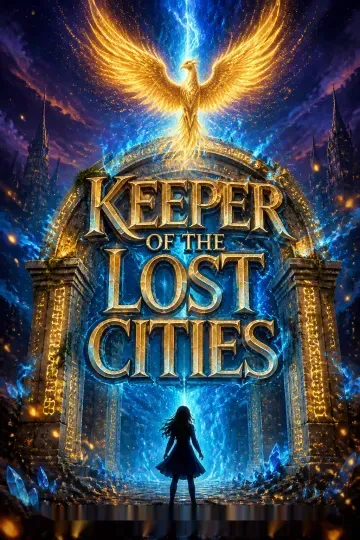
Keeper of the Lost Cities receives mixed reviews. Many praise its engaging plot, magical world-building, and lovable characters, particularly Keefe. Readers enjoy the found family themes and Sophie's character development. However, some criticize it as derivative of Harry Potter and other popular series. Critics also note issues with pacing, Mary Sue protagonist tendencies, and lack of diversity. Despite these concerns, most reviewers find it an entertaining middle-grade fantasy and plan to continue the series. The book's gorgeous cover art is frequently mentioned as a highlight.
People Also Read


Characters
Sophie Foster
The hidden prodigySophie is a twelve-year-old with a photographic memory and a mind that hears other people’s thoughts. Years of being mocked for her intelligence and overwhelmed by telepathy have taught her to hide, observe, and distrust attention. She is curious, morally serious, and prone to blaming herself when adults conceal information or friends pull away. Her instinct to protect others often outruns her caution, while her need to belong makes her vulnerable to promises of certainty. Sophie’s central tension is between being defined by what others say she is and deciding, through her actions, what kind of person she wants to be.
Fitz Vacker
The first elven friendFitz is the polished, capable son of Councillor Alden4 and the first elf Sophie1 meets. His telepathy gives him an immediate understanding of her ability, while his confidence in the Lost Cities helps guide her through unfamiliar customs. He can be impulsive when he believes he is helping, and his loyalty to his family sometimes leaves Sophie1 unsure what he is withholding. Beneath his composure is a teenager who wants to be useful and admired. His friendship with Sophie1 is shaped by the unusual intimacy of their mental abilities and by the limits each places on what the other can know.
Dex Dizznee
The inventive loyalistDex is a clever, hands-on student from a family regarded as unconventional. He befriends Sophie1 when she is new to Foxfire and offers practical help without treating her human upbringing as a reason to exclude her. His interest in gadgets, medicines, and experimentation makes him resourceful, though his insecurity about his family’s status can turn into jealousy. Dex wants to be chosen and trusted, not merely useful. His friendship with Sophie1 is warm and candid, but it is tested by secrets and his resentment of the Vackers4.
Alden Vacker
The searching CouncillorAlden is a Councillor, Fitz’s2 father, and an experienced telepath who takes responsibility for bringing Sophie1 into the Lost Cities. He combines genuine tenderness with a practiced instinct for managing information. He believes secrecy can protect people, but his assurances often leave Sophie1 with more questions than answers. Alden is patient with her fear and determined to secure her education, yet he must balance personal concern against Council rules and political loyalties. His protective style reveals the tension between care and control: he wants Sophie1 safe, even when safety means deciding what she may know.
Grady Ruewen
The grieving guardianGrady runs the Havenfield animal preserve with Edaline6 and is known for working closely with dangerous and unusual creatures. His practical warmth appears most clearly when he teaches Sophie1, trusts her with the animals, and shares the routines of his home. Grady carries deep grief over Jolie, his and Edaline’s6 daughter, and that loss shapes what he can offer Sophie1. He is protective, sometimes withholding, and uncomfortable when affection threatens to reopen old pain. His bond with Sophie1 grows through shared work, quiet gestures, and the difficult effort to make room for a new relationship without erasing the past.
Edaline Ruewen
The guarded caretakerEdaline is Grady’s5 wife, a skilled Conjurer, and one of the people entrusted with Sophie’s1 care. She is gentle with animals and thoughtful about Sophie’s1 comfort, but her grief over Jolie has made her wary of attachment. Her warmth surfaces in small acts: preparing food, tending injured creatures, and offering touch when she can bear to do so. Edaline’s fear can make her overprotective, especially when Sophie1 takes risks. She embodies the difficulty of loving after loss, when care and avoidance can become entangled.
Tiergan
The ethical MentorTiergan is a retired telepathy Mentor persuaded to train Sophie1. He is thoughtful about consent and insists that ability should not erase choice. His reserve comes from a painful history with the Council and a deep loyalty to people harmed by its judgments. Tiergan recognizes Sophie’s1 potential without treating her as a project, and he gives her tools to manage telepathy alongside a framework for using it responsibly. His care is firm but not coercive, offering Sophie1 a model of authority that listens before it directs.
Keefe Sencen
The irreverent empathKeefe is a popular Foxfire student, an Empath who senses others’ emotions, and the son of the demanding Lord Cassius. He uses humor, mischief, and social confidence to keep people from seeing how his father affects him. Keefe takes an interest in Sophie1 because her secrecy intrigues him, but beneath the teasing he notices distress and offers help at crucial moments. His emotional sensitivity is imperfect rather than all-knowing, which lets him be perceptive without becoming a solution to Sophie’s1 problems.
Biana Vacker
The guarded classmateBiana is Fitz’s2 younger sister, a Vanisher, and a socially confident student accustomed to attention. Her early wariness of Sophie1 grows from insecurity and from the attention Sophie1 receives from people around her. Biana can be proud and defensive, but she is also capable of admitting discomfort and trying to repair a strained connection. Her friendship with Sophie1 develops amid the pressures of family loyalty, school status, and the suspicion that others may be approaching her for access to Fitz2.
Marella Redek
The sharp-tongued allyMarella is an outspoken Foxfire student who dislikes social pretension and is quick to challenge Stina17. She befriends Sophie1 partly because she admires anyone who unsettles the school’s pecking order. Her blunt humor can shade into callousness, especially when discussing other students’ families, but she offers Sophie1 a place at lunch when few others will. Marella values independence and expects friends to withstand her sharp edges.
Mr. Forkle
The watchful neighborMr. Forkle is Sophie’s1 eccentric human-world neighbor, famous for arranging garden gnomes and commenting on neighborhood children. He appears gruff and nosy, yet he has been attentive to Sophie’s1 safety and wellbeing. His presence near the beginning of her life in San Diego places him at the edge of important moments without making his intentions clear. He is a reminder that Sophie’s1 human life contained people who noticed her, even when she felt unseen.
Bronte
The skeptical CouncillorBronte is an Ancient Councillor whose formidable mental defenses and strict commitment to order make him suspicious of Sophie’s1 unusual upbringing. He dislikes surprises and treats precedent as a safeguard against reckless decisions. His skepticism can become personal and punitive, particularly when he believes others are excusing behavior he considers dangerous. Bronte represents the Council’s preference for control and predictability, though his authority is checked by a larger body.
Oralie
The empathetic CouncillorOralie is a Councillor and Empath who can sense the emotional truth beneath a person’s words. Her quiet manner contrasts with the formal power she holds. During Sophie’s1 admission test, Oralie attends to the fear and sincerity in the child rather than judging her only by her unusual abilities. She offers a form of authority grounded in emotional perception, though she remains part of a political system that controls Sophie’s1 future.
Kenric
The generous CouncillorKenric is a warm, sociable Councillor who is quicker than Bronte12 to welcome Sophie’s1 abilities. His humor helps soften formal encounters, and his vote contributes to her chance to study at Foxfire. He is also observant of the tensions between his fellow Councillors. Kenric’s open manner suggests a less punitive side of the Council, though his goodwill does not free Sophie1 from its rules.
Elwin
The ever-ready physicianElwin is Foxfire’s physician, a Flasher who manipulates light during examinations and treatment. His humor makes frightening medical visits easier for Sophie1, who associates doctors with painful memories from childhood. He is attentive without being solemn and treats Sophie’s1 repeated accidents with patience. His care is practical: medicine, reassurance, and a willingness to respond when she calls, even at inconvenient hours.
Della Vacker
The welcoming motherDella is Alden’s4 wife and the mother of Fitz2, Biana9, and Alvar. A Vanisher, she can turn invisible as she moves, and her graceful warmth makes a strong impression on Sophie1. Della offers material comforts and affectionate attention, while respecting that Sophie1 is grieving the family she left behind. She represents a possible home for Sophie1, but also the complicated pull of fitting into an already established family.
Stina Heks
The schoolyard rivalStina is a tall, sharp-edged student whose confidence depends on status and family reputation. She taunts Sophie1 and Dex3, using perceived weakness as a weapon. Her hostility helps expose Foxfire’s social hierarchy, where students judge one another by ability, family, and prospects. Stina is not simply a bully in isolation; she reflects a culture that rewards superiority and treats difference as an invitation to rank people.
Amy Foster
Sophie’s human sisterAmy is Sophie’s1 younger sister in the human family19. Popular, energetic, and often irritating to Sophie1, she belongs to the ordinary domestic life Sophie1 is forced to leave. Their bickering masks an attachment Sophie1 understands most clearly when she must say goodbye.
Sophie’s human parents
The family she leavesSophie’s1 parents raise her with affection while struggling to understand her headaches, secrecy, and unusual intelligence. They worry that publicity will make her a target and try to protect her through rules that sometimes make her feel like an outsider. Their home gives Sophie1 real love even before she understands how complicated her origins are.
Prentice
The exiled KeeperPrentice is a highly talented telepath and former Keeper whose history is tied to secrets the Council considers dangerous. His name appears early in the investigation around Sophie1, though the full circumstances remain hidden from her. Through what others say about him, he represents the cost of protecting information in a society where the Council claims the right to uncover it.
Fintan
The former fire CouncillorFintan is a former Councillor associated with Balefire and the forbidden ability of pyrokinesis. His past makes him central to the investigation into the spreading flames, even as the Council struggles to reconcile his reputation with the danger of Everblaze. He stands at the point where trusted public authority and frightening destructive power meet.
Sandor
The vigilant goblin guardSandor is a large goblin bodyguard assigned to protect Sophie1. He is intensely dutiful and treats every outing as a security risk, which Sophie1 finds intrusive. His presence makes the danger around her visible even during ordinary routines.
Plot Devices
Telepathy and hidden memories
A mind under pressureSophie’s1 telepathy first appears as an involuntary flood of human thoughts, then becomes a trained ability with strict ethical limits. She learns to shield, transmit, track minds, and eventually communicate with animals. Her own mind remains unreadable to other telepaths, while unusual memories and knowledge surface without an obvious source. These linked abilities make the mind both a tool and contested territory: Sophie1 can find people and protect friends, but probing another person without permission can violate trust and law. The hidden memories turn that ethical problem inward, forcing Sophie1 to ask whether her own thoughts are entirely her own.
Pathfinders and nexuses
Travel with a costPathfinders use light to carry elves between locations, while nexuses help young travelers hold themselves together during the leap. The devices make the Lost Cities and the human world physically reachable, but travel requires concentration and carries the danger of fading if a traveler loses too much of themselves. That risk becomes decisive when Sophie1 leaps with an injured Dex3 and spends her strength protecting him. Hidden crystals in human landmarks also create routes outside official control, making travel a source of both escape and pursuit.
Project Moonlark
An origin concealed in memoryProject Moonlark is the Black Swan’s name for Sophie1 and the mystery surrounding her engineered origins. Clues appear in cipher runes, childhood memories, a moonlark emblem, and Sophie’s1 unusual abilities. The knowledge is not simply a backstory reveal: it shapes the present by making Sophie1 a target and by placing information in her mind before she can choose what to do with it. The bird’s image connects a child hidden among humans to survival without a known family, while the project label raises the unresolved question of whether Sophie1 was made for a purpose or can define one herself.
Everblaze and Quintessence
A flame demanding proofEverblaze is an exceptionally destructive fire, and Quintessence is a potent form of light that can threaten an entire building. Sophie1 first encounters Quintessence by following a star she cannot explain, bringing the Council’s attention to the knowledge hidden in her mind. Later, clues teach her how to capture a sample of Everblaze using a specially prepared bottle and materials linked to the hidden memories. The sample gives Alden4 evidence that the fires may be more than ordinary human arson, but Sophie’s1 act of collecting it also violates laws and puts her future before the Council.
The memory log
A record against forgettingAfter Sophie1 discovers that she can identify an unmapped star and has seen an elven city before she knew it existed, the Council asks her to record important memories and dreams. The log is intended to help determine whether unfamiliar information has been planted in her mind. Sophie1 treats it as a private safeguard, recording images and formulas but hiding the book when she fears the authorities will use it against her. Its moonlark cover makes the record itself part of the mystery, while its pages show how preserving memory can be both protection and evidence.
FAQ
Synopsis & Basic Details
What is Keeper of the Lost Cities about?
- A Hidden World Revealed: Sophie Foster, a seemingly ordinary twelve-year-old prodigy living near San Diego, discovers she is not human but an elf with extraordinary telepathic abilities, hidden among humans since birth.
- Journey to a Secret Society: A mysterious boy named Fitz finds Sophie and brings her to the Lost Cities, a hidden realm where elves and other magical creatures live with advanced technology and abilities, far from the "Forbidden Cities" of humans.
- Unraveling a Mysterious Past: Sophie must navigate this new world, attend an elite academy (Foxfire), learn to control her powers, make friends, face rivals, and uncover the truth behind her unique abilities and the secret project (Project Moonlark) linked to her existence, which puts her in danger.
Why should I read Keeper of the Lost Cities?
- Engaging Blend of Fantasy & Mystery: The book offers a rich, imaginative world filled with unique creatures, magical abilities, and advanced technology, combined with a compelling mystery surrounding the protagonist's origins and a hidden rebellion.
- Relatable Themes of Identity & Belonging: Readers can connect with Sophie's struggle to find where she belongs after discovering her entire life was a lie, exploring themes of identity, adoption, and finding your place even when you feel different.
- Fast-Paced Plot with Emotional Depth: The narrative moves quickly with unexpected twists, kidnappings, and high-stakes tribunals, while also delving into the emotional complexities of leaving family, forming new bonds, and grappling with the ethical use of power.
What is the background of Keeper of the Lost Cities?
- A World Divided by a Treaty: The elven world exists hidden from humans after an ancient treaty was broken by humans who sought to dominate other species, leading elves to retreat and forbid contact, viewing human society as chaotic and destructive (Chapter 4).
- Society Based on Talent & Nobility: Elven society is structured around inherent special abilities, which determine social rank and career paths, with the most talented attending prestigious academies like Foxfire to join the nobility (Chapter 16).
- Lingering Threats and Conspiracy: Despite their hidden world, elves are aware of human activities (like pollution and war) and face internal threats from groups like the Black Swan and other rebels who disagree with the Council's isolationist policies (Chapter 29, 48).
What are the most memorable quotes in Keeper of the Lost Cities?
- "This is who you are. This is where you belong.": Fitz's words to Sophie in Lumenaria (Chapter 4) encapsulate the core theme of belonging and the promise of a place where she finally fits in after years of feeling like a "freak."
- "There should always be a choice.": Tiergan's quiet insistence to Alden (Chapter 11) highlights his belief in free will, contrasting with the Council's sometimes rigid control and hinting at his own past struggles related to Prentice's exile.
- "Being special doesn't mean you can't have a normal life.": Alden's advice to Sophie (Chapter 48) after her rescue reflects his hope for her future despite her unique circumstances and the dangers she faces, urging her to embrace normalcy alongside her extraordinary nature.
What writing style, narrative choices, and literary techniques does Shannon Messenger use?
- First-Person Perspective: The story is told from Sophie's point of view, immersing the reader directly in her thoughts, feelings, and confusion as she navigates a new world and grapples with her identity, enhancing the mystery and emotional connection.
- Detailed Worldbuilding & Sensory Language: Messenger uses rich descriptions of the Lost Cities, creatures, and abilities ("crystal castles glittered," "air smelled like cinnamon and chocolate and sunshine," "warm feather sensation") to create a vivid and immersive fantasy setting (Chapter 3, 9).
- Foreshadowing and Mystery: Subtle hints (Mr. Forkle's odd behavior, the white fires, the Black Swan symbol, Sophie's unusual abilities) are woven throughout the narrative, building suspense and driving the plot forward as Sophie and the reader uncover deeper layers of conspiracy (Chapter 1, 6, 10, 28).
Hidden Details & Subtle Connections
What are some minor details that add significant meaning?
- Mr. Forkle's Gnome Garden: Sophie's seemingly eccentric neighbor, Mr. Forkle, is introduced arranging garden gnomes (Chapter 6), a subtle nod to the real gnomes in the Lost Cities and foreshadowing his connection to the elven world and his role as a Black Swan operative hiding in plain sight.
- The San Diego Fires' Sweet Smell: The "bizarre fires with white-hot flames and smoke that smelled like burnt sugar" (Chapter 1) are initially presented as a human problem, but their unusual characteristics (white flames, sweet smoke) are later revealed to be early signs of Everblaze and the Black Swan's activity, linking Sophie's human life to the elven conflict (Chapter 4, 10, 29, 31, 37, 41).
- Sophie's Sand Castle Memory: The photograph of Sophie building a sand castle that is an "exact replica of the crystal castles in Eternalia" (Chapter 33) is a crucial piece of evidence revealing that memories or information were planted in her mind before she ever visited the Lost Cities, confirming the Black Swan's long-term manipulation.
What are some subtle foreshadowing and callbacks?
- Fitz's Comment on Dinosaur Appearance: Fitz's early remark about the museum dinosaurs looking "a little absurd" (Chapter 1) is a subtle hint that human understanding of the world is flawed, paid off later when Sophie sees real dinosaurs in the Sanctuary that look nothing like human depictions (Chapter 15).
- The "Soybean" Nickname's Origin: Sophie's annoying nickname "Soybean" (Chapter 5) is later revealed to potentially stem from her baby babbling the Enlightened Language word "suldreen," meaning moonlark (Chapter 8), directly linking her earliest vocalizations to her Project Moonlark codename and hidden identity.
- The Kidnapper's Scarred Hand: The brief interaction with the blond jogger who tries to grab Sophie (Chapter 6) includes a detail about a "half-moon bite wound" on his hand; this seemingly minor detail becomes a critical identifier when Sophie recognizes the same "crescent-shaped scar" on one of her kidnappers (Chapter 46, 48), confirming the earlier encounter was an attempted abduction by the same group.
What are some unexpected character connections?
- Mr. Forkle as a Black Swan Operative: The nosy human neighbor who called 911 when Sophie hit her head (Chapter 6) is revealed to be a highly skilled elven Telepath and Black Swan member, strategically placed to monitor and potentially influence Sophie from her earliest years (Chapter 48).
- Tiergan's Adoption of Wylie: Sophie learns that her Telepathy Mentor, Tiergan, adopted Wylie, the son of Prentice (Chapter 17), the Keeper exiled for hiding Sophie's existence (Chapter 20), creating a direct link between Sophie's past, Prentice's sacrifice, and Tiergan's personal connection to the Black Swan conflict.
- Grady and Edaline's Connection to Jolie's Death and Fire: Sophie's guardians lost their daughter, Jolie, in a fire (Chapter 15), a tragic backstory that explains their overprotectiveness around fire and danger, and their emotional reaction to Sophie's near-fatal Everblaze incident (Chapter 35, 36), adding a layer of personal resonance to the larger fire-related conspiracy.
Who are the most significant supporting characters?
- Dex Dizznee: More than just a friend, Dex is Sophie's loyal anchor in the new world, providing unwavering support, practical help (alchemy tutoring, solar-powered iPod), and comic relief, while also grappling with his own insecurities about his family's status and his abilities (Chapter 16, 24, 27, 30, 34, 40, 41, 43, 45, 47).
- Tiergan: As Sophie's Telepathy Mentor, Tiergan is crucial to her understanding and control of her most powerful ability, but his mysterious past, connection to Prentice and the Black Swan, and complex relationship with the Council make him a key figure in uncovering the larger conspiracy (Chapter 11, 17, 19, 20, 26, 34, 48, 49).
- Alden Vacker: Alden serves as Sophie's primary guide and protector in the elven world, facilitating her transition, advocating for her with the Council, and investigating the threats against her, but his secrecy and role in Prentice's exile also make him a complex and sometimes frustrating figure (Chapter 7, 10, 11, 12, 14, 26, 32, 33, 37, 38, 40, 42, 48, 49).
Psychological, Emotional, & Relational Analysis
What are some unspoken motivations of the characters?
- Alden's Desire for Redemption: Alden's intense focus on protecting Sophie and uncovering the Black Swan's plot seems partly driven by a desire to atone for his role in Prentice's memory break and exile, which he clearly regrets (Chapter 26, 48).
- Grady and Edaline's Need to Heal: Their initial hesitation to adopt Sophie and subsequent fierce protectiveness are deeply rooted in the trauma of losing Jolie; they are subconsciously seeking to fill the void left by their daughter and find a new purpose in caring for Sophie (Chapter 15, 27, 35, 36, 39, 47).
- Biana's Quest for Acceptance: Biana's initial jealousy and later efforts to befriend Sophie are motivated by her insecurity as the less celebrated Vacker sibling, seeking validation and a genuine connection outside of her family's expectations (Chapter 14, 21, 24, 25, 43, 47).
What psychological complexities do the characters exhibit?
- Sophie's Trauma and Trust Issues: Sophie's experiences with telepathy, isolation, leaving her family, and the kidnapping leave her with deep-seated trauma, manifesting as anxiety (eyelash pulling), difficulty trusting others (especially Alden, Biana, Grady and Edaline after perceived betrayals), and a constant fear of being different or unwanted (Chapter 1, 5, 12, 14, 16, 39, 43, 44, 45).
- Grady's Mesmer Guilt: Grady's reluctance to discuss his Mesmer ability (Chapter 19) and his desperate attempt to take the blame for Sophie's actions (Chapter 42) suggest a deep-seated guilt or trauma associated with using his power, possibly linked to Jolie's death or past events.
- Keefe's Mask of Humor: Keefe's constant jokes and carefree attitude serve as a coping mechanism to deflect from his strained relationship with his critical father, Lord Cassius, and his own hidden depth and empathy (Chapter 20, 28, 40, 43, 47, 48).
What are the major emotional turning points?
- Leaving Her Human Family: The decision and act of saying goodbye to her human parents and sister (Chapter 12, 13) is a devastating emotional turning point for Sophie, severing her known past and forcing her to confront the reality of her new identity and the sacrifices required.
- Grady and Edaline's Adoption Cancellation: Discovering that Grady and Edaline canceled her adoption (Chapter 39) is a profound betrayal for Sophie, shattering her fragile sense of belonging and leading to intense emotional pain and isolation, highlighting the vulnerability of her new family bonds.
- The Rescue and Reunion: Sophie's near-death experience from fading and the subsequent rescue by Fitz, Keefe, and Biana, followed by her reunion with Grady and Edaline (Chapter 47), mark a powerful emotional climax, reaffirming her friendships and family ties and providing a sense of hope and belonging after immense trauma.
How do relationship dynamics evolve?
- Sophie and Fitz: From Guide to Confidante: Their relationship begins with Fitz as Sophie's mysterious rescuer and guide (Chapter 1-4), evolves through shared experiences at Foxfire, and deepens significantly after the kidnapping when Fitz risks everything to find her and they gain a unique telepathic connection (Chapter 47).
- Sophie and Dex: From First Friend to Best Friend: Dex is Sophie's initial ally against bullies and helps her navigate Foxfire (Chapter 16, 17), their bond strengthening through shared challenges and his unwavering loyalty, culminating in his desperate attempt to save her during the kidnapping and their mutual declaration of best friendship (Chapter 43, 45).
- Sophie and Grady and Edaline: From Guardians to Family: Their relationship starts formally as guardian and ward, complicated by the Ruewens' grief and Sophie's uncertainty (Chapter 14, 15), but grows through shared vulnerability and care (Sophie helping with animals, Edaline's gentle touches, Grady's attempts to connect), facing a major crisis with the adoption cancellation, and ultimately solidifying into a true family bond after the rescue (Chapter 21, 27, 35, 36, 39, 47, 49).
Interpretation & Debate
Which parts of the story remain ambiguous or open-ended?
- The Black Swan's True Goals: While the Black Swan is presented as working against the kidnappers and potentially trying to expose a conspiracy, their ultimate objectives for creating Sophie and manipulating events remain unclear (Chapter 48).
- The Identity and Motives of the Kidnappers: The leader is identified as a Pyrokinetic (Chapter 48), and one goon is linked to the earlier attempted abduction (Chapter 46), but their full identities, connection to Fintan (if any), and precise reasons for targeting Sophie and Dex are not fully revealed by the end of the book.
- The Full Extent of Sophie's Abilities: Alden suggests Sophie may have more dormant abilities yet to be triggered (Chapter 48), leaving the potential and limitations of her unique genetic makeup open for future exploration.
What are some debatable, controversial scenes or moments in Keeper of the Lost Cities?
- Erasing Sophie's Human Family's Memories: The Council's decision to erase the memories of Sophie's human family (Chapter 12) is presented as necessary for their safety but is a morally complex act that raises questions about autonomy and the ethics of manipulating minds, even with good intentions.
- Grady and Edaline Canceling the Adoption: Grady and Edaline's decision to cancel Sophie's adoption (Chapter 39), driven by their grief and fear after her near-death experience, is controversial as it deeply hurts Sophie and appears to prioritize their own emotional safety over her need for a stable family, sparking debate about their motivations.
- The Council's Handling of the Rebellion and Everblaze: The Council's initial dismissal of the Everblaze threat and refusal to investigate (Chapter 37, 40), their reluctance to use a memory break on Fintan (Chapter 48), and their past decision regarding the human Sanctuary (Chapter 48) can be debated as either cautious governance or dangerous complacency in the face of a growing threat.
Keeper of the Lost Cities Ending Explained: How It Ends & What It Means
- Tribunal and Pardon: Sophie faces a tribunal for breaking laws to collect Everblaze evidence but is pardoned due to her bravery and the critical information she provided, with her punishment marked as "already served" (Chapter 49), signifying the Council's acknowledgment of her value and their own past failures.
- Adoption Choice and New Family: Despite failing her final exams, Sophie is allowed to continue at Foxfire with a new Inflicting session mentored by Bronte, and she chooses to live permanently with Grady and Edaline (Chapter 49), solidifying her place in their family and finding a home where she is truly loved and needed.
- Lingering Threats and New Abilities: The ending confirms Sophie is an Inflictor and Polyglot, gains a unique telepathic link with Fitz, and receives enhanced security (bodyguard, new pendant), but the kidnappers remain at large, the Black Swan's role is still ambiguous, and Bronte is now her Mentor, setting up future conflicts and challenges for Sophie in the next book.
Keeper of the Lost Cities Series




About the Author
Other books by Shannon Messenger


Download PDF
Download EPUB
.epub digital book format is ideal for reading ebooks on phones, tablets, and e-readers.








