

Key Takeaways
Treat aging as a shared cause, not a queue of separate diseases
Find the common driver. Nir Barzilai’s question began with a family contrast: his grandfather died after a heart attack at 68, while his father survived a heart attack at the same age because surgery had improved. The contrast suggested that medicine could change the consequences of aging, not just respond to them. Geroscience, the study of how aging biology connects to age-related disease, asks whether one set of underlying processes helps explain several illnesses at once.
Health matters as much as years. Barzilai cites estimates that age-related diseases account for about 70 percent of deaths worldwide and 80 percent of U.S. Medicare spending. He argues that treating each condition separately can trade one diagnosis for another, while targeting shared aging processes might delay several diseases and preserve years of independent life.
What's striking is the shift in the unit of analysis: from an individual disease to the biology that makes many diseases more likely together. That resembles prevention in public health, where reducing a shared exposure can matter more than treating each outcome separately. The challenge is proving that a treatment changes aging itself, rather than merely improving one disease or its risk factors. The book's most useful distinction is therefore also its hardest scientific test: a broad promise requires evidence broad enough to match it.
Study people who age late, not only those who age fast
Use longevity as a clue. Barzilai’s grandfather’s decline raised the question of why aging happens. His research took an unusual route: rather than focus chiefly on rare disorders that accelerate aging, his team studied centenarians whose biological decline appeared delayed. The Kahn siblings illustrate the puzzle. Four siblings lived past 100, while continuing to work, travel, volunteer, or pursue interests. Irving remained active in his investment firm to 108, and Helen lived to 110 despite decades of smoking.
Separate clues from advice. In the team’s study of 477 Ashkenazi Jewish adults who were independently living at ages 95 to 109, nearly half were overweight or obese, nearly half smoked, and fewer than half reported moderate exercise. The finding was not that unhealthy habits are safe. It was that exceptional longevity might reveal protective biology that ordinary lifestyle studies miss.
This is a powerful research strategy because unusual outcomes can expose biological protection, not just biological vulnerability. It also turns the centenarians into a kind of natural experiment, though an imperfect one: people who survive to extreme ages are selected by genes, circumstances, and chance. Their habits cannot be treated as a recipe. The more productive question is what allowed some of them to withstand risks that would harm most people, and whether that protection can be identified without mistaking survival for proof of cause.
Centenarians survive risky genes through protective biology, not perfect DNA
Risk is not destiny. Barzilai’s team sequenced the genomes of 44 centenarians expecting to find unusually error-free DNA. Instead, the group carried more than 230 variants associated with disease, averaging five or six such variants per person. Two participants carried APOE4, a major Alzheimer’s risk factor, yet were alive and mentally well beyond 100. The researchers concluded that exceptional longevity is not simply the absence of harmful variants; other biological features may blunt their effects.
Inheritance may matter more at the extremes. Barzilai estimates that genetics account for roughly 20 to 25 percent of lifespan variation in the general population, but perhaps 75 to 80 percent among centenarians. He also notes that longevity tends to run in families. These estimates are not a personal forecast: the study focused on a relatively genetically similar population, and genes interact with environment, medical care, and luck.
The distinction between carrying a risk marker and developing disease is central to modern genetics. A variant can change probabilities without determining an outcome, especially when many genes and life conditions interact. The centenarian findings make a strong case for studying resilience, not only risk. They also caution against reading consumer genetic tests as predictions: a list of risk variants says little without evidence about the rest of a person’s biology and the size of the effect in a relevant population.
Judge cholesterol by particle patterns, not total cholesterol alone
Look beyond the headline number. Cholesterol is essential to cells and hormone production, but different forms have different associations with health. In Barzilai’s studies, centenarians and their adult children often had unusually high HDL, sometimes above 100 mg/dl in offspring, and larger HDL and LDL particles. The team’s work suggests that particle size and the proteins that transport cholesterol may matter alongside standard cholesterol levels.
Genes offer clues, not a prescription. About 18 percent of the centenarians studied carried a CETP variant associated with higher HDL, and about 20 percent had an APOC3 variant associated with higher HDL and lower triglycerides. Some studies linked these variants with longevity or reduced disease, but results differed across populations. A drug designed to inhibit CETP also produced harmful effects in a trial. These findings support research into cholesterol biology, not self-treatment or abandoning a clinician’s advice.
This section illustrates why a biomarker is not the same thing as a mechanism. A measurement can correlate with good outcomes because it reflects a protective process, or because it travels with other traits that matter. The mixed findings across populations and the failed drug example make that distinction concrete. For readers, the practical lesson is not that high HDL guarantees a long life. It is that biological context can matter more than a single number, and interventions need testing beyond their resemblance to a naturally occurring variant.
More growth is not always better: lower IGF-1 may protect later life
Growth has tradeoffs. Growth hormone helps build and repair tissue, and it prompts the liver to release insulin-like growth factor 1, or IGF-1. Yet Barzilai’s research suggests that high growth signaling may also encourage cancer and other age-related problems. Some centenarians carried changes that weakened the action of IGF-1 or its receptor. In other studies, people with inactive growth hormone receptors had low IGF-1 and very low rates of diabetes and cancer.
Do not confuse an aging signal with a deficiency. In mice, blocking the IGF-1 receptor improved several measures of health in older females and extended their average lifespan by about 10 percent, but effects differed by sex. This is not evidence that people should lower hormones on their own. The same pathway supports important functions, including growth and aspects of brain and muscle health, so timing, dose, and individual biology matter.
The growth pathway shows how biology can favor different priorities at different ages. A signal that supports development may carry costs when it remains strong over a long life, a pattern known as antagonistic pleiotropy. That framing helps explain why simply restoring youthful hormone levels may not restore youthful health. At the same time, animal results and human genetic associations do not establish a safe treatment for healthy people. The promising scientific question is how to tune a pathway without sacrificing the functions it still serves.
Treat mitochondria as messengers, not just cellular batteries
Cells communicate across distances. Mitochondria are best known for helping cells produce energy, but Barzilai describes discoveries showing they also produce small signaling molecules called mitochondrial-derived peptides, or MDPs. One, humanin, protected neurons from damage in laboratory experiments. In rats, researchers delivered humanin near the hypothalamus, a brain region that helps regulate metabolism; the treatment changed insulin action and reduced glucose production by the liver.
The promise remains early. Humanin levels tend to decline with age, while Barzilai’s centenarians and their families had elevated levels. That makes it a candidate for studying resilience, not a proven longevity treatment. Other MDPs have shown possible effects on metabolism and disease in early research. Turning these findings into medicines faces familiar hurdles, including demonstrating safety and benefit in people and creating a viable path to develop the treatment.
The broader insight is that cells are not isolated factories. They send signals that coordinate organs, which makes aging partly a problem of communication as well as accumulated damage. This systems view can explain why a molecule produced in one cellular compartment might affect metabolism elsewhere. The evidence described here is exciting but mostly experimental, so the distance from a rat result to a human therapy remains substantial. Strong claims should wait for clinical trials that test meaningful health outcomes, not only changes in a molecule.
Test interventions against multiple diseases, because aging links them
Measure a cluster of outcomes. Barzilai argues that if aging contributes to heart disease, cancer, stroke, and cognitive decline, a treatment aimed at aging should be tested across several of them. The proposed Targeting Aging with Metformin study, or TAME, was designed as a six-year, double-blind trial involving about 3,000 adults ages 65 to 80. Its primary outcome would be the first diagnosis from a group including heart attack, stroke, heart failure requiring hospitalization, cancer, mild cognitive impairment, or dementia.
A trial is not a result. Metformin is an established diabetes drug with a long history of use, and studies cited by Barzilai associate it with benefits beyond blood sugar control. But those associations do not prove it slows aging in healthy people. TAME’s purpose was to test whether it could delay several age-related outcomes and help establish a pathway for evaluating future treatments.
The trial design addresses a real mismatch: conventional drug development usually asks whether a medicine treats one named disease, while aging research asks whether it changes risk across several. A composite outcome can make a study more informative and practical, but it also raises questions about how outcomes are weighted and whether a modest effect on one condition masks no effect on another. The design’s value is not that it presumes success. It is that it makes a broad claim testable in people.
Build healthspan with exercise, sensible eating, and evidence, not hacks
Start with sturdy evidence. Barzilai calls exercise one of the most important ways to support health in later life. It helps preserve cardiovascular fitness, muscle, balance, and mobility; it may also support cognition. He recommends beginning gradually and adapting activity to personal ability. In a study of more than 650,000 people, moderate activity was associated with longer life expectancy, though the author emphasizes that observational studies cannot prove exercise caused the difference.
Avoid one-size-fits-all rules. The book highlights the Mediterranean diet, including a five-year study of about 7,500 participants that found fewer major cardiovascular events among those assigned to the diet. It also discusses fasting and calorie restriction, but much of the strongest longevity evidence comes from animals. Barzilai urges caution with supplements and unproven treatments, and stresses that needs change with age, health, and medication use.
This advice is strongest where it favors durable behaviors over dramatic interventions. Exercise has benefits that matter even if lifespan gains are uncertain: strength, balance, and the ability to remain independent. The book’s caution about evidence is especially important because longevity marketing often turns early findings into confident promises. Fasting, supplements, and restrictive diets can affect people differently, particularly those with illness or medication needs. A useful standard is whether a practice improves health without creating a larger, less visible risk.
Make longevity advances affordable, or longer life will widen inequality
More years should mean more healthy participation. Barzilai sees longer healthspan as valuable not only to individuals and families but also to society. He cites projections that the global population aged 80 and older could grow from 125 million in 2018 to 434 million by 2050. If those added years are dominated by multiple chronic illnesses, families and health systems face greater strain. If people remain healthier, they may continue contributing through work, caregiving, and community life.
Access is part of the science. New medicines can cost heavily to develop, and early treatments may be expensive. Barzilai argues that inexpensive drugs such as metformin could help make prevention more widely accessible, while collaboration among universities, nonprofits, companies, and governments can speed research. The public goal is not immortality. It is to make healthy later life less dependent on wealth and luck.
Longevity is often discussed as a private achievement, but its consequences are institutional: retirement systems, caregiving, employment, and health spending all change when populations live longer. The book’s equity question is therefore not an afterthought. A treatment that extends healthy life but remains available only to affluent groups could deepen existing disparities. Yet affordability cannot replace proof of safety and benefit. The just outcome requires both: reliable interventions and systems that distribute them according to need rather than purchasing power.
Analysis
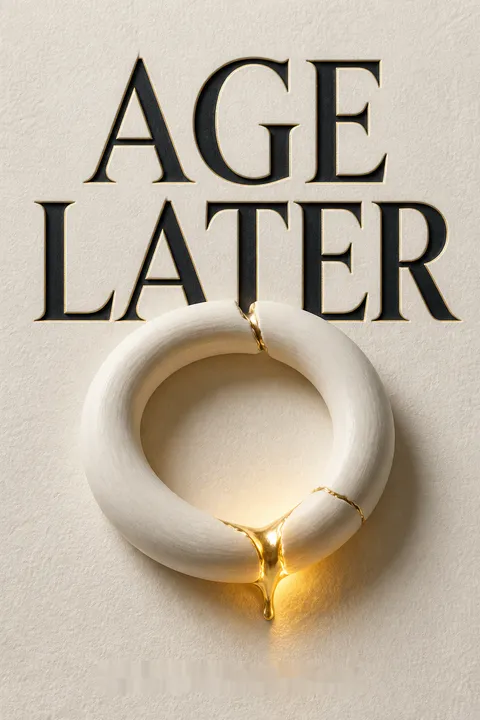
Age Later is part scientific argument, part research memoir, and part case for changing how medicine defines a treatable problem. Its narrative begins with Barzilai’s grandfather, whose visible decline made aging feel like a biological mystery, then moves through the centenarians who became his research subjects and the mechanisms his field is beginning to investigate. That structure makes abstract ideas memorable: a family story opens the question, and the research shows how scientists try to answer it.
The book’s central contribution is a shift from treating age-related diseases as unrelated events to asking whether shared aging processes make many of them more likely. Centenarians are especially useful to this project because they show that age does not dictate one uniform pattern of decline. Their DNA is not flawless, and their habits are not consistently exemplary. The more interesting possibility is resilience: protective biology may offset risks that would otherwise become disease.
The evidence varies in maturity. Some claims rest on human genetic studies and established clinical evidence; others come from associations, animal experiments, or proposed trials. The author sometimes moves quickly from a promising mechanism to its possible therapeutic value. That optimism is understandable in a field trying to attract investment and overcome institutional caution, but readers should distinguish a research lead from a demonstrated treatment. The planned TAME trial is important precisely because it tests the larger claim rather than assuming it.
The book is also a useful lesson in scientific method. It shows how control groups, population differences, biomarkers, and unexpected results can complicate simple stories about genes, diet, and aging. Its practical message is consequently more restrained than its futuristic vision: exercise, nutrition, and careful medical decisions remain sensible, while speculative longevity products deserve skepticism. The lasting idea is not that aging has already been conquered. It is that biological aging may be modifiable, and that this possibility deserves rigorous testing, clear communication, and equitable access.
Review Summary
Age Later receives mixed reviews, with an average rating of 3.71 out of 5. Readers appreciate the author's research on longevity and aging, but some find the content repetitive or lacking practical advice. The book focuses on genetic factors, potential pharmaceutical interventions, and ongoing studies. Critics argue it's too centered on drug solutions and dismissive of lifestyle factors. Some readers find the scientific explanations challenging, while others value the insights into aging research. Overall, opinions vary on the book's usefulness and accessibility.
People Also Read






Glossary
Geroscience
Aging biology and diseaseAn interdisciplinary field studying how the biological processes of aging relate to age-associated diseases. It connects basic research on aging mechanisms with clinical efforts to preserve health and function. Its central premise is that targeting shared aging processes may delay more than one chronic disease, rather than treating each condition in isolation.
Health span
Years lived in good healthThe period of life spent in relatively good health and function, rather than simply the total number of years lived. Barzilai emphasizes healthspan because longer lifespan alone may add years of disability or multiple chronic illnesses. The research goal is to extend healthy years and compress severe illness toward the end of life.
SuperAgers
Exceptionally healthy older adultsBarzilai’s term for exceptionally long-lived adults who maintain independence and delay major age-related diseases and functional decline. In the research described in the book, many participants were at least 95 years old. They may have ordinary limitations, such as reduced hearing or mobility, while experiencing serious illnesses much later than most people.
CETP
Cholesterol transfer proteinCETP is short for cholesteryl ester transfer protein, a protein involved in moving cholesterol among lipoprotein particles. Barzilai’s team studied a variant that reduces CETP activity and is associated in some populations with higher HDL and larger cholesterol particles. Its effects are not consistent across every population, and drug development has shown that inhibiting CETP can have unintended consequences.
IGF-1
A growth and maintenance signalInsulin-like growth factor 1 is a hormone-like protein produced largely by the liver in response to growth hormone. It supports tissue growth and maintenance. The book describes evidence that lower IGF-1 signaling is associated with longevity in some people and animal models, while also recognizing that IGF-1 supports functions such as growth and aspects of brain and muscle health.
mitochondrial-derived peptides
Signals made by mitochondriaSmall peptides encoded by mitochondrial genetic material and produced by cells. They were not initially recognized because scientists thought mitochondria made only a limited set of proteins. Research described in the book suggests that some mitochondrial-derived peptides, including humanin, can signal within the body and may influence metabolism or resilience to age-related damage.
Targeting Aging with Metformin
A proposed aging trialThe TAME study is a proposed clinical trial designed to test whether metformin can delay the onset of several age-related conditions in older adults. Rather than measure only one disease, its planned outcomes include conditions such as heart attack, stroke, cancer, and cognitive impairment. The book presents it as a model for testing interventions against aging biology, not as proof that metformin slows aging.
hormesis
Adaptive benefit from mild stressHormesis is the idea that a limited stress can activate the body’s protective responses and increase resilience. Barzilai uses exercise as an example: it creates short-term stress, including oxidative stress, but may stimulate cellular defenses and repair processes. The concept does not mean that all stress is beneficial; intensity and recovery matter.
inflammaging
Chronic age-related inflammationA term for the increased presence of inflammatory activity associated with aging. The book connects it partly to the accumulation of senescent cells, which have stopped dividing but remain in tissues and can release inflammatory signals. Inflammation can contribute to chronic disease, although it also plays necessary roles in fighting infection and repairing damage.
hallmarks of aging
Interconnected aging processesA group of biological processes used to organize research into how aging develops and might be targeted. Barzilai discusses processes including DNA damage, cellular senescence, inflammation, mitochondrial decline, impaired protein maintenance, immune dysfunction, metabolic changes, and epigenetic changes. The hallmarks interact, so changing one process may affect several others.
FAQ
1. What is Age Later: Secrets of the Healthiest, Sharpest Centenarians by Nir Barzilai about?
- Focus on aging and longevity: The book investigates why some people age more slowly and remain healthy into their nineties and beyond, exploring the biology and science of aging.
- Centenarian research: Barzilai shares findings from his studies of centenarians, especially Ashkenazi Jews, to uncover genetic and biological factors behind exceptional longevity.
- Geroscience and future outlook: The book introduces geroscience, discusses advances in aging research, and explores how targeting aging could revolutionize health care and disease prevention.
2. Why should I read Age Later by Nir Barzilai?
- Authoritative insights: Barzilai is a leading geroscientist who discovered the first human longevity gene and directs major aging research centers, lending scientific credibility to his work.
- Comprehensive and hopeful: The book combines personal stories, cutting-edge research, and practical advice, offering a hopeful vision for delaying aging and improving health span.
- Practical implications: Readers gain an understanding of how new drugs and lifestyle changes could prevent multiple age-related diseases, not just treat them individually.
3. What are the key takeaways from Age Later by Nir Barzilai?
- Aging is modifiable: Aging is a biological process that can be delayed or targeted, as shown by studies of centenarians and animal models.
- Genetics and biology matter: Exceptional longevity is largely influenced by protective gene variants and biological mechanisms, more so than lifestyle alone.
- Potential for new therapies: Scientific advances may soon allow us to target the root causes of aging, offering hope for longer, healthier lives.
4. What are the hallmarks of aging described in Age Later by Nir Barzilai?
- Seven primary hallmarks: These include DNA damage and telomere shortening, cellular senescence, inflammation, mitochondrial dysfunction, proteostasis loss, immune dysfunction, and metabolic dysregulation.
- Interconnected processes: Each hallmark contributes to aging and age-related diseases, and targeting one can positively affect others.
- Therapeutic targets: Understanding these hallmarks guides the development of drugs like senolytics and mitochondrial peptides to combat aging.
5. How does Age Later by Nir Barzilai explain the difference between biological and chronological age?
- Biological vs. chronological age: Biological age reflects the functional and molecular state of the body, which can differ significantly from the number of years lived.
- Biomarkers of aging: The book discusses efforts to identify reliable biomarkers, such as DNA methylation patterns, to measure biological age.
- Clinical implications: Knowing biological age can help tailor medical care and preventive strategies to an individual’s true physiological state.
6. What makes centenarians and SuperAgers special according to Age Later by Nir Barzilai?
- Delayed disease onset: Centenarians often avoid or delay major age-related diseases like heart disease, cancer, and Alzheimer’s by decades.
- Genetic protection: Their longevity is largely due to protective gene variants that shield them from common diseases.
- Lifestyle paradox: Many centenarians do not follow conventional healthy habits, suggesting genetics play a dominant role in their health span.
7. How does Age Later by Nir Barzilai approach the genetic study of centenarians?
- Focus on Ashkenazi Jews: Their genetic homogeneity provides a clearer signal for identifying longevity genes.
- Family-based recruitment: Studies include centenarians and their offspring, using the latter as a proxy control group.
- Advanced genetic tools: Whole genome sequencing and epigenetic analyses are used to uncover protective variants and mechanisms.
8. What role do cholesterol and gene mutations play in longevity according to Age Later by Nir Barzilai?
- High HDL cholesterol: Centenarians and their offspring often have high levels of good cholesterol and larger HDL/LDL particles, reducing cardiovascular risk.
- Beneficial gene variants: Genes like CETP and APOC3 are linked to higher HDL, lower triglycerides, and protection against heart disease and cognitive decline.
- Drug development: These genetic insights have inspired new drugs, though some clinical trials have faced challenges.
9. What does Age Later by Nir Barzilai say about growth hormones and their impact on aging?
- Lower IGF-1 for longevity: Many centenarians have mutations that reduce IGF-1 activity, which is associated with longer life span.
- Mixed effects of growth hormone: While necessary for development, high IGF-1 in adulthood may increase cancer risk and accelerate aging.
- Therapeutic potential: Blocking IGF-1 receptors later in life may extend health span, as shown in animal studies.
10. What are mitochondrial-derived peptides (MDPs) and their significance in Age Later by Nir Barzilai?
- Newly discovered peptides: Mitochondria produce peptides like humanin and SHLPs that have protective effects against age-related diseases.
- Role in aging and disease: MDPs help protect cells from stress, improve metabolism, and may delay diseases like Alzheimer’s and diabetes.
- Drug development potential: Barzilai’s biotech company, CohBar, is developing drugs based on these peptides, though patent and business challenges remain.
11. How does Age Later by Nir Barzilai describe the role of metformin in targeting aging?
- Metformin as proof of concept: The diabetes drug metformin is presented as a candidate to show that aging can be targeted pharmacologically.
- Clinical evidence: Studies indicate metformin reduces mortality, cardiovascular disease, cancer, and cognitive decline, even outperforming non-diabetic controls.
- The TAME study: The Targeting Aging with Metformin (TAME) trial is a landmark clinical study testing whether metformin can delay multiple age-related diseases.
12. What lifestyle recommendations does Nir Barzilai provide in Age Later to promote healthy aging?
- Exercise is essential: Regular aerobic, strength, balance, and flexibility training are emphasized as the most important interventions for health span.
- Nutrition and fasting: Barzilai recommends mindful caloric intake, Mediterranean diet principles, and intermittent fasting (such as 16-hour fasts) for metabolic health.
- Supplements and hydration: He suggests cautious use of supplements like vitamin B12 and NMN, and warns against overhydration, advocating individualized hydration strategies.
Download PDF
Download EPUB
.epub digital book format is ideal for reading ebooks on phones, tablets, and e-readers.








