

Plot Summary
The Ring’s Deadly Courtesy
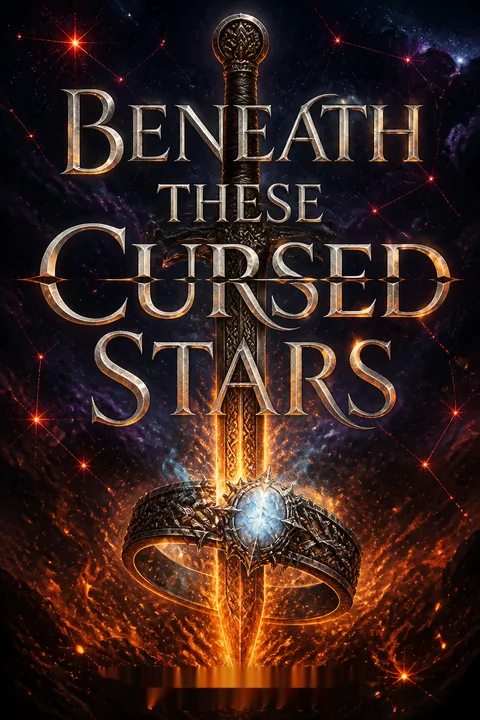
Three years after escaping Mordeus’s dungeon, Jasalyn hunts the faerie guards who tormented her and her cellmate, Crissa. A moonstone ring lets her entrance charm everyone around her, and a kiss kills her chosen target. When one victim claims Mordeus has returned from the dead, fear breaks through her practiced numbness.
Jasalyn hides the news from her sister, Queen Abriella, who is already planning to move her somewhere safer. At home, she removes the ring and collapses under the feelings it suppresses, then takes extra sleeping herbs to escape memories of captivity. The ring gives her power and relief, but each night she uses it, she makes vengeance more central to a life she is barely willing to inhabit.
The ring is not simply a weapon against Jasalyn’s abusers. It offers emotional anesthesia, letting her act where fear and grief would otherwise immobilize her. That bargain makes revenge feel like recovery while quietly shrinking her world to the next target. Her refusal to tell Abriella about Mordeus also shows how trauma can turn protection into isolation: Jasalyn fears becoming another burden, so she conceals the danger and loses the comfort of being known. The resurrection rumor threatens the fragile arrangement she has built, because it makes the past active again rather than safely finished.
A Captive Becomes a Cause
In Elora, Felicity loses her apothecary job after refusing to sell useless remedies to frightened villagers. Her adopted brother, Hale Kendrick, finds her and reveals that an oracle has named Jasalyn as a possible key to saving their homeland. Hale believes Jasalyn can kill Erith, patriarch of the Magical Seven, whose rule has entrenched poverty and servitude.
Felicity has her own reason to help: a vision warned that she would kill her birth father, Erith, but also showed Hale dying if she did. When Hale’s rebels capture Jasalyn in the woods, she recognizes him as the fellow prisoner who once protected her. He asks her to join the mission, while Felicity agrees to impersonate the missing princess and keep Abriella from raising an alarm.
The rebellion begins with competing forms of duty. Hale treats prophecy as a route toward collective liberation, while Felicity experiences it as a threat to the person she loves most. Jasalyn, meanwhile, is drawn by a private objective: reaching Mordeus before he can threaten her sister again. These motives overlap without becoming identical, which gives the alliance its tension. Felicity’s disguise plan also makes identity a practical political tool. The court can be reassured by a convincing body even when the person inside it has different memories, loyalties, and fears.
Two Princesses, One Palace
Before the substitution, Felicity meets Jasalyn face to face and confirms that both carry scars from Mordeus’s dungeon. Jasalyn warns her to protect Abriella and trust no one with the truth about those marks. Felicity then enters the Midnight Palace wearing Jasalyn’s form. The queen, raw with worry, welcomes her back and believes the planted story that Jasalyn fled to see a secret lover.
Felicity accepts the lie, then agrees to leave for King Misha’s Wild Fae court, where the real princess was meant to go for safety. Meanwhile, Jasalyn leaves with Hale’s group, disguised as a tattooed faerie. She is no longer hiding inside the palace, but she has not yet decided whether the rebels’ larger cause is truly hers.
The exchange is emotionally asymmetrical. Abriella thinks she has regained her sister, while Felicity must receive the queen’s tenderness without being able to return it honestly. For Jasalyn, departure means both escape from being managed and separation from the one person who might help her heal. The shared scars briefly connect the two young women across their very different histories, but they do not make them interchangeable. The false lover story shows how easily a court accepts a narrative that explains absence, especially when that narrative is more comforting than the possibility of danger.
The Road to Feegus
Hale’s team travels toward Feegus Keep, where Mordeus’s followers may have hidden the Sword of Fire. Natan glamours Jasalyn with faerie features and tattoos, while Skylar cuts her hair and outfits her in revealing leathers to make her unlike the withdrawn princess.
On the road, Jasalyn discovers that Hale still protects her reflexively, though his companions doubt she can be trusted. At an inn, she hears the rebels challenge her belief that the Magical Seven protect Elora.
They describe a realm where children are sold into labor and dissenters are silenced. A battered faerie wife tells Jasalyn she was sold into marriage, sharpening the political argument into something personal. Jasalyn begins to see that the cruelty she knows in Faerie has counterparts in her homeland.
Disguise first appears as camouflage, but the journey also requires Jasalyn to revise the story she has told herself about home. Her emotional loyalty to Elora has survived even as her knowledge of its institutions remains partial. The abused wife makes that gap impossible to dismiss as abstract politics: the same logic that treated Jasalyn as property also governs the marriage. Hale’s group does not instantly earn her trust, yet it gives her evidence that justice cannot be divided neatly by realm or species. Her widening attention becomes the beginning of political agency.
A Village Full of Corpses
After learning the abusive husband leads a band of Mordeus loyalists, Jasalyn slips out at night wearing her ring. She charms the tavern keeper’s wife into revealing the captain’s manor, then kills the keeper with her lethal kiss before escaping. She overhears other loyalists discussing a plan to attack Abriella and hears confirmation that Mordeus’s followers expect their king to return.
By morning, the rebel band is dead without visible wounds. Jasalyn remembers killing only the keeper, yet the corpses resemble the victims of the so-called faceless plague. The deaths shake her more than she admits. Hale’s companions suspect a magical cause, while Jasalyn fears that the ring is doing more than granting her carefully chosen revenge.
Jasalyn’s moral limit has seemed clear: she kills those she can identify as cruel, not everyone around them. The morning deaths destabilize that self-image because her control may be less complete than she believes. Her intervention also mixes protection with punishment: she saves the wife from a violent man and prevents a threat to Abriella, but her power leaves consequences she cannot explain. The faceless plague turns private violence into a public mystery. It raises the possibility that the ring’s apparent precision is an illusion, and that the cost of Jasalyn’s agency is being paid by others.
The King’s Hidden Door
At Castle Craige, Felicity must behave as the reserved princess while King Misha urges her to train, explore, and take part in court life. She discovers that her own Echo gift senses the emotional bonds between people, then uses it to recognize Misha’s longing for a family and lasting love. The king takes her to Gaelynn, the Jewel of Peace, to ask whether Mordeus has returned.
Gaelynn says the gods did not restore him, but a mortal spell could raise a spirit through the sacrifice of many devoted followers. A coastal witch later confirms that Mordeus is alive but trapped in a failing body. The discoveries link the mounting deaths to his return, and Misha begins investigating the blood magic behind them.
Felicity’s new setting tests the difference between understanding others and being entitled to use what she understands. Her emotional perception can expose Misha’s private hopes, but it also makes her conscious of the intimacy she is borrowing along with Jasalyn’s face. Misha’s court offers a model of leadership grounded in attention and mutual care, yet its warmth makes Felicity’s deception more consequential, not less. The supernatural investigation echoes this problem: resurrection is not presented as a triumph over death but as a political act that consumes lives. Power survives by making other people bear its cost.
A Borrowed Courtship
Felicity grows close to Misha through training, private conversations, and a visit to his hidden hot spring, while he believes she is Jasalyn. Their attraction becomes harder to dismiss, especially after Misha admits that he wants love rather than a marriage arranged only for an heir. At the Wild Fae ball, he asks whether she would choose a life with him, and Felicity cannot give him an honest answer.
Before the ball, Shae visits and pressures her to find the Hall of Doors quickly, burning much of the hair she needs to maintain Jasalyn’s form. He also mocks her attachment to Misha. Felicity leaves the celebration determined to search the northern mountains, where Misha has recently traveled.
The romance is built on real feeling inside a false premise. Felicity’s care for Misha is not fabricated, but he cannot consent to the relationship as it actually exists because he believes her to be someone else. Her growing reluctance to exploit his desire therefore becomes a moral pressure, not just a romantic obstacle. Shae’s ultimatum intensifies the conflict by treating Felicity’s emotional life as expendable labor for the revolution. The ball forces her to see that remaining in disguise could give her the very happiness she wants, but only by taking it from the person whose identity she has borrowed.
Ironmoore Burns
At the Eloran settlement of Ironmoore, Jasalyn meets the rebels’ old ally Lons and learns that Mordeus once destroyed the village for sheltering a rival claimant. The group also reunites with Crissa, the girl who shared Jasalyn’s cell, though Crissa is too weak to speak. Then a wyvern emerges from the infirmary and sets the settlement alight.
Hale orders Jasalyn toward the storm shelter while he and the others fight. She finds two children clinging to their dead mother and uses her ring to persuade them to follow her underground. Once they are safe, Jasalyn cannot remove the ring. Its magic has taken hold of everyone around her, and it may now be fused to her hand.
The attack turns Jasalyn’s history into a present emergency. She cannot simply avoid the ring’s power without abandoning frightened children, so the same tool that has fed her revenge becomes a means of rescue. Yet the ring’s permanence transforms that choice into a bodily trap. Ironmoore’s destruction also shows that the rebellion’s struggle is no longer a distant plan about Elora’s rulers. Its members have homes, neighbors, and vulnerable families, and every tactical choice puts those people at risk. Jasalyn acts with courage, but she loses control over the instrument she used to act.
The Cave Eats Its Finder
Following the hiluca trees into the northern mountains, Felicity searches for the portal to Misha’s Hall of Doors. Instead she finds a cavern guarded by a huge cave demon. The creature wounds her badly, and Misha reaches her before she can escape. Nigel, Felicity’s goblin guardian, breaks the rule against saving someone from certain death and transports them both back to Castle Craige.
The healer treats Felicity, but Nigel disappears, leaving behind only a strand of Jasalyn’s hair. When Felicity wakes in her own body, Misha recognizes that the woman he loved was not the princess. He confines her and demands the truth, while Abriella arrives to find her missing sister and the stolen Grimoricon at the center of the deception.
Felicity’s failed search costs more than time. Nigel’s sacrifice makes the consequences of her secrecy painfully concrete, while waking in her own body ends the protection that disguise provided. Misha’s anger is not merely a king’s response to trespass; it is the shock of realizing that his intimacy was built on a false identity. At the same time, Felicity’s injury creates a narrow opening for honesty, but the truth now arrives after trust has collapsed. The sequence rejects the fantasy that love can make deception harmless. Sincerity may have existed in Felicity’s feelings, yet it cannot undo the conditions under which Misha believed them.
Mordeus’s Hand in the Ring
While recovering at Ironmoore, Jasalyn learns from Natan that her ring has a magical counterpart in the Eloran Palace. The timing of her new scars and her victims’ deaths suggests that Mordeus is drawing on blood magic connected to her. Natan believes the loyalists at Feegus Keep died when Jasalyn killed one of their leaders, their pledged lives feeding Mordeus’s return through the ring.
Jasalyn remembers the power flowing through her after each kiss and realizes that her revenge may have helped revive the king she meant to destroy. She also learns that Mordeus’s plan began with the torture that made her desperate to escape fear. Rather than wait for the ring to be removed, she insists on going to Feegus Keep and stopping him.
The revelation collapses the distinction Jasalyn has relied on between justice and retaliation. She believed she was targeting guilty individuals, but the ring converts her chosen violence into a resource for the very tyrant she opposes. This does not erase her responsibility, yet it places that responsibility inside a design engineered through torture, coercion, and concealed magic. Her immediate decision to act is both morally serious and psychologically risky: guilt can motivate repair, but it can also drive a survivor toward self-punishment. The story leaves her facing a difficult question, whether accountability means choosing a useful action or simply suffering for what she has done.
The Bargain Comes Back
A dream places Shae beside Mordeus, helping prepare Jasalyn as a vessel for the king’s return. When Shae appears at Ironmoore, Jasalyn recognizes his scars and the faerie crown tattoo on his forehead after he drops his glamour. He admits that he bargained with Mordeus to keep Jasalyn alive and give her a reason to endure captivity in exchange for Crissa’s release.
Jasalyn hears this as proof that the friend who comforted her also helped keep her imprisoned. She cannot reconcile his claimed remorse with the bargain’s consequences. While the others are distracted, she slips away alone, intent on reaching Feegus Keep before anyone can stop her or decide what should happen to her next.
The revelation reframes a memory that had been a source of safety. Hale’s presence in the dungeon genuinely helped Jasalyn survive, but his prior bargain means that care and complicity occupied the same relationship. The distinction matters: a person can provide comfort and still participate in harm, especially when a political mission makes others seem like acceptable costs. Jasalyn’s decision to leave alone is understandable as an attempt to reclaim control, yet it repeats the isolation that has already made her vulnerable. Her mistrust is no longer only a symptom of trauma; it is also a response to a real betrayal.
A Phoenix Without a Choice
In Misha’s dungeon, Felicity explains that she is Erith’s hidden daughter and that Jasalyn sent her to take the princess’s place. Abriella initially doubts her, until Felicity reveals private details of Jasalyn’s captivity and the missing Grimoricon.
Felicity warns that Mordeus may be using Jasalyn’s ring and blood magic to return, but she then vanishes from a cell warded against magic and goblin travel. With Jasalyn also missing, Abriella tells Misha that a search of her sister’s mind once uncovered a rare phoenix gift.
If Mordeus bound their lives together, he could command Jasalyn’s power to restore himself in her body. The book ends before either woman is found, leaving Misha and Abriella facing a threat that may already be moving toward its final form.
The final revelation changes the stakes from stopping a resurrection to protecting Jasalyn’s personhood. Her phoenix gift is not merely a defensive power if Mordeus can appropriate it; it could turn her body into the instrument of his return. Abriella’s secret knowledge also complicates her protective role, since she previously chose not to tell Jasalyn what she had discovered. The ending deliberately withholds the expected confrontation. Instead, it leaves the characters separated, the ring’s effects unresolved, and the central question open: can Jasalyn reclaim power over a life that others have repeatedly treated as a resource?
Analysis
Beneath These Cursed Stars treats power as something that is never merely possessed. It moves through relationships, institutions, bodies, and bargains. Jasalyn’s ring gives her the sensation of control, yet its magic is entangled with the very enemy she means to defeat. Her victims’ deaths reveal that individual revenge can be recruited into a larger system, especially when the person acting has been manipulated through trauma. The narrative neither absolves her nor reduces her to a perpetrator; instead, it asks how responsibility can coexist with coercion and how repair differs from self-punishment.
Felicity’s transformations develop a related question about identity and consent. She takes Jasalyn’s body to protect her, but the disguise lets her receive intimacy and trust that belong, in part, to someone else. Her feelings for Misha are genuine, yet sincerity cannot erase the deception that shaped his choices. The novel gives romance moral weight by asking what a beloved person is entitled to know before choosing closeness.
The political conflict extends these intimate dilemmas. Elora’s ruling Seven preserve authority by revising history and sustaining contracts that trap the poor, while Mordeus’s tyranny shows a different but related form of domination. The contrast is not between a good realm and an evil one, but between systems that demand obedience and people trying to build forms of loyalty that leave room for choice. Hale’s rebellion can still reproduce the logic of sacrifice when it treats individuals as pieces in a necessary plan.
Trauma appears not as a completed past but as an ongoing relation to the body: scars emerge, touch remains difficult, and fear can be turned into a weapon by others. Healing begins when Jasalyn allows allies to see what happened, though trust cannot be commanded into existence. The unresolved ending intensifies the book’s central concern. Jasalyn’s rare gift may save her, or it may let Mordeus claim her body as his next instrument. Her struggle is therefore about more than survival. It is about whether she can become the author of a life others have repeatedly tried to bargain away.
Review Summary
People Also Read


Characters
Jasalyn
The shadow princessAbriella’s younger sister and heir to the Unseelie throne, Jasalyn is a human girl with faerie ancestry who carries the scars of captivity. After Mordeus’s dungeon, she protects herself by withdrawing from her sister and by turning fear into anger. Her moonstone ring offers an intoxicating sense of control, but it also sharpens her temptation to treat violence as proof of strength. Beneath her guardedness, Jasalyn remains attentive to vulnerable people and deeply attached to her family. Her central struggle is not simply whether she can fight, but whether she can accept care and responsibility without surrendering the right to choose who she becomes.
Felicity
The fugitive EchoRaised alongside Hale as his adopted sister, Felicity is a cautious Eloran fugitive who has spent years avoiding the destiny attached to her birth. She is compassionate in ordinary ways, quietly helping poor customers even when doing so costs her work. Her unusual ability to take another person’s form makes concealment possible, but it also blurs the line between empathy and intrusion. Felicity wants to protect Hale and return home, yet she distrusts prophecies that demand sacrifice. Her instinct to withdraw is not simple cowardice; it is a survival strategy shaped by past loss and fear of becoming responsible for the people she loves.
Hale Kendrick
The chosen rebel leaderKnown to Jasalyn from their time as prisoners, Hale is Felicity’s adopted brother and the driving force behind a rebellion against Elora’s ruling Seven. He combines strategic resolve with a personal warmth that makes people follow him, and his protective instinct toward Jasalyn predates their renewed alliance. Hale believes political change is worth danger, but his certainty can lead him to decide what risks others should bear. His history with prophecy has made duty central to his identity. The strain between his public mission and private attachments gives his leadership both its force and its cost.
Misha
The Wild Fae kingMisha rules the Wild Fae Lands with an attentive, collaborative style and is a trusted friend of Abriella. He wants a loving partnership and family, but he is wary of repeating the painful marriage he witnessed in his parents’ lives. His formidable mental magic sits beside genuine respect for other people’s boundaries, including Jasalyn’s guarded mind. As a host and leader, he tries to draw the isolated princess into the life of his court rather than merely shelter her. His warmth does not make him naïve: when trust is broken, the king’s authority and anger become impossible to ignore.
Abriella
The protective shadow queenAbriella, often called Brie by Jasalyn, is the once-human queen of the Unseelie Court. She believes honesty and mercy can help rebuild a court shaped by Mordeus’s cruelty, and she works constantly to secure peace among competing territories. With Jasalyn, her love often becomes anxious protection: she fears another loss and struggles to see that shielding her sister can also keep her distant. Her bond with Finnian gives her steadiness, but she carries responsibility for both a kingdom and a family. Abriella’s care is real, even when her choices fail to match what Jasalyn needs.
Mordeus
The Unseelie tyrantMordeus is the former Unseelie king whose rule relied on terror, punishment, and the exploitation of those with less power. His cruelty in the dungeons shaped Jasalyn’s distrust of faeries and left wounds that continue to affect her after her escape. He treats people as instruments, whether he is controlling prisoners or bargaining with political enemies. Even in absence, rumors about him influence the decisions of courts and rebels. Mordeus represents a form of authority that seeks not merely obedience but ownership over other people’s bodies, memories, and futures.
Erith
The patriarch of the SevenErith leads the Magical Seven, the powerful rulers of Elora whose public authority rests on claims of protecting the realm. Hale’s rebellion sees him as the central obstacle to political reform and the dismantling of unjust contracts. He is also Felicity’s birth father, a fact that makes the struggle against him intensely personal for her. Erith’s power is entangled with a prophecy that threatens the lives of the twins connected to him. Though absent from most of the action, his rule shapes the fugitives’ loyalties, fears, and plans.
Natan
The rebel historianA scholar and skilled magic user, Natan serves Hale’s rebellion as researcher, planner, and careful observer. His family preserved a history that the Magical Seven tried to erase, giving his work a personal dimension beyond intellectual curiosity. He approaches Jasalyn with gentleness, especially when helping her examine her buried powers, but he is cautious about magic he does not understand. Natan values the truth even when it unsettles the group, and his quiet loyalty makes him one of Hale’s most dependable companions.
Remme
The blunt rebel fighterRemme is a practical fighter in Hale’s circle, known for blunt humor, suspicion of outsiders, and reliable action when danger arrives. He often challenges Jasalyn, but his roughness coexists with unexpected tenderness and concern for her. His relationship with Natan is private because their homeland criminalizes love between men. Remme’s guardedness reflects the risks he lives under, while his loyalty to the rebel group gives him a place to show affection safely.
Skylar
The knife-bright scoutSkylar is an armed scout whose shaved hair, tattoos, and readiness for conflict announce her independence before she speaks. She distrusts Jasalyn’s royal status and openly challenges her assumptions about both Faerie and Elora. Her sharp teasing can conceal a protective instinct, particularly toward Hale and the people he loves. Skylar is practical about danger and impatient with sentiment, but she is not without compassion. Her presence forces Jasalyn to meet a woman who refuses to soften her judgments simply to make a princess comfortable.
Shae
The absent rebel allyShae belongs to Hale’s inner circle and has a complicated history with Felicity, who once hoped for more from him. He is tied to the rebellion’s prophetic expectations and tends to prioritize its mission over private attachments. His cool manner can make his motives difficult to read, especially when he presses Felicity to act quickly. For Jasalyn, he is part of the network of people whose choices shaped her captivity. Shae’s presence tests how much trust can survive when duty and personal loyalty have been entangled.
Crissa
Jasalyn’s dungeon friendCrissa shared a cell with Jasalyn during their captivity under Mordeus. Though frightened herself, she used calming magic and companionship to help Jasalyn endure the dungeon. Her belief that rescue was possible gave Jasalyn a fragile connection to life beyond the prison walls. Crissa’s kindness is practical rather than grand: she stays close, comforts, and tries to keep another person from giving up. Her bond with Jasalyn gives the story’s later political struggles an intimate measure of what is at stake.
Amira
The former Wild Fae queenAmira is Misha’s former wife and continuing friend, an empath whose calm presence helps others feel understood. She ended their political marriage without turning affection into resentment, and she hopes Misha will find a love that is genuinely his. Her advice is gentle but not evasive, and she sees how fear complicates Felicity’s relationship with the king. Amira’s self-possession offers a contrast to court politics that treat marriage primarily as a tool for heirs and alliances.
Finnian
The queen’s steady consortFinnian is Abriella’s bonded partner and consort, a grounding presence in the queen’s demanding life. He supports her without diminishing her authority, offering steadiness when worry threatens to overtake her. His connection to Misha’s family and the Wild Fae court gives him a role in the political network surrounding Jasalyn. Finnian is measured and observant, particularly when the queen’s fears collide with the dangers of the wider realm.
Nigel
Felicity’s goblin guardianNigel has guarded Felicity since childhood and speaks with blunt affection, often puncturing her attempts to deny what she feels. He knows much about Faerie through the goblins’ shared store of knowledge, yet he refuses to reveal every answer she wants. His loyalty is expressed through unsentimental counsel and constant presence. The rules governing goblins make his protection complicated: caring for Felicity does not mean he can intervene without consequence.
Gommid
Jasalyn’s secret keeperGommid is a goblin who helps Jasalyn travel and trades information for hair, teeth, and other valuable scraps. He is sharp-tongued, difficult to impress, and more perceptive about the ring’s influence than Jasalyn wants to admit. His warnings suggest that goblin knowledge carries its own dangers.
Bakken
The queen’s goblinBakken serves Abriella and can recognize when Felicity is wearing another person’s form. His divided loyalties make him a reminder that even magical helpers belong to particular bonds and obligations.
Lark
The young seerMisha’s young niece, Lark has visions that arrive in unsettling fragments. She speaks plainly about possible futures, even when her warnings distress the adults around her.
Tynan
The king’s training captainTynan is one of Misha’s sentinels and helps train Jasalyn at Castle Craige. Observant but discreet, he notices changes in the king’s behavior without forcing himself into private matters.
Gaelynn
The Jewel of PeaceGaelynn is an ancient Wild Fae adviser who lives in a remote sanctuary. Her counsel is measured and difficult to obtain, and she distinguishes divine resurrection from magic that demands enormous sacrifice.
Isaak
The returning rebelIsaak is a rebel ally whose visions lead him to search for Crissa. His determination makes him willing to risk himself to bring a missing friend back to the people waiting for her.
Plot Devices
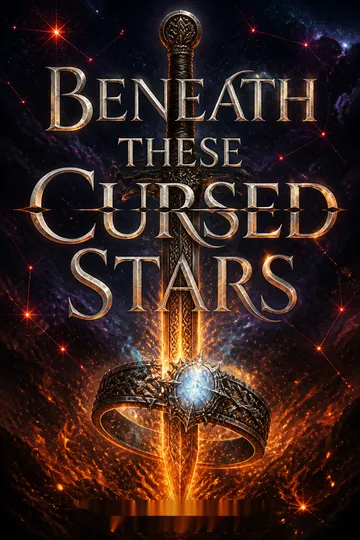
The Moonstone Ring
Power with a hidden priceA witch gives Jasalyn a ring that charms people into obedience and makes her kiss lethal. It also suppresses her fear, allowing her to move through dangerous courts and pursue the guards who hurt her. The magic weakens her in daylight, clouds other people’s memories, and eventually fuses to her hand when she uses it during a crisis. Its deeper connection to Eloran magic links Jasalyn’s acts of revenge to the rising threat of Mordeus. The ring externalizes the temptation to trade long-term freedom for immediate relief.
The Echo Gift
A face that carries memoriesFelicity can take another person’s form after sleeping with their hair, and the transformation brings memories of that person. This lets her impersonate Jasalyn convincingly enough to enter the Midnight Palace and Castle Craige. The gift is more than disguise: it gives Felicity emotional knowledge she did not earn directly, complicating her ideas of privacy and consent. It also creates dramatic irony, as Misha and Abriella respond to Jasalyn’s face while speaking to someone with a different history and agenda.
Blood Magic Scars
Pain stored for laterThe marks on Jasalyn’s body appear long after the wounds were inflicted in Mordeus’s dungeon. A coastal witch identifies the pattern as possible blood magic, a means of storing power through injury and drawing on it later. The scars connect her hidden trauma to the faceless deaths and to Mordeus’s attempted return. They also make the body an archive of events Jasalyn has deliberately kept from her sister and friends. Their delayed appearance turns an old captivity into an active magical threat.
The Hall of Doors
A route between realmsThe Halls of Doors contain portals and are guarded secrets passed between rulers. Hale’s rebellion hopes to use one to reach the Eloran Palace if it cannot secure the Sword of Fire. Felicity searches for the Wild Fae entrance after learning that it may be hidden behind a movable portal, but her search leads her into a dangerous cavern rather than an easy passage. The Hall represents the practical problem of crossing borders while each court controls who may enter and where.
Oracle Visions
Prophecy under pressureVisions shape the plans of Hale, Felicity, and Misha’s family, but they do not provide a simple map of the future. Hale believes Jasalyn may be able to bring down Erith; Felicity fears that killing Erith will cost Hale his life; and Lark’s visions warn of dangerous choices without fully explaining them. Prophecy motivates action while leaving room for doubt, misinterpretation, and free will. The characters must decide whether a prediction is guidance, a threat, or a story they are using to justify what they already want.
These Hollow Vows Series

About the Author


Download PDF
Download EPUB
.epub digital book format is ideal for reading ebooks on phones, tablets, and e-readers.








