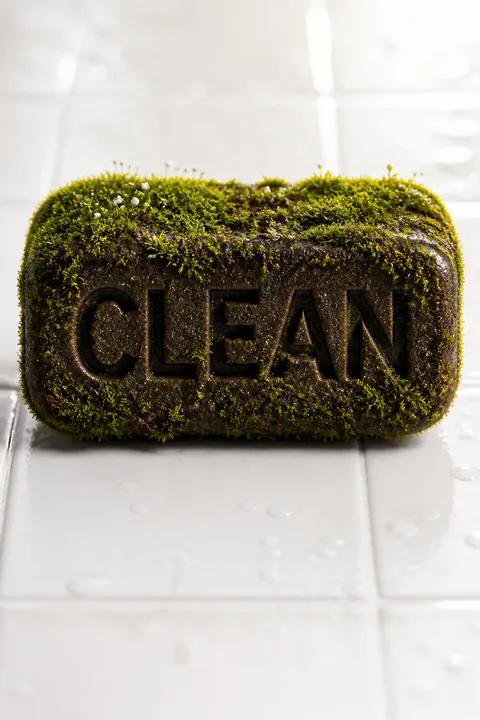


Key Takeaways
Cleanliness should serve health and comfort, not become a campaign against your body
A personal experiment. James Hamblin gradually stopped using soap, shampoo, and most other personal care products. His skin seemed less oily, his eczema patches eased, and he noticed that odor often followed stress, poor sleep, or feeling unwell. The change was slow, and he does not present his routine as a prescription for everyone. His point is that habits treated as essential deserve examination, especially when nobody has tested what happens without them.
Choice has a social cost. Hamblin also recognizes that he could get away with looking less groomed partly because of his race, gender, age, and economic security. Other people may face real penalties for not meeting appearance standards. The question is not simply whether washing is necessary, but who gets to decide what counts as acceptable.
The experiment is most useful as a prompt for careful self-observation, not as proof that stopping showers improves skin. It is an uncontrolled case: changes in stress, sleep, seasons, and daily activity could all have contributed. Still, its gradual approach reflects a sound principle of behavior change: altering one variable at a time makes cause and effect easier to notice. The privilege caveat matters just as much. Advice to ignore grooming norms can sound liberating to someone insulated from their consequences, and reckless to someone whose job or safety depends on appearing conventionally presentable.
Treat skin as a living ecosystem, not a surface to sterilize
A working interface. Skin is more than a wrapper. It protects the body, senses the environment, regulates temperature, and hosts a vast community of microbes. The skin microbiome means the microorganisms living on the skin and interacting with it. Many are harmless or potentially helpful, and their populations are shaped by skin oils, sweat, body location, and exposure to the world.
Context changes the cast. DNA sequencing helped researchers find Demodex mites on the faces of nearly everyone studied. Their presence is usually normal, though unusually high numbers may be associated with rosacea. In a mouse study, a common skin bacterium appeared to reduce skin cancer after UV exposure. That finding is intriguing, but it does not establish a cancer-prevention effect in people. The lesson is not that every microbe is good, but that removing microbes indiscriminately can have consequences.
The ecosystem metaphor corrects a powerful but incomplete picture of the body as a fortress besieged by germs. Ecology offers a better question: what conditions allow a stable community to resist harmful disruption? That perspective helps explain why the same organism can be harmless in one setting and problematic in another. It also calls for restraint in interpreting early microbiome findings. A mouse experiment or a microbial association can generate a useful hypothesis, but it cannot by itself tell consumers which cleanser to buy or which bacteria to apply.
Wash where sweat gathers, and spare skin that is not dirty
Clean selectively. Dermatologist Sandy Skotnicki advises many patients to wash the areas where sweat and odor tend to concentrate, such as the underarms, groin, and feet, rather than scrubbing the entire body with shower gel. Hot water can strip oils that help maintain the skin barrier. When that barrier is disrupted, skin may become dry and more vulnerable to irritants.
A cycle can take hold. Eczema involves a complicated interaction among barrier damage, inflammation, and microbial changes. Scratching and washing can aggravate the barrier, while itching encourages more scratching. Some clinicians therefore suggest a product break, then reintroducing only what seems useful. This is not a universal treatment or a substitute for medical care. People with skin conditions, wounds, or particular health needs may require specific advice from a clinician.
This approach usefully distinguishes hygiene from the sensation of being freshly scrubbed. A modest routine may reduce irritation and make it easier to identify which products cause problems. The caution is that skin conditions have multiple causes, and a recommendation that helps one person may do little for another. A product break is best treated as a structured experiment, with symptoms observed over time and medical guidance where needed. The broader insight is practical: more intervention is not automatically more care, especially when the intervention repeatedly damages the surface it aims to protect.
Separate infection control from the social performance of looking clean
Disgust has a job. Researcher Val Curtis studies disgust as a defense against infection. Reactions to bodily fluids, spoiled food, or parasites can discourage contact with things that may carry disease. But the feeling also spreads beyond actual infection risks. Appearance and smell become signs of whether someone belongs, even when they reveal little about that person's health.
History blurred the categories. In crowded nineteenth-century cities, contaminated water and poor sanitation helped spread deadly diseases. John Snow traced a London cholera outbreak to a water pump, helping establish epidemiology. Public investment in clean water and sewage systems saved lives. At the same time, groomed appearance became confused with disease prevention, and cleanliness became a marker of class and respectability. The word clean now covers both meaningful protection and social judgment.
Disgust is a fast decision system, not a reliable medical test. Its speed can help people avoid genuine hazards, but it can also turn unfamiliarity or visible difference into a false signal of danger. That distinction matters because the history of hygiene includes both lifesaving public works and exclusionary standards imposed on people with less money, different bodies, or different customs. Better public understanding can preserve sensible disease prevention while challenging the assumption that a polished appearance proves health, virtue, or safety.
Remember soap's modern necessity was built as much by advertising as chemistry
A simple molecule, a big story. Soap works because one end of its molecules binds to water and the other to oil, helping lift grime so it can be rinsed away. For centuries, soap was often costly, harsh, or mainly used for laundry. Industrial production and urban sanitation made it more accessible, but advertising helped turn bathing into a daily expectation.
Marketing manufactured needs. In the early twentieth century, Lifebuoy linked soap to health and popularized the term body odor as a problem to prevent. Brands then divided similar products into ever narrower categories, promising beauty, purity, or protection. When soap seemed to dry skin, the industry could sell moisturizer; when shampoo dried hair, it could sell conditioner. The cycle made a basic cleanser seem insufficient and gave consumers new reasons to buy.
The history shows that consumer habits are built through both infrastructure and persuasion. Clean water makes regular washing feasible; advertising can make a particular frequency, fragrance, or product feel mandatory. This is a useful lens for modern wellness marketing, where the language of personal choice can obscure how demand is being shaped. At the same time, advertising did not invent the need for sanitation. Its influence is clearest when it converts a real benefit, such as removing grime, into broader claims about status, attractiveness, and safety.
A cosmetic's scientific language is not proof of safety or efficacy
Labels set the rules. In the United States, products marketed to change appearance are generally regulated as cosmetics, while products claiming to treat or prevent disease may be regulated as drugs. Cosmetics do not go through the same premarket testing and approval process as drugs. Hamblin demonstrated how easy it was to create and list a skin cream without testing it or proving that it worked.
Claims outrun evidence. Dermatologist Leslie Baumann describes topical collagen as unlikely to enter the skin in a useful way, and says many peptide, stem cell, and growth-factor claims lack convincing support. Meanwhile, the book recounts reports of adverse reactions to a popular cleansing conditioner and asbestos concerns in children's makeup, cases that exposed weaknesses in oversight. This does not mean every cosmetic is unsafe. It means ingredients, promises, and regulatory category deserve separate scrutiny.
Scientific-sounding ingredients can create an illusion of precision: a complicated name feels like evidence even when the mechanism or benefit has not been demonstrated. Clearer product oversight could improve consumer information, but regulation also has tradeoffs. Testing requirements can raise costs and make it harder for small companies to compete. That tension does not justify leaving buyers to assess safety from marketing alone. A sensible standard would make claims proportionate to evidence and ensure that adverse effects can be reported and investigated.
Give developing immune systems safe, varied contact with the living world
Early exposure matters. The hygiene hypothesis proposed that fewer childhood infections might help explain rising allergies. Researchers now often use the biodiversity hypothesis: immune health may be affected by losing contact with the wider range of microbes that accompanied human life for much of history. Exposure does not mean seeking dangerous infections. It can include ordinary contact with family, animals, soil, and outdoor environments.
A striking comparison. In a study of Amish and Hutterite children, asthma was four times less common and allergies six times less common among the Amish. The groups shared ancestry and many lifestyle features, but Amish children had more direct contact with farm animals and dust. Researchers found higher levels of bacterial endotoxins in Amish homes. The study suggests a relationship between microbial exposure and immune development, but it does not prove that farm dust or dirt is a treatment.
The strongest implication is not that children should be made dirty, but that immune development depends on learning what deserves a response. This resembles education: a system trained only on alarms may mistake ordinary signals for threats. The Amish comparison is especially suggestive because it contrasts relatively similar populations, yet it remains observational and cannot isolate every difference between them. Safe outdoor play, pets, and ordinary social contact are more defensible applications than homemade microbial remedies. Exposure should widen the range of familiar life, not add avoidable hazards.
Use strong hygiene where transmission happens, not as a ritual everywhere
Target the real routes. Targeted hygiene means focusing cleaning on moments and places where disease is most likely to spread. Handwashing after using the toilet, before food preparation, and during outbreaks can prevent infection. That is different from repeatedly sterilizing ordinary surfaces or using antibacterial products without a clear need.
More killing is not always better. The book traces how antimicrobial soaps and ingredients such as triclosan were promoted as extra protection, despite little evidence that they prevented illness better than ordinary soap and water. Triclosan was later removed from consumer soaps in the United States. The wider concern is that antimicrobial chemicals can affect microbial communities and may contribute to resistance or other harms. Cleanliness is not a choice between sterilizing everything and abandoning hygiene; context should determine the response.
Targeting hygiene resembles risk-based safety in fields such as food handling: attention is concentrated where exposure is consequential rather than spread thinly over every surface. That framing is especially valuable because fear tends to reward visible action, even when a dramatic disinfecting ritual adds little protection. The opposite error also matters. In outbreaks or settings with vulnerable people, handwashing and appropriate infection control can be crucial. Good guidance should identify the specific route of transmission and the effective intervention, rather than treating every microbe as the same threat.
Your body's odors may carry information, not merely dirt
A chemical signature. People emit volatile organic compounds, or VOCs, through breath, skin, and other bodily processes. The changing mix is sometimes called the volatolome. It reflects both human metabolism and microbial activity, and it may shift with illness. Trained dogs have detected several conditions by smell, including possible cancer signals and malaria infection.
Promising, not settled. In one study, dogs correctly identified 70 percent of socks worn by children with malaria. A separate preliminary breath test detected 83 percent of malaria cases. These findings suggest that disease can alter the chemicals people emit, but they do not make dogs or experimental breath tests replacements for established diagnosis. The same chemistry may also contribute to social perception and attraction, although the evidence does not support claims that a spray can reliably manufacture trust or desire.
The possibility that odors contain diagnostic information is a reminder that the body communicates through more than visible symptoms. It also offers a useful research direction: chemical patterns could complement existing tests, particularly where early detection is difficult. Yet a detection percentage alone does not establish how well a test performs across populations or how many false alarms it produces. The idea should encourage scientific curiosity, not a return to judging health by smell. Human odor is variable, and social aversion is a poor substitute for diagnosis.
Fund water, toilets, parks, and connection before another wellness bottle
Health starts beyond the bathroom. The book contrasts intensive personal care in wealthy settings with the lack of basic sanitation elsewhere. Clean the World recycles partly used hotel soap into bars for people in need. Globally, many people still lack reliable clean water or a place to wash their hands, while preventable diarrheal and respiratory illnesses remain major threats to young children.
Build conditions for health. Hamblin connects this imbalance to public spaces and social life. Frederick Law Olmsted designed parks as shared places for clean air, movement, and contact across social groups. Research described in the book also links outdoor exposure and green space with health benefits. The broader lesson is that health depends on public systems and everyday environments, not only on products applied to individual bodies.
This argument shifts attention from what an individual can purchase to the conditions that make healthy choices possible. Running water, toilets, safe public spaces, and access to nature are not glamorous, but they reach people at a scale that boutique treatments cannot. The same emphasis on connection also appears in the book's account of addiction recovery, where replacing isolation with relationships can matter more than simply removing a substance. Individual care remains valuable, but it should not distract from investments that prevent illness across whole communities.
Analysis
Clean is most persuasive when it refuses the false choice between hygiene and microbial tolerance. The book distinguishes two meanings that consumer culture routinely fuses: preventing transmission of disease, and meeting social expectations about appearance. That distinction allows a more precise question than whether cleanliness is good or bad: which practice reduces a real risk, and which mainly sells reassurance or belonging?
Its strongest evidence comes from the convergence of history, clinical experience, and emerging microbiology. The historical account shows that sanitation infrastructure transformed survival, while advertising turned those successes into personal rituals and product categories. The microbiome research then complicates the old model of skin as a sterile boundary. Together, these threads support moderation, not a blanket rejection of washing.
The evidence also has limits that matter. Many microbiome findings are associative, preliminary, or based on animals. Hamblin's own experience is a vivid case study, not a controlled trial, and cannot disentangle washing from changes in stress, activity, or other routines. The book generally acknowledges this uncertainty, though its narrative can make speculative mechanisms feel more established than they are. Readers should distinguish well-supported public-health practices, such as handwashing in relevant situations, from hypotheses about exposure, skin bacteria, and chronic disease.
The social argument is equally important. Grooming can be pleasure, ritual, and consideration for others, but standards of presentability are not evenly enforced. A minimalist recommendation may be low-stakes for one person and costly for another. The book's most durable contribution is therefore not a new hygiene rule. It is a method of judgment: separate evidence from marketing, distinguish public sanitation from private beauty norms, and weigh personal habits against their effects on bodies, communities, and environments.
Review Summary
Clean: The New Science of Skin examines the history and science of cleanliness, challenging conventional wisdom about hygiene. Hamblin argues that excessive cleanliness can be harmful, disrupting the skin's microbiome. While some readers found the book insightful and humorous, others felt it lacked depth in certain areas. The author's style is accessible and engaging, though some criticized the book's organization. Overall, readers appreciated Hamblin's critique of the skincare industry and his exploration of the cultural and social aspects of cleanliness, but some wanted more practical advice.
People Also Read







Glossary
skin microbiome
Skin's microbial communityThe skin microbiome is the community of microorganisms living on and in the skin, including bacteria, fungi, viruses, and mites. Its composition differs across body sites because skin oils, moisture, and other conditions vary. These organisms can interact with the skin barrier and immune system, and their effects depend on the surrounding ecosystem rather than on a simple division between good and bad microbes.
hygiene hypothesis
Early exposure and allergyThe hygiene hypothesis is the idea that reduced exposure to microbes and infections in early childhood may contribute to the rise of allergic disease. The term is easy to misread as a claim that cleanliness is harmful. The book presents it as an early formulation of a more complex idea: immune development may be affected by changes in the diversity and timing of microbial exposure.
biodiversity hypothesis
Microbial diversity supports immunityThe biodiversity hypothesis proposes that modern inflammatory and immune-related conditions may be associated with reduced contact with the diverse microorganisms humans encountered throughout evolution. It emphasizes loss of microbial variety, not a need to acquire dangerous infections. Exposure through ordinary contact with people, animals, soil, and natural environments may help shape immune responses, though specific mechanisms and interventions remain under study.
targeted hygiene
Cleaning focused on transmissionTargeted hygiene is an approach that concentrates cleaning on situations where disease-causing microbes are most likely to spread. Examples include washing hands after using the toilet and before preparing food. It distinguishes these high-value practices from indiscriminate sterilizing or repeated whole-body washing, and aims to prevent infection without treating every microbial exposure as equally dangerous.
atopic march
Progression of allergic conditionsThe atopic march describes the pattern in which some children with eczema later develop other allergic conditions, such as allergic rhinitis or asthma. The pattern is associated with immune responses and skin-barrier disruption, but it does not occur in every child. The concept highlights why eczema can be more than a surface-level irritation and why skin health may relate to wider immune processes.
volatolome
Body's emitted chemical profileThe volatolome is the collection of volatile chemicals a person emits through breath, skin, and other bodily processes. These compounds arise from human metabolism and microbial activity, and their pattern may change with health or disease. Researchers study whether dogs or instruments can detect such changes. The concept describes a potential source of biological information, not a proven stand-alone diagnostic method.
acid mantle
Skin's mildly acidic surfaceThe acid mantle is a term for the mildly acidic film formed by compounds on the skin's surface. Skin typically has a pH below neutral, a condition that helps shape its microbial environment and barrier function. The concept has a basis in skin chemistry, though experts differ on how much explanatory weight the term deserves. Alkaline soaps can alter this surface environment.
prebiotic
Microbial growth supportIn the book's skin-care context, a prebiotic is a substance intended to nourish or encourage useful microbes already present in a microbial community. This differs from a probiotic, which introduces a living microorganism. Skin researchers are still investigating which ingredients actually serve as nutrients for specific skin microbes and whether those effects reliably improve health.
probiotic
Live beneficial microorganismA probiotic is a living microorganism used with the intention of providing a health benefit. In skin care, probiotic products may introduce microbes to the skin, but their effects can vary and are not established for many commercial claims. The book stresses that live organisms differ from bacterial fragments or lysates, and that introducing microbes raises questions about persistence, safety, and individual variation.
FAQ
What's Clean: Our Culture of Hygiene Obsession and the Benefits of Doing Less about?
- Hygiene Culture Exploration: The book delves into society's fixation on cleanliness and the extensive use of personal care products, questioning their necessity and impact.
- Personal Journey: Author James Hamblin shares his experience of reducing his hygiene routine, exploring the science behind skin care and hygiene.
- Microbiome Focus: It emphasizes the importance of the skin microbiome and how modern cleaning habits can disrupt this ecosystem, potentially leading to health issues.
Why should I read Clean: Our Culture of Hygiene Obsession and the Benefits of Doing Less?
- Challenging Norms: The book encourages readers to rethink societal pressures around cleanliness and offers a fresh perspective on modern hygiene.
- Scientific Insights: Hamblin provides insights from experts, making it informative for those interested in health and wellness.
- Personal Empowerment: By sharing his journey, Hamblin empowers readers to consider simplifying their skin care routines.
What are the key takeaways of Clean: Our Culture of Hygiene Obsession and the Benefits of Doing Less?
- Less is More: Advocates for a minimalist approach to skin care, suggesting many products may be unnecessary.
- Microbiome Importance: Highlights the significance of the skin microbiome and the need for balance in cleaning habits.
- Cultural Critique: Critiques the beauty and hygiene industries for promoting unrealistic standards and urges questioning marketing claims.
What is the significance of the microbiome in Clean: Our Culture of Hygiene Obsession and the Benefits of Doing Less?
- Microbial Ecosystem: The skin microbiome consists of microbes crucial for skin health and immune function.
- Health Implications: Maintaining a healthy microbiome can prevent conditions like eczema and acne.
- Rethinking Cleanliness: Suggests that excessive cleanliness may harm beneficial microbes that protect our skin.
How does James Hamblin's personal experience influence Clean: Our Culture of Hygiene Obsession and the Benefits of Doing Less?
- Personal Experimentation: Hamblin's decision to stop showering serves as a foundation for exploring hygiene.
- Life Changes: Reflects on benefits like improved skin health and greater body awareness.
- Cultural Reflection: Prompts a critique of societal norms regarding cleanliness, encouraging readers to question their habits.
What is the "hygiene hypothesis" mentioned in Clean: Our Culture of Hygiene Obsession and the Benefits of Doing Less?
- Definition: Suggests that lack of exposure to microbes increases susceptibility to allergies.
- Evidence: Studies show children in less sanitized environments have lower allergy rates.
- Public Health Implications: Promoting microbial exposure could reduce allergies and autoimmune diseases.
What are some common misconceptions about skin care discussed in Clean: Our Culture of Hygiene Obsession and the Benefits of Doing Less?
- Over-Cleansing: Frequent washing can strip skin of natural oils and disrupt the microbiome.
- Product Necessity: Challenges the idea that more products equate to better skin care.
- Beauty Standards: Critiques the beauty industry for promoting unrealistic cleanliness standards.
How does Clean: Our Culture of Hygiene Obsession and the Benefits of Doing Less address environmental concerns?
- Impact of Products: Discusses environmental consequences like water usage and plastic waste.
- Sustainable Practices: Advocates for reducing product use to benefit health and the environment.
- Cultural Shift: Calls for valuing simplicity and sustainability in personal care.
What role does societal pressure play in our hygiene habits according to Clean: Our Culture of Hygiene Obsession and the Benefits of Doing Less?
- Cultural Expectations: Societal norms dictate what is considered "clean," leading to excessive routines.
- Marketing Influence: The beauty industry capitalizes on these pressures, promoting unrealistic standards.
- Personal Reflection: Encourages prioritizing personal comfort and health over societal expectations.
What alternatives to traditional skin care does Clean: Our Culture of Hygiene Obsession and the Benefits of Doing Less suggest?
- Minimalist Approach: Advocates for fewer products and listening to one's body.
- Natural Remedies: Explores benefits of natural remedies and lifestyle adjustments.
- Mindfulness in Care: Focuses on understanding one's body rather than following trends.
How does Clean: Our Culture of Hygiene Obsession and the Benefits of Doing Less relate to modern health issues?
- Rising Allergies: Connects the rise in allergies to limited microbial exposure due to modern hygiene.
- Mental Health: Discusses how excessive hygiene focus can lead to social isolation and anxiety.
- Public Health Policies: Insights can inform policies for a balanced approach to hygiene.
How does Clean: Our Culture of Hygiene Obsession and the Benefits of Doing Less suggest we change our hygiene habits?
- Reduce Product Use: Minimize antibacterial soaps and harsh chemicals to maintain the microbiome.
- Embrace Natural Exposures: Spend more time outdoors to enhance microbial diversity.
- Reevaluate Showering Frequency: Suggests less frequent showering to maintain skin's natural balance.
Download PDF
Download EPUB
.epub digital book format is ideal for reading ebooks on phones, tablets, and e-readers.








