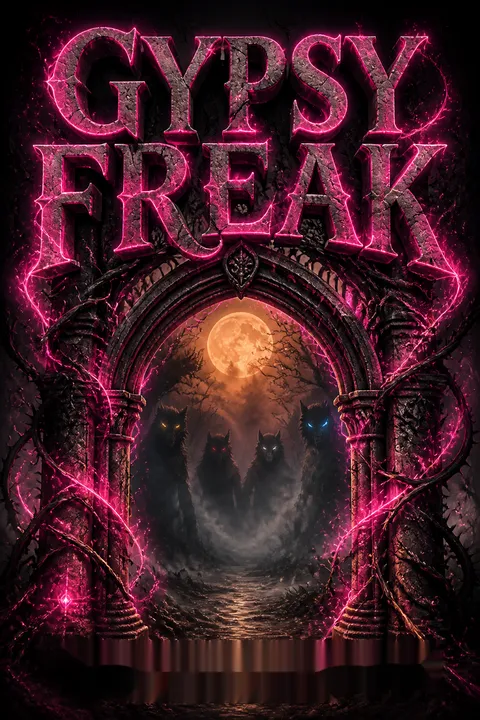


Plot Summary
Prologue
Long before Violet arrives in Shadow Hills, Arion’s friend Arion? No: the prologue follows Arion’s companion, the Reverend Arion, as he proposes a permanent home for six wandering gypsy families. He imagines farmland, a river, and a place where his friends can marry and raise children without hiding.
His friends, including the Van Helsing Vancetto and the wolf-minded Emit, consider the plan while teasing his piety. Outside the tavern, an attacker knocks Arion down and tries to rob him. Vancetto intervenes, leaving the dream of a settled community alive, but already exposing how precarious safety is for these families.
The prologue plants a deceptively gentle origin story: the old-blood friends once imagined stability as a practical refuge, not a conquest. Arion’s dream of a home depends on cooperation among people whose identities make them targets, while the assault outside the tavern shows that even ordinary hopes require protection. The scene also establishes an emotional contrast for the main story. These immortals now appear as dangerous rulers, yet their earliest shared desire was to live quietly, love freely, and stop moving. The gap between that dream and their present violence gives their fractured relationships a history deeper than rivalry.
The Vampire Returns
When the story opens, vampire Arion has risen from a century underground and left Violet’s memories confused. Damien Morpheous drives her away from Arion’s fortified home while Vance Van Helsing remains behind to fight him. Violet remembers being kidnapped, yet cannot recall who manipulated her into helping Arion return.
Damien explains that Arion can make her forget, then learns Vance has been badly beaten. At Vance’s house, the injured hunter gives Damien a flawless Portocale orange that Arion had offered as a taunt and a gift. Violet’s oranges are usually bitter and bruised, so the perfect fruit points to a family secret. Damien pockets it, unsettled by the vampire’s strength and Violet’s inexplicable connection to him.
The opening makes uncertainty a concrete injury: Violet cannot trust her own memories, and the men around her know more about her actions than she does. Arion’s return disturbs the political order, but his ability to edit her recollection makes the danger intimate as well as supernatural. The orange sharpens that problem. It is a physical clue she has not chosen to reveal, yet it carries a history older than her current understanding. Damien’s possession of it places him between her and the hidden past, while his attraction complicates what should be a straightforward act of protection.
A Borrowed Last Day
Violet goes to Vance’s wrecked home carrying healing vials and a request she can barely explain through the memory fog. She stitches his wounds, then asks him to let her ghost friend Anna possess her body for one day. Anna wants to experience touch and pleasure before she fades into final decay, and Violet hopes giving her this will make one thing right.
Vance warns that possession is dangerous for a Portocale gypsy, but Violet insists that her mother’s death and the town’s mysteries have left her desperate to help someone she loves. She also asks about the debt between them, though even that history slips away. Vance agrees to meet Anna the next day.
Violet’s request converts helplessness into a specific act of care. She cannot recover her mother’s secrets or repair the consequences of Arion’s return, but she can offer Anna temporary access to a life she has lost. The choice is generous and risky at once: Violet makes her own body available at a moment when her sense of agency is already compromised. Vance’s warning recognizes a cultural boundary, yet his eventual consent treats Violet’s judgment as meaningful. Their negotiation also shows how debt, affection, and obligation overlap in a town where almost every kindness carries supernatural or emotional consequences.
Anna’s Farewell
Anna takes control of Violet’s body, dresses for a special day, and spends the evening with Vance. Violet regains awareness in the middle of their encounter, and Anna leaves them to decide whether to continue together. Afterward, the ghost gives Violet a goodbye letter and disappears into salt, leaving her to read alone.
The letter urges Violet to make choices for herself instead of always serving other people’s needs. Violet’s father arrives unexpectedly while she is still dressed in a makeshift sheet, and she hides the depth of her grief behind awkward small talk. She carries Anna’s ashes upstairs and decides to honor the letter by seeking pleasure and answers on her own terms.
Anna’s final gift is not simply a farewell; it is an argument about the difference between care and self-erasure. Violet has built a life around anticipating what others need, so Anna uses their last day together to ask her to want something without first converting it into service. The aftermath refuses a clean catharsis. Violet has no ritual that can restore Anna, and her father’s arrival forces her to perform normality while grief is still raw. The letter therefore works as both comfort and provocation: it cannot remove loss, but it gives Violet permission to act before she feels fully prepared.
Wolves Meet the Vampire
As a near-full moon strengthens wolf alpha Emit, his pack attacks Arion’s home, furious that the vampire has returned. Damien brings Violet into the battle, hoping she can keep Arion from killing Emit. She runs toward the wounded wolf, but Emit knocks her aside and charges again.
Arion catches Violet before the fight can continue and demands she attend his welcome party the following evening; he threatens the wolves if she refuses. Violet accepts on the condition that no one else is harmed that night. The battle ends, and Emit withdraws his pack. Later, at his house, Violet meets Leiza, Tiara, Lemon, Fay, Mary, and Ingrid, the vulnerable omega wolves who fear being caught in another war.
Violet’s first political intervention is not a speech or a strategy. She becomes a bargaining point because Arion knows Emit will stop if her safety is threatened. Yet she also makes the threat conditional, forcing the powerful men to account for consequences beyond their pride. Her encounter with the omegas changes the scale of the conflict: she sees that war is not only a contest between immortal leaders but a danger that falls hardest on those with least power. Their dependence on the alpha house makes peace tangible, measured in whether vulnerable pack members can sleep without expecting violence.
An Alpha’s Welcome
At Arion’s extravagant welcome party, Violet enters a vampire world staged with blood fountains, a coffin, and a dance floor. Arion leads her away from the crowd and explains why monster laws restrict who may be turned: certain bloodlines can spread uncontrollable vampirism, wolf violence, or lethal sexual curses.
Earlier wars began when Van Helsings culled monsters without proper authority, and each alpha now carries responsibility for keeping the supernatural population from provoking human panic.
Arion admits that his punishment underground was not peaceful sleep; after a Portocale died, the shared curse woke him, and he spent years clawing at his coffin. He wants the four alphas reunited, believing Violet can help end their family curse.
Arion’s explanation reframes the monster hierarchy as a system built to contain dangers its founders created. The laws are neither innocent nor purely oppressive: they prevent mass infection, but they also grant a few leaders immense power over who lives and dies. Arion’s account of the coffin exposes the cost of punishment without absolving him of what he has done. His appeal to Violet is similarly double-edged. He describes her as the possible means of repairing an old curse, yet that framing risks turning a young woman into an instrument of other people’s history.
Four Alphas, One Gypsy
Violet refuses to give Arion the easy reconciliation he expects. She leaves the formal room to dance badly and freely among the vampires, then draws attention from Dorian Gray, Damien’s famously charming relative. Violet finds Dorian pushy and walks away from him, surprising the alphas who watch from above.
Arion tells Damien, Vance, and Emit that he has offered Violet all four of them, presenting intimacy as a way to restore their former unity. Damien warns her that his pheromones can overwhelm consent, so Violet declines a demonstration and asks for another time. Arion leaves her with Damien, while Vance and Emit depart. Violet returns home unsure whether she has failed to broker peace or merely begun it.
The party turns attraction into a political language that Violet does not yet know how to read. Arion’s proposal treats intimacy as a tool for repairing a male alliance, while Violet’s refusal preserves a boundary even as she remains curious about the people involved. Dorian’s failed charm is equally significant: Violet’s resistance disrupts the assumption that an alpha’s influence must dictate her response. Her dancing, awkward but self-directed, becomes a small rehearsal of autonomy inside a room designed to make everyone defer to power. The scene’s emotional pull comes from her simultaneous desire for safety, belonging, and the right not to be managed.
Damien’s Birthday Gift
On Violet’s birthday, Vance finds her alone at a diner and takes her to Damien’s first party in centuries. Damien fills his mirrored house with masked guests, elaborate illusions, and unrestrained sex, then gives Violet pink satin and offers two different gifts. She chooses him. Damien warns her that his sexual power can become lethal and asks her to restrain him if pleasure turns painful.
Violet never feels the pain he expects, and Damien loses consciousness after their encounter, smiling as if a long-standing curse has finally loosened. The others find Violet beside him. She fears she has hurt him, while the men recognize that something unusual has happened but cannot yet explain how she survived.
The birthday party stages a sharp contrast between public abundance and private loneliness. Damien can command attention while his powers are active, yet his guests may forget him once they leave; Violet’s decision to spend the night with him therefore answers a deeper need than spectacle. Their intimacy also becomes a test of whether pleasure can exist without extraction. Damien has built safeguards around the danger he poses, but Violet’s survival unsettles the rules he trusts. The scene gives her a moment of chosen desire while planting a mystery that neither romance nor supernatural expertise can immediately resolve.
Fay’s Body in Snow
While Violet sleeps after the party, Vance and Arion find Fay and several other omega wolves dead on Arion’s property, their bodies marked by silver bullets. Emit identifies them as members of small, vulnerable packs whose deaths would provoke powerful betas. Violet learns the news at Emit’s house and grieves with him, but the men keep the killings secret to prevent phone footage and public panic from worsening the conflict.
She overhears Arion urging Emit to charm her into helping the alphas reunite, and hears herself described as easy to win over. Hurt by the manipulation, Violet leaves. The omegas then bring their belongings to her home, deciding they need another protected place to live.
Fay’s death converts the political conflict into personal grief, but the secrecy surrounding it shows how easily protection can become control. The leaders withhold information to prevent wider violence, while Violet is expected to help them make peace without being trusted with the full situation. Her overheard conversation exposes the instrumental logic beneath Arion’s romantic attention: she is valued partly for what her bloodline might accomplish. The omegas’ decision to move in reverses that dynamic. They choose Violet as a refuge, not because she commands an army, but because she has listened to them and understands what instability costs.
Violet Challenges Arion
The omegas explain that Arion’s old alliance with Vance, Emit, and Damien was shattered by Idun, a woman who manipulated their affections and helped drive them into separate lives. They say her thousand-year punishment ended five years ago, making Violet fear Arion intends to restore her. Violet goes to confront him, first shocking his beta Shera with a car battery to get past the house.
She accuses Arion of using her to bring Idun back and demands release from the promise that keeps her silent. Arion denies wanting Idun restored, saying he wants the four men’s trust and companionship back. He confirms Violet’s protection extends across the rival houses, but leaves her still unsure what to believe.
Violet’s confrontation marks a shift from absorbing fragments to testing the people who control them. The omega women provide a history that makes Arion’s plan look less like reconciliation and more like a possible repetition of an old wound. Violet’s use of the car battery is improvised and risky, but it is also an attempt to reclaim access to information. Arion’s answer does not settle the question; he offers emotional sincerity alongside physical power and continued secrecy. The scene resists a simple choice between trusting and distrusting him, showing how intimacy can feel genuine even when the other person holds the stronger position.
A Beta’s Last Secret
After Violet leaves, Arion reveals that he has pinned a vampire beta named Anthony to a wall with pencils and interrogated him. He suspects Fay was not killed at random: her small omega pack may have carried information the killer wanted silenced. Arion tells Emit to examine his own wolves rather than blame vampires, and Emit begins investigating.
Damien follows the same trail, worried that the deaths and Violet’s involvement point to a larger danger. Their competing suspicions deepen the distrust among the alphas, but the evidence remains incomplete. Meanwhile, the omegas settle into Violet’s house, believing her protection and the four alphas’ attention make it safer than the uncertain territory around them.
The investigation exposes a fundamental weakness in the alphas’ system: authority depends on loyalty, but each leader suspects that his own subordinates may be acting beyond his control. Arion’s brutal interrogation may produce a useful theory, yet it also mirrors the coercive methods that have helped sustain the conflict. The possibility that Fay knew something gives her death political meaning without making her less a person. At the same time, the omegas’ move into Violet’s home transforms her from an observer into someone whose safety is entangled with the investigation. Her refuge has become a target whether she understands the reason or not.
Buried With Emit
Two masked wolves attack Violet at home while she is with the omegas. They restrain her and take her to a barn, where mutinous wolves have trapped Emit in a silver coffin. Ian, a beta seeking revenge for Arion’s return and Emit’s refusal to sanction another war, has Violet’s throat slit and places her body on top of Emit before the coffin is sealed and buried under cement.
Violet revives in the cramped darkness. Her panic grows until her heartbeat stops, and she warns Emit not to move or look at her. She then breaks the restraints, forces open the coffin, and escapes into the barn, where her uncontrolled strength kills the attacking wolves.
The climax makes Violet’s deepest fear, confinement, the mechanism that releases her most dangerous power. Her command to Emit not to look or move indicates that survival requires distance from the person she wants to protect; intimacy could make her lose control. The attackers treat her as disposable collateral in a feud between alphas, but her body refuses the role they have assigned it. Her escape is not a triumphant mastery of power. It is a violent response to panic, followed by shock and grief at what she has done. The scene makes agency frightening: the capacity to resist can also leave its bearer unable to recognize herself.
Emit Reclaims the Pack
Emit carries the blood-covered, dissociated Violet away from the barn and hides the full scale of her violence from the other leaders. When she later reaches the wolves’ gathering, she sees Emit face Ian in front of the pack. Emit defeats him in a brutal fight, then kills him, forcing the gathered wolves to acknowledge his authority.
He declares that orders protecting outsiders are binding, and the wolves accept his rule. Violet watches from a distance, frightened that Emit has seen what she can do and will tell the others. Instead, he signals that they will talk later. Back at his house, he begins looking into Violet’s Portocale family history, but collapses before he can explain what he has discovered.
Emit’s response is both political correction and moral compromise. By killing Ian, he ends a mutiny and restores the authority that should have prevented the coup, but the violence also demonstrates how fragile the pack’s order remains. His protection of Violet’s secret matters because she has just learned that her own strength can devastate people around her. Rather than immediately making her power public or treating her as a weapon, Emit postpones judgment and promises an explanation. His collapse interrupts that fragile opening. The scene leaves Violet dependent on a man who has protected her, but who still controls the information she most needs.
Green Apples, Open Questions
Damien stays beside the sleeping Violet, then later discovers the green apples she brought for Emit. Their familiar taste proves to him that Violet’s Portocale fruit is different from Idun’s, and he rejects his theory that Violet is Idun returned in another form.
He begins tracing Violet’s father’s family tree and orders flowers as an apology for treating her like a means to an end. Arion, meanwhile, watches Violet grieving and talking as though Anna were still present, mistaking her attachment for denial and believing she is willingly joining his plan.
He leaves to hunt unregistered vampires, confident that Violet can help restore the alphas’ old bond. Emit’s promised history remains untold, Violet’s nature is still unexplained, and the book ends with several dangerous assumptions intact.
The ending offers a clue rather than a solution. Damien’s recognition of the green apples corrects one false theory, but immediately raises a more troubling question about Violet’s ancestry and abilities. His decision to apologize suggests that he can recognize the harm caused by treating a person as a cure, although the gesture does not repair their relationship by itself. Arion makes the opposite mistake: he interprets Violet’s grief and proximity as consent to his hopes. The final imbalance is deliberate. The alphas have begun to change their behavior, but they still mistake access to Violet for understanding her.
Analysis
Gypsy Freak makes the question of who gets to define a person its central conflict. Violet is repeatedly told that her blood, body, memories, and loyalties have consequences for communities older than she is. Arion wants her to repair an alliance; Damien watches and interprets her; Vance weighs her safety against duty; Emit measures her through the rules of his pack. Their attention can be protective, erotic, political, or all three at once, which is why Violet cannot easily sort affection from use. Her resistance begins in small acts: asking for the truth, refusing Dorian’s charm, deciding when to dance, and confronting Arion rather than accepting his account.
The book also complicates the moral vocabulary of order. The alphas enforce laws designed to prevent mass violence, but those same laws preserve their control and have justified the killing of people they call dangerous. Emit’s mercy toward his wolves gives way to force when they rebel, while Arion’s willingness to be a monster makes him more candid about the violence others disguise as necessity. The vulnerable omegas offer a competing measure of leadership: safety is not a title but the ability to live without being sacrificed for someone else’s grievance.
Memory and recognition shape the emotional stakes. Violet’s missing recollections undermine her authority over her own story, while Damien’s curse makes being forgotten a literal condition of his existence. Both characters want connection but have learned strategies that interfere with it: Violet suppresses her wishes, and Damien invades boundaries to keep attention. Anna’s farewell briefly breaks that pattern by urging Violet to choose for herself. The resulting choices are not clean victories. Violet’s buried power saves her and Emit, yet leaves her horrified by the bodies around her. The novel ends on clues rather than closure, with the green apples challenging Damien’s theory and the deeper history of Violet’s family still withheld. Its cliffhanger rests on a precise tension: everyone believes Violet can change their future, but no one, including Violet, yet understands what she is.
Review Summary
Gypsy Freak receives mixed reviews, with an average rating of 4.36/5. Many praise the humor, character development, and intriguing plot, while some find it confusing and slow-paced. Readers appreciate the unique world-building and slow-burn romance but desire more answers to the many mysteries presented. The loss of a beloved character disappointed some fans. Despite criticisms, most reviewers remain invested in the series and eagerly anticipate the next installment, drawn in by the complex relationships and supernatural elements.
People Also Read



Characters
Violet Carmine
The guarded PortocaleViolet is a young gypsy who makes clothes, brews healing potions, sees ghosts, and has been raised to survive without expecting much from others. She tries to meet danger with observation and practical care, often tending wounds or protecting people before admitting what she feels. Her mother’s omissions leave her vulnerable to manipulation, especially when supernatural leaders treat her bloodline as a solution to their history. Violet’s dry humor and awkwardness disguise a persistent moral instinct: she notices the powerless, including ghosts and omega wolves, and cannot easily abandon them. Her journey in this book is toward wanting things for herself while confronting the possibility that her own power may be harder to control than the threats around her.
Damien Morpheous
The forgotten seducerDamien is an immortal Morpheous alpha whose beauty, illusions, and sexual powers make him difficult to ignore, while a curse causes ordinary people to forget him when he is absent. He conceals loneliness behind vanity, teasing, and boundary-crossing behavior. His attraction to Violet unsettles his practiced detachment, but his instinct is often to watch and manage rather than ask what she wants. Damien’s family history also makes him unusually sensitive to rejection and loss of recognition. His relationship with Violet exposes the difference between being desired and being remembered, and forces him to face whether genuine care can coexist with the habits he uses to keep people close.
Vance Van Helsing
The disciplined monster hunterVance leads the Van Helsing family, whose work keeps supernatural communities from spilling into human life. He is controlled, sharp-tongued, and deeply tired of carrying responsibility for immortal beings who resist restraint. His sense of duty often comes out as blunt correction, but he is capable of tenderness when someone fragile is endangered. Violet unsettles him because she is both a person he wants to protect and a gypsy whose history has been hidden from her. Their encounter over Anna’s last day creates an intimacy neither handles easily. Vance’s struggle is to distinguish responsible protection from deciding on someone else’s behalf.
Emit Morrigan
The burdened wolf alphaEmit is the alpha of the Morrigan wolves, a pack leader whose fierce attachment to his people makes every wolf’s death personal. He is powerful, protective, and prone to letting old injuries shape present decisions. The omegas trust him, but their vulnerability also exposes the limits of his control over the pack. Violet’s compassion challenges his suspicion and helps him see that care can be a form of strength rather than weakness. Emit’s sense of justice is complicated by his history with Arion and the laws he once helped enforce. He wants peace, yet fears that leniency will invite another betrayal.
Arion
The returned vampire alphaArion is an ancient vampire alpha who has spent a century buried and returns with frightening speed, immense strength, and a sharp memory for betrayal. He is openly comfortable with being a monster, unlike the other alphas, and often treats intimidation as an honest expression of power. His attention to Violet can feel tender one moment and strategic the next. Arion wants to restore the companionship he once shared with the other leaders, but his habits of withholding information and making plans for other people undermine that goal. He is perceptive about weakness, yet repeatedly assumes he understands Violet better than he does.
Anna
Violet’s ghostly confidanteAnna is Violet’s closest friend and a ghost nearing final decay. Quick-witted, irreverent, and more perceptive than she lets on, she uses humor to protect herself from the pain of being dead and from her fear of leaving Violet alone. She recognizes how often Violet suppresses her own wishes to make others comfortable. Her final request gives Violet a rare chance to help someone she loves, while her parting message urges Violet to claim some pleasure and agency for herself.
Shera
Arion’s sharp-edged betaShera is Arion’s beta, a capable organizer who manages his house and his return to power. Her bluntness often reads as hostility, but she is attentive to the practical risks surrounding Violet and intervenes when vampire politics could endanger her. She has a close relationship with Isiah and little patience for unnecessary complications. Shera values competence and control, even as Violet’s unpredictable choices repeatedly disrupt both.
Dorian Gray
The famous MorpheousDorian is a Morpheous alpha whose fame survives even when his relatives are forgotten. He relies on charm and persuasion, and Violet’s resistance makes him curious. His status within the family is bound up with old resentments about birth and recognition, especially in relation to Damien. He is powerful, socially practiced, and difficult to read, but his confidence does not make him welcome in Violet’s personal space.
Marta
Violet’s secretive motherMarta is Violet’s late mother, a Portocale gypsy who sent her daughter to Shadow Hills without explaining the full purpose of her inheritance. She taught Violet to survive and to keep certain truths guarded, but her silences leave Violet unsure whether she was being protected or prepared. Marta’s choices shape the mystery surrounding Violet’s bloodline, her abilities, and the ghosts who come near her.
Violet’s father
The distant repairmanViolet’s father is a practical, frequently absent man who arrives in Shadow Hills to repair her house and check on her. His care is real but awkward; he often misses what she is trying to tell him, and their brief conversations leave important emotional ground untouched. His presence gives Violet a glimpse of ordinary family life, even as his distance makes her reluctant to ask him for more.
Idun
The alphas’ old woundIdun is a woman from the alphas’ past whose relationships helped fracture their once-close alliance. The omegas remember her as powerful, captivating, and capable of turning affection into a source of pain. Her history hangs over Arion’s return and shapes the other leaders’ fear that old patterns could begin again.
Leiza
The omega strategistLeiza is an omega wolf who understands how vulnerable pack members survive by choosing safer homes and stronger alliances. She welcomes Violet into the group, offers practical help, and reads danger more clearly than Violet can. Her warmth is measured, shaped by a lifetime of watching weaker wolves pay for the decisions of stronger ones.
Tiara
The blunt she-wolfTiara is an outspoken omega who approaches Violet with curiosity and blunt advice. She is alert to physical and social threats, but her humor keeps fear from dominating every conversation. Tiara’s confidence helps make the omega household feel less like a refuge of helpless people and more like a community that knows how to endure.
Lemon
The eager caretakerLemon is an omega who notices what people need and offers food, drinks, and comfort before they ask. Her lively manner sits alongside a sober understanding of how easily weaker wolves are harmed in a conflict. She is among the first to treat Violet as someone worth protecting and trusting.
Fay
The empathetic omegaFay is a thoughtful omega wolf who recognizes the hurt beneath Violet’s strained relationship with her father. She speaks with quiet emotional precision and understands how complicated it can feel when an absent parent returns. Her empathy helps Violet feel seen among the wolves.
Mary
The observant omegaMary is an omega who helps explain the pack’s customs and the danger its less powerful members face. She is perceptive about relationships and speaks plainly when the group needs practical information. Her steady presence helps Violet understand that the wolves’ apparent domestic warmth exists alongside real vulnerability.
Ingrid
The hidden omegaIngrid is a shy omega who hides from newcomers and appears through concealed openings in the house. Though wary, she offers Violet quiet care and becomes part of the group’s protective circle.
Ian
The resentful wolf betaIan is a Morrigan beta who believes Emit has been too forgiving toward Arion. His anger grows from loyalty to wolves harmed in the past, but he treats revenge as more important than the alpha’s authority or the safety of vulnerable pack members. He represents the danger of turning justified grief into a demand for endless retaliation.
Isiah
Shera’s vampire allyIsiah is a vampire beta close to Shera and involved in Arion’s household. He respects Arion’s authority, but his concern about the other alphas reflects the political tension that has grown during Arion’s absence.
The triplet ghosts
The watching spiritsThe three matching childlike ghosts follow Violet and Anna, appearing at unnerving moments and sharing information with eerie precision. Their unsettling playfulness masks a serious concern about why spirits who stay close to Violet begin to fade. They are witnesses to the danger surrounding her, though their knowledge is incomplete.
Anthony
Arion’s captured betaAnthony is a vampire beta questioned by Arion after the omega killings. His capture gives Arion a chance to test the theory that someone is eliminating wolves to conceal information.
Plot Devices
The Portocale curse
A bloodline-wide warningThe alphas feel supernatural pain when a Portocale gypsy dies, binding their fate to a family whose history they have never fully explained to Violet. The curse also helps wake Arion while he is sealed underground. Its effects make every Portocale death a political event and give Violet unusual leverage, though she does not yet know how the curse began or how it might be ended. The story uses it to connect present-day intimacy and violence to a buried historical conflict.
Gypsy threading
Violet’s improvised magicViolet can direct threads to stitch wounds, alter fabric, restrain enemies, and create practical solutions under pressure. The ability links her family’s craft traditions to a form of supernatural power, so something she treats as useful handiwork can become a weapon. Threading lets her assist the wounded and escape danger, but it does not make her confident or invulnerable. Its importance grows as the alphas realize her bloodline may hold more power than she understands.
Arion’s memory vow
Silence around a secretArion’s influence causes Violet to lose or blur memories connected to him, and a gypsy promise further limits what she can reveal. As a result, Violet repeatedly senses that she has missed crucial events without being able to reconstruct them. The device turns memory into a contested territory: the alphas know more than she does, and even her own recollections cannot always be trusted. It also delays answers about her role in Arion’s return while making her insistence on understanding the truth increasingly urgent.
Immortal alpha curses
Power with a priceThe four alphas are immortal, but their survival does not make them free of limits. Their abilities are shaped by curses tied to identity, memory, pleasure, rebirth, and supernatural law. Damien’s curse makes people forget him when he is absent, while the Van Helsing’s rebirth and the vampire’s ability to recover from burial give their conflicts a long horizon. These rules help explain why ordinary punishments fail, yet also make the characters’ vulnerabilities specific rather than abstract.
Portocale fruit
A clue hidden in harvestPortocale oranges are expected to grow bruised and bitter, making Violet’s flawless, sweet fruit an anomaly that the old gypsies immediately recognize. Green apples provide a second family marker and help Damien distinguish Violet’s lineage from the history he associates with Idun. The fruit turns inheritance into something visible, edible, and testable, rather than leaving it as a vague bloodline claim. Its significance is still unfolding when the book ends, making it both evidence and an unresolved promise.
All the Pretty Monsters Series

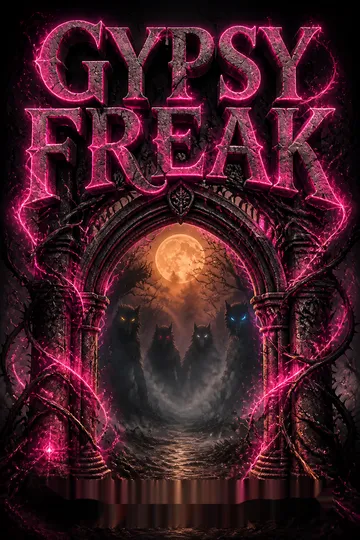
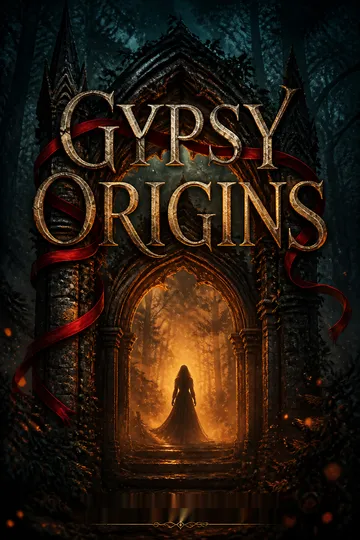


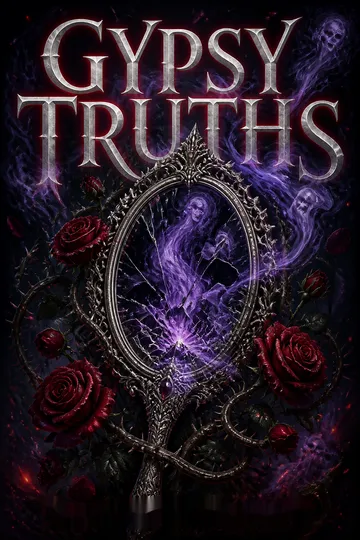
About the Author
Other books by Kristy Cunning



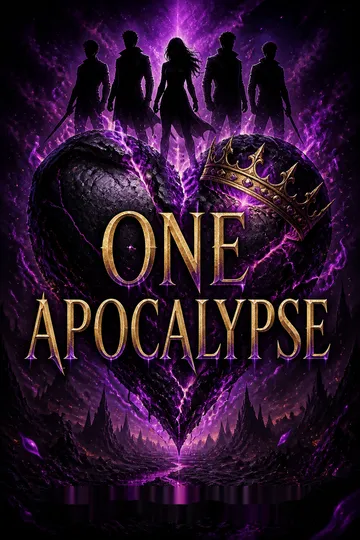
Download PDF
Download EPUB
.epub digital book format is ideal for reading ebooks on phones, tablets, and e-readers.








