



Plot Summary
The Knife in Tiral's Bed
Aiz bet-Dafra1 has spent years remembering the children killed when Lord Tiral burned her cloister's orphan wing. Now, after using her closeness to the Kegari commander to reach his room, she tries to stab him in his sleep. Tiral catches her wrist. When Aiz's1 uncontrolled windsmithing tears through the room and starts a fire, she escapes through a broken wall, taking his strange storybook.
She falls from the Aerie and wakes battered at the cloister, where her childhood friend Cero4 has carried her to safety. Tiral arrives with soldiers, arrests Aiz,1 and accuses the clerics of plotting against him. The Triarchs send Aiz,1 Sister Noa,12 and the entire Dafra clergy to the Tohr, while the cloister's children face conscription.
Aiz's vengeance begins as an attempt to correct a crime that the ruling class buried. But her plan repeats the very logic she opposes: she treats her own life, and the cloister's safety, as expendable without asking what her failure could cost others. Her wild windsmithing suggests both a suppressed capacity and a danger she cannot yet govern. The Triarchs' punishment makes the political reality unmistakable: in Kegar, the poor can be made guilty simply because a powerful man needs a scapegoat.
The Market's Dead Child
In Navium, crown prince Quil Farrar2 spots a figure shadowing him through the market. Before he can investigate, a street boy is found with his heart burned to ash. The Bani al-Mauth,15 a spiritual guide to the dead and Sufiyan's grandmother,15 reveals that children across the Empire and Tribal Lands have died the same way, along with several Masks.
Quil2 had known nothing of the child murders because Empress Helene10 concealed them to prevent blame falling on the Tribes. Soon Helene10 tells him that she plans to announce his coronation, while court gossip reveals an arranged marriage tied to Kegar. Quil2 wants neither the throne nor its constraints, but before he can confront his aunt10 again, Navium's docks erupt in fire.
Quil's first instinct is to investigate, but the Empress has treated secrecy as protection, keeping him from both information and agency. His mixed upbringing already leaves him uncertain where he belongs; now duty threatens to define his future before he can choose it. The murdered boy collapses the distance between court politics and ordinary life. The bodies are not an abstract security problem to Quil, but evidence that a hidden violence has been allowed to spread while the people with power manage appearances.
A Vow in the Rain
In Raider's Roost, tracker Sirsha Westering3 loses her savings when thieves ransack the shack where she has been living. She escapes their leader, Migva, by climbing a rain-slick rock fissure above a deadly gorge. A stranger8 hauls her back from the drop and offers her a job: find the killer of young people.11
He knows Sirsha's3 past work and offers enough money to finance her long-delayed escape from the Empire. Suspecting the killer11 may have magic, Sirsha3 asks careful questions, but the client8 keeps his identity hidden. She agrees to a blood oath, which binds her to track and capture or kill the murderer.11 Only after the vow is made does she realize how completely it can govern her choices.
Sirsha's contract is both a practical bargain and a trap she enters with open eyes. She has learned to survive by converting danger into paid work, and the promise of a permanent home makes an unknown risk feel manageable. The blood oath turns that calculation into a literal constraint: a choice made for freedom can become another form of captivity. Her sharp humor keeps fear at bay, but her agreement reveals how badly she wants to stop living as a temporary guest in every place she enters.
Navium Burns at Rathana
Sirsha3 follows the killer's11 trail to Navium, where the midwinter festival fills the docks with families. The wind warns her moments before Kegari bombs strike, and she survives the first blast by fleeing through the wreckage. Believing the killer's11 trail leads across the sea, she steals a guarded escape vessel and claims she carries an order from the Empress.10
Kegari raiders kill the captain before she can take control. Quil,2 his friend Sufiyan,5 and engineer Arelia6 arrive fighting their way to the same ship, and Sirsha3 helps them escape. When Sufiyan5 recognizes the ring she carries, she learns her client was his father,8 Elias Veturius.8 The group leaves Navium together, with Quil2 unsure whether to trust the tracker.3
The attack converts Sirsha's private contract into a collision with the Empire's succession crisis. Her first response is to survive and continue the hunt, even as she sees the cost of the bombing around her. Quil, by contrast, has been trained to protect others, but the destruction of his city leaves him without the authority or resources he associates with that duty. Their meeting is therefore not a rescue fantasy: each needs the other's competence, and neither has enough information to feel safe.
The Tale Leaves Kegar
In the Tohr, Aiz1 tends Sister Noa12 and Sister Olnas,24 shares the Sacred Tales with imprisoned children, and watches the Questioners return the clerics beaten. After she is sent to the prison's silent Hollows, a vision of Mother Div11 tells her that Tiral plans to claim the sacred title of Tel Ilessi.
Aiz1 returns to the cellblock, escapes with a hairpin, and spares a jailer who helps her find an exit. Cero4 meets her outside and flies them through a storm on a Sail he built himself. He gives Aiz1 supplies and the stolen book, then places her on an Ankanese ship. Carrying the book and a mission she barely understands, Aiz1 leaves Kegar behind.
Aiz's escape is made possible by other people: Noa's stories, a jailer's mercy, and Cero's engineering. Yet the vision reframes these relationships as instruments in a larger sacred struggle, encouraging Aiz to see herself as chosen. The storybook becomes more than stolen property; it offers a history her own religious authorities have not told. Her departure is an act of survival, but also the start of a growing tension between the people she loves and the destiny she believes has been assigned to her.
A Fiancée by Force
After reaching Jibaut, Quil's2 group reunites with Sirsha,3 who leads them away from Kegari forces and toward her information broker, Kade.18 Before they can leave the city, Sirsha's sister13 R'zwana13 captures her for breaking the terms of her banishment. Quil2 invokes an Empire treaty and invents an engagement to stop R'zwana13 from killing Sirsha.3
R'zwana13 insists on the Jaduna ceremony, turning the lie into a binding Adah oath that links the pair and limits how far they can travel apart. Sirsha's old companion14 J'yan14 helps them escape, while Kade18 supplies horses after Sirsha3 threatens him. His warning that the killer11 is more dangerous than the Kegari follows them onto the road.
Quil uses law as a shield because he cannot win a direct contest with the Jaduna, but the tactic binds him to consequences he did not understand. Sirsha's family history makes the rescue emotionally complicated: the person who threatens her is her sister, and the witness who helps is someone tied to an abandoned childhood promise. The involuntary oath forces closeness, yet it cannot manufacture trust. Instead, it puts pressure on both characters to discover whether care can grow inside a bond created for survival.
The Guest Called Ilar
Aiz1 reaches the Tribal Lands using the name Ilar and asks Laia of Serra,7 a historian and storyteller, about the tale in Tiral's book. Laia's7 family accepts her as a guest, and Aiz1 grows close to Laia's youngest son,9 Ruh,9 while drawing Quil2 into conversations about the Empire and his reluctant future as ruler.
She is genuinely moved by the family's warmth, even as she uses their trust to gather information. When an assassin attacks Quil,2 Aiz1 saves him with a wind barrier and hides the incident from Elias,8 Laia's7 wary husband. Her questions about the story lead Laia7 to seek help from another Kehanni, while Aiz's1 growing affection for Quil2 makes her deception harder to sustain.
Aiz discovers a kind of abundance she has never known: food freely shared, children protected, and affection that does not have to be earned through usefulness. That welcome awakens both desire and resentment. She wants the Tribes' security for her people, but she has also begun to value the people she is exploiting for clues. Her relationship with Quil exposes the contradiction most clearly. She can read his loneliness because she shares it, yet she treats intimacy as a tool even while its emotional reality unsettles her.
The Hole Beneath the Stars
After Kehanni Nasur recognizes the tale of Div's11 imprisonment, Aiz's1 deception alarms Laia7 and Elias.8 During a sandstorm, Ruh9 helps Aiz1 connect the story to a desert legend about a hole beneath a towering rock pinnacle. He insists on going with her, and they ride to a blue-lit passage that descends into a chamber of bones.
Aiz1 wounds the starving Durani25 who guards it, breaking the spell that holds Mother Div's11 spirit. Div11 emerges, kills the Durani,25 then takes the hearts of Tregan and Ruh9 to sustain herself. Aiz1 had sought a savior and released a being that needs innocent lives. Grieving Ruh,9 she nevertheless agrees to help Div11 in exchange for power to save Kegar.
The rescue turns Aiz's religious certainty into moral catastrophe. The story she pursued as proof of a promised return is also the mechanism by which an ancient hunger enters her life. Ruh's death is not an accidental cost hidden from the reader; it follows Aiz's decision to bring a child into danger and her willingness to accept Div's terms afterward. Her grief is real, but so is her rationalization. From here, loyalty to her people becomes the language through which she can continue making choices that injure them.
The Tel Ilessi Rises
Aiz1 returns to Kegar with Div's11 amplified power and kills Tiral during the Summer Rites, claiming the title of Tel Ilessi before the assembled city. She forces the Triarchs to kneel and promises the Snipes a future beyond hunger. Meanwhile, Sirsha's3 group reaches the Thafwan coast, where Div11 kills Loli Temba17 and reveals herself as the killer11 bound to Kegari leader.
Quil2 tracks Aiz1 to the war camp and attacks her, but she captures him. When she explains her past, Quil's2 hidden memory magic enters her memories and confirms that Ilar and Aiz1 are the same person, and that she knowingly accepted the deaths caused by Div.11 Aiz1 orders Quil2 imprisoned, while Sirsha3 and the others escape the camp.
Aiz's rise is built on a genuine grievance and a genuine victory over Tiral, but the title she claims cannot separate liberation from coercion. The people kneel to a leader who promises dignity while holding overwhelming force over them. Quil's discovery converts a political conflict into a personal betrayal: the woman he loved was also the person who helped bring about Ruh's death. Yet his magic, which could violate Aiz's privacy, is used to establish truth rather than to manipulate her.
Loha and Broken Empires
Aiz's1 forces devastate Serra and capture Empress Helene,10 hoping to learn how the Martial Masks' living metal can power Kegari Sails. The city is nearly destroyed, but Helene's10 resistance prevents Aiz1 from treating victory as settled. Aiz1 finds a hidden supply of Masks, all children, and plans to take their metal.
Sister Noa12 confronts her, warning that the same corruption that once destroyed Kegar is turning its people against their children. Aiz1 refuses to abandon the Return. When Helene10 leads a counterattack, Aiz1 lets Div11 draw power by inflicting agony on the captive Masks, then uses that force to rout the Martial legion. The victory leaves Aiz1 physically spent and more dependent on Div.11
The Masks make the political cost of Aiz's plan concrete: the metal she needs is inseparable from the bodies of children trained to serve another empire. Her willingness to torture them repeats the Kegari system of sacrificing the young, even as she claims to be rescuing her own. Noa's warning identifies a historical pattern rather than merely condemning Aiz's character. By choosing victory over that warning, Aiz shows how liberation rhetoric can preserve the very structure of harm it promises to end.
Ikfa in the Harbor
While Quil2 and Sirsha3 travel toward Ankana, Sufiyan5 and Arelia6 reach Burku and find Tas,16 Helene's10 spy, at a brothel where he has been gathering intelligence. Tas16 reveals that the Ankanese are expecting a shipment of Ikfa, a rare metal that suppresses magic. Arelia6 designs a pulley diversion for the harbor, and Sufiyan5 cuts the crane rope so the cargo drops into the water.
Tas's16 pirates retrieve the real shipment while Ankanese soldiers recover a convincing substitute. Quil2 and Sirsha3 rejoin them. Knowing Aiz1 and Div11 must be stopped, Quil2 asks the High Seer20 to help bring them to the prison. The group confesses to the theft so they will be held there when the Kegari arrive.
The heist succeeds through collaboration rather than battlefield strength: Arelia devises the mechanism, Sufiyan executes it, and Tas supplies access and cover. The stolen Ikfa offers a material answer to the imbalance created by Kegari magic, but its use carries risk because it can also harm Quil. Quil's decision to accept imprisonment is another calculated surrender of freedom, this time chosen to make the confrontation possible. The friends act together while carrying grief and resentment that remain unresolved, especially between Quil and Sufiyan.
The Father in the Cell
The High Seer20 delivers the Tel Ilessi1 and Cero4 to the prison, where Quil's2 group waits with the Ikfa. Sufiyan's5 arrows fail to stop Aiz,1 but Quil2 throws the suppressing chains around her and moves in to strike. Div11 manifests between them as Marcus Farrar, Quil's dead father,2 and turns the prince's2 longing and fear against him.
Quil2 recognizes that this is not his father returned, but a creature using the suffering attached to Marcus's memory. While Quil2 fights Div,11 the Tel Ilessi1 attacks the others. Sirsha3 waits in her cell until Div11 is distracted, then shackles Aiz1 with the Ikfa. The suppression weakens Aiz,1 but Sufiyan5 reaches her first and stabs her in revenge for Ruh.9
Div's disguise exploits a wound the novel has carefully prepared: Quil knows his father chiefly through secrecy, shame, and a traumatic glimpse of his death. The creature weaponizes that absence, offering counterfeit intimacy as another form of attack. Quil's refusal to accept the apparition as his father marks a hard-won distinction between memory and possession. Meanwhile, Sirsha's patience and Sufiyan's rage produce different kinds of action. The victory depends on both, but revenge still threatens to eclipse the purpose of stopping further deaths.
Love as the Binding
Sirsha3 emerges from hiding and binds Div,11 but the creature sheds its human form and overwhelms her magic. She recognizes Div11 as a being from the Empty, a realm of accumulated suffering, and understands that ordinary force cannot destroy it. Sirsha3 asks the elements to accept her life in place of Quil's,2 then pours her love for him into the binding as its necessary sacrifice.
A white surge consumes the prison. When it passes, Aiz1 and Div11 lie motionless, and Sirsha3 has vanished. Quil's2 Adah coin remains warm and intricately marked, so he refuses to believe she is dead. He searches Ankana for days, but no one can tell him where she went.
Sirsha's climax reverses the survival strategy that has governed her life. She has spent years treating attachment as a liability, yet love becomes the force that lets her confront a creature she cannot overpower by skill alone. The sacrifice is not romantic shorthand for self-erasure; it is a deliberate use of her magic's rules against Div's consuming appetite. Still, the apparent cost remains unresolved. The coin gives Quil a reason to hope, but hope is not knowledge, and his inability to find her makes love feel like an unfinished obligation.
The Empty Keeps Its Claim
Quil2 leaves Ankana with Sufiyan,5 Arelia,6 and Tas16 to help free the occupied Empire, carrying the certainty that Sirsha's3 Adah coin has not gone cold. Before he can reunite with his family, Laia7 meets him on the Tribal coast and reveals that she once found and told the story that made her the First Durani,25 the source of the prison tale.
Elsewhere, Aiz1 wakes beside Cero4 in the Ankanese cellblock. She has healed him and herself, but can no longer feel Div's11 power; without it, she fears she has lost the authority to lead Kegar home. Sirsha3 wakes on a barren shore, alive, with Quil's coin still around her neck. Div11 appears wearing Sirsha's3 face and declares that they are now bound together.
The ending refuses a clean division between victory and consequence. Div's apparent destruction frees Aiz from the creature's immediate influence, but leaves her confronting the political identity she built around borrowed power. Laia's confession relocates responsibility to the act of telling a story, without making the later victims less real. Sirsha's survival initially seems to fulfill the promise of her binding, then turns into a new captivity as Div claims her. Quil must choose the Empire without knowing whether his deepest personal bond can be recovered.
Analysis
Heir turns a struggle over survival into a question about who gets to define necessity. Aiz's1 people are genuinely hungry, and the Martial Empire has ignored Kegar's suffering; her grievance is not a pretext invented by a villain. Yet her promised Return depends on Loha taken from soldiers, power supplied by murdered children, and obedience enforced by a ruler who once knew what it was to be powerless. The tragedy is not that she cares too much about her people, but that she learns to treat their future as permission to spend other lives.
Quil2 faces the inverse danger. He has inherited authority, privilege, and the prospect of a throne shaped by his father's brutality. His restraint is ethically meaningful, especially when his mind magic offers him an easy route to other people's secrets. But restraint cannot mean permanent inaction. The book makes him choose, at last, to lead and to risk becoming responsible without pretending that command is innocent.
Sirsha's3 story gives the novel a third answer to isolation. She begins by treating work, money, and self-reliance as safeguards against attachment. Her tracking depends on listening to elements rather than dominating them, a practice that becomes a moral contrast to Div's11 hunger and Aiz's1 growing appetite for power. Sirsha's3 final act uses love not as a cure for violence but as a force capable of containing it, though the ending refuses to make that victory permanent.
The novel's stories, vows, and metals all materialize what characters might otherwise dismiss as abstract: history becomes a book, duty becomes a coin, and political scarcity becomes a weapon. That pattern culminates in Laia's7 confession that the story itself helped release the danger. Heir therefore resists a simple division between truthful stories and destructive lies. Memory can preserve a people, but inherited narratives can also hide the cost of their promises. Its final image leaves the central question alive: whether a bond formed through sacrifice can end hunger, or only give hunger a new host.
Review Summary
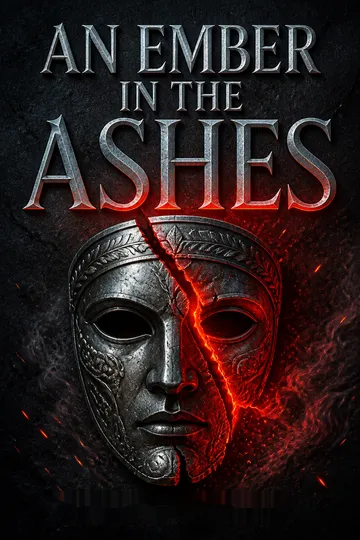
Heir received overwhelmingly positive reviews, with readers praising Tahir's expanded world-building, complex characters, and gripping plot. Many noted the book's exploration of themes like power, sacrifice, and moral ambiguity. Fans of the previous series appreciated callbacks to familiar characters while enjoying the new generation's story. Some readers found the romance compelling, though a few felt it developed too quickly. The ending left many eagerly anticipating the sequel. Most reviewers highly recommend reading the "An Ember in the Ashes" series first for maximum enjoyment and context.
People Also Read







Characters
Aiz bet-Dafra
The gutter-born windsmithAiz is a Kegari orphan raised in a poor cloister, where clerics taught her the sacred stories and care for the vulnerable. Anger gives her a sense of direction, especially when she remembers the children killed by Kegar's powerful. She is perceptive, stubborn, and capable of tenderness, but her belief in a larger mission can make her treat other people's lives as material for a future they did not choose. Aiz's relationship to faith is intimate rather than passive: she argues with it, seeks signs in it, and uses it to explain what she cannot bear to call ambition. Her struggle is between protecting people and deciding for them.
Quil Farrar
The reluctant crown princeQuil is the Martial Empire's heir, raised among the Tribes and trained as a soldier by his aunt10, Empress Helene10. His mixed heritage leaves him unsure where he belongs, while his father's history makes the throne feel like a possible inheritance of cruelty. He is observant, disciplined, and protective of his friends, though he often mistakes emotional restraint for responsibility. Quil's rare mind magic makes his refusal to invade other people's thoughts a defining ethical choice. He wants a life beyond imperial duty, yet cannot ignore the needs of people endangered by the Empire's collapse. His bond with Sirsha3 tests whether loyalty can include vulnerability.
Sirsha Westering
The exiled trackerSirsha is a gifted Jaduna tracker who reads trails through earth, wind, and water. Cast out by her family, she has spent years taking contracts and saving money for a quiet life far from the Empire. Her humor, confidence, and skill with knives disguise an old fear of dependence: she expects kindness to become leverage and affection to end in abandonment. Sirsha is curious enough to follow a dangerous mystery even when it conflicts with her plans, and her magic demands a clear understanding of what she seeks. Her developing connection to Quil2 challenges her preference for keeping every relationship temporary, without erasing her fierce need for autonomy.
Cero
Aiz's inventive childhood friendCero grew up beside Aiz1 in Dafra slum and became an exceptionally controlled windsmith and inventive Sail engineer. His dry manner hides a practical tenderness: he helps the cloister, protects Aiz1, and dreams of uses for technology beyond warfare. He distrusts the Triarchy and resents being made to serve its raids, yet fear for his community keeps him from simply leaving. His complicated loyalty to Aiz1 makes him both her oldest anchor and a witness to the choices she makes.
Sufiyan Veturius
Quil's grieving best friendSufiyan is Quil's2 lifelong friend, a skilled archer and healer raised in Tribe Saif. He often masks his sensitivity with jokes, but grief has made him quieter and more vulnerable to anger. His love for his family sits beside guilt about the younger brother9 he could not protect. Sufiyan is brave without being untouched by violence; his first killing forces him to confront the difference between being trained to fight and living with what a fight costs.
Arelia Farrar
The restless court engineerArelia is Quil's cousin2 and a talented engineer who carries tools, sketches, and half-finished inventions wherever she goes. She approaches problems as systems to be understood, which can make her brisk with emotions she cannot easily diagnose. Beneath her eccentricity is a strong sense of responsibility and loyalty. Arelia's practical intelligence repeatedly turns limited materials into workable plans, while her friendship with Sufiyan5 opens a softer, more personal side of her.
Laia of Serra
The Tribe's storykeeperLaia is a Kehanni, the storyteller and history-keeper of Tribe Saif, and the mother of Sufiyan5, Ruh9, Karinna, and Zuriya. She treats stories as living records with consequences, not harmless diversions. Her warmth makes room for strangers, but her instincts as a mother and political witness remain sharp. Laia balances hospitality with protectiveness, and she understands that preserving memory can be as dangerous as wielding a weapon.
Elias Veturius
The warrior and fatherElias is Sufiyan's father5, Laia's husband7, and a respected warrior who trains young people in the Tribal Lands. He is deliberate, formidable, and difficult for strangers to deceive. His protective reserve comes from years of conflict, but he has built a life around teaching, family, and service rather than command. Elias's caution makes him a hard judge of newcomers, especially those who approach his children with secrets.
Ruhyan
The young story-spinnerRuhyan, usually called Ruh, is Laia7 and Elias's youngest son8. He delights in stories, questions adults' assumptions, and notices details others overlook. His eagerness to help can outpace his understanding of danger, while his generosity makes him quick to befriend an outsider. Ruh brings humor and imagination to his family, and his wish to become a Kehanni reflects the importance his community gives to memory.
Empress Helene Aquilla
The battle-tested empressHelene is Quil's aunt2 and the ruler who has held the Martial Empire together through war and personal loss. A former Mask and formidable commander, she prefers plain clothes and direct action to court display. She loves Quil2 fiercely but often expresses that love through control, secrecy, and preparation for dangers he cannot see. Her central conflict is the burden of protecting an empire without allowing the people she loves to become merely pieces in its survival.
Mother Div
Kegar's revered holy figureMother Div is the sacred founder and protector at the center of Kegari religious life. The stories describe her as a leader who guided her people through catastrophe and cared for the poor and orphaned. For Aiz1, Div is at once a source of hope, a measure of moral duty, and a presence whose demands are difficult to interpret. The contrast between the compassionate figure worshipped in Kegar and the power sought in her name gives the faith its unsettling force.
Sister Noa
The cloister's stubborn clericSister Noa raised Aiz1 among the Dafra cloister's orphans and remains a steady presence in the lives of its children. She is practical, affectionate, and far less passive than her gentle manner suggests. Noa uses stories to preserve community and courage, even when belief is tested by cruelty. She understands Aiz's1 anger without mistaking it for the whole of her character.
R'zwana
Sirsha's formidable older sisterR'zwana is Sirsha's older sister3 and a Jaduna leader trained in the Kin's magical traditions. She is proud, ambitious, and accustomed to having her authority obeyed. Her harshness toward Sirsha3 grows from a rivalry that has shaped both sisters since childhood, though the roots of that conflict are more complicated than either admits. R'zwana's identity is tightly bound to rank and strength, making change feel like humiliation.
J'yan
The battle-trained JadunaJ'yan is a Jaduna warrior and Sirsha's childhood companion3, once promised to her through a sacred bond. He is disciplined, powerful, and more cautious than R'zwana13, though years of obeying authority have taught him to hide his doubts. His history with Sirsha3 carries both affection and regret, and their reunion forces him to face the cost of staying silent when someone he cared for was cast out.
Bani al-Mauth
The guide of restless ghostsThe Bani al-Mauth is a revered guide who helps troubled spirits leave the human world. She is Sufiyan's grandmother5 and has a long, difficult history with the people closest to him. Blunt and unsentimental, she treats grief as something that must be handled with care rather than denied. Her knowledge reaches beyond ordinary politics, though she chooses carefully what she will reveal.
Tas
The irreverent imperial spyTas is Quil's older friend2 and a resourceful spy who works for the Empress10. Charming, quick-witted, and extravagantly social, he uses performance to gather information and conceal how much danger he is in. His easy humor does not diminish his loyalty; he takes difficult missions seriously and has spent years serving the Empire, even when Helene10 distrusts his judgment.
Loli Temba
Sirsha's guarded mentorLoli Temba is a reclusive Karkaun magic-user who once gave Sirsha3 shelter and care when her own community would not. Her knowledge is deep, her manner severe, and her distrust of Martials is rooted in what she has endured. Loli recognizes the difference between a person's vulnerability and their capacity for harm, though she refuses to soften her warnings for comfort.
Kade
The Jibaut information brokerKade is a Jibaut dealer in rare books, enchanted goods, and information, as well as an old friend of Sirsha3. Clever and well connected, he prefers to survive by knowing more than the people around him. His bond with Sirsha3 mixes affection with self-interest, making trust between them fragile.
Dolbra
The Ankanese seerDolbra is an Ankanese seer who helps Aiz1 leave Kegar and travel toward the Tribal Lands. She is restrained by her people's expectation of neutrality, yet her visions make her willing to take personal risks. Her warnings suggest that foresight can reveal danger without telling anyone how to escape it.
High Seer Remi E'twa
Ankana's cautious spiritual leaderRemi E'twa is the High Seer of Ankana, a leader whose authority rests partly on his reputation for discernment. He is careful about political commitments and reluctant to admit the limits of his foresight. His dealings with Quil2 test whether caution is wisdom or simply a way to delay a difficult decision.
Ena Ifalu
Ankana's senior ambassadorEna Ifalu represents Ankana at the Martial court and is regarded as a capable, trusted diplomat. Her political position gives her access to powerful leaders and confidential information. She carries herself with composure, and the contrast between her public role and private loyalties makes her difficult for others to read.
High Cleric Dovan
The head of Kegar's clergyDovan leads Kegar's clerics and speaks for the religious institutions that shelter the poor. She tries to protect her clergy under a regime that can punish them for dissent. Her position requires both public faith and political calculation, especially when the Triarchs demand declarations that could endanger the people under her care.
Triarch Ghaz
The calculating clan rulerGhaz is one of Kegar's three Triarchs and a skilled political operator. He understands how to survive among powerful rivals, but his caution can become complicity when a stronger figure demands obedience. He is more perceptive than his public silence suggests, and his choices reveal how fear works inside a ruling council.
Sister Olnas
The cloister's steady caregiverOlnas is a cleric of the Dafra cloister and Sister Noa's closest companion. She tends the injured and children with patient practicality, even when she herself is suffering. Her quiet courage makes the cloister feel like a community rather than an institution.
The First Durani
The keeper of a forbidden taleThe Durani belongs to an order associated with dangerous stories and powers that can distort memory. The legend surrounding her warns that some knowledge does not remain safely contained once it is told. She is a figure of both fear and fascination in the tales Ruh9 shares with Aiz1.
Plot Devices
Tiral's storybook
A tale with a hidden costAiz1 steals a book of children's stories from Tiral, unaware that its pages hold a version of Kegari history her clerics do not teach. One story describes Mother Div's11 departure, imprisonment, and a way to find the place where her spirit is trapped. The book draws Aiz1 toward the Tribal Lands and the First Durani25, while its strange influence reaches others who read it. Its importance lies in the gap between a story's apparent innocence and the power released by believing it. The book helps set the plot in motion, but its truths are incomplete and dangerous.
Jaduna oath coins
Promises made physicalJaduna magic can seal a blood vow into a coin worn on a chain. Sirsha's3 agreement with Elias8 binds her to pursue the killer11, while the Adah ceremony Quil2 performs to protect her from R'zwana13 creates a second, more intimate bond. The coin registers the strength of the relationship and can make separation painful until the bond is established or formally dissolved. These vows transform private decisions into ongoing obligations. They are not simple charms that create affection; they intensify the consequences of promises the characters have actually made.
Ikfa
Magic's dangerous counterweightIkfa is a rare metal that suppresses magic. Arelia6 and Sufiyan5 steal a shipment from Ankana after learning it may give the Martial survivors a way to resist Kegari sorcery. Its effects also threaten Quil2, whose own magic is carefully concealed, and Sirsha3, who must handle it to weaken Aiz1. The metal provides a tactical answer to a power imbalance, but it is not harmless or morally neutral. Its use requires the characters to weigh the danger of magical domination against the harm of suppressing people who wield magic.
Loha-powered Sails
Flight built from living metalKegari Sails are light craft of reed and canvas animated by Loha, a metal that responds to windsmithing. They allow the Kegari to carry soldiers and bombs across distances their enemies cannot defend against. The Empire's Masks wear a related living metal, making the resource central to Aiz's1 plan to take her people across the sea. Loha turns scarcity into military strategy: the Kegari need it for a homeland, while the Martials need it to protect their own people. Neither side can obtain enough without risking the other side's lives.
The Sacred Tales
Faith carrying history forwardKegari clerics teach eight Sacred Tales and promise that a ninth will signal the return to the homeland. The stories give Aiz1 a vocabulary for faith, injustice, and hope, but their omissions leave her vulnerable to claims made in Mother Div's11 name. As Aiz1 searches for the missing tale, stories told by Ruh9 and the Kehannis help her identify the place described in the book. The tales function as cultural memory and as a map, while the novel asks who controls that map and what happens when belief is used to authorize violence.
Heir Duology Series

About the Author
Other books by Sabaa Tahir


Download PDF
Download EPUB
.epub digital book format is ideal for reading ebooks on phones, tablets, and e-readers.








