


Plot Summary
Ashes in Marinn
The Nightbringer leads jinn and Martial soldiers through Marinn, burning a village and deliberately leaving children alive to carry news of the slaughter. Searching the ashes, he finds a boy hidden beneath blankets. The child’s strange power and a broken prophecy catch the Nightbringer’s attention, but he kills him before learning what the words mean.
Far away in Adisa, Laia waits with her brother Darin, Scholar leader Musa, and the Blood Shrike, Helene Aquilla. They are trying to win Mariner support for the displaced Scholars and the young Emperor Zacharias. Helene returns from an appeal to the princess with no answer. Laia slips into the palace to force an audience, unaware that the Commandant, Keris Veturia, is already there.
The opening links intimate vulnerability to imperial violence: a child’s hidden power matters to the Nightbringer only as a possible threat, while his survival would matter to the people who love him. The two plotlines also establish competing forms of power. The Nightbringer commands supernatural terror; Laia and Helene work through risk, political persuasion, and fragile alliances. The child’s incomplete warning makes uncertainty active rather than decorative. It gives the antagonist reason to hunt while showing that even ancient power cannot command every consequence.
The Throne Room Ambush
Laia finds Keris negotiating with Princess Nikla, offering protection from the jinn in exchange for the Scholars, whom she intends to enslave. Laia abandons the plan to draw Nikla away and attacks Keris with a poisoned dagger, but the Commandant overpowers her. The Nightbringer appears wearing Keenan’s familiar face, exploiting Laia’s memory of the boy she once loved.
As he defends Keris, Laia’s fury erupts into a force neither of them understands. Jaduna women take her from the palace and reveal that an old magic has awakened inside her. A radiant being called Rehmat emerges from Laia, then vanishes after warning that Laia must choose whether to accept its power. Helene finds Laia, and they flee across the rooftops.
Laia’s confrontation is a collision between moral clarity and the limits of individual violence. She is right about Keris, but her surprise attack cannot overcome a lifetime of combat training. The Nightbringer’s use of Keenan’s appearance sharpens the personal cost of his manipulation: Laia must resist both a supernatural enemy and the emotional memory he weaponizes. Rehmat’s awakening changes the scale of her agency, but not its conditions. Power arrives as an invitation that can hurt, unsettle, and require consent, not as a clean rescue.
Elias Remembers His Name
In the Waiting Place, Elias lives as the Soul Catcher, suppressing grief and tending the dead under Mauth’s command. Augur Cain reaches him despite the forest’s protections and insists that Elias’s forgotten identity matters to a coming war. When jinn led by Umber arrive to seize Cain, Elias carries him away and demands the truth.
Cain restores Elias’s memories of Laia, Helene, and Keris, along with the pain of the people he killed as a Mask. He then dies after giving Elias a prophecy that binds the Blood Shrike, Laia, and the Soul Catcher to one another. Mauth offers no comfort afterward. Elias is left with his memories, his guilt, and the first doubt that his duty can be separated from the living.
Elias’s recovered memory is not a simple return to self. It gives him relationships and accountability, but also makes the past impossible to keep at a safe distance. Mauth’s emotional numbness has protected Elias from being overwhelmed while making his service efficient; Cain’s intervention exposes the moral cost of that arrangement. His death also complicates the prophecy. Cain has spent a life manipulating others, yet his final message asks Elias to act beyond obedience. Memory here is painful evidence, but it is also the condition for ethical choice.
Escape Through Fari Harbor
Helene forces her way into Nikla’s path and warns that Keris’s treaty will enslave the Scholars; Laia’s confrontation with the Commandant triggers the supernatural scream that shatters the palace’s calm.
With the city’s soldiers searching for them, Laia discovers that she can extend her invisibility over Helene, Avitas Harper, Darin, Musa, and the boy Tas. The group slips away by boat while Martial troops fire into the crowded floating market. Reaching the Empire becomes urgent when Musa learns Keris is preparing an invasion of the Tribal lands.
At the Forest of Dusk, Elias allows the refugees to pass, though he remains emotionally distant. Laia chooses not to stay with him. She heads south to find the story of the Nightbringer, while Helene returns to defend Zacharias and the Empire.
The escape turns Laia’s private awakening into a practical communal capacity: her magic saves people only when she learns to share it. That shift matters because it contrasts with the isolated heroism the conflict repeatedly invites. Helene’s intervention also reveals how political courage can look like force without becoming conquest; she risks arrest to put a warning before Nikla. Laia’s decision to leave Elias is not indifference. It is a painful attempt to protect herself from a relationship that has become inseparable from his chosen duty.
A Forest That Rejects Its Dead
Laia enters the Waiting Place alone, hoping its ghosts can help her find the Nightbringer’s history. Elias follows at a distance, then carries her away when wraiths attack, but he refuses to travel with her afterward. He has already found rot near the River Dusk, where a dying tree and poisoned soil carry a sensation of unbearable suffering.
Ghosts from Keris’s assault on Sadh begin reaching him with the same fear of a devouring storm. Their numbers are far lower than the deaths should produce. While Laia continues south, Elias realizes that the problem is not simply her presence in the forest. The dead are either being prevented from arriving or frightened away from passing onward, and the Waiting Place itself is beginning to fail.
The forest’s decay converts a supernatural mystery into a crisis of care. Elias’s work depends on the assumption that the dead can reach a place where their pain is heard and released. The absent ghosts reveal that violence has crossed the boundary between life and death, making his familiar role inadequate. His refusal to follow Laia is psychologically revealing: duty gives him a stable identity precisely when intimacy threatens to restore the guilt and desire he has been taught to suppress. The rot challenges that refuge by showing that withdrawal cannot keep suffering outside.
Antium’s Failed First Strike
Back in Delphinium, Helene finds the royal kitchens full of murdered Scholars and Martials, with Keris’s crowned emblem scrawled in blood. The massacre hardens her resolve to strike at Grímarr, the Karkaun commander occupying Antium. Her small team enters Madam Heera’s brothel, but Grímarr has anticipated the attack and floods the building with warriors.
Helene cuts off his arm yet cannot kill him, then escapes through Antium’s tunnels with Faris, who has been her friend since their Blackcliff childhood. Wounded and pursued, they reach a grate that cannot admit them both safely. Faris stays above to hold off the Karkauns, forcing Helene into the tunnel. Spiro Teluman later finds her near death and carries her back to Delphinium.
Helene’s failed raid exposes the difference between bravery and control. She can enter Antium and wound Grímarr, but neither skill nor rank can make a reckless plan succeed. Faris’s sacrifice gives the retreat a human cost that Helene cannot convert into a military lesson without first grieving him. Her instinct to measure every loss as a consequence of command is both responsible and self-punishing. The massacre in Delphinium and the disaster in Antium also show Keris governing through targeted fear: she attacks not only territory, but the bonds that make resistance possible.
The Scythe at Aish
While traveling toward the Tribal lands, Laia is captured by Khuri, a jinn whose compulsion strips away her voice and magic. Mask Novius, ordered to guard her, secretly signals that Khuri is vulnerable when her pride and anger take over.
A dust storm weakens the captor and gives Laia time to recognize that the black metal of her chains resembles the weapon that killed the former Soul Catcher. Elias reaches Aish as Keris’s army attacks and sees Umber’s magic pull dying people’s spirits away before they can enter the Waiting Place.
On a rooftop, Laia steals the Nightbringer’s scythe and uses it to kill Khuri. Elias breaks through his numbness long enough to rescue her, but then leaves her in the desert, afraid that helping her will cost more lives.
Captivity forces Laia to exchange impulsive resistance for observation. She survives not because she can overpower Khuri, but because she studies the jinn’s limits and trusts Novius’s small act of defiance. The scythe converts that knowledge into a weapon, while its use immediately complicates the moral victory: Laia kills an enemy who has a history, kin, and capacity for grief. Elias’s rescue exposes his returning attachment, yet his retreat shows that feeling alone cannot repair his belief that he is dangerous to everyone he loves.
The Sea Behind Death
Elias investigates the City of the Jinn and learns from Talis that the Nightbringer is not merely using stolen spirits to restore jinn power. He is feeding them into the Sea of Suffering, hoping to open a passage between Mauth’s realm and the living world. The resulting force could destroy every form of life, including the jinn. Meanwhile, a flood sweeps Laia through a canyon.
Rehmat joins with her to save her, and the Nightbringer recognizes the jinn queen within her, revealing that she was his wife before the Scholars’ war. Rehmat explains that blood magic preserved her soul in human descendants, but Laia no longer trusts her judgment. She agrees to work with Rehmat only if it helps her reclaim the scythe.
The revelation enlarges the conflict from vengeance against a people into a threat to the conditions of life itself. Talis’s account also makes suffering concrete: it is not merely an emotional burden but a force the Nightbringer is collecting and weaponizing. Rehmat’s history reframes her guidance as divided loyalty rather than neutral wisdom. Her love for the Nightbringer does not erase her care for Laia, but it makes trust a negotiated practice. Laia’s demand for the scythe marks a boundary: empathy may inform her choices, but it cannot replace protection from further violence.
Tribes Take the Fight
Elias and Laia reach the displaced Tribes and persuade their leaders to resist Keris’s advancing army. Elias proposes small raids on food, livestock, and supplies, limiting the suffering the Nightbringer can harvest. Laia joins him, while Rehmat’s hidden loyalties remain a source of friction. During an attack on Keris’s camp, Laia finds enslaved Scholars and frees them, but several are killed in the confusion.
She also sees the Nightbringer’s scythe nearby and refuses Elias’s warning to abandon it. He pulls her out before she can reach it. The raids slow Keris but reveal that she is diverting forces toward the vulnerable Tribe Nur. Elias races to warn them, and the Tribes begin evacuating before the attack arrives.
The resistance strategy tries to interrupt the antagonist’s economy of pain. By targeting supplies rather than simply pursuing body counts, Elias and the Tribes attempt to make military resistance less useful to the Nightbringer. Laia’s rescue of the Scholars, however, shows the moral cost of plans that prioritize the larger objective: each person saved may expose others to danger. Elias’s leadership improves as he learns to attend to Tribal fears rather than treat them as tools. Laia’s pursuit of the scythe reflects a different pressure, the belief that a single decisive weapon can end a conflict that strategy only slows.
Antium Rises Again
After returning to Delphinium, Helene discovers that Keris has abandoned the south to pursue her own campaign. Rather than seize empty territory, Helene follows the warning that the enemy is gathering for a rite in Antium.
She leads a small force through the city, while Spiro’s armor and Darin’s Serric steel help arm the resistance. At Cardium Rock, Helene challenges Grímarr and kills him despite his ghost-enhanced strength, then raises Zacharias’s banner as the city’s prisoners and citizens fight back.
Antium is liberated, but Harper is badly wounded and Helene’s thoughts turn from public victory to private fear for him. The crowd hails her as Imperator Invictus, a title that brings her closer to power even as she insists Zacharias remains the rightful Emperor.
Antium’s liberation is a genuine victory, but the public celebration does not settle Helene’s private or political conflicts. Her success depends on collective action: hidden citizens, freed prisoners, Scholars, and Martials all contribute, undermining the fiction that one commander can restore the city alone. Yet the crowd’s acclaim threatens to turn service into personal rule. Helene recognizes the danger because her loyalty is divided between the Empire’s stability and her nephew’s claim. Her fear for Harper likewise exposes the cost of treating affection as a weakness to be managed.
The Mothers’ Cost
Keris takes Adisa and Ayo, killing Princess Nikla and King Irmand after Musa’s efforts to keep Marinn aligned with the Empire fail. Soon afterward, Keris infiltrates Antium’s palace and murders Livia, throwing infant Zacharias toward Helene as she escapes.
The loss leaves Helene responsible for the child and the Empire, while making it harder to distinguish duty from grief. In the Tribal camp, Mamie Rila hunts for the Nightbringer’s story and discovers that Laia’s old book, Gather in the Dark, may hold the needed account.
She tells Laia that learning the Nightbringer requires truth joined to compassion, not a list of his crimes alone. Laia must understand the being she intends to kill, even as Keris’s violence keeps narrowing the time available.
The deaths of Nikla and Livia make political power painfully domestic. Both are targeted because their relationships and offices sustain communities, and each death shifts responsibility onto survivors who did not seek it. Helene’s grief is especially difficult because she must perform competence while caring for an infant in a palace that has become a threat. Mamie’s approach to the Nightbringer’s story offers a counter to this cycle: understanding is not acquittal, but a way to avoid fighting an imagined enemy. The book’s argument is that empathy must coexist with accountability, especially when rage tempts people to simplify one another.
The Tale of Meherya
Laia, Elias, and the Tribal leaders prepare to draw the Nightbringer toward the Sher Jinnaat, where Laia can use the scythe and Helene’s army can keep his forces away from Marinn. Mamie enters a trance and tells Laia the Nightbringer’s history: his creation by Mauth, his loneliness, his love for the jinn queen Rehmat, the murder of their children, and the Scholars’ betrayal that led to his people’s imprisonment.
She also recounts how he loved a human woman named Husani, then abandoned her after taking a fragment of the Star. The tale gives Laia more than a weakness to exploit. It shows how a once-loving guardian became a weapon of vengeance, and why the Nightbringer believes his crimes repair an older wrong.
Mamie’s tale is a form of knowledge that neither surveillance nor prophecy can supply. It reconstructs the antagonist’s motives without letting those motives excuse mass violence. Husani’s abandonment is especially important because it shows the Nightbringer repeating the harm he condemns: he takes love, leaves its giver without explanation, and treats grief as collateral. The story also complicates Laia’s planned killing. She must see the Nightbringer as a person shaped by loss, while refusing to make his suffering more important than the suffering he causes. Story becomes a tool for ethical perception, not a substitute for judgment.
The Army Enters the Grove
Helene brings Martials, Scholars, and supplies to join the Tribes in the Waiting Place. As the combined force advances through the forest, Elias reconnects with his grandfather Quin and half brother Avitas, and allows himself to speak with family instead of hiding behind Mauth’s discipline. Jinn and wraiths attack the camp, killing hundreds and forcing the defenders to fight in obscuring fog.
Elias finds Talis and urges the jinn to stop the Nightbringer, but Talis refuses to turn against his people. Helene confronts Elias for sparing the attackers, then hears his argument that mercy may break the cycle of retaliatory violence. The army survives the assault, but the jinn remain divided and the Nightbringer’s main force is closing in.
Elias’s return to human connection is not a private reward; it changes how he leads. He can now name family, remember the dead, and understand why the jinn distrust any appeal to duty. His choice to spare Talis risks military advantage, which makes mercy a strategic gamble rather than a sentimental gesture. Helene’s challenge is equally important: she has seen what restraint costs in battle and cannot accept it without evidence. The episode refuses an easy opposition between compassion and survival. Both characters must test whether restraint can create a future without pretending that the immediate danger is harmless.
Marinn Becomes the Battlefield
Before the final battle, an efrit reaches Helene with Laia’s warning: the Nightbringer expects the Empire to turn south while his real assault falls on Marinn. Helene abandons the easy campaign against Keris’s empty territories and leads her army toward the Waiting Place instead. The Nightbringer’s forces arrive there with Keris and more than thirty thousand soldiers.
Helene’s troops use salt blocks launched by trebuchets to weaken the jinn, while Elias tries to persuade Umber that the Sea of Suffering will destroy the jinn too. Laia moves to the plateau with the scythe, planning to confront the Nightbringer. Rehmat joins her only after Laia consents. The battle begins before either side can know whether that choice will be enough.
Helene’s decision is the culmination of her development from a commander guarding a dynasty into a leader choosing which people deserve protection. She gives up an obvious political opportunity because it is a trap that would leave Marinn exposed. The battle plan is similarly shaped by restraint: salt is deployed to contain the jinn rather than simply destroy them. Yet the defensive strategy cannot prevent casualties, and Elias’s appeal to Umber cannot erase centuries of grievance. The section places moral choice inside material constraints. Good intentions matter, but they must operate through logistics, timing, and the willingness to accept risk.
The Blood Shrike Falls
As the jinn tear through the defenders, Helene faces Keris in a brutal duel. Harper breaks from the fighting to throw Helene a dagger, but Keris’s blade pierces his heart. Helene’s grief leaves her exposed, and Keris wounds her badly. Mirra, Laia’s mother, emerges from the battle and kills Keris before she can finish Helene.
Elsewhere, the Nightbringer holds Laia still and kills Darin when he rushes to help his sister. Laia’s grief overwhelms Rehmat’s restraint. She swings the scythe into the Nightbringer, who does not defend himself. His death releases the Sea of Suffering, which pours into the living world as a vast, hungry maelstrom. Elias pulls Laia away, but the storm takes him.
The battle makes love both a source of courage and a vulnerability enemies can exploit. Harper’s attempt to protect Helene gives Keris the opening to kill him; Darin’s rescue attempt gives the Nightbringer the opening to break Laia’s last familial bond. Neither sacrifice is presented as foolish, yet each produces an unbearable consequence. Laia’s killing of the Nightbringer is therefore not a clean triumph. It fulfills her goal and simultaneously completes his design. The maelstrom reveals the danger of confusing an enemy’s death with the end of the conditions that produced his violence.
The Beloved Is Bound
Inside the maelstrom, Laia passes through memories of her family and the Nightbringer’s losses, then finds his broken spirit at the tear between worlds. Calling him by his old name, Meherya, and by the human name that describes his deepest wound, she persuades him to face the suffering he has unleashed. Rehmat returns and binds him, drawing the Sea back through the rift.
Elias, dragged into the storm, meets his father in a vision and chooses to return rather than sink into guilt. When the maelstrom collapses, Elias survives and Keris lies dead. He asks the jinn to stop fighting; Helene promises Martial restraint, and Talis begins guiding spirits. Mirra accepts Mauth’s Soul Catcher vow, freeing Elias to choose a life beyond it.
The resolution depends on recognition rather than superior force. Laia reaches the Nightbringer by naming both his former identity and the abandonment that reshaped him, but she does not absolve him. Rehmat’s binding requires a final act of love that is also an act of containment: compassion becomes meaningful because it stops further harm. Elias’s vision similarly reframes responsibility. His past cannot be erased, but it need not dictate every future choice. The tentative peace with the jinn does not restore the world to innocence; it begins a negotiated repair grounded in memory, limits, and shared obligations.
Analysis
A Sky Beyond the Storm asks whether acknowledging historical injury can interrupt the repetition of violence, and answers that recognition is necessary but never sufficient. The jinn were wronged by human greed and imprisonment; the Nightbringer’s suffering is real; Keris’s trauma helps explain her brutality. None of these histories makes mass murder just. The novel refuses both easy absolution and the comforting idea that evil arrives without a past. Its three central characters embody different responses to inherited violence. Laia seeks the story behind the enemy, then has to act without letting empathy erase accountability. Elias begins by treating emotional distance as moral purity, but learns that a leader who cannot remember the harmed cannot make meaningful amends. Helene turns military discipline toward a political order that must include the people her Empire oppressed. Their growth is not a rejection of strength. It is a redefinition of strength as the capacity to remain answerable to others.
The book also treats memory as a form of justice. Mauth’s attempt to ease Elias’s pain makes him less able to see what is wrong; Mamie’s storytelling gives Laia knowledge without reducing the Nightbringer to a monster; Laia’s final promise ensures that the story will outlive the war. Remembering does not restore the dead or undo the harm. It prevents survivors from laundering violence into destiny.
The ending offers repair rather than reset. The jinn’s return to guiding spirits begins a new relationship, but only one jinn initially accepts the work. Helene’s political reforms are vows whose value depends on keeping them. Laia and Elias find a future, while grief remains part of it. Hope, the novel suggests, is not confidence that suffering will disappear. It is the practice of building obligations and relationships even when the past cannot be made whole.
Review Summary
A Sky Beyond the Storm receives mostly positive reviews as a satisfying conclusion to the Ember Quartet series. Readers praise the emotional impact, character development, and world-building. Some criticize pacing issues and find certain plot points anticlimactic. The book elicits strong reactions, with many readers expressing deep connections to the characters and story. While some feel it's the weakest in the series, others consider it a powerful and fitting end. Overall, the series leaves a lasting impression on fans.
People Also Read







Characters
Laia of Serra
The Scholar rebelLaia is a young Scholar whose courage begins in love for her family and grows into a determination to protect people beyond it. She notices danger quickly, but fear and grief remain real forces in her life rather than obstacles she simply outgrows. Her bond with Elias draws her toward tenderness, while his repeated withdrawal makes her question whether love can survive duty and transformation. Laia’s defining strength is her ability to keep acting without mistaking endurance for invulnerability. She is also a listener: she seeks stories, considers others’ pain, and learns that understanding an enemy does not require surrendering judgment.
Elias Veturius
The Soul CatcherElias is a former Blackcliff Mask bound to serve Mauth as Soul Catcher, guiding the dead through the Waiting Place. He is disciplined, physically capable, and accustomed to measuring himself by duty. That discipline protects him from feelings he fears will overwhelm him, but it also encourages him to treat isolation as virtue. His history with Laia and Helene exposes the person beneath that self-denial. Elias struggles to accept that remorse can be useful rather than merely painful, and that leadership requires more than making decisions for others. His deepest conflict is between service that erases the self and responsibility that needs a human self to act.
Helene Aquilla
The Blood ShrikeHelene is the Empire’s feared Blood Shrike, a strategist and fighter shaped by Blackcliff and by the slaughter of her family. She is fiercely protective of her nephew Zacharias and initially treats vulnerability as a liability that enemies can exploit. Her friendship with Laia challenges the Empire’s rigid divisions, while her feelings for Avitas Harper challenge her habit of making every private need subordinate to command. Helene’s instincts are often right, but her confidence can harden into control. Beneath her authority is a person who grieves intensely and must decide what kind of political order deserves her loyalty.
The Nightbringer
The jinn kingThe Nightbringer is an ancient jinn ruler whose immense power is matched by a long memory of loss. He can manipulate people as readily as weather, and he understands how grief can become a political instrument. His history gives him real grounds for anger, but his response turns that pain outward against entire populations. He can love deeply and commit atrocities without experiencing those truths as contradictions. His former human guise, Keenan, makes him especially dangerous to Laia because it joins supernatural threat to genuine emotional history. He is not driven by cruelty for its own sake, but by a vision of justice distorted by vengeance.
Keris Veturia
The CommandantKeris is a Martial commander who rises through the Empire’s hierarchy by combining discipline, tactical intelligence, and merciless control. She understands fear because she has lived with it, yet she uses that understanding to dominate others rather than to build trust. Her relationship with Helene is shaped by years of training, authority, and betrayal. Keris is not a distant political villain: she is personally skilled, observant, and able to adapt when plans fail. Her power rests partly on convincing people that resistance is futile, which makes every public act of defiance a threat to her rule.
Rehmat
The golden presenceRehmat first appears to Laia as a mysterious force connected to her newly awakened magic. She can guide Laia, lend power, and perceive dangers that ordinary people cannot. Her counsel is often wise, but she withholds information and carries loyalties that complicate her role as an ally. Rehmat’s relationship with Laia depends on trust and consent, especially when joining their minds becomes necessary. She represents the difficulty of helping someone while carrying unresolved attachments of one’s own. Her knowledge does not make her morally simple or emotionally neutral.
Darin of Serra
Laia’s steadfast brotherDarin is Laia’s older brother, a talented smith and artist whose steadiness anchors her through repeated separations. He is practical where Laia is daring, but his caution comes from care rather than distrust. His work with Serric steel gives the resistance a material advantage, while his loyalty gives Laia an emotional one. Darin carries the losses of their family quietly and often tries to protect his sister without treating her as weak. His relationship with Elias is also rooted in shared survival and hard-won respect.
Musa of Adisa
The Beekeeper spyMusa is a Scholar leader known as the Beekeeper, with a network of tiny winged spies called wights. His humor and flirtation make him seem careless, but he is politically perceptive and capable in a fight. His estrangement from Princess Nikla leaves him divided between personal grief and responsibility to the Scholars. He often sees emotional truths that more guarded characters try to hide, and he offers help without pretending that loyalty costs nothing.
Avitas Harper
Helene’s trusted MaskAvitas is a skilled Mask and Helene’s second, devoted to protecting her without demanding that she soften her command. He is quiet, observant, and patient enough to recognize the grief beneath her anger. Their attraction grows in the space between military orders and unspoken needs. Avitas’s discipline resembles Helene’s, but his gentleness gives their relationship a different kind of strength. He is also Elias’s half brother, a connection whose emotional significance neither man initially understands.
Mirra of Serra
Laia’s fierce motherMirra is Laia and Darin’s mother, a formidable fighter whose past has left her guarded and difficult to approach. Her love for her children is real, but it is entangled with trauma, guilt, and a drive to settle old scores. She is accustomed to action and sacrifice, and less practiced at explaining what those choices cost the people closest to her. Laia’s need for both protection and honesty makes their relationship emotionally charged.
Mauth
The keeper of deathMauth is the ancient power associated with death, the Waiting Place, and the passage of spirits. He appoints the Soul Catcher and grants magic under strict conditions. His perspective is immense but emotionally distant, making him capable of overlooking human pain even while he oversees it. Mauth values balance and duty, yet the story tests whether detachment can preserve justice when old harms remain unresolved.
Mamie Rila
The keeper of storiesMamie Rila is a Tribal Kehanni, a storyteller and adoptive mother whose care extends across generations. She offers Laia a form of guidance grounded in patience, memory, and attention to the heart of a tale. Mamie understands that stories can preserve truth while inviting empathy, a balance the warriors around her often struggle to maintain. Her affection is practical as well as tender: she feeds, shelters, challenges, and teaches the people she considers family.
Quin Veturius
The veteran commanderQuin is a seasoned Martial leader and Elias’s grandfather. His bluntness and military experience command respect, but he is not merely a tactician. He values loyalty, family, and the ability to read what a battlefield is asking of its leaders. His expectations can be demanding, yet his affection for Elias is unmistakable. Quin’s presence gives Elias a living link to the family history that Mauth’s service has obscured.
Livia Aquilla
The young regentLivia is Helene’s younger sister and the regent for her infant son, Zacharias. She combines a warm, domestic attentiveness with a steady understanding of political responsibility. Unlike Helene, she is willing to use diplomacy and public visibility to build legitimacy, even when those choices worry her protectors. Her desire to give her child a safer life exists alongside her commitment to the Empire, leaving her caught between family and office.
Zacharias
The infant emperorZacharias is the infant son of the late Emperor Marcus and Livia, and the child around whom competing claims to the Empire gather. He is too young to understand the dangers attached to his title, but his existence represents a possible bridge across the Empire’s divisions. Helene’s protectiveness toward him reveals the tenderness beneath her military persona, while his care becomes a test of whether the adults around him can build something better than the world they inherited.
Tas
The resilient boyTas is a young survivor of Kauf Prison who travels with Laia and Darin. His courage is quieter than the adults’ and often appears as simple persistence, curiosity, or faith that goodness remains possible. He understands Elias’s history more clearly than Elias can while memory is suppressed, and he reminds Laia that hope need not be certainty. Tas’s connection to Zacharias also gives the child a companion beyond guards and political caretakers.
Faris
Helene’s oldest comradeFaris is a Martial soldier and Helene’s friend from their childhood at Blackcliff. His size, humor, and loyalty make him a steady presence among people trained to hide fear. He knows Helene’s habits well enough to support her without mistaking her toughness for an absence of need. His friendship with Elias and Helene links their adult struggles to the shared dangers of their youth.
Spiro Teluman
The rebel smithSpiro is a gifted smith whose weapons and armor support the resistance. His earlier service to the Empire left him with painful knowledge of how useful craft can become an instrument of oppression. He acts against that history by choosing whom his skills will serve. Spiro’s relationship with Darin is shaped by mentorship, artistic curiosity, and a protective affection that recalls his own family.
Cain
The last AugurCain is an Augur whose knowledge of the past and future gives him dangerous influence over Elias and the others. He is manipulative, often withholding the full meaning of what he knows, but his actions are not reducible to self-interest. His history connects the Scholars’ ancient crime against the jinn to the present conflict. Cain’s final interventions force Elias to confront memories he has been taught to bury.
Talis
The uneasy jinn allyTalis is a jinn who questions the Nightbringer’s plans even while remaining deeply attached to his people. His conversations with Elias expose the difference between understanding an enemy and trusting one. Talis is wary of human appeals to restore an old order, since that order included the jinn’s exploitation and imprisonment. His uncertainty makes him a crucial voice in the struggle over what reconciliation could mean.
Umber
The jinn war leaderUmber is a powerful jinn warrior whose hatred of humans is rooted in personal loss and a long history of conflict. She serves the Nightbringer with fierce devotion and views restraint as another form of submission. Her presence makes the jinn’s grievances tangible, while her combat skill forces the human coalition to confront how vulnerable it remains.
Princess Nikla
The Mariner decision-makerNikla is the Mariner crown princess, responsible for weighing the safety of her people against the cost of alliance. She is politically cautious and does not accept Helene’s appeal merely because it is urgent. Her dealings with Keris and the Blood Shrike show how rulers make choices under pressure, with limited resources and imperfect information.
Rowan Goldgale
The sand efrit kingRowan leads the sand efrits, a fey people also threatened by the Nightbringer’s designs. He approaches Elias with warnings but cannot freely reveal everything he knows. His cautious diplomacy reflects the wider difficulty of building alliances among communities that have been used, injured, or betrayed.
Plot Devices
The Star
The stolen key to freedomThe Star is an ancient weapon whose fragments are scattered and whose power is central to the Nightbringer’s effort to free the imprisoned jinn. Laia once gave him an important fragment without understanding the full consequence. The Star links romance, betrayal, and political catastrophe: an intimate act of trust becomes part of a plan that changes the balance between humans, jinn, and the dead. Its legacy also shapes who can resist the Nightbringer and what forms of violence can threaten him.
The Soul Catcher’s vow
Duty that binds the livingThe Soul Catcher serves Mauth by guiding ghosts through the Waiting Place, drawing on magic that can ease suffering and protect the boundary between worlds. Elias’s vow gives him purpose but also isolates him from the living, especially when Mauth suppresses his memories and emotions. As the Nightbringer interferes with the passage of spirits, Elias must decide whether fidelity to his duty means remaining in the forest or acting beyond it. The vow turns an abstract question of service into a bodily and emotional constraint.
Rehmat’s blood magic
A hidden power with conditionsRehmat’s ancient magic lies dormant among human descendants until Laia’s defiance awakens it. It grants Laia abilities such as invisibility and can protect her in moments of mortal danger, but it is not a simple tool she can command without cost. Rehmat’s presence raises questions of consent, inheritance, and divided loyalty. The magic helps Laia resist the Nightbringer while also connecting her to a history she did not choose and a jinn queen whose attachments complicate their alliance.
The jinn scythe
A weapon that can kill jinnThe Nightbringer carries a dark, curved scythe made from a material unlike ordinary steel. Laia discovers that the weapon can kill jinn, making it one of the few practical ways to threaten beings believed beyond human harm. The scythe gives her a concrete objective and turns the conflict into a dangerous contest over access, timing, and trust. Its power is not sufficient by itself, however: using it without understanding the Nightbringer’s purpose helps trigger consequences no weapon can contain.
The prophecy and the Sea
A warning with several meaningsCain’s prophecy binds the Blood Shrike, Laia, and the Soul Catcher together, while dreams and ghostly testimony reveal a devouring maelstrom. The visions are initially too fragmented to guide strategy, and their meaning becomes clear only as the characters uncover the Sea of Suffering and the Nightbringer’s plan to reach it. The prophecy creates urgency but does not remove agency: its incomplete language invites interpretation, and characters’ decisions help determine what its warnings become.
FAQ
```markdown
0. Synopsis & Basic Details
What is A Sky Beyond the Storm about?
- A World's Final Reckoning: A Sky Beyond the Storm plunges the Martial Empire and its surrounding lands into a climactic war, as Laia, Elias, and Helene confront the Nightbringer's ultimate plan to unleash the Sea of Suffering and destroy all life. The narrative follows their desperate struggle to unite disparate factions—Martials, Scholars, and Tribespeople—against a common, existential threat.
- Intertwined Destinies Unfold: The story intricately weaves together the personal journeys of its three main protagonists: Laia's quest to understand and defeat the Nightbringer, Elias's battle to reclaim his humanity from his role as Soul Catcher, and Helene's fight to protect her family and rebuild a fractured Empire. Their individual arcs are deeply connected to the overarching conflict, highlighting themes of duty, sacrifice, and the enduring power of love.
- Unveiling Ancient Secrets: At its core, the novel is a race against time to uncover ancient truths and hidden magic. Laia seeks the Nightbringer's true story and weaknesses, Elias grapples with the origins of his powers and the nature of Mauth, and Helene confronts the legacy of Blackcliff and the Augurs. The revelations challenge their understanding of good and evil, forcing them to make impossible choices for the survival of their world.
Why should I read A Sky Beyond the Storm?
- Emotionally Resonant Conclusion: Readers should delve into A Sky Beyond the Storm for its deeply emotional and cathartic conclusion to a beloved series. Sabaa Tahir masterfully explores themes of grief, forgiveness, and redemption, offering a powerful commentary on the cyclical nature of violence and the enduring strength of the human spirit.
- Complex Character Arcs: The novel excels in its nuanced portrayal of characters, pushing them to their absolute limits and revealing their deepest vulnerabilities and strengths. Witnessing Laia's transformation into a Kehanni, Elias's reclamation of his identity, and Helene's evolution into a compassionate Empress provides a satisfying and thought-provoking journey.
- Rich World-Building & Action: Beyond its emotional depth, the book delivers thrilling action sequences and expands its already intricate world-building. From the mystical Waiting Place to the war-torn cities and deserts, Tahir's vivid descriptions and relentless pacing create an immersive experience that keeps readers on the edge of their seats, culminating in an epic confrontation that reshapes the very fabric of the world.
What is the background of A Sky Beyond the Storm?
- A World Forged in Conflict: The narrative is set in a world perpetually scarred by ancient conflicts between humans (Martials, Scholars, Tribespeople) and the fey (jinn, efrits, wraiths). A thousand years prior, the Scholars, aided by the Augurs, imprisoned the jinn, leading to the Nightbringer's millennia-long quest for vengeance and the current apocalyptic threat. This deep historical animosity forms the bedrock of the political and social tensions.
- Martial Empire's Decline: The Martial Empire, once dominant, is in disarray. Emperor Marcus is dead, Keris Veturia has usurped power, and the capital, Antium, is under Karkaun control. This political instability and the ongoing civil war create a desperate need for new alliances and leadership, forcing traditional enemies to unite against the greater threat of the Nightbringer.
- Supernatural Forces at Play: The story is steeped in a complex magical system where ancient entities like Mauth (Death) and the Sea of Suffering hold immense power. The Waiting Place, a liminal forest, serves as a crucial geographical and spiritual nexus. Understanding these supernatural elements, their origins, and their manipulation by characters like the Nightbringer and Elias, is central to comprehending the stakes of the conflict.
What are the most memorable quotes in A Sky Beyond the Storm?
- "Fear is only your enemy if you allow it to be.": This quote, attributed to the blacksmith Spiro Teluman, is a recurring motif for Laia, encapsulating her journey from a fearful girl to a defiant leader. It highlights the psychological battle against internal demons, suggesting that true courage lies in confronting, rather than suppressing, one's fears. This resonates deeply with Laia's character arc, especially in moments of extreme vulnerability.
- "You are broken. But it is the broken things that are the sharpest. The deadliest. It is the broken things that are the most unexpected, and the most underestimated.": Spoken by Avitas Harper to Helene, this quote is a profound commentary on the nature of strength and resilience. It redefines "brokenness" not as a weakness, but as a source of unique power and unexpected advantage, directly challenging the Martial Empire's rigid ideals of perfection and control. This insight is pivotal for Helene's acceptance of her own trauma and her eventual rise as Empress.
- "Love and hate, Laia. They are two sides of the same coin. The Nightbringer's hate burns as brightly as his love.": Rehmat's chilling observation to Laia encapsulates the novel's central theme of duality, particularly how profound love, when twisted by loss and betrayal, can fuel equally profound hatred and destruction. This quote is key to understanding the Nightbringer's complex motivations and the cyclical nature of vengeance, emphasizing that even the most destructive forces can originate from deep affection.
What writing style, narrative choices, and literary techniques does Sabaa Tahir use?
- Visceral and Immersive Prose: Sabaa Tahir employs a raw, visceral writing style that plunges readers directly into the characters' experiences, particularly their pain and emotional turmoil. Her descriptions are often sensory, focusing on smells (e.g., "rot and refuse and burning flesh"), sounds (e.g., "sick thump of steel embedding into flesh"), and physical sensations, creating a deeply immersive and often uncomfortable reading experience.
- Alternating First-Person Perspectives: The novel utilizes a multi-POV structure, primarily alternating between Laia, Elias, and Helene, with occasional chapters from the Nightbringer and Keris. This choice provides intimate access to each character's internal struggles, motivations, and psychological complexities, allowing readers to understand their conflicting perspectives and the moral ambiguities of the war. This technique deepens empathy and builds suspense as events unfold from different angles.
- Symbolism and Metaphorical Language: Tahir heavily relies on symbolism and metaphorical language to enrich the narrative's thematic depth. The "ember in the ashes" motif, the "torch against the night," and the "Sea of Suffering" are not just plot elements but powerful metaphors for resilience, hope, and the corrosive nature of unchecked pain. Environmental descriptions, like the changing state of the Waiting Place, often mirror the characters' internal states or the broader world's condition.
1. Hidden Details & Subtle Connections
What are some minor details that add significant meaning?
- The Armlet's Journey: Elias's half-carved wooden armlet, initially a simple gift to Laia, becomes a profound symbol of their enduring connection and Elias's struggle with Mauth's influence. Its reappearance and Elias's continued carving of it (LXX) signify his subconscious clinging to his humanity and memories of Laia, even when Mauth attempts to erase them. This subtle detail foreshadows his eventual break from Mauth's complete control.
- Karinna's Persistent Presence: Elias's grandmother, Karinna Veturia, is a seemingly minor ghost who repeatedly evades Elias's attempts to pass her on (XI, XLVI). Her refusal to cross over due to fear of the "maelstrom" and her desperate search for her "lovey" (Keris) subtly foreshadows the true nature of the Sea of Suffering and Keris's eventual fate, while also highlighting the deep, unresolved familial trauma at the heart of the Martial line.
- The Nightbringer's Human Names: The Nightbringer's past human names—Meherya (Beloved), Roshan (Light)—revealed in his POV chapters (I, XIV, XXXV, LI), are crucial to understanding his psychological depth. These names, often given by humans who loved him, underscore the duality of his character and the profound tragedy of his transformation from a benevolent guardian to a vengeful destroyer, a detail often missed amidst his monstrous actions.
What are some subtle foreshadowing and callbacks?
- The "Broken Things" Prophecy: Harper's statement to Helene, "You are broken. But it is the broken things that are the sharpest. The deadliest," (XLVII) subtly foreshadows Helene's ultimate role as Empress. Her personal brokenness from grief and loss, rather than hindering her, becomes the source of her unique strength and compassionate leadership, allowing her to forge a new, more inclusive Empire.
- The River Dusk's Corruption: Elias notes the River Dusk becoming "sluggish" and "choked with debris" (XXXI), with "dead patches along its banks" and "dead fish" (XVIII). This environmental decay subtly foreshadows the Nightbringer's manipulation of the Waiting Place and his siphoning of souls, indicating that his actions are literally poisoning the balance of life and death, a detail Elias initially struggles to interpret.
- The Jaduna's Ancient Vow: The Jaduna's cryptic comments about Laia's "ancient magic" and their "vow" (VII) subtly foreshadow Rehmat's true identity as the jinn queen. Their long-standing commitment to protecting Rehmat, even across generations, hints at a deeper, hidden history that predates the current conflict, revealing a complex intertextual layer of ancient alliances and sacrifices.
What are some unexpected character connections?
- Harper's Father and Elias's Past: The revelation that Avitas Harper's father was Elias's Centurion at Blackcliff (LIII, LXV) creates an unexpected and poignant connection between the two characters. This shared history, particularly their fathers' roles in the brutal Martial system, deepens their bond and provides Elias with a personal link to his own forgotten past, influencing his decision to reclaim his humanity.
- Mirra's Alliance with Helene: Laia's mother, Mirra, reveals that she secretly allied with Helene and Harper after her supposed death (LXVIII). This unexpected collaboration, driven by a shared desire for vengeance against Keris, subverts initial perceptions of Mirra as solely a Scholar rebel and highlights Helene's capacity for unconventional alliances, demonstrating that even deep-seated animosities can be overcome by common purpose.
- Musa's Royal Marriage: Musa's casual mention of being "married to the princess" (Nikla) (II) is a surprising detail that adds significant depth to his character. This seemingly throwaway line later explains his profound grief over Nikla's death (L), revealing a personal tragedy that fuels his strategic mind and his eventual decision to remain in the Empire, fighting for a better future rather than succumbing to vengeance.
Who are the most significant supporting characters?
- Spiro Teluman, the Unsung Forger: Beyond his role as Darin's mentor, Spiro Teluman is a pivotal supporting character whose unique skills and moral compass are instrumental to the protagonists' success. His ability to forge "shadow-forged" armor (LVIII) and Serric steel weapons, learned from the Augurs, provides a crucial tactical advantage against the jinn and Martials. His personal history of loss (his sister Isadora) and his decision to side with the rebels underscore the novel's themes of redemption and fighting for justice, making him a quiet but powerful force.
- Mamie Rila, the Keeper of Tales: Mamie Rila, Laia's adoptive grandmother and a Tribal Kehanni, is far more than a maternal figure. She embodies the power of storytelling and memory as a weapon against oblivion. Her arduous quest to uncover the Nightbringer's true "Tale" (XLII, XLVIII) is central to Laia's ability to defeat him, demonstrating that understanding an enemy's suffering is key to their undoing. Her eventual role in training Laia as a Kehanni solidifies her legacy as a guardian of truth and healing.
- Quin Veturius, the Patriarchal Ally: Quin, Elias's grandfather and Helene's uncle, initially appears as a traditional Martial patriarch. However, his unwavering loyalty to his family (Elias, Helene, Zacharias) and his pragmatic willingness to adapt (accepting Scholars, supporting Helene's unconventional leadership) make him a crucial ally. His personal battle with Keris (LVII) and his instrumental role in crowning Helene Empress (LXIX) highlight his evolution and his commitment to a new vision for the Empire, even if it challenges his old prejudices.
2. Psychological, Emotional, & Relational Analysis
What are some unspoken motivations of the characters?
- Elias's Self-Punishment: Elias's initial rigid adherence to his Soul Catcher duties and his suppression of emotion are not just Mauth's influence, but an unspoken form of self-punishment. He believes he "deserves" the detachment due to the lives he took as a Mask and the thousands who died when the Waiting Place walls fell (XXVII, LXIII). His reluctance to reclaim his humanity stems from a deep-seated guilt and a fear of causing more pain, a motivation he rarely articulates directly.
- Helene's Fear of Love: Helene's consistent pushing away of Avitas Harper, despite her clear affection, is driven by an unspoken fear of further loss. Having witnessed her entire family die and then losing Faris, she subconsciously believes that loving someone makes them vulnerable to death (LVII, LXIX). Her internal monologue reveals this protective mechanism, where she equates emotional attachment with weakness and inevitable heartbreak, a common psychological response to profound trauma.
- Keris's Quest for Control: Beyond simple power, Keris's relentless pursuit of control and her alliance with the Nightbringer are subtly motivated by her own deep-seated trauma from her mother's torture and death (LXVI). Her desire to dominate stems from a childhood where she felt utterly powerless, leading her to believe that absolute control is the only way to prevent future suffering, even if it means inflicting it on others.
What psychological complexities do the characters exhibit?
- The Nightbringer's Love-Hate Paradox: The Nightbringer, or Meherya, exhibits profound psychological complexity through his paradoxical nature: his immense capacity for love (for Rehmat, his children, Husani) is inextricably linked to his destructive hatred and vengeance. His ultimate goal of unleashing the Sea of Suffering is a twisted act of love—a desire to end all pain by ending all life, reflecting a mind consumed by a thousand years of unresolved grief and betrayal (XXXV, LXII).
- Laia's Empathy as a Double-Edged Sword: Laia's defining trait is her empathy, which allows her to connect with others and understand even her enemies' pain. However, this empathy is also a source of psychological burden. She mourns Khuri's death (XXVI) and the boy in the slave pens (XXXIX), feeling the weight of every life lost. This constant exposure to suffering, while making her a compassionate leader, also threatens to overwhelm her, highlighting the psychological toll of war on a sensitive soul.
- Musa's Mask of Levity: Musa often presents a facade of witty arrogance and lightheartedness, but beneath it lies profound psychological complexity rooted in his grief for Nikla. His "mask" of levity (XXXIV) is a coping mechanism to deal with the immense personal loss and the political turmoil he navigates. His moments of raw vulnerability, particularly when discussing Nikla's death, reveal the depth of his hidden pain and the psychological cost of his strategic mind.
What are the major emotional turning points?
- Elias's Reawakening of Emotion: A major emotional turning point for Elias is Cain's forced reintroduction of his memories of Laia, Helene, and Keris (VIII). This act shatters Mauth's emotional suppression, leading to Elias's internal turmoil and his eventual decision to embrace his humanity, even if it means pain. This moment marks the beginning of his journey to reclaim his identity beyond the Soul Catcher.
- Helene's Release of Grief: Helene's emotional climax occurs in the hidden "screaming room" with Harper (XLVII). After Livia's death, her suppressed grief and trauma manifest as a physical inability to function. Harper's insistence that she "scream and break things" allows her to finally release years of pent-up pain, marking a critical turning point in her healing process and enabling her to lead with renewed, albeit scarred, strength.
- Laia's Acceptance of the Nightbringer's Suffering: Laia's ultimate emotional turning point is her decision to embrace the Nightbringer's suffering within the maelstrom (LXVII). Instead of fighting his pain, she allows herself to feel it, recognizing his humanity and the depth of his loss. This act of radical empathy, born from her own grief over Darin, allows her to reach the core of the maelstrom and bind the Nightbringer, breaking the cycle of vengeance through understanding rather than pure force.
How do relationship dynamics evolve?
- Elias and Laia: From Duty to Love Reclaimed: Their relationship evolves from a complex bond of shared trauma and Elias's duty as Soul Catcher to a full, reciprocated love. Initially, Elias pushes Laia away, believing his emotions are an impediment (XV, XXVII). However, Laia's persistence and his own reawakened memories gradually break through his detachment, culminating in their intimate night in the cabin (LV, LVI) and his eventual freedom from Mauth's vow, allowing them to pursue a future together.
- Helene and Harper: Unspoken Affection to Open Devotion: Their dynamic shifts from a professional, guarded relationship, marked by Helene's emotional distance and Harper's quiet loyalty, to one of open, passionate devotion. Helene's fear of loss initially prevents her from acknowledging her feelings (LVII). However, Harper's steadfast presence and his willingness to confront her emotional walls, combined with the profound grief of losing Faris, finally compel Helene to embrace their love, even if it means vulnerability.
- The Nightbringer and Rehmat: Reunited in Tragedy: The relationship between the Nightbringer and Rehmat is revealed to be one of deep, ancient love, tragically severed by the Scholars' imprisonment of the jinn. Their reunion is fraught with the weight of a millennium of separation and the Nightbringer's descent into vengeance. Rehmat's ultimate act of binding him (LXVII) is a heartbreaking testament to her enduring love, choosing mercy for the world over her personal desire to reunite with her beloved, highlighting the tragic evolution of their bond.
4. Interpretation & Debate
Which parts of the story remain ambiguous or open-ended?
- The Long-Term Fate of the Jinn: While Talis and a few other jinn agree to return as Soul Catchers (LXVIII), the vast majority retreat into the Sher Jinnaat. The story leaves ambiguous whether the jinn as a whole will truly heal from their millennia of imprisonment and vengeance, or if their "tainted" nature (XXXI) will lead to future conflicts. Their willingness to serve Mauth again is a beginning, but their full integration into the world's balance remains an open question.
- The Nature of Mauth's Influence: Mauth, the personification of Death, remains a largely enigmatic figure. While he releases Elias
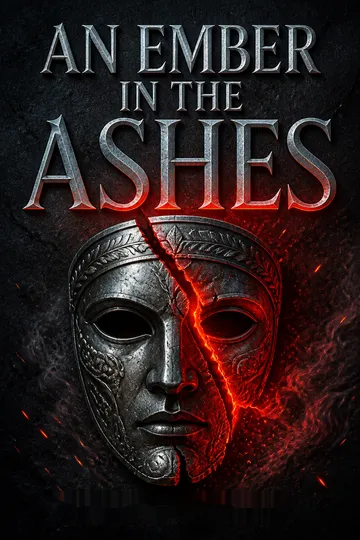
An Ember in the Ashes Series


About the Author


Download PDF
Download EPUB
.epub digital book format is ideal for reading ebooks on phones, tablets, and e-readers.








