


Plot Summary
The Sketchbook Raid
Seventeen-year-old Laia has spent months worrying that her older brother, Darin, is hiding something from their family. When she finds his drawings of Martial weapons, she suspects he has betrayed the Scholars, but soldiers arrive before he can explain. A Mask leads the raid, demanding the sketchbook. Laia reveals where she hid it to stop him hurting their grandmother.
When their grandfather protests, the Mask kills him, then cuts the grandmother down too. Darin breaks free and attacks, giving Laia a chance to escape, but she runs while he is captured. Their home burns behind her. Sick with shame but determined to save her brother, Laia descends into Serra’s catacombs to find the Resistance.
Laia's flight is both a survival instinct and the source of her lasting self-accusation. The raid gives her a choice without a clean answer: stay and risk capture, or run because Darin orders her to. She interprets survival as betrayal, a judgment that shapes her mission more powerfully than the Resistance's politics. Darin's drawings also complicate the simple division between collaboration and rebellion: the object that brings the Empire down on the family conceals a purpose Laia cannot yet see.
A Desertion Interrupted
At Blackcliff, Elias Veturius has spent months preparing to desert the military school that raised him. He watches ten-year-old Falconius Barrius whipped to death for attempting the same escape, then hides his own supplies before graduation. His closest friend, Helene Aquilla, notices his strange behavior but does not discover the plan.
That night, the Augur Cain confronts Elias, admits the Augurs know his thoughts, and predicts that escape will not free him from cruelty. Cain says Elias may find a different kind of freedom by staying to face his destiny. At graduation, the Augurs announce the long-awaited Trials to choose a new Emperor. Elias swears to compete, joining Helene and the Farrar twins, Marcus and Zak.
Elias's rebellion begins as refusal to become what Blackcliff trains him to be, but the school has taught him to understand choices as military tests. Cain exploits that framework without removing Elias's agency: Elias still chooses to stay, though his reasons are shaped by a prediction he cannot verify. Barrius's death makes the cost of obedience visible, while Elias's grief marks him as different from the classmates who cheer. His decision is not a sudden belief in empire. It is an attempt to find a way out without surrendering his moral self.
The Lioness's Daughter
The Resistance's young second-in-command, Keenan, initially treats Laia as a burden, and leader Mazen refuses to risk fighters for her brother. Laia changes the meeting by identifying herself as the daughter of Mirra, the legendary Resistance leader known as the Lioness, and Jahan, her father.
The revelation divides the camp between older fighters who remember her parents and younger rebels who resent the risks of a rescue. Mazen offers a bargain: Laia must infiltrate Blackcliff and spy on its Commandant, and the Resistance will work to free Darin. Laia accepts because she has no other route to her brother. A Tribal operative disguises her as a slave and sells her to the Commandant’s household.
Laia inherits a name that carries more weight than she can bear, but she does not gain authority simply by revealing it. The Resistance makes her earn help through labor and danger, exposing the gap between its celebrated code of honor and its current survival strategy. Her agreement is not ideological conversion; it is a desperate transaction made under pressure. Keenan's resistance to the mission adds a personal dimension to the bargain: he believes the cost will fall not only on the Resistance but on Laia herself.
Blackcliff's Iron Welcome
At Blackcliff, Laia learns that the Commandant's office holds wanted posters of her parents, whom the woman helped hunt down. The Commandant treats Laia as property, strikes her for giving her name, and warns that she will destroy any Resistance spy. Laia is assigned to the kitchen, where the scarred Cook and the one-eyed slave Izzi keep their distance.
A missed tea service earns Laia four lashes. Soon afterward, she carries a letter from the Commandant, opens it, and glimpses a message to the Emperor. At the Weapons Quarter, swordsmith Spiro Teluman recognizes a ghul, a shadow creature feeding on grief, and drives it away. The Commandant discovers Laia opened the letter and burns a K into her chest.
Blackcliff makes domination intimate: the Commandant does not merely confine Laia but tries to erase her name, control her movements, and inscribe ownership on her body. Laia's early spying is clumsy because every act of observation risks another punishment. Yet the letter and the ghul reveal that the world is larger than the Empire's official account. Teluman's knowledge offers the first sign that Laia's grief may be responding to real supernatural forces, not only shock.
The Wastes of Courage
The first Trial leaves the Aspirants scattered across the Great Wastes, with a deadline to reach Blackcliff. Elias initially sees only a desert crossing. Then a dead boy he once killed appears, leading him through a battlefield filled with people Elias has slain and people he fears he may kill. The bodies include his friends and a girl he barely knows, Laia.
The vision traps him in repeating days until he recognizes that his deepest fear is not death but becoming an indiscriminate killer. Elias swears he will not kill Helene or the others, and the battlefield vanishes. Helene finds him and helps him reach the school. Marcus returns first and wins the Trial, while Elias arrives in time to survive.
The Trial converts Elias's moral anxiety into a landscape he cannot outrun. His fear is not abstract guilt about past violence; the vision makes him imagine familiar people as future victims. He escapes only when he stops treating his fear as proof of inevitable evil and makes a commitment about his own conduct. That promise is fragile, as later Trials will test, but it gives his survival an ethical dimension. Helene's arrival also restores the friendship that Blackcliff's brutality has taught them to conceal.
Darin's Hidden Apprenticeship
Laia returns to Spiro Teluman's forge with the Commandant's request for a weapon. There she recognizes the workshop from Darin's drawings. Teluman explains that Darin was his apprentice, not an Imperial collaborator: he taught the Scholar boy to design and forge weapons intended to help his people resist Martial rule.
Darin had kept the sketchbook despite warnings, and rebels who saw it mistook him for an ally. His contact with them helped the Empire justify his arrest. Teluman cannot openly rescue him without exposing them both. Meanwhile, Laia's wound festers, and Elias carries her up from the dunes when he finds her ill. Cook tends her, then warns that the Resistance has endangered others before.
The truth about Darin recasts the raid without erasing its consequences. His apparent betrayal was actually a private form of resistance, made possible by technical skill rather than membership in an organized movement. Laia must revise her picture of her brother and accept that his silence was not indifference. Teluman embodies a different kind of political responsibility: he once supplied the Empire's weapons, and now directs his craft against the power he helped strengthen. Cook's distrust prevents this revelation from becoming a simple invitation to trust every rebel.
Wraiths at Blackcliff
During the second Trial, poisoned smoke fills Blackcliff and wraiths attack Elias and Helene. Elias discovers that the creatures can be killed by striking their throats, and the pair fight their way toward the watchtower. Soldiers then turn on them, forcing Elias and Helene to defend themselves while climbing the stairs.
An attacker throws Elias from the cliff, but Helene catches him with a rope and gets them both down. Sand efrits attack next, trying to claim their souls. Elias remembers a Tribal verse that says a song can drive off sand spirits, and Helene sings as they escape. She returns first among the uninjured Aspirants and wins the Trial. Her singing also helps heal Elias, revealing a power neither of them understands.
The Trial tests more than tactical intelligence. Elias and Helene survive by using knowledge drawn from different systems, his Martial training and the Tribal stories he was taught as a child. Their survival depends on treating folktales as usable knowledge rather than dismissing them as superstition. Helene's healing song unsettles her because Blackcliff has taught her that power belongs to the Augurs alone. The scene begins to loosen the Empire's monopoly on what counts as real, while deepening the partnership between two Aspirants trained to compete.
The Moon Festival Meeting
Laia slips out of Blackcliff with Izzi and reaches the Moon Festival, where Keenan meets her in the crowd. She reports that the Emperor and his retinue are traveling to Serra, information she overheard during a secret meeting between the Commandant and the Nightbringer. Mazen now needs Laia to find an entrance into Blackcliff, supposedly to help free Darin.
Keenan asks Laia to dance, admits that her father once rescued him as a child, and says he believes she can survive the mission. Their closeness gives Laia a brief reprieve from her fear. Elias, disguised as a Tribesman, watches her dance, then hears of an approaching Martial raid and warns the festival. He guides Laia and Izzi through the catacombs back to Blackcliff.
The festival briefly lets Laia inhabit a life beyond her slave's role, but even celebration becomes intelligence work. Her report gives Mazen information that will later serve a purpose he has not disclosed. Keenan's story of Jahan creates intimacy through shared memory rather than flirtation alone: Laia's father once gave Keenan a family, and Keenan now wants to protect Laia. Elias's disguise gives him a similar freedom from rank, though his attention to Laia complicates the distance he tries to maintain.
The Passage and the Attack
With Izzi's help, Laia watches Marcus and Zak enter a hidden stairway concealed behind a training-hall pillar. Before she can secure the entrance or report it, Marcus catches the girls and beats Laia nearly to death. Zak leaves rather than intervene. Elias and Helene hear Izzi's alarm and pull Marcus away.
The Commandant refuses to send Laia to the infirmary, so Elias asks Helene to use the healing ability she discovered during the Trial of Cunning. Helene resists, but later enters Laia's room and sings until the girl's injuries mend. Laia has now seen the secret passage, but Marcus has exposed her search, and the Commandant begins questioning the slaves about her movements.
The passage offers Laia a concrete way to help the Resistance, but the discovery immediately turns information into danger. Marcus's violence is not incidental cruelty; it is enabled by a system that treats a Scholar slave's body as available and her assault as unworthy of medical care. Elias and Helene respond differently from the Commandant, yet both must conceal their intervention. Helene's healing forces her to act against the hierarchy she has obeyed, while Laia's survival now depends on people who belong to the enemy institution.
The Platoons Turn
The Trial of Strength begins in a storm, with Elias's Red Platoon facing Helene's Blue Platoon. Elias first orders his men to injure rather than kill, but the Augurs punish every act of mercy by killing a Red soldier. His friends die around him, including Tristas, who is killed by Dex. Elias finally orders his platoon to fight to the death and kills men he has known since childhood.
He and Helene duel until her living-metal shirt, a prize from the previous Trial, protects her from his dagger. The Augurs disqualify her for wearing forbidden armor and award the Trial to Elias. Marcus has killed Zak during their own fight, leaving both rivals burdened by the loss of someone close.
The Trial engineers a moral injury by making humane restraint produce immediate casualties. Elias's order to kill is neither a free expression of cruelty nor an innocent act: it is a choice made under coercion, with real victims and lasting responsibility. The Augurs measure willingness as much as outcome, turning friendship into evidence for or against fitness to rule. Marcus's loss of Zak parallels Elias's destruction of his platoon, but the shared grief does not make their actions equivalent. The contest creates guilt as a political instrument.
Behind the Unjoined Mask
After the Trial, Laia is taken to Elias's room as his supposed victory prize. Elias gives her a cloak and a dagger instead of hurting her, then explains that Darin's reported execution in Bekkar makes no sense: Bekkar has no death cells. Laia realizes Mazen may have lied about the prison.
Elias tells her about his childhood among the Saif Tribe, where he was raised after his mother abandoned him in the desert, and admits he had planned to desert Blackcliff. Laia confesses that she ran during the raid and still blames herself. They recognize each other's shame without excusing it. Laia removes Elias's unjoined mask, and they share a kiss before dawn forces them back into their guarded roles.
Their intimacy begins with an exchange of vulnerable histories, not a rescue fantasy. Laia sees Elias as a child shaped by dispossession, while Elias recognizes that Laia's flight was a survival act rather than proof of cowardice. The mask's physical separation from Elias's face makes visible his resistance to an identity imposed by the school. Their kiss offers relief, but it does not dissolve the power imbalance between a Mask and a slave. The prison inconsistency also turns emotional trust into a practical question: whether Mazen's promise can be believed.
The Nightbringer's Design
As a storm closes over Serra, Cook tells Laia that jinn once ruled alongside humans until the Scholars imprisoned them, and that the Nightbringer survived to aid the Martial invasion. Cook says he infiltrated the Resistance and helped bring down Laia's parents.
Laia remembers seeing the Nightbringer in the Commandant's room, where he discussed steering the Trials and keeping Marcus on course to win. The Commandant's secret partnership explains why her messages and movements have seemed strange. Before Laia can warn the Resistance, an Augur seizes her and takes her to the amphitheater. She is bound and gagged while the final Trial is prepared.
Cook's account shifts the political history beneath the immediate conflict. The Martial conquest is not only a human empire's victory but part of an older vendetta, and the Nightbringer uses human institutions as tools. Laia's skepticism has to accommodate evidence she can no longer dismiss, while Cook's fractured speech reveals how knowledge of the past can remain psychologically costly. The Commandant's partnership with the Nightbringer also turns the Trials from neutral selection into a contest already vulnerable to manipulation.
The Girl on the Dais
At the Trial of Loyalty, the Augurs order the three remaining Aspirants to execute Laia. Elias steps in front of her rather than obey. Helene knocks Marcus from the dais and urges Elias to take the victory, even offering to free him if she becomes Empress. Elias refuses to cross the line and kill Laia.
Marcus wakes and throws a dagger, but an Augur takes the blow, allowing Laia to be carried away as if dead. The Emperor's assassination is announced, and the Augurs name Marcus the new Emperor. They condemn Elias to execution and require Helene to swear fealty as Blood Shrike. Laia remains hidden and alive, while Elias is chained and Helene submits to the oath.
The last Trial exposes the distinction between loyalty to a state and loyalty to a person placed at its mercy. Elias understands the offered freedom but rejects it because it would require treating Laia's life as expendable. Helene's offer is sincere and politically consequential, which makes his refusal a sacrifice rather than a simple moral gesture. The Augurs turn his compassion into grounds for exclusion, while Marcus benefits from a spectacle that makes the Empire's decision appear orderly. Laia's apparent death leaves Elias unaware that his choice has not killed her.
Mazen's Betrayal
The Augur Cain smuggles the supposedly dead Laia out of Blackcliff and directs her to the Resistance. There she finds Keenan wounded and learns that Mazen has taken charge of the rebellion. Mazen admits he used Laia's reports to keep his faction committed while he pursued the Emperor's assassination.
He never intended to risk a rescue for Darin, who was transferred to Kauf Prison after the Moon Festival. Keenan says he did not know the full plan and helps Laia escape, giving her acid to remove her slave cuffs and passage on a ship to Silas. Laia recognizes that this plan would leave Izzi behind and Elias facing execution. She goes instead to Spiro Teluman.
Mazen's betrayal is devastating because it makes Laia's courage useful to a cause that has discarded her brother. The Resistance does not become morally pure merely because it opposes the Empire; it reproduces the same instrumental logic when it treats individuals as acceptable losses. Keenan's guilt matters, but his offered route still asks Laia to leave others behind. Her refusal marks a shift from waiting to be rescued toward choosing whom she will risk herself for, including people outside her family.
A Mother's Confession
While Elias waits in a dungeon for execution, the Commandant visits him and describes his birth. She hated her pregnancy, considered killing him, and left him with the Tribal woman Mamie Rila after giving birth. Years later, she hated Elias again when her father favored him as heir to their family.
Elias realizes that Keris once made a choice that allowed him to live, but he refuses to believe his own death will free her from guilt. Meanwhile, Teluman breaks Laia's slave cuffs and gives her a blade made with Darin. Laia returns to Blackcliff rather than flee, tells Cook and Izzi what happened, and asks them to help free Elias. Cook agrees to prepare explosives, while Izzi is sent toward a chance at escape.
Keris's confession explains her cruelty without absolving it. She remembers moments of care as weakness and has built an identity around never repeating what she calls failure. Elias, by contrast, recognizes that survival and mercy can coexist with pain. Laia's return answers the opening's defining wound: after once running from someone she loved, she now chooses to go back for people in danger. The different acts of preparation, Teluman's weapon, Cook's explosives, and Izzi's departure, turn loyalty into practical work.
The Exploding Gallows
On the morning of Elias's execution, Laia hides beneath the platform while Cook's charges wait around the courtyard. When Cook gives the signal, Laia lights the fuse and the stage erupts, scattering the guards and masking Elias's escape. Laia frees him with hairpins and offers to guide her to Kauf in exchange for help rescuing Darin.
Elias accepts, and they flee through the chaos toward his quarters. Faris and Dex see him alive but let him pass. Helene arrives with Elias's Teluman blades and explains that she swore an earlier oath to protect his life, even though her public loyalty now belongs to Marcus. She gives Elias back his mask only to tear it free, helping him and Laia into his hidden tunnel.
The explosion is a rescue built from the labor of people the Empire considers powerless. Laia's plan depends on timing, secrecy, and trust across a fragile network, not on a sudden victory in battle. Elias accepts a future organized around someone else's need rather than his own escape, but the bargain also gives him a path out of the institution that shaped him. Helene's help does not erase her oath or the conflict between them. Her choice preserves their bond while leaving her trapped inside Marcus's regime.
Into the Catacombs
Helene seals the tunnel entrance after Laia and Elias descend into Blackcliff's catacombs. Above them, the school is in upheaval, and Marcus's soldiers will soon search Serra for the fugitives. Elias knows the route he dug to escape the Empire, but the plan he prepared for himself is gone: he is now guiding Laia toward Kauf, where Darin is imprisoned.
Laia carries the weapon Teluman made with her brother, and Elias has his blades back. They move into the dark together, uncertain whether they can get out of the city, survive the journey north, or break into the prison. Their immediate purpose is clear: reach Darin before the Empire destroys what remains of Laia's family.
The ending offers movement rather than completion. The family crisis that began with Darin's capture remains unresolved, and Elias's escape is only the first stage of a much harder journey. The catacombs echo the novel's earlier spaces of concealment, but their meaning has changed: Laia once entered them alone, driven by guilt, while now she chooses a companion and a shared objective. Their freedom is provisional, dependent on each other's skills and on accepting uncertainty instead of mistaking survival for safety.
Analysis
An Ember in the Ashes asks what remains of a person when institutions define compassion as weakness and survival as obedience. Blackcliff does not merely train soldiers to fight; it teaches them to interpret hesitation as betrayal and to accept cruelty as evidence of fitness. The Trials intensify that lesson until friendship itself becomes a battlefield. Elias's struggle is not to remain innocent, since the novel makes clear that violence and coercion have already shaped him. His more difficult task is to accept responsibility for what he does without mistaking guilt for proof that change is impossible.
Laia's story tests a different inheritance. She begins under the shadow of her mother's legend, convinced that courage must look fearless. The people who actually help her are more divided and compromised than the Resistance's ideals suggest. Mazen uses her, while Cook, Izzi, Teluman, Keenan, and eventually Elias each offer forms of loyalty that do not fit neatly into political categories. Laia's growing strength comes not from becoming a replica of the Lioness, but from deciding what she will risk and whom she will refuse to abandon.
The novel also distrusts the idea that a righteous cause guarantees righteous behavior. The Empire enslaves Scholars in the name of order; the Resistance can sacrifice individuals in the name of liberation; the Augurs manipulate young soldiers in the name of the future. Their goals differ, but each organization risks turning people into instruments. The fey mythology enlarges this critique by making old acts of exploitation return as living forces. Against these systems, Izzat becomes less a slogan than a practice: keeping faith with a person when obedience, ambition, or fear makes betrayal easier. The ending offers no political victory or reunion. It offers Laia and Elias a shared direction, and the possibility that they can choose their actions even when they cannot choose the world that shaped them.
Review Summary
An Ember in the Ashes is widely praised for its gripping plot, complex characters, and brutal world-building. Readers appreciate the dual perspectives of Laia and Elias, the realistic portrayal of strength, and the exploration of moral dilemmas. Many found it addictive and emotionally impactful, with strong character development and unexpected twists. Some criticism exists regarding love triangles and certain villains, but overall, the book is considered a standout in YA fantasy, leaving readers eager for the sequel.
People Also Read








Characters
Laia
Scholar survivorA seventeen-year-old Scholar raised in Serra, Laia begins as a healer's apprentice who tells herself she lacks the courage of her dead parents and missing brother. Her instinct is to notice details, remember stories, and care for people, but fear often makes her doubt those qualities. The silver armlet her mother gave her connects family memory to the Resistance she must navigate. Laia is neither a natural fighter nor a confident strategist; she survives by learning, improvising, and accepting help without surrendering judgment. Her longing to save Darin is the force that draws her into danger, while her growing attention to Izzi, Cook, Elias, and Keenan challenges the belief that only blood relatives deserve her loyalty.
Elias Veturius
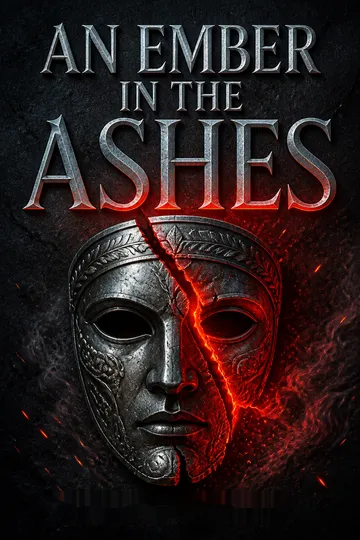
Reluctant MartialA gifted Mask-in-training and grandson of General Quin Veturius, Elias is an exceptional fighter who distrusts the brutality that made him one. The silver mask has not fully fused to his face, a visible sign of his resistance to the identity Blackcliff imposes. Raised for part of his childhood among the Saif Tribe, he carries memories and values his Martial classmates were taught to dismiss. Elias tends to convert moral uncertainty into tactical problems, yet his refusal to ignore suffering repeatedly disrupts that habit. His attachment to Helene is rooted in years of shared danger, while his connection to Laia arises from their recognition of each other's losses.
Helene Aquilla
Blackcliff's lone girlHelene is Blackcliff's only female student, a disciplined Mask and Elias's closest friend. Her speed, intelligence, and hard-won authority make it difficult for others to dismiss her, though the school expects her to prove herself more relentlessly than her male classmates. Loyalty is her strongest organizing principle: she believes duty gives shape to a life built around violence. Her feelings for Elias complicate the stable friendship they have relied on since childhood, and the supernatural ability that emerges during the Trials challenges what she believes about herself. Helene's reserve is not an absence of feeling; it is a method of keeping powerful emotions from being used against her.
Keenan
Resistance handlerA red-haired Scholar fighter and second-in-command of the Resistance, Keenan is skilled, guarded, and wary of risks that might cost his people their lives. He initially opposes sending Laia into Blackcliff, partly because he doubts her readiness and partly because he feels responsible to her father, Jahan, who once sheltered him. He has lost his own family and recognizes in Laia a loneliness he rarely admits to sharing. Keenan's reserve can look like indifference, but it conceals a strong protective impulse. His loyalty to the Resistance and his growing affection for Laia sometimes pull him in opposite directions.
Keris Veturia
Commandant of BlackcliffKnown as the Commandant, Keris Veturia rules Blackcliff through precision, punishment, and complete control of its students and slaves. She is a formidable Mask whose authority depends on anticipating disobedience and making examples of anyone who challenges her. Her treatment of Laia reflects the Empire's broader contempt for Scholars, while her relationship with Elias is shaped by a private history she refuses to make easy to understand. Keris sees vulnerability as a threat to survival and has built a life around suppressing it. Even those closest to her struggle to know where calculation ends and personal pain begins.
Darin
Scholar weaponsmithLaia's older brother is quiet, observant, and more comfortable drawing than explaining himself. His distance from the family worries Laia, but he has been paying close attention to the weapons and suffering around him. Darin shares his sister's attachment to their grandparents and has a gift for seeing how things are made. His choices expose the difference between silence and indifference, and his imprisonment gives Laia a reason to enter the dangerous worlds of both the Resistance and Blackcliff.
Mazen
Resistance leaderThe scarred, limping leader of the Resistance is a practiced organizer who measures every decision against the survival of his movement. He fought alongside Laia's parents and has inherited their cause, but he does not share their exact methods or priorities. Mazen believes that bold action can restore what the Resistance lost, and he is willing to demand hard sacrifices from others in pursuit of that goal. His confidence can inspire followers, but it can also make him dismissive of individual suffering and resistant to questions from people beneath him.
Cook
Scarred kitchen keeperThe Commandant's cook is an older former Resistance operative whose scarred face and damaged voice mark years of punishment. She keeps Laia at a distance and distrusts the rebels, especially those who speak of honor while asking others to bear the danger. Her knowledge of remedies, explosives, and Blackcliff's routines makes her more than a servant. Cook's harshness protects Izzi and herself, but her warnings also carry the authority of experience. Her reluctance to discuss her past suggests that survival has not made her wounds less present.
Izzi
Blackcliff's hidden guideA young slave with one eye, Izzi has lived under the Commandant's control for most of her life. She is shy and wary, yet she longs for friendship and a chance to make choices of her own. Her deep familiarity with Blackcliff's routines, hidden routes, and drum signals gives Laia practical help that no outsider could offer. Izzi knows how dangerous kindness can be in a household where masters punish one slave through another. Her willingness to help Laia grows from a wish to do something meaningful, not from any promise of reward.
Spiro Teluman
Scholar-allied smithA tattooed Martial swordsmith, Spiro Teluman is the latest member of a family famous for making weapons for the Empire. He has turned his craft toward the Scholars after becoming unwilling to supply blades that reinforce their oppression. Spiro respects Darin's technical imagination and recognizes that the young man can design weapons no traditional apprentice would attempt. He is practical, proud, and burdened by his earlier work for the Empire. His workshop becomes a rare place where Laia can ask direct questions and receive answers that change her understanding of her brother.
Cain
Mind-reading AugurCain is the Augur who selected Elias for Blackcliff and who oversees the selection of a new Emperor. He can enter other people's thoughts, but his knowledge does not make him easy to understand or wholly transparent. Cain speaks in prophecy and riddles, asking Elias to trust a future he cannot explain. His authority rests on the Augurs' reputation for seeing what others cannot, yet their Trials reveal a willingness to manipulate fear and loyalty. Cain's calm manner can seem merciful or merciless depending on whose life his decisions place at risk.
Marcus Farrar
Predatory AspirantA brutal Blackcliff graduate from a lowborn Martial family, Marcus is one of the four Aspirants and a rival to Elias and Helene. He uses intimidation, sexual aggression, and public humiliation to assert control over people he considers weaker. His attachment to his twin, Zak, complicates the image of a man who otherwise treats relationships as contests for dominance. Marcus is ambitious and comfortable with violence, but his certainty is fed by more than personal confidence. He is vulnerable to promises of power and to people who know how to direct his resentments.
Zak Farrar
Marcus's uncertain twinZak is Marcus's twin brother and fellow Aspirant, but he is quieter, less certain, and more observant than Marcus. For years he has followed his brother's lead, even when Marcus's cruelty troubles him. Their closeness gives Zak a sense of identity while also trapping him in a relationship he does not know how to leave. Zak notices the danger behind the Trials and understands that the supernatural forces at work are real. His unease makes him one of the few characters who can see both the threat and his own complicity.
Quin Veturius
Elias's formidable grandfatherA celebrated Martial general and head of Gens Veturia, Quin is a stern, powerful elder who expects Elias to represent their house well. He trains his grandson harshly, believing strength and discipline are the surest protections against a dangerous world. Quin's pride in Elias is real, even when he expresses it through pressure rather than comfort. His political experience makes him alert to the alliances and rivalries surrounding the Trials. He is also a father whose relationship with the Commandant remains charged by old disappointments.
Sana
Resistance faction leaderSana leads the older, more cautious faction within the Resistance. She recognizes Laia's connection to the movement's past and argues that its code requires aid for the daughter of the Lioness. Sana is willing to challenge Mazen, even though he outranks her, because she believes the movement has begun to confuse boldness with honor. Her tattoo carries the ideal of Izzat, but she knows the Resistance no longer lives up to it consistently. She offers Laia a model of loyalty grounded in responsibility rather than obedience.
Mirra
The LionessLaia's mother was a celebrated leader of the Resistance, remembered by fighters as brave, forceful, and fiercely committed to Scholar freedom. Her reputation shapes what the rebels expect from Laia, though Laia's private memories of family life are more complicated than those public stories suggest. Mirra's armlet and Resistance tattoo link her daughter to both a family history and a political cause.
Jahan
Resistance strategistLaia's father served as a strategist and lieutenant in the Resistance. He is remembered for his intelligence, patience, and skill with art, and he designed the movement's fist-and-flame emblem. Jahan's quiet generosity leaves a lasting mark on both Laia and Keenan. His influence appears through the people he helped and the values they carry, even when they disagree about how to serve the cause.
Lis
Laia's lost sisterLaia's older sister died with their parents when she was young. Laia remembers her as protective and spirited, especially in the moments when she tried to shelter the younger children from their parents' arguments. Lis represents the family life Laia barely had time to know but still longs to recover.
Tristas
Elias's devoted friendA thoughtful member of Elias's platoon, Tristas is known for his sword skill, his loyalty to his friends, and his love for his fiancée, Aelia. He is one of the few among the young Masks willing to help Elias understand his feelings for Helene. His combination of romantic seriousness and military competence makes him a trusted presence in Elias's circle.
Faris
Elias's boisterous comradeFaris is a large, sociable Blackcliff student whose humor and appetite for pleasure help keep his friends' spirits alive. Beneath the bravado, he is loyal to his platoon and attentive to the people he loves. His physical strength makes him a formidable fighter, but his warmth distinguishes him from the schoolmates who treat brutality as entertainment.
Dex
Elias's rule-bound lieutenantDex is Elias's platoon lieutenant, an earnest soldier who values discipline and takes his responsibilities seriously. His loyalty to Elias is tested by the difference between following orders and protecting his friends. Dex is not naturally rebellious, but he is capable of acting decisively when the people around him are in immediate danger.
Afya Ara-Nur
Tribal chieftainAfya is a clever and self-possessed leader from Tribe Nur, and the only female chieftain among the Tribes. She approaches Elias at the Moon Festival under a disguise of flirtation and recognizes more about him than she lets on. Her tribe maintains ties to the Scholars' Resistance, and her gift to Elias creates a connection that may matter beyond the festival.
Plot Devices
The Augurs' Trials
A contest built from choicesThe Trials are a sequence of physical and psychological tests meant to determine who will replace the aging Emperor. Four Blackcliff graduates are selected as Aspirants, and each Trial makes a different virtue dangerous: Elias must face the violence he fears becoming, outwit supernatural attackers, command soldiers, and decide whether loyalty requires killing an innocent girl. The rules give the Augurs immense control over outcomes, while the Aspirants' private decisions reveal what they value when survival and conscience conflict. The Trials propel Elias's story from attempted desertion into a contest he never wanted to enter.
Masks and Markings
Power written on bodiesMartial masks identify Blackcliff's elite soldiers and are designed to merge with the wearer's face. Elias's mask resists that process, reflecting his distance from the institution that shaped him. Other marks also carry political meaning: Blackcliff tattoos bind students to the school, slave cuffs announce ownership, the Commandant's brand claims Laia, and the Resistance's fist-and-flame tattoo signals commitment to Izzat. These bodily signs make power visible and difficult to escape. Their different meanings also show how a mark can impose identity or express allegiance, depending on who controls the body that bears it.
Izzat and the Armlet
A private code becomes actionIzzat is the Scholar ideal of honor, pride, courage, and freedom, carried most visibly by the Resistance's emblem. Laia's mother's silver armlet connects that code to family memory, while Laia's belief in her own cowardice repeatedly threatens to separate her from it. The story tests Izzat against the actions of people claiming to represent it. Mazen invokes the cause while manipulating Laia, whereas people with less political authority often act with greater personal integrity. The armlet gives Laia a physical reminder of her mother, but its deeper function is to make her decide what honor means for herself.
The Returned Fey
Folklore becomes a weaponGhuls, wraiths, efrits, and the Nightbringer emerge from stories that the characters have treated as legend. They feed on grief, attack the Aspirants, and reveal that the Empire's human political struggle is entangled with an older conflict. Tribal tales provide practical knowledge about how to resist some of these creatures, while the Augurs exploit them in the Trials. The supernatural threat therefore does more than add danger: it challenges the Martials' and Scholars' assumptions about whose knowledge counts, and exposes how easily powerful people turn hidden histories into tools of control.
Blackcliff's Hidden Routes
Escape depends on overlooked spacesThe catacombs beneath Serra and the concealed entrance beneath Blackcliff connect the city's oppressed communities to the military school built to control them. Laia first descends underground looking for the Resistance, while Elias has secretly mapped the tunnels as an escape route. Izzi's familiarity with Blackcliff helps expose the entrance, and the route eventually becomes essential to Elias and Laia's flight. Hidden spaces make movement possible, but they also carry danger: the tunnels are patrolled, poorly mapped, and vulnerable to discovery. The device turns knowledge of a place into a form of power unavailable to those who rely only on rank.
FAQ
Synopsis & Basic Details
What is An Ember in the Ashes about?
- A World Divided: The story is set in a world dominated by the Martial Empire, where Scholars are oppressed and enslaved. It follows the intertwined journeys of Laia, a Scholar fighting for her family, and Elias, a reluctant Martial soldier seeking freedom.
- A Quest for Freedom: Laia embarks on a dangerous mission to rescue her brother from a notorious prison, while Elias grapples with his own identity and the brutal realities of the Empire. Their paths collide, forcing them into an uneasy alliance.
- A Battle Against Tyranny: The narrative explores themes of oppression, loyalty, and the fight for freedom, as Laia and Elias challenge the Empire's power and confront their own inner demons. The story is a blend of political intrigue, personal struggles, and supernatural elements.
Why should I read An Ember in the Ashes?
- Compelling Characters: The novel features complex, well-developed characters with compelling motivations and emotional depth, making their struggles and triumphs deeply engaging. Laia's resilience and Elias's internal conflict are particularly captivating.
- Intricate World-Building: Sabaa Tahir creates a rich and immersive world with a unique blend of political intrigue, cultural diversity, and supernatural elements, drawing readers into a vividly realized setting. The Martial Empire and its oppressive rule are particularly well-crafted.
- High-Stakes Plot: The story is filled with suspense, action, and emotional intensity, keeping readers on the edge of their seats as the characters navigate dangerous situations and make difficult choices. The constant threat of death and betrayal adds to the narrative's tension.
What is the background of An Ember in the Ashes?
- Martial Empire: The story is set in a world dominated by the Martial Empire, a society with a rigid social hierarchy where the ruling class oppresses the Scholar population. This empire is built on military might and a brutal system of slavery.
- Scholar Culture: The Scholars are a people with a rich history of knowledge and learning, now enslaved and persecuted by the Martials. Their culture is a stark contrast to the Martial's focus on military prowess.
- Tribal Lands: The Tribal lands, located to the north, are a source of both mystery and refuge. They are home to a diverse group of people with their own unique customs and traditions, offering a contrast to the rigid structure of the Empire.
What are the most memorable quotes in An Ember in the Ashes?
- "You are an ember in the ashes, Laia. You will burn, you will flicker, and you will rise.": This quote, spoken by Spiro Teluman, encapsulates Laia's inner strength and potential for rebellion, highlighting her resilience and the hope she carries.
- "The field of battle is my temple. The swordpoint is my priest. The dance of death is my prayer. The killing blow is my release.": This mantra, often repeated by Elias, reveals his internal conflict and his struggle to reconcile his duty as a Mask with his desire for freedom. It also highlights the brutal nature of the Martial Empire.
- "There's hope in life. A brave girl once told me that. If something happens to me, don't fear. You'll find a way.": This quote, spoken by Elias to Laia, underscores the theme of hope and resilience, and the impact that Laia has on Elias's life. It also foreshadows the challenges they will face.
What writing style, narrative choices, and literary techniques does Sabaa Tahir use?
- Dual Perspectives: The story is told from the alternating perspectives of Laia and Elias, allowing readers to experience the events from both sides of the conflict. This narrative choice enhances the story's complexity and emotional depth.
- Vivid Imagery: Tahir uses rich, descriptive language to create a vivid and immersive world, bringing the settings and characters to life. Her use of sensory details enhances the reader's experience.
- Foreshadowing and Symbolism: The novel employs subtle foreshadowing and recurring symbols to hint at future events and deepen the story's themes. The use of fire, for example, symbolizes both destruction and hope.
Hidden Details & Subtle Connections
What are some minor details that add significant meaning?
- The Blackcliff Diamond Tattoo: The tattoo on the back of Elias's neck, a symbol of his training at Blackcliff, becomes a source of both pride and shame for him, representing his internal conflict and his desire to break free from the Empire. It also serves as a means of identification for the Martials.
- The Armlet: Laia's armlet, a gift from her mother, is a recurring symbol of her family and her connection to her past. It also becomes a key to understanding the Nightbringer's motivations and the power of the Star.
- The Color Red: The color red is used throughout the novel to symbolize danger, violence, and the Martial Empire. It is also associated with the Nightbringer, highlighting his destructive nature.
What are some subtle foreshadowing and callbacks?
- The Efrit's Warning: The efrit's words to Elias, "Reaper walking! If your sins were blood, child, you would drown in a river of your own making," foreshadow his internal struggle with his past actions and his eventual role as the Soul Catcher.
- The Soul Catcher's Prophecy: The Soul Catcher's statement that Elias is "dead, but you just don't know it yet," foreshadows his poisoning and his eventual transformation. It also hints at his connection to the Waiting Place.
- The Commandant's Calmness: The Commandant's unnerving calmness in the face of chaos foreshadows her calculated nature and her ability to manipulate events to her advantage. It also hints at her hidden agenda.
What are some unexpected character connections?
- Elias and the Commandant: The complex and fraught relationship between Elias and his mother, the Commandant, is a central conflict in the story. Their shared history and opposing ideologies create a dynamic tension that drives much of the plot.
- Laia and Keenan/The Nightbringer: The romantic connection between Laia and Keenan is a carefully constructed deception, revealing the Nightbringer's manipulative nature and Laia's vulnerability. Their relationship highlights the theme of betrayal and the difficulty of discerning truth from lies.
- Elias and Shaeva: The connection between Elias and the Soul Catcher, Shaeva, is unexpected and reveals a deeper understanding of the supernatural elements of the story. Their interactions hint at Elias's destiny and his role in the balance between life and death.
Who are the most significant supporting characters?
- Spiro Teluman: Laia's brother's mentor, a blacksmith who is a symbol of resistance and knowledge. His teachings and his connection to Darin are crucial to the plot.
- Mamie Rila: Elias's adoptive mother, a Tribeswoman who is a source of wisdom and strength. Her actions in Nur are pivotal to the group's escape.
- Tas: A young Scholar boy who becomes an ally to Elias in Kauf. His courage and resourcefulness are essential to the escape plan.
Psychological, Emotional, & Relational Analysis
What are some unspoken motivations of the characters?
- Elias's Guilt: Elias is driven by a deep sense of guilt over his past actions as a Mask and the deaths of his friends. This guilt fuels his desire for redemption and his willingness to help Laia.
- Laia's Fear of Abandonment: Laia's actions are often motivated by her fear of losing her loved ones, particularly her brother. This fear drives her to take risks and make difficult choices.
- The Commandant's Need for Control: The Commandant's actions are driven by a deep-seated need for control and power. Her desire to dominate the Empire and her son stems from her own insecurities and past traumas.
What psychological complexities do the characters exhibit?
- Elias's Internal Conflict: Elias struggles with his identity as a Mask and his desire for freedom. He is torn between his duty to the Empire and his growing sense of morality.
- Laia's Emotional Turmoil: Laia grapples with feelings of guilt, fear, and anger as she navigates the dangers of her mission. Her emotional journey is marked by moments of vulnerability and strength.
- The Commandant's Ruthlessness: The Commandant's ruthlessness is a result of her own past traumas and her desire to maintain power. Her actions are often driven by a cold, calculating logic that masks her inner turmoil.
What are the major emotional turning points?
- Laia's Discovery of Keenan's Betrayal: The revelation of Keenan's true identity as the Nightbringer is a major emotional turning point for Laia, shattering her trust and forcing her to confront the reality of her situation.
- Elias's Encounter with the Soul Catcher: Elias's experiences in the Waiting Place force him to confront his past and his mortality, leading to a profound shift in his understanding of himself and his purpose.
- Helene's Betrayal by Marcus: Helene's realization that Marcus is using her and her family is a major emotional turning point, forcing her to question her loyalty to the Empire and her own beliefs.
How do relationship dynamics evolve?
- Laia and Elias: Their relationship evolves from an uneasy alliance to a deep bond of trust and affection. Their shared experiences and mutual respect create a powerful connection that transcends their different backgrounds.
- Laia and Keenan: Their relationship begins with a spark of attraction but is ultimately revealed to be a manipulation by the Nightbringer. This betrayal highlights the dangers of misplaced trust and the complexities of love and power.
- Helene and Elias: Their relationship is marked by a complex mix of friendship, rivalry, and unspoken feelings. Their shared history and mutual respect are tested by their opposing loyalties and the forces that pull them apart.
Interpretation & Debate
Which parts of the story remain ambiguous or open-ended?
- The Nightbringer's True Motives: While the Nightbringer's desire to free his brethren is clear, his ultimate goals and the extent of his power remain ambiguous. His true nature and the full scope of his abilities are left open to interpretation.
- The Augurs' Role: The Augurs' true intentions and their influence on the events of the story are not fully explained. Their prophecies and their connection to the Empire remain shrouded in mystery.
- The Nature of the Waiting Place: The Waiting Place and the Soul Catcher's role in it are left open to interpretation. The nature of this realm and its connection to the human world are not fully defined.
What are some debatable, controversial scenes or moments in An Ember in the Ashes?
- Elias's Actions as a Mask: Elias's past actions as a Mask, particularly his participation in the Trials, are a source of debate. Some readers may find it difficult to reconcile his past with his desire for redemption.
- The Commandant's Cruelty: The Commandant's ruthless actions and her willingness to sacrifice anything for power are a source of controversy. Her character raises questions about the nature of evil and the corrupting influence of power.
- Laia's Choices: Laia's decisions, particularly her relationships with both Elias and Keenan, are often debated. Some readers may question her judgment and her ability to make the right choices.
An Ember in the Ashes Ending Explained: How It Ends & What It Means
- Elias's Transformation: Elias's transformation into the Soul Catcher is a bittersweet ending, offering him a new purpose but also binding him to the Waiting Place. This ending highlights the themes of sacrifice and redemption.
- Laia's Continued Fight: Laia's determination to save her brother and fight against the Empire's tyranny is a testament to her resilience and her unwavering hope. Her journey is far from over, and her future remains uncertain.
- The Unresolved Conflict: The story ends with many conflicts unresolved, leaving readers with a sense of anticipation for the next installment. The Nightbringer's plans, the Commandant's coup, and the fate of the Empire are all left open-ended, setting the stage for future conflicts and challenges.
An Ember in the Ashes Series



About the Author


Download PDF
Download EPUB
.epub digital book format is ideal for reading ebooks on phones, tablets, and e-readers.








