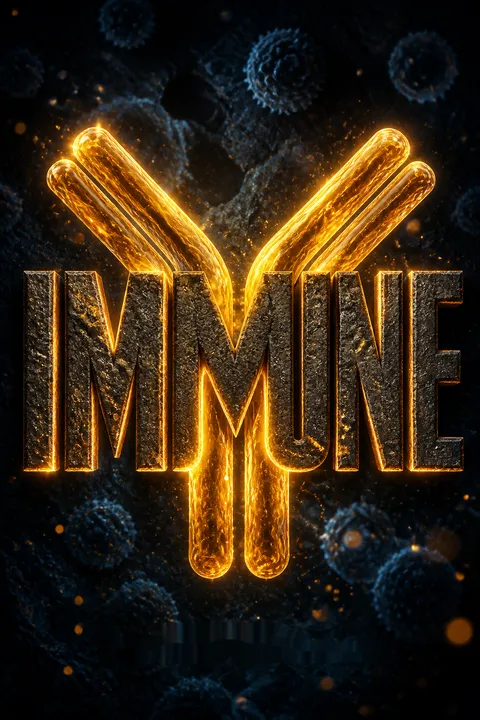


Key Takeaways
Your immune system protects balance, not merely your body from outsiders.
The goal is stability. The immune system is not a single organ or a simple army. It is a body-wide network of cells, organs, vessels, and proteins that distinguishes self from other and tries to preserve homeostasis, the stable conditions that let the body function. That means attacking invaders, repairing damage, and also restraining its own response. Cancer, allergies, and autoimmune disease show how protection can misfire; infection shows what happens when defenses are too weak. Even familiar symptoms such as fever and swelling are often produced by the defense itself.
A living inheritance. Many basic immune mechanisms evolved hundreds of millions of years ago and were refined rather than replaced. The system is part of the body’s own activity, not an external shield.
What's striking is the shift from a war metaphor to a problem of regulation. Defense is only one objective; preserving functional tissue while responding to danger is the harder assignment. This resembles a control system that must detect threats, act, and return to baseline without overshooting. The idea also makes symptoms less mysterious: discomfort can signal a protective process, though it is not proof that a response is beneficial or correctly calibrated. The metaphor of an army is memorable, but it can obscure how much immune activity is housekeeping, repair, and restraint.
Let rapid defenses buy time for adaptive immunity to make precise weapons.
Two systems share the work. The innate immune system responds quickly with broad defenses. Macrophages engulf microbes and damaged cells, neutrophils arrive in large numbers and attack aggressively, and complement proteins mark or damage intruders. If these measures cannot contain an infection, dendritic cells carry samples of it to lymph nodes and alert the adaptive immune system.
Specificity takes time. Adaptive immunity deploys T cells, B cells, and antibodies tailored to a particular enemy. In the book’s nail-wound story, early soldiers slow a bacterial invasion, but specialized T cells and antibodies turn the tide days later. The adaptive response also strengthens innate fighters, then leaves behind memory cells that respond faster if the same threat returns.
This division of labor resembles emergency management: general responders stabilize a crisis while specialists identify its exact cause and deploy targeted resources. The innate response is not merely a rough draft; it handles most everyday threats without a noticeable illness. Adaptive immunity is valuable precisely because it is selective, but its delay creates a vulnerable interval. The account also resists a common hierarchy in which specialized defenses seem inherently superior. Precision depends on the early system’s detection, signals, and containment.
Defend skin like a wall, but treat mucosa as a negotiated border.
Skin is built to shed threats. New skin cells rise from a deeper layer, toughen with keratin, and form a surface of dead cells that is continually replaced. Salt, acidity, antimicrobial substances, and shedding make the surface hostile to many microbes. The book estimates skin covers about two square metres, while the mucous membranes lining the lungs, gut, and other passages cover roughly 200 square metres.
Mucosa must stay selective. These inner surfaces need to exchange air and nutrients, so they cannot be sealed behind thick armor. Mucus traps particles, cilia move it toward the throat or out of the body, and local defenses must tolerate food and helpful microbes while blocking dangerous invaders. Skin and mucosa therefore need different defensive strategies.
The contrast is a useful design lesson: barriers should fit the traffic they must handle. A sealed wall works for skin, but lungs and intestines need controlled exchange, so their protection depends on filtering, movement, and selective tolerance. The microbiome adds another layer, occupying space and interacting with local defenses rather than acting as a simple collection of enemies. These metaphors clarify the tradeoff, although real tissues are not neatly divided into kingdoms. Their immune behavior varies by location and circumstance.
Use inflammation as an emergency response, not a permanent condition.
Inflammation brings reinforcements. When tissue is injured or infected, signals change nearby blood vessels so fluid, immune cells, and protective proteins can reach the site. Redness, heat, swelling, pain, and reduced function are familiar signs. A swollen toe after a cut is not just incidental damage: the response helps contain infection, clears dead material, and encourages repair. Complement proteins in the fluid can coat microbes, summon immune cells, and form structures that puncture some invaders.
The fire needs limits. Neutrophils kill effectively but can also injure surrounding tissue. Inflammation in delicate lung tissue can interfere with breathing, while uncontrolled signaling can spread damage beyond the original site. The response naturally fades when danger signals diminish, and regulatory cells help switch it down.
Inflammation illustrates a recurring biological bargain: a costly response can be adaptive when brief and damaging when prolonged. Its visible signs are not noise around the real action; they are part of the mechanism that moves resources and changes behavior. Yet more activity does not equal more protection. In sensitive organs, collateral injury can become the central danger. The useful question is therefore not whether inflammation is good or bad, but whether its scale, location, and duration fit the threat.
Build immune variety through randomness, then screen it for friendly fire.
Receptors are assembled, not prewritten. The adaptive immune system must recognize an enormous range of possible antigens, meaning recognizable pieces of microbes or other targets. It creates variety by rearranging small gene segments into many receptor combinations. Each T or B cell carries a receptor with a particular fit, giving the body a broad library without needing a separate complete gene for every threat.
Training prevents self-attack. T cells undergo selection in the thymus, where cells unable to function or too likely to recognize the body’s own proteins are removed. The book says about 98 percent of developing T cells fail this process. Activation also requires multiple confirming signals. B cells can further refine their antibody fit through mutation and selection, while poorly matched cells fail to persist.
The system’s ingenuity lies in pairing generative diversity with severe quality control. The same randomness that creates solutions to unfamiliar threats also creates dangerous mistakes, so selection and activation thresholds are not bureaucratic extras; they are structural safeguards. This is analogous to a search algorithm that explores many candidate answers but tests them before deployment. The analogy has limits, since cells do not evaluate options consciously. Still, it explains why immune strength cannot be reduced to simply making more or more reactive cells.
Viruses hide inside cells, so defense sometimes means killing infected cells.
A virus hijacks cellular machinery. It enters a susceptible cell, redirects its protein-making systems, and uses them to produce new viruses. Because the invader is hidden inside, antibodies and other defenses that work well against exposed bacteria cannot solve the problem alone. Infected cells release interferons, warning nearby cells to make viral replication harder and alerting immune defenses.
Infected cells reveal evidence. Most nucleated cells display samples of their internal proteins on MHC class I molecules. Killer T cells inspect these displays and can order infected cells to die in a controlled way, trapping viral material for cleanup. Natural killer cells can target cells that stop displaying these markers. Fever and many flu symptoms are also part of the response. The book’s discussion of COVID-19 emphasizes how inadequate early antiviral signaling and excessive inflammation can combine dangerously.
The viral problem is a striking case of information security: the body cannot directly inspect every cell’s interior, so cells routinely expose samples of what they are making. That surveillance makes concealment harder, while natural killer cells provide a backup when a cell goes dark. The cost is severe: healthy tissue may be sacrificed to contain infection. This explains why antiviral defense can feel harsher than the pathogen itself, and why suppressing symptoms without understanding their cause can be a poor guide to treatment.
Let vaccines create immune memory without making disease the teacher.
Memory changes the next encounter. After an infection, some activated B and T cells persist as memory cells. Others become long-lived plasma cells that continue releasing antibodies. On re-exposure, these cells can respond faster and in greater numbers than the small initial pool of cells could. Immunity is not an impenetrable force field; it is a prepared response that can prevent illness or make it less severe.
Vaccination rehearses safely. Vaccines prompt immune recognition and memory without requiring the full disease. The book describes weakened live vaccines, killed or inactivated pathogens, selected pathogen components, and mRNA instructions that lead cells to make an antigen. Smallpox variolation once used material from infection and carried real risk; later vaccination helped eradicate smallpox. For measles, the book gives about 95 percent as the coverage needed for strong community protection.
Vaccination is a form of rehearsal: the immune system practices identifying a target without bearing the full cost of a natural infection. The distinction matters because immunity is built by the response, not by suffering as such. Community protection adds a collective dimension, especially for people unable to develop adequate immunity themselves. The exact protection and duration vary by vaccine and pathogen, so the metaphor should not imply that every vaccine produces lifelong, identical immunity. Its central point remains powerful: controlled exposure can be safer than uncontrolled disease.
Keep immune power calibrated: HIV weakens defense, while allergies misdirect it.
Failure has opposite directions. HIV attacks helper T cells, which coordinate important immune responses. Over years, untreated infection can erode the system until AIDS leaves the body vulnerable to infections and cancers that would usually be controlled. Allergies represent the opposite problem: an immune response to a harmless substance can trigger IgE antibodies, mast cells, and inflammation. In severe cases, that reaction can threaten breathing and circulation.
Self can become the target. Autoimmune disease occurs when immune cells mistakenly recognize the body’s own proteins as threats. The book describes genetic susceptibility, faulty self-recognition, and an activating event such as infection as possible contributors. Once memory cells and autoantibodies form, the attack can persist. The system therefore needs both the capacity to escalate and mechanisms that restrain it.
These examples make immune health a question of calibration rather than raw power. HIV shows how one compromised coordinator can undermine a much larger network; allergy and autoimmunity show that force applied to the wrong target is also failure. The common lesson is not that the immune system should always be turned up or down, but that its response must match the threat. The mechanisms described are complex and individual cases differ, so a single cause or universal intervention would oversimplify these diseases.
Expect cancer to adapt under immune pressure, not simply evade detection.
Surveillance catches many abnormal cells. DNA damage accumulates during ordinary life, and some mutations can promote uncontrolled growth, weaken repair, or disable a cell’s self-destruction. Immune cells can detect abnormal signals and proteins, destroy nascent cancer cells, and limit the blood supply that helps a tumor grow.
Selection can favor escape. The book calls the changing contest between tumor and immune system immunoediting. Early immune attacks remove vulnerable cancer cells, but a rare survivor may acquire traits that conceal it, suppress immune activity, or resist attack. It can then expand and spread. Smoking adds risk by damaging tissue and weakening several immune defenses, including cells involved in tumor surveillance. Cancer is not conscious or malicious; it is corrupted cellular growth shaped by selection.
Cancer makes the immune system’s evolutionary logic visible inside the body. Pressure does not guarantee victory; it can eliminate susceptible cells while leaving resistant variants behind. That does not make immune surveillance futile. It means outcomes emerge from an interaction between detection, mutation, tissue context, and time. The account also avoids treating cancer cells as villains, which is scientifically clarifying: moral language cannot explain a process driven by altered cellular rules and selection.
Skip immune-boosting products; support the system with ordinary, evidence-based care.
More activity is not automatically better. The immune system contains dangerous cells and inflammatory pathways that must be activated at the right time and restrained afterward. The book argues there is no established over-the-counter product that safely boosts the entire system. A balanced diet supplies nutrients needed to build immune cells, and regular exercise supports circulation. Neither is a magic shield, and suspected deficiencies should be discussed with a clinician rather than guessed at through supplements.
Chronic strain matters. Persistent stress can disrupt immune regulation and is associated with inflammation and weaker responses in some contexts. Smoking harms several defenses, particularly in the lungs, while increasing risks that include infection and cancer. These factors do not determine an individual outcome, but they are more credible targets for care than claims of instant immune enhancement.
The warning against boosting is a useful correction to a marketplace that treats immunity like a battery with a single charge level. Biological systems have competing objectives: a response strong enough to control infection can also injure tissue. Ordinary habits matter because they support the conditions in which regulation works, not because they guarantee protection. The distinction between population-level risk and an individual diagnosis is important; lifestyle advice cannot replace medical assessment or treatment for a specific immune disorder.
Practice targeted hygiene, and let children meet harmless microbial neighbors.
Cleanliness is not sterility. The hygiene hypothesis, as commonly repeated, suggests that modern cleanliness leaves the immune system undertrained. The book argues for a more careful account: dangerous infections are not beneficial training, and handwashing, clean water, safe food handling, and vaccination prevent serious harm. At the same time, immune development depends on learning which exposures are harmless and which require a response.
Old friends may help. The Old Friends Hypothesis emphasizes long-standing relationships with environmental and commensal microbes. A comparison of Amish and Hutterite farming communities found more microbial material in Amish homes and lower rates of asthma and allergic disorders. The finding supports a possible link, not proof that dirt prevents disease. The practical distinction is simple: reduce dangerous exposures, while allowing ordinary contact with nature and harmless microbes.
This distinction escapes the false choice between sterilizing everything and welcoming infection. Immune development requires information, but not every pathogen is a useful lesson, and exposure is not automatically beneficial. The Amish and Hutterite comparison is suggestive because similar ancestry accompanies different environments, yet one comparison cannot isolate every cause. The more defensible takeaway is selective: maintain hygiene where transmission can be dangerous, while avoiding the fantasy that healthy life requires eliminating every microbial encounter.
Analysis
The book’s strongest achievement is not simply explaining immune cells; it gives readers a causal map. A cut initiates damage signals, inflammation, innate attack, antigen sampling, adaptive activation, memory, and shutdown. A virus forces a different path because it hides inside cells. These stories make technical material legible by showing mechanisms unfolding over time and scale. The reader learns that immunity is a distributed process rather than a single organ or a simple measure of strength.
Its governing idea is regulation. The system must detect danger without attacking every harmless exposure, escalate enough to control infection without destroying the tissue it protects, and stop once the threat is contained. This is a biological control problem with no central commander. Redundancy, thresholds, feedback, and cellular specialization allow local actions to coordinate into system-wide behavior. The same architecture creates vulnerability: a breakdown in restraint can produce allergies, autoimmunity, or damaging inflammation, while HIV demonstrates how disabling a coordinating cell can destabilize defenses broadly.
The vivid military metaphors are effective teaching tools, but they can make cells sound intentional. The text repeatedly corrects this: cells follow biochemical processes, and apparent strategy arises through evolution and interaction. Readers should retain that distinction. A macrophage does not choose mercy, and a virus does not plot; those descriptions animate mechanisms, not minds.
The book is also strongest when it resists simple health claims. It rejects generalized immune boosting, distinguishes hygiene from sterility, and presents microbial exposure as a nuanced developmental question rather than an argument for contracting disease. Some scientific discussions, especially the pandemic-era account, are necessarily provisional. That limitation reinforces the book’s deeper lesson: immune knowledge is dynamic, and confident explanations should remain open to revision. Understanding the system does not grant control over it, but it replaces mystification with a more useful picture of tradeoffs, safeguards, and uncertainty.
Review Summary
Immune by Philipp Dettmer is highly praised for its accessible explanation of the complex human immune system. Readers appreciate Dettmer's engaging writing style, use of metaphors, and colorful illustrations. The book is lauded for its ability to simplify difficult concepts without oversimplifying, making it appealing to both laypeople and those with scientific backgrounds. Many reviewers note the book's humor and compelling storytelling approach. While some find the anthropomorphizing of cells jarring, most agree it aids understanding. Overall, the book is widely recommended for its clear, comprehensive overview of immunology.
People Also Read





Glossary
Innate Immune System
rapid, broad defensesThe defenses present from birth that respond quickly to injury or infection. They include barrier tissues, immune cells such as macrophages and neutrophils, and soluble proteins such as complement. They recognize broad features associated with danger rather than tailoring a unique response to each individual pathogen, and they help activate the adaptive immune system when a threat persists.
Adaptive Immune System
specific defenses and memoryThe immune system’s slower, highly specific arm, centered on T cells, B cells, and antibodies. Developing cells acquire diverse receptors capable of recognizing many possible targets. Once activated, matching cells multiply and coordinate a targeted response. Some become memory cells, enabling faster responses to familiar threats. The system depends on innate signals and must be carefully controlled to avoid attacking the body.
Complement System
a protein-based defense cascadeA network of more than thirty proteins circulating in body fluids. When activated, complement proteins trigger a cascade that can coat microbes to make them easier for immune cells to engulf, attract or activate defenders, and form structures that damage microbial membranes. Complement works with both innate and adaptive defenses and is normally restrained to reduce accidental damage to the body's own cells.
Antigen
a recognizable target pieceA molecular piece that an immune receptor can recognize. Antigens commonly come from pathogens, but the immune system can also recognize molecules from the body itself. T cells typically recognize short antigen pieces presented by other cells in MHC molecules, while B cell receptors can bind larger, intact structures. Recognition alone does not always activate an immune cell; additional signals may be required.
MHC class I molecule
a display of cell contentsA molecule found on nearly all nucleated body cells that displays small protein fragments from inside the cell. Killer T cells inspect these displays for signs of infection or abnormal activity. If a cell stops displaying MHC class I molecules, natural killer cells may treat that absence as a warning. The displays provide immune surveillance without requiring defenders to see directly inside cells.
MHC class II molecule
a presented antigen holderA molecule found on specialized antigen-presenting cells, including dendritic cells, macrophages, and B cells. It carries processed pieces of material taken up from outside the presenting cell and displays them to helper T cells. Matching recognition, along with additional activation signals, can initiate an adaptive response. This differs from MHC class I, which displays samples from within a cell.
Clonal Selection Theory
matching cells multiplyThe principle that an infection activates the rare T or B cells whose receptors match a particular antigen. Those selected cells multiply into many copies, creating a concentrated response to that target. This lets the body maintain a large diversity of potential receptors without keeping enormous numbers of cells for every possible pathogen. Some descendants become memory cells after the response.
Somatic Hypermutation (Affinity Maturation)
antibody fit improvesA process in activated B cells that introduces changes into the genes encoding their antigen receptors. The resulting variants differ in how well they bind the target. Cells whose receptors bind more effectively receive survival and growth signals, while weaker variants are less likely to persist. This selection improves the average fit of antibodies produced during an ongoing immune response.
Missing-Self Hypothesis
missing markers invite attackA model describing how natural killer cells can detect unhealthy cells by noticing the absence or reduction of normal MHC class I molecules. Healthy cells commonly display these molecules, which provide inhibitory signals to natural killer cells. Some infected or cancerous cells reduce the display to evade T cells, but doing so can remove the signal that normally restrains natural killer cells.
Immunoediting
tumors change under attackThe evolving interaction between cancer and immune defenses. Immune cells may eliminate many newly abnormal cells, but persistent immune pressure can leave behind cancer variants better able to hide, resist attack, or suppress immune responses. These survivors can expand and form tumors. The concept describes both the immune system’s role in controlling cancer and the selection pressures that can help some cancer cells escape.
Old Friends Hypothesis
familiar microbes aid toleranceThe idea that immune development is shaped by contact with microbes that humans have long encountered through evolution, including harmless environmental and commensal organisms. These exposures may help the immune system learn tolerance and regulate responses. The hypothesis does not mean that dangerous infections are beneficial or that hygiene should be abandoned; evidence suggests relationships between environment, microbes, and immune disorders but does not reduce them to one cause.
FAQ
What's Immune: A Journey into the Mysterious System that Keeps You Alive about?
- Exploration of the Immune System: The book delves into the complexities of the human immune system, explaining how it protects us from various pathogens and diseases.
- Engaging Narrative Style: Philipp Dettmer uses relatable analogies and storytelling to make complex scientific concepts accessible to readers without a background in immunology.
- Connection to Modern Issues: It addresses contemporary health issues, including the rise of autoimmune diseases and the impact of the COVID-19 pandemic on our understanding of immunity.
Why should I read Immune by Philipp Dettmer?
- Understanding Health Better: The book provides essential knowledge about how the immune system functions, which can help readers make informed decisions about their health and wellness.
- Relevance to Current Events: With ongoing discussions around health, vaccines, and pandemics, this book offers valuable insights into how our immune system functions.
- Holistic Perspective: It connects the immune system to various aspects of health, disease, and lifestyle choices, helping readers appreciate the importance of maintaining a healthy immune system.
What are the key takeaways of Immune?
- Immune System Complexity: The immune system is described as "the most complex biological system known to humanity," with intricate interactions among various cells and proteins.
- Balance is Essential: A well-functioning immune system requires balance; it must be strong enough to fight infections but not so aggressive that it attacks the body itself.
- Role of Memory Cells: Memory cells play a crucial role in long-term immunity, allowing the body to remember past infections and respond more effectively to future encounters.
What are the best quotes from Immune and what do they mean?
- "Your immune system is not a singular thing.": This quote underscores the complexity of the immune system, highlighting its various components and their interconnections.
- "You are a biosphere, surrounded by invaders that want to get in.": This emphasizes the constant battle between our bodies and the myriad of microorganisms that inhabit our environment.
- "What doesn’t kill you doesn’t make you stronger.": This challenges the notion that exposure to pathogens always strengthens the immune system, highlighting the risks of excessive exposure.
How does the immune system work according to Immune?
- Defense Mechanisms: The immune system employs various defense mechanisms, including physical barriers, innate immunity, and adaptive immunity.
- Cellular Interactions: Key players include T cells, B cells, and macrophages, which communicate and coordinate their actions through signaling molecules called cytokines.
- Memory Formation: After an infection, the immune system creates memory cells that allow for a faster and more efficient response to future infections.
What is the Innate Immune System according to Immune?
- First Line of Defense: The Innate Immune System is the body's immediate response to pathogens, acting within seconds of an invasion.
- Generalized Response: It employs broad mechanisms to combat a wide range of pathogens, rather than targeting specific invaders.
- Key Components: Major players include Macrophages and Neutrophils, which actively engage and eliminate pathogens through various methods, including phagocytosis.
How does the Adaptive Immune System work according to Immune?
- Specificity and Memory: The Adaptive Immune System develops specific responses to pathogens and retains memory of past infections for faster responses in the future.
- Role of T Cells and B Cells: T Cells coordinate the immune response, while B Cells produce antibodies that target specific antigens.
- Activation Process: Activation requires two signals: recognition of an antigen by a T Cell and additional stimulation from a Dendritic Cell.
What is the Hygiene Hypothesis mentioned in Immune?
- Connection to Allergies: The Hygiene Hypothesis suggests that reduced exposure to microbes in modern, sanitized environments may lead to an increase in allergies and autoimmune diseases.
- Impact of Urbanization: As societies have become more urbanized and hygienic, the diversity of microbial exposure has decreased, potentially leading to an imbalance in immune responses.
- Need for Microbial Diversity: The hypothesis emphasizes the importance of maintaining a diverse microbiome for optimal immune function.
How do vaccines work according to Immune?
- Inducing Immune Response: Vaccines work by introducing a harmless component of a pathogen to stimulate the immune system.
- Memory Cell Formation: Vaccination leads to the production of memory cells, which provide long-term immunity.
- Types of Vaccines: There are various types of vaccines, including live-attenuated, inactivated, and subunit vaccines, each designed to provoke an immune response without causing disease.
What are Antibodies and their functions according to Immune?
- Specialized Proteins: Antibodies are proteins produced by B Cells that specifically bind to antigens, marking them for destruction.
- Multiple Functions: They can opsonize pathogens, neutralize toxins, and activate the complement system to enhance the immune response.
- Diverse Classes: There are different classes of antibodies (IgM, IgG, IgA, IgE), each serving unique roles in immune defense.
How does inflammation contribute to the immune response according to Immune?
- Universal Response: Inflammation is triggered by injury or infection, serving to contain pathogens and facilitate healing.
- Five Key Signs: The classic signs of inflammation include redness, heat, swelling, pain, and loss of function.
- Double-Edged Sword: While inflammation is essential for fighting infections, chronic inflammation can lead to various diseases and health issues.
How does Immune explain autoimmune diseases?
- Misguided Immune Response: Autoimmune diseases occur when the immune system mistakenly attacks the body's own cells.
- Role of Self-Antigens: The immune system can recognize self-antigens, leading to an inappropriate immune response.
- Complex Interactions: The development of autoimmune diseases involves complex interactions between genetic factors, environmental influences, and immune system responses.
Download PDF
Download EPUB
.epub digital book format is ideal for reading ebooks on phones, tablets, and e-readers.








