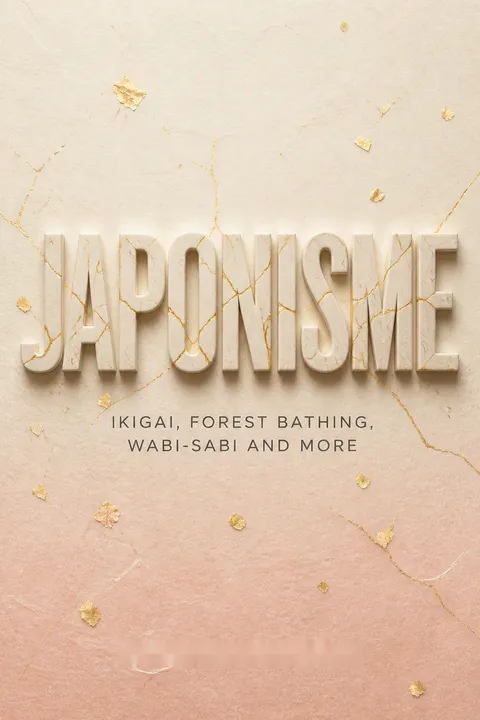


Key Takeaways
Treat purpose as the thread connecting several imperfect parts of life
Purpose can have many sources. Ikigai is a reason for living: the source of meaning and motivation that helps someone move through ordinary days and difficult ones. It need not be a grand calling or a job title. The author describes it as the thread linking different parts of life, including work, family, friendship, home, and personal interests. Its shape can change over time as those parts change.
Notice what sustains you. The author's grandfather kept working after retiring at seventy-three because his work kept him engaged and let him provide for his family. The author, meanwhile, found nourishment in documenting everyday life through photography and writing. Neither example suggests that purpose arrives fully formed. It emerges through reflection on what matters, and it grows stronger when life is not narrowed to work alone.
What's striking is the refusal to turn purpose into a single, permanent answer. That makes the idea more livable than advice that demands one perfect vocation: several modest commitments can support a meaningful life together. The image of a connecting thread also leaves room for change without making earlier choices seem wasted. There is a useful caution, though. Work can be deeply meaningful, but treating it as the main proof of purpose risks glorifying overwork. The book's emphasis on relationships, rest, and self-care helps keep purpose from becoming another productivity target.
Let time weather things instead of demanding they stay flawless
Imperfection records a life. Wabi-sabi is an aesthetic and outlook that finds value in imperfection, natural change, modesty, and the passage of time. Instead of preferring the polished and untouched, it makes room for the worn, unfinished, and seasonally changing. A lived-in home, laughter lines, and an old object marked by use can carry more character than their pristine replacements.
Look closely at what remains. The author recalls a new wallet stained when hand sanitiser leaked onto it at a music festival. The stain became a reminder of music, friends, and an exuberant night, rather than simply a defect. Wabi-sabi also means making use of what is already available, such as cooking from leftover ingredients instead of seeking something new. Its aim is not neglect, but appreciation of ordinary things as they change.
This perspective offers a useful counterweight to the pressure to present life as polished and permanently youthful. The stained wallet makes the principle concrete: a flaw can become a record of experience, not merely a reason to replace an object. The distinction between cared-for and neglected matters, however. Accepting natural wear is not the same as abandoning maintenance, and not every imperfection needs to be aestheticised. Wabi-sabi is most practical when it redirects attention from flawless appearance toward a thing's history, usefulness, and place in a lived life.
Repair what breaks, without pretending the damage never hurt
A repair can add meaning. Kintsugi is the Japanese craft of mending broken pottery with lacquer mixed with gold. Rather than hiding the fracture or discarding the vessel, the repair becomes visible and contributes to the object's appearance. The author extends this image to personal hardship: losses and disappointments become part of a person's history, just as a repaired crack becomes part of a cup's history.
Repair is also practical. The book urges readers to mend useful possessions, such as taking worn shoes to a cobbler, rather than replacing them automatically. It also warns against treating a supposed strength as guaranteed: a skill, relationship, or good health still needs attention. Shoganai, meaning that something cannot be helped, offers a way to acknowledge disappointment when events cannot be changed, then stop spending energy on what is beyond control.
Kintsugi joins emotional acceptance to a tangible practice of repair, making resilience less abstract. Its strongest implication is not that suffering is secretly good, but that damage need not erase all remaining value. That distinction matters. Some losses cannot be turned into a beautiful lesson, and some situations call for protection or change rather than acceptance. The book's practical examples help keep the metaphor grounded: repair what can be repaired, recognise what cannot, and avoid confusing an object's continued usefulness with a requirement to feel grateful for every hardship.
Walk through nature to notice more, not merely to get somewhere
Treat nature as nourishment. Shinrin-yoku, or forest bathing, means immersing oneself in a natural setting with attention to its sights, sounds, and smells. It is not a fitness challenge or a race toward a landmark. The author recommends leaving devices behind, wandering without a fixed route, pausing often, and making room for silence. City dwellers can adapt the practice through a brief walk in a park or time among plants.
The body responds, too. The book cites research associating forest bathing with lower cortisol, pulse rate, and blood pressure. It also describes a study in which inhaling phytoncides, compounds released by trees, was associated with increased activity in natural killer cells, which help the body fight infection. These findings support spending time outdoors, while the practice itself centres on slowing down enough to pay attention.
The practice is compelling because it changes the purpose of a walk. Instead of measuring distance or speed, it invites sensory attention and a temporary break from digital demands. That shift can make even a small urban green space feel usable, rather than treating wilderness as a luxury available only to some. The health claims deserve proportion: the cited findings do not establish that a walk in trees prevents illness or substitutes for medical care. The more reliable everyday lesson is simpler: nature can be a setting for movement, rest, and deliberate attention.
Give attention a physical form through small, deliberate rituals
Practice can steady the mind. The book presents ikebana, calligraphy, tea preparation, and bathing as ways to focus attention through the body. Ikebana, the art of arranging flowers, uses space, proportion, and asymmetry; a composition can combine blossoms with bare branches rather than filling every gap. Calligraphy requires purposeful brush movements because ink on paper cannot simply be erased. In both, the process matters as much as the finished work.
Ritual creates a pause. The author's aunt has practised sado, the formal preparation and presentation of matcha, for about twenty-three years. She uses it to step out of the pace of work and home life and notice the seasons. Even a home bath follows a distinct rhythm: wash before entering the tub, then soak to relax rather than to clean. These practices need not be mastered to offer a useful moment of focus.
What's valuable here is the link between attention and a sequence of physical actions. A brushstroke, a flower stem, or the steps of preparing tea gives the mind a task with clear boundaries, which can make reflection less vague. The practices also show that constraint can support creativity rather than suppress it. Yet the book is careful that mastery takes time and instruction; a quick imitation is not the same as a traditional art. Readers can borrow the attentional structure without claiming expertise or reducing a cultural practice to decoration.
Eat for satisfaction, not fullness by habit
Pause before the last bite. Hara hachi bu is an Okinawan expression advising people to stop eating when they feel around 80 per cent full. The book recommends slowing down and allowing a short pause to notice whether more food is wanted. Family-style meals, with several dishes and small bowls, can help diners choose portions themselves rather than being committed to one large serving.
Build pleasure into a balanced meal. The author describes a typical bento proportion as four parts carbohydrate, two parts vegetables, one part protein, and one part fruit. A lunchbox keeps different foods separate, preserving textures and flavours, and can make leftovers appealing rather than wasteful. The wider point is to value variety, quality, and the experience of eating. The book connects Japanese longevity partly to diet, but also notes that healthcare, lifestyle, and genetics contribute.
The strongest advice is not a rigid portion rule but a cue to pay attention to satiety before discomfort sets in. The bento example adds a practical visual template for including different food groups without turning a meal into a complicated calculation. Meals also have social and sensory dimensions, which the book's family-style table makes visible. Still, a single fullness target or meal ratio will not suit every body, appetite, or health need. The approach works best as an invitation to notice, not a universal prescription or a substitute for individual nutritional guidance.
Make your home flexible enough to support real life
Treat space as adaptable. The author describes Japanese homes as places where rooms can change purpose. Sliding partitions can open or divide a space, while futon bedding can be folded away to free a room for other uses. A genkan, the entryway where shoes are removed, marks a respectful boundary between outdoors and indoors. These design choices make daily routines visible and help keep dirt and clutter from spreading through the home.
Keep what serves the space. The book recommends reducing clutter, bringing in natural materials and plants, and finding more than one use for a room. One suggested wardrobe check turns hangers outward, then identifies clothes that remain unworn after six months. A home need not resemble a showroom: the aim is a clean, useful environment that can accommodate guests, changing needs, and ordinary mess without constant panic.
The home is presented not only as an aesthetic project but as an environment that shapes behaviour. A clear entryway supports a small transition ritual; flexible rooms reduce the need to dedicate scarce space to one function. This connects design choices to daily friction: the easier a place is to use and reset, the less energy ordinary tasks consume. Minimalism can become its own performance, however, especially when storage and tidiness are treated as moral virtues. The book's emphasis on lived-in spaces is a useful corrective: order should serve people, not make them serve the room.
Build change through small repetitions, feedback, and patient adjustment
Improve by iteration. Kaizen means continuous improvement, a method used in Japanese manufacturing to make small, ongoing changes to processes. The author adapts it to everyday life through teamwork, discipline, honest feedback, and realistic standards. The related term shukanka means forming a habit: repeated actions gradually become part of routine, rather than relying on a burst of motivation.
Start smaller than ambition demands. The author's cousin began a fitness effort with one push-up, then added another each day. The book also recommends lists and weekly planning to break tasks into manageable pieces. Its account of learning Japanese writing strokes shows why repetition matters: mastering a basic sequence makes more complex work possible. Progress is not a clean finish line. Obstacles are expected, and reflecting on mistakes can help adjust the next attempt instead of repeating the same response.
This model makes improvement less dependent on dramatic resolve. Small actions lower the cost of beginning, while feedback helps distinguish a failed strategy from a failed person. That is a useful combination: repetition without reflection can entrench ineffective habits, while reflection without action can become rumination. The one-push-up story illustrates a starting point, not a guarantee that every goal will grow linearly. Health, time, money, and support all shape what is sustainable. The durable principle is to make the next step feasible, then revise the method as real experience accumulates.
Make care concrete through reciprocal help and shared rituals
Meaning includes other people. The author argues that purpose is strengthened by relationships, not just personal achievement. Friendships need reciprocal effort and honest conversations; workmates can acknowledge one another's labour with otsukaresama, an expression that recognises how hard someone has worked. Sharing tea or a meal can also create a deliberate occasion for attention and hospitality.
Care can be organised. The book describes fureai kippu, a system in which people earn credits for an hour of community service and exchange them for help. Someone might assist an older neighbour with errands, then transfer credits so a distant relative can receive similar support. The system makes mutual care tangible without reducing it entirely to money. The author's grandfather also found meaning in maintaining a shrine and tending his garden, showing how service, place, and routine can reinforce one another.
This section makes care more than a feeling: it appears as time given, work noticed, and help that can circulate through a community. The service-credit example is especially useful because it offers a response to families separated by distance and to care needs that cannot always be met privately. Such systems still depend on trust, accessible coordination, and fair recognition of labour. The broader lesson is not that every relationship must be balanced hour for hour. It is that durable connection needs visible acts of attention, including the willingness to ask for help and to offer it.
Analysis
Japonisme is best read as a personal guide to attention, not a definitive account of Japanese society. Its structure moves from inner orientation, to bodily and domestic practices, to the repetition that lets practices become ordinary. The author's family stories give these ideas an emotional anchor: her grandfather's garden and working life, her aunt's long study of tea, and a small childhood memory attached to a freckle turn abstract concepts into scenes that readers can picture.
The book's most coherent argument is that well-being is not secured by perfect control. It grows through a balance of purpose, acceptance, sensory attention, relationships, and repeatable routines. This is why its examples range from repairing pottery to writing by hand, preparing food, bathing, and rearranging a room. The practices differ, but each asks a person to slow down, notice materials and surroundings, and choose a response rather than defaulting to speed or replacement. That logic resembles contemporary accounts of habit formation and embodied cognition, where environments and repeated actions shape attention and behaviour. Those connections illuminate the book's practical value, though they do not prove every health claim attached to a practice.
The cultural framing needs care. Japanese terms can open useful distinctions for English-speaking readers, but no single word captures a uniform national outlook, and the book's own account is shaped by one author's mixed heritage and family experience. Its claims about longevity and forest bathing should be treated as suggestive rather than as evidence that a philosophy alone produces health. There is also a risk that wabi-sabi becomes a fashionable visual style, detached from restraint, care, and impermanence. Read well, the book resists that flattening: it asks readers to adapt small practices thoughtfully, not imitate an idealised Japan. Its lasting contribution is a humane alternative to perfectionism, one built from ordinary actions that can be repeated without requiring a flawless life.
Review Summary
Japonisme receives mixed reviews, with an average rating of 3.75/5. Many praise its aesthetics, beautiful illustrations, and exploration of Japanese culture and philosophies. Readers appreciate the author's personal anecdotes and insights into concepts like ikigai, wabi-sabi, and shinrin-yoku. However, some criticize the book for lacking depth, being superficial, and not providing enough practical guidance. While some find it a delightful introduction to Japanese lifestyle, others feel it doesn't offer much new information for those already familiar with the culture.
People Also Read







Glossary
Ikigai
Reason for livingIkigai is a source of meaning and motivation that makes life feel worthwhile. It may come from work, family, friendship, personal interests, or several of these together. In this book, it is not a fixed career choice or a finished discovery. It can shift over time, while helping a person identify what sustains them.
Kokoro
Heart, mind, and soulKokoro refers to the inner life where emotion, desire, thought, and conscience are connected. The book uses it to describe more than the physical heart or a romantic symbol. Caring for kokoro means attending to mental and emotional well-being as part of a balanced life.
Wabi-sabi
Beauty in changeWabi-sabi is an outlook and aesthetic that values imperfection, modesty, natural ageing, and impermanence. It finds character in the worn, unfinished, asymmetrical, or weathered, rather than demanding pristine perfection. The book applies it to objects, homes, appearance, and the changing seasons, encouraging appreciation of what already exists.
Kintsugi
Repair with visible goldKintsugi is a craft for repairing broken pottery with lacquer and gold, leaving the repair visible rather than disguising it. The book also uses the practice as a metaphor for treating hardship and personal flaws as part of a person's history. It connects emotional acceptance with the practical choice to mend useful objects instead of replacing them automatically.
Shoganai
Accept what cannot changeShoganai means that something cannot be helped. In the book, it describes acknowledging disappointment when an outcome is beyond one's control, then recognising that further effort cannot change it. It is not presented as a reason to deny hurt or accept every difficulty passively, but as a way to stop struggling against the unchangeable.
Shinrin-yoku
Attentive forest immersionShinrin-yoku, commonly translated as forest bathing, is the practice of spending unhurried time immersed in a natural setting. It emphasizes noticing sights, sounds, and smells rather than exercising toward a destination. The book suggests leaving distracting devices behind, wandering without a fixed route, and using nearby urban green spaces when forests are inaccessible.
Kaizen
Continuous improvementKaizen is a method of making ongoing, incremental improvements to a process. The book describes its use in Japanese manufacturing, including efforts to improve efficiency and reduce waste, then adapts its principles to personal life. Relevant practices include reflection, teamwork, discipline, feedback, and making changes small enough to sustain.
Shukanka
Forming a habitShukanka means the process of developing a habit through repetition. The book presents it as the practical counterpart to long-term change: actions that initially require effort can become part of a routine. It recommends starting with manageable steps, planning, and continuing to adjust rather than expecting motivation or perfection to carry the entire effort.
Fureai kippu
Exchangeable care creditsFureai kippu is a community service-credit system in which an hour of help can be earned, recorded, and exchanged for assistance. The book describes tasks such as errands or gardening for older people, with credits sometimes transferred to relatives who live elsewhere. It turns mutual aid into a practical form of social currency.
Sado
The way of teaSado, also called chado, is the traditional practice of preparing and presenting powdered green tea. It involves carefully ordered movements, utensils, seasonal choices, and roles for host and guests. The book describes its guiding principles as harmony, respect, purity, and tranquillity, and presents the practice as a disciplined way to focus attention.
FAQ
What's "Japonisme: Ikigai, Forest Bathing, Wabi-sabi and more" about?
- Cultural Exploration: The book explores various Japanese philosophies and practices, such as Ikigai, Wabi-sabi, and Shinrin-yoku, and how they can be applied to enhance everyday life.
- Personal Connection: Author Erin Niimi Longhurst shares her personal experiences and connections to Japanese culture, drawing from her upbringing and family traditions.
- Practical Advice: It offers practical tips, suggestions, and recipes inspired by Japanese culture to help readers incorporate these philosophies into their daily routines.
- Cultural Insights: The book delves into the historical and cultural significance of these practices, providing a deeper understanding of Japan's unique cultural identity.
Why should I read "Japonisme: Ikigai, Forest Bathing, Wabi-sabi and more"?
- Mindfulness and Balance: The book provides insights into achieving mindfulness and balance in life through Japanese cultural practices.
- Cultural Appreciation: It offers a rich exploration of Japanese culture, making it ideal for those interested in learning about different cultural perspectives.
- Practical Application: Readers can find practical ways to incorporate Japanese philosophies into their lives, enhancing their well-being and happiness.
- Personal Growth: The book encourages self-reflection and personal growth by introducing concepts that promote a fulfilling and content life.
What are the key takeaways of "Japonisme: Ikigai, Forest Bathing, Wabi-sabi and more"?
- Ikigai: Finding one's purpose or reason for being is central to living a fulfilling life.
- Wabi-sabi: Embracing imperfection and transience can lead to a more content and peaceful existence.
- Shinrin-yoku: Engaging with nature through forest bathing can improve mental and physical health.
- Cultural Practices: Incorporating Japanese cultural practices into daily life can enhance mindfulness and personal well-being.
How does Erin Niimi Longhurst define Ikigai in the book?
- Purpose and Meaning: Ikigai is described as the thing that gives life its meaning or raison d'être.
- Balance and Fulfillment: It involves finding a balance between work, family, and personal interests to achieve contentment.
- Personal Journey: Discovering one's Ikigai is a gradual process that evolves over time and requires self-reflection.
- Cultural Context: The concept is deeply rooted in Japanese culture and contributes to the country's high life expectancy and overall well-being.
What is Wabi-sabi according to "Japonisme: Ikigai, Forest Bathing, Wabi-sabi and more"?
- Beauty in Imperfection: Wabi-sabi is the appreciation of the beauty found in imperfection and impermanence.
- Natural Aesthetics: It values asymmetry, simplicity, and the natural aging process of objects and life.
- Mindful Living: Embracing Wabi-sabi encourages mindfulness and acceptance of life's transient nature.
- Cultural Significance: The concept is integral to Japanese aesthetics and philosophy, influencing art, design, and daily life.
How does the book explain Shinrin-yoku or Forest Bathing?
- Nature Immersion: Shinrin-yoku involves immersing oneself in nature to promote healing and well-being.
- Scientific Backing: The practice is supported by studies showing its benefits in reducing stress and boosting the immune system.
- Mindful Walking: It encourages walking without a set path, focusing on the sensory experience of the natural environment.
- Urban Adaptation: The book suggests ways to incorporate Shinrin-yoku into urban life, such as visiting parks or bringing nature indoors.
What practical tips does the book offer for incorporating Japanese philosophies into daily life?
- Mindfulness Practices: Engage in activities like tea ceremonies, flower arranging, or calligraphy to cultivate mindfulness.
- Nature Connection: Spend time in nature or create a Japanese-inspired garden to experience the benefits of Shinrin-yoku.
- Embrace Imperfection: Apply the principles of Wabi-sabi by appreciating the beauty in everyday imperfections.
- Purposeful Living: Reflect on personal values and passions to discover and nurture your Ikigai.
What are some of the best quotes from "Japonisme: Ikigai, Forest Bathing, Wabi-sabi and more" and what do they mean?
- "Finding your ikigai is at the centre of who you are as a person." This emphasizes the importance of discovering one's purpose for a fulfilling life.
- "Wabi-sabi brings you back to the essence of what it means to be human." It highlights the value of accepting imperfection and transience in life.
- "Shinrin-yoku isn’t about getting from A to B, but savouring the moments and the stillness along the way." This quote encourages mindfulness and presence in nature.
- "Take small, iterative steps." It advises gradual and consistent efforts in personal growth and habit formation.
How does Erin Niimi Longhurst incorporate her personal experiences into the book?
- Cultural Heritage: She shares her experiences growing up with a Japanese mother and English father, providing a unique perspective on cultural integration.
- Family Influence: The book includes anecdotes about her family members and their practices, such as her grandfather's mindfulness and her aunt's tea ceremonies.
- Personal Growth: Longhurst reflects on how Japanese philosophies have shaped her life and contributed to her personal development.
- Authentic Insights: Her personal stories add authenticity and depth to the exploration of Japanese cultural practices.
What is the significance of Kintsugi in the book?
- Art of Repair: Kintsugi is the art of repairing broken pottery with gold, symbolizing beauty in imperfection.
- Metaphor for Life: It serves as a metaphor for embracing personal flaws and challenges, turning them into strengths.
- Mindful Consumption: The practice encourages mindful consumption and valuing objects for their history and character.
- Cultural Philosophy: Kintsugi reflects the broader Japanese philosophy of finding beauty in the imperfect and transient.
How does "Japonisme: Ikigai, Forest Bathing, Wabi-sabi and more" address the concept of Shukanka?
- Habit Formation: Shukanka refers to the process of forming habits that integrate Japanese philosophies into daily life.
- Incremental Change: The book emphasizes making small, consistent changes to achieve long-term transformation.
- Cultural Practices: It suggests incorporating practices like tea ceremonies and calligraphy to develop mindfulness habits.
- Continuous Improvement: Shukanka aligns with the concept of Kaizen, focusing on ongoing self-improvement and adaptation.
What role does mindfulness play in "Japonisme: Ikigai, Forest Bathing, Wabi-sabi and more"?
- Core Theme: Mindfulness is a central theme, woven throughout the exploration of Japanese cultural practices.
- Daily Practices: The book offers practical ways to cultivate mindfulness, such as through nature walks and tea ceremonies.
- Personal Well-being: Mindfulness is presented as a tool for enhancing personal well-being and achieving balance.
- Cultural Connection: It connects readers to Japanese philosophies that emphasize living in the present and appreciating life's simple moments.
Download PDF
Download EPUB
.epub digital book format is ideal for reading ebooks on phones, tablets, and e-readers.








