

Key Takeaways
Choose the hero with the most to change, not the most screen time.
Build around a transformation. A story-worthy hero is a character whose problems, goal, and capacity for change can sustain a novel. The most obvious protagonist may not be the strongest choice. In a workshop example, a writer first centered a widow whose husband had been killed by mistake, then realized the hit man had the more compelling journey because he had more to change. Either character could anchor a story, but they would produce different stories and reader experiences.
Match plot to person. Ask which character has the furthest distance to travel, the most to gain, and the greatest resistance to change. In a multi-viewpoint novel, other characters can have full arcs, while one remains the main guide to the story’s central transformation.
The choice of viewpoint is also a choice about what the reader is invited to notice. A hit man and a bereaved spouse can inhabit the same events while making different questions feel central: guilt, grief, or responsibility. This is a useful way to test a premise before drafting. The strongest choice is not automatically the character with the largest moral burden, however. A smaller, quieter change can be more credible and moving than a dramatic redemption arc if the story gives it sufficient pressure and consequence.
Give your hero a concrete want and a deeper, inconvenient need.
Separate surface from soul. The want is the tangible goal the hero believes will improve life, such as finding a job, winning a contest, or solving a crime. The need is the internal lesson that addresses the deeper problem. In Ready Player One, Wade pursues a hidden prize in a virtual world, while his deeper challenge is learning to build real connections. These strands are the A Story, the visible external action, and the B Story, the internal journey often reflected through relationships.
Find the buried cause. Brody calls a lasting psychological wound the shard of glass: the hidden injury that contributes to a hero’s flawed behavior. It need not be explained immediately, but the writer should know why the flaw exists and how it affects several parts of the hero’s life. The external goal moves events; the internal need gives them meaning.
The split between what someone pursues and what might actually help them gives plot a productive tension. Readers can track a concrete objective while sensing that achievement alone will not settle the deeper conflict. The wound metaphor is vivid because it links past experience to present behavior without reducing a character to a diagnosis. Still, the internal lesson should emerge through choices and relationships, not arrive as a moral pasted onto the ending. A character’s need is most convincing when the story makes the cost of avoiding it visible.
Use structure to make a character's change visible, not dictate every scene.
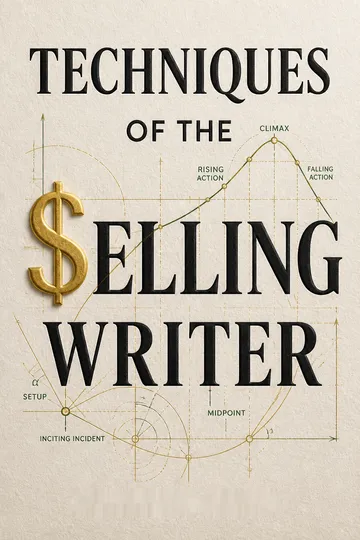
Give the journey landmarks. The Save the Cat! Beat Sheet is a fifteen-point planning map arranged across three acts. It moves from a snapshot of the hero’s original life, through a disruptive event and a new world, toward a crisis, a changed decision, and a final image that reveals what is different. The suggested locations are approximate: the disruption arrives near 10 percent, the midpoint near 50 percent, the lowest point near 75 percent, and the final act begins around 80 percent.
Treat percentages as guides. Brody’s central test is whether the ending visibly contrasts with the beginning. A map can help a writer see pacing and transformation, but it is not a demand that every novel place every event at an exact percentage. The author notes that beats can shift order or overlap, and that a working map should change when the story changes.
A structural map is especially useful because writers experience a novel locally, one scene at a time, while readers encounter its larger rhythm. Landmarks make it easier to notice when a story has stalled or when a major turn lacks preparation. The danger is mistaking a diagnostic tool for a law of nature. Exact percentages may give beginners a helpful starting point, but voice, genre, and narrative form can justify different pacing. The best structure clarifies cause and consequence without making the reader feel the outline beneath the prose.
Make Act Two the upside-down world your hero wrongly thinks will fix everything.
Change the hero’s conditions. The middle of the novel should feel meaningfully different from the status quo established at the start. A hero may enter a new place, relationship, job, or way of living. Harry leaves an unhappy home for Hogwarts; Louisa Clark takes a job caring for Will in Me Before You. The new situation supplies the story’s distinctive pleasures and challenges, the experience readers came for.
Let the first solution be incomplete. Heroes usually enter this new world chasing what they want, not understanding what they need. Wade’s hunt for a virtual prize gives him purpose, but does not resolve his isolation. This is not wasted action: the external pursuit gives the character room to try, fail, and encounter the limits of the quick fix. The new world should test the old flaw rather than simply provide fresh scenery.
The contrast between familiar life and the new arena gives the middle of a story its energy. It also lets a writer make character visible through adaptation: what works at home may fail in the new setting, exposing assumptions that exposition alone could not. The idea of solving things the wrong way is strongest when the attempted solution has genuine benefits. If it is obviously foolish from the beginning, the hero looks obtuse rather than human, and the reader has little reason to invest in the experiment.
Make the midpoint turn apparent progress into a sharper, costlier problem.
Interrupt the easy rhythm. Brody’s midpoint is not merely a scene at the exact center. It is a turn that raises the stakes and connects the external plot with the hero’s internal journey. A hero doing well may experience a false victory; one who is struggling may meet a false defeat. Either way, the apparent result is incomplete because the deeper need remains unmet.
Force a new direction. In The Martian, Mark Watney’s potatoes and contact with Earth seem to make survival manageable, until an airlock failure destroys his crops and accelerates the danger. In The Hunger Games, Peeta’s intervention changes Katniss’s immediate prospects while complicating her struggle against the Capitol. Such turns make the old plan harder to continue and bring the story’s separate threads into contact.
The midpoint earns its value by changing what earlier events mean. A win can expose its limits; a defeat can create a new route forward. This reversal helps prevent a long middle from feeling like a string of unrelated incidents. The useful question is not whether the event is spectacular, but whether it changes the character’s options and pressures the deeper conflict. A twist that adds danger without altering decisions is only noise. The strongest midpoint makes the reader reconsider the story’s apparent direction.
Choose a story archetype by its transformation, not its bookstore shelf.
Classify the story underneath. Brody’s ten story types are based less on whether a book is fantasy, romance, or thriller than on the journey at its center. They include a mystery organized around motive, a life transition, a group that tests belonging, an exceptional outsider, an ordinary person in extreme danger, an overlooked underdog, a relationship that changes someone, magic that reveals a lesson, a quest that transforms its travelers, and a monster whose presence reflects human wrongdoing.
Use patterns, then personalize. The book treats these types as recipes, not claims of originality. The Help and 1984 are both presented as stories about people confronting institutions, despite their very different settings. A story can also combine types or change its dominant pattern during drafting. The point is to identify the main ingredients that help a particular kind of story satisfy its readers.
This taxonomy redirects attention from marketing labels to narrative function. Two books shelved far apart can share a central pressure, while two books in the same genre can promise very different emotional experiences. That makes the categories useful for studying comparable stories and diagnosing missing ingredients. Their value lies in comparison, not rigid sorting. A complex novel may resist one clean label, and forcing it into a single box can obscure its originality. The practical question is which pattern best explains the character’s central choice and change.
Make the finale prove change through action, not a sudden speech.
Turn insight into conduct. A hero’s realization matters only if it changes what they do under pressure. Brody breaks the final stretch into preparation, an attempt to carry out the plan, an unexpected obstacle, a moment of renewed choice, and a final effort. In The Hunger Games, Katniss’s decisive refusal to accept the rules as given demonstrates a change that a declaration alone could not establish.
Earn the final image. The ending should resolve the main external problem while showing the internal difference. Brody recommends setting the last scene against the opening snapshot: Mark Watney begins stranded on Mars and ends reunited with his crew; Louisa begins confined to a small life and ends living independently. A resolution that arrives without resistance may solve the plot, but it does not make the transformation feel earned.
A climax is a stress test for a character’s new understanding. Under pressure, old habits are tempting, so a changed choice carries more evidence than a reflective speech. The opening and closing images make that evidence easy to perceive, almost like a before-and-after comparison. Not every ending needs to be triumphant or neatly closed, though. Brody allows for failure when it carries meaning. The key is that the ending should clarify what the journey has changed, even if it cannot repair every external loss.
Plan the five pivots, then discover the scenes between them.
Start with direction. Instead of inventing fifteen beats in order, Brody recommends beginning with five major turns: the event that breaks the status quo, the choice to enter the new world, the midpoint shift, the lowest point, and the decision that launches the final act. First define the hero’s problem, want, and need; then ask what new world would challenge them and what would finally force a deeper change.
Make the plan movable. A Save the Cat! board uses scene cards arranged across the acts, making sequence and pacing visible. For several narrators, create separate maps for each major arc, then weave them together. The Help, for instance, gives Aibileen, Minny, and Skeeter distinct journeys that converge around a shared project. The board is a way to rearrange material, not a promise to preserve every early idea.
Working from major turns reduces the blank-page problem without requiring a complete blueprint. It also separates two different creative tasks: deciding what must change, then finding the scenes that make the change plausible. Card-based planning adds a useful physical or visual dimension, especially when several arcs intersect. The method works best when the writer leaves room for discovery. Overplanning every scene can make a draft feel like an execution of decisions made before the characters were fully understood.
Give an abrasive hero one early reason readers should stay.
Offer a foothold for empathy. The book’s Save the Cat! tip addresses heroes who begin difficult, selfish, or simply unpleasant. A small act of care, a redeeming interest, or an understandable pressure can show readers that the character is more than their worst trait. Katniss is guarded, but her willingness to protect her sister gives readers a reason to root for her.
Make flaws legible. A sympathetic rival, a cruel situation, or a revealing glimpse of the hero’s past can help readers understand how the character became this way. Understanding is not the same as excusing harmful behavior. It gives the reader context and makes change possible to imagine. The early pages should create curiosity about the character’s potential, not require the reader to admire them already.
Readers do not need a flawless protagonist; they need a reason to remain curious. A small sign of care can function as a promise that the character’s behavior has complexity beneath it. Context is powerful, but it can become an excuse if the story treats suffering as automatic absolution. The more compelling approach is to make the origins of a flaw understandable while preserving the consequences of choices made from it. Sympathy opens the door; accountability keeps the character arc honest.
Treat drafts as maps in progress, not contracts with the first idea.
Write before you feel ready. Brody argues that fear of producing bad work is often mistaken for writer’s block. A rough beat sheet or scene gives revision something to work with; an empty page does not. The first version is a discovery process, not proof that the writer has failed to plan well.
Revise the map too. The book distinguishes a Before Beat Sheet, a preliminary plan, from an After Beat Sheet, an analysis of a finished, revised novel. They are not expected to match. Beats can move when a character or premise becomes clearer, and a writer can re-map a draft after discovering that the middle or ending is not working. Structure should support the creative process, not become another standard for self-punishment.
This advice reframes revision as a normal part of making a story rather than evidence that the original plan was defective. The distinction between a provisional outline and an analysis of a finished book is especially important: polished novels can make their structure look inevitable, hiding the uncertainty of their creation. Flexibility is not the absence of craft. It is a way to keep craft responsive to new information. The caution is that endless revision can also become avoidance, so each new map should help the writer make the next concrete decision.
Analysis
Brody’s most useful contribution is not the claim that every successful novel obeys one hidden code. It is the practical link she builds between external events and internal change. A character’s goal gives the reader something observable to follow; the unmet need gives those events a deeper consequence. Her beat map then helps writers test whether turning points alter the hero’s choices, rather than merely adding incidents. This is a strong diagnostic model for plotters, revisers, and writers whose middle sections have lost direction.
The method also treats genre as a promise. Readers choose a mystery, quest, or relationship story partly because they expect a recognizable kind of experience. Brody’s categories help writers study those expectations while looking for a fresh variation. That is a useful bridge between artistic decisions and practical pitching. Her logline and synopsis advice follows naturally: if a writer cannot describe the hero, the disruption, and the stakes, the story’s center may still be unclear.
The framework’s limits matter. The book’s assertion that nearly all great stories share these beats is broader than its evidence can establish. Its examples are selected from popular, recognizable novels, which makes the model persuasive but does not prove universality. Some works privilege voice, atmosphere, social observation, or episodic accumulation over a sharply staged transformation. The insistence on a clear lesson can also flatten ambiguity if writers mistake thematic movement for a moral lesson delivered to the reader.
Used as a set of questions rather than a compliance test, the method is most powerful. Does the protagonist’s choice create consequence? Does the middle alter the terms of the conflict? Does the ending reveal a changed person? If the answer is no, the beats expose a problem. If the answer is yes but the novel’s form resists the template, the form should take precedence. The map is valuable because it makes structure discussable, not because it can replace judgment.
Review Summary
Save the Cat! Writes a Novel receives mostly positive reviews, praised for its straightforward approach to story structure and plotting. Many find it helpful for both plotters and pantsers, offering valuable insights into character development and genre conventions. Critics argue it may be too formulaic, potentially stifling creativity. The book's beat sheet and genre breakdowns are particularly appreciated. While some readers consider it essential for aspiring novelists, others caution against relying solely on its methods, emphasizing the importance of developing one's own writing style.
People Also Read


Glossary
story-worthy hero
change-centered protagonistThe main character whose problems, active goal, and inner need create a compelling reason for a novel to follow them. Brody advises choosing the character with the most significant transformation, rather than assuming the most visible character is automatically the true protagonist. In a multi-character story, this hero is the reader’s primary guide to the central arc.
shard of glass
underlying psychological woundBrody’s metaphor for a long-standing emotional injury that contributes to a hero’s behavior and flaws. The writer considers how the wound originated and how it affects different parts of the character’s life. It helps connect a present-day problem to an internal cause, though the novel need not explain that cause all at once.
A Story
external plotThe visible, action-oriented line of a novel: the quest, mystery, contest, job, escape, or other goal the hero pursues. It supplies the premise and gives readers concrete events to follow. The hero may believe this external achievement will solve their problems, even when the deeper transformation depends on something more internal.
B Story
internal transformationThe inward-facing line of a novel, concerned with the life lesson or change the hero needs. It is often represented through a relationship with a friend, mentor, love interest, family member, or even an enemy. The B Story may appear secondary to the action, but it helps reveal what the novel is ultimately about.
stasis = death
urgency to changeA moment or accumulating impression in the opening portion of a story that shows the hero’s current life cannot continue unchanged. It need not mean literal death. It establishes why remaining in the status quo is dangerous, painful, or unsustainable, helping readers understand why disruption is necessary.
Save the Cat! Beat Sheet
fifteen-point story mapA planning framework that places a novel’s major events across three acts, tracing a protagonist from an imperfect starting state through disruption, struggle, crisis, and resolution. Brody presents its beat positions as approximate guides rather than immovable rules. The framework is intended to clarify pacing and character transformation, whether used before drafting or during revision.
Five Foundation Beats
five major plot pivotsA subset of the beat sheet that Brody recommends developing before filling in the rest of the plot. These major turns establish the disruption, the hero’s commitment to a new direction, the central shift, the lowest point, and the decision that begins the final act. Starting with them can make the larger structure easier to design.
Save the Cat! story genres
ten transformation-based archetypesBrody’s set of ten story categories, organized around the kind of conflict or transformation at a novel’s center rather than conventional shelf labels such as fantasy or thriller. Examples include the investigation of a dark secret, a group that tests belonging, a quest that changes its travelers, and a monster story tied to human wrongdoing. A novel may fit more than one.
Five-Point Finale
five-stage climax planA way to organize the novel’s final major sequence. The hero prepares, carries out a plan, encounters an unexpected obstacle, must draw on a deeper resource, and makes a final attempt. The sequence is intended to ensure that the climax tests the hero’s change rather than allowing the story to resolve immediately after the hero forms a plan.
Save the Cat! board
movable scene mapA physical or digital board where a writer places scene cards across sections of the novel. Each card captures a scene or piece of story information, allowing the writer to see pacing, identify empty stretches, and rearrange events. Its central advantage is flexibility: scenes can move without forcing the writer to preserve an outdated outline.
Before Beat Sheet
pre-draft story planA preliminary outline of a novel’s major turns, created before or during drafting. It may be brief, incomplete, and full of unresolved questions. Brody presents it as a working guide, not a prediction of the finished book. Its purpose is to give the writer direction while leaving room for discovery.
After Beat Sheet
finished-story analysisA map of the major turns as they appear in a completed and revised novel. Unlike a preliminary plan, it describes the structure that emerged through drafting, revision, and editing. Comparing it with the Before Beat Sheet can show how characters, events, and turning points changed as the story became clearer.
FAQ
What is Save the Cat! Writes a Novel by Jessica Brody about?
- Adaptation of screenwriting method: The book adapts Blake Snyder’s Save the Cat! screenwriting method specifically for novelists, providing a clear, step-by-step blueprint for crafting compelling stories.
- Fifteen-beat structure: It introduces a fifteen-beat template that breaks down a novel into key plot points, guiding writers through the hero’s transformative journey.
- Genre and transformation focus: The book categorizes stories into ten unique genres based on character transformation and theme, helping writers understand essential story ingredients.
- Practical tools and examples: It offers exercises, checklists, and real novel examples to help writers apply the method, regardless of their writing style.
Why should I read Save the Cat! Writes a Novel by Jessica Brody?
- Structured storytelling framework: The book provides a proven, easy-to-follow structure that helps writers overcome common issues with pacing and plot.
- Compete with modern media: It addresses the challenge of engaging readers in a world dominated by fast-paced, visual entertainment.
- Author’s proven success: Jessica Brody has successfully used this method in her own bestselling novels, demonstrating its effectiveness.
- Flexible for all writers: The approach supports both plotters and pantsers, enhancing any writing process without being overly rigid.
What are the key takeaways from Save the Cat! Writes a Novel by Jessica Brody?
- Three pillars of story: The book emphasizes the importance of plot, structure, and character transformation—the “Holy Trinity of Story.”
- Universal storytelling code: It reveals a pattern found in both classic and contemporary novels that resonates with readers.
- Genre as transformation: Stories are categorized by the type of character change and theme, not just by setting or tone.
- Practical application: Writers receive actionable tools, beat sheets, and genre breakdowns to apply the method to their own work.
What is the Save the Cat! Beat Sheet and how does it help novelists?
- Fifteen essential beats: The Beat Sheet divides a novel into three acts and fifteen plot points, mapping the hero’s journey and transformation.
- Focus on timing and structure: It emphasizes not just what happens, but when and how, ensuring strong pacing and engagement.
- Transformation at the core: Each beat is designed to push the hero toward meaningful change, balancing external events with internal growth.
- Adaptable for all stages: Writers can use the Beat Sheet for planning, drafting, or revising, tailoring it to their process.
What are the fifteen beats in the Save the Cat! novel structure?
- Opening Image to Final Image: The structure starts with the Opening Image and ends with the Final Image, showing the hero’s transformation.
- Key turning points: Beats include Theme Stated, Catalyst, Debate, Break Into 2, Midpoint, All Is Lost, and more, each serving a specific narrative purpose.
- Act division: The beats are grouped into three acts—Setup, Upside-Down World, and Synthesis—mirroring the classic three-act structure.
- Guides pacing and stakes: Each beat ensures the story remains focused, engaging, and emotionally resonant.
What are the ten story genres in Save the Cat! Writes a Novel and why are they important?
- Genres by transformation: The ten genres include Superhero, Dude with a Problem, Fool Triumphant, Buddy Love, Out of the Bottle, Golden Fleece, Monster in the House, Institutionalized, Whydunit, and Rites of Passage.
- Blueprints for success: Each genre has specific conventions and “ingredients” that help writers meet reader expectations while keeping stories fresh.
- Not just setting or tone: Genres are defined by the type of character transformation and central theme, not just by plot or world.
- Helps with plotting and pitching: Knowing your story’s genre aids in solving plot problems and effectively pitching your book.
How does Save the Cat! Writes a Novel by Jessica Brody help writers create a story-worthy hero?
- Flawed and relatable: The hero must have a significant flaw or problem that affects multiple areas of their life, making them believable.
- Clear want and goal: The hero should actively pursue a tangible goal, driving the external plot forward.
- Deep need or lesson: Beyond their want, the hero must have an internal need—a life lesson they must learn for true transformation.
- Hero-plot alignment: The hero’s flaws and journey should be tightly connected to the story’s plot for a compelling narrative.
What is the significance of the “Save the Cat!” moment in Jessica Brody’s method?
- Early likability: This moment is an early scene where the hero does something kind or relatable, making readers root for them.
- Builds emotional connection: It establishes empathy and investment in the hero’s journey, even if the hero is initially unlikable.
- Strategic placement: Typically occurs in the first 10% of the novel, within the Setup or Theme Stated beats.
- Novel-specific advice: The book offers tips on crafting these moments to enhance character appeal.
How does Jessica Brody’s method address the fear of formulaic writing in Save the Cat! Writes a Novel?
- Not a rigid formula: The method is presented as a storytelling code or pattern, not a strict formula that limits creativity.
- Proven across literature: The pattern is found in classics and bestsellers, showing its universality and effectiveness.
- Encourages originality: Writers are urged to add their unique voice and twists while following the beats.
- Meets reader expectations: The structure aligns with innate human storytelling preferences, making stories more engaging.
What practical tools and examples does Jessica Brody provide in Save the Cat! Writes a Novel?
- Exercises and checklists: Each chapter ends with actionable exercises and self-check questions for writers.
- Beat sheets for popular novels: The book includes detailed beat sheets for ten well-known novels, illustrating the method in action.
- Genre breakdowns: Each genre chapter explains essential elements and conventions to help writers develop their stories.
- Problem-solving advice: The final chapter addresses common challenges and offers solutions for implementing the method.
How does Save the Cat! Writes a Novel guide writers through the three-act structure?
- Act 1 (Setup): Introduces the hero’s flawed world, establishes the theme, and delivers the Catalyst that disrupts their life.
- Act 2 (Upside-Down World): The hero navigates new challenges, meets key characters, and faces rising stakes, culminating in the Midpoint and Bad Guys Close In.
- Act 3 (Synthesis): The hero hits rock bottom, reflects, has an epiphany, and enacts a final plan, leading to transformation in the Final Image.
- Detailed beat guidance: Each act is broken into specific beats with clear narrative purposes for effective pacing and structure.
What advice does Jessica Brody give for writers stuck or overwhelmed by the Save the Cat! method?
- Start with five foundation beats: Focus on Catalyst, Break Into 2, Midpoint, Break Into 3, and All Is Lost to establish the story’s main turning points.
- Clarify hero’s core traits: Develop the hero’s problem, want, and need to guide the story’s transformative journey.
- Visualize with corkboards: Use physical or virtual boards to arrange story beats and see the big picture, aiding plotting and revision.
- Embrace flexibility: Accept that beats and structure will evolve during writing and revision; discovery is part of the process.
Download PDF
Download EPUB
.epub digital book format is ideal for reading ebooks on phones, tablets, and e-readers.








