

Key Takeaways
Put the brain, not the genitals, at the center of sexual health
The control room matters. Desire is not simply a genital response. The brain interprets attraction, regulates attention and inhibition, reads a partner’s signals, and shapes intimacy, conflict, and memory. The book’s central claim is that sexual life reflects the health of the organ coordinating all these functions. A case report of a woman who experienced orgasm-like sensations during toothbrushing after a seizure illustrates how neurological activity can affect sexual feeling.
A useful, not total, explanation. Amen argues that brain health can influence desire, judgment, and closeness. That perspective widens the conversation beyond technique or anatomy. It does not mean every sexual difficulty signals brain dysfunction, or that intimacy can be reduced to blood flow and brain chemistry.
The brain-centered lens usefully joins sexual response to attention, emotion, learning, and social interpretation. It also counters the common mistake of treating desire as a switch located only in the genitals. But an unusual seizure case demonstrates what the brain can do, not how ordinary sexual experience usually works. The strongest use of this idea is as an invitation to consider psychological and medical factors alongside relationship context, rather than as a single explanation for every mismatch or disappointment.
Treat sexual frequency as a health clue, never a marital obligation
A striking association. Amen opens with Jesse, a lively hundred-year-old who asked his doctor when he could resume sex with his wife after surgery. The book presents his affection as one part of a life that included other supports for health and longevity. It also cites a Welsh study that followed nearly a thousand men: those reporting sex less than monthly had about twice the death rate of men reporting sex twice a week or more.
Correlation is not a prescription. The researchers adjusted for several health and social factors, but the study could not prove that sex itself caused longer life. Healthier people may be more able to have sex. A separate study of 252 people linked women’s reported enjoyment of intercourse, rather than frequency, with longevity. Sex must remain consensual, wanted, and appropriate to each person’s circumstances.
The value of these findings is their reminder that intimacy can travel with companionship, pleasure, and well-being. Their limit is equally important: observational studies cannot cleanly separate the effects of sex from general health, relationship quality, or social support. Turning a population-level association into pressure on a partner would invert the book’s best insight. Pleasure and affection may matter, but neither frequency nor a particular sexual practice should become a duty imposed in the name of health.
Use brain systems as prompts for inquiry, not labels for people
A practical map. Amen groups behavior around five systems: the prefrontal cortex, linked to planning and impulse control; the anterior cingulate gyrus, associated with shifting attention and flexibility; the deep limbic system, associated with mood and bonding; the basal ganglia, linked in his model to anxiety and pleasure; and the temporal lobes, involved in memory, language, and social cues. He uses SPECT, or single photon emission computed tomography, to estimate blood-flow patterns as an indicator of brain activity.
Patterns need context. The map helps explain why distraction, anxiety, low mood, or rigid thinking can affect a relationship. The book describes using scans to reconsider difficult cases, including a couple whose conflict improved after treatment for the wife’s repetitive negative thinking and the husband’s attention difficulties. A scan alone, however, cannot diagnose a person or explain a relationship.
The model’s strength is practical: it gives people vocabulary for behavior that might otherwise be dismissed as laziness, malice, or lack of love. Its risk is false precision. Brain regions work in networks, and the same behavior can arise from different combinations of biology, learning, stress, and circumstance. The book’s own appendix cautions that imaging cannot provide a diagnosis by itself. The map is most helpful as a way to ask better questions, not as a verdict about someone’s character.
Expect infatuation to cool before deciding love has disappeared
Intensity has a biology. The book describes attraction as involving sex hormones and blood-flow processes, while new infatuation engages reward and motivation chemicals such as dopamine. That intense focus can bring excitement, obsessive thoughts, and unusually impulsive decisions. Amen suggests that the early high often eases over roughly six months to two years, as the relationship either develops into steadier attachment or ends.
Attachment is different from intoxication. The book links touch and sex with oxytocin, a hormone associated with bonding, and describes vasopressin as another possible contributor to attachment. Breakups can hurt physically as well as emotionally because familiar cues, memories, and routines keep bringing the absent partner to mind. These chemical accounts offer a memorable way to understand change, but they do not provide a timetable for any particular couple.
Distinguishing early excitement from durable care can prevent people from mistaking calm for failure. Relationship researchers also emphasize that attachment is built through repeated interaction, responsiveness, and shared experience, not chemistry alone. The book’s chemical shorthand makes the transition easy to remember, but real hormones do not sort neatly into separate stages of love. People vary, and commitment is shaped by choice, circumstances, and compatibility as well as biology.
Let early chemistry sparkle, but make trust earn your commitment
New love narrows attention. Amen calls the tendency to overlook warning signs during new romance the Oasis Effect: after loneliness, a promising relationship can feel so nourishing that troubling evidence fades from view. In one story, Eric ignored repeated lies, financial conflict, and discomfort from his children because the relationship began with intense attraction. He also recognized his own pattern of choosing partners who felt distant and disapproving.
Look for repeated behavior. The book recommends learning about a potential partner’s relationship history, substance use, family life, health, money habits, and expectations. Particular warning signs include pressure to move faster than feels comfortable, chronic blame, inconsistent behavior, and refusal to take responsibility. This is not a demand for perfection or a license to interrogate someone. It is a reason to make decisions from more than the first rush of hope.
The chapter’s sharpest contribution is that it asks readers to examine their own attraction patterns, not just diagnose a partner. That is compatible with research on attachment, where familiar relationship dynamics can feel compelling even when they are painful. Still, a difficult history, mental-health diagnosis, or unconventional family arrangement does not automatically predict a harmful partner. The more reliable question is how someone behaves now, whether they can reflect and repair, and whether both people feel safe and respected.
Ask for what works instead of guessing from gender stereotypes
Translate differences into requests. The book argues that men and women often differ in communication, attention, and sexual readiness. Its practical example is a couple, Nicole and Christopher: she wanted him to listen and stay present, while he believed that offering solutions showed care. The useful move is not to assume what any man or woman needs, but to ask whether a partner wants listening, advice, time, or touch.
Make pleasure teachable. Amen advises partners to describe what feels good, notice reactions, and offer clear feedback rather than expecting mind-reading. He compares sexual learning to practicing a skill: attention and encouragement help partners improve together. The book’s broader claims about sex-based brain differences are sweeping, so individual experience should take priority over any general rule.
The communication advice survives even if the biological explanation is softened. Naming a need reduces ambiguity, while listening for the answer treats a partner as an individual rather than a representative of a sex. Contemporary research generally finds substantial overlap between men and women, with social context shaping many observed differences. The chapter is most useful when its contrasts become prompts for curiosity. It is least useful when a stereotype becomes an excuse not to listen or change.
Make intimacy memorable through shared, consensual sensory attention
Memory is made of cues. The book argues that emotional experiences become associated with places, music, smells, images, and touch. A familiar song or scent can bring a partner vividly to mind, while a thoughtful surprise can create a positive memory. Amen also connects sensual rituals, music, beauty, and meditation with sex as a potentially spiritual experience. His discussion of the brain’s sensory map suggests why touch to areas such as the lips, hands, and feet can feel especially meaningful.
Make it mutual. The practical advice is to discover what a partner enjoys, communicate boundaries, and try new experiences together. Food, scents, massage, and music may help set a mood, but they are not universal aphrodisiacs. Sensory closeness works best when it expresses care, not when it is used to engineer attachment or make leaving harder.
This section connects intimacy with memory in a way that is both concrete and psychologically plausible: repeated, emotionally charged cues can become reminders of a relationship. Its emphasis on learning a partner’s preferences also aligns with consent-centered sexual communication. A caution belongs beside the book’s language of making oneself unforgettable. Surprise and repetition can nurture closeness, but deliberately exploiting reinforcement or vulnerability crosses from affection into manipulation. Shared meaning matters more than a clever sensory trick.
Treat persistent sexual or emotional problems as health questions, not moral failures
Behavior has many causes. The book discusses depression, anxiety, attention problems, trauma, substance use, brain injury, and premenstrual symptoms as possible influences on desire, judgment, and relationships. It also distinguishes an unwanted intrusive thought from a decision to act, while warning that compulsive or unsafe behavior deserves attention. One patient’s marked mood and relationship changes followed a cycle pattern, which prompted symptom tracking and professional assessment rather than blame alone.
Seek careful evaluation. When behavior is persistent, distressing, dangerous, or damaging relationships, the book recommends professional help. Amen’s cases include people whose problems improved after clinicians addressed underlying conditions. Such stories show why assessment can matter, but they do not establish a diagnosis for someone else. Medication, supplements, and imaging require qualified clinical guidance, especially when symptoms are severe or changing.
Replacing moral condemnation with assessment can lower shame and make treatment possible. It also protects partners from the opposite mistake: excusing harmful behavior simply because a biological or psychiatric factor may contribute. Both accountability and care can be necessary. The book’s patient stories illustrate possibilities, not a general treatment formula. Mood changes, sexual behavior, and relationship conflict require attention to timing, history, safety, and the person’s own account, rather than a quick label based on one symptom.
Protect sleep, blood flow, and brain health to support desire
Daily habits affect readiness. Amen links brain and sexual function through blood flow, mood, attention, and energy. His practical priorities include regular exercise, adequate sleep, managing stress, eating well, avoiding brain injury, and limiting harmful substance use. He notes that sleep loss can impair memory and concentration, while exercise supports circulation and overall brain function. The point is not that a healthy routine guarantees a satisfying sex life, but that neglect can make intimacy harder.
Start with basics. Wear seat belts and helmets, take persistent sleep or mood problems seriously, and seek medical advice for sexual changes. The book also promotes supplements and brain imaging, but its own appendix says SPECT cannot diagnose a person by itself. A scan is not required to begin caring for the brain, and supplements or medications should not be started on the strength of a book alone.
The closing advice is strongest where it favors broad, low-risk foundations over dramatic fixes. Sleep, movement, and substance use affect attention and emotional regulation, which are relevant to both sexual response and partnership. The imaging discussion needs more restraint: a vivid brain picture can feel like an explanation even when it does not settle cause or diagnosis. Clinical tools are valuable only when interpreted alongside symptoms, history, and evidence-based care.
Analysis
Sex on the Brain makes an important interpretive move: it places desire, judgment, mood, memory, and relationship behavior inside one conversation about the brain. That is more humane than treating sexual difficulty as a failure of technique or willpower. Its stories, from Jesse’s affectionate marriage at one hundred to couples whose conflicts changed after medical assessment, make the thesis vivid and encourage readers to consider overlooked causes such as depression, trauma, substance use, or brain injury.
The book’s explanatory confidence is also its main weakness. It frequently maps complicated behaviors onto individual brain regions and neurotransmitters, although human behavior is produced by interacting systems and personal context. SPECT can show patterns of blood flow, but an image does not identify a relationship problem or prove what caused it. The author’s own appendix acknowledges that a scan cannot diagnose by itself. The best reading treats the brain-system model as a set of questions, not a diagnostic key.
The health claims about sexual frequency are also more suggestive than conclusive. Cohort studies can find associations, but healthier people may have more sexual activity, and relationship quality, age, illness, and social support can affect both health and sex. Such findings do not justify pressure on a partner. Similarly, the book’s broad claims about male and female brains risk turning averages into rules. Its more durable advice is to ask a partner directly, listen carefully, and treat desire as individual.
The lasting value is therefore less a catalogue of brain chemicals than a shift in attention. Sexual life is affected by bodies, minds, habits, history, and relationships together. Better care starts with curiosity, consent, and competent assessment, while resisting the temptation to let a vivid scan or a simple biological story explain everything.
Review Summary
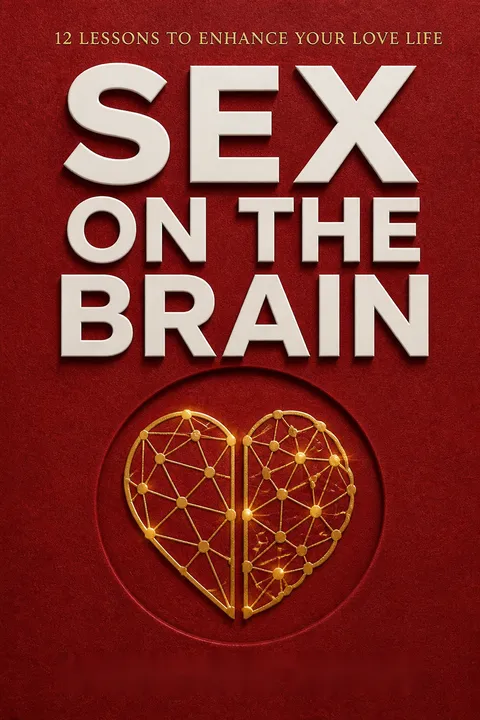
Sex on the Brain receives mixed reviews, with an average rating of 3.74/5. Readers appreciate the scientific insights into brain function and its impact on relationships, though some find it repetitive or outdated regarding gender differences. Many note the book focuses more on brain health than sex itself. Positive reviews highlight the valuable information on brain optimization and its effects on sexual well-being. Critics mention the book's potential bias towards the author's services and lack of proper references. Overall, readers find it informative but occasionally misleading in its marketing.
People Also Read










Glossary
Practical neuroscience
Brain research for daily lifeAmen’s term for applying neuroscience to everyday decisions and behavior. In this book, it means using ideas about brain function to think about attraction, communication, sexual behavior, mood, and relationship patterns. The term describes the author’s practical approach, not a formal diagnostic method.
Five brain systems
Behavioral brain-function mapAmen’s model organizes behavior around the prefrontal cortex, anterior cingulate gyrus, deep limbic system, basal ganglia, and temporal lobes. Each system is associated with broad functions such as planning, flexibility, mood, anxiety, memory, or social interpretation. The model is intended to help readers connect behavior with possible brain influences, not to diagnose a person from one trait.
Single photon emission computed tomography (SPECT)
Blood-flow brain imagingA nuclear medicine imaging technique that estimates blood flow in the brain. Amen uses SPECT images to compare regions described as relatively active, underactive, or working harder than expected. The book presents the method as a way to inform clinical questions, while also noting that a scan alone cannot provide a diagnosis or guarantee a treatment outcome.
Oasis Effect
New-love warning-sign blindnessAmen’s name for the tendency to overlook troubling evidence when a new relationship feels intensely hopeful and rewarding. Like a traveler focused on finding water, a person may attend to the relief and excitement of new love while minimizing dishonesty, volatility, pressure, or other concerns. The concept encourages slowing down and assessing patterns before making major commitments.
Automatic negative thoughts (ANTs)
Reflexive pessimistic thoughtsAmen’s label for negative thoughts that arise quickly and can shape mood and behavior before a person examines them. In the book, examples include predictions of sexual failure or rejection. The suggested response is to notice and question the thought rather than assume it is accurate, especially when it creates anxiety or interferes with intimacy.
Arousal template
Learned pattern of arousalA concept discussed in the book to describe how early or emotionally charged experiences may become associated with later sexual excitement. The author gives examples of people whose adult preferences appear connected to childhood play, trauma, or other formative memories. The idea is offered as one possible way to understand an arousal pattern, not as proof of its origin.
Concert state
Relaxed body, alert mindAmen’s phrase for a state he considers favorable to clear thinking and effective performance: the body is calm while the mind remains focused. He connects it with practices such as slow breathing and relaxation. In the book, the concept applies to general brain function and to being more present during intimate experiences.
FAQ
What's Sex on the Brain about?
- Brain and Sexuality: Sex on the Brain by Daniel G. Amen explores the connection between brain function and sexual behavior, emphasizing the brain as the largest sex organ.
- Twelve Lessons: The book is structured around twelve lessons that provide practical neuroscience insights to enhance love and sex life.
- Neuroscience Application: Amen applies brain research to everyday life, particularly in romantic relationships, to help readers understand how brain health impacts their love lives.
Why should I read Sex on the Brain?
- Enhance Relationships: The book offers insights into improving romantic relationships and sexual satisfaction through neuroscience-based advice.
- Understanding and Empathy: It helps readers understand their own and their partners' brain functions, leading to better communication and reduced conflicts.
- Scientific Credibility: Daniel G. Amen supports his claims with brain imaging studies, providing a research-based approach to relationship advice.
What are the key takeaways of Sex on the Brain?
- Brain Health Importance: A healthier brain leads to better sexual function and overall happiness.
- Chemistry of Love: Understanding chemicals like dopamine and oxytocin can help navigate emotional responses in relationships.
- Warning Signs: Recognizing warning signs such as impulsivity can prevent unhealthy relationships and promote better choices.
What are the best quotes from Sex on the Brain and what do they mean?
- “Change your brain, change your life.”: Highlights the importance of brain health in achieving a fulfilling love life.
- “Sex is best in the context of a committed, loving relationship.”: Suggests that emotional connection enhances sexual experiences.
- “Know when to walk away, and know when to run.”: Encourages recognizing unhealthy relationship patterns and prioritizing personal well-being.
What are the twelve lessons in Sex on the Brain?
- Lesson 1: Methuselah’s Secret: Links sexuality with longevity and happiness.
- Lesson 3: The Chemistry of Love: Details neurochemicals involved in attraction and attachment.
- Lesson 6: Use Your Brain Before You Give Away Your Heart: Offers warning signs of trouble in relationships.
- Lesson 12: A Healthier Brain Equals a Sexier You: Strategies for improving brain health to enhance life satisfaction.
How does the brain influence sexual attraction according to Sex on the Brain?
- Neurotransmitter Role: Chemicals like dopamine create feelings of pleasure and excitement.
- Visual Processing: The brain's focus on visual stimuli is crucial for attraction, especially in men.
- Hormonal Influence: Hormones like testosterone and estrogen influence perception and response to partners.
What are the gender differences in the brain discussed in Sex on the Brain?
- Structural Differences: Men have larger areas for spatial awareness, while women have more connections for communication.
- Communication Styles: Men are direct and solution-focused; women are relational and expressive.
- Emotional Processing: Women have a larger limbic system, making them more attuned to emotional cues.
How can I improve my brain health based on Sex on the Brain?
- Healthy Lifestyle Choices: A balanced diet, regular exercise, and adequate sleep are crucial for brain health.
- Supplements and Medications: Omega-3 fatty acids and vitamins can support brain function.
- Mental Exercises: Activities like puzzles and learning new skills enhance cognitive function.
What is the "arousal template" as defined in Sex on the Brain?
- Definition: Neural pathways from early sexual experiences shape adult preferences and behaviors.
- Examples: Case studies show fetishes linked to childhood experiences.
- Implications: Understanding one's arousal template can lead to greater self-awareness and healthier communication.
What role does brain health play in sexual function according to Sex on the Brain?
- Connection to Sexuality: Brain health impacts desire, arousal, and performance.
- Mental Health Effects: Issues like depression can impair sexual function by affecting brain areas for arousal.
- Optimization Strategies: Regular physical activity and a nutrient-rich diet improve sexual experiences.
What are some specific strategies mentioned in Sex on the Brain?
- Enhancing Brain Function: Regular exercise and a balanced diet enhance sexual function.
- Managing Sneaky Thoughts: Confront intrusive thoughts by imagining negative outcomes.
- Creating Rituals for Intimacy: Establish rituals to strengthen emotional bonds and improve satisfaction.
How does Sex on the Brain address the connection between sex and spirituality?
- Sex as a Sacred Act: Encourages viewing sex as a holistic experience that fosters spiritual connections.
- Neurotheology: Examines the relationship between brain function and spiritual experiences.
- Rituals and Intimacy: Creating rituals that honor sexual and spiritual connections can deepen emotional bonds.
About the Author
Other books by Daniel G. Amen


Download PDF
Download EPUB
.epub digital book format is ideal for reading ebooks on phones, tablets, and e-readers.








