

Key Takeaways
Treat distress as a health problem, not a character flaw
Replace blame with care. Amen argues that problems called mental illness should also be understood as problems of brain health. The shift matters because labels can intensify shame and deter people from seeking help. The book cites a survey estimating that about half of the US population experiences a mental health condition during life, and recalls how depression became a political liability for vice-presidential nominee Thomas Eagleton in 1972.
Keep the frame broad. Seeing distress as health-related can invite compassion from families and make treatment feel legitimate. It does not mean that every struggle has one biological cause, or that a diagnosis defines a person. The point is to replace moral judgment with curiosity about what support might help.
What's valuable here is the move from blame to explanation. Stigma is not merely unpleasant: it can delay care, narrow what families consider possible, and make symptoms harder to discuss. The medical metaphor can open doors. It also needs a guardrail. If brain language becomes a new form of reductionism, social adversity, grief, and personal meaning may be treated as secondary or irrelevant. A humane account holds both truths: people deserve care rather than condemnation, and distress emerges through interactions among biology, experience, and circumstance.
Investigate what drives symptoms before settling on a diagnostic label
Symptoms have many possible causes. Amen criticizes diagnosing solely from symptom clusters, since anxiety, low mood, impulsivity, and poor attention can appear across different conditions. The book cites research finding extensive overlap in DSM categories. It reports nearly 24,000 possible symptom combinations for panic disorder, and says two people with the same diagnosis may share no symptoms.
Look beyond the checklist. Chase, labeled with bipolar disorder, ADHD, and explosive behavior, had a history of concussions and exposure to gasoline fumes from racing. Amen describes a workup that considered his history, testing, laboratory results, and SPECT imaging before changing his treatment. The lesson is to ask about causes and context, not to assume that a symptom name explains itself.
A symptom label is useful shorthand, but it is not a full causal account. This distinction is familiar in medicine: fever is a symptom, not an explanation of infection, inflammation, or another process. Still, diagnostic categories can guide communication and treatment even when they are imperfect. The book's cases make a strong argument for careful history-taking and differential diagnosis, but case reports cannot establish that a scan identified the cause or that the same approach generalizes. Individualized assessment is compelling; claims about particular tests require separate validation.
Assess the whole life around the brain, not just the brain
Four domains interact. Amen organizes whole-person care into biological, psychological, social, and spiritual circles. These mean physical brain and body function, thinking and development, relationships and life conditions, and meaning or purpose. The circles are meant to be considered together, rather than treating a person as a list of symptoms.
Dave's case shows why. After years of unsuccessful marital therapy, his scan appeared consistent with toxicity. Further questions revealed that he worked around strong furniture-finishing fumes without a mask. In the book's account, identifying the workplace exposure changed how his wife understood his behavior and redirected the response. The story illustrates how environment, health, and relationships can become entangled, and why a whole-person assessment may surface overlooked contributors.
The four-circle model's strength is its refusal to force a choice between biology and biography. A workplace exposure can affect the body, alter behavior, and strain a marriage at once. That systems view connects with family therapy and public health, where a person's surroundings are part of the clinical picture. The model is most useful as a prompt, not a complete theory: spiritual concerns may not fit every patient, and structural pressures such as poverty or unsafe work deserve attention beyond individual lifestyle advice.
Protect brain reserve before stress pushes symptoms past a threshold
Reserve is a resilience buffer. Amen uses brain reserve to describe the extra functional capacity that may help a person withstand stress, aging, or injury. In his account, reserve is shaped across life by factors including education, nutrition, chronic stress, substance use, and head impacts. Two people exposed to a similar trauma may have different outcomes partly because they start with different capacities and histories.
Build capacity, not just symptom relief. The book recommends avoiding known harms and supporting health through learning, exercise, sleep, and social connection. It presents the story of two soldiers exposed to a similar blast, one of whom developed lasting symptoms and one who did not, as an illustration of differing vulnerability. The model offers hope, but not a promise that illness can always be prevented.
Reserve is a memorable way to describe why vulnerability varies and why prevention matters before crisis. It resonates with resilience research, which treats adaptation as shaped by cumulative resources and stressors rather than a fixed trait. The threshold image should not be mistaken for a precise clinical measurement, however. People do not have a simple reserve meter, and recovery is not solely a result of personal habits. The concept works best as a reminder that past adversity influences risk without dictating an individual's future.
Use BRIGHT MINDS to audit risks that symptom labels can miss
Check eleven risk areas. BRIGHT MINDS is Amen's framework for factors that may affect brain health: blood flow, retirement and aging, inflammation, genetics, head trauma, toxins, mind storms, immunity and infections, neurohormones, diabesity, and sleep. It turns the book's broad argument into a checklist for discussing possible contributors with a qualified clinician.
Look for patterns, not a single culprit. A person with poor sleep, high blood sugar, a past concussion, and depression may need a different evaluation from someone with similar symptoms but another history. The framework encourages attention to medical and lifestyle context. It does not establish that every listed factor causes psychiatric symptoms in every person, nor does it justify testing or treatment without clinical reasons.
The framework's practical achievement is organizational: it gives patients and clinicians a structured set of questions rather than leaving them with an undifferentiated symptom list. Its breadth also creates a risk of over-attribution. Many exposures and lab variations are common, while causal links may be weak, indirect, or condition-specific. A disciplined use would prioritize plausible factors based on history, examination, and established evidence, then assess whether addressing them improves functioning. A checklist should guide inquiry, not multiply diagnoses.
Start with sleep, movement, and metabolic health
Support the brain's basic conditions. Across the book, Amen emphasizes circulation, sleep, exercise, nutrition, and blood sugar as foundations that influence brain function. He notes that the brain uses a disproportionate share of the body's oxygen and blood flow, and links vascular and metabolic problems with cognitive and emotional difficulties. In his example of a teenager with panic attacks, tracking sleep revealed that nights longer than seven hours coincided with better focus and fewer attacks.
Make fundamentals measurable. The practical advice includes regular movement, addressing possible sleep apnea, checking blood pressure and glucose with a clinician, and building a consistent sleep routine. These steps are not substitutes for mental health care. They are accessible parts of a broader plan that may support treatment and general health.
This emphasis is among the book's most broadly actionable contributions. Sleep, physical activity, and cardiometabolic health are relevant to both physical and psychological functioning, so improving them can benefit people regardless of diagnosis. The teen's sleep diary also models a useful form of self-observation: record a behavior, notice a pattern, and test a modest change. Such observations do not prove causation, and severe or persistent symptoms need professional attention. Foundational habits can complement care without becoming a reason to blame someone when symptoms remain.
Ask about head injuries and exposures when behavior changes sharply
History can reveal overlooked injury. Amen argues that concussions and repeated smaller blows can affect attention, mood, judgment, and impulse control, even when an injury happened years earlier. He describes actor Gary Busey, whose scan showed low activity in regions associated with judgment and impulse control after a serious motorcycle accident and other risks. The book also discusses exposure to solvents, mold, and infections as possible contributors in selected cases.
Investigate proportionately. A change in personality, memory, or mood can justify asking about accidents, sports, work, medications, and physical symptoms. The book recommends medical evaluation rather than assuming that behavior is simply deliberate or moral. A suspected injury or exposure requires appropriate clinical assessment; a scan or a broad toxin panel should not be treated as a universal answer.
The insistence on asking about remote injuries is clinically sensible because people may forget or minimize them, and head trauma can be relevant to later functioning. The broader lesson is to connect changes over time with a careful history. Yet the book sometimes moves quickly from an imaging pattern to a specific explanation. Functional scans can show aspects of brain activity, but they do not independently prove why a person has symptoms. Targeted medical evaluation is a stronger principle than assuming an exposure is present.
Choose treatments by need, evidence, and risk, not by ideology
Medication is one tool among several. Amen favors minimizing harm and considering lifestyle changes and nutraceuticals, while also saying medication can be essential for severe conditions such as psychosis or true bipolar disorder. He describes Alicia, whose focus improved while using supplements and addressing lifestyle factors, and contrasts this with patients who worsened on a treatment that did not fit their needs.
Do not stop treatment alone. The book warns that psychiatric medications can have side effects and may be difficult to discontinue. It also acknowledges that supplements can cause adverse effects, interact with medications, and vary in quality. Treatment decisions should be made with a qualified prescriber who can discuss benefits, risks, alternatives, and safe changes. The goal is effective care, not proving that one category of treatment is superior.
The strongest version of this argument is shared decision-making: patients deserve a clear account of likely benefits, burdens, and alternatives. That principle applies to medication, psychotherapy, and supplements alike. The book's caution about side effects is valuable, but its preference for nutraceuticals can understate how uneven the evidence is across products and diagnoses. Natural does not mean safe or effective, and medication withdrawal can be serious. A balanced plan measures outcomes and adjusts treatment with clinical supervision rather than treating prescriptions as either automatic or inherently suspect.
Make food choices that stabilize energy, then test triggers carefully
Build meals around nourishing basics. The BRIGHT MINDS diet emphasizes water, protein, healthy fats, vegetables, fruit, fiber, and minimally processed foods, while limiting sugary drinks and heavily processed products. The book argues that diet can affect inflammation, blood sugar, and mood. It also recommends checking labels and finding enjoyable meals that support healthier routines instead of relying on willpower alone.
Treat elimination as a test. Amen suggests temporarily removing foods such as sugar, gluten, dairy, soy, and corn, then reintroducing them individually to look for repeatable reactions. He cites a study in which some children with ADHD improved on a restricted diet. That result does not mean every child needs such a diet. Significant restriction, especially for children or people with medical conditions, calls for professional guidance.
The practical value is less about declaring a perfect diet and more about improving food quality while observing individual responses. A planned elimination and reintroduction can be more informative than permanently banning foods based on broad claims. The nuance matters: evidence for dietary interventions varies by condition, and a highly restrictive diet can create nutritional or social burdens. Food should not become another source of fear. Sustainable changes, adequate nutrition, and collaboration with a clinician or dietitian make the approach safer and more useful.
Build brain health into families, schools, and workplaces
Change the setting, not only the individual. Amen argues that mental health problems affect families and communities, so education and supportive environments matter. He describes Brain Thrive by 25, a course for young people covering brain development, stress, nutrition, substances, and negative thinking. He reports that independent research found reduced substance use and depression and improved self-esteem among participants.
Make healthy choices easier together. The Daniel Plan brought health activities into churches, while the BRIGHT MINDS at Work program addressed workplace routines and stress. The book's family guidance is to communicate concern, encourage help-seeking, and approach setbacks with curiosity rather than condemnation. These examples shift brain health from a private burden toward a shared responsibility, while recognizing that programs need evaluation beyond enthusiasm and testimonials.
The systems perspective is a fitting extension of the book's whole-person approach. Schools, employers, and families shape daily exposure to stress, food, sleep, and social support, so education alone is unlikely to succeed if the environment continually undermines it. Community programs can also normalize help-seeking and reduce isolation. Their impact should be judged with transparent, independent outcomes, not only participant stories. The most durable strategy pairs individual skills with institutional changes that make healthy routines realistic for people with different resources.
Analysis
The book's most useful idea is not that every psychiatric problem can be found on a scan. It is that symptoms deserve investigation rather than moral judgment, and that brain function is embedded in a body, a history, and a social world. Its cases make that position memorable: a young man's apparent mood disorder is reconsidered in light of concussions and fumes; a husband's troubling behavior prompts questions about workplace exposure; and a teenager notices a link between sleep and panic. Together, these stories challenge the habit of treating diagnosis as explanation.
The BRIGHT MINDS framework gives the argument a practical shape. It directs attention to vascular health, aging, inflammation, genes, trauma, toxins, electrical activity, immunity, hormones, metabolism, and sleep. The four circles widen the lens to include thought, relationships, and purpose. This combination is a strength because it prevents a purely psychological account from overlooking medical contributors, while resisting a purely biological account that ignores lived conditions.
The book's central limitation is that it sometimes treats a possible mechanism as though it were an established explanation. A SPECT pattern may be interesting, but it does not by itself diagnose a psychiatric disorder or identify a cause. Many proposed links among food sensitivities, environmental toxins, infections, supplements, and mental symptoms vary greatly in evidential strength. The book's case reports and clinic outcomes are informative as clinical observations, not proof that the same tests or protocols should be routine for everyone. The safest interpretation is to use its questions to improve a medical conversation, not to self-diagnose or replace established care.
Its strongest practical message is therefore more modest and more durable than its most sweeping claims: take symptoms seriously, gather a full history, consider physical health and environment, monitor outcomes, and choose treatment collaboratively. Sleep, movement, nutrition, connection, and appropriate medical care can support wellbeing without promising a cure. Replacing shame with curiosity is the book's clearest achievement; matching that curiosity with careful evidence is what makes the approach trustworthy.
Review Summary
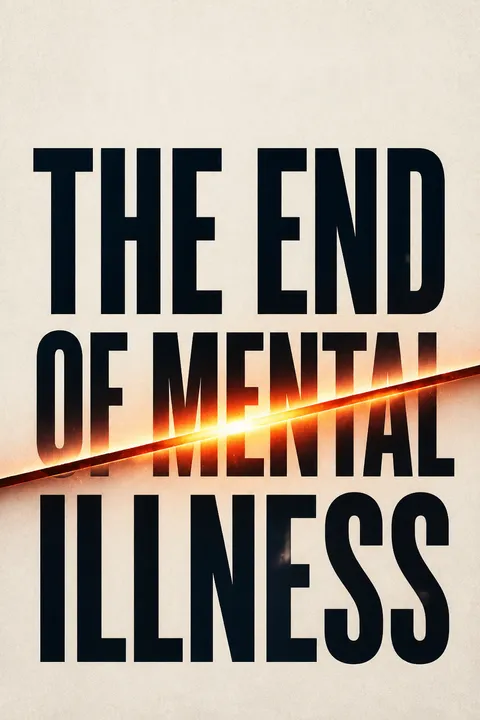
Readers are divided on The End of Mental Illness. Some praise its innovative approach to brain health and mental illness, finding it informative and potentially life-changing. Others criticize it as repetitive, biased, and overly focused on promoting the author's clinic and SPECT scans. Many appreciate the emphasis on lifestyle changes and natural solutions but question the scientific validity of some claims. The book's accessibility and practical advice are commended by some, while others find it lacks depth and reads like a sales pitch.
People Also Read






Glossary
BRIGHT MINDS
Eleven brain-health risk areasAmen's checklist of factors that may influence brain and mental health: blood flow, retirement and aging, inflammation, genetics, head trauma, toxins, mind storms, immunity and infections, neurohormone issues, diabesity, and sleep. It is presented as a guide for identifying possible contributors and discussing prevention or treatment with a clinician, not as a diagnostic test.
Four Circles
Whole-person health frameworkAmen's model for considering four interacting parts of a person's life: biological health, psychological development and thought, social relationships and circumstances, and spiritual meaning or purpose. It encourages assessment beyond symptoms alone. The circles are a broad organizing tool, not a validated diagnostic scale, and their relevance can differ among individuals.
SPECT
Functional blood-flow imagingSingle photon emission computed tomography is a nuclear medicine imaging technique that uses a radioactive tracer to estimate blood flow and activity patterns in tissue, including the brain. Amen uses brain SPECT images to inform his clinical assessments. It differs from structural imaging such as CT or MRI, and the book's proposed psychiatric uses should not be confused with universal clinical standards.
QEEG
Quantified electrical brain recordingQuantitative electroencephalography records electrical activity from the scalp and uses computer analysis to describe patterns in brain waves. In the book, QEEG is discussed as a tool that may add information about brain function and guide some assessments or neurofeedback. It does not directly show brain anatomy, and results require interpretation alongside symptoms and other clinical information.
brain reserve
Buffer against brain stressAmen's term for the extra functional capacity that may help someone cope with aging, injury, and other stressors before symptoms become apparent. The book describes reserve as influenced by accumulated experiences and habits, including education, health, trauma, and substance exposure. It is a conceptual model rather than a directly measured personal reserve score.
ANTs
Automatic negative thoughtsAmen's shorthand for recurring negative interpretations that can intensify distress, such as assuming rejection or concluding that failure is inevitable. The book recommends writing these thoughts down and checking whether they are facts, assumptions, or conclusions. The technique encourages cognitive reflection, but it is not a substitute for professional help when distress is severe.
nutraceutical
Health-oriented nutrient productThe book uses nutraceutical for a vitamin, mineral, nutrient, or standardized herbal extract intended to provide a health benefit, with clinical evidence cited for some products. The term does not guarantee effectiveness, purity, or safety. Supplements can have side effects and interact with medications, so their use is best discussed with a qualified health professional.
diabesity
Obesity or high blood sugarAmen's combined term for being overweight or obese and having high blood sugar, prediabetes, or diabetes. The book treats these metabolic problems as connected risks for vascular, inflammatory, and brain health. The label is a convenient shorthand, not a formal diagnosis, and individual weight or glucose concerns require appropriate medical assessment.
mind storms
Disturbing electrical brain activityAmen's term for abnormal patterns of brain electrical activity that he associates with experiences such as sudden fear, rage, mood shifts, confusion, or sensory disturbances. The book discusses seizures and other possible causes and suggests clinical evaluation when symptoms warrant it. The phrase is descriptive, not a recognized standalone diagnosis, and these symptoms can have many explanations.
FAQ
1. What is The End of Mental Illness by Daniel G. Amen about?
- Reframing mental health: The book argues that mental illnesses are fundamentally brain health issues, not just psychological or emotional problems.
- Holistic, science-based approach: Dr. Amen introduces a comprehensive model that integrates biological, psychological, social, and spiritual factors in understanding and treating mental health.
- BRIGHT MINDS framework: The book presents 11 key risk factors that influence brain health and mental well-being, offering strategies to address each.
- Brain imaging revolution: It highlights the use of SPECT brain imaging to visualize brain function and guide personalized treatment.
2. Why should I read The End of Mental Illness by Daniel G. Amen?
- New paradigm for mental health: The book challenges traditional psychiatric models, offering a hopeful, science-backed approach to mental health rooted in brain biology.
- Empowerment and practical tools: Readers gain actionable strategies to improve brain health, reduce stigma, and take control of their mental well-being.
- Evidence-based insights: Dr. Amen’s recommendations are grounded in clinical research and the world’s largest database of brain scans.
- Personalized care emphasis: The book advocates for individualized treatment plans based on unique risk factors and brain imaging, moving beyond one-size-fits-all solutions.
3. What are the key takeaways from The End of Mental Illness by Daniel G. Amen?
- Mental illness is brain illness: Improving brain function is the foundation for improving mental health.
- Look at the brain: Functional brain imaging reveals underlying biological causes that symptom-based diagnoses often miss.
- Four Circles and BRIGHT MINDS: Addressing biological, psychological, social, and spiritual health, along with 11 risk factors, is essential for prevention and recovery.
- Hope and change: The brain is plastic and can improve with the right interventions, making mental illness treatable and not a life sentence.
4. What is the BRIGHT MINDS framework in The End of Mental Illness by Daniel G. Amen?
- Acronym for 11 risk factors: BRIGHT MINDS stands for Blood flow, Retirement/aging, Inflammation, Genetics, Head trauma, Toxins, Mind storms, Immunity/infections, Neurohormones, Diabesity, and Sleep.
- Comprehensive risk assessment: Each factor represents a major contributor to brain dysfunction and mental health problems.
- Targeted interventions: The book provides specific strategies to identify and address each risk factor for optimal brain health.
- Holistic integration: The framework is woven into the Four Circles model, ensuring a whole-person approach to mental wellness.
5. How does Dr. Amen use brain imaging (SPECT) in The End of Mental Illness?
- Functional assessment tool: SPECT scans measure blood flow and activity patterns in the brain, revealing areas of dysfunction.
- Personalized diagnosis: Imaging helps differentiate between conditions with similar symptoms but different biological causes, such as concussion effects versus mood disorders.
- Guiding treatment: Brain scans inform targeted interventions, reducing trial-and-error prescribing and improving outcomes.
- Visualizing progress: Imaging allows for monitoring changes in brain health over time, validating the effectiveness of interventions.
6. How does The End of Mental Illness by Daniel G. Amen address the stigma around mental health?
- Medicalizing brain issues: By framing mental health problems as brain health issues, the book removes moral judgment and shame.
- Changing language: Dr. Amen advocates for eliminating terms like "mental illness" in favor of "brain health problems" to reduce stigma.
- Validation and hope: The approach encourages people to seek help, showing that brain dysfunction is a medical condition, not a character flaw.
- Empowering perspective: The book’s message fosters compassion and understanding, making recovery more accessible.
7. What is the Four Circles model in The End of Mental Illness by Daniel G. Amen?
- Four domains of health: The model emphasizes optimizing biological, psychological, social, and spiritual aspects of life.
- Comprehensive assessment: Each circle represents a crucial area influencing brain health and mental well-being.
- Integrated interventions: The book provides strategies for improving each circle, from nutrition and exercise to relationships and purpose.
- Personalized care: The Four Circles model ensures that treatment plans address the whole person, not just symptoms.
8. How does The End of Mental Illness by Daniel G. Amen explain the role of inflammation in mental health?
- Root cause of dysfunction: Chronic inflammation is described as a key driver of depression, bipolar disorder, schizophrenia, and cognitive decline.
- Multiple risk factors: Poor diet, obesity, stress, toxins, and infections all contribute to inflammation in the brain.
- Anti-inflammatory strategies: The book recommends lifestyle changes, anti-inflammatory supplements (like omega-3s and curcumin), and gut health support to reduce inflammation.
- Measurable improvement: Reducing inflammation can lead to significant improvements in mood, cognition, and overall mental health.
9. What does The End of Mental Illness by Daniel G. Amen say about the gut-brain connection?
- Gut as the “second brain”: The gastrointestinal tract contains millions of neurons and communicates directly with the brain, influencing mood and cognition.
- Microbiome importance: A healthy balance of gut bacteria supports neurotransmitter production, immune function, and mental health.
- Restoring gut health: The book advises consuming prebiotic and probiotic foods, avoiding processed foods and excessive antibiotics, and managing stress to support gut-brain health.
- Impact on mental illness: Disruption of gut health can lead to leaky gut and increased risk of depression, anxiety, and cognitive problems.
10. How does The End of Mental Illness by Daniel G. Amen address genetics and epigenetics in mental health?
- Genes are not destiny: Genetic vulnerabilities can be modified by lifestyle and targeted interventions.
- Epigenetic influence: Stress, diet, toxins, and environment can turn genes on or off, affecting mental health across generations.
- Family history and prevention: The book encourages knowing your family history and adopting healthy habits to reduce genetic risk.
- Personalized strategies: Early screening and lifestyle changes can help prevent the expression of harmful genes.
11. What practical strategies does The End of Mental Illness by Daniel G. Amen offer to improve brain health?
- Lifestyle changes: Regular exercise, a nutrient-dense diet, adequate sleep, and stress management are foundational.
- Nutraceuticals and supplements: Omega-3 fatty acids, ginkgo biloba, magnesium, and other supplements support brain function and reduce inflammation.
- Therapies and interventions: Brain-informed psychotherapy, neurofeedback, hyperbaric oxygen therapy, and targeted medications are recommended based on individual needs.
- Measurement and monitoring: Regular health assessments and tracking key biomarkers help tailor prevention and treatment.
12. What are the key dietary recommendations in The End of Mental Illness by Daniel G. Amen?
- BRIGHT MINDS diet: Emphasizes high-quality proteins, healthy fats, colorful low-glycemic vegetables and fruits, and avoidance of processed foods, sugar, gluten, soy, corn, and dairy if sensitive.
- Elimination diet: Removing common allergens and inflammatory foods for a month can help identify triggers and reduce symptoms.
- Hydration and fasting: Drinking plenty of water and practicing intermittent fasting (12-16 hours between meals) are recommended for brain and metabolic health.
- Personalized nutrition: The book encourages tailoring dietary choices to individual sensitivities and health needs for optimal brain function.
About the Author
Other books by Daniel G. Amen



Download PDF
Download EPUB
.epub digital book format is ideal for reading ebooks on phones, tablets, and e-readers.








