

Key Takeaways
Keep every diagnosis provisional: a person exceeds the story that names distress
A label changes possibilities. Rachel Aviv recalls being diagnosed with anorexia at six, before she understood the word or the cultural ideal usually associated with it. In hospital, she learned behaviors from older patients and began to interpret food and movement through their illness. Her friend Hava, who shared some early circumstances, remained bound to anorexia for decades. The diagnosis did not simply describe a condition; it offered a role that could be adopted, reinforced, and hard to leave.
Stories can loop. Philosopher Ian Hacking calls this a looping effect: a classification changes how people understand and act on themselves, and their responses then reshape the category. Labels can make suffering legible and connect people to care. They can also narrow the future if treated as a complete account of a person.
Classification is not merely a filing system. In law, education, and medicine, categories determine what resources people receive and what conduct others expect from them. That makes diagnostic language consequential even when the underlying condition is real. A useful safeguard is to treat a diagnosis as a working model: precise enough to guide treatment, revisable enough to make room for new evidence, and never a substitute for the person’s own account. Yet provisional language should not become an excuse to withhold care while certainty remains impossible.
Do not turn medication and psychotherapy into rival explanations for one life
Ray faced a false choice. In 1979, physician Ray Osheroff entered Chestnut Lodge, where his treatment centered on psychoanalytic insight. He paced for hours, lost weight, and grew more incapacitated. After six months, his mother transferred him to Silver Hill, where a psychiatrist prescribed medication. Within weeks, Ray could feel grief again and resumed reading and music. The improvement mattered, but it did not restore his marriage, his business, or his relationships with his sons.
One success did not settle the theory. Ray’s lawsuit against the Lodge became a public contest between psychotherapy and biological psychiatry. That framing made the case easier to argue about and harder to understand. His distress involved mood, regret, family history, social losses, and the care he received. No single explanation could contain all of it.
The case resembles a common error in public debate: treating two useful levels of explanation as competitors. A biological account can explain why a treatment changes symptoms without explaining why a crisis took this particular form. A relational account can illuminate context without proving that medication is unnecessary. The practical question is not which school wins, but what combination of care helps this individual regain capacities and relationships. Ray’s improvement also shows why symptom relief and life repair are distinct tasks.
Let cultural meaning inform care without mistaking every sacred experience for health
Bapu’s devotion had context. A Brahmin woman in Chennai, she felt trapped by a household where she carried domestic duties and her in-laws mocked her disability. She turned to Hindu devotional poetry and came to believe she had a special relationship with Krishna. Her family and doctors interpreted this through sharply different frameworks: spiritual calling, family disruption, or schizophrenia. Western psychiatric language offered treatment, but it also made her experiences seem foreign to her daughter.
Neither framework was enough. Bapu was sometimes confined and treated against her will, then spent years away from home. Later, living with her daughter-in-law Nandini, she accepted medication and maintained a spiritual life without returning to the same isolated path. The story does not prove that religious interpretation is treatment. It shows that care must understand what a belief means to the person and how the surrounding power relations shape it.
Cultural humility is more than politely asking about beliefs. It requires clinicians to notice when their own concepts of normality are culturally specific, and to distinguish spiritual meaning from immediate danger or impairment. The same discipline applies in reverse: reverence for cultural difference should not romanticize deprivation, coercion, or untreated suffering. Bapu’s experience makes the better question concrete: can care reduce harm while preserving the meanings and relationships that help someone remain a person to herself?
Take social realities seriously without assuming they explain every psychotic symptom
Naomi’s fears arose in a real world. A Black mother of four, she grew up amid poverty, housing insecurity, racism, and family separation. After the birth of twins, she became increasingly convinced that powerful forces were targeting her family. On July 4, 2003, she jumped from a bridge with her babies. One twin died; Naomi and the other child survived. Her doctors often recorded her observations about racism as bizarre, even as those observations reflected real histories and present discrimination.
Reality and psychosis can overlap. Naomi’s beliefs were not simply accurate social analysis, nor were they detached from experience. During her crisis, persecutory ideas and despair distorted her judgment. Medication later helped her understand why she was hospitalized, but care that ignored race and poverty had already weakened trust. A true account must hold both facts together.
This is a demanding standard for clinical listening. If a patient names discrimination, dismissing it as pathology can repeat the injury; accepting every conclusion as fact can also miss a dangerous break in reality testing. The distinction is not made by deciding whether a person’s world is fair. It requires attention to evidence, context, changes in functioning, and the person’s ability to consider alternatives. Such care is more intellectually difficult than either reflexive medicalization or reflexive validation, but it is also more humane.
Track medication’s benefits and costs, especially when stopping changes the story
Laura’s treatment became a cascade. Diagnosed with bipolar disorder as a teenager, she eventually took numerous medications, including an antidepressant, a stimulant, and a sleep drug. Side effects from one prescription helped prompt another. Over fourteen years, she took nineteen medications. Some treatments brought real relief, while others were associated with emotional dulling, sexual difficulties, or sedation. When she began tapering with medical guidance, she experienced intense physical and emotional changes that complicated any simple claim about who she was without medication.
The evidence has limits. Short clinical trials cannot fully answer how long-term treatment affects a person or how best to stop it. Withdrawal symptoms can resemble a return of illness, while untreated illness can also be serious. Laura’s story supports careful, collaborative review of benefits, harms, and tapering, not a universal case for taking or rejecting medication.
A medication is an intervention, not a neutral background condition. Its effects can include restored agency as well as side effects, and changes in either direction may alter how a person interprets emotion. That makes longitudinal observation essential: what changed, when, and under what circumstances? Laura’s experience also cautions against turning one person’s outcome into a rule for everyone. Prescribing and deprescribing both require clinical judgment, shared decision-making, and enough time to distinguish withdrawal from relapse.
Build trust before demanding insight from someone in psychic crisis
Understanding can begin with company. Naomi’s doctors repeatedly described her as lacking insight, but a prison librarian, Andrea Smith, understood the spiritual and political language she used. Naomi said this encounter helped her feel recognized, and she began taking medication again. Carl, a stranger who had helped rescue her from the river, later wrote to her with compassion rather than judgment. Their bond did not erase her crime or grief, but it gave her a reason to keep living.
Care is relational work. Bapu’s daughter-in-law Nandini became a steady presence and helped her accept medication while retaining a devotional life. Hava’s relationship with Tim also helped her tolerate difficult feelings and build a fuller daily life. These connections did not replace professional treatment. They made treatment and ordinary life more inhabitable.
Trust is often treated as a pleasant addition to clinical technique, but it is also a condition for useful information. People disclose more when they expect to be taken seriously, and clinicians can make better decisions when they understand a patient’s meanings and relationships. Support does not guarantee recovery, and one caring person cannot compensate for a failing system. Still, these stories show that recognition can interrupt isolation, making room for choices that feel impossible when every interaction is experienced as surveillance or judgment.
Treat underfunded care as a cause of crisis, not background noise
Institutions shaped the available paths. Hava repeatedly lost access to inpatient treatment when insurance limits were reached, despite the severity of her eating disorder. Naomi’s brief hospital stays were shaped by Medicaid rules and pressure to discharge patients quickly. After serving her sentence, she was held in a psychiatric hospital under a separate commitment. In prison, the withdrawal of medication preceded a severe crisis, and she spent sixty days in solitary confinement.
A diagnosis cannot explain a system. Rachel traces how long-term, relationship-based care gave way to short appointments, symptom checklists, and demands for measurable progress. When treatment is unavailable or reduced to containment, distress can reappear in emergency rooms, prisons, and isolation units. These histories do not establish that every institutional decision caused a particular outcome. They show that policy and funding help determine which forms of care a person can actually receive.
The location of care is itself a clinical variable. A patient moved from a supportive home to a locked cell experiences different risks, routines, and relationships, even if the diagnosis stays the same. Health systems often count beds, visits, and symptoms because these are easy to measure; continuity, trust, and restored participation are harder to quantify. The challenge is not to abandon measurement, but to measure what matters to a life, rather than mistaking rapid discharge or compliance for recovery.
Allow recovery to change the person, rather than demand a return to the old self
Recovery is not a rewind. Hava lived with an eating disorder for decades. In her forties, a relationship with Tim helped her make small changes and tolerate feelings that she had once managed through illness. She described herself as being in a better place, but she did not escape the disorder; she died after choking during sleep. Rachel’s childhood symptoms, by contrast, faded as her surroundings changed and she found meaning elsewhere. The contrast resists both a tidy cure story and the idea that diagnosis must determine a whole life.
Look for expanded capacity. A person may build relationships, interests, and choices while still carrying symptoms or vulnerability. That is different from restoring an imagined earlier self. Aviv’s own experience with medication remains unresolved, underscoring the book’s central point: no single story can fully explain a mind, or dictate what a life should become.
Recovery is better understood as a change in what a person can do and value than as a return to a pristine baseline. This view makes room for adaptation, disability, and continuing need without reducing a life to illness. It also guards against sentimental endings: Hava’s later happiness was real, and her death was real. One caution is that celebrating resilience can shift attention from preventable barriers. A humane account honors both personal change and the conditions that make sustaining it possible.
Analysis
Rachel Aviv’s book is a reported narrative about the instability of psychiatric knowledge and the lives shaped by it. Its chapters move among a young child diagnosed with anorexia, Ray’s dispute between psychoanalysis and medication, Bapu’s devotional life in India, Naomi’s psychosis amid racialized hardship, Laura’s long treatment history, and Hava’s decades of illness. The cases are not offered as evidence for one replacement theory. Their force comes from showing how the same distress can be understood through biology, family, culture, history, economics, and personal meaning, with no single lens sufficient on its own.
The book’s most important distinction is between an explanation that offers relief and one that claims completeness. Biological language can reduce blame and open access to treatment, yet can also make illness seem permanent or detach a person’s suffering from social conditions. Psychological interpretation can give conflict a narrative, yet can become speculative or blame families. Religious meaning can provide identity and community, while also supporting an isolating path. Aviv neither treats these accounts as equally accurate in every instance nor assumes they can be cleanly separated.
The narrative method matters. Diaries, records, court testimony, family memories, and interviews often disagree. That friction prevents the reader from mistaking a coherent story for a proven cause. It also raises a methodological caution: vivid individual lives can expose blind spots in institutions, but they cannot establish how commonly a pattern occurs. The book’s evidence is strongest as a critique of certainty and as a demonstration of what gets lost when symptom lists replace lived experience.
The resulting ethic is not simply to listen more. It is to ask how an explanation changes a person’s options, whether the care is effective and humane, and whose knowledge is treated as credible. Stories can reduce loneliness and make distress communicable. They can also harden into identities that are difficult to revise. The book’s title names the persistent gap between a person and every account of that person, including the account the person tells herself.
Review Summary
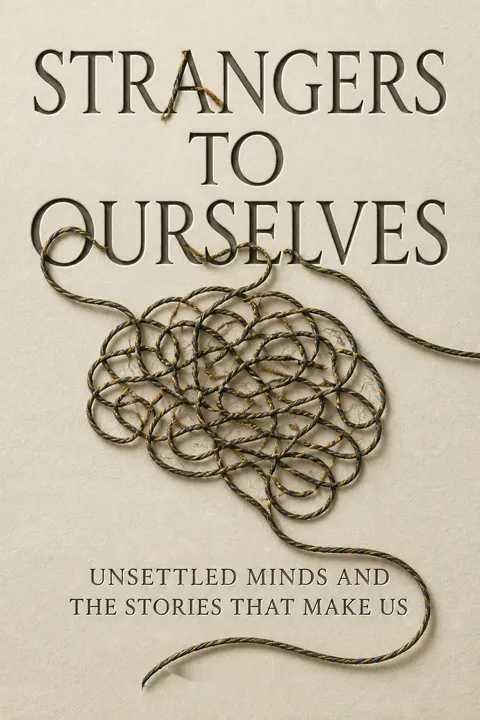
Strangers to Ourselves by Rachel Aviv explores mental illness through case studies and personal experiences. Readers appreciate Aviv's compassionate storytelling and insightful analysis of how diagnoses shape identity. The book examines cultural, social, and historical contexts of mental health treatment, challenging simplistic views. While some found certain sections less engaging, many praised Aviv's nuanced approach and thought-provoking content. Critics noted the book's lack of a unifying theme but valued its contribution to destigmatizing mental illness and promoting understanding of complex psychological issues.
People Also Read










Glossary
Looping effect
Classification reshapes the classifiedIan Hacking’s term for the feedback between categories of people and the people placed in them. A diagnosis or social label can alter how someone understands and behaves, while those responses may in turn influence how the category is used. In Aviv’s account, an illness label can offer recognition and community while also narrowing a person’s sense of possible identity.
Insight
Awareness of illnessIn psychiatry, insight commonly refers to a patient’s recognition that a change in thought or behavior is related to illness and may require treatment. Aviv examines how the standard of insight can depend on whether a patient accepts a clinician’s explanation. Culture, race, faith, and justified mistrust can affect whether a person’s account is judged as rational or mistaken.
Unclassified residuum
Experience beyond scientific categoriesWilliam James’s phrase for observations and experiences that do not fit neatly into a science’s established system. Aviv uses the idea to draw attention to aspects of mental illness that symptom lists may leave out, including altered experience of time, the body, relationships, and meaning. It marks not proof that scientific categories are useless, but a reminder that they are incomplete.
Epistemic injustice
Unfair denial of credibilityA wrong done to someone in their capacity as a knower, such as treating their account as less credible because of prejudice or social status. In the book, patients can be discounted because they are psychiatric patients, people of color, women, or members of a culture whose beliefs clinicians do not understand. The concept highlights how power affects what counts as knowledge.
Prescription cascade
One prescription prompts anotherA sequence in which the side effects of one medication are interpreted as symptoms of another problem, leading to additional prescriptions. Laura’s treatment included drugs intended to manage effects such as sedation or difficulty sleeping that arose amid an expanding regimen. The term does not mean every additional prescription is inappropriate; it describes a pattern that warrants careful review of causes and cumulative effects.
Neuro-emotion
Disproportionate withdrawal feelingA term used by people in online antidepressant withdrawal communities for intense emotions they experience as exaggerated or out of proportion to current events. Examples described in the book include fear, anger, guilt, shame, and regret. The term offers people language for difficult experiences, but it is not presented as a formal psychiatric diagnosis or a definitive explanation for every symptom.
FAQ
What's Strangers to Ourselves about?
- Exploration of Mental Illness: The book delves into the complexities of mental illness through personal narratives, including those of Naomi, Ray, Bapu, and Laura. It examines how societal perceptions shape mental health understanding.
- Cultural Context: Aviv highlights the cultural and historical contexts influencing mental health diagnoses and treatments, focusing on marginalized communities and the impact of race, class, and gender.
- Personal and Collective Narratives: The author intertwines personal stories with broader cultural critiques, emphasizing storytelling's role in understanding mental health.
Why should I read Strangers to Ourselves?
- Insightful Perspectives: The book offers a unique perspective on mental illness, challenging conventional psychiatric narratives and encouraging readers to consider broader implications beyond clinical definitions.
- Empathy and Awareness: Aviv's storytelling fosters empathy for those struggling with mental health issues, urging readers to reconsider assumptions and biases.
- Cultural Critique: The book critiques medical and societal frameworks surrounding mental health, making it relevant for those interested in psychology, sociology, or social justice.
What are the key takeaways of Strangers to Ourselves?
- Complexity of Identity: Mental illness is deeply intertwined with personal identity and societal narratives, often making individuals feel like "strangers to themselves."
- Role of Environment: Environmental factors, such as family dynamics and cultural expectations, significantly impact mental health, as illustrated by the stories of Bapu and Naomi.
- Need for Compassionate Care: Aviv advocates for a compassionate, holistic approach to mental health care that considers individual stories and contexts.
How does Rachel Aviv define mental illness in Strangers to Ourselves?
- Cultural Constructs: Aviv argues that mental illness is often defined by cultural constructs rather than purely biological factors, encouraging readers to consider societal norms' influence.
- Personal Narratives: The book emphasizes the importance of personal narratives, illustrating that each individual's experience is unique and cannot be reduced to a clinical diagnosis.
- Intersectionality: Aviv highlights how race, gender, and socioeconomic status influence experiences and treatment, calling for a nuanced understanding of mental health.
How does Strangers to Ourselves address race and mental health?
- Cultural Context: Aviv explores how race influences mental illness perception and treatment, highlighting disparities in care access and stigma faced by people of color.
- Personal Narratives: Through characters like Naomi, Aviv illustrates the unique challenges faced by Black women in America, reflecting broader societal issues.
- Critique of Medical Frameworks: Aviv critiques the pathologization of marginalized individuals' experiences without considering societal factors, advocating for a nuanced understanding.
What methods does Rachel Aviv use to explore mental illness in Strangers to Ourselves?
- Case Studies: Aviv employs detailed case studies to illustrate mental illness complexities, bringing struggles and triumphs to life.
- Interviews and Research: The author conducts interviews with patients, families, and mental health professionals, enriching the narrative with diverse perspectives.
- Personal Reflection: Aviv includes her own experiences and reflections, creating a personal connection with the reader and deepening theme exploration.
How does Strangers to Ourselves address the stigma surrounding mental illness?
- Challenging Stereotypes: Aviv confronts stereotypes by presenting the humanity of her subjects, illustrating that individuals with mental health issues are often misrepresented.
- Highlighting Systemic Issues: The book discusses systemic issues contributing to stigma, such as socioeconomic disparities and cultural biases.
- Promoting Empathy: By sharing personal stories, Aviv fosters empathy and understanding, encouraging a compassionate perspective on mental illness.
What role does family play in the narratives presented in Strangers to Ourselves?
- Family Dynamics: Aviv explores how family dynamics influence mental health, both positively and negatively, shaping individuals' experiences.
- Support and Isolation: The book illustrates family as both a source of support and potential isolation, with expectations exacerbating feelings of alienation.
- Coping Mechanisms: Aviv highlights various coping mechanisms families employ, impacting the well-being of both individuals and their loved ones.
How does Aviv's personal experience with anorexia inform her writing in Strangers to Ourselves?
- Intimate Understanding: Aviv's experience with anorexia provides an intimate understanding of mental illness, allowing her to approach the subject with sensitivity.
- Reflections on Identity: Her struggle informs her exploration of identity and self-perception, reflecting on societal pressures' distortion of self.
- Empowerment through Storytelling: Aviv uses her narrative to empower others, emphasizing the importance of reclaiming one's narrative in the face of mental illness.
How does Rachel Aviv portray the healthcare system in Strangers to Ourselves?
- Critique of Medical Practices: Aviv critiques the healthcare system's approach, highlighting the limitations of a purely biological perspective and advocating for a holistic understanding.
- Access to Care: The book addresses disparities in mental health care access, particularly for marginalized communities, emphasizing the need for systemic changes.
- Patient Experience: Through personal narratives, Aviv illustrates dehumanizing experiences within the healthcare system, calling for compassionate, individualized treatment.
What specific methods or advice does Rachel Aviv offer in Strangers to Ourselves?
- Storytelling as a Tool: Aviv emphasizes personal narratives' power in understanding and addressing mental health issues, fostering empathy and connection.
- Acknowledging Societal Influences: The book advises recognizing societal structures' impact on mental health, considering race, class, and gender's role in shaping experiences.
- Empowerment through Understanding: Aviv advocates for empowering individuals by validating their experiences, leading to more effective support and treatment.
What is the significance of the title Strangers to Ourselves?
- Exploration of Identity: The title reflects the theme of self-discovery and the struggle to understand one's identity in the face of mental illness.
- Alienation and Connection: It speaks to the alienation experienced by those with mental health issues, emphasizing the importance of connection and understanding.
- Universal Experience: By framing narratives around being "strangers to ourselves," Aviv highlights a common human experience, inviting reflection on identity.
Download PDF
Download EPUB
.epub digital book format is ideal for reading ebooks on phones, tablets, and e-readers.








