

Plot Summary
A Heart in Oblivion
Casia has already escaped through a doorway to safety when Elander, a fallen god of Death, turns to face Malaphar, the upper-god he once served. Elander cannot match Malaphar’s power, but he finds a weakness in the god’s wrists, disarms him, and destroys the portal frame to keep him from following Casia.
Malaphar wounds him severely and begins draining what remains of his divinity. Among the rubble, Elander spots the Heart of the Sun, a relic Casia dropped. Its light restores his strength enough to repel Malaphar. The rescue does not settle Elander’s fear: Casia is still marked by the Rook God, and the enemies pursuing her are not confined to Oblivion.
The opening makes protection a costly, practical act rather than a noble abstraction. Elander sacrifices the route back to Casia, then discovers that his survival depends on an object associated with her. The Heart’s response hints at an intimacy older than their current understanding, while the surviving mark makes clear that escape is not the same as safety. Elander’s choice to fight despite knowing he cannot win also establishes the central conflict between divine hierarchy and personal loyalty.
Moonhaven on Fire
Casia wakes in the Moon Goddess’s haven with Caden, Elander’s servant, destroying the path back to Oblivion. Still weakened by Elander’s magic, she cannot stop him, so she follows a guiding breeze and meets Yosu, the Moon Goddess, in her moonlit forest.
Yosu recognizes the different powers and marks Casia carries, then lends her magic to open paths between the godhavens. As they return to the doorway chamber, the Fire God, Moto, attacks. Yosu shields the passage with moonlight long enough for Casia and Caden to flee toward the Healing Goddess’s realm.
Looking back, Casia sees Yosu’s defense collapse beneath the flames. She escapes, but the vision leaves her believing the goddess has been lost and confirms that the divine conflict is reaching her allies.
Cas’s first response to danger is not to wait for rescue but to seek a route back to Elander. Her exhaustion prevents that choice, forcing her to accept help from a goddess whose power makes possibility visible without choosing for her. The Moon Goddess’s apparent sacrifice complicates the idea of divine protection: even an immensely powerful being can be overwhelmed when the gods take sides. Cas leaves with a way forward, but also with a sharpened sense that every passage between worlds may become a battlefield.
Tara's Betrayal Revealed
Back in Oblivion, Elander finds Tara, his longtime servant, and nearly kills her for revealing Casia’s identity to Malaphar. He stops himself, binds her with Death magic, and carries her to Nephele, the Storm Goddess, asking her to keep Tara confined and help him reach Moonhaven. The haven is already damaged: a messenger lies dead, and fire-hounds attack Elander and Nephele.
They defeat the pack and find Yosu alive inside a protective shell of reflective magic. She confirms that Casia and Caden reached the Healing Goddess’s haven. Elander gives Yosu the now-dim Heart of the Sun and admits that Casia is the woman he loved in another life. He then travels toward the mortal realm, determined to meet Casia again.
Elander’s restraint toward Tara matters because vengeance offers him a brief illusion of control after Malaphar has taken so much from him. Binding her rather than killing her is not forgiveness; it is a decision to contain harm until he can think clearly. The ruined Moonhaven also revises Casia’s understanding without erasing the cost of the attack. Meanwhile, Elander’s revelation about their shared past turns his pursuit into more than romantic devotion: he is trying to recover a bond that preceded both of their present identities.
Namu Names the Curse
Casia reaches Oakhaven unconscious, and the Healing Goddess, Namu, treats her while her companion Zev recovers from the wounds that brought him there. Namu explains that she once cared for Casia in a previous life, when Elander begged her to save the dying woman he loved. She eases the pain of Malaphar’s new mark but cannot remove the bargain behind it: as Elander loses divine power, that power must pass to another vessel.
Namu believes Malaphar intends Casia to inherit his place. The revelation reframes Casia’s exhaustion and mixed magic as signs of an approaching transformation, not simply the aftereffects of battle. Namu sends her and Zev back to the mortal realm before the curse can deepen.
Namu separates healing from reversal. She can soothe an injury, but she will not pretend that pain, death, or a bargain can be erased without consequence. Her refusal to transfer Casia’s curse to another person also exposes the moral trap at the center of the story: escaping harm by exporting it would reproduce the very violence Casia opposes. The threat of ascension makes Casia’s body a contested territory, while her choices about what she will not do remain an important form of agency.
Varen's Empty Truce
Back in Sadira, Casia reunites with Zev, Nessa, Rhea, Laurent, and the exiled queen Soryn. Varen, Casia’s king-emperor brother, has taken Sadiran soldiers hostage and demands a meeting. Casia faces him at the port, where he probes her new magic and proposes a possible alliance. She refuses to trust his sudden change of tactics, but he orders the hostages released and prepares to retreat.
Two prisoners have been tortured, and one later dies. With Varen’s troops gathering near Sadira’s northern border, Soryn’s council decides they need allies and knowledge from the elven realm of Moreth. Casia commits to that journey, even though she has no sign that Elander survived their separation.
Varen’s apparent concession is deliberately ambiguous: releasing the prisoners saves lives, but it does not repair the trust his attack destroyed. Casia’s refusal to mistake tactical flexibility for moral change marks a shift from hopeful sibling to wary political leader. The cost of his delay tactics is concrete, not rhetorical, in the injured captives and the soldier who dies. Her decision to seek Moreth’s support shows that she can act without certainty, but the absence of Elander makes every strategic choice carry a private grief.
Rain Returns Elander
As Casia waits alone in the rain, trying to steady herself before leaving Kosrith, Elander appears behind her. She nearly attacks him before recognizing him, then abandons her knife and clings to him. In the temple, their relief gives way to anger: Elander insists he would risk himself again to keep her alive, while Casia asks him to stand beside her rather than sacrifice himself for her.
They reconcile and spend the night together. When Casia tells him Namu believes Malaphar’s mark may make her his next vessel, Elander explains that Nephele and the other goddesses are seeking Solatis’s help. Neither has a solution, but they leave for Moreth agreeing to face the danger together.
The reunion does not erase the conflict that separated them. Elander understands love as a duty to protect at any cost; Casia recognizes that this can turn affection into another form of unilateral control. Their compromise is not a promise that either will stop risking themselves, but a demand for mutual participation. That distinction matters as their magic begins to entangle their fates. Their intimacy restores emotional connection, yet the curse they discuss prevents comfort from becoming denial.
Ice Takes the River
On the northward journey, Elander notices a trail of unnatural ice near the camp, but the warning comes too late. The Ice Goddess’s enormous servant freezes the river and drags Casia beneath the surface. Elander breaks through the ice and pulls her free while Zev uses fire to shield the camp. The creature regenerates from every wound, so the group targets its exposed heart.
When the monster pins Casia and unleashes a killing cold, Death magic erupts from her mark and stops its heart. Casia has survived, but she did not choose the power she used. Elander explains that magic from Malaphar’s divine court can draw her toward Death, accelerating the transfer from him and threatening his life as she gains strength.
The attack turns a private fear into a public danger. Casia’s power saves the camp, but its success is inseparable from the possibility that she is becoming what Malaphar wants. Her involuntary use of Death magic is psychologically different from a conscious bargain: the threat comes through the body before the mind can consent. Elander’s explanation also complicates heroism, since survival may harm the person who saved her. Their closeness now includes a material risk neither affection nor resolve can simply cancel.
Moreth's Hostile Gate
Casia’s party rides toward Moreth with Soryn’s support, while Laurent finally explains that he has elven blood and knows the realm may admit him. On the haunted Badlands Road, Nessa stops to help a dying traveler despite warnings that the road is dangerous. Armed elves emerge from the trees, attack the party, and accuse them of aiding a spy.
Their leader reveals that Moreth’s King Theren is dead, but his son still lives. Laurent persuades Casia to surrender their weapons rather than fight a force that vastly outnumbers them. The elves bind the travelers and take them to Briarfell, the royal residence. Casia has reached the realm she hoped would become an ally, but arrives as a prisoner during a succession crisis.
Nessa’s compassion and Laurent’s caution pull in opposite directions, but neither is simply foolish: her attention to a dying stranger exposes the group, while his knowledge of elven protocol prevents a hopeless battle. The episode also tests Casia’s emerging leadership. She must trust Laurent’s judgment when she lacks information and cannot control the terms of arrival. Moreth’s hostility is not just cultural suspicion; the recent death of its king has made outsiders look like possible instruments in an internal struggle.
Five Thousand Allies
At Briarfell, Casia learns that Alder, Theren’s son and Laurent’s half-brother, is about to become king. Alder is distracted by threats from Ethswen, whose princess Sybell demands Moreth’s northern lands and resources. When an Ethswen courtier attempts to kill Alder, Casia uses a burst of lightning to stop him.
She stays in Moreth, pressing Alder for help and learning that the sacred northern shore contains Dawnskeep, a place saturated with Solatis’s magic. After days of refusal, Alder agrees to an alliance, offering five thousand soldiers and seeking support from Mistwilde as well. His court is divided, however, and his wife, Sarith, resents his decision to trust Casia.
Casia earns political ground through action before she earns it through persuasion. Her lightning saves Alder, but the rescue also makes her power visible to a court already split over how to preserve its authority. Alder’s agreement is therefore both a strategic gain and a destabilizing event within Moreth. The revelation of Dawnskeep links the mortal coalition to Casia’s spiritual crisis: the place may offer access to Solatis, yet its importance also gives political opponents another reason to interfere.
Blood on Briarfell
Alder is found with his throat cut, and the apparent killer is Laurent. Sarith takes control of Briarfell, has Casia’s friends imprisoned, and turns Casia into a servant, claiming she has agreed to help Varen. She tortures Casia and kills the Sadiran soldier Jeras to enforce obedience.
While cleaning the murder room, Casia touches Alder’s blood and receives fragments of his last perception: the attacker looked like Laurent, but something was wrong. She writes a warning that the killer may have used abseth berries, plants known in Moreth for changing appearances, and slips it to General Kolvar. Rather than surrender to Sarith’s version of events, Casia risks trusting a general who has so far refused to help her openly.
The murder weapon is also an attack on interpretation: a familiar face appears to settle the question of guilt, while Casia’s partial vision suggests that appearances have been manipulated. Her use of blood as evidence is an uneasy extension of the same Death magic she fears, but it gives her a path to investigate when ordinary testimony is controlled. Sarith’s cruelty attempts to make Casia’s body a public lesson. Casia’s covert note, small and imperfect, preserves the possibility of action inside a system designed to make her powerless.
The Sun Beneath Hell
When Caden fails to return from Stormhaven, Elander leaves Briarfell to find him. He tracks Caden to Bethoras, one of the world’s hells, where the servant is with Nephele and Yosu. Beneath a gateway, they discover Solatis, the Sun Goddess, trapped in a pit by bindings that resemble the restraints Elander once used on monsters.
Nephele believes Solatis spent power protecting Elander and bringing Casia back to life, leaving herself vulnerable to Malaphar. If Casia’s Sun magic is lost to the Rook God, Solatis may never be freed. Elander returns to Moreth, but finds the gates closed and their guards murdered. Unable to reach Casia, he establishes a camp at Stonebarrow and gathers allies for the northern mission.
The discovery shifts the conflict from a rescue mission to a struggle over the source of divine power itself. Solatis is not absent by choice; she has been rendered unable to intervene, which explains why Malaphar has acted with increasing freedom. Elander’s own history is implicated in her imprisonment, though he does not yet know the full extent of the connection. When Moreth’s gates close, the practical consequence is isolation: he can prepare for Casia’s mission, but he cannot protect her directly.
Prison Break at Briarfell
General Kolvar secretly tells Casia that Laurent is alive and that the man accused of killing Alder was a false copy. He cannot reach Laurent openly, but he later returns with Laurent, several loyal soldiers, and the keys to the dungeons. They free Casia, Nessa, Rhea, Zev, and the other prisoners, then fight through the palace toward horses waiting beyond the stables.
Kolvar’s supporters open a route through Galizar, and more than a hundred soldiers join the escape. Casia leaves Briarfell battered and without certainty about what will happen to Alder’s alliance. Her group rides to Stonebarrow, where Elander meets them. He has gathered an army, and Casia finally has both her friends and a route toward Dawnskeep.
The escape depends on trust built in fragments: Kolvar’s earlier silence looked like complicity, but his loyalty to Alder’s court eventually becomes action. Casia survives not through a solitary breakthrough but through a network of people willing to risk their positions and lives. The cost remains visible in the violence required to leave Briarfell and in the political uncertainty left behind. Reuniting with Elander restores emotional safety, but their mission now carries the weight of her injuries and a larger army relying on her.
Dawnskeep Goes Silent
At Stonebarrow, Elander organizes troops from Sadira and the divine courts, then leads the party toward Dawnskeep. A scout’s report proves false: Varen is already waiting on the shore, backed by soldiers wearing both Solasen and Moreth colors. Casia reaches the sacred island with help from the Mist spirit, crosses its strange silver pool, and places the Heart of the Sun in Solatis’s statue.
She channels the gathered magic, but the goddess does not respond. As Casia senses deaths multiplying beyond the island, she abandons the attempt and returns to the battlefield. She finds Varen fighting Elander and the others, and, with her faith in divine rescue broken, chooses to rely on her own weapons and power.
Dawnskeep offers a sacred setting but no automatic salvation. Casia performs the expected ritual and receives silence, forcing her to confront the gap between inherited stories and present need. The false scout demonstrates that political and military information can be as compromised as magical identity. When Casia leaves the island, she is not simply giving up on Solatis; she is responding to the lives being lost while she waits. Her return converts disappointment into a dangerous, self-directed choice.
The Heart Breaks
On the shore, Casia fights Varen while Death magic rises through her, drawn by blood and fear. Elander tries to pull her back from it, but Varen strikes him from behind and leaves him motionless. Casia feels Elander’s remaining power pass into her and, as the Heart of the Sun cracks in her pocket, is swept into blinding light.
She meets Solatis beyond the battle and learns that Elander was once one of the Vitala, the Sun Goddess’s ancient warriors. He stole the Heart, but Solatis had allowed it, and his desire to save Casia helped return her to life. Solatis removes Malaphar’s mark from Casia, then gives her Shadowslayer, a sword joined to the repaired Heart.
This is the point where Casia’s fear of becoming Death collides with the loss she most wanted to prevent. The transfer of power makes the bond between her and Elander both intimate and physically consequential; his death seems to complete the danger Namu predicted. Solatis’s explanation replaces the fantasy of a predestined hero with a history of choices, including Elander’s decision to save Casia. The sword is not a reward for purity. It is a tool made from damaged power, offered after the cost has already been paid.
Shadowslayer's First Light
Casia returns to a battlefield where Varen has taken on the power and monstrous form of the new God of Death. His dark wind drains life from the soldiers and turns the hillside ashen. With Shadowslayer, Casia strikes at him repeatedly, but the sword draws on her dwindling strength, and she begins to collapse.
Elander appears beside her, bearing golden wings, and steadies her arm for one final blow. Their combined attack overwhelms Varen’s darkness, and the Death God vanishes. Casia wakes days later at Stonebarrow and learns that Elander survived, though his return and his identity as a Vitala remain mysteries. The conflict is not settled, but Malaphar’s chosen vessel has been driven away.
The climax refuses a clean division between self-reliance and dependence. Casia must act with the weapon she has been given, yet she cannot finish the struggle alone; Elander’s return makes partnership a literal force. His golden wings recast his earlier connection to Death without erasing the choices and harms of that life. Varen’s disappearance buys survival rather than certainty. The battle’s victory is therefore provisional, and the renewed mystery around Elander keeps the story’s emotional reunion tied to unresolved metaphysical consequences.
A Crown Chosen
After three days of sleep, Casia walks through Stonebarrow and hears what the surviving allies know. Varen has become the new God of Death, while Caden is missing and General Kolvar has gone to seek support from Mistwilde. Elander remains beside her, alive but carrying a newly revealed past as one of Solatis’s ancient warriors.
Casia decides that the next step is to ride to Ciridan and claim Varen’s vacant throne. A crown, she reasons, will give her a better chance to unite the mortal kingdoms against Malaphar. She no longer treats her uncertain origins or painful choices as proof that she is unfit to lead. The book closes with Casia choosing what to become, rather than waiting for destiny to name her.
The ending resolves the personal question raised by Casia’s changing identity without resolving the larger war. She chooses the throne not because she has been assured of victory, but because political authority may let her gather the allies the divine crisis demands. Her decision transforms leadership from a title imposed by birth into a responsibility she actively accepts. The missing Caden, unexplained return of Elander, and Varen’s new divine power preserve uncertainty, while Casia’s final commitment gives that uncertainty a direction.
Analysis
The novel treats identity as something shaped by memory, power, and choice rather than secured by a single origin story. Casia is burdened with several names, a contested inheritance, and magic that seems to define her future before she can consent to it. Yet the story repeatedly returns agency to her through concrete decisions: refusing to pass a curse to another person, rejecting Varen’s false reconciliation, and continuing to lead when certainty has failed. Her arc is not a simple recovery of optimism. She becomes more guarded, but does not let distrust become her only way of understanding people.
Elander’s parallel crisis makes love inseparable from power. His fading divinity means that Casia’s survival may accelerate his death, turning devotion into a material danger. Their relationship develops when they challenge the idea that protection must mean one person absorbing every cost. The promise to stand together is therefore more than romantic reassurance; it is a model of shared responsibility that the divine hierarchy cannot easily accommodate.
The political story widens this intimate conflict. Varen’s rule, Sadira’s instability, Moreth’s succession, and Ethswen’s demands all show how fear of losing power can make leaders reproduce the violence they claim to prevent. Alliances are fragile because every realm has its own history of injury and suspicion. No single revelation solves that fracture. Cas must persuade people with different motives to act together before they share a common disaster.
Finally, the gods are powerful but not omnipotent, and their old systems have left real damage in the mortal world. Solatis’s absence is not a test of Casia’s worth, and her eventual help does not undo the losses that preceded it. The story’s insistence on choice gives its ending both hope and burden: Casia claims leadership not because fate has guaranteed success, but because refusing responsibility would leave the field to those who use power only to keep it.
Review Summary
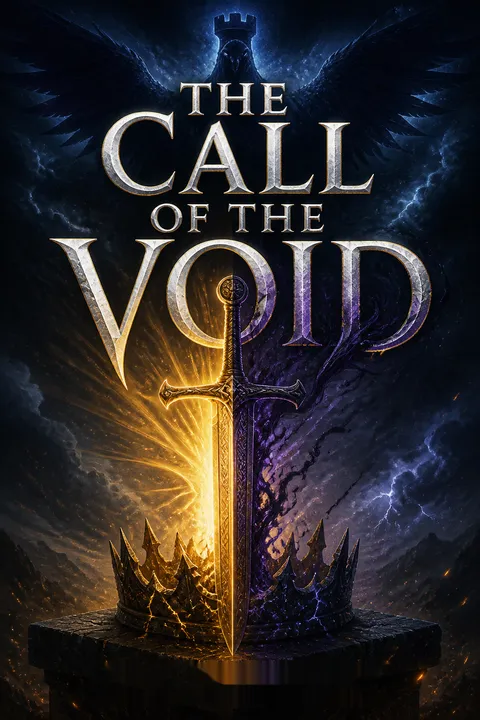
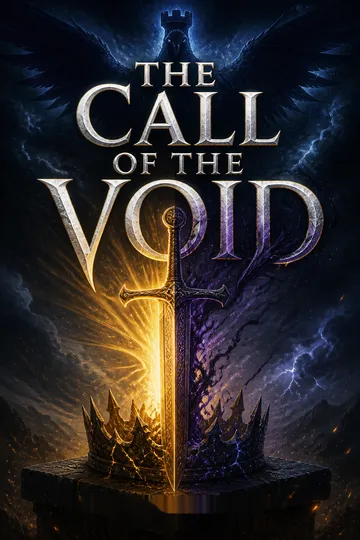
The Call of the Void receives mixed reviews, with an average rating of 3.85 out of 5. Fans praise the unique magic system, character development, and political intrigue. Many readers love the romance between Casia and Elander. Critics find the pacing slow and plot repetitive. Some feel the series is dragging and losing focus. The anxiety representation is appreciated, but some find the protagonist frustrating. Overall, readers are invested in the complex world-building and eagerly await the next installment, despite concerns about the series' direction.
People Also Read


Characters
Casia Greythorne
Sun-marked reluctant heirCasia is a mercenary, a loyal friend, and a woman with a complicated claim to a throne she has never sought. She survives by reading danger quickly, fighting skillfully, and using humor to keep fear from taking over. Her compassion is not softness without limits: she risks herself for strangers, but increasingly learns that protecting others cannot mean treating her own life as expendable. She carries several kinds of magic whose competing demands unsettle her sense of self. What drives her is the stubborn belief that people can still help one another, even after betrayal and loss. Her challenge is to lead without surrendering either her moral judgment or her need for connection.
Elander
Fallen god, devoted protectorElander is a former divine servant whose power and memories are diminishing. He is a practiced fighter, a strategist, and a being accustomed to keeping others at a distance. His devotion to Casia runs deeper than either can fully explain at first, but his instinct to protect her can become self-sacrifice that excludes her from decisions about their shared danger. Beneath his confidence lies grief over what he has lost: status, power, parts of his past, and a clear place in either the mortal or divine world. He is driven by loyalty and by the hope that love can survive changes in identity. His growth depends on learning to stand with Casia rather than simply placing himself between her and harm.
Varen
Power-hungry imperial brotherVaren is Casia’s brother and the ruler of a powerful human empire. He is politically agile, controlled in public, and skilled at presenting self-interest as protection of the realm. His childhood on a contested throne helps explain his vigilance about power, but does not excuse the harm he causes to preserve it. He treats relationships as potential alliances or liabilities and prefers to change tactics rather than admit moral fault. Casia’s refusal to trust him threatens the family story he would rather control. He is compelling because his desire for security is recognizable, while his methods steadily turn security into domination.
Laurent
Half-elf, guarded allyLaurent is a reserved fighter and one of Casia’s closest allies. His mixed human and elven heritage has made belonging difficult, and he has learned to reveal little until he knows what a truth will cost. He tends to approach danger with practical caution, often balancing Casia’s impulsiveness and Zev’s irreverence. His connection to Moreth is both a possible source of access and a painful reminder of family he never truly knew. Laurent values the chosen family he has found, even when he struggles to say so plainly. His quiet loyalty is not passivity; when danger demands a decision, he can act with speed and resolve.
Zev
Wounded friend, reckless witZev is Casia’s longtime friend and Rhea’s brother. He masks fear and pain with jokes, flirtation, and theatrical complaints, but his loyalty becomes unmistakable when someone he loves is threatened. A capable fighter and fire wielder, he is often more perceptive than his irreverence suggests. His shared childhood with Casia gives their friendship the ease of siblings who know each other’s worst habits and remain close anyway.
Rhea
Steady sister and seerRhea is Zev’s sister and one of Casia’s most grounding friends. Her bond with the fox Silverfoot gives her a way to perceive the world beyond ordinary sight, while her directness makes her a dependable voice in tense moments. She offers comfort through practical gestures, such as food and the familiar ritual of tracing storms into her palm. Rhea’s care is neither sentimental nor controlling; she understands that Casia sometimes needs silence as much as advice.
Nessa
Compassionate Feather-kind archerNessa is a young woman marked by a Feather spirit, an archer, and a generous source of emotional support for Casia. She instinctively helps people in distress, even when caution suggests a trap, and her kindness can place her in danger. Her lightness and affection help restore a sense of ordinary friendship amid divine conflicts. Nessa’s optimism is sincere, not naive, though she sometimes needs others to help her see when trust has become risky.
Caden
Elander's ancient spirit-servantCaden is a lesser spirit who has served Elander for centuries. Formerly a mortal soldier facing a terminal illness, he carries the discipline and guardedness of someone who has lived through many wars. He is blunt with Casia and initially resents the disruptions her presence brings, yet his loyalty to Elander is rooted in genuine affection rather than mere obedience. Caden’s perspective helps explain how mortals can be marked and raised into divine service.
Malaphar
Rook God of darknessMalaphar is an upper-god associated with darkness, knowledge, and chaos. Once Elander’s master, he now acts with increasing freedom and seeks to bend people and divine power to his purposes. He is patient enough to use bargains and marks, but his patience is a form of strategy, not mercy. Malaphar’s terrifying force comes partly from the way he turns a person’s existing desires into instruments of control. He is a cosmic antagonist, yet his methods intrude directly on the bodily autonomy and loyalties of those he targets.
Solatis
Sun Goddess and life-giverSolatis is the upper-goddess associated with the Sun and the giving of life. She has encouraged magic and knowledge among mortals, a choice that places her at odds with more restrictive divine powers. Her presence is often felt through relics, old stories, and the magic carried by others rather than through direct intervention. Solatis embodies a difficult form of care: she empowers others but cannot remove every cost or prevent every loss. Her relationship to Casia and Elander centers on the potential of power to be shared, scattered, and restored.
Soryn
Exiled queen of SadiraSoryn is the young ruler of Sadira, a fallen kingdom trying to recover from war. She leads through visible responsibility, tending to defenses and remaining close to her people rather than delegating every risk. Her relationship with Casia is built on mutual respect: she supports Casia’s ambitions while reminding her that leadership means protecting a community, not only winning battles. Soryn’s own authority is hard-earned and politically fragile.
Alder
New king of MorethAlder is the heir to Moreth’s throne, a socially skilled host whose humor and indulgence conceal a serious political burden. He faces pressure from Ethswen and from a divided elven court, and he is wary of committing his people to another war. His relationship with Laurent carries the possibility of family connection complicated by their separate upbringings. Alder is curious and more approachable than his reputation might suggest, but he often uses charm and drink to postpone difficult decisions.
Sarith
Ambitious elven noblewomanSarith is Alder’s wife and a noblewoman from Mistwilde. She is disciplined, forceful, and shaped by years of watching her people lose territory and political influence. Where Alder prefers negotiation and delay, Sarith believes survival requires ruthless action. Her political marriage places her in a position where personal desire and public duty are difficult to separate. She sees weakness as a threat to the realm and is determined to prevent Moreth from suffering the losses she witnessed in her childhood.
Nephele
Storm Goddess and blunt allyNephele is the Storm Goddess, a sharp-tongued and energetic member of the Sun Court. She enjoys conflict more than she admits, but she is also a capable judge of political danger. Her history with Elander gives their exchanges the familiarity of old friends who are free to criticize one another. Nephele helps because she believes Casia matters, though she rarely disguises her skepticism or concern behind gentle language.
Yosu
Moon Goddess of crossroadsYosu, also known by the mortal name Inya, is the Moon Goddess associated with crossroads, reflection, and decisions. She recognizes that Casia’s identity is changing and offers guidance without insisting that there is one correct path. Her calm manner does not make her passive; when divine conflict reaches her haven, she acts decisively to protect travelers. Yosu serves as mentor and confidante to Nephele.
Namu
Impatient Goddess of HealingNamu is the Goddess of Healing, a blunt and practical deity who works with herbs and magic in equal measure. She treats injuries without pretending that every wound should be erased. Her understanding of death gives her a strict sense of what healing can and cannot accomplish. Namu is willing to challenge Casia’s instinct toward martyrdom, asking her to consider what her continued life might make possible.
Sade
Sundolian emissary and dragon riderSade serves the rulers of Sundolia as an emissary and travels with Rue, a powerful dragon. She is observant, reserved, and impatient with people who fail to understand the dangers around them. Her knowledge of divine creatures and elven history helps the group interpret events that have no ordinary explanation. Sade’s composure makes her a steady presence among more impulsive companions.
General Kolvar
Morethian commanderKolvar is a disciplined general who serves Moreth’s royal house. He values loyalty, evidence, and order, and his stern manner makes him difficult to read. His allegiance is shaped by respect for the people he serves rather than simple obedience to whoever holds power. Kolvar’s military judgment and familiarity with the court make him an important link between political decisions and action on the ground.
Tara
Elander's longtime servantTara is a partially divine member of Elander’s court who has served him for a very long time. Her relationship with him mixes loyalty, fear, and the complicated dependence created by service under a powerful god. She is shaped by the punishments she has endured and by her desire to survive them, which makes her choices difficult for Elander to interpret.
Jeras
Faithful Sadiran soldierJeras is one of Soryn’s soldiers and volunteers to accompany Casia beyond Sadira. He represents the many ordinary fighters whose lives are caught up in struggles led by rulers, gods, and would-be queens. His willingness to follow Casia reflects the trust her actions have begun to earn.
Plot Devices
The Heart of the Sun
Relic linking light and loveThe Heart is a jeweled relic Elander once took from Solatis. It responds to Casia’s presence and helps Elander resist Malaphar, making it both a practical source of power and evidence that their connection reaches beyond their current lives. Its origins are tied to the lost Vitala, Solatis’s ancient warriors. The Heart’s power is not simply stored in the object: it has been shared, depleted, and eventually joined to a weapon. Its changing state turns a small keepsake into a key to the novel’s history and final conflict.
The Ascension Mark
A curse that transfers powerMalaphar’s mark binds Casia to his magic and may make her the next vessel for his power. As Elander’s divinity fades, some of that power transfers to her, strengthening her while endangering him. The mark also influences which magic she can access, particularly in the presence of other members of Malaphar’s court. It makes bodily autonomy central to the conflict: Casia’s power grows in ways she has not chosen, and every use risks making the transformation harder to resist.
The Godhaven Paths
Travel between divine realmsEach godhaven has doorways linked by paths shaped through divine magic. A traveler often needs the realm’s keeper or a marked guide to open a passage, while those with the proper power can alter or destroy the routes. These paths let the characters move between the mortal world and divine refuges, but they also create strategic vulnerabilities: a destroyed doorway can delay pursuit, and an attacker who reaches a haven can turn sanctuary into a battlefield.
Abseth Berries
A false face hides the killerAbseth berries are used in Moreth for temporary changes in appearance. Casia learns about their disguising properties before Alder’s murder, then uses a vision drawn from his blood to suspect that the apparent Laurent was an impostor. The berries give the murder mystery a concrete mechanism and show how elven knowledge can manipulate identity. Their role also echoes the larger story, where names, bodies, and memories do not always provide reliable proof of who someone is.
Dawnskeep and Shadowslayer
A sacred shore becomes a weaponDawnskeep is an island sanctuary associated with Solatis and the ancient Vitala. Its concentrated Sun magic helps suppress Casia’s darker power and allows her to reach the island, but the goddess does not answer her attempted summons. After Solatis is freed, she forges Shadowslayer by joining the repaired Heart of the Sun to a sword. Casia must then wield it against a new manifestation of Death. The device links an ancient site, a failed prayer, and a practical weapon without making victory automatic.
Shadows and Crowns Series

About the Author
Download PDF
Download EPUB
.epub digital book format is ideal for reading ebooks on phones, tablets, and e-readers.








