

Plot Summary
Ciridan Falls Silent
The story opens beneath the River Drow, where Casia reaches through the grey silence with her magic, hoping Elander can still feel her. At Ciridan Palace, he is fighting among the wreckage after she disappeared with a time-goddess hourglass. Malaphar, the Dark God of Chaos, escapes his magical prison and attacks Elander with an obsidian blade.
Casia’s power answers through Elander and her sword, flooding the battlefield with light. The Dark God and his army disappear, and a protective barrier forms around the palace. Elander cannot tell whether Casia is alive or whether her power has simply lingered behind. He follows the faint warmth of her magic, even as the surviving allies try to understand what just drove their enemy away.
The opening divides the lovers between two kinds of uncertainty. Casia is alive but cut off from ordinary time and place; Elander is physically present but unable to tell whether the warmth he senses is her or only the remnant of her power. Their shared magic acts as a channel where language and distance fail. Malaphar’s sudden disappearance offers neither victory nor security, only a pause whose emotional cost is measured in Elander’s fear that he has lost Casia permanently.
Into the River Drow
Elander learns from Velia, the Air spirit, that Casia is in Kantrum, the realm outside time and space. He forces Velia to take him there, despite Nephele’s warning that the River Drow does not return those who enter. The river rejects Elander on his first attempt, but the Goddess of Life, Solatis, appears and illuminates a path back into its depths.
Following Casia’s answering magic, he finds her suspended in a pool of light and carries her toward the shore. Shadowslayer helps revive her. Velia then shields the couple from the Goddess of Time, Santi, and returns them to Kethra. They reach the house where Nessa lies wounded, only to learn from Zev that she has died.
Elander’s rescue is an act of attachment that refuses to treat survival as a calculation. He knows the river may claim him too, yet the possibility of a life without Casia is worse than the danger. Solatis’s intervention matters, but it does not erase the cost of the journey: Velia is left to face Santi, and the reunited couple return to a new loss. The sequence makes love a practical force, one that brings people back, but cannot guarantee that everyone can be saved.
Life Against Death
Casia refuses to accept that she arrived too late for Nessa. The missing hourglass has carried her back to the moment her life with Elander began, and she understands that the past she chose must remain part of the present. Calling on Solatis’s power, she takes Nessa from Laurent and pours life into her. Nessa breathes again, but Casia collapses from the effort and sleeps for three days.
When she wakes, the Goddess of Healing explains that Solatis’s remaining power is finite. Malaphar is offering magic to other divine beings, drawing them into his court and accelerating the drain. With Nessa recovering, Casia’s party agrees to travel to Mistwilde and pursue the Antaeum Point that could weaken him.
Casia’s resurrection of Nessa is both an act of compassion and a refusal to let grief dictate what the past means. Her time journey does not make her history painless; it allows her to claim it, including the relationship that gives her strength now. The Healing Goddess’s warning complicates this triumph by placing a limit on Casia’s power. Her capacity to restore life is real, but it cannot become an excuse to imagine herself responsible for every life around her.
The River Battlefield
On the road to Sadira, Casia and Zev find fresh magical traces near a storm-damaged grove. An explosion leads them to a battle where Sadiran soldiers are being attacked by Ethswenian and Morethian forces. Casia rejects the safer route around the fighting, reasoning that saving Soryn’s people may persuade the queen to renew their alliance. She and Laurent organize a defense around a river.
Casia lures enemy troops into the water, where her and Elander’s lightning turns it into a deadly trap, buying the Sadiran army time for reinforcements. Soryn arrives with Alaya, the Dragon Queen, and releases Casia from Alaya’s restraining magic. The battle ends, but Soryn insists on speaking with Casia only after she has assessed her own losses.
Casia’s choice to intervene is strategically sound, but it is not emotionally neutral. The bodies on the battlefield recall the devastation at Ciridan, and she must decide whether avoiding new bloodshed is possible or merely another way of leaving allies alone. The river tactic shows her learning to use the terrain rather than relying on overwhelming power. Yet victory does not automatically restore trust: Soryn’s arrival is conditional, and the alliance remains a political relationship shaped by competing fears.
Soryn Refuses the Alliance
In Ironedge, Soryn confronts Casia over the sealing of divine magic, which threatens Sadira’s dependence on it. Casia explains that she supports finishing the work begun by her father and brother, even though the decision will reshape the kingdoms.
Soryn refuses to place her soldiers under Casia’s command and orders the party to leave the next morning. Casia fears that the rupture will outlast the war, but Alaya later approaches with a quieter offer: Air-kind soldiers can carry a small group quickly to Mistwilde.
The queen also promises to keep arguing Casia’s case with Soryn. Casia accepts the help, then uses water from Lake Ulondar to cross Mirdor, where the River Keeper tests her with visions of her past before allowing her party into the elven realm.
The argument with Soryn is not a simple clash between a brave queen and a stubborn one. Soryn’s resistance grows from a credible fear that Casia’s plan will strip her people of the means they use to survive. Casia’s willingness to continue despite that conflict marks a shift from seeking unanimous approval to accepting political responsibility. Alaya’s intervention offers a bridge rather than a resolution, while the River Keeper’s ordeal forces Casia to encounter her history without surrendering to it.
Ironedge’s Restless Dead
After the party leaves Ironedge, revenants rise from the battlefield dead and converge on the town’s wounded. Casia helps Soryn gather the injured behind magical barriers, but a revenant enters a wounded soldier and makes him attack.
When a similar spirit possesses Zev, Casia uses her life magic to drive it out, then frees several more soldiers. The effort nearly empties her strength. Varen, Casia’s brother and the new God of Death, appears in the town and admits he helped summon the revenants under Malaphar’s control.
He gives Casia a Blood crystal containing information needed for the Antaeum Point, then helps her destroy the remaining spirits. He warns that Malaphar is deliberately forcing her to spend her life-giving power and that the city’s dead have all risen.
The revenants make the cost of Casia’s compassion immediate: every wounded body she tries to protect can become a weapon. Her choice to cure possession rather than kill its hosts preserves lives, but the labor weakens her in precisely the way Malaphar intends. Varen’s assistance arrives inside a moral contradiction. He is involved in the attack and still helps limit its damage, leaving Casia unable to sort love, guilt, and trust into separate categories.
Mirdor Opens Its Path
In Mistwilde, Casia’s party reaches the royal city only after the River Keeper subjects her to visions of every major wound in her life. She remains standing, and the waters open a path for the others. King Talos receives them but initially refuses to join their war, believing Mistwilde can remain apart from the mortal realm’s danger.
When Casia reveals the scars Sarith carved into her, Talos recognizes the Morethian queen’s violence and names the weapon she carries: Crownkeeper, an ancient elven scourge-blade once belonging to his family. He offers a bargain. If Casia retrieves Crownkeeper, he may consider joining her cause. Anwyn, Talos’s niece and Sarith’s former confidante, privately supports Casia and offers her help.
Mistwilde’s beauty is paired with the comfort of withdrawal. Talos has built a realm that can avoid divine conflict, and his caution reflects a political strategy as much as personal stubbornness. Casia counters abstraction with evidence: the scars on her body make Sarith’s threat impossible to dismiss as someone else’s problem. Anwyn’s loyalty introduces a second way to persuade the king, through kinship and memory rather than force.
Rhea at the Vanishing Lake
While tracking Sarith, Casia’s party encounters dead elves bearing signs of a larger threat. Rhea’s magical link with Silverfoot falters, and a rockslide buries the group. Casia awakens alone, follows a blood trail, and finds Rhea dead beside the lake.
Nalia, Sarith’s second-in-command, accuses Casia of making her allies vulnerable, then snares her with a scourge-blade. Elander wakes under the same landscape’s deceptive magic, which makes him believe Casia is drowning.
He recognizes the faral creatures feeding on his fears and breaks their hold. With Nessa calming Casia and Elander reaching her through their shared magic, he drives the faral away. The survivors reunite, but Rhea’s death leaves Casia grieving and angry as they resume the hunt.
The lake sequence weaponizes perception before it uses physical violence. Elander’s fear of water turns a mind trap into a convincing rescue crisis; Casia’s grief makes Nalia’s accusation dangerous because it echoes the protagonist’s own self-blame. Rhea’s death is not presented as proof that Casia should stop leading. Instead, it exposes the impossible demand beneath her leadership, the wish to protect everyone in a war designed to make every choice costly.
Sarith Loses Crownkeeper
Casia’s allies trace Sarith to Mistedge, the ruined estate protected by shifting spells. Elander is separated from the group and confronts Sarith, who tries to delay him with soldiers and magical crystals. He overpowers her guards, but her scourge-blade wounds him. Casia reaches the battle and attacks Sarith with a tiger-shaped surge of light, while Elander’s own light beasts hem the queen in.
They strike together, killing Sarith and ending her hold over Moreth. Casia takes Crownkeeper back to Irithyl and throws it at Talos’s feet, demanding access to the Antaeum Point hidden beneath his palace. Talos accepts the challenge, and Casia finally has the route she needs into the heart of Mistwilde’s defenses.
The confrontation pays off both the personal and political injuries Sarith has caused. Elander’s pursuit is fueled by his guilt over Casia’s scars, while Casia’s presence ensures that the fight does not become merely his revenge. Their combined attack contrasts with the solitude Sarith tried to impose through her traps. Returning Crownkeeper also converts victory into leverage: Casia has fulfilled Talos’s condition and can now insist that he address the greater threat.
The Point Enters Shadowslayer
Beneath Irithyl, Casia and her companions find the Antaeum Point, a vast storm of dark power made from the Dark God’s magic and ancient sacrifices. Casia and Elander try to contain it with their Sun-derived strength, but the Point resists. Shadowslayer then draws the Point into itself.
The storm vanishes from the cavern, yet the sword turns black and its Heart of the Sun cracks, leaving Casia nauseated and her power diminished. Talos’s council confiscates the weapon, afraid of what it might do. Casia leaves Mistwilde with Elander and Nessa to seek answers in the mortal realm, carrying a Blood crystal Varen gave her. The Point is no longer fixed beneath the palace, but its danger travels with her.
The apparent success is really a transfer of responsibility. Casia has stopped the Point from continuing to spin unchecked, but she has also made herself its container and compromised the weapon through which she channels power. The council’s decision to keep Shadowslayer reflects a valid fear, though it treats Casia as separate from the danger she has taken on. The movement of the Point changes the question from where it is to what it is doing to her.
Feyedge Burns Under Gods
Outside Mistwilde, the sky has darkened and Feyedge’s people are dying from the Fading Sickness. Casia enters a Blood crystal containing her father’s investigation into the Antaeum Points, but the memory breaks before it explains how to destroy one.
A Fire God attacks the town, and Nephele intercepts him. Casia’s party tries to escape, but the god traps Casia in a ring of flame. Varen intervenes, draining the fire and shielding her from the attack. When the God of Fire returns, Casia chooses to protect her brother rather than leave him behind.
Their brief shelter brings back a childhood memory and reveals that Varen is still working under Malaphar’s control. Before the siblings separate, Varen warns her that the Point’s solution is hidden in the crystal’s unfinished message.
The failed crystal does not provide a clean answer, but it changes Casia’s relationship with her brother. When Varen lies helpless beneath the Fire God’s attack, she acts on the childhood instinct to protect him, despite knowing that he has served the enemy. Their remembered intimacy does not absolve him; it makes their separation more painful. The incomplete memory also turns knowledge into a scarce resource, forcing the characters to reason from fragments rather than wait for certainty.
Casia Reclaims the Blade
Casia returns to Mistwilde as Shadowslayer’s darkness breaks loose in the room where Talos’s council has confined it. The weapon’s power kills one guard and drives the others away; the surrounding walls begin to fail. Casia enters the room alone, reaches through the cold, violent energy, and pulls the sword free.
She contains the disturbance, but the Point remains inside the blade and still threatens to overwhelm her. Talos recognizes that she can bear what his scholars cannot and allows her to keep it. Meanwhile, reports from the mortal realm grow worse: divine attacks are destroying towns, and even the sun is obscured. Casia’s brief time away has shown the cost of delay, so she presses on to find a way to break the Point.
Casia’s return to Shadowslayer marks a change in how she understands responsibility. She does not reclaim the sword because it has become safe, but because leaving it with others would spread the danger without solving it. Talos’s respect arrives only after he sees what holding the weapon requires. The worsening world outside makes the political luxury of waiting increasingly untenable, and Casia must carry both the weapon and the consequences of an incomplete plan.
Blood Reveals the Cost
Casia and Elander repeatedly try to neutralize the Point with Sun magic, but Shadowslayer repels their strength. Zev’s fire also fails to change the sword. When Zev cuts his palm and lets blood fall on the blade, the Point’s energy briefly falters. They infer that the Point must be overloaded by a willing sacrifice of the same dark power used to create it, likely the blood of Malaphar or one of his servants.
Casia is disturbed by the implication but hides her reaction. As armies gather at Hallowforge, a spy is exposed through an Ethswenian knife sheath and admits that traitors have already sent their enemies the fortress’s plans and numbers. Elander kills the spy, and enemy armies appear on every approach.
The blood experiment gives the group a mechanism, not a victory. It confirms that the Point responds to dark blood, but also suggests that solving the problem may demand a sacrifice far larger than a few drops. Casia’s unease signals that she senses the human cost before the others fully name it. The spy’s confession makes their external disadvantage concrete: the coming battle is not only against superior numbers, but against information already leaked from within.
A Vow Before War
Before leaving for the final campaign, Casia and Elander accept a chance at an ordinary promise inside an extraordinary war. Talos gives them a ceremonial Savnas blade, and the Mistwilde king uses it to mark matching symbols on their palms. They marry in a garden surrounded by their closest friends, who witness their vows and celebrate with them.
The ceremony does not erase their fears or guarantee that they will survive. Instead, it gives their imagined future a present form: a shared commitment made while the outcome remains uncertain. After the wedding, Casia and Elander spend the night together, and each acknowledges that love has made the possibility of loss more painful, not less.
The marriage is not a reward saved for peace; it is a deliberate act taken before peace is assured. Its importance lies in refusing to make emotional life contingent on victory. The matching marks transform private devotion into a visible bond, while the friends’ presence places the couple within a wider community rather than isolating their love as an escape from politics. Their hope is real precisely because it is vulnerable to the war they are about to enter.
Hallowforge Faces the Armies
At Hallowforge, Casia’s allies prepare for armies that outnumber them. A traitor’s warning proves accurate when the attackers approach, but the forces suddenly withdraw as Santi, the Goddess of Time, sends a sandstorm toward the fortress. Casia holds the storm back long enough for her soldiers to retreat behind the walls.
Soryn arrives with Sadiran troops and combines their Sky magic with the goddesses’ protection, helping contain the attack. The battle intensifies as the Fire God joins the assault. Casia and Elander agree to search for Malaphar while their allies hold off the armies and divine servants. During the chaos, the Dark God isolates Casia and Elander is forced to fight through fire and sand to find her.
Soryn’s return is a political reversal grounded in action. She does not merely endorse Casia’s position; she brings soldiers and commits her own magic at the point where the fortress might fail. The attackers’ retreat initially offers false relief, revealing that divine violence has taken over the battlefield. Casia and Elander’s plan depends on friends holding a defensive line while they pursue Malaphar, making the climax a collective effort rather than a duel detached from the armies around it.
Varen’s Blood Breaks the Point
After the fight scatters the allies, Casia attacks Malaphar with Shadowslayer, but the Point absorbs his blood without weakening. The Moon Goddess falls, and Casia is left facing the Dark God with her power failing. Varen reaches her and explains the missing condition: the sacrifice must be given willingly. He offers himself, knowing that his blood can overload the Point and that the act will cost his life.
Casia refuses at first, but Varen forces her to fight him so the death will appear to be a real battle. She parries his attacks until instinct carries the sword into his heart. His blood burns across Shadowslayer, the Point breaks, and the weapon shatters. Malaphar’s power weakens, while Casia loses her brother.
The mechanism works only when the sacrifice is freely given, making consent the decisive distinction between a weapon and an offering. Varen’s choice transforms the siblings’ history without repairing it: he gives Casia the means to survive, but she must be the one to deliver the fatal blow. The scene refuses the comfort of a clean moral victory. Casia has saved the world’s chance at survival through an act that leaves her with grief, guilt, and no intact sword.
The Dawn Takes Casia
With the Antaeum Point destroyed, Casia senses Elander still fighting and moves toward him with her friends. Malaphar attacks, but the fragments of Shadowslayer in their hands begin to radiate light. Casia and her allies use that shared power to surround the Dark God, allowing her to strike him with the broken blade.
Elander steadies her as the combined light overwhelms Malaphar and banishes him from the mortal realm. Before the battlefield can settle, a portal opens and drags Casia toward the same hellish realm. She drives the broken sword into the ground to seal the opening and prevent the darkness from following. Her strength gives out. Elander is left behind as the sword shatters completely and Casia disappears.
The final confrontation draws power from the relationships built throughout the story. Casia cannot win by wielding an intact weapon alone; her friends’ fragments of the sword help make the light collective. Yet victory does not mean she can remain safely among them. Her last act repeats the story’s defining choice, protecting the world even when protection separates her from the people she loves. The dawn begins, but Elander experiences it as loss rather than triumph.
Solatis Sends Her Home
Casia wakes in Galathdiel, a place between worlds where Solatis explains that she intervened before Malaphar could trap her in his realm. The Sun Goddess confirms that Malaphar has been banished, though not killed, and that the gods’ influence in the mortal world will fade over generations. Solatis gives Casia and Elander crowns made from the last piece of Shadowslayer.
Casia returns to the battlefield and reunites with her friends, then runs to Elander, who has been searching while carrying the Heart of the Sun. With the divine threat removed, the surviving leaders turn toward rebuilding and a gradual change in magic. Casia and Elander begin planning a mountain home and the future they once feared they would never reach.
Solatis’s intervention is not a restoration of the old order. The gods withdraw, and the mortal world must learn to live with the consequences of diminished magic. Turning the sword’s remnant into crowns shifts Casia and Elander from divine weapons toward political stewardship. The reunion matters because it returns Casia to a human community, not because it erases grief or devastation. The future becomes possible through work, friendship, and governance rather than another miraculous rescue.
Epilogue
Eighteen months later, Casia rules from a mountain home that is still being built. Rhea and Zev help rebuild Ciridan, while Laurent and Nessa work together in Moreth. Casia continues to mourn Varen, reading the letters he wrote to her as a child, letters their father never sent.
Elander steadies her when the grief returns. Their friends gather for Casia’s approaching coronation, and she discovers she is pregnant. The world is no longer sliding toward divine ruin; its magic is fading gradually, and Casia and Elander can imagine a family and a kingdom shaped by mortal choices.
The epilogue measures recovery through ordinary continuities: a palace under construction, friends arriving, letters read slowly, and a child expected. Varen’s letters complicate the victory by giving grief a living form; Casia cannot solve his absence, but she can keep listening to what he once tried to tell her. The dispersal of her friends into different kingdoms does not dissolve their bonds, and the pregnancy makes the future bodily and specific. Peace is not a return to the world before the war. It is the hard, intimate work of building another one.
Analysis
The novel’s central conflict is not simply a contest between good magic and dark magic. It asks whether mortals can build a political future without remaining dependent on gods who treat the world as a field for their rivalries. The Antaeum Points make that problem physical: power is not defeated by argument alone, and the people trying to change the system must decide what they are willing to spend. Casia’s power to restore life is crucial, but it also tempts her toward an impossible standard of responsibility. Her deepest development comes from acting with care while accepting that care cannot prevent every loss.
The book repeatedly links love with both repair and danger. Casia and Elander’s shared magic can find one another across realms, yet their intimacy does not spare them from grief, fear, or separation. Their marriage before the final campaign is therefore not a promise that they will be safe. It is a decision to make a life together meaningful even under uncertainty. Varen’s relationship with Casia sharpens the same question: affection does not erase harm, but history and love can still motivate a person to make a final, consequential choice.
The ending does not restore the old arrangement. Malaphar is banished, the gods withdraw, and magic begins to fade, leaving the living to construct new forms of leadership. The epilogue’s rebuilding, reunions, and family plans give this change a human scale. Hope is not presented as certainty that suffering is over. It is the willingness to govern, grieve, remember, and keep making a future after catastrophe.
Review Summary
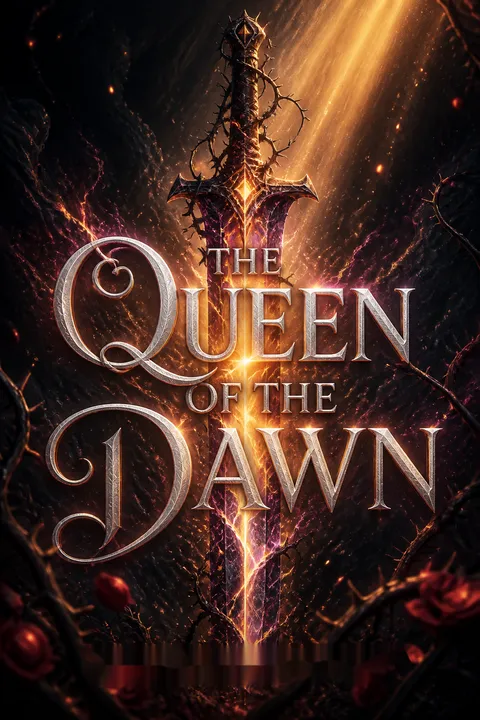
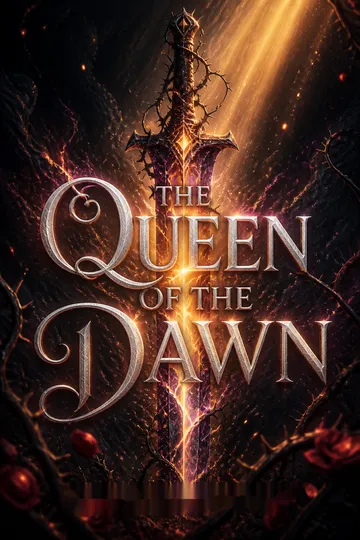
The Queen of the Dawn received mixed reviews, with an average rating of 3.99 out of 5. Many readers found it a satisfying conclusion to the series, praising the character development and emotional depth. However, some felt the book was rushed, lacked tension, and relied too heavily on convenient plot devices. Critics noted that the series peaked early and became repetitive in later installments. Despite these concerns, fans appreciated the wrap-up of character arcs and the epilogue, though some desired a bloodier or more consequential ending.
People Also Read





Characters
Casia
The life-bearing queenCasia is a queen, a skilled fighter, and the bearer of power connected to Solatis, the Goddess of Life. She is brave without being unafraid: anxiety, painful memories, and a fierce sense of responsibility shape how she approaches danger. Her instinct is to protect people, sometimes at the cost of believing she must save everyone herself. The tension between compassion and control drives her decisions, from risking her magic to heal the wounded to refusing to let the past be rewritten. She is most compelling when she acts before certainty arrives, then accepts the consequences rather than pretending they do not hurt. Her relationships with Elander, her friends, and her brother keep her leadership grounded in human attachment.
Elander
Casia’s guardian and kingElander is Casia’s partner and protector, a former divine being whose guardian power remains tied to her. He is disciplined, tactically alert, and often more controlled in public than he feels in private. His instinct to shield Casia is both a strength and a source of guilt, especially when danger reaches her despite his efforts. Over the course of their journey, he learns to admit fear rather than masking it as command or confidence. His love is expressed through concrete care: searching for her, staying beside her through nightmares, and allowing her to lead even when he would rather carry the danger himself. He anchors Casia without trying to diminish her agency.
Varen
Casia’s dangerous brotherVaren is Casia’s older brother, a shrewd strategist shaped by their family’s violent history and his difficult relationship with divine power. He can be cutting, guarded, and difficult to trust, yet his attention to Casia reveals the intimacy beneath his sharpness. His choices are constrained by the Dark God’s influence, leaving him to work through secrecy, partial truths, and calculated risks. Varen understands power as something that must be anticipated before it becomes a trap. He and Casia share childhood memories and unresolved hurt, but their bond survives even when they cannot speak openly about their intentions. His presence forces Casia to distinguish loyalty from innocence.
Zev
The fire-wielding loyalistZev is a Fire-kind fighter and Casia’s irreverent friend. His humor and appetite for mischief make him a source of relief, but neither conceals his courage or his willingness to stand in the most dangerous place when friends are threatened. He often challenges plans by asking what their risks will mean for the people carrying them out. His loyalty is practical rather than ceremonial: he fights, scouts, jokes when tension is near breaking, and accepts hard decisions when the situation leaves no clean alternative. His relationship with Rhea is particularly close, combining sibling friction with deep trust.
Rhea
The steady-eyed strategistRhea is Zev’s sister and a capable organizer whose bond with Silverfoot gives her a magical way to share sight and information. She helps coordinate Casia’s allies, reads the emotional temperature of a room, and speaks with a calm directness that can stop Casia’s spiraling self-doubt. Rhea’s strength is not loud; it lies in patience, clear judgment, and the ability to remain present when others are overwhelmed. She is protective without being controlling, and her loyalty is grounded in an old, familial closeness with Casia. Her connection with Silverfoot makes the instability of divine magic personally consequential.
Nessa
The calming healerNessa is a Feather-kind woman whose magic calms others and supports healing. Warm, affectionate, and perceptive, she often notices the strain Casia tries to hide and offers comfort without demanding an explanation. Nessa’s gentleness is not passivity: she can use a bow, defend herself, and remain beside friends in a battle. Her doubts about her changing magic reflect a larger fear that divine influence may be taking pieces of her identity. She is close to Casia, Zev, and Laurent, and her relationships show how care can be both emotional refuge and practical aid. She values people as they are, not as their powers define them.
Laurent
The elven tacticianLaurent is a half-elf commander with a reserved manner, strong tactical instincts, and a deep connection to the elven realms. He tends to observe before speaking and can appear emotionally remote, but his actions reveal how seriously he takes responsibility for those under his care. He helps Casia navigate political and military terrain, and his knowledge of elven history makes him an important interpreter of Mistwilde’s dangers. His bond with Nessa develops alongside the war, giving his disciplined exterior a softer counterpoint. Laurent’s loyalty is not blind agreement; he will challenge Casia’s risks, then commit fully once he believes the plan is necessary.
Soryn
The embattled Sadiran queenSoryn rules Sadira, a kingdom whose people depend heavily on magic and face pressure from rival armies. She is composed, proud, and wary of decisions that might leave her subjects defenseless. Her conflict with Casia arises from a genuine political dilemma, not simple hostility: she must protect her kingdom while deciding whether the old sources of power can remain part of its future. Soryn’s reserve can make her difficult to approach, but she is capable of revising her position when events demand it. Her relationship with Casia shifts between alliance and friction, reflecting the hard work of building trust between leaders with different responsibilities.
Alaya
The Dragon Queen allyAlaya is the Dragon Queen of the Sundolian Empire and a powerful wielder of Serpent-derived magic. She is controlled, politically astute, and difficult to read, yet she recognizes that Casia’s choices may be necessary even when they threaten the established order. Her alliance with Soryn gives her influence in Sadira, which she uses to create a route for Casia’s party to reach Mistwilde. Alaya’s restraint makes her interventions feel deliberate rather than sentimental. She understands that helping a rival leader can be an investment in the survival of more than one kingdom.
King Talos
Mistwilde’s guarded kingTalos rules the elven realm of Mistwilde, where the divine cannot easily intrude. An elderly scholar as well as a monarch, he values his people’s hard-won independence and distrusts the assumption that their safety requires joining mortal wars. His caution is rooted in history, but it can become a form of distance from present suffering. Casia’s persistence forces him to confront the possibility that isolation will not protect Mistwilde from every threat. He is a formidable political obstacle, not a simple antagonist, and his relationship with Anwyn reveals a more personal side beneath his formal authority.
Anwyn
The curious elven allyAnwyn is Talos’s niece and a Mistwilde elf fascinated by the divine history her realm tends to reject. She is open-hearted, curious, and more willing than her uncle to see the links between elven and mortal struggles. Her family connection to Sarith makes the conflict personal, while her interest in Casia allows her to imagine a different political future. Anwyn offers practical help without pretending that she can decide for the king. Her mixture of youthful enthusiasm and moral seriousness makes her a useful counterweight to Mistwilde’s guarded traditions.
Nalia
Sarith’s ruthless lieutenantNalia serves as Sarith’s second-in-command and participates in the violence against Casia. She is disciplined enough to carry out dangerous work and cruel enough to treat another person’s fear as entertainment. Her taunts target Casia’s deepest vulnerability, the belief that leadership means preventing every loss. Nalia’s use of the scourge-blade makes her a physical reminder of Casia’s history with Moreth. She represents the personal reach of Sarith’s regime, in which political power is enforced through intimidation and bodily harm.
Nephele
The storm-wielding goddessNephele is the Goddess of Storms and one of the Sun Court’s most forceful allies. Blunt, energetic, and quick to challenge other people’s plans, she often expresses care through action rather than reassurance. Her power makes her a formidable combatant, but its dwindling supply forces her to choose when to intervene. Nephele’s relationship with Casia combines skepticism, hard-earned respect, and teasing familiarity. She is especially wary of divine politics and understands that the goddesses cannot simply restore the balance of power by spending magic without limit.
Inya
The watchful Moon GoddessInya is the Goddess of the Moon, a patient and perceptive member of the Sun Court’s alliance. She often offers the calm perspective that more combative deities lack, and she can recognize the psychological weight behind a person’s choices. Her magic helps shield Casia’s allies and guide them through dangerous moments. Inya is not naive about the cost of opposing Malaphar, but she remains able to imagine a future beyond immediate victory. Her bond with Casia carries a tenderness that contrasts with the goddess’s formidable power.
Solatis
The life-giving goddessSolatis is the Goddess of Life and the source of the power Casia carries. She is thoughtful and deliberate, granting help at crucial moments while leaving mortals to make their own consequential choices. Her concern is not simply whether Casia can defeat a foe, but what kind of person she becomes while doing so. Solatis sees humanity’s vulnerability as a source of moral strength rather than an inferior state. Her limited presence in the mortal realm gives her interventions unusual weight.
Malaphar
The Dark God of ChaosMalaphar is the Dark God of Chaos and the force organizing the divine assault on the mortal world. He uses fear, corrupted magic, and the ambitions of lesser powers to weaken his opponents before confronting them directly. His goal is not merely to win battles, but to preserve divine control over a world whose people may no longer need it. His power is immense, yet his strategy depends on making Casia exhaust herself and doubt the alliances around her. He is a political threat as much as a supernatural one.
Namu
The Healing GoddessNamu is the Goddess of Healing, whose pacifism makes her slow to join the war but not indifferent to suffering. She visits Casia after Nessa’s crisis and challenges her to think about what she will do with both the good and the painful things life has given her. Namu’s bluntness can sound severe, yet it is paired with a deep understanding of the limits of magic and responsibility. She wants Casia to make deliberate choices rather than mistake self-destruction for strength.
Santi
The compromised Time GoddessSanti is the Goddess of Time, whose gift of an hourglass allows Casia to cross boundaries of time and place. Her choices become entangled with the Dark God’s offer of power, making her motives difficult for Casia’s allies to trust. Santi’s command over time gives her unusual freedom of movement, but it does not make her immune to divine politics or ambition. Her presence turns time travel from a convenient escape into a dangerous moral and strategic force.
Velia
The conflicted Air spiritVelia serves the Goddess of Time and can transport people across realms. Initially frightened and evasive, she becomes important because she knows where the hourglass has taken Casia. Elander pressures her to help, while she struggles with the consequences of her goddess’s plans. Velia is a lesser spirit caught between obedience and remorse, and her actions show that divine servants have limited freedom even when they possess powerful abilities.
Caden
The absent crystal makerCaden is a former ally whose work with Blood crystals preserves knowledge that would otherwise be lost. His discoveries help Casia investigate the Antaeum Points, while the sword Elander carries from him becomes a practical reminder of the group’s earlier sacrifices. Caden’s role is felt through objects, memories, and unfinished information, showing how the dead and absent continue to shape the choices of those still fighting.
Silverfoot
Rhea’s magical foxSilverfoot is Rhea’s fox companion, a clever, expressive animal whose magical link helps Rhea see and communicate across distance. He is protective of the group and often detects danger before the humans do. His loyalty is visible in physical gestures: barking warnings, seeking out Rhea, and staying close when she is distressed. Silverfoot’s connection to a divine spirit makes the weakening of magic personal as well as tactical.
Kiri
The searching Mist spiritKiri is a Mist spirit who serves the Moon Goddess and can follow people through shifting forms of mist. Playful by nature, Kiri becomes a practical scout for Elander at Hallowforge, helping expose a soldier whose loyalties are false. The spirit’s ability to reveal hidden truths makes its mischief useful when the fortress is vulnerable to spies.
Indre
The guarded Sky GoddessIndre is the Goddess of the Sky and Nephele’s sister. Her magic supports barriers and protection, but she is cautious about joining conflicts that might consume her remaining power. She represents the political distance many divine beings maintain from mortal suffering. As danger expands, her decisions reveal that even a reserved goddess can recognize when neutrality has become an inadequate response.
Farak
Hallowforge’s battle captainFarak is a battle-scarred captain who helps prepare Hallowforge for the coming siege. A veteran of earlier wars, he approaches divine danger with the practicality of a soldier: fortify the walls, organize the troops, and use the time available. His steady competence gives Casia’s coalition a workable military structure.
Plot Devices
Shadowslayer and the Heart
A blade that holds life and darknessShadowslayer is Casia’s sword, associated with Solatis and marked by the Heart of the Sun in its hilt. It channels her power and responds to Elander’s connected magic, making it both weapon and conduit. Its importance changes when it absorbs an Antaeum Point, containing the darkness but cracking the Heart and compromising Casia’s power. The sword’s later fragments allow her friends to contribute to the final struggle, so its meaning shifts from an individual instrument to a shared source of strength.
The Antaeum Points
Weaknesses bound to divine powerThe Antaeum Points are ancient structures tied to the Dark God’s power. They were made through elaborate ritual and the blood of mortals blessed by dark magic, with the intention of creating vulnerabilities in the gods. Casia’s allies seek them because sealing or breaking the Points could weaken Malaphar enough to make a direct confrontation possible. The Point beneath Mistwilde resists ordinary Sun magic and eventually moves into Shadowslayer, forcing the characters to discover what kind of sacrifice can undo it.
Blood Crystals
Memories carrying incomplete answersBlood crystals preserve memories and information through magic tied to the blood of the dead. Casia uses them to investigate what her father and other allies learned about the Antaeum Points. Their contents are not always clear: spells can fail, memories can be interrupted, and a crystal’s power can weaken with time. The fragmentary information makes the characters interpret clues rather than receive a complete solution. Varen’s crystal gives Casia the critical lead that the Point was created through darkness and sacrifice.
The Time Hourglass
A passage beyond ordinary timeThe hourglass given to Casia by Santi allows travel through time and space, but its destination is dangerous and uncertain. It sends Casia into Kantrum and the River Drow, where ordinary expectations about distance, water, and survival no longer apply. The object also enables Casia to return to a formative point in her own history, preserving the choices that created her present. Its use creates the separation that drives Elander’s journey after her and makes time itself a source of emotional and political risk.
Fading Divine Magic
A shrinking resource on both sidesAfter Solatis is sealed away from the mortal realm, divine magic no longer replenishes as it once did. The weakening affects goddesses, spirits, magic users, and the kingdoms that rely on them. Malaphar exploits the change by offering corrupted power to potential allies, while Casia’s group must ration what remains. The decline is gradual rather than instantaneous, creating a strategic countdown. It also foreshadows a world in which mortal rulers must govern without constant divine intervention.
Shadows and Crowns Series

About the Author
Download PDF
Download EPUB
.epub digital book format is ideal for reading ebooks on phones, tablets, and e-readers.








