

Plot Summary
Prologue
Six years before the crisis, priest-apprentice Alaric Fynnes sails west with his mentor, Marcus Vogel, to seize the fabled Shadow Wand. A Death Fae survivor warns them that the Wand feeds on division and once destroyed an entire continent.
Vogel kills him, takes the Wand, and throws Alaric overboard when the apprentice questions his plan. A Selkie saves Alaric from drowning, while the Wand stirs inside Vogel and finds the old wound beneath his devotion: a childhood shaped by his mother’s beatings and demands for perfect obedience.
The prologue gives the antagonist’s power a history and a psychology. The Death Fae describes a catastrophe driven not by one villain alone, but by a weapon that grows stronger as people fracture into hostile camps. Vogel chooses possession over warning, then treats doubt as disobedience, repeating the coercion that shaped him as a child. His faith does not excuse his cruelty, but it helps explain its form: he turns injury into a mandate to control others. The Wand’s awakening links private trauma to public catastrophe, while Alaric’s rescue leaves open the possibility of seeing beyond the story Vogel tells himself.
The Crow at Wyvernguard
Amaz and Dryad seers foretell a Black Witch and a Wyvern male whose clash may destroy Erthia, while Marcus Vogel prepares a holy war in the West. One month before the Xishlon festival, Trystan Gardner, a powerful Mage and grandson of the first Black Witch, trains at the Eastern Wyvernguard under guard. Vothendrile Xanthile, a dragon-shifter who once joined a petition to keep Trystan out, expects a threat.
Instead, he watches soldiers attack Trystan during exercises, even after Trystan warns them that Vogel’s Mage forces will use the same magic. When apprentices sabotage Trystan’s wand, Vothe exposes the trick before it can injure him. Trystan’s discipline begins to unsettle the prejudice Vothe once mistook for duty.
The book opens its political conflict inside a training ground, where Trystan must absorb the costs of cooperation before the East will accept his help. The Wyvernguard wants his magic as military intelligence but denies him the ordinary protections that would make him a colleague. Vothe’s change begins not with sudden sympathy, but with evidence he can no longer dismiss: Trystan repeatedly returns to a hostile exercise because he wants the Vu Trin to survive. The prophecy threatens a future clash, yet the immediate danger is a system already rehearsing exclusion.
Vothe Learns to Listen
Vothe’s childhood friend Heelyn still calls Trystan a slur, but Vothe begins challenging her and risks their friendship by refusing to treat the Mage as a disposable weapon. Tierney Calix, an Asrai water-shifter, slips past the Wyvernguard’s rules to visit Trystan with his newly discovered cousin, Or’myr Syll’vir.
Their reunion reveals how thoroughly the commanders have cut Trystan off from family. Vothe sees his relief and chooses not to report the visit. The Death Fae Sylla, who has offered Trystan quiet companionship, names the fear beneath Vothe’s arguments: that Trystan may be telling the truth. Vothe has not yet chosen him openly, but silence no longer feels neutral.
These scenes make recognition an ethical act with a cost. Vothe’s empathic talent lets him detect sincerity, but only after he stops using it to confirm inherited suspicion. Trystan’s reunion with Or’myr exposes the cruelty of institutional isolation: the Wyvernguard wants his skills while withholding the relationships that could sustain him. Sylla’s insight shifts Vothe’s self-understanding from fear of Mage power to fear of revising his identity. His first meaningful resistance is small, refusing to report a visit, yet it breaks the easy alignment between loyalty and obedience.
The Zonor Takes a Mother
When Min Lo asks the Wyvernguard to rescue Western refugees from the dangerous Zonor River, most soldiers refuse. Trystan volunteers, and Vothe is ordered to accompany him. A sudden storm tears boats apart, and the two men pull children and sick adults from the current. Vothe rescues a little girl, but her mother dies before Min Lo can revive her.
The child blames Trystan, whose green Mage features make him look like the enemy she fears. A refugee pushes Trystan overboard, and Vothe dives after him before the undertow can drown him. Back at the Wyvernguard, Trystan breaks down over the deaths and the suffering his people have caused.
The rescue refuses an easy moral division between innocent refugees and guilty Mages. Trystan is trying to help, yet the child’s grief makes his appearance unbearable, and the death of her mother cannot be repaired by his intentions. Vothe’s rescue of Trystan follows the same emotional logic: he acts before prejudice can harden into indifference. The scene also shows why collective guilt is psychologically dangerous. Trystan accepts responsibility for violence he did not personally commit, until grief nearly pulls him under with the river.
A Name Earned in Noilaan
After the Zonor disaster, Trystan turns to the Eastern faith of Vo, whose teachings place love among the divine manifestations. Some soldiers leave rather than pray beside him, but Min Lo and Ru Sol stay. Trystan begins learning the prayers, finding a religious language that does not condemn his attraction to men.
He also refuses to wear Gardnerian clothes simply to placate the Wyvernguard. His decision enrages soldiers who insist his ancestry defines him, but Commander Ung Li eventually recognizes his loyalty and grants him full citizenship in Noilaan. Trystan then changes his appearance with blue hair, piercings, kohl, and a dragon tattoo, making visible a self he was forced to hide in the West.
Trystan’s religious turn is not a rejection of spiritual life; it is a test of whether belief can offer nourishment without demanding self-erasure. Vo’s flexible symbolism gives him room to mourn and belong, even when its adherents fail to practice their own ideals. His refusal of Gardnerian clothes similarly makes identity a choice rather than an inherited sentence. Citizenship matters because it converts private acceptance into public standing, but the hostile response shows that legal recognition cannot instantly undo social stigma.
Cyme’s Shield Turns Gray
At Cyme, the Amaz city of women, Queen Alkaia receives Vogel’s demand to surrender and rallies her people to fight. Wynter Eirllyn, an Alfsigr winged girl whose necklace suppresses her mind, sends flocks of birds through the dome to seek aid from Naga the Unbroken. When Wynter senses Vogel through the necklace, Shadow spreads from its mark and the runes protecting Cyme go dark.
Fallon Bane leads the assault with corrupted Mages and Marfoir assassins. Valasca Xanthrir arrives through a portal, kills Sylus Bane, and tries to reach the Queenhall, but Shadow branches capture her. Alkaia surrenders herself to spare her people and names Freyja Zyrr her successor as Queen of the Amaz.
Cyme’s fall shows how Vogel’s weapon attacks both infrastructure and relationships. The dome is a physical defense, but Wynter’s forced connection to Vogel makes her an involuntary channel into the city. Alkaia’s surrender is not capitulation in spirit; she trades her own freedom for time and gives Freyja authority to carry the people forward. Valasca’s resistance demonstrates the value and limits of individual courage against a power designed to neutralize runes. The Amaz are forced into exile, but their political future is not surrendered with the city.
Elloren Crosses the Zonor
After Lukas Grey sends Elloren through a portal to escape Vogel, she lands in the hostile Dyoi Forest with her magic bound by the trees. She kills corrupted wraith bats attacking Nym’ellia, an Urisk teen, and her feverish mother and sister. Touching a Shadow rune briefly lets Elloren see Lukas alive in Vogel’s prison, so she resolves to reach the East and find help.
At the Zonor River, a predatory Kelt demands more money for their passage and threatens Elloren. She throws him overboard with a wind-charged blade, but a kraken drags him under and attacks the boats. Elloren fights it with her Wand of Myth, and Trystan, piloting a Vu Trin skiff, pulls her from the water.
Elloren’s first choices in the East are acts of protection, not claims to power. She keeps Nym’ellia’s family moving despite the danger of traveling with a wanted Black Witch, then uses force against a man exploiting their desperation. The Wand’s aid is practical but incomplete, while the vision of Lukas turns survival into a rescue mission. Her reunion with Trystan begins to replace isolation with kinship, yet it also exposes the political machinery that may treat her as a weapon rather than a person.
The Family Behind the Lies
Trystan hides Elloren from the Vu Trin and brings her to Fain Quillen’s protected home. There she meets relatives she believed dead or unknown: her mother’s brother, Wrenfir, and the son her uncle Edwin had with Li’ra, Or’myr. The family explains that Elloren’s parents, Vale and Tessla, secretly helped refugees escape the West and were executed by Elloren’s grandmother, the former Black Witch.
Edwin hid the truth to protect the children, while sending his Urisk partner and son east to safety. Elloren also learns that her magic remains knotted by the Forest. Fain and Or’myr gather researchers and allies to free it and trace Lukas through their fasting bond.
The family revelation recasts Elloren’s childhood as a landscape shaped by protective silence. Edwin’s secrecy was meant to keep the children alive, but it also deprived them of the history that could have helped them understand their inheritance. The truth is painful precisely because it joins love and harm: their parents died resisting the Magedom, while their guardian concealed the resistance to preserve them. Meeting Or’myr turns hidden kinship into a living relationship, and the discovery that the Forest binds Elloren links family history to her bodily struggle for agency.
Yvan Returns Through Fire
On the eve of Xishlon, Elloren feels Yvan Guryev’s Wyvernfire and follows it through Voloi as Vu Trin soldiers search for her. Yvan, the Icaral believed dead, appears and carries her to safety. Elloren tells him she believed the report of his death, then sealed herself to Lukas to escape Vogel and came to love him.
Yvan is devastated, but he does not demand that she undo her choice; he accepts her loyalty to Lukas and offers to fight beside her. Their bond still draws their magic together, even as they agree that the bond cannot decide their future. Yvan joins the hidden alliance, then leaves before the Vu Trin can track him through his runes.
Yvan’s return turns Elloren’s grief into a more difficult emotional truth, not a simple restoration. She loves him, but her commitment to Lukas is real, and the book refuses to make one attachment invalidate the other. Yvan’s restraint matters as much as his passion: he does not convert the bond’s magical force into a claim over Elloren. Their separation is tactical, but it also creates space for choice. The scene distinguishes supernatural connection from consent and obligation.
A Lavender Night of Choosing
As Xishlon fills Voloi with purple lights, several characters risk public tenderness before war. Vothe finally courts Trystan openly, and they kiss beneath the moon after Trystan admits how hard it is to feel safe as a man who loves men. Sparrow asks Thierren to be her Xishlon partner, and he accepts; later they kiss in public rather than hide.
Jarod and Aislinn take another step toward intimacy on her terms, while Mora and Fyon begin the courtship they have delayed for years. Lucretia and Jules stop concealing their love, and Olilly and Kirin choose each other despite his father’s prejudice. Or’myr and Tierney share a first kiss, painful when his fire magic flashes through her, but neither withdraws their affection.
The festival makes intimacy political without reducing these couples to symbols. Trystan and Vothe’s public courtship confronts exclusion directly, while Sparrow and Thierren claim a freedom denied to them in the West. Aislinn’s pace with Jarod foregrounds consent and recovery; the others discover that affection can be chosen even when institutions disapprove. Or’myr and Tierney’s painful kiss complicates the festival’s promise, showing that desire does not guarantee compatibility or ease. The celebration matters because the lovers know the political conditions enabling it may soon disappear.
Shadow in the Forest Pools
Tierney and Viger investigate a stagnant pool that has frightened her kelpies. Viger recognizes the water as something more dangerous than natural decay: Vogel’s Shadow is seeding itself through the Forest. His ravens and her kelpies find similar pools elsewhere, proving the threat is not confined to the distant Vo Mountains.
Viger explains the role of death in the natural cycle, and Tierney understands that he is not simply its opposite but part of life’s renewal. They combine their powers to ward the waterways and warn the Vu Trin. The discovery overturns the East’s assumption that Vogel must cross a vast desert before he can strike; his corruption is already rooted nearby.
Tierney’s investigation distinguishes ordinary death from annihilation. Viger’s insight changes her understanding of him, but the crucial evidence is material: the poisoned pool and the same corruption spreading through connected water. Their alliance joins two forms of ecological knowledge, Asrai guardianship and Death Fae perception, that local prejudice has kept apart. The episode also exposes a strategic blind spot. Noilaan’s leaders are measuring the threat by distance while Shadow has already entered the systems that sustain the realm.
A Fastline Opens the Hive
With the Forest binding loosened, Elloren’s tracking rune points toward Lukas, but Vogel has been using their fastmate connection to monitor her. Lukas reaches her through a dreamlike link and warns that he is a trap, held in a vast Shadow hive near Amazakaraan. He has obtained a wand and secretly tested his shielding against Vogel’s network, even taking control of a nearby scorpio.
Elloren sees the hive’s cells, corrupted soldiers, dragons, bats, and Marfoir, then watches Lukas confront Vogel. Their joined magic cannot defeat the Shadow Wand. Vogel’s demons attack, and he binds Elloren’s and Lukas’s fastlines into his own network, using their connection to pursue her and tighten control over both.
The fastline connection is both lifeline and vulnerability. It lets Elloren locate Lukas and witness the scale of Vogel’s army, but Vogel turns the same intimacy into surveillance and leverage. Lukas’s resistance depends on patience and concealment, not brute force: he learns the shape of the hive before risking an attack. Their failure marks a structural reversal. The link that once embodied chosen closeness is now a channel through which coercion enters, sharpening the distinction between mutual bonds and the Shadow’s imposed connections.
The Mountains Split Open
While revelers celebrate, Vogel detonates a hidden opening in the Vo Mountains and pours a Shadow army into Noilaan. The unnatural moonlight fades; corrupted dragons descend on Voloi, the border and protective dome fail, and rune-supported buildings begin to collapse. Mora and Fyon load children and refugees onto her Smaragdalfar-protected ship, while Fyon turns metal filings into explosive arrowheads to repel the dragons.
Trystan and Vothe hurry to the Vu Trin forces, where Trystan argues that his magic can help build a barrier. Tierney and Viger ride a giant raven to reinforce their river wards. Across the city, allies who had spent the festival choosing one another must now fight through the destruction their enemies predicted.
Vogel’s timing is an attack on attention as much as on stone. He strikes while the city is celebrating and its defenses are understaffed, turning a brief cultural respite into a tactical opening. Yet the response reveals that protection is distributed across people rather than contained in the dome: Mora evacuates civilians, Fyon improvises weapons, and Tierney and Viger defend water. The collapse of rune infrastructure exposes the danger of dependence on one magical system, while the coalition’s improvised actions suggest another way to organize defense.
Vogel Claims the Black Witch
Elloren escapes Or’myr’s hidden refuge on Raz’zor, but Vogel’s forces capture them as they approach the mountain stronghold. Vogel binds Or’myr and Raz’zor, takes Lukas’s fastlines onto his own hands, and fastens Elloren to himself through Shadow magic. He then corrupts her power, steals Yvan’s Wyvernbond, and forces her onto a dragon with a wand.
Vogel orders her to attack the Icaral and the city below. Elloren fights his control from inside her own body, but Vogel uses her magic to shatter Noilaan’s dome and raise a vast Shadow tree from the river. The Prophecy appears to be coming true, with Elloren made to assault the very people she wants to protect.
Vogel’s violence is most frightening when it imitates intimacy. He claims Elloren through a coerced fasting and corrupts her Wyvernbond, taking magical structures associated with love and turning them into instruments of possession. Her resistance remains real even when she cannot control her body, so the scene refuses to confuse captivity with consent. The destroyed dome makes the inner violation public: Elloren is compelled to enact the role the prophecies assigned her. The central question becomes whether prophecy predicts behavior or supplies a script an abuser can force someone to perform.
A Stormwall Against the Horde
At Voloi’s Voling Plaza, Trystan asks Heelyn to let him connect his magic to the Vu Trin’s remaining runes so they can shield the city. Heelyn distrusts him, but the incoming Shadow dragons leave little time for old grievances. Vothe stands beside Trystan, and refugees and allies help persuade the soldiers to cooperate.
Their combined power raises a stormwall over the plaza and temporarily slows the horde. Yvan reaches Elloren, but Vogel uses her stolen magic to blast him away and make her break the wall. Then he binds Yvan in Shadow branches and forces Elloren to tear into his wings. Trystan’s defense buys time, but cannot stop Vogel from turning Elloren’s power against the East.
This turning point converts Trystan’s long ordeal into a practical argument for coalition. His Mage power is precisely what the Vu Trin need, but using it requires Heelyn to risk trust rather than preserve ideological purity. The stormwall demonstrates that cooperation can produce defenses no faction could make alone. Its destruction does not disprove that principle; it shows the limits of a tactical alliance when Vogel controls the battlefield and Elloren’s body. Trystan and Vothe’s choice to stand together is therefore both intimate commitment and military necessity.
The Mountain Takes Lukas
Yvan’s kiss helps Elloren resist Vogel long enough for her power to reach Lukas through their surviving Sealing link. Lukas breaks free inside the hive and channels Yvan’s fire and Elloren’s magic into a final spell. The Vo Mountain Range erupts, destroying Vogel’s hidden army and severing the Shadow tree’s hold over the battlefield.
Lukas disappears in the blast, and Elloren’s Sealing lines vanish with him. Yvan falls into the Shadow-covered river with shredded wings, but Naga the Unbroken arrives with a horde of Western Wyverns and carries away a wounded Icaral. As Elloren drops from the collapsing tree, the Icaral Ariel Haven catches her and flies her clear of the fighting.
Lukas’s sacrifice resolves his captivity by turning the very bonds Vogel exploited into conduits of resistance. The magic that once linked Elloren and Lukas under coercion becomes a deliberate act of mutual aid, joined to Yvan’s fire. The victory is costly and deliberately incomplete: the mountain and hive fall, but Lukas is gone, Yvan is gravely wounded, and the broader war continues. Naga’s arrival complicates the apparent catastrophe with rescue, while Ariel’s return gives Elloren another chance to survive without making the losses less real.
III Names a Guardian
Ariel tries to carry Elloren to safety, but Vogel’s Shadow invades her mind again. Dryad soldiers capture her and take her to the Great Tree, III, intending to kill her before she can threaten their Forest. Vogel fights the Tree’s power through Elloren, but she turns toward III rather than toward Yvan, giving the Tree the chance to pull Vogel’s corruption from her.
In the darkness within III, Elloren tells the Tree the truth of her life and her failures. It answers by restoring her body and magic, balancing her elements and rooting her to the Forest. Her fastlines and Sealing marks disappear; III’s image appears on her palm, naming her a Guardian.
Elloren’s transformation is not a reward for victory but a change in the terms of agency. The Great Tree does not simply overpower Vogel; it gives Elloren a place to speak, mourn, and be received after years of being treated as an instrument. Her loss of fastlines and old bonds is profound, not cosmetic: she must inhabit a new relationship to magic that is rooted in mutual life rather than private possession. The Dryads’ initial hostility also prevents the Forest from becoming an easy sanctuary. Acceptance begins as a contested political choice.
A Bond Chosen, Not Foretold
Yvan finds Elloren alive, his wings healed, and they grieve Lukas together. Her new Forest-rooted power has broken the old fastings and bonds, yet she and Yvan choose to restore their Wyvernbond as allies. The Dryads remain divided: Sylvan accepts III’s judgment, while Oaklyyn fears Elloren and rejects her.
Tierney arrives with Viger and the returned Errilor ravens, carrying evidence that Shadow is spreading through nature itself. Elloren explains that III showed her people from every culture standing with the Forest. She asks the Dryads to teach her their magic and help find the green Wand, now known as Verdyllion. The book ends with the coalition still forming and Vogel’s greater army still a threat.
The ending replaces the prophecy’s forced opposition with a chosen alliance, but it does not pretend that love or revelation can dissolve political fracture on command. Elloren and Yvan renew their bond without restoring its earlier coercive pull, making the choice meaningful after the old magical compulsion has ended. Oaklyyn’s refusal gives the new coalition a real internal conflict, while Tierney and Viger broaden the threat from military conquest to ecological corruption. The Wand’s absence and Vogel’s surviving reach keep the victory provisional: the story closes on a newly possible form of solidarity, not a finished peace.
Epilogue
The Forest Wand, Verdyllion, slips away from Elloren after she falls and travels west in the talons of an indigo kestrel. Drawn by migration, it passes through portals and eventually drifts into the sublands beneath Alfsigroth. There, Wynter Eirllyn has been stripped of her Zalyn’or and cast into the depths by her own people, who condemn her wings as a curse.
She finds the Wand in a stream. Its green light frees her mind from the necklace’s binding and restores a measure of power. Wynter names herself on her own terms, spreads her injured wings, and meets her brother Cael and Rhys, who have come with Smaragdalfar allies.
The epilogue transfers the Wand from the protagonist’s battlefield to a character whose struggle has centered on imposed identity. Wynter’s family and religion have treated the Zalyn’or as proof of belonging, even as it suppresses her will. Its removal is brutal, but the Wand’s arrival offers another kind of inheritance: power that does not require her to deny her wings. Her self-naming reverses the language used to condemn her, while Cael and Rhys’s arrival turns solitary survival into reunion. The Wand’s migration also keeps the larger conflict open, making its next bearer part of the unfinished story.
Analysis
The novel’s central conflict is not simply whether the East can defeat Vogel. It is whether a society organized around inherited purity can learn to cooperate before its defenses fail. Gardneria condemns Fae, women’s autonomy, and men who love men; Noilaan protects real freedoms while developing its own exclusionary politics; the Alfsigr use the Zalyn’or to enforce conformity; even the Dryads fear that accepting outsiders will dilute their magic. Each culture has reasons for its boundaries, often grounded in historical injury, but those reasons become dangerous when treated as permission to deny others’ lives.
Elloren’s power makes that danger intimate. The Shadow Wand does not create every division; it feeds on them, then makes those divisions appear inevitable. Vogel’s use of magical bonds sharpens the distinction between connection and possession. A fastline or Wyvernbond can carry rescue, grief, and shared strength, but Vogel turns those channels into surveillance and control. Elloren’s resistance is therefore both political and bodily: she must refuse the role imposed by prophecy while accepting that her power cannot be mastered through denial alone.
The book’s most persuasive counterforce is not a single champion. It is a practice of coalition: Trystan lets Mage power strengthen Vu Trin defenses, Mora shelters refugees, Tierney and Viger protect waterways, and enemies reconsider what they know about one another. These acts do not erase the dead or resolve old grievances. They establish that trust is labor, not a feeling that appears once prejudice is exposed. Elloren’s transformation into a Forest Guardian extends that principle into the natural world. The Forest does not ask her to become pure; it roots her in a wider living network. The ending offers no easy victory, only a fragile, demanding possibility: survival depends on joining powers without forcing every participant into the same identity.
Review Summary
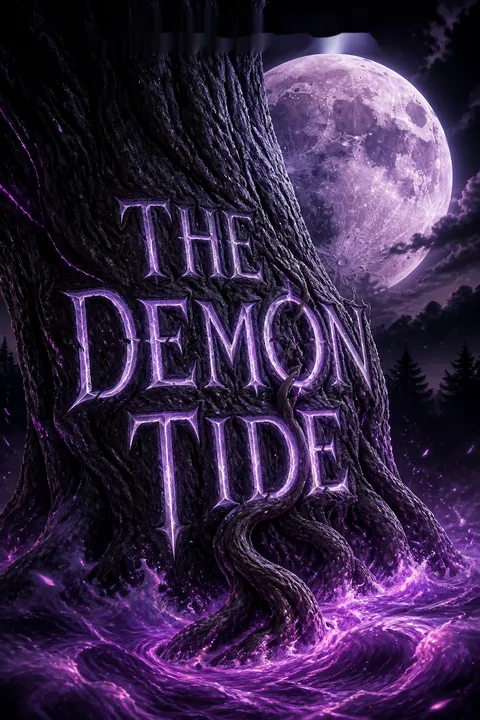
The Demon Tide received mixed reviews, with many readers disappointed by the numerous POVs, excessive focus on romance, and lack of plot progression. Critics found the love triangle frustrating and the main character's development lacking. Some praised the world-building and emotional depth, while others felt the book strayed from the series' original themes. Many readers expressed dissatisfaction with certain character deaths and plot twists. Despite the criticism, some fans still enjoyed the immersive storytelling and eagerly anticipate the next installment.
People Also Read



Characters
Elloren Gardner Grey
Reluctant Black WitchElloren is a young Mage raised to believe her grandmother’s legacy defines her, even though she begins with little recognized power. Her instincts increasingly run against the prejudices of the Gardnerian world: she protects refugees, questions inherited accounts of history, and forms loyalties across forbidden lines. Her central psychological struggle is not simply whether she is powerful, but whether power must reproduce the cruelty attached to it. Family, love, and responsibility pull her in several directions, while prophecy pressures her to mistake a predicted role for an inevitable one.
Marcus Vogel
Priest of ShadowVogel is a Gardnerian priest and military leader who believes the Magedom must rule Erthia to fulfill divine purpose. He interprets disagreement as corruption and uses religion to justify surveillance, coercion, and violence. His childhood under a brutally demanding mother helps explain why he equates love with obedience and purity with control, but the novel does not excuse the harm he chooses to inflict. The Shadow Wand amplifies his capacity to dominate while feeding on division, turning his private certainty into a threat to every community around him.
Yvan Guryev
Hidden Icaral allyYvan is a Lasair Fae and Wyvern whose true nature has been concealed for survival. His bond with Elloren is intensely magical, but his deepest loyalty is not simply to the bond’s pull. He repeatedly places her safety and agency ahead of what he wants for himself. As a fighter, he is bold and formidable; as a partner, he is capable of restraint, grief, and difficult acceptance. His relationship with Elloren tests whether love can remain generous when prophecy, politics, and other commitments threaten to make it possessive.
Lukas Grey
Resistance fastmateLukas is a disciplined Mage and resistance fighter whose dry humor masks fierce protectiveness. He has trained Elloren to survive, challenged her to use her power deliberately, and offered practical care without mistaking protection for ownership. His history with Gardnerian prejudice gives him a hard-earned skepticism about institutions, but not about people capable of change. Lukas’s defining tension is between his instinct to sacrifice himself for others and his ability to trust them with the danger he carries.
Trystan Gardner
Exiled Mage defenderTrystan, Elloren’s younger brother, is a powerful water and fire Mage who has spent his life hiding that he loves men. In Noilaan, he must confront a different form of exclusion, this time based on ancestry rather than sexuality. He wants to belong, but refuses to purchase acceptance by pretending to be someone else. His willingness to endure painful training and help strangers reflects a serious moral commitment, while his relationship with Vothendrile gives him a chance to experience desire without shame.
Vothendrile Xanthile
Storm-Wyvern guardVothendrile, usually called Vothe, is a powerful dragon-shifter and empath whose family and community expect him to distrust Mages. He begins by enforcing that expectation, then finds that his instincts register Trystan’s honesty and courage. His conflict is between social belonging and moral perception: he fears the cost of defying his family, yet increasingly recognizes that silence helps sustain injustice. His attraction to Trystan forces him to examine how easily protection can become control, or loyalty can become an excuse for prejudice.
Wynter Eirllyn
Winged Alfsigr prisonerWynter is an empathic Alfsigr with ragged wings and a mind constrained by the Zalyn’or necklace imposed on her people. Her sensitivity makes her vulnerable to others’ emotions, but also lets her recognize suffering across species and cultures. She seeks freedom for her brother and his companion while living under a faith that teaches her to despise her own body. Her character centers on the struggle to distinguish her authentic wishes from beliefs installed through fear and magical compulsion.
Tierney Calix
Asrai river guardianTierney is an Asrai water-shifter, a refugee raised among Gardnerians and a close friend to Elloren and Trystan. She is quick-witted, stubborn, and unwilling to let cultural loyalty dictate whom she protects. Her bond to the Vo River gives her a deep sense of responsibility to living systems, which can conflict with military orders and romantic desire. She learns to treat her own divided background not as a defect but as a vantage point from which she can recognize connections others overlook.
Or’myr Syll’vir
Hidden geomancerOr’myr is an Urisk and Mage geomancer whose violet magic, research, and private Vonor make him an unconventional force in the Eastern Realm. He is skeptical, self-protective, and more romantic than he lets others see. His mixed heritage has taught him that every community can selectively overlook the parts of him it finds inconvenient. Meeting Elloren gives him family in a direct, living sense, while his complicated attraction to Tierney tests his belief that closeness is too dangerous to pursue.
Ariel Haven
Defiant winged survivorAriel is a fierce, winged fighter whose volatility has been shaped by trauma and drug use. She has a history of conflict with Elloren, yet her loyalties are more complicated than either woman first understands. Ariel’s stubborn survival and refusal to accept prophecy as law make her an important counterweight to Vogel’s certainty. She fights with her whole body and refuses to let others decide that past damage has exhausted her capacity to act.
Naga the Unbroken
Wyvern queen and allyNaga is a formidable Western Wyvern whose name carries hope among winged peoples. Her authority comes from both her strength and her protection of Dragonkin and other persecuted groups. She is a potential source of military aid against Vogel, but her history and priorities reach beyond the immediate war. Her presence makes clear that the conflict is not confined to the two realms’ political borders.
Freyja Zyrr
Amaz warrior and leaderFreyja is a battle-ready Amaz guard commander who places the safety of her people above private longing. Her love for the Kelt Clive Soren complicates her place in a society built to exclude men, but does not weaken her commitment to the Amaz. She is practical, courageous, and willing to press for difficult choices even when her council doubts her judgment. Her defining tension is between preserving cultural independence and taking the steps necessary to survive.
Queen Alkaia
Amaz queen under siegeQueen Alkaia is an elderly, physically frail monarch whose authority rests on conviction rather than strength of body. She knows her people’s independence is endangered and rallies them to meet the invasion rather than surrender their identity. Her political instincts are compassionate but not naïve: she weighs lives, future leadership, and the cost of resistance. Her relationship with Freyja reflects a ruler’s trust in those who may carry a people beyond her own reign.
Valasca Xanthrir
Amaz rune-sorceressValasca is a senior Amaz warrior and accomplished rune-sorceress, known for decisive action in dangerous situations. She is loyal to her people and to Elloren, whom she has helped train and protect. Her military discipline can look harsh, but it comes from a clear understanding of the costs of hesitation. Valasca’s courage is practical: she uses the tools at hand, protects civilians, and keeps moving even when grief threatens to overwhelm her.
Aislinn Bane
Survivor seeking healingAislinn is a gentle, scholarly woman who has endured abuse and carries deep shame about what was done to her. Her connection to Jarod is shaped by tenderness, but she needs time and control over her own pace. She is not defined by passivity: she chooses the Lupine Change because she wants strength and the ability to protect others. Her story attends to trauma without treating recovery as a simple return to who she was before.
Jarod Ulrich
Patient Lupine partnerJarod is a Lupine who combines physical ferocity with unusual gentleness. His love for Aislinn is powerful, but he does not use it to hurry her healing or dictate what she owes him. The destruction of his family has left him grieving, yet he continues to form new bonds and build a life among the Eastern Lupines. His patience is an active choice, grounded in respect for Aislinn’s boundaries and their shared history.
Sparrow Trillium
Urisk artist and refugeeSparrow is an Urisk seamstress and artist whose experiences in labor camps and the West have taught her caution. She is deeply loyal to Effrey and gradually admits the love she feels for Thierren. Her creative work becomes a way to claim visibility in a society where women’s safety and freedom were denied. Sparrow’s courage is not the absence of fear; it is her decision to stop letting other people determine who she may love or what she may wear.
Thierren Stone
Mage turned Vu Trin allyThierren is a powerful Mage who has turned against the Gardnerian regime and joined the Vu Trin. He carries guilt for the violence of his people and channels it into resistance rather than self-destruction. His bond with Sparrow is built on shared survival, candid recognition, and a growing willingness to be seen. His skill in combat makes him useful to the East, but his deeper value lies in understanding how a person can reject the system that formed them.
Mora’lee Starr’lyrion
Smaragdalfar shipkeeperMora is a Smaragdalfar rune-ship owner, restaurant keeper, and practical host to refugees. Raised by Noi parents while separated from much of her birth culture, she refuses the demand to choose one identity or faith. Her generosity is organized and concrete: she offers work, food, shelter, and a place on her ship. Her love for Fyon grows alongside her conviction that a future worth defending must make room for people who do not fit a single cultural category.
Fyon Hawkkyn
Smaragdalfar rune-sorcererFyon is a reserved metallurgist and rune-sorcerer who works to protect refugees and strengthen the Eastern defenses. He is deeply committed to Smaragdalfar culture, yet his commitment does not prevent him from questioning exclusion. His quiet manner conceals a patient romanticism and a willingness to take risks for people in danger. He and Mora share affection as well as disagreement about how best to preserve their communities.
Lucretia Quillen
Mage resistance organizerLucretia is a Level Four Mage who has spent years aiding the Resistance and helping people escape the West. Her careful appearance and controlled manner hide a bold political life and a long-held affection for Jules. She understands the danger of being underestimated, particularly as a woman raised within Gardnerian rules. Lucretia’s courage appears in both large and intimate choices: she challenges the borders around refugees and finally allows herself to ask for the life she wants.
Jules Kristian
Historian and document forgerJules is a history professor and Resistance worker who forges papers to help refugees cross into the East. Quiet, intellectual, and attentive to detail, he treats knowledge as a practical form of protection. His relationship with Lucretia rests on years of shared work and guarded affection. He is not a warrior, but his maps, historical research, and willingness to create safe routes make him indispensable to those who are.
Rafe Gardner
Elloren’s elder brotherRafe is Elloren and Trystan’s older brother, a protective presence whose loyalty to family is matched by a strong capacity for change. He becomes part of the Eastern Lupine community and helps build a pack capable of defending refugees and allies. Rafe’s relationship with his siblings is shaped by shared losses and the effort to recover truths concealed from them. He is a source of practical support, especially when Elloren must weigh survival against the danger of her own power.
Nym’ellia Elmyllyn
Urisk refugee and survivorNym’ellia is a determined teenager traveling with her sick mother and younger sister. Her Gardnerian-looking features and cropped ears expose her to hostility from several cultures, but she refuses to surrender her family to it. She saves Elloren from a wraith bat and later helps care for others aboard Mora’s ship. Nym’ellia’s guardedness is understandable, yet her loyalty and courage surface quickly when someone offers her a chance to belong without denying who she is.
Sylvan
Dryad field leaderSylvan is a branch-horned Dryad soldier who leads the group that captures Elloren. He is suspicious of outsiders and deeply protective of the Forest, but he can distinguish the Great Tree’s judgment from his own fears. His authority is tested by division among the Dryads, especially over Elloren’s place among them. Sylvan’s caution makes him a difficult ally, yet his willingness to listen gives the emerging coalition a path forward.
Plot Devices
The Shadow Wand
Division made magicalAn ancient Wand that magnifies Shadow power and can corrupt elements, drain color, and overpower many defensive runes. Its original keeper warns that it feeds on division, so conflicts among nations make it more dangerous. Vogel claims it is serving divine purpose and uses it to control creatures, dominate fastlines, and turn allies against one another. The Wand’s power explains how an army can appear to overcome systems built on runic defenses, but its influence remains tied to the fractures those systems already contain.
Verdyllion
Forest power in a WandThe green Wand Elloren carries first appears to be the legendary Wand of Myth, offering her uncanny aim while resisting the Shadow Wand. It seems to leave her when Vogel’s corruption threatens to claim her. III later reveals its deeper identity as Verdyllion, a living conduit to the Forest’s combined power. The Wand travels beyond Elloren and reaches Wynter in the sublands, where it frees her from the Zalyn’or. Its migration links separate struggles and leaves a new path into the continuing conflict.
The Competing Prophecies
Fate as political scriptThe Mages, Amaz, and Dryads each interpret visions that assign roles to a Black Witch, an Icaral, or a Wyvern. Vogel treats prophecy as authorization to control Elloren and direct her against Yvan. Elloren and Yvan instead question whether foretelling must dictate their actions. The prophecies matter not only because they predict danger, but because institutions use them to justify choices already made. Their competing versions make prophecy a contested political instrument rather than a neutral account of the future.
Runes and Wards
Defenses with a weaknessEastern cities, transport, buildings, weapons, and protective domes depend on an elaborate network of runes. Under ordinary conditions, that system lets the Vu Trin coordinate powerful defenses. The Shadow Wand can extinguish or corrupt many of those runes, turning a strength into a vulnerability. Smaragdalfar varg runes and certain elemental powers resist the corruption, while Trystan’s Mage magic can be linked to Vu Trin runes to create new barriers. This system gives battles concrete stakes: when the runes fail, cities and people lose protection at once.
Fastlines and Bonds
Connection turned conduitFastlines connect Mages through fasting and Sealing, while the Wyvernbond carries fire between Yvan and Elloren. These ties allow empathy, tracking, and shared power, helping allies find and protect one another. Vogel exploits the same channels to watch Elloren, invade her mind, and impose a corrupted bond. Wynter’s Zalyn’or necklace likewise links her mind to an external force, suppressing her choice. The novel distinguishes chosen connection from magical compulsion by showing that the same intimate structures can support care or become tools of possession.
FAQ
Synopsis & Basic Details
What is The Demon Tide about?
- A World on the Brink: The Demon Tide plunges Erthia into a desperate war as the zealous Mage priest Marcus Vogel unleashes the ancient Shadow Wand, threatening to consume all life and magic. The narrative follows Elloren Grey, the prophesied Black Witch, as she grapples with her unbound power, a fractured identity, and the impossible choice between two loves, all while navigating a world torn by prejudice and impending doom.
- The East's Fragile Hope: Fleeing the West, Elloren and her allies seek refuge and strength in the Eastern Realm of Noilaan, a land of diverse magic and cultures, yet one increasingly susceptible to its own forms of xenophobia and division. Here, her brother Trystan and other exiles struggle for acceptance, forging unlikely alliances that challenge long-held hatreds and traditions.
- A Battle for the Soul of Erthia: As Vogel's Shadow army invades, shattering defenses and corrupting nature, the story culminates in a cataclysmic clash where personal sacrifices, ancient prophecies, and the very balance of life hang in the balance. It explores whether love, unity, and defiance can overcome a force that feeds on division, offering a glimmer of hope amidst overwhelming darkness.
Why should I read The Demon Tide?
- Deep Dive into Prejudice: The Demon Tide offers a profound exploration of prejudice, religious fanaticism, and xenophobia, forcing characters and readers alike to confront the destructive nature of inherited hate. The nuanced portrayal of both Western and Eastern societies challenges simplistic notions of good and evil, making it a compelling read for those seeking thematic depth.
- Complex Character Arcs: Readers will be drawn into the intricate psychological journeys of characters like Elloren, Trystan, and Vogel, whose motivations are layered with trauma, love, and a desperate search for belonging. The evolution of their relationships, particularly the forbidden romances, adds rich emotional resonance and highlights the transformative power of connection.
- Epic Fantasy with a Message: Beyond its epic battles and intricate magic systems, the novel delivers a powerful message about environmental destruction and the necessity of unity. It subverts traditional prophecy tropes, arguing that fate can be rewritten through conscious choice and collective action, making it a thought-provoking read for fans of fantasy that tackles real-world issues.
What is the background of The Demon Tide?
- Post-Realm War Fractures: The world of Erthia is still reeling from the devastating Realm War, which saw Mages, Fae, and other peoples clash, leaving deep scars of prejudice and mistrust. This historical conflict directly informs the current political landscape, where the Magedom of Gardneria seeks absolute dominion, while the Eastern Realm of Noilaan, though more tolerant, struggles with its own rising xenophobia against Western refugees.
- Diverse Magical Systems & Cultures: The narrative is set against a backdrop of richly imagined cultures, each with unique magical traditions: the rune-based sorcery of the Vu Trin, the elemental power of the Dryads and Asrai Fae, the shapeshifting abilities of Wyverns and Lupines, and the geomancy of the Urisk. These diverse magical systems become crucial in the fight against Vogel's Shadow magic, which corrupts and nullifies other forms of power.
- Prophetic Destinies & Ancient Lore: Central to the conflict are ancient prophecies foretelling a clash between a Black Witch and a Wyvern male, believed to bring destruction. These prophecies, rooted in different cultural interpretations (e.g., Amaz, Dryad, Gardnerian, Zhilon'ile), shape characters' destinies and fuel the overarching conflict, while also being ripe for subversion and reinterpretation.
What are the most memorable quotes in The Demon Tide?
- "The Shadow power destroyed everything. Except for me. ... The more that people are divided, the more the Shadow Tool grows in power. It feeds on fracture. And then it destroys the Balance.": This chilling warning from the Death Fae guardian of the Shadow Wand in the prologue encapsulates the core thematic conflict of the entire novel. It highlights how division, rather than any inherent evil, is the true fuel for the destructive force, setting the stage for Erthia's struggle for unity.
- "I never was Gardnerian... And I never will be. No matter how many times they destroy my Noi clothing. No matter what they do to drive me out. I will never wear Gardnerian blacks again.": Trystan Gardner's impassioned declaration to Vothendrile reveals his profound rejection of the oppressive culture he was born into and his fierce determination to forge his own identity in the East. It's a powerful statement of self-acceptance and defiance against inherited prejudice, resonating with themes of chosen family and belonging.
- "This was always bigger than us... We're two points of all the prophecies of all the lands. This was bound to break our hearts.": Yvan Guryev's poignant words to Elloren after their reunion articulate the immense personal cost of their roles in the prophecies. It acknowledges the tragic inevitability of their intertwined destinies while underscoring the profound love and sacrifice required to fight for a future beyond the confines of predetermined fate.
What writing style, narrative choices, and literary techniques does Laurie Forest use?
- Immersive Multi-POV Narrative Structure: Forest employs a rich, multi-point-of-view structure, shifting between numerous characters (Elloren, Trystan, Vothendrile, Tierney, Sparrow, Wynter, etc.). This choice creates a panoramic view of the unfolding crisis, allowing readers to experience the diverse impacts of war and prejudice across different cultures and personal lives, fostering empathy and a complex understanding of the world.
- Sensory-Rich and Emotionally Charged Prose: The writing is highly descriptive, often focusing on sensory details—the smell of magic, the feel of elemental power, the visual impact of glamours and transformations. This vivid prose immerses the reader in the characters' experiences, particularly their intense emotional states, making their struggles and triumphs deeply felt.
- Symbolism and Thematic Echoes: Forest masterfully weaves in recurring symbols and thematic echoes, such as the contrasting colors of magic (green for Mages, purple for Noi, gold for Wyverns), the significance of trees and natural elements, and the pervasive metaphor of the "Shadow" representing division. These elements reinforce the novel's core messages about balance, unity, and the interconnectedness of life, enriching the narrative beyond its surface plot.
Hidden Details & Subtle Connections
What are some minor details that add significant meaning?
- "Noilaan for the Noi" Signs: The recurring appearance of "Noilaan for the Noi" signs and the associated "Vo'nyl" movement, initially seeming like minor background details, subtly foreshadows the Eastern Realm's growing xenophobia. This mirrors the Western Realm's "Erthia for Gardnerians" ideology, highlighting that prejudice is a universal threat, not confined to one culture, and setting up internal conflicts for characters like Min Lo and Vothendrile.
- The Significance of Wood Types: The specific types of wood mentioned for wands and structures carry symbolic weight. Ironwood, central to Gardnerian magic and the Great Tree (III), represents deep, ancient power. Snow Oak, used for Elloren's corrupted wand, hints at a perversion of natural strength. Or'myr's collection of diverse wood fragments and his shared "wood-trance" with Elloren underscore their inherent Dryad connection, linking them to the fundamental life force of Erthia.
- Olilly's Ear-Cuffs and Nym'ellia's Transformation: The jeweled ear-cuffs given to Olilly, and then passed to Nym'ellia, are more than just cosmetic. They symbolize the reclamation of identity and defiance against mutilation. Olilly's act of giving them to Nym'ellia, a Mage-blooded Urisk, is a powerful gesture of solidarity, challenging the very notion of "purity" and "belonging" imposed by both Western and Eastern prejudices.
What are some subtle foreshadowing and callbacks?
- Alaric's Drowning and Lukas's Sacrifice: The prologue's scene where Vogel casts Alaric overboard to drown for questioning him subtly foreshadows Lukas's ultimate sacrifice. Both acts involve being "swept under" by overwhelming forces, but Alaric's is a punishment, while Lukas's is a deliberate, loving act of self-immolation to free Elloren and the realm, creating a powerful thematic callback to the cost of defiance and the nature of sacrifice.
- The Death Fae's Warning of "Fracture": The Death Fae guardian of the Shadow Wand explicitly warns Vogel that the Wand "feeds on fracture" and "destroys the Balance." This early statement is a profound foreshadowing of the Shadow's true nature, revealing it as a force that exploits division—not just magical, but social and emotional—and callbacks to this theme are woven throughout the narrative as various factions struggle with unity.
- The Purple Xishlon Star: The dedication "May the purple Xishlon Moon shine down bright upon you all" is a subtle callback to the Xishlon festival, which becomes a pivotal moment for many characters. The "purple Xishlon star" is later described as an astronomical occurrence that aligns with the moon, casting a mood of love and unity over Noilaan, foreshadowing its role as a brief respite and a catalyst for emotional breakthroughs before the war.
What are some unexpected character connections?
- Bleddyn Arterra's Resistance Role: Bleddyn, initially Elloren's hostile kitchen rival in Verpacia, is unexpectedly revealed as a key member of the Eastern Realm Resistance and a border guard. Her transformation from a prejudiced Urisk to a compassionate smuggler of refugees, including Elloren's companions, highlights the power of shared adversity to forge unlikely alliances and challenge ingrained biases.
- Elloren and Or'myr's Shared "Wood-Trance": Elloren and her newly discovered cousin, Or'myr, share a unique ability to "envision trees" and connect with wood on a deep, empathic level. This subtle connection, inherited from their Dryad lineage, is a powerful and unexpected bond that transcends their Gardnerian and Urisk identities, hinting at a deeper, shared magical heritage that defies cultural divisions.
- Wrenfir's Apothecary Work and Death Fae Alliance: Elloren's uncle Wrenfir, initially presented as a reclusive, spider-tattooed Mage, is revealed to be a brilliant apothecary who "steals most of the ingredients" to make life-saving medicine for refugees. His alliance with Death Fae, particularly Sylla, is unexpected, as Death Fae are often seen as antithetical to healing, but it underscores his commitment to life and his defiance of conventional morality.
Who are the most significant supporting characters?
- Or'myr Syll'vir: Elloren's cousin and a powerful geomancer, Or'myr is crucial for unbinding Elloren's magic and providing sanctuary in his hidden Vonor. His blend of Urisk and Gardnerian heritage, coupled with his cynical yet compassionate nature, makes him a vital bridge between cultures and a key figure in the Resistance's strategic planning. His hidden romanticism and unique magical abilities are central to Elloren's journey.
- Wrenfir Harrow: Elloren's uncle, Wrenfir is a complex character whose past trauma (loss of family, poverty, persecution) fuels his dedication as an apothecary. His alliance with the Death Fae and his defiant acts of providing medicine to refugees highlight his deep empathy and commitment to fighting injustice, making him a quiet but powerful force for good in the Eastern Realm.
- Min Lo: A loyal Vu Trin soldier and Trystan's childhood friend, Min Lo embodies compassion and challenges the growing xenophobia within the Eastern Realm. Her unwavering commitment to rescuing refugees from the Zonor River, despite political pressure and personal risk, makes her a moral compass and a catalyst for Trystan's own transformation and defiance.
- Sylla Vuul: A petite Death Fae spider-shifter, Sylla serves as Trystan's confidante and a source of profound, if cryptic, wisdom. Her acceptance of Trystan, her artistic expression through webs, and her unique understanding of "Death" as a part of the natural balance offer a fresh perspective on a maligned race and provide crucial emotional support in Trystan's journey.
Psychological, Emotional, & Relational Analysis
What are some unspoken motivations of the characters?
- Vogel's Quest for "Purity" as Self-Expiation: Marcus Vogel's relentless pursuit of "purity" and his fanatical adherence to the Ancient One's laws are deeply rooted in his traumatic childhood, where his mother brutally punished him for perceived "evil" (his forbidden Fae-hued magic). His mission to "cleanse Erthia" and control Elloren is an unspoken attempt to expiate his own perceived taint and achieve a warped sense of redemption, projecting his self-loathing onto others.
- Trystan's Defiance as a Search for Authentic Self: Trystan's bold transformation—dyeing his hair blue, getting tattoos and piercings, and burning his Gardnerian clothes—is driven by an unspoken desire to shed the identity forced upon him in the West. His actions are a powerful psychological statement, a desperate attempt to claim an authentic self in a world that has always sought to define and constrain him, particularly as a Mage who loves men.
- Mora'lee's Drive for Community and Healing: Mora'lee's open-heartedness and her dedication to creating a welcoming space in her restaurant, especially for refugees, stems from her unspoken trauma as an orphaned Smaragdalfar child adopted by Noi parents. Her desire to "forge a new path" and show that "we all belong" is a direct response to her own feelings of being an "impostor" and her longing for a unified community.
What psychological complexities do the characters exhibit?
- Elloren's Fractured Identity and Moral Ambiguity: Elloren grapples with the psychological burden of being the "Black Witch," a figure of immense power and prophecy, while simultaneously being a compassionate individual. Her internal conflict is heightened by her love for both Lukas and Yvan, forcing her to confront the moral ambiguities of her choices and the destructive potential of her own magic, even as she strives for good.
- Vothendrile's Internalized Prejudice vs. Empathic Connection: Vothendrile, a proud Zhilon'ile Wyvern, initially harbors deep-seated prejudice against Mages like Trystan, rooted in his family's history and cultural norms. However, his power-empath abilities force him to confront Trystan's genuine loyalty and pain, creating a profound psychological struggle between his inherited biases and his undeniable emotional and magical connection, ultimately leading to a radical shift in his worldview.
- Aislinn's Reclamation of Agency Post-Trauma: Aislinn's journey is a complex psychological exploration of healing from severe trauma and abuse. Her initial self-perception as "ruined" and "defiled" by Damion Bane is gradually dismantled by Jarod's unconditional love and the transformative power of the Lupine Change. Her decision to embrace her new strength and actively seek vengeance against her abuser signifies a powerful reclamation of agency and self-worth.
What are the major emotional turning points?
- Trystan's Burning of Gardnerian Garb: This pivotal scene marks Trystan's definitive emotional break from his oppressive past. His act of burning the Gardnerian blacks, forced upon him by Ung Li, is a public and deeply personal declaration of his chosen identity as Noi'khin, fueled by years of suppressed anger and a desperate yearning for belonging, solidifying his commitment to the East.
- Aislinn's Request for the Lupine Change: Aislinn's decision to ask Jarod to "Change" her, despite it being against Lupine tradition for a non-full moon, is a profound emotional turning point. It signifies her rejection of the Mage-imposed "purity" that defined her worth and her embrace of a new, powerful identity rooted in love and agency, transforming her trauma into strength and defiance.
- Elloren's "I love you" to Yvan before the Great Tree: In a moment of ultimate sacrifice, Elloren's heartfelt "I love you" to Yvan before she hurls herself into the Great Tree is a powerful emotional climax. It represents her acceptance of her destiny, not as a destructive force, but as a conduit for love and unity, transcending personal
The Black Witch Chronicles Series
About the Author
Other books by Laurie Forest
Download PDF
Download EPUB
.epub digital book format is ideal for reading ebooks on phones, tablets, and e-readers.








