

Plot Summary
Prologue
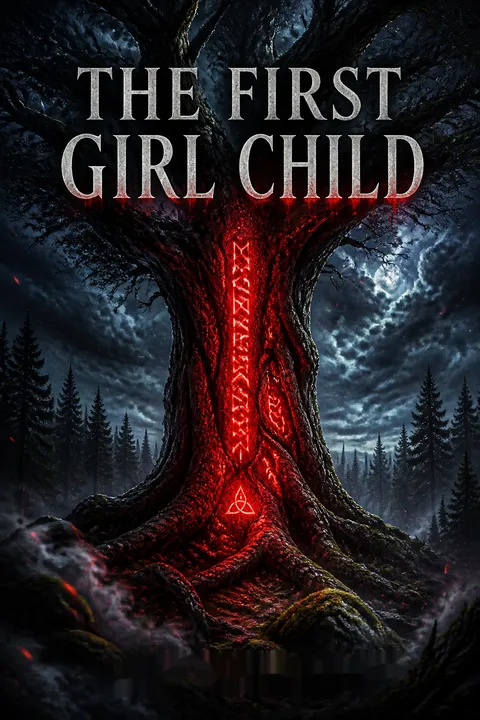
As children, Dagmar and his sister Desdemona climb Shinway and take refuge from a storm in a hidden cavern. Its walls carry forbidden runes. When Desdemona traces one with blood, bats erupt from the stone; another bursts into flame. Dagmar tries the same rune and gets nothing until he uses his own blood.
The eye-shaped carving pulls him through a vision of himself as a shaven Keeper, then into a grief-stricken encounter with his dead mother. Shaken, he makes Desdemona promise to keep the cave secret. The experience leaves him with a glimpse of the life he wants, and a warning that the runes answer blood in ways neither child understands.
The cave makes the siblings’ difference tangible: Desdemona’s blood awakens the runes instinctively, while Dagmar must discover the condition that grants him access. Their curiosity is not simply a childhood adventure; it is an early encounter with power that can be triggered without wisdom or consent. Dagmar’s vision of becoming a Keeper turns his private longing into something that seems fated, while the apparition of his mother reveals the grief beneath that ambition. His request for secrecy is an attempt to impose order on a force he cannot interpret. The promise binds the children to a danger that will later shape their family and their country.
Desdemona’s Last Rune
Ten years after their discovery of the cave, Dagmar has become a Keeper of Saylok, though his dreams still carry unease about his sister. A blood vision leads him to Desdemona beneath a tree, dying after giving birth alone. She places her son, Bayr, in Dagmar’s care and names Banruud of Berne as the father who rejected them.
Before she dies, Desdemona carves runes into the earth: she foretells that her son will save Saylok, curses the men of the clans with the loss of daughters, and declares Bayr his father’s only child. Dagmar closes a gap in the rune of strength, trying to protect the baby from weakness, then carries him toward the temple as his sister’s blood darkens the ground.
Desdemona’s curse transforms a private wound into a national crisis. Her abandonment by Banruud is not merely romantic betrayal: it confirms a social order in which women are traded, their fertility treated as political property, and their pain dismissed. Her dying act gives her a way to make that injury impossible to ignore, but it also punishes people who had no part in her rejection. Dagmar’s decision to close the gap in Bayr’s strength rune is protective and presumptuous at once. He begins the story by trying to repair a consequence he does not yet understand, establishing care as both his moral instinct and the source of his later secrecy.
A Child of the Temple
Dagmar brings the newborn into the temple and asks Highest Keeper Ivo to let him raise the child there. He hides Bayr’s father’s identity, but tells Ivo of Desdemona’s prophecy; Ivo, who has dreamed of the same woman, accepts the child and seals the promise of his protection with blood.
Dagmar improvises a life for Bayr among celibate men, arranging for a village woman to nurse him and supplementing her milk with goat’s milk. Bayr grows at startling speed, climbs before he is old enough to understand danger, and remains unable to speak fluently. Dagmar’s devotion makes the other Keepers gradually soften toward the boy, while Ivo insists that Bayr is favored and will survive.
The temple becomes a substitute family rather than the sterile refuge Dagmar once imagined for himself. His care is practical as well as emotional: feeding, carrying, and protecting Bayr require him to accept a form of fatherhood that the Keeper’s life was designed to exclude. Ivo’s blessing gives the child institutional shelter, yet Dagmar’s lie about paternity shows that this refuge rests on concealed facts. Bayr’s physical gifts and speech difficulty complicate the usual equation between strength and authority. Dagmar fears the boy’s power without wisdom; Ivo trusts fate. Their disagreement introduces the novel’s central tension between protecting someone from destiny and preparing him to meet it.
Banruud’s Borrowed Daughter
In Berne, Banruud’s wife, Alannah, has endured repeated stillbirths while the clans go years without a daughter. A pregnant Eastlander slave known as Ghost gives birth to a healthy girl while working for a farmer. When the farmer takes the baby to Banruud for the customary blessing, Banruud sees a chance to secure the crown.
He keeps the child, kills a maid who might expose the deception, and places the living girl beside Alannah in place of their dead newborn son. Alannah, exhausted and medicated, accepts the baby as her daughter. Banruud names her Alba and announces the birth as a miracle. He then orders the farmer, his wife, and Ghost killed by fire, but Ghost overhears the plan and escapes.
Banruud’s substitution turns a newborn into political evidence. He does not merely steal Ghost’s child; he manipulates a grieving woman’s exhaustion and the clans’ desperation to make the theft appear divinely sanctioned. Alannah’s acceptance is not a calculating choice but a response to a life repeatedly emptied by loss, which makes Banruud’s deception more intimate and more cruel. Ghost’s escape preserves the one witness whose knowledge could undo the public story, though she has almost no power to act on it. The scene establishes that Saylok’s political order is vulnerable to spectacle: a child’s sex can become proof of divine favor, even when the miracle has been manufactured by violence.
The Boy Saves Alba
An earthquake breaks the temple altar and kills King Ansel, beginning the selection of a new ruler. Ivo initially favors Bayr, but the announcement that Banruud has a daughter persuades most Keepers and chieftains to support the Berne ruler. Banruud takes the crown, and Bayr, now seven, watches the procession from above the crowd.
When Ghost’s grief and anger unsettle the horses, the queen’s carriage bolts with baby Alba inside. Bayr leaps onto the panicked horse and brings it to a halt, saving the princess and Alannah. Banruud publicly names him protector of the throne, though Dagmar sees the king’s hostility. Ghost, who has followed her stolen daughter to the mount, retreats into the woods rather than risk being recognized.
The succession turns on competing interpretations of signs. Ivo reads Bayr’s strength and the broken altar as a divine claim; the other Keepers read Alba’s birth as the answer to the crisis they most urgently fear. Their decision is understandable, but it grants power to the man who has secretly created the evidence of a miracle. Bayr’s rescue makes the king’s public praise politically useful and personally dangerous: the boy is now close to the daughter Banruud claims as his own. Ghost’s presence links the public ceremony to its concealed origin. The episode shows how care and control can look identical from a distance, while the people closest to the child understand the difference.
A Shepherd’s Hidden Watch
After the procession, Ghost hides in the Temple Wood, unable to abandon Alba but afraid Banruud will find her. Dagmar discovers her near Desdemona’s grave, tests her truthfulness with a rune, and offers her shelter in an unused shepherd’s cottage.
Ghost takes the work and watches Alba grow from a distance. When Bayr brings the five-year-old princess to visit the sheep, Ghost meets her daughter without revealing who she is. Soon afterward, Alannah dies following another difficult pregnancy, and the midwife Agnes accuses Banruud of harming the queen.
Banruud kills Agnes in front of Bayr and warns him into silence. The king’s violence deepens Bayr’s resolve to protect Alba, while Ghost loses the one queen who had given her child a loving home.
Ghost’s choice to remain nearby is a form of maternal care built from absence. She gives Alba safety by refusing the immediate satisfaction of claiming her, while accepting that the girl may never know who bore her. Dagmar recognizes this restraint because his own love for Bayr has made him a guardian of secrets. The loss of Alannah removes the humane center of the palace and leaves Alba more exposed to Banruud’s authority. Agnes’s death also teaches Bayr that physical strength does not automatically permit intervention: he sees the murder but cannot speak or act without risking the child he protects. Silence begins as a limitation and becomes a strategy for survival.
The Daughters of Freya
With daughters still absent from Saylok, Banruud orders each clan to provide a girl for the temple, claiming they will be protected and raised as supplicants. The chieftains bring children marked by war, poverty, and displacement: Elayne, Juliah, Liis, Bashti, and Dalys. Ivo accepts them into the temple, knowing the king cannot reclaim a supplicant once the Keeper has taken responsibility.
After men attack Ghost’s sheep, Dagmar brings her inside the walls and asks her to help care for the girls. She cuts her hair, adopts the Keepers’ clothing, and helps the children settle into a life of lessons, prayer, and mutual protection. Alba visits them, and Bayr keeps watch over all of them, even as the temple becomes a school and refuge.
Banruud presents confinement as protection, and the frightened chieftains accept the bargain because the surrounding world offers their daughters few safer choices. Ivo’s answer is a quiet counter-move: he allows the king to think he has assigned the girls while using the temple’s rules to shield them from his control. Ghost’s arrival changes the institution’s emotional capacity. The Keepers can offer sanctuary in law, but she understands the daily work of helping children feel safe after separation. The girls’ shared robes conceal their differences from outsiders, yet within the temple their distinct gifts and temperaments emerge. Their new community does not erase coercion; it gives them a place to respond to it together.
Bayr Claims Dolphys
At fourteen, Bayr competes in the royal tournament and meets Dred, the warrior who reveals himself as Bayr’s maternal grandfather. Dred claims him for Dolphys, but Bayr refuses to leave Alba and the temple daughters. After Banruud beats him for his defiance, Dagmar concludes the boy must leave before the king kills him.
Dred returns and brings Bayr to Dolphys, where the clan demands proof that he can lead. Bayr runs between two lines of villagers striking him with clubs and whips, then spends a night chained to a tree as wolves circle. Rather than break free or kill them, he draws a blood-fed protective rune in the soil. The wolves stop short, and Dolphys accepts him as its chieftain.
Bayr’s departure is not a rejection of the temple but the painful consequence of his promise to protect it. His choice to endure the clan’s tests reflects the same restraint that once kept him from striking back at Banruud: power matters less to him than the lives his actions might endanger. The wolves’ response is especially significant because the trial asks for relationship rather than conquest. Bayr succeeds by making room for the animals’ choice, not by proving he can overpower them. Dred’s support repairs a damaged family line, though it cannot restore the childhood Bayr has already spent as a guardian. Leadership begins for him as service under pressure, not an ambition he sought.
A Decade Apart
Bayr settles into Dolphys and spends the next decade defending its borders as raids, abductions, and clan-on-clan violence spread. He sends Alba a gift and letter for every birthday, while Dagmar’s letters describe the temple daughters growing into young women and warn that Saylok still has no native daughters.
Alba’s replies eventually become brief, and Bayr fears he has lost her. When a raid reveals Northmen occupying Berne’s coast, he learns that Banruud has negotiated with their king and is using Alba as part of the bargain.
Bayr returns to the temple mount for the tournament. Dagmar, Ghost, and the daughters welcome him, and Alba, now seventeen, runs into his arms. Their reunion restores their intimacy but also exposes how deeply their separation has changed them.
The birthday gifts function as a careful substitute for presence: Bayr can keep a promise across distance, but cannot know whether the ritual still comforts Alba or merely reminds her of what she lacks. Meanwhile, his years as chieftain teach him that protection has political consequences. Raids meant to secure women only deepen the violence that makes them vulnerable. His return brings the private and public plots into collision. Alba is no longer the child he carried, and Bayr cannot resume his old role without confronting desire, duty, and the power difference their childhood history created. Their reunion is joyful, but the novel lets its tenderness carry the unease of time lost.
Ghost Unmasked
King Gudrun arrives at the tournament with Banruud and inspects the temple daughters as if they were bargaining pieces. When he spots Ghost among the Keepers, Banruud recoils, revealing how much the woman’s survival unsettles him. Ivo refuses to treat the daughters as the king’s property, but the chieftains’ fear of invasion leaves Banruud room to press his advantage.
He tells the council that Alba will marry Gudrun, supposedly in exchange for the Northmen withdrawing from Berne. Bayr challenges the arrangement, and Banruud reveals that he is Bayr’s father and Alba’s supposed brother. Bayr, believing the claim, cuts off his braid, the sign that he will no longer serve the king, and leaves the mount in stunned grief.
The public inspection makes the girls’ vulnerability visible, while Ghost’s appearance punctures Banruud’s carefully maintained story. His reaction exposes an old fear without yet giving the crowd its explanation. The proposed marriage shows how rulers convert women into instruments of diplomacy, but Banruud’s claim that Alba is Bayr’s sister adds a more intimate weapon: he uses the secret history of paternity to make love itself appear forbidden. Bayr’s severed braid is a political act produced by emotional shock. He does not immediately know what is true, but he refuses to keep performing loyalty to a king who has made his whole life feel fraudulent.
A Mother’s Truth
As Banruud’s guards search the temple for Alba, they kill Ivo after he hints that the king has stolen another woman’s child. Dagmar and Ghost find the Highest Keeper dead, with unfinished runes on his arm, and learn that Banruud intends to send Alba north. Ghost tells Alba the truth: she is the girl’s birth mother, and Banruud took her from her shortly after birth.
Banruud is Bayr’s father, but not Alba’s, so the lovers are not siblings. Ghost urges her daughter to flee with the temple women to Dolphys. Alba refuses, believing that escape would leave the clans and the women exposed. She prepares to marry Gudrun, while Ghost and the daughters use the temple passages to escape the king’s immediate search.
The revelation gives Alba an origin beyond the identity that has governed her life, but it does not invalidate the love she received from Alannah or the community that raised her. Ghost’s silence was meant to preserve Alba’s safety; now that the king’s plans threaten her, silence has become another form of danger. Alba’s refusal to flee repeats Bayr’s old instinct to place other people’s safety ahead of her own, though she makes the choice with greater political awareness. Ivo’s death removes the institution’s most experienced defender, leaving the women to carry both its knowledge and its responsibility. The truth arrives not as liberation alone, but as a demand to decide what to do next.
The Wedding Becomes War
Banruud stages Alba’s marriage to Gudrun in the temple, where the North King ignores its sacred customs and treats the ceremony as a formality. The Keeper women leave through a hidden passage, while Ghost turns back toward Alba. Bayr, still wandering after learning his parentage, wakes in the Temple Wood with Ivo’s rune marked on his arm and senses the approaching Northmen.
He follows their force as it gathers near the village. Meanwhile, the wedding procession begins its departure, and the Northmen set fires and attack the people below the mount. Alba breaks the horses’ composure to slow Gudrun’s riders, then runs back toward the gates. Bayr sees her in danger and charges uphill with weapons in both hands.
The wedding is designed to make coercion look like public consent. The temple setting cannot sanctify the arrangement because Gudrun refuses its rituals and Alba has no meaningful freedom to refuse him. Bayr’s visions do not give him a clean solution; they return him to a choice he has already made, whether to withdraw from the people who need him or accept the danger of returning. Alba acts with her own animal-swaying gift, buying time rather than waiting to be rescued. Their simultaneous movements toward the mount frame the crisis as a convergence of choices, not a solitary hero’s intervention.
The Temple Falls
Northmen pour through the village and onto the mount, killing civilians, Keepers, and warriors while Bayr fights to reach Alba. Ghost cuts her daughter free from a pillar as Dagmar uses blood runes to bring down the temple rather than let Gudrun seize its forbidden knowledge. The collapse scatters the attackers and buries Dagmar beneath the stones.
Bayr finds him alive but gravely injured. Dagmar explains that the curse requires lifeblood to change, and that Ivo’s incomplete attempt could not undo it. Bayr cuts Dagmar’s wrist and his own hands, then redraws Desdemona’s rune with a sun at its center, replacing its division with a sign of shared life. Dagmar dies after helping Bayr complete the work.
The temple’s destruction is both a defensive act and the collapse of the structure that has sheltered Saylok’s vulnerable people. Dagmar chooses to deny the king and invaders access to sacred knowledge, accepting the cost rather than preserving the stones at any price. The altered rune answers Desdemona’s curse without pretending that her suffering was imaginary or unjustified. Its new form requires Bayr to give blood alongside Dagmar, making repair a shared obligation instead of another sacrifice imposed on women. Dagmar’s death is not a victory that cancels grief. The curse can be changed, but the people must still live with the losses produced while it held power.
Ghost Takes the Crown
When the dust settles, Bayr and Alba search the rubble for Dagmar and find him alive only briefly. The Keepers and many people on the mount have been killed, but Ghost and the daughters return from the woods. Banruud emerges from hiding and claims victory, though he did not fight beside the clans.
The chieftains and warriors reject him, cutting their braids to renounce their allegiance. Ghost confronts him with the truth of Alba’s birth and the crimes he committed. Banruud lunges for her and tries to use her as a shield, but Ghost stabs him. She names herself not only Alba’s mother but the representative of the women and Keepers he wronged, and takes the office of Highest Keeper.
Banruud’s final defeat comes when the visible signs of authority no longer persuade anyone. His crown and command cannot erase the bodies around him or the fact that he abandoned his people during the attack. The cut braids turn individual refusal into a collective political verdict. Ghost’s act of violence is not framed as an escape from the system but as a claim to participate in its judgment. By naming the identities Banruud tried to separate or erase, she turns private histories into public testimony. Her new authority is earned through survival, care, and action, not inherited through a clan or bestowed by a king.
A Kingdom Rebuilt
The surviving chieftains gather after the battle while Ghost and Alba tend the wounded and wash away the night’s blood. They believe the temple Keepers have perished, but the Daughters of Freya return from the forest, unwilling to abandon the mount. Alba offers them shelter in the palace. Banruud is dead, the Northmen are defeated, and Saylok must choose a new ruler and rebuild its shattered center.
Bayr’s corrected rune ends Desdemona’s curse, allowing daughters to be born again. The women who once entered the temple as frightened children now stand among the people who will shape what follows. With the old order broken, the survivors begin the slower work of deciding how power and safety will be shared.
The immediate aftermath refuses a simple restoration. The temple is gone, its Keepers are dead, and the people who survive must make a home without the institution that once organized their faith and law. The Daughters’ return matters because they choose to rejoin the community after having been given a route to safety. Alba’s offer of shelter answers the forced separation that began their story, but it does not make them symbolic property again. The ending shifts the question from who will save Saylok to who will build it. The curse’s end opens the future; the survivors’ choices will determine whether that future repeats the old bargains.
Epilogue
Bayr becomes king, though he still prefers the quiet of the Temple Wood to the crowded palace. Alba is his wife and is expecting their child; daughters are again being born throughout Saylok. He has secured the borders and helped the clans recover, while the temple is slowly rebuilt under Ghost’s care as Highest Keeper.
At Desdemona’s grave, Bayr kneels beside Dagmar’s stone. A blue-eyed wolf appears and follows him through the woods, then turns away as he climbs toward the mount. Bayr answers its presence with a howl, remembering Dagmar’s promise to remain at his side. The land has changed, but their bond has not vanished with the man who made it.
The epilogue measures restoration through ordinary continuities rather than a triumphal image of kingship. Bayr holds political power, yet his private habits remain shaped by the temple boy Dagmar raised: he seeks quiet, listens more than he speaks, and remembers the dead as part of his present life. Alba’s pregnancy and the return of daughters signal that the curse has lifted, but the focus stays on the health of mother and child, not on demographic success alone. The wolf offers emotional closure without proving the supernatural beyond doubt. Whether it is Dagmar’s spirit or a living animal, Bayr experiences it as the fulfillment of a promise rooted in love.
Analysis
The First Girl Child treats political crisis as something produced through intimate acts of control. Banruud’s stolen infant becomes a public miracle, and that false story helps place him on the throne; the kingdoms’ response to missing daughters then turns women into diplomatic currency, reproductive resources, or symbols of hope. The fantasy system makes this violence visible at a literal level: blood carries intention into the land, so a person’s private injury can become collective history. Yet the book does not make vengeance morally simple. Desdemona’s rage is understandable, but her curse harms people beyond its intended target and creates conditions in which further coercion seems necessary.
The central relationships offer different answers to that cycle. Dagmar protects Bayr through daily care, but his secrecy also deprives the people he loves of knowledge they need. Ghost gives Alba a chance at safety by surrendering the role of mother, then must decide when silence has stopped protecting her. Bayr’s strength matters because he repeatedly refuses to use it as proof of superiority. His most consequential choices involve restraint, endurance, and service, not conquest. Alba, raised as a princess but denied knowledge of her birth, gradually claims responsibility for herself and for the women around her.
The temple’s destruction marks a break with the idea that old institutions can preserve justice simply by being sacred. The Keepers have authority and knowledge, but they cannot undo political violence without the people willing to act. The eventual change to Desdemona’s rune depends on Bayr and Dagmar sharing the cost, turning a curse founded on division into a bond among men, women, and children. The ending therefore offers restoration without erasure: daughters return, the clans rebuild, and Bayr becomes king, but the dead remain part of the new order. Its lasting claim is that salvation is not one exceptional person’s burden. It is a practice of refusing to make another person pay alone for the wrongs that came before.
Review Summary
The First Girl Child is a captivating Norse-inspired fantasy novel that has garnered widespread praise for its intricate world-building, complex characters, and themes of love, sacrifice, and power. Readers appreciate the author's lyrical prose and ability to craft a compelling story spanning decades. While some found the pacing slow at times, many were drawn in by the rich mythology and emotional depth. The romance between Bayr and Alba, though not the central focus, is described as sweet and genuine. Overall, the book is highly recommended for fantasy lovers seeking an immersive, character-driven tale.
People Also Read



Characters
Bayr
The reluctant protectorRaised by his uncle Dagmar among the Keepers, Bayr grows into a physically extraordinary young man whose speech remains difficult. His strength draws attention, but his defining instinct is to protect rather than dominate. As a child he places himself between danger and the people he loves, and his humility often makes him underestimate the political weight others attach to his abilities. Bayr is most comfortable communicating through attention and action, which makes him an unusually careful listener. His deepest conflict is between private attachments and the obligations other people place upon him. He does not seek authority, yet cannot easily ignore suffering when he has the power to intervene.
Dagmar
The devoted KeeperDagmar is Bayr’s uncle and adoptive father, a scholar and Keeper who chose the temple over the warrior life expected by his clan. He values knowledge, spiritual discipline, and restraint, but his love for Bayr repeatedly draws him into choices that strain those principles. Dagmar has a caretaker’s instinct: he notices what others need and quietly supplies it, whether that means raising an infant or helping a frightened woman find shelter. His caution can become secrecy, especially when he believes truth might place someone he loves in danger. His relationships with Bayr and Ghost reveal the tension between a vocation built on renunciation and a human capacity for attachment.
Ghost
The hidden motherAn Eastlander woman with strikingly pale skin, hair, and eyes, Ghost has spent much of her life being treated as an object of fear or curiosity. She learns to survive through observation, patience, and an unusual sensitivity to animals, which respond to her emotional state. Her love for her child does not make her possessive: she can endure separation when she believes another home offers greater safety. In the temple, she becomes a practical caregiver and a student, building belonging through work rather than bloodline. Ghost’s reserve protects her, but it also conceals grief and affection. She longs to be seen as a person, not as an omen or a useful body.
Alba
The cherished princessRaised as a princess and loved by the queen, Alba grows up observant, expressive, and unusually gifted with animals. She is closest to Bayr, whose quiet presence gives her a sense of safety, and she understands his gestures and silences with rare precision. Alba’s curiosity often brings her to ask questions adults would rather avoid, while her confidence can disguise how isolated she feels inside the palace. She values affection and freedom, yet is also alert to her responsibilities toward the people who look to her. Her attachment to the temple community keeps her connected to lives beyond royal ceremony, and her growing independence challenges the assumption that her future belongs to others.
Banruud
The power-hungry kingBanruud is the formidable Chieftain of Berne who rises to the throne during Saylok’s crisis over the absence of daughters. He is politically perceptive and understands how quickly fear can be turned into public support. His ambition is rooted in a need to secure power and control uncertainty, and he treats relationships as instruments when they obstruct those aims. As a husband, ruler, and father, he expects obedience and resents any rival source of loyalty. His polished public manner contrasts with a capacity for private cruelty. Banruud’s authority depends on people accepting the stories he tells about himself and the kingdom, making the keepers’ independent judgment a constant threat.
Desdemona
The warrior who curses SaylokDagmar’s younger sister, Desdemona is a gifted shield maiden with a restless, daring temperament. She loves her brother but has little patience for his caution, and her confidence can carry her into danger before she has weighed the cost. Her life is shaped by a culture that values her fighting ability while still bargaining over her future as a woman. Desdemona’s fierce independence coexists with a deep longing to be loved and chosen. Her final actions arise from both maternal devotion and accumulated anger at being used and abandoned.
Ivo
The guarded Highest KeeperIvo leads the Keepers of Saylok and holds influence over the selection of kings. A severe, sharp-minded elder, he protects the forbidden runes and resists rulers who would make the temple an extension of the palace. His manner can seem harsh, but he is capable of adapting when a vulnerable child or refugee needs shelter. Ivo reads signs and visions with confidence, though he knows that spiritual authority does not make him infallible. He values the temple’s independence, yet often works indirectly, allowing others to believe an idea was their own when that makes resistance more effective.
Dred
The fierce grandfatherA celebrated warrior of Dolphys and Desdemona’s father, Dred has spent much of his life pursuing status and authority. His temper is formidable, but age has forced him to reckon with the damage caused by expecting his children to follow his ambitions. He recognizes Bayr’s promise and offers him the support of the clan, while trying to learn the difference between claiming a descendant and listening to him. Dred’s loyalty is physical and direct: he stands beside the people he loves and expects them to endure hardship. Beneath his martial pride lies regret over the family life he did not know how to protect.
Alannah
The loving queenAlannah, daughter of the former king, becomes Banruud’s wife and is presented to Saylok as Alba’s mother. She is gentle, emotionally generous, and deeply invested in caring for the child she believes is hers. Her warmth gives Alba a refuge within the palace and offers Bayr an example of tenderness unlike the king’s harsh authority. Years of pregnancy and loss leave her physically and emotionally vulnerable, but she remains capable of making a home through small acts of care. Her kindness is politically consequential even though she does not seek power.
King Gudrun
The Northland invaderGudrun rules the Northlands and arrives in Saylok as both a negotiating partner and a military threat. He is physically imposing, openly contemptuous of local customs, and inclined to test how much disrespect others will tolerate. His interest in Saylok’s daughters and temple is shaped by appetite and strategy rather than reverence. Gudrun’s presence forces the clans to confront the consequences of Banruud’s diplomacy and the fragility of their divided defenses.
Agnes
Alannah’s steadfast midwifeAgnes has cared for Alannah through repeated pregnancies and losses. Her loyalty is maternal and outspoken, and she is willing to confront authority when she believes her queen has been wronged. Her experience makes her one of the few people in the palace who understands the difference between the official story and what happened in the birthing room.
Aidan
The outspoken Adyar chieftainAidan is the late King Ansel’s son and Alannah’s brother. Though the succession system leaves him far from the crown, he is perceptive, politically engaged, and willing to challenge Banruud when others hold back. He values his sister and remains alert to the risks facing the clans. His confidence sometimes carries a taste for provocation, but beneath it lies a sharp sense of how power operates.
Dakin
Bayr’s trusted warriorDakin is a red-haired warrior of Dolphys who serves beside Bayr and becomes one of his most reliable allies. Practical and direct, he understands the dangers of battle and the obligations of clan leadership. He can challenge Bayr’s choices without withdrawing his loyalty, and he helps translate the chieftain’s intentions into action when Bayr’s speech makes long explanations difficult.
Elayne
The gentle Ebban daughterElayne is the oldest of the girls sent to the temple. She is kind, patient, and attentive to the needs of the younger children, though she worries that she lacks the striking gifts they display. Her steadiness makes her a quiet leader. She values belonging and safety, but does not confuse gentleness with weakness.
Juliah
The temple’s sword armJuliah of Joran was raised among men and arrives with a warrior’s braid and a guarded manner. She is quick to challenge others and often uses physical training to manage fear and anger. Protective by instinct, she gradually takes responsibility for teaching the other girls to defend themselves. Her toughness is real, but it also shields a child who has learned not to expect security from adults.
Liis
The silent singerLiis of Leok is watchful, self-contained, and initially uses silence as a form of control. Her voice, when she chooses to sing, carries a force that surprises the temple community. She is wary of being understood too quickly and uncertain about the responsibility that may come with her gift. Liis’s reserve is not emptiness; it is a way of keeping her inner life her own.
Bashti
The sharp-eyed mimicBashti is a quick-witted girl with a talent for imitation, disguise, and improvisation. Humor gives her a way to test the people around her and ease the strain of life in the temple. She longs for the freedom of the place she came from, though her repeated attempts to escape suggest she is also searching for a home she can choose. Her teasing can wound, but she is capable of recognizing the boundaries of those she loves.
Dalys
The small, gifted artistDalys is the youngest of the temple daughters, slight and often timid among more forceful companions. She finds confidence in drawing, where images and stories give her a space she can control. Dalys is sensitive to blood and easily overwhelmed, but her quiet imagination gives the group a different kind of strength. She needs patient encouragement rather than demands to perform.
King Ansel
The dying Adyar kingAnsel is an aging king whose long reign has preserved the rotating succession among Saylok’s clans. His concern for his daughter and her pregnancies brings him to seek the keepers’ counsel. He represents a comparatively stable order that is already under pressure from the kingdom’s demographic crisis.
Benjie
The pliable Berne chieftainBanruud’s cousin, Benjie takes over Berne when Banruud becomes king. He is easier to influence than the other chieftains and struggles to keep his clan’s warriors under control. His choices contribute to the rivalries and instability spreading across the clans.
Erskin
The besieged Ebban chieftainErskin leads Ebba through repeated attacks from the Hinterlands. He is a blunt warrior who understands the cost of war and worries about the safety of the girls in his clan. His decisions reflect the pressure on a leader trying to protect people with dwindling resources.
Lothgar
The proud Leok chieftainLothgar is a powerful, golden-bearded chieftain who takes pride in his clan and its martial reputation. He is blunt in council and initially skeptical of Bayr, but he recognizes courage when he sees it. His concerns reveal how the women’s shortage is reshaping even the strongest clans.
Josef
The wary Joran leaderJosef is a farmer chosen to lead Joran, a practical ruler who would rather negotiate than raid. He sees how violence between clans and from outside forces threatens ordinary families. His caution offers a counterpoint to the warrior chieftains who treat conquest as the only answer.
Elbor
The compromised Ebban leaderElbor is Banruud’s preferred leader for Ebba, a region weakened by invasion and displacement. He is more concerned with preserving his position than earning the confidence of neighboring clans. His presence in council shows how crisis can elevate leaders who deepen rather than repair division.
Plot Devices
Blood runes
Power bought with bloodIn Saylok, runes can reveal, protect, heal, or alter events when drawn with the blood of someone who has rune blood. Their effects depend not only on the shape but on the intention and sacrifice behind it. The Keepers restrict their use because power can corrupt even those sworn to restraint. Dagmar uses runes to seek visions and protect Bayr; Alba learns to draw a few; Desdemona uses them in anger and grief. The practice gives the story a concrete mechanism for linking private emotion to political consequences, while keeping magic morally unsettled rather than automatically benevolent.
Desdemona’s blood curse
A private wound reshapes a nationDesdemona’s dying rune is born from her rejection by Banruud and her anger at a society that treats women as bargaining pieces. It prevents daughters from being born among Saylok’s clans and ties Bayr to a prophecy of salvation. The curse creates the demographic emergency that drives the kings, chieftains, and Northmen to bargain over women and girls. Its consequences are deliberately broad: the innocent suffer alongside the men Desdemona means to punish. The curse is central to the resolution, so its existence and eventual alteration reveal major plot outcomes.
The rotating crown
Power shifts between six clansSaylok’s kingship passes from clan to clan rather than automatically descending to a monarch’s children. The Keepers participate in choosing the next ruler, acting as a check on the chieftains’ ambitions. This arrangement explains why Banruud needs the appearance of a daughter and why Bayr’s potential claim matters even before he wants leadership. The system can prevent a single family from holding power indefinitely, but it cannot stop rulers from manipulating the evidence used to win support. It makes succession a public religious and political process, not a private inheritance.
The Daughters of Freya
A refuge disguised as ritualThe temple daughters are sent from the six clans under the claim that they represent fertility and the future of Saylok. Banruud sees their transfer as a way to control scarce women, while Ivo uses the Keepers’ authority to make the temple a sanctuary the king cannot easily reclaim. Their shared robes and lessons create a community, and their different abilities become important to its survival. The ceremonial torch gives the clans a visible sign of hope even as the girls themselves are growing up under coercive conditions. Their fate exposes the gap between symbolic honor and genuine protection.
The Keeper’s visions
Fate arrives in fragmentsDagmar and Ivo receive visions through runes, but what they see rarely supplies a complete explanation. Images of death, kingship, and future relationships guide decisions while leaving room for error. The visions encourage the Keepers to interpret events as destiny, yet the novel repeatedly shows that human choices determine how a prophecy is enacted. Dagmar’s visions deepen his fear for Bayr and Ghost, while Ivo’s sight cannot prevent him from misreading the political importance of Alba’s birth. This device turns foreknowledge into responsibility rather than certainty.
The Chronicles of Saylok Series

About the Author
Other books by Amy Harmon









Download PDF
Download EPUB
.epub digital book format is ideal for reading ebooks on phones, tablets, and e-readers.








