

Plot Summary
Prologue
At the Temple of Saylok, a dying mother asks the Highest Keeper to save her blind young son, Baldr. Keeper Dagmar brings them into Master Ivo’s sanctum, where the boy recognizes a carved rune and traces it in the dust.
Ivo names him Hod, after the blind god, and deepens the runes on his hands so his hearing and sense of smell can guide him. The mother asks that Hod be raised among the keepers, like Dagmar’s orphaned nephew, Bayr. Ivo cannot promise a place in the temple, but he sends the child to a cave keeper, where he can be trained and protected.
The prologue establishes a world where care and power are intertwined: Ivo’s blessing strengthens Hod, but naming him also places the child inside a myth that adults will use to interpret his life. The mother’s request is practical, not grand. She wants her son to have shelter after she can no longer provide it. Yet Ivo sees a divine pattern in the boy’s blindness and rune-making, and that interpretation becomes a burden Hod must later question. The parallel with Bayr matters too. Saylok’s exceptional children are not simply protected; they are assigned meanings before they can choose their own.
A Song Across the Storm
After plague kills her family and soldiers burn her village, fourteen-year-old Ghisla boards a ship with no plan beyond escape. A storm drives her to throw herself overboard, but she clings to a floating barrel and sings until the waves carry her to Saylok. Hod, a blind sixteen-year-old living in a coastal cave, finds her and leads her to fresh water and food.
While feverish, Ghisla relives the scene she escaped: her brother Gilly dead beside their burning home as soldiers destroy the village to contain the sickness. Hod nurses her through the fever, then wakes her when she wants to die. His quiet attentiveness gives her a first reason to keep moving, though she has no home to return to.
Ghisla’s survival is not a sudden recovery of hope. She begins by choosing death, then repeatedly finds herself unable to complete the choice: she holds the barrel, drinks Hod’s water, and accepts food. The story treats that stubborn attachment to life as bodily before it becomes moral. Hod’s care is concrete and unsentimental, so it does not erase her grief or demand gratitude. Their first bond forms around two kinds of deprivation: Ghisla has lost everyone who knew her, while Hod has never seen the world she describes. Each recognizes the other’s need without pretending to cure it.
The Blind Boy Sees
As Ghisla recovers in the cave, Hod asks about the songs she sang in the storm. She reluctantly shares them, and he begins to picture colors, bees, landscapes, and people through her voice. The new vision is intoxicating: while he listens, his other senses fade, leaving him unable to notice danger.
When his teacher Arwin returns and sees Hod absorbed in Ghisla’s dancing song, he attacks the girl as a possible witch and traps her with a blood rune. Hod frees her, but Arwin insists she must leave for her own safety and his student’s. Before Ghisla goes to Chief Lothgar, Hod cuts a soul rune into each of their palms. Their blood gives them a hidden way to hear one another at a distance.
The songs offer a form of intimacy, but they also create risk. Hod’s first access to color arrives through another person, which makes wonder inseparable from dependence: he can glimpse Ghisla’s world only by turning away from the senses that usually keep him safe. Arwin recognizes the danger, though fear makes him treat Ghisla as a threat rather than a person. The soul rune answers that separation with a fragile connection, not a solution. Its cost is visible from the start: blood, secrecy, and the possibility that a gift can become a vulnerability.
Liis of Leok
Arwin takes Ghisla to Lothgar’s keep, where the chieftain and his brother Lykan accept her as a daughter of Leok because Saylok has almost no girls. They name her Liis and send her toward Temple Hill, where the king has demanded one girl from each clan. At the gathering, King Banruud wants the girls kept in his castle, but Master Ivo insists they belong under the temple’s protection.
He declares them Daughters of Freya and lights the Hearth of Kings as their symbol. The girls, Elayne, Juliah, Bashti, and Dalys, enter the temple with Liis. Bayr, the powerful, stuttering boy raised by the keepers, is appointed their protector, while Princess Alba remains under his care.
Liis’s new name gives her a place, but it also requires her to conceal the history that brought her there. Saylok welcomes her because it needs a girl, not because it knows her. The ceremony turns the daughters into public symbols before they have any say in what their symbolism means. Banruud and Ivo contest who controls them, revealing that protection can shade into possession. Bayr’s appointment offers a counterexample: he guards the girls through loyalty and personal attention, not through claims over their bodies. The girls’ sanctuary begins inside a political struggle, not outside it.
A Secret Between Palms
The keepers shave the girls’ hair, dress them in temple robes, and begin teaching them to read, write, and study the gods and runes. Dagmar brings Ghost, a pale, animal-loving woman, to care for them. Bayr and Alba visit the girls on Alba’s birthday, and the princess’s warmth gradually softens even Juliah’s suspicion.
Months later, Liis finally risks using the scar in her palm. She sings in worship, and Hod hears her from his cave; the blood and tears on her rune make his voice clearer. From then on, she calls him secretly and sings him the sights of the temple. He becomes her confidant, while she begins to feel less alone among the other daughters.
The temple’s daily order offers Liis a reprieve from chaos, but its sameness also threatens to erase the distinctions that make each girl herself. The daughters’ shorn hair and shared robes are meant to signal unity, yet their different temperaments persist. Liis’s private connection with Hod lets her hold both realities: she can belong to a group without surrendering the name and history she keeps for herself. Their rune is intimate because it requires an act of trust, but it also deepens the divide between what Liis can safely reveal and what she must hide.
The Cost of Knowing
When Liis clasps hands with Ghost during a temple song, she unexpectedly hears Ghost’s unspoken thoughts. The same power opens in her with Elayne, Juliah, Bashti, and Dalys: singing while touching them lets her receive their private fears and desires. Juliah dreams of escaping with Bayr; Bashti resents Liis’s attention; Elayne misses home.
Liis also hears Ghost’s love for Dagmar and her fierce attachment to Alba, then recognizes that the princess’s origins may be more complicated than the temple admits. Alarmed by what she can learn, Liis asks Dagmar who will decide the daughters’ futures and what will happen to their children. Dagmar cannot answer, leaving her more certain that the girls are being kept safe without being given control.
Liis’s gift makes listening involuntary, so empathy becomes ethically complicated. She can understand her sisters more deeply, but she cannot assume they have consented to be understood. Their thoughts are not stable revelations of character; they are changing feelings, private wishes, and fears that may contradict what they say aloud. The knowledge about Ghost and Alba sharpens this tension: Liis senses a truth without having the right to expose it. Her questions to Dagmar shift the story from personal loneliness toward political agency. The daughters are protected as symbols, but their futures remain decisions made by others.
The King’s Night Songs
Banruud begins summoning Liis to sing away the headaches and ringing that keep him from sleep. Bayr escorts her and refuses to leave her alone with the king, even when Banruud strikes him. Later, guard Bilge tries to assault Liis after she sings for the king; she screams a piercing Songr note that alerts the mount and drives him off.
Banruud kills Bilge in front of the assembled guards, then orders the men to leave the temple daughters untouched. The protection comes with spectacle and fear. Afterward, Ivo questions Liis and recognizes her as a Songr, like his own mother. Liis also admits that Hod carved a soul rune into her palm, but the secret link is already threatened by the king’s power over her.
The king’s violence does not cancel his capacity to punish another man for harming Liis. That contradiction makes his protection unreliable: he can stop Bilge, yet his authority has already placed Liis in danger and made her voice a tool for his private relief. Bayr’s refusal to abandon her offers a more trustworthy kind of protection, even when his own body absorbs the king’s blows. Liis’s scream changes the balance briefly, converting a musical gift into self-defense. Ivo’s recognition gives her a place in a lineage, but it does not free her from the system that exploits her.
Bayr Leaves the Mount
At the Tournament of the King, Dred of Dolphys claims Bayr as his dead daughter’s son and takes him away from Temple Hill. Bayr leaves because his clan needs a leader, though he worries about abandoning the daughters and Alba. That night, Liis overhears Dagmar telling Ghost that Bayr’s mother, Desdemona, used blood runes to curse Banruud and the men of Saylok.
The curse began with Bayr’s birth, and Dagmar fears that Bayr’s death might end it. Liis tells Hod what she heard. He urges her to inform Ivo, but she cannot risk putting Bayr in danger. She also confesses that the soldiers who destroyed Tonlis were connected to the Northmen, and fears Saylok may suffer the same fate.
Bayr’s departure exposes the cost of a role built around being indispensable. He has protected the temple, but his kinship gives Dolphys a claim on him that the temple cannot simply override. Dagmar’s secret makes love and fear collide: he wants Bayr alive, yet suspects the country’s survival may depend on his death. Liis recognizes the trap in that logic because she has already lived through a community sacrificed to contain disease. Her refusal to tell Ivo is not simple disobedience. It is an attempt to protect a person from being reduced to the possible cure for everyone else.
The Blind Archer Returns
After four years of secret conversations, Hod comes to Temple Hill for the tournament and wins the archery contest by using the heartbeat of a man beside the target. Liis spots him among the crowd, and they manage a silent greeting across the square before meeting on the hillside that night. They embrace and discover that their old closeness has grown into love.
Hod hopes to join the keepers, but Liis later overhears Ivo and Dagmar discussing his request. Ivo has refused him, wary of Hod’s skill with runes and his resemblance to the blind god in the old story. Liis runs into the woods, furious that the keepers have rejected the man she trusts. Hod follows her, while she believes the rejection has closed the future they had imagined.
The reunion tests whether a bond sustained by voice can survive physical presence and changed bodies. It does: Liis and Hod recognize one another immediately, even after years in which each has had only a partial version of the other. Ivo’s rejection then repeats an older pattern. Hod is judged through prophecy and risk before anyone asks what he wants or what he has done. Liis’s anger is partly romantic, but it is also a protest against institutions that treat strangeness as evidence. Her flight turns private disappointment into a decision to seek a life beyond the boundaries set for her.
Under Desdemona’s Tree
Hod finds Liis beneath the tree where Desdemona died, and their farewell turns into a night together. At dawn, his bleeding hand touches a burnt rune in the earth, and he sees a memory of Desdemona giving newborn Bayr to Dagmar. The image confirms that her blood runes shaped the crisis surrounding Saylok, though it does not tell Hod how to resolve it.
Liis returns to the temple before the search party finds them. During the tournament, Banruud brands her palm with his royal amulet, burning over the soul rune that connected her to Hod. Their communication ends. Ivo later uses seeker runes to show Liis Hod alive, and teaches her the blind god’s rune; when she tests it herself, she loses her sight until her healing song restores it.
The scene joins intimacy to inheritance: the lovers meet on ground marked by Desdemona’s violence and grief, and Hod’s first unaided vision arrives through that same history. The image does not make him a prophet with a complete answer. It offers one piece of evidence, leaving interpretation and choice unresolved. Banruud’s brand then turns political authority into a mark on Liis’s body, erasing the rune that allowed her to choose a private connection. Her later act of drawing the blind god’s rune shows both courage and risk. The gift of sight is not passive magic; it requires sacrifice and careful attention to consequence.
Hod Comes With Gudrun
Six years pass without contact. Liis continues singing for Banruud, while Hod survives among the Northmen and becomes a trusted servant of their king, Gudrun. When Gudrun travels to Berne to negotiate with Banruud, Hod sees Liis again and tells Gudrun he wants her, not land or rank. On the journey back to Temple Hill, Hod warns the royal caravan of an ambush in the trees.
The guards ignore him until arrows strike; he fights from the carriage roof and saves Banruud several times, though the carriage overturns. Liis and Alba survive. Hod reaches them after the attack, and Liis touches his hand, discovering how much has changed and how much remains between them.
Hod’s years with Gudrun have taught him to survive by being useful and underestimated, but his return is not a simple rescue of Liis. He enters Saylok as part of a political threat and has made choices that make his loyalties difficult to read. Saving Banruud complicates any easy account of revenge: Hod could have let the king die, yet he acts to protect the caravan. Liis’s reunion with him is therefore charged with both recognition and suspicion. Their old intimacy remains, but it must now contend with the histories each has lived outside the other’s hearing.
Ghost Names Her Daughter
Bayr returns to Temple Hill, and Alba runs into his arms after years apart. Soon Gudrun arrives with his warriors, studies the daughters, and recognizes Ghost as the pale woman Banruud has feared for years. Ghost finally tells Ivo and Dagmar that she is Alba’s birth mother. Banruud had taken the infant from her and presented Alba as his own child, while the late Queen Alannah raised her with love.
The revelation makes the king’s fear intelligible and gives Ghost a reason to protect Alba at any cost. Banruud plans to marry Alba to Gudrun to secure peace, but Hod knows the North King wants Saylok itself. The keepers’ sanctuary can no longer shelter the women from the conflict gathering around them.
Ghost’s confession changes the meaning of her years of silence. She did not remain near Alba because she was indifferent or powerless; she stayed because the life Alba had with Alannah seemed safer than what Ghost could offer. That choice contains a painful form of maternal self-restraint, but it also leaves Alba unaware of the truth that shapes her political position. Banruud’s proposed marriage treats her as a diplomatic instrument, while Gudrun’s attention makes her a prize in a larger conquest. The daughters’ sanctuary now faces a question it was built to defer: whether safety can exist without truth and agency.
Sons of Banruud
During a council over raids between the clans, Banruud announces that Alba will marry Gudrun. He then tells Bayr that he is Banruud’s son, making Alba his sister and ending Bayr’s hope of marrying her. Bayr leaves the mount in shock, and Banruud orders Hod to follow and kill him. Liis warns Dred that Hod is not the only son the king has rejected, urging the Dolphys men to leave rather than fight blindly.
Meanwhile, Banruud searches the temple for Alba and Ghost. When Ivo refuses to reveal them, the king kills the Highest Keeper. The keepers and daughters discover Ivo’s blood runes and understand that the temple is no longer safe. Liis urges them to escape through the tunnels before Gudrun attacks.
Banruud’s disclosures are acts of control. He tells Bayr the truth not to repair their relationship but to break Bayr’s claim to Alba and force him out of the way. His order to Hod turns brotherhood into a test of obedience, while Liis’s warning to Dred tries to prevent the king from drawing more people into his violence. Ivo’s death marks the collapse of a system that could restrain Banruud only imperfectly. The keepers have relied on secrecy and ritual to protect the daughters; once the king searches the sanctuary openly, their old methods no longer suffice.
The Temple Falls
As the women move toward the woods, the Northmen attack the mount. Liis uses the seeker rune to find Hod on the wall, then draws the blind god’s rune and sings to give him her eyes. Hod shoots into the battle, helping Bayr withstand the fighters surrounding him. When Hod can no longer distinguish friend from foe, Liis’s gift lets him see the field and join the fighting below.
Dagmar braces himself against the temple pillars and brings the structure down, crushing keepers and Northmen alike. The quake ends the assault, but it also destroys the sanctuary that has housed the daughters for years. Liis cannot restore Hod’s sight afterward, and the survivors must search the rubble and woods to learn who remains alive.
The battle turns the book’s central exchange into action. Hod has spent his life making other senses carry what sight cannot; in the moment he needs help most, Liis gives him her vision, and he must learn to fight with unfamiliar information. Her gift is not a cure for blindness but a chosen, temporary sacrifice in service of another. Dagmar’s collapse of the temple is equally costly: he defeats the invasion by destroying the institution and people he had spent his life serving. The victory cannot be measured only by who wins the field. It leaves the survivors without the structure that once defined their safety.
A Crown Changes Hands
Hod wakes among the dead and finds Bayr, Alba, Ghost, and several warriors still alive. Banruud has hidden in the castle cellar, but Hod brings him out to face the survivors. The king tries to reclaim Liis and his authority; Ghost steps forward and identifies herself as Alba’s mother, then stabs him when he lunges toward her and Bayr.
The daughters, acting as keepers, declare Banruud no longer king, and the chieftains cut their braids to renounce him. Hod tells the crowd that he is Banruud’s son and Bayr’s elder brother, then places the royal amulet on Bayr. The man once rejected by the temple helps establish the brother he was ordered to kill as king.
The political resolution is not a simple transfer from one powerful man to another. Banruud loses authority when the clans withdraw their allegiance and the daughters claim the keepers’ responsibility for judgment. Ghost’s act is both personal and political: she stops the man who stole her child, then names the collective harm he represents. Hod’s public account of his kinship matters because it rejects the shame attached to his birth and his blindness. By crowning Bayr rather than himself, he refuses the logic that survival must end in possession of power.
Epilogue
Bayr is crowned king, and he marries Alba. The survivors begin rebuilding around the ruined temple, while Ghost takes up the work of a new Highest Keeper. Hod and Ghisla marry at the altar uncovered from the rubble; she chooses Saylok as home, and he promises to make a life with her there.
She is pregnant with twins, and Hod guesses they are boys, whom she plans to name Baldr and Hod. He and Bayr begin to know each other as brothers, while Hod offers to guard the new king without surrendering his own life to the role. At dusk, Ghisla’s song gives the battered mount a sound that belongs to the living.
The epilogue resists treating victory as a return to the old order. The temple is gone, the keepers must reconsider what they are meant to preserve, and Hod is welcomed without having to become the Highest Keeper he was trained to be. His marriage to Ghisla gives him a home, but not by making her responsible for his identity or his sight. Bayr’s kingship likewise rests on a new relationship with Hod, one built through chosen loyalty rather than the father’s coercion. The twins’ names transform the old myth from a prediction of violence into a familial hope. Happiness remains unfamiliar, but it is no longer impossible.
Analysis
The novel’s central question is not whether people can escape fate, but who gets to define it. Saylok’s keepers read runes, the king reads public fear, and Arwin reads mythology into Hod’s life. Each interpretation can become coercive when it replaces the person being interpreted. Hod is trained to become a keeper, feared as a possible threat, and shaped by the old story of a blind god. Bayr is treated as protector, political heir, and possible cure for the curse. Ghisla is renamed, displayed, and summoned because her voice is useful. Their struggle is to recover choice from these imposed meanings.
The book makes care tangible through acts of attention. Hod learns Ghisla’s movements by sound and scent; Ghisla remembers the colors Hod has never seen; Bayr protects the daughters without asking for praise. Such care differs from possession, which the king repeatedly disguises as duty. Banruud calls his control over women a defense of Saylok, while the keepers preserve the daughters by restricting their lives. The novel does not make protection meaningless, but it insists that protection without agency can reproduce the harm it claims to prevent.
Disability is also treated as a source of knowledge without being romanticized as magical compensation. Hod’s senses allow him to detect heartbeats, movement, and intention, yet he can still be overwhelmed, injured, or unable to distinguish combatants. Ghisla’s temporary gift of sight is reciprocal rather than corrective: she gives Hod access to a particular moment, and neither of them becomes whole through the other. Their love is powerful because it makes room for dependence without turning dependence into ownership.
Finally, the political resolution rejects the idea that a single rune, king, or heroic death can heal a country. The temple collapses, the old authority fails, and Saylok’s future depends on people withdrawing allegiance from a ruler who has made violence seem inevitable. The new beginning is deliberately unfinished. The survivors must decide what to rebuild, and whether wisdom can endure without becoming another form of control.
Review Summary
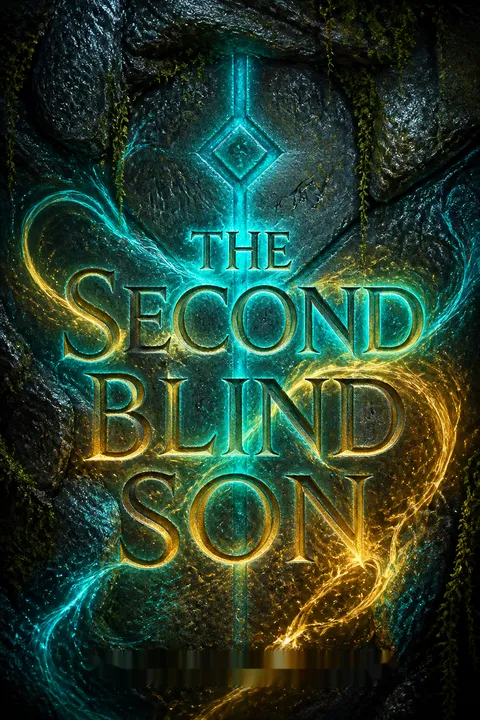
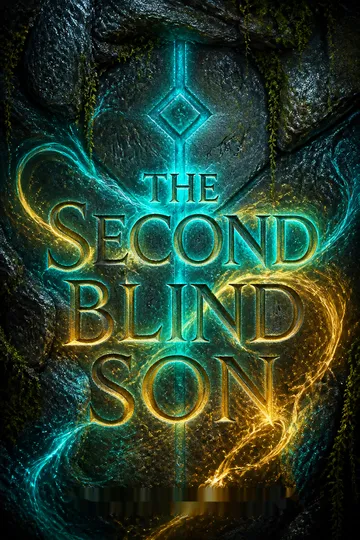
The Second Blind Son received mostly positive reviews, with readers praising its intricate world-building, compelling characters, and romantic elements. Many appreciated the Norse mythology-inspired setting and the slow-burn romance between Hod and Ghisla. Some felt the parallel timeline with the first book was repetitive, while others enjoyed the new perspective. Reviewers noted the author's lyrical writing style and ability to evoke strong emotions. Overall, fans of fantasy romance found it a satisfying addition to the Chronicles of Saylok series.
People Also Read






Characters
Ghisla, called Liis
Song-carrier in exileGhisla is a survivor from Tonlis whose family and home are destroyed by plague and fire. In Saylok she takes the name Liis to pass as a daughter of Leok, protecting the fragile shelter she has found. Her songs are not performance alone: they carry memory, comfort, and unusual power, and her instinct to keep people alive grows alongside her fear of attachment. She often protects herself with silence or sharpness, especially when others treat her as a symbol rather than a person. Her connection with Hod gives her a listener who knows her original name and history. Ghisla’s defining struggle is learning how to remain open to love without surrendering her judgment or agency.
Hod
Blind keeper-in-trainingHod is blind from birth and trained by the cave keeper Arwin to navigate through sound, scent, touch, and disciplined attention. He is capable, observant, and often underestimated, but his unusual senses can be overwhelmed by the visions Ghisla’s songs awaken in him. He values order because it helps him stay oriented, and he is slow to claim desires that might endanger someone else. His closeness with Ghisla gives him a new language for the world, while his training and the old story of the blind god press him toward a role he does not fully understand. Hod’s humility is real, though it can turn into self-denial when he believes he has nothing to offer.
Bayr
The temple’s strong guardianBayr is a physically powerful young man raised among the keepers and entrusted with protecting Princess Alba and the daughters. His stutter makes speech effortful, but it does not diminish his judgment or resolve. Bayr is gentle with children, loyal to those who rely on him, and reluctant to claim status for himself. He has learned to let strength serve protection rather than dominance, a choice that sets him apart from many warriors around him. His relationship with Dagmar gives him a model of care, while his bond with Alba is marked by affection and deep trust. People often project legends onto Bayr; beneath them is a thoughtful person trying to do right.
King Banruud
The troubled kingBanruud rules Saylok with physical confidence and a growing dependence on power. Headaches, sleeplessness, and fear of losing authority make him volatile, while his talent for public performance lets him present self-interest as protection of the country. He knows how to use ceremony, punishment, and the daughters’ symbolic importance to shape opinion. His relationship with the keepers is adversarial, and he treats the clans as subjects whose loyalty must be managed. Banruud is not emotionally simple: his pain is genuine, but it does not excuse the harm he causes. He fears vulnerability so intensely that he repeatedly turns family and affection into instruments of control.
Princess Alba
Hope of the clansAlba is a bright, perceptive princess raised amid the keepers and the daughters of the clans. As a child she is energetic and eager for company, and she treats Bayr with a trust that becomes central to both of them. As she grows, Alba recognizes that her public role carries obligations and danger, even when adults conceal the details. She is compassionate without being passive, and she understands that decisions made in her name can harm people she loves. Her relationships with Ghisla and Ghost give her forms of care that the royal household cannot provide. Alba’s warmth is a source of connection, not a substitute for her own judgment.
Keeper Dagmar
The keeper who sheltersDagmar is a kind, practical keeper whose willingness to bend rules repeatedly brings vulnerable children into the temple. He raises his nephew Bayr and helps the daughters find their footing in an institution poorly prepared to care for girls. His affection for Ghost complicates his commitment to the keepers’ vows, while his loyalty to Bayr makes him protective and secretive. Dagmar is not indifferent to the consequences of his choices; he is often painfully aware of the risks and still chooses care. His difficulty lies in believing that secrecy can protect the people he loves, even when withholding the truth leaves them exposed.
Ghost
Guardian of the daughtersGhost is a pale, solitary woman who joins the temple to care for its daughters. She has lived through abandonment and learned to make herself inconspicuous, yet she is attentive to the girls’ needs and unusually comfortable around animals. Her reserve hides fierce loyalties, especially toward Alba, and her bond with Dagmar places tenderness beside years of restraint. Ghost understands the cost of being watched and judged for her appearance, which helps her recognize the daughters’ different forms of vulnerability. She often chooses silence to protect others, even when silence deepens her own isolation.
Master Ivo
Highest keeper of SaylokIvo guards the temple, its runes, and the uneasy balance between king and keepers. He is sharp-minded, impatient with demands, and deeply conscious that a rune’s power depends on the person who uses it. He can be compassionate, but his fear of misjudging prophecy makes him cautious to the point of excluding people he does not understand. Ivo teaches the daughters and recognizes Ghisla’s Songr heritage, though he struggles to distinguish what the runes reveal from what he hopes they mean. His authority rests on responsibility, not certainty, and he knows that even the Highest Keeper cannot command the fates.
Arwin
Hod’s demanding teacherArwin is the cave keeper who trains Hod in survival, combat, and runes. He is cantankerous, fearful of losing his student, and convinced that Hod has a destiny beyond ordinary life. His affection is real but often expressed through tests and harsh instruction. Arwin’s faith in prophecy gives Hod a framework for understanding his unusual abilities, yet it can also make him interpret uncertainty as danger. He wants to prepare Hod for a world that may need him, while struggling to accept that the boy has desires and judgments of his own.
Chief Lothgar
Leok’s protective chieftainLothgar is the broad, good-natured chieftain who accepts Ghisla as a daughter of Leok when his clan needs a girl to send to the temple. He is politically shrewd beneath his booming manner and is willing to challenge Banruud when the king overreaches. Lothgar’s care for Ghisla is genuine, though he cannot offer her the freedom she wants. He represents a version of authority grounded in public duty and personal warmth, but his loyalties still belong to a clan system that treats daughters as symbols.
King Gudrun
Northlands’ conquering kingGudrun leads the Northmen and sees Saylok as a vulnerable land whose divisions can be exploited. He is bold, theatrical, and skilled at provoking his opponents into revealing their fears. His relationship with Hod is transactional, though he values the blind archer’s abilities and sometimes treats him with a rough familiarity. Gudrun’s charm does not make him safe; he is prepared to use people’s attachments as leverage. His ambition reflects a leader shaped by scarcity and conquest, but his methods threaten to reproduce the very suffering he claims to escape.
Dred
Dolphys elder and warriorDred is an experienced Dolphys warrior and Dagmar’s father. He is blunt, battle-tested, and deeply protective of the clan’s people. Dred’s willingness to claim Bayr reflects his belief that kinship carries responsibilities, not merely privileges. He is wary of Banruud and impatient with leaders who ignore suffering among neighboring clans. Though his manner is rough, he can recognize ability and honor in unexpected places.
Chief Aidan
Adyar’s watchful chieftainAidan is a young chieftain of Adyar who is quick to notice political weakness and challenge Banruud’s decisions. He is proud and sometimes provocative, but his concern for the clans is more than posturing. His attraction to Elayne makes him cautious where she is concerned, revealing a tenderness that contrasts with his public sharpness. Aidan understands that a king’s authority depends on the consent of those he governs, even when he is willing to test that consent.
Elayne
The gentle peacemakerElayne is the red-haired daughter of Ebba, known among the girls for her kindness and instinct to mediate. She misses her family but tries to make the temple livable for her companions, often noticing distress before anyone names it. Her gentleness is not weakness; it helps the girls become a community rather than a collection of captives. Elayne is also learning to see herself as more than a dutiful daughter, especially as the clans begin to regard her as a woman with political value.
Juliah
The daughters’ fighterJuliah is a fierce, combative girl raised by men after violence took her mother. She resists the expectation that she should be quiet or ornamental, and she takes readily to weapons training. Her bluntness can wound the other daughters, but it often expresses an honest refusal to pretend the temple’s restrictions are harmless. Juliah longs for escape and self-determination, while her loyalty to the girls grows stronger than her impatience with them.
Bashti
The temple performerBashti is a lively, attention-loving girl whose mimicry, dancing, and humor help her manage uncertainty. She wants to be seen, partly because she has little memory of where she came from and fears being treated as an outsider. Her playfulness can shade into jealousy when Liis draws attention, but she is capable of affection and courage. Bashti’s performance is both genuine delight and a way to claim space in a world that has made choices for her.
Dalys
The youngest daughterDalys is a small, sensitive girl from Dolphys who often answers to whatever name is given to her. She is easily frightened by conflict but possesses a vivid artistic imagination, translating music into color and shape. Her vulnerability makes the adults’ failures to protect the daughters especially visible. Dalys is not merely a symbol of innocence; she notices beauty and creates it, even in a life shaped by displacement.
Benjie
Berne’s self-serving chieftainBenjie is the chieftain of Berne and a cousin of Banruud. He protects his standing through appeasement and allows disorder to spread among his warriors. He dismisses the needs of other clans and sees the daughters chiefly in terms of their political or physical value.
Lykan
Lothgar’s observant brotherLykan is Lothgar’s brother and a thoughtful observer of Leok’s politics. He helps make Ghisla’s new identity plausible and explains clan customs to her. His steadier manner balances Lothgar’s forceful presence.
Astrid
Ghisla’s lost motherAstrid is Ghisla’s mother, remembered through family songs and the gentleness of ordinary care. Her voice and affection remain part of the music Ghisla carries into Saylok.
Wilhem
Ghisla’s lost fatherWilhem is Ghisla’s father, a farmer from Tonlis whose memory belongs to the home and family she loses. His presence survives in her memories of shared songs and family life.
Gilbraig, called Gilly
Ghisla’s musical brotherGilly is Ghisla’s brother and a maker of silly songs. His teasing tunes give her a way to joke with Hod, while his memory remains inseparable from the family she has lost.
Morgana
Ghisla’s remembered sisterMorgana is Ghisla’s older sister, remembered through a wedding celebration full of dancing and music. That memory helps Ghisla show Hod what love and family once looked like to her.
Plot Devices
Songr music
Songs carry sight and feelingGhisla’s songs carry more than melody. They preserve the memories and landscapes of her people, give Hod images of a world he cannot see, and soothe pain or fear. When she sings while holding someone’s hand, she can also hear that person’s thoughts. The songs therefore create intimacy, but they can overwhelm the listener and expose private knowledge without consent. Their power develops with Ghisla’s confidence: she first sings to survive grief, then to comfort others, and finally to help Hod in battle.
Blood runes
Magic made costly and preciseIn Saylok, runes are drawn in blood, and their effects depend on exact form, order, and the person who wields them. They can heal, strengthen, protect, connect, or reveal, but they do not guarantee control over the result. The runes give the plot its magical language while exposing the danger of treating power as an answer to every problem. Ghisla and Hod’s soul rune makes distant communication possible, while seeker and sacrificial runes later affect what they can know and see.
The six-point star
A map of Saylok’s clansThe star represents Saylok’s six clans, with Temple Hill at its center. It gives characters a concrete way to describe geography and political unity, while its lines also form a seeker rune. The royal amulet bears the same emblem, tying the country’s identity to the authority of its kings. As a result, the star can mean both connection and control: it offers a way to find someone across Saylok, but the king also uses its image to mark a person and assert ownership.
The Daughters of Freya
Girls made into public symbolsThe scarcity of girl children turns the daughters gathered at Temple Hill into emblems of Saylok’s survival. Their presence reassures the clans, attracts devotion, and gives the king and keepers competing claims over their future. The institution appears protective, but it also confines the girls and places their bodies inside political negotiations. Its central tension is that a symbol can be honored while the person represented has little authority over her own life.
Hod and Baldr’s myth
Prophecy misread as destinyThe story of the blind god Hod and his brother Baldr gives Arwin and Ivo a framework for interpreting the young men around them. Its repeated images of blindness, kinship, and a fatal arrow encourage characters to expect a tragic pattern. Yet the myth is not a reliable set of instructions. Different people read it differently, and their beliefs can create danger when they mistake resemblance for fate. The story’s eventual force comes from how Hod and Bayr choose to act, not simply from the roles others assign them.
The Chronicles of Saylok Series
About the Author
Other books by Amy Harmon






Download PDF
Download EPUB
.epub digital book format is ideal for reading ebooks on phones, tablets, and e-readers.








