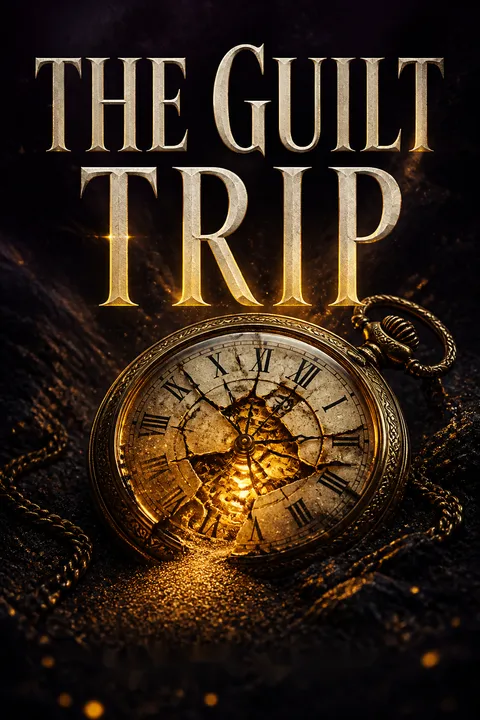


Plot Summary
Prologue
In a hospital bed after a deadly incident, Rachel faces a Portuguese police officer asking what happened and whether she knew the person who died. She remembers a wedding party full of hostility and knows the disaster did not come from nowhere.
Yet when the officer asks whether there had been arguments, Rachel denies that anything was wrong. Her account begins as a lie, leaving the reader to wonder what she is protecting, and from whom.
The opening turns the novel into a problem of testimony before it becomes a story of suspicion. Rachel’s denial is more revealing than an immediate confession would be: she recognizes that the gathering was already dangerous, yet cannot or will not name the people whose choices made it so. The hospital setting places her between survival and explanation, while the officer’s questions establish that private betrayals may soon become public evidence. The frame also unsettles the reader’s trust in Rachel. She is not necessarily lying about what she saw, but she is already shaping what can be said.
The Passport at Gatwick
Rachel and her husband, Jack, are flying to Portugal for Jack’s younger brother Will’s wedding, along with their friends Noah and Paige. At Gatwick, Will’s fiancée, Ali, cannot find her passport, so Jack drives her back toward the car park while Rachel waits with the luggage and the others.
The passport turns up in the car, but Jack returns furious, and Rachel’s attempt to make the trip pleasant feels less convincing by the minute. She had pushed for Paige and Noah to be invited, hoping their company would soften four days with Jack’s family. When the group reaches Will’s cliffside villa in Nazaré, its grandeur briefly lifts the mood. Jack’s growing hostility toward Ali does not lift with it.
The passport crisis is a small disruption with an outsized emotional effect: it makes Ali’s dependence visible, while giving Jack an immediate reason to resent her. Rachel responds by organizing, smoothing, and joking, habits that make her useful but also keep her from confronting the tension underneath. Her decision to bring Paige and Noah shows the same pattern on a larger scale. She tries to arrange other people’s company as a buffer against family discomfort, rather than asking why Jack is already so angry. The luxurious villa then offers a brief false reassurance, a beautiful setting in which the group’s private conflicts will have nowhere to hide.
Jack’s Wedding Warning
After the first evening at the villa, Jack tells Rachel, Paige, and Noah that a former colleague named Rick claimed to have slept with Ali. Jack says the affair may have overlapped with Ali’s relationship with Will, but he cannot establish when it happened or whether it is still going on.
He has kept the allegation from Will, who is happier than Rachel has ever seen him, and asks the others not to disrupt the wedding. The disclosure explains Jack’s recent coldness, yet leaves Rachel with an ugly choice between protecting Will and respecting Jack’s request.
Ali’s own account of once becoming involved with a married man complicates the picture. Paige reacts with contempt; Rachel instead tries to believe that Ali ended things when she learned the truth.
Jack’s disclosure converts his irritation into a moral dilemma, but his evidence is hearsay and his silence is a decision, not a neutral act. He casts himself as Will’s protector while withholding information that could affect Will’s choice to marry. Rachel is drawn into that concealment because she trusts Jack and wants to spare Will pain, even as she feels the cost of leaving him uninformed. Ali’s candor about a past affair seems to make her more credible to Rachel, while Paige treats the same admission as proof of character. Their different reactions expose how each woman uses prior belief to interpret incomplete evidence.
The Wave Takes Noah
Will takes Jack and Noah into the water while Rachel and Paige join Ali’s beach yoga session. A powerful wave overturns the inexperienced surfers, and Noah disappears beneath the water. Will helps bring him ashore, where a lifeguard resuscitates him. Noah recovers, but Rachel’s terror is more intense than she expects; she cannot stop thinking about how much of her life is tied to him.
Jack sees her reaction and later accuses her of caring more about Noah than about him. Paige, shaken by nearly losing her husband, admits to Rachel that she had been questioning their marriage and now wants to value it more. Noah’s accident therefore saves him physically, but makes old emotional attachments impossible for Rachel to dismiss.
The near-drowning makes private feeling legible through bodily response. Rachel does not choose to show how deeply Noah matters; the emergency strips away the careful explanations she uses to keep their friendship safely ordinary. Jack interprets her fear as evidence against her, turning a rescue into a marital accusation rather than recognizing the shock everyone has endured. Paige’s response moves in the opposite direction: Noah’s vulnerability reminds her what she values in their marriage. The same event therefore widens the space between both couples, revealing that fear does not simply clarify love. It can expose loyalties people have spent years trying to contain.
A Diamond on the Landing
After shopping, Rachel catches a fleeting flash of orange crossing the villa’s upstairs landing. Jack insists he has not seen Ali, though Rachel finds a small jeweled embellishment outside their bathroom. Moments later, Ali appears wearing an orange kaftan decorated with matching stones.
Rachel cannot prove that Ali came from her room, but the detail unsettles her, especially when Jack emerges from the bathroom in only a towel. He rejects Rachel’s suggestion that she question Ali and says there is no point revisiting the alleged affair with Rick.
Rachel tries to dismiss the coincidence, yet her attention has changed: Ali’s clothes, Jack’s evasions, and the distance between what he says and what she saw now form a pattern she cannot easily ignore.
The scene turns perception into an unstable kind of evidence. Rachel sees a color, finds a loose jewel, and notices Jack’s towel, but none of these observations independently proves betrayal. Their force comes from sequence and from the trust Rachel already places in Jack, which makes his denial feel more disturbing than the clue itself. The loose embellishment is especially effective because it is tangible yet ambiguous: something she can hold, but not interpret with certainty. Rachel’s self-doubt is not simple gullibility. It reflects how intimate relationships train people to question their own observations when a partner’s explanation conflicts with what their senses suggest.
The Son in Noah’s Face
At the rehearsal dinner, a guest notices that Rachel’s nineteen-year-old son, Josh, resembles Noah. The remark unsettles Noah, who has already been questioning the closeness Rachel showed him after the surf accident. Later, away from the party, he asks whether Josh could be his. Rachel admits that she and Noah slept together once, just before he left for a year in Thailand, and that she chose to remain in England with Jack.
She believed the dates made Jack Josh’s father, but can no longer remember them clearly enough to be certain. Noah tells Rachel that he still loves her. Ali sees them together, while Rachel returns to the wedding with a secret that could damage both marriages and the family they have built.
The resemblance comment gives physical form to a possibility Rachel has managed by refusing to examine it. Her uncertainty is not proof of paternity, but it makes the past newly consequential: the decision to stay with Jack may have shaped a family whose origins Rachel cannot fully verify. Noah’s confession of enduring love intensifies the pressure, because the conversation is no longer merely about one old night. Rachel wants to protect the life she has built, yet her silence has consequences for people who never consented to the secret. The scene asks how a family story becomes truth through repeated belief, even when its foundation remains uncertain.
The Watch in Ali’s Drawer
After returning from the dinner, Rachel tries to conceal her conversation with Noah and worries that Ali witnessed more than she let on. Later, she sees two people in the villa pool and imagines Jack with Ali, though they are actually Will and Ali. The next morning, Rachel finds Ali’s running shoes in her room, then discovers Jack’s anniversary watch hidden in a drawer among Ali’s underwear.
She also remembers seeing Ali come from the direction of Jack’s room. To Rachel, the watch seems decisive, and her suspicions harden into certainty. She does not know that Ali took it after finding Jack and Paige together, or that Will gave Ali the heart necklace Rachel also misreads as evidence against Jack.
The accumulating clues illustrate how fear organizes perception. Rachel’s mistaken identification of the couple in the pool is not an isolated error; once she suspects an affair, even darkness becomes a screen onto which she projects the most painful explanation. The watch appears to resolve the uncertainty because it is specific, intimate, and difficult to explain. Yet its presence only proves that it has moved between people, not why. The necklace and missing running shoes deepen the same interpretive trap. Suspense arises not because Rachel sees nothing, but because she sees real details and assembles them into the wrong story.
Vows Beneath the Cliffs
On the wedding day, Rachel finds a receipt for a silver heart necklace among Jack’s belongings and becomes more convinced that he is involved with Ali. She still helps Ali prepare, fastening the necklace around her bride’s dress, then joins the party at the cove below the villa.
Will marries Ali as Jack stands rigid beside him. At the reception, Will praises Ali’s loyalty and says he wants children soon, while Ali has privately told her cousin Kimberley that she is not ready for them.
Jack’s speech is strained, and Ali publicly singles him out with a pointed thank-you. Rachel reads these moments as evidence of a secret between them, unaware that the necklace came from Will and that Ali’s contradictory answer to Kimberley has another reason.
The wedding makes public performance the story’s central pressure. Will’s praise and Ali’s vows create a visible ideal of loyalty, while Rachel watches for signs that might undermine it. Her role as helper is painful: she fastens a necklace she believes may be evidence of her husband’s affair, then takes her place beside him at the ceremony. The conflicting statements about children seem to expose Ali as deceptive, but the novel asks the reader to resist treating inconsistency as transparent proof. In a crowded family, people conceal things for selfish reasons, protective reasons, and reasons they cannot yet articulate. Rachel cannot distinguish among them.
The Cave Confession
After the first dance, Rachel follows Jack and Ali toward a sea cave and hears him threaten her for saying she will expose what is happening. Jack raises an arm as Ali confronts him, and Rachel intervenes. He then claims that Ali pursued him, that he kissed her once after drinking, and that she has since blackmailed him.
He says Rick’s story was invented because he needed a reason to explain his hostility toward her. Jack also admits he got Ali dismissed by discovering a false job on her CV. Rachel is appalled by his earlier silence, but his account seems possible because Ali has repeatedly exaggerated events. She returns to the reception unsure whether Jack is confessing or simply replacing one deception with another.
Jack’s partial confession offers Rachel a coherent explanation at precisely the moment she most wants one. It accounts for his hostility, his secrecy, and the supposed Rick rumor, but it also makes Ali the sole aggressor and Jack the reluctant target. His account draws power from Rachel’s accumulated suspicion of Ali, not from independent proof. The scene also reveals how easily private misconduct can be reframed as defensive action: Jack admits to a kiss and a dismissal while denying the broader pattern Rachel fears. The cave’s rising water gives the confrontation physical urgency, but the deeper danger is interpretive. Rachel must decide whose version of events can be trusted.
Ali Names Paige
In the reception bathroom, Ali tells Rachel that Jack is not having an affair with her. She says he is involved with Paige, and that she has seen them together for more than eighteen months. Ali explains that she used the passport scare and other attempts to speak privately with Jack to make him end the affair before the wedding.
She also found his watch after discovering him with Paige on the villa’s roof terrace. Rachel resists believing her, then learns Ali saw her with Noah and knows Josh’s paternity is uncertain. Ali does not threaten to expose Rachel. Instead, she says Rachel made the choice she thought was best. Her warning leaves Rachel facing two betrayals and the possibility that her own secrecy has helped conceal them.
Ali’s disclosure reverses Rachel’s entire evidentiary map. Behaviors she read as seduction or attention-seeking become attempts to force Jack to confess, while the watch’s presence in Ali’s room acquires a different explanation. The shift does not make Ali automatically trustworthy; rather, it exposes how strongly Rachel’s assumptions shaped what she considered credible. Ali’s knowledge of Josh’s possible paternity creates a moral counterweight: she could use Rachel’s secret as leverage, but does not. Her restraint complicates the easy category of villain and victim. In this novel, ethical character is measured less by spotless history than by what a person does with another person’s vulnerability.
The Photograph Goes Out
Rachel learns that Ali’s two-year gap in her work history was spent caring for her mother after a serious accident. Maria was driving when another car hit them, but Ali blamed herself and gave up her career to stay beside her. Kimberley also explains that Ali pretended not to want children because Kimberley had recently lost a baby and Ali wanted to spare her pain.
These revelations make Rachel reconsider the lies she had treated as proof of selfishness. Then, during the fireworks, an old photograph of Ali as a bullied, much heavier teenager is sent from Chrissy’s phone to the wedding guests. Paige had handled Chrissy’s phone and sent it. Ali’s private past is exposed in public, just as Rachel begins to trust her.
The revelations do not excuse every falsehood; they change the reader’s understanding of what those falsehoods protect. Ali’s altered history conceals shame, her mother’s disability, and a friend’s grief, rather than simply manufacturing glamour. Rachel’s shift toward compassion comes when she stops treating confidence as evidence of inner ease. Paige’s use of Chrissy’s phone then weaponizes a vulnerability Ali has spent years managing, turning the reception into an arena of public humiliation. The sequence tests whether empathy can survive exposure. Rachel has misjudged Ali repeatedly, but she now recognizes that knowing a person requires attention to the costs beneath their performed persona.
Fireworks and Impact
As fireworks illuminate the cove, a car suddenly barrels onto the terrace, striking guests before plunging into the ocean. Rachel is hit and badly injured. Jack is found with severe facial and shoulder injuries, Ali is unconscious and critically hurt, and Chrissy is also gravely injured. Paige is missing, as is the car’s driver.
Noah searches the wreckage and stays with Rachel while emergency crews arrive. The party’s private betrayals become inseparable from a public catastrophe: several people have motives to fear what Paige might reveal, and some were last seen near the terrace. Rachel wakes in a Portuguese hospital with gaps in her memory, while police begin asking what happened before the vehicle appeared.
The collision converts the wedding’s social violence into literal danger, but it does not initially identify a perpetrator. The sudden car is both an attack on bodies and a rupture in the group’s competing stories: people who were arguing, hiding secrets, or trying to protect one another are now injured in the same confined space. Rachel’s memory gaps reproduce the reader’s uncertainty, while the missing driver and missing Paige turn the scene into an investigation. The sea, previously a backdrop to surfing and romance, becomes a place that can conceal evidence and people. Survival no longer guarantees clarity; the injured must reconstruct what happened from partial memories and other people’s accounts.
The Watch in the Wreck
Police tell Rachel that Paige’s body was recovered inside the car, not merely thrown into the sea. Jack, recovering from surgery, admits to the officer that he was having an affair with Paige and says he planned to leave Rachel. He claims Ali was jealous, suggests Ali may have driven the car, and describes Rachel as furious after learning about the affair.
Investigators find Jack’s anniversary watch in the car’s footwell, tying him to the vehicle. Rachel remembers that she last saw Paige with Jack before the impact, and Noah confirms that both were missing from the terrace. Jack’s attempt to redirect suspicion toward Ali and Rachel adds another layer to the inquiry, but his own story now contains motives and evidence the police can test.
The discovery that Paige was inside the car changes the event from a possible accident at the water’s edge into a death requiring explanation. Jack’s confession does not settle the question of responsibility; it provides investigators with a motive, while his effort to blame Ali and Rachel makes his account suspect. The watch functions as material evidence precisely because Jack has spent much of the novel trying to control the story through omission and denial. Rachel and Noah, meanwhile, must decide whether disclosing their own past will clarify the crime or merely create further suspicion. The section’s tension comes from the gap between emotional certainty and what can be established in a police investigation.
The Story Jack Cannot Hold
At trial, Ali contradicts Jack’s claim that they had a sexual relationship and helps expose his shifting account of the wedding night. The watch in the car, the couple’s affair, and the witnesses’ accounts combine to show what Jack tried to conceal. He is convicted of manslaughter for Paige’s death. Rachel and Noah move toward a life together, while Rachel begins the teacher training she had postponed for years.
Josh and Chloe continue to live with the loss of the parents they knew, and Rachel’s uncertainty about Josh’s biological father is not definitively resolved in the story. Later, Rachel thanks Maria and Ali for standing by her. Ali’s account of the night, however, reveals that Rachel herself placed Jack’s watch in Paige’s bag.
The resolution distributes truth across testimony, physical evidence, and deliberate silence. Ali’s testimony matters because Jack has built his defense by recasting her as unstable and sexually involved with him; she refuses the version of herself he needs the court to accept. Rachel’s future begins not with a clean return to innocence but with choices she can finally make openly, including teacher training and a relationship with Noah. The lingering question of Josh’s paternity keeps the ending from offering total repair. Most unsettlingly, Rachel has also manipulated evidence by placing the watch in Paige’s bag. Her action complicates the novel’s moral accounting: the survivor who seeks truth has participated in shaping what the truth can prove.
Epilogue
Ali reveals that she saw Rachel put Jack’s watch into Paige’s bag. At the time, Ali understood the act as Rachel’s attempt to confront Paige with the betrayal she was risking, and hoped the engraved watch would force her to recognize what she stood to lose.
Ali does not tell the police what she saw. She believes Jack and Paige deserved no protection from the consequences of their affair, and that Rachel’s silence about the watch helped bring those consequences down on them.
The epilogue does not simply absolve Rachel or expose her as a new villain. It shows that she has quietly influenced the chain of evidence while telling herself she is trying to make Paige face her choices. Ali’s decision not to report what she witnessed is an act of loyalty, but also an intervention in justice: she allows a fact to remain hidden because she believes the outcome is deserved. That choice echoes the novel’s central question about truth. Disclosure is not automatically virtuous, and silence is not automatically cowardice. Both characters make judgments about who deserves protection, with consequences they cannot entirely control.
Analysis
The Guilt Trip builds suspense by making observation unreliable without making it useless. Rachel notices real details: a jewel on the floor, a watch in Ali’s drawer, a necklace, furtive conversations, and people missing from the terrace. Her error is not that she fails to see; it is that fear gives each detail its meaning before she has enough context. The resulting misreadings are psychologically credible because they grow from existing insecurities: Rachel fears aging out of desirability, Jack’s resentment primes suspicion, and her buried history with Noah makes every exchange with him morally charged.
The novel also distinguishes different kinds of concealment. Jack hides an affair to protect his position and avoid consequences. Rachel and Noah bury their past because they believe silence will preserve two families, while Rachel’s uncertainty about Josh’s paternity makes that silence ethically unstable. Ali lies to manage shame, to protect her mother and cousin, and to force Jack to act. These motives are not equivalent, but the book refuses to let the reader classify people by a single truth or falsehood. What matters is whom a secret protects and who pays for it.
The wedding setting intensifies this question because marriage is both an intimate promise and a public performance. Speeches about loyalty, family photographs, vows, and carefully staged celebrations put private conduct on display, while the sea and cliffs make the gathering physically precarious. The crash literalizes the damage already moving through the group, yet the police investigation insists that emotional conviction is not evidence. Jack’s attempt to redirect blame, the watch in the car, and Ali’s testimony show how justice depends on material traces and witnesses, even when each witness has something to hide.
Rachel’s eventual movement toward Noah and toward teacher training suggests a life becoming more honestly chosen, but the ending withholds complete moral closure. Josh’s biological paternity remains uncertain, and the epilogue reveals Rachel’s own manipulation of the watch. Her effort to expose betrayal has not made her innocent. The novel’s sharpest insight is that guilt often begins not in a single lie, but in the belief that managing what others know is the same as protecting them.
Review Summary
The Guilt Trip receives mixed reviews, averaging 3.41 stars. Readers praise the engaging domestic drama about three couples attending a destination wedding in Portugal, where secrets and suspicions surface. Many found the first half slow and repetitive, filled with conversations and Rachel's naive character frustrating. The ending divided readers—some enjoyed the twists while others found it confusing, rushed, or overly dramatic. Reviewers appreciated the Portuguese setting and audiobook narration but criticized predictability and unlikeable characters. Most agreed it's more domestic drama than thriller, with excessive focus on potential infidelity.
People Also Read









Characters
Rachel Hunter
The reluctant truth-seekerRachel is a forty-two-year-old wife and mother whose son has recently left for university. She is married to Jack and has long been close to Noah, her university friend, and Noah’s wife, Paige. Thoughtful and accommodating, Rachel often smooths over tension rather than risk a confrontation, but her attentiveness also makes her keenly aware of small changes in people’s behavior. She measures herself against younger, more visibly confident women and worries that motherhood has narrowed her life. Her affection for her family and friends is genuine, yet her loyalty can become a reason to avoid difficult truths. Rachel is most compelling when she must distinguish care from denial and decide whether keeping peace is actually protecting anyone.
Jack Hunter
The controlled family manJack is Rachel’s husband, Will’s older brother, and a senior figure in the music business. He is organized, ambitious, and accustomed to managing both schedules and impressions. His preference for order contrasts with Will’s wandering habits, and his protectiveness toward family can easily become paternalistic. Jack expects loyalty from those around him, but he is less comfortable when other people’s choices challenge his authority or professional pride. He has a long history with Rachel and shares the responsibilities of raising Josh, which gives their marriage the appearance of stability. His reserve can read as reliability, though it also makes it difficult for others to tell what he is withholding.
Ali Hunter
The vivid self-inventionAli is Will’s fiancée, later his wife, and a former employee of Jack. She is conspicuous, flirtatious, talkative, and quick to turn ordinary incidents into stories. Her exuberance can delight some people and exhaust others, especially Paige, who distrusts her. Ali appears to seek attention, but her showy confidence also functions as protection against shame and a painful history. She wants to be accepted by Will’s family and tries to prove that she belongs there, often through exaggeration or performance rather than direct vulnerability. Her relationship with Rachel is complicated by their differences: Rachel’s carefulness makes Ali seem reckless, while Ali’s openness exposes how much Rachel suppresses.
Noah Collins
Rachel’s unfinished first loveNoah is Paige’s husband and Rachel’s closest friend from university. Easygoing and sociable, he once planned to travel the world with Rachel before their lives took different paths. He is a father to Chloe and has built a family with Paige, yet his enduring connection to Rachel gives their friendship an intimacy that others sometimes misread. Noah tends to express affection directly and can act before considering the consequences, particularly when old feelings resurface. His relaxed manner makes him a counterweight to Jack’s control and Paige’s forcefulness, but it can also disguise how deeply he is affected by the past. His loyalty to Rachel is real, though it is not always uncomplicated.
Paige Collins
The formidable best friendPaige is Noah’s wife, Rachel’s best friend, and a successful criminal barrister. She is sharp, argumentative, and deeply committed to women’s rights, with little patience for behavior she considers hypocritical. Her professional confidence can spill into friendships, where she often presses people to answer questions they would rather avoid. Paige’s marriage to Noah is long-standing, but the demands of work and family have left her wondering whether a quiet, steady life is enough. She has a teasing rapport with Jack and a sustained dislike of Ali, whom she sees as careless with other women’s feelings. Beneath her formidable surface, Paige is more vulnerable to uncertainty than she likes to admit.
Will Hunter
The hopeful younger brotherWill is Jack’s younger brother and Ali’s partner. He has spent years moving between countries, jobs, and ventures, but his water-sports business has given him a rare measure of stability. Warm, optimistic, and eager to become a father, he tends to see possibility where Jack sees risk. Will admires his brother even when their temperaments clash, and he wants his wedding to gather the family together. His trust in Ali is central to the emotional stakes of the trip.
Maria Foley
Ali’s fiercely loving motherMaria is Ali’s mother, a warm and attentive woman who uses a wheelchair and wears a prosthetic leg after a serious road accident. She shares a close bond with her daughter and understands how much Ali’s confidence has been shaped by earlier pain. Maria is protective without being cold, and she instinctively tries to interpret Ali’s behavior generously. Her love gives Rachel a view of Ali’s private loyalties that the bride’s public persona conceals.
Josh Hunter
Rachel and Jack’s absent sonJosh is Rachel and Jack’s nineteen-year-old son, newly away at university. Though he is not present in Portugal, his departure has changed the rhythm of his parents’ marriage and given Rachel time to reconsider her own ambitions. His resemblance to Noah becomes the focus of a question that unsettles the adults around him. Josh’s independence and affection for his family remain important to Rachel, even when he is far from the events threatening their lives.
Chloe Collins
Paige and Noah’s daughterChloe is the sixteen-year-old daughter of Paige and Noah, left at home while her parents travel to Portugal. She is Rachel’s goddaughter and grew up close to Josh, though adolescence has made their friendship less effortless. Chloe’s presence matters because the adults’ choices affect two connected families, not only the couples at the center of the wedding.
Chrissy
Ali’s lifelong friendChrissy has known Ali since primary school and shares a history with her that predates Ali’s adult persona. Quiet and self-effacing, she contrasts sharply with Ali’s public exuberance. Chrissy’s loyalty is genuine, and she remembers how Ali was treated when they were younger. Her presence at the wedding offers Rachel a chance to glimpse Ali’s past through someone who knew her before she remade herself.
Kimberley
Ali’s grieving cousinKimberley is Ali’s cousin and a wedding guest. She is grieving a late-term pregnancy loss and carries that sorrow quietly. Her bond with Ali is close enough that Ali changes what she says about children in order to protect her. Kimberley’s vulnerability reveals the emotional care hidden beneath Ali’s contradictory remarks.
Ken
Maria’s steady companionKen is Maria’s husband and Ali’s stepfather. He is good-humored and supportive, often letting Maria and Ali take the lead in conversation. His easy presence adds to the sense that Ali’s family has built a close life around one another.
Bob Hunter
The proud family patriarchBob is Jack and Will’s father. He is pleased to see his sons together at Will’s wedding and treats Rachel as part of the family. His pride in the occasion makes the conflict between the brothers especially consequential.
Val Hunter
The affectionate mother-in-lawVal is Jack and Will’s mother and Rachel’s mother-in-law. She is warm toward Rachel and delighted by Ali’s arrival in the family. Her easy affection for the bride contributes to Rachel’s fear that Ali is replacing her in relationships she has relied on.
Afonso Da Silva
The investigating officerDa Silva is the Portuguese police officer investigating the wedding-night crash. Patient and methodical, he asks survivors to reconstruct where they stood, whom they saw, and what they remember. His questions force the wedding party’s private conflicts into the language of evidence.
Grandma Nettie
The absent family elderGrandma Nettie is Ali’s grandmother, too unwell to travel to the Portugal wedding. Ali’s wish for her to witness the marriage reflects how important family recognition is to her, even when she is trying to seem carefree.
Plot Devices
The hospital frame
A warning before the storyThe prologue places Rachel in a hospital bed while police ask about a death and the events at the wedding. Her denial that anything was wrong creates dramatic pressure before the main timeline begins. As the story moves through the trip, the reader knows the gathering will end in a fatal incident but not who will die, what caused it, or why Rachel is withholding information. The frame makes memory and testimony part of the thriller’s structure, not merely its aftermath. Rachel’s later recollections must be weighed against her fear, guilt, and self-protection.
The rooster figurine
A misleading sign of innocenceAli gives Jack a small Portuguese rooster associated with a story in which an innocent person is saved when a supposedly dead bird revives. She presents the object as a reminder that the innocent have nothing to fear, while Paige notices its suggestive shape and Rachel senses a more personal meaning. The figurine becomes a compact emblem of the group’s competing claims: each person wants to be believed, but the truth is not obvious from appearance or confidence. Its importance lies less in solving the plot than in sharpening the novel’s interest in innocence, performance, and the stories people tell to defend themselves.
Nazaré’s sea and cliffs
A beautiful trapThe villa overlooks the Atlantic, and the wedding venue sits beside cliffs, caves, and a terrace exposed to the incoming tide. The landscape first offers spectacle and leisure: surfing, a pool, and a secluded beach. As the group’s conflicts sharpen, the same geography becomes dangerous, restricting escape and concealing what happens in darkness. The sea nearly takes Noah during the surf lesson, surrounds the cave confrontation, and hides the car after the crash. Its changing tide also gives the story a physical clock. The setting is not simply atmospheric; it repeatedly turns private decisions into urgent, bodily risks.
Jack’s anniversary watch
A clue passed between handsRachel’s anniversary gift to Jack moves through the story as an apparently incriminating object. Rachel finds it in Ali’s room and interprets its presence as proof of an affair between Jack and Ali. Ali says she found it after discovering Jack with Paige, and police later recover it in the car where Paige died. The watch gives the investigation a physical link to Jack while also exposing how easily a real object can be misunderstood. The epilogue adds a final complication: Ali saw Rachel put the watch into Paige’s bag. Its path records the characters’ attempts to warn, conceal, and control the truth.
The old photograph
A buried self made publicA photograph of Ali as a bullied teenager, when she was much heavier and looked very different, is sent to wedding guests during the fireworks. The image threatens the self she has constructed as an adult and exposes a history she has tried to keep private. Its circulation is a deliberate act of humiliation, not an accidental rediscovery. The photograph also revises the reader’s understanding of Ali’s flamboyant clothes, exaggerated stories, and hunger to be noticed: these may be defenses against a time when she felt invisible. The device links public image to private vulnerability and makes the wedding crowd a tool of social punishment.
Download PDF
Download EPUB
.epub digital book format is ideal for reading ebooks on phones, tablets, and e-readers.








