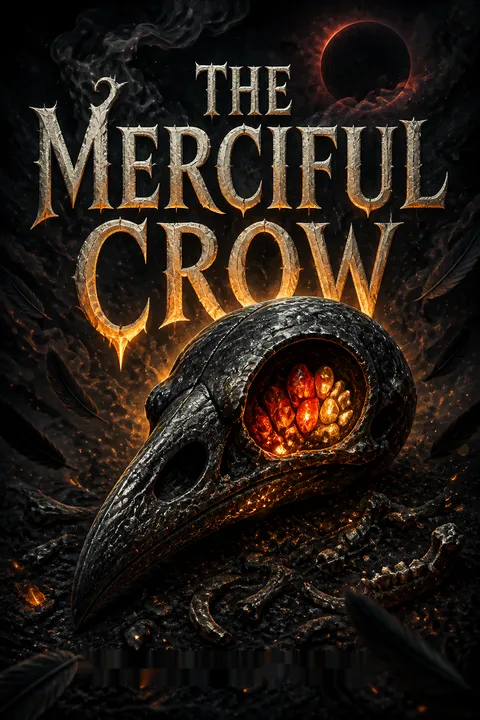


Plot Summary
A Prince in the Cart
Sixteen-year-old Fie, a Crow chief-in-training, waits outside a palace quarantine hut while her father, Chief, takes unusually long to prepare two plague victims for burial. The royal court watches the Crows with contempt, and armed Hawk guards keep their hands near their swords.
When the bodies emerge, Fie helps load them onto the funeral cart and follows the procession through the palace’s splendid Hall of the Dawn. Its Phoenix thrones stand empty. At the gate, Queen Rhusana appears to pay for the dead, wearing the royal crest and white mourning finery.
Fie recognizes the implication: one shrouded victim must be the crown prince. The palace has summoned Crows for the first time in centuries, and their ordinary work has become entangled with the royal succession.
The opening makes caste hierarchy physical before it makes it political. The Crows carry the dead through rooms built to celebrate Phoenix power, while the Hawks’ drawn steel reminds them that public necessity does not equal public respect. Fie reads the empty thrones and the queen’s presence as evidence, not pageantry. Her professional attention to bodies becomes a form of political perception: she sees the crisis because she knows what a plague summons normally means. The scene begins with a duty that cannot be refused, then reveals that the palace has made that duty unusually dangerous.
The Teeth Price
At the gate, Queen Rhusana offers the Crows a stray cat instead of proper viatik, the traditional payment for their work. Fie asks Chief to begin the Money Dance, the Crows’ ritualized display of menace that makes a refusal costly. Their synchronized cries and stamping frighten the court, and Fie confronts the queen herself.
Rather than accept the cat or a token sum, Fie demands the royal family’s stored teeth, valuable to Crow witches because each can carry a caste Birthright. Rhusana sends for the hoard, and Fie secures it before leading her band out of Dumosa. She also takes the cat. The Crows cross the League-High Bridge without being attacked, but Chief’s unease makes clear that leaving the capital has not ended the danger.
Fie’s first decisive act of leadership converts a ritual of humiliation into leverage. The Money Dance works because the Crows know what the court fears: plague is not impressed by rank, and a delay in burning the dead can threaten everyone. Yet the victory is limited. Fie wins a resource, not safety, and the queen remains powerful enough to make the Crows’ departure feel like a temporary reprieve. The cat matters too. Fie claims a small, living companion from a palace that treats her people as expendable, making her instinct for care visible amid the political bargaining.
The Dead Sit Up
Beyond the city, Fie examines one shrouded body and discovers that the supposed prince is alive. His companion, Tavin, is alive too. The two young men explain that they staged their deaths to escape repeated assassination attempts, especially by Queen Rhusana, who wants her own son to inherit.
They ask to travel with the Crows toward Cheparok, where Prince Jasimir expects support from his cousin, Governor Kuvimir. Chief initially considers the bargain complete: the Crows have carried the pair out of Dumosa and received their payment.
Then Tavin warns that Rhusana’s allies include the Oleander Gentry, a group that hunts Crows with impunity. Fie’s mother was killed by Oleanders, and the warning turns a royal escape into a threat against every Crow band in Sabor.
The revelation changes the meaning of the funeral cart: the Crows have not merely transported a prince, they have become custodians of a dangerous deception. Fie’s distrust is grounded in experience rather than reflex. The prince’s crisis matters to him because he is hunted; the Oleanders’ rise matters to her because it would formalize violence already visited on her community. Their needs overlap, but their understanding of danger does not. The scene sets the central moral imbalance: powerful people ask the Crows to risk their lives for a cause they have historically ignored.
An Oath for Crows
Fie rejects the prince’s first proposal because it offers the Crows no security beyond gratitude and future favor. She instead demands a Covenant oath: if Jasimir becomes king, he must protect the Crow caste, including by assigning Hawks to guard them from the Oleanders.
The Crows approve her terms. Though Jasimir objects that no caste has received such special protection, he accepts that his own political rescue cannot be separated from theirs. Chief cuts his palm with his broken sword, and Jasimir joins hands with him to swear the binding promise.
Failure will bind them beyond this life. Chief then gives Fie a chief’s string, warning that she may have to carry the oath if he cannot. The prince’s agreement sets the journey in motion, but also places its consequences on Fie.
The oath is a political instrument with spiritual force, but its emotional force comes from who must make it enforceable. Fie demands a promise that recognizes Crow lives as part of the kingdom’s obligations, not as charity. Yet the oath does not erase the danger of relying on a future king. Chief’s decision to prepare Fie as a successor exposes the price of her boldness: she has not simply negotiated a policy, she has accepted responsibility for keeping it alive. Her leadership begins not with certainty but with a binding obligation she cannot yet imagine carrying.
Fire from a Tooth
While the Crows prepare a false pyre for the two supposed corpses, Fie learns that Tavin and Jasimir have brought pig bones to make the funeral convincing. A surprise touch sends her briefly into the animal’s sensations, reminding her that her magic is powerful but not effortless. Chief explains that Crow witches can draw Birthrights from bones and teeth, borrowing another caste’s power.
He gives Fie one Phoenix milk tooth. She calls up its dying spark and uses it to kindle a fierce golden flame, proving that she can wield royal fire far from the Phoenix palace. The display unsettles Jasimir, who has no power to summon it outside his caste’s god-graves. Chief gives Fie his chief’s string, and the band answers a plague beacon on the road.
Fie’s magic makes the caste system both literal and unstable. Each tooth preserves a fragment of someone’s life, so power is inherited through memory as much as blood. The Phoenix flame gives Fie access to a privilege denied to her caste, but it does not make her secure or equal. It reveals a capacity that she must learn to govern, especially when anger can make destructive power feel like the only language others respect. The false funeral also foreshadows how easily political legitimacy can be staged, while the real plague work keeps the journey tied to responsibilities beyond the prince.
The Burning Wagon
The first village that summons the Crows provides two plague victims, but its people short the band on viatik and resent the collection of the dead men’s teeth. After the Crows leave, Fie’s dreams are interrupted by approaching riders. The Oleander Gentry find their camp and burn the wagon, destroying much of the band’s food and equipment.
Fie hides herself, the prince, and Tavin in a tree using a Sparrow tooth, then strains the spell to keep the Oleanders from spotting a fallen dagger. Barf is trapped in the burning wagon. Jasimir slips from concealment, crosses the exposed ground, and pulls the cat free while the raiders search for Crows. The group escapes, but Hangdog has run far ahead to mislead the riders and has not yet returned.
The raid makes the threat to Crows tangible: the Oleanders do not need a formal decree to destroy a band’s shelter, provisions, and sense of safety. Fie’s magic protects the group but exacts a bodily cost, while Jasimir’s rescue of Barf offers a small, meaningful counterexample to his earlier distance from Crow life. The cat becomes a test of action rather than sentiment. Jasimir risks himself for a creature the Crows claimed as their own, even before he fully understands the people he has asked to protect. Survival here depends on practical care, not royal status.
A Road Becomes Home
After the raid, Chief uses a rare Pigeon witch-tooth to improve the band’s luck, and they soon find a generous viatik and a replacement wagon. On the road, Jasimir asks why the Crows remain in a country that despises them. Fie answers by naming the roads, villages, and people who make Sabor her home, including those who depend on the Crows to answer plague beacons.
Meanwhile, Fie practices coordinating two Pigeon teeth and learns that Tatterhelm, the queen’s most dangerous Vulture tracker, may be pursuing them. Tavin’s playful manner earns him some Crow affection, while Fie remains wary of his skill at winning people over. Their journey toward Cheparok now carries both a political deadline and an approaching hunter.
Fie’s answer to Jasimir reframes home as a network of obligations rather than a protected place. The Crows stay because the dead, the living, and the roads between them belong to their community, even when the state refuses to recognize that belonging. Jasimir’s question is not cruel, but it reveals how easily privilege mistakes exclusion for a reason to leave. Fie’s magic practice and Tavin’s social ease introduce two distinct forms of competence: hers is costly concentration, his is adaptation. Both will matter as the route narrows toward danger.
The Fifth Gate
At Cheparok, Fie uses paired Sparrow teeth to hide Jasimir and Tavin while the band enters through the city’s lowest gate, where guards demand illegal bribes and Vulture skinwitches inspect visitors for witches. The Crows lose much of their money, but Chief has hidden a reserve.
Inside, Fie guides the princes through the city’s caste-marked tiers, despite not being able to read the ordinary signs. In Second Market, a Hawk guard grabs Fie and threatens her. Tavin intervenes, restraining his own cousin and forcing him to leave them alone.
On the way to the Floating Fortress, Tavin senses that Governor Kuvimir’s greeting is wrong. Before the Crows can escape, Hangdog strips off the disguises and exposes Jasimir. Arrows strike, and the governor’s forces turn on them.
Cheparok’s architecture gives visible form to social sorting: the higher the gate, the greater the status and protection, while the Crows are directed toward mud and extortion. Fie can navigate through Crow signs but cannot read the official script, a practical disadvantage that Jasimir later helps her address. Tavin’s defense of her against a fellow Hawk marks a shift from charming accommodation to costly intervention. The betrayal at the bridge reveals that a city’s polished welcome can conceal the same hierarchy as its lowest gate. The Crows reach the promised ally only to discover that royal assurances have not protected them.
The Bridge Betrayal
When arrows fly on the bridge to the Floating Fortress, Hangdog reveals that he has sided with the queen’s forces. He is killed by an arrow before he can explain himself. Chief recognizes that the Vultures can track his witch-sign and uses Phoenix teeth to raise a wall of golden fire, buying Fie, Jasimir, and Tavin time to escape over the bridge into the reservoir.
Fie carries Chief’s teeth and broken sword into the water. The current sweeps the three survivors through Cheparok’s drainage channels and into its lower markets, while Chief and the remaining Crows are left behind. Fie finds that Chief’s tooth still signals he is alive, but Hangdog’s has gone cold. The oath now rests with her alone.
The bridge turns betrayal into a physical severing. Chief’s fire protects Fie and the prince, but it cannot bring the band across with them. Hangdog’s choice is especially devastating because he was another witch and trainee, someone who might have shared Fie’s future. His death does not simplify the moral question; it sharpens it. The escape preserves the oath’s central actors while separating Fie from the people who made that oath meaningful. Her new authority arrives as an abandonment she did not choose, forcing her to distinguish leadership from the comfort of staying with her own.
The Chief Takes Over
In the maintenance tunnels, Tavin argues that Fie must continue taking Jasimir toward the Marovar, even though Chief and the other Crows are trapped in Cheparok. Fie nearly turns back, then accepts that Chief’s oath and her people’s safety depend on getting the prince to stronger allies.
At a hidden shrine, a Crow keeper gives the three fugitives supplies and warns that Hawks are searching for a girl chief and two false Crows. Fie also realizes that the queen may be a Swan witch: Rhusana could have temporarily surrendered her Birthright during marriage to the Phoenixes, then recovered her power. That could explain the strange creatures serving her. Fie presses on north, now acting as chief to a band of three.
Fie’s decision is not a clean triumph of duty over desire. She wants to retrieve her family immediately, but doing so without help could leave the entire caste exposed to the Oleanders. The shrine keeper’s warning makes her role public within Crow networks, while the suspected Swan magic expands the danger beyond ordinary political ambition. Fie’s authority is therefore relational: she has to keep faith with absent kin and a threatened community at once. Choosing the road does not mean she feels less grief; it means she accepts that grief cannot decide the route alone.
Mercy in the Sewer
In Gerbanyar, the townspeople have left a plague-stricken man in a sewage channel rather than summon the Crows promptly. Fie climbs down to remove him, expecting a corpse, but he is still alive and begs for mercy. Alone and shaken, she cuts his throat with Chief’s broken sword, then tries to prepare the body for burning.
Tavin comes close to help, but the crowd’s taunts provoke him into using his war-witch Birthright. He collapses after attacking a man, leaving Fie and Jasimir to face the consequences. Tavin wakes in time to kill the wounded assailant, and Fie uses a Phoenix tooth to ignite the flashburn in the sewer, creating a fiery escape from Tatterhelm’s approaching riders.
The scene makes mercy a skilled act that can still wound the person who performs it. Fie has watched Chief kill plague victims, but inherited knowledge cannot spare her the shock of taking a life herself. The town’s cruelty is not incidental: it forces the Crows to perform care under public contempt, then condemns them for the visible cost. Tavin’s uncontrolled violence exposes a parallel problem. His power can protect Fie, but acting without regard for the crowd puts all three at risk. Fie’s fire saves them, yet it also makes survival inseparable from the power she fears misusing.
Three Teeth in Harmony
Fie, Tavin, and Jasimir abandon the roads to evade the Vultures, relying on her Sparrow teeth to conceal them from trackers. She learns to sustain three teeth in harmony, but the effort causes headaches, nosebleeds, exhaustion, and eventually collapse. During the flight, she and Tavin grow closer: he teaches her sword technique, she learns to read with Jasimir, and the two share a kiss in a mountain cave.
Tavin admits he cannot return to court after the fake death and hopes to live beyond his duty as Jasimir’s bodyguard. Fie wants him beside her, but neither can ignore the oath or their obligations. When she loses control of the concealment near Misgova Pass, the Vultures discover their destination.
The three-tooth spell is both a tactical achievement and a model of Fie’s emotional burden. She holds together the prince, Tavin, and herself by spending her own strength, until the method that protects them also threatens to destroy her. The intimacy with Tavin does not erase their unequal positions; it makes those constraints more painful because both begin to imagine a life beyond their assigned roles. Literacy and sword training similarly enlarge Fie’s options without making her safe. Her eventual mistake is not a failure of character, but the consequence of being asked to sustain too much alone.
The Bridge Falls
As the fugitives cross Misgova Pass, Fie’s prolonged use of Sparrow magic finally fails. The Vultures catch up near a rope bridge and force the group to choose between being captured together or splitting. Tavin kisses Fie, then cuts the bridge ropes while he remains on the pursuers’ side. He lets the Vultures believe he is the prince’s body double, drawing them away from Jasimir and Fie.
Fie wants to go after him, but the prince’s survival and the Covenant oath still depend on reaching Trikovoi. She and Jasimir cross the gorge and continue without him. Tavin’s pack and sword are left with them. His last action preserves their chance of reaching help, but leaves Fie grieving and furious at the duty that required it.
Tavin’s sacrifice literalizes the cost of a role he has inhabited since childhood: his usefulness has been measured by how readily he will die for Jasimir. His choice is also an act of agency, because he decides when and how to spend that life rather than simply obeying an inherited command. Fie’s inability to follow him is not indifference; it is the brutal arithmetic of leadership under pursuit. She carries the consequences forward, including his sword and the knowledge that love has not released either of them from obligation.
The Heir Chooses
Alone together, Fie and Jasimir are attacked by Vultures and their unnatural skin-ghasts, creatures that move like living skins without bones. Fie captures the tracker Viimo and learns that Hangdog turned against the Crows after being promised freedom from Crow life.
Viimo also confirms that Rhusana’s forces hold Crow hostages, including the wounded Wretch. When Oleanders later corner Fie and Jasimir, they offer to return the prince to his father and handle the Crows themselves.
Jasimir refuses the bargain and kills the Oleander leader with his dagger. The pair escape through Fie’s Phoenix fire. During their flight, Jasimir admits he suspects Rhusana murdered his mother, Queen Jasindra, and begins to understand what his family’s power has cost others.
Jasimir’s choice marks a change from abstract concern to irreversible action. Killing the Oleander is his first direct refusal of the path laid out for him, and it comes at the moment when surrender would be personally convenient. Fie’s interrogation of Viimo complicates the idea of betrayal: Hangdog wanted escape from a life that had given him fear and grief, but his choice still endangered the people who trusted him. The skin-ghasts intensify this moral landscape by turning the dead into instruments of power. Fie and Jasimir now share a clearer view of what Rhusana’s rule would mean.
Trikovoi Says No
Fie and Jasimir reach Trikovoi and are rescued from Tatterhelm’s riders by Master-General Draga and her mammoth cavalry. Draga confirms that Tavin sent a message before his capture, but cannot say whether he is alive.
Though Jasimir explains the oath and Fie asks for Hawk protection, Draga refuses to promise troops, fearing her soldiers will resist serving beside plague-bearing Crows. Then Tatterhelm sends a demand: Jasimir must come to the Fallow Vale alone, or the hostages will be executed one by one.
A severed finger from Chief arrives with the message. Draga identifies the demand as a trap and orders Jasimir confined for his own safety. Fie, furious that the Crows are again being treated as expendable, escapes her guarded room and begins planning her own response.
Trikovoi delivers physical safety but withholds the political protection that Fie’s journey was meant to secure. Draga’s refusal exposes the gap between a binding oath and the institutions expected to carry it out. She does not deny the injustice, but she prioritizes military cohesion over immediate redress. The finger makes that calculation intimate and unbearable for Fie. Her escape is a return to agency after repeated decisions made by princes and generals. She recognizes that if the established channels treat Crow lives as acceptable losses, she must force the crisis into terms they cannot ignore.
The Fallow Vale Gamble
Fie realizes that the night watch-hymn belongs to Draga, Tavin’s mother, and infers that the general will not leave her son’s danger unanswered. She kidnaps Jasimir and takes him to the Fallow Vale, where Tatterhelm holds the Crows and Tavin.
Fie strips away her weapons and teeth, then presents the prince as a trade. The skin-ghasts seize her, revealing the bodies of Hangdog and Swain among them. Fie whistles the Crow signal Tavin has learned, and Jasimir reveals the Phoenix tooth she concealed in his bound hands.
Its fire frees Fie and scatters the ghasts. Jasimir attacks Tatterhelm, while Tavin breaks loose and helps Fie fight. She cuts off Tatterhelm’s hand, then summons three Phoenix teeth in harmony, overwhelming the Vultures until Draga’s mammoth riders arrive.
Fie’s apparent surrender is the most complete use of the skills she has accumulated: reading motive, manipulating expectation, coordinating signals, and trusting allies without surrendering judgment. The hidden tooth makes Jasimir a participant in the plan rather than a protected object. The burning bodies of Hangdog and Swain force Fie to confront the violence that has followed every choice, but she refuses to let grief make her passive. Her victory is not solitary. Tavin’s knowledge of Crow signals, Jasimir’s concealed fire, and Draga’s cavalry each answer a different part of the crisis.
Mercy After Fire
With the Crows freed and Tatterhelm gravely wounded, Fie has the surviving Vultures at her mercy. Tatterhelm begs for the same swift death the Crows give plague victims. Fie refuses to treat him as a sinner who has earned ritual mercy, leaving him to face the consequences of his chosen violence.
Draga initially moves to punish Fie for abducting the prince, but Jasimir claims responsibility and says Fie acted under his command. He and Tavin reconcile, and Tavin’s Phoenix nature becomes clear when the fire does not harm him. Fie learns that he is Jasimir’s half-brother, fathered by King Surimir. She also discovers Viimo secretly misled Tatterhelm to help the rescue, though Fie does not forgive her.
Fie’s refusal to grant Tatterhelm mercy is not a rejection of compassion so much as a refusal to let the powerful define every act as a right. Her work has always been to relieve suffering that the plague makes unavoidable; Tatterhelm is not a victim of that system. Jasimir’s public assumption of responsibility shows him beginning to use royal authority to shield someone whom the court might punish. Tavin’s revealed parentage unsettles the lines between Hawk and Phoenix, but his relationships have been shaped by chosen loyalty rather than rank. The scene leaves justice contested rather than neatly resolved.
A Chief Takes the Road
Back in Trikovoi, Chief survives but loses a finger, making him unable to perform mercy killings safely. He ties his chief’s string around Fie’s neck and formally recognizes her leadership. Fie admits she has enjoyed learning to read and wield a sword, and wonders whether those changes make her less of a Crow.
Chief tells her they expand what Crows can become. Jasimir offers scribes to preserve the Crows’ oral history, and Barf returns after following the supply caravan.
Draga agrees to send six Hawks with Fie’s band and to establish patrols that can expose further collusion with the Oleanders, though the protection remains incomplete. Tavin must stay behind while Rhusana remains powerful. Fie leaves Trikovoi with her people, a new chief’s string, and a plague beacon calling her onward.
The ending grants Fie recognition without pretending that one victory has repaired Sabor. She becomes chief through earned responsibility, not by abandoning the skills that set her apart from tradition. The promise of Hawk escorts is concrete but limited, an initial institutional change rather than a cure for caste violence. The preserved scroll offers another form of protection: a record that lets the Crows remain authors of their own history. Fie and Tavin’s separation preserves the tension between desire and duty, while her departure returns the story to its opening labor. The difference is that she now leads the band answering the call.
Analysis
The novel’s central conflict is not simply whether Jasimir can reclaim a throne. It is whether a promise made by the powerful can change the conditions that make some people expendable. The Crows keep Sabor alive by answering plague beacons, yet the law permits other castes to insult, cheat, disarm, and kill them. Fie understands this contradiction through work: every body must be handled, every payment negotiated, every road assessed for danger. Her political intelligence grows from the same attention that keeps her band alive.
The tooth magic gives that political problem a bodily form. Fie borrows power from the dead, but each borrowed Birthright carries a memory and a cost. Her skill is not effortless mastery; it is the capacity to coordinate powers while remaining answerable to the lives and people around her. That distinction matters when the royal fire offers the fantasy of overwhelming retaliation. Fie repeatedly has the means to burn her enemies, but leadership requires her to decide what the fire is for and who might pay for it.
Jasimir and Tavin learn different lessons from the road. Jasimir must move from benevolent intention to public accountability, recognizing that a king’s goodness is measured by what happens to people beyond the palace. Tavin must confront a duty that has trained him to imagine his own death as the natural price of loyalty. Fie’s relationship with both men exposes the limits of private affection: love can sustain action, but it cannot substitute for structural change.
The ending deliberately offers progress without pretending the caste system is repaired. Draga’s patrols and six Hawk escorts are a beginning, not a guarantee. Fie leaves because her work continues, now with a chief’s authority and more allies than before. The book’s sharpest hope is not that one heroic act will cleanse Sabor, but that those forced to survive its rules can acquire enough leverage to make the rules answer to them.
Review Summary
The Merciful Crow receives mixed reviews averaging 3.88 stars. Many praise the unique magic system involving teeth and bones, the detailed caste system based on birds, and protagonist Fie's fierce character. Reviewers appreciate the dark atmosphere, plague-doctor elements, and social justice themes including KKK allegory. However, common criticisms include repetitive pacing, dense writing, underdeveloped romance, and a slow middle section. Some found characters generic or annoying, particularly Prince Jasimir. The worldbuilding impresses most readers, though explanations sometimes feel insufficient. Overall, readers either love its originality or find it forgettable.
People Also Read



Characters
Fie
Crow chief-in-trainingFie is a sixteen-year-old Crow witch raised on the roads, where her caste collects the plague-dead and gives them mercy. Quick to anger and quicker to notice when powerful people are using politeness as a weapon, she treats survival as a practical craft. Her magic lets her draw other castes’ Birthrights from their teeth and bones, but the power demands focus and can overwhelm her. Fie is shaped by the loss of her mother to the Oleanders and by Chief’s care, which gives her both a family and a model of leadership. She wants agency, safety, and the right to answer insults without endangering her people. Her central tension is between what she wants for herself and what her responsibilities require.
Jasimir
Fugitive crown princeJasimir is the crown prince of Sabor, raised to think in terms of duty, statecraft, and the expectations attached to his title. He is intelligent and earnest, but his sheltered life has left him with blind spots about the caste system and the everyday violence Crows endure. His bond with Tavin is closer than a conventional prince and guard relationship, while his grief over his mother and uncertainty about his father complicate his image of royal duty. Jasimir wants to protect his country, yet initially assumes good intentions will translate into justice. His encounters with Fie force him to reckon with the difference between caring about a problem and accepting responsibility for it.
Tavin
Prince’s sharp-witted guardTavin is a Hawk war-witch and Jasimir’s bodyguard, trained to keep the prince alive and accustomed to disguising seriousness with humor. He moves easily between charm and danger, and his healing magic makes him valuable in a fight, though not infallible. Tavin is loyal to Jasimir, but that loyalty has been shaped by a life in which his usefulness is often measured by his willingness to sacrifice himself. He is observant enough to recognize Fie’s intelligence and stubborn enough to challenge her, while gradually learning to listen to what she has experienced. Beneath his practiced confidence is a young man unsure whether a life beyond service is something he is allowed to want.
Chief
Fie’s adoptive fatherKnown to Fie simply as Pa, Chief leads her Crow band with a blend of hard-earned caution, humor, and tenderness. He teaches Fie the practical knowledge of Crow life: how to use teeth, conduct a fair bargain, read danger, and care for the dead. His authority comes not from rank alone but from knowing what his people need and accepting the costs of protecting them. He adopted Fie after the loss of her mother and has quietly prepared her to lead, even when she resists the burden. Chief’s example gives Fie a model of mercy that is neither sentimental nor weak.
Hangdog
Crow trainee and rivalHangdog is a Crow witch and Fie’s fellow trainee, sharp-tongued, provocative, and capable of reading danger through a history of personal loss. He shares Fie’s place among the possible future chiefs, but his resentment of the gentry and exhaustion with Crow life make him volatile. He and Fie once shared an intimate understanding, though their relationship has cooled. Hangdog’s fear of the Oleanders and contempt for those who hold power pull against his loyalty to the band, creating a painful tension between wanting escape and belonging.
Wretch
Crow elder and protectorWretch is an older Crow with a sharp temper, a practical mind, and a long history alongside Chief. She protects Fie without pretending the girl is helpless, stepping in when danger becomes more than Fie should face alone. Wretch understands how caste prejudice narrows a Crow’s choices and is willing to name that injustice plainly. Her care is expressed through watchfulness, instruction, and an occasional blunt joke rather than softness.
Queen Rhusana
Ambitious queenRhusana, once known as the Swan Queen, is King Surimir’s wife and a formidable presence at court. Her royal finery and controlled manner help her turn ceremony into a display of dominance. She is politically ambitious and attentive to the leverage that comes from family, caste, and public image. Fie encounters her first as a queen who expects the Crows to accept whatever payment she chooses. Rhusana’s alliance with the Oleanders makes her ambitions especially dangerous to people already vulnerable to their violence.
Greggur Tatterhelm
Queen’s Vulture trackerTatterhelm is a huge Vulture skinwitch employed by Rhusana, recognized by the notches he cuts into his helmet for captured or killed targets. He is patient, physically intimidating, and skilled at following people across difficult terrain. His work gives the queen a way to reach fugitives beyond the palace, while his willingness to use hostages makes him a direct threat to Fie’s band. Tatterhelm treats fear as a tool and assumes that people he hunts are already powerless.
Master-General Draga
Hawk commander and auntDraga is a senior Hawk commander, a celebrated mammoth rider, and Jasimir’s aunt. She is disciplined, strategically minded, and loyal first to what she believes will preserve the nation, even when that judgment clashes with a royal command. Her relationship with Jasimir carries both family history and military authority. Draga’s history with her sister, Queen Jasindra, and her son Tavin gives her personal stakes beneath her formidable public composure. She is wary of promises that cannot be carried out by the people expected to keep them.
Viimo
Queen’s Vulture trackerViimo is one of Rhusana’s skinwitch trackers, a capable hunter whose blunt humor often hides the limits of her confidence. She has a history of finding lost and stolen children and retains a complicated sense of what kind of person she wants to be. Viimo moves within a violent institution she did not fully choose, but her awareness of its cruelty does not automatically make her innocent of its consequences. Her connection to Tatterhelm and the other Vultures puts her in difficult company.
Swain
Crow keeper of storiesSwain is a lanky Crow who keeps inventories and records the songs and histories his people carry orally. His dry humor and careful attention to practical details make him a quiet anchor in the band. Swain’s scroll matters because it preserves Crow knowledge in a form others can read, though he is more comfortable with records than with spectacle. He has also lived with personal grief and continues to honor the people he has lost through small acts of remembrance.
Madcap
Crow songmakerMadcap is a Crow whose irreverent songs and jokes keep exhaustion from swallowing the band. Their appetite for mischief fits the Crows’ refusal to let the powerful dictate every part of their lives. Beneath the comedy, Madcap understands the dangers of the road and the bonds that hold the band together. Their songs carry communal memory as well as entertainment.
Barf
Fie’s rescued tabbyBarf is the gray tabby Fie takes from the royal palace after Rhusana offers her as insulting payment. Independent and vocal, she travels with the Crows and attaches herself to whichever person has warmth or food to offer. The cat becomes a small, living emblem of the care Fie and her companions choose to give, even while fleeing people who regard their own lives as more valuable.
King Surimir
Absent-minded kingSurimir is Sabor’s Phoenix king, father of Jasimir, and a ruler whose authority rests on the palace’s ancient prestige. He is distant from the Crows’ daily reality, and his decisions have allowed powerful groups to mistreat them without consequence. His relationship with Jasimir is complicated by different expectations of what a prince should become. Surimir’s interest in Hawk power shapes the atmosphere around both his heir and the people tasked with guarding him.
Queen Jasindra
Jasimir’s late motherJasindra was Jasimir’s mother and Draga’s sister, remembered as one of the Twin Talons. She combined political acuity with Hawk martial discipline and took an active role in shaping her son’s mind. Her influence survives through the principles Jasimir tries to apply and the memories he gradually reveals. She also helped shape the life of the young Hawk raised alongside her son.
Besom
Keeper of a Crow shrineBesom is an elderly Crow who tends a hidden haven shrine, maintains its stores, and helps keep its tooth magic working. Her dry wit and nimble hands reflect a lifetime spent supporting travelers and younger Crows. She understands that a shrine is more than shelter: it is part of the network that allows scattered bands to survive.
Governor Kuvimir
Jasimir’s regional allyKuvimir is Jasimir’s cousin and the lord-governor of the Fan region. The prince expects him to provide political backing in Cheparok, making Kuvimir a crucial link in the original escape plan. His authority represents the regional support Jasimir believes can counter Rhusana’s ambitions.
The Crow shrine-keeper
Keeper of crossroads refugeThe keeper of Crossroads-Eyes’ shrine protects a hidden haven and its stores of food, clothing, and travel equipment. She tests Fie’s judgment by reminding her that a chief’s first responsibility is to protect her own. Her warnings help Fie understand that the hunt has spread beyond a single band.
Plot Devices
Toothcraft
Borrowed caste powersCrow witches draw a dead person’s Birthright from a tooth or bone and briefly wield the power associated with that caste. Fie uses Phoenix teeth to kindle and shape fire, Sparrow teeth to turn attention away from herself, Pigeon teeth to influence luck, Crane teeth to force or detect truth, and Hawk teeth for healing or attack. Every tooth carries an echo of the person who owned it, so magic is also contact with another life. The system makes Fie resourceful but not invulnerable: sparks burn out, multiple teeth must be balanced, and prolonged use can leave her physically devastated.
The Covenant oath
A binding political promiseA Covenant oath is sworn in blood and witnessed by the dead gods. Chief and Jasimir use it to bind the Crows’ escort of the prince to his future duty to protect their caste. The vow makes political promises more than rhetoric, yet it cannot specify every practical measure or force a reluctant institution to cooperate. That gap becomes central when Draga argues that Jasimir did not explicitly promise Hawk escorts. The oath is both the reason Fie continues toward Trikovoi and the measure by which she judges whether Jasimir’s growing sense of responsibility is real.
Plague beacons
Summons that cannot waitA beacon system spreads colored smoke from league markers to warn the region when someone bears the Sinner’s Plague. Crows are bound by duty to answer, collect the infected or dead, and burn bodies before the plague spreads. The calls repeatedly interrupt the fugitives’ route, forcing them to balance the prince’s survival against the lives of strangers. Beacons also give the Crows a source of viatik, the payment that keeps the band supplied. Their moral force is complicated by towns that mistreat the Crows even while depending on them to prevent catastrophe.
The Money Dance
Ritualized Crow bargainingThe Money Dance is a coordinated Crow display of cries, footwork, and menace used when a client refuses fair payment or respect. Fie first uses it against Queen Rhusana, turning the palace’s fear of plague into leverage for the royal tooth hoard. The dance is not merely intimidation: it reminds the powerful that Crow labor is necessary and that the Crows can refuse to remove plague-dead bodies. Its force depends on collective performance, making it a rare moment when a marginalized band can set the terms of an encounter.
The Twelve Castes
Power built into social rankSabor is divided into castes, each associated with a distinct Birthright and a place in the kingdom’s hierarchy. Phoenixes hold the throne and command fire, Hawks fight and heal, while the Crow caste is denied a Birthright and expected to handle plague victims. The caste structure shapes laws, gates, weapons, markets, and ordinary interactions, giving prejudice concrete consequences throughout Fie’s journey. Crow witches disrupt the system by borrowing other castes’ powers from teeth, but access to magic does not erase the social barriers that make Crows vulnerable.
The Merciful Crow Series
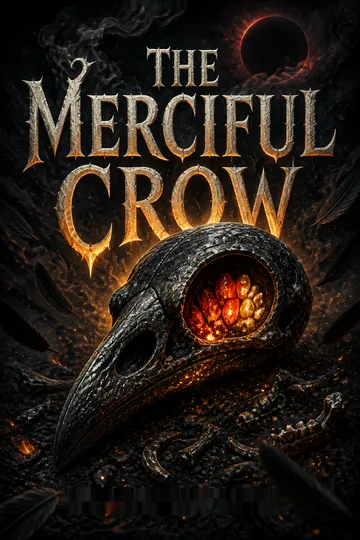
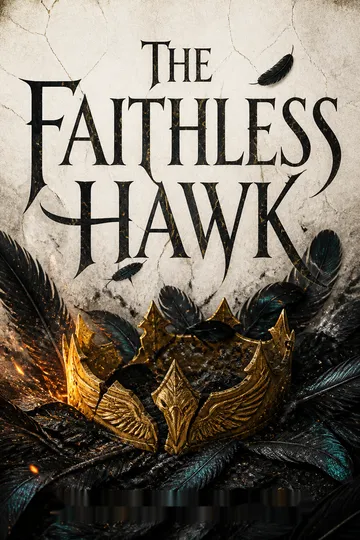
About the Author
Other books by Margaret Owen
Download PDF
Download EPUB
.epub digital book format is ideal for reading ebooks on phones, tablets, and e-readers.








