

Plot Summary
Prologue
On senior orientation day at Brynwood Academy, Barbette Montgomery arrives in her polished armor, feared by classmates and trapped in a sham engagement to her childhood friend Ever. Ever slips away, and Barbette flees the whispers outside.
A haze of smoke stops her cold: Jamie Buchanan, the boy she loved before he vanished to Ireland, is back. He has grown into a tattooed, dangerous-looking young man, and he blames her for the years they lost. When he burns her blouse and promises to make her crawl back to him, their old hurt becomes an immediate threat.
The opening makes Barbette’s immaculate appearance a survival tactic rather than simple vanity. She is publicly powerful but privately cornered, and Jamie’s return punctures the control she has built around herself. His cruelty is not yet proof of indifference; it is the form his wounded attachment has learned to take. By placing them in a school where Barbette is both feared and isolated, the book asks readers to distinguish reputation from agency. The reunion launches the romance through conflict, while its unanswered history becomes the story’s central pressure.
The Girl in the Trees
Six years earlier, twelve-year-old Barbette rules a close-knit boyhood circle with Ever McNamara, Vaughn Rees, and Jason Portland. She plans a glitter-and-glue ambush to stop a bully from tormenting younger children, then spots Jamie, Ever’s visiting cousin, playing harmonica alone in the park. His arrival stirs a feeling she cannot name.
At the McNamara pool, Jamie mistakes her for a boy, hoards the cookies she tries to share, and shoves her down. Barbette answers by pushing him into the water. When he corners her in the woods afterward, he discovers she is a girl and she punches his nose. The fight turns a newcomer into her rival, while their fascination begins beneath the insults.
Barbette’s early authority is practical: she organizes retaliation against a bully and expects her friends to follow her plan. Jamie threatens that arrangement not because he is stronger, but because his attention makes her suddenly self-conscious about the identity she has chosen among the boys. Their first collision is reciprocal and childish, yet it establishes a pattern that will grow more dangerous: each reads provocation as evidence of care, while both use defiance to avoid naming vulnerability. The harmonica also arrives as a quiet counterpoint to the violence. Jamie’s music hints at an inward life that his cocky performance conceals.
Fireworks and First Kisses
At the town fair, Barbette’s jealousy sharpens as Jamie flirts with older girls, even while he pays for their rides and keeps drawing her into his orbit. When Ever is detained by security after setting off fireworks, Barbette proposes a rescue rather than waiting for adults. She distracts a guard, but the man corners her inside the security trailer; Jamie knocks him down with a branch and gets her out.
Later, beneath a tree, Jamie steals Barbette’s first kiss and tells her that Ever will never see her as she is. Their summer turns intimate. Before returning to Boston, Jamie gives her stamps for letters and his father’s harmonica to keep safe, then asks her to stay away from Ever.
The fair makes attraction inseparable from danger. Barbette is not simply rescued by Jamie; she has already chosen to risk herself for Ever, and Jamie’s intervention answers her courage rather than replacing it. Their first kiss is still coercive in its beginning, but Barbette’s response complicates the scene: desire arrives before she has language or certainty for it. The gifts create a private system of memory, with the harmonica and letters standing in for trust across distance. Jamie’s demand about Ever, however, plants a possessive condition inside that tenderness, foreshadowing how love and control will become difficult for them to separate.
The Kiss Misread
After Jamie leaves, Barbette’s parents intensify their effort to make her obedient and presentable. Her father begins using violence and food deprivation to break her resistance, while her mother polishes her into a social ornament. When Jamie returns, Barbette hides what is happening and tells him she does not want him.
At a Halloween party, Jamie sees her and Ever about to kiss and takes the sight as confirmation that she chose his cousin. In truth, Ever has learned of the abuse and is helping Barbette keep it secret, but she has sworn him not to tell Jamie. Jamie strikes Ever and leaves; Barbette loses the one person she had wanted to trust with the truth.
The betrayal is built from partial knowledge rather than a simple love triangle. Jamie sees a charged moment and treats it as a verdict; Barbette withholds the facts because she fears what Jamie might do and because shame has taught her to protect her abuser. Ever becomes an accomplice to her silence out of loyalty, but that loyalty also deepens Jamie’s exclusion. The scene’s emotional damage comes from incompatible forms of protection: Jamie wants access to the truth, while Barbette believes concealment is the only way to keep him safe. Their separation therefore grows from love, fear, and pride operating at cross-purposes.
An Engagement as Cover
Years later, Barbette’s father, Elliot Montgomery, is desperate to preserve the family fortune and expects her to marry advantageously when she turns eighteen. Ever, now Jamie’s cousin and Barbette’s closest friend, agrees to pose as her fiancé, giving Elliot a wealthy match to pursue and delaying other plans for her.
The arrangement also hides Ever’s real attachment to Four Archer, whose mother Rosalyn’s fragile health and relationship with Ever’s father make a public romance complicated. When Jamie organizes brunch at Vaughn’s house to force the truth into the open, Barbette, Ever, and Four refuse to explain. Jamie leaves furious, convinced that his cousin has taken the girl he never stopped wanting.
The fake engagement is both protection and a trap. It gives Barbette time against a father who treats marriage as a financial instrument, but it also requires her to perform the very role she resents: valuable daughter, polished fiancée, family asset. Ever’s cooperation is generous, though it exposes how readily the group decides what Barbette needs without giving her control of the story. Four’s concealed relationship adds another layer of secrecy, showing that the friends’ loyalty has become a web of unspoken bargains. Jamie’s anger follows his old wound, but his refusal to ask what the arrangement protects repeats the original failure of understanding.
The Journal Underfloor
After the failed intervention, Jamie breaks into Barbette’s bedroom to search for the journal she used to fill with poems. She denies writing anymore and hides her belongings, but he recognizes that the cold socialite is not the whole person he remembers. Their arguments keep collapsing into attraction, and Jamie uses a prom dress commissioned through the dressmaker Bechette to provoke her.
The note he sends with it makes clear that he expects her at midnight, yet Barbette knows the gown is entangled with a life she may soon have to escape. Meanwhile, Jamie tries to quit smoking after Barbette alerts his mother to the habit, but he treats the attempt as another contest between them.
The journal represents a self Barbette has not destroyed so much as concealed. Jamie’s search is invasive, but his insistence that she once wrote and felt also challenges the social mask she has learned to inhabit. The dress functions similarly: it is an extravagant gift, a romantic gesture, and a reminder that Jamie still tries to direct the scene. His smoking gives Barbette a rare opportunity to act on concern, though Jamie initially reads it as manipulation. Their intimacy is therefore fueled by recognition and compromised by the belief that knowing someone grants the right to pressure them.
The Story in Print
At her parents’ insistence, Barbette gives a local reporter a romantic account of her supposed engagement to Ever, borrowing memories from her childhood with Jamie. The article and its staged photographs appear at school, where Four reads the story and believes Barbette and Ever have deceived her. Ever tries to explain, but Four leaves, and the public rupture makes the false engagement impossible to sustain.
Jamie, who has been pressing Barbette for the truth, arrives for prom in a limousine instead of letting her face the evening alone. He has chosen the red gown she was fitted for and gives her a gold bracelet. Barbette accepts his kiss, while the old poem he carries proves he has kept her promises in memory.
The newspaper converts private performance into public evidence. Barbette has told a story designed to satisfy her parents, but because it borrows the emotional vocabulary of her real past, it wounds Four and exposes how easily a protective lie can become another person’s betrayal. Jamie’s prom gesture offers tenderness, though it still arrives on his terms. The repaired poem changes the meaning of their history: what Barbette dismissed as childhood sentiment has remained a binding promise for Jamie. The scene suggests that memory can preserve love, but it cannot by itself correct the omissions and harm that have accumulated around it.
Prom Without a Mask
At prom, Jamie escorts Barbette onto a dance floor where they no longer have to pretend their attraction is incidental. Ever and Four arrive separately, then reconcile after Four sees that Ever’s feelings are real and that the engagement was a shield. Their friends follow them to a moonlit gazebo, where old songs and the group’s banter loosen the tension.
Jamie dances with Barbette and gives her the closeness she has been denying herself, but he still resists trusting her. Later, he tells her plainly that he wants her, while she admits the depth of her desire without explaining the years of silence. The night restores their connection, but it does not repair the underlying injury.
Prom gives the characters a temporary public space in which desire can be seen rather than disguised. Four and Ever’s reconciliation releases Barbette from the role of obstacle, while Jamie’s open claim offers her an alternative to the secret, transactional engagement. Yet the celebration does not equal resolution. Jamie still confuses possession with security, and Barbette still treats honesty as a risk she must ration. The gazebo’s shared setting matters because the romance is no longer isolated from friendship: their choices affect a whole circle. The scene’s warmth is therefore fragile, shadowed by the costs of the secrets that made it possible.
Graduation Comes Apart
As graduation approaches, Barbette and Jamie resume their physical relationship without resolving the past. In a locked school laboratory, Four and Ever make their real relationship unmistakable, while Barbette and Jamie stop pretending they belong to other people.
Elliot discovers them after the ceremony is already underway and strikes his daughter. Jamie attacks him, then pulls Barbette away before her father can hurt her again. Four and Ever help keep Elliot from following.
The family’s polished public story collapses in front of classmates and relatives, and Barbette leaves without her diploma. Jamie takes her to a hotel, where she finally tells him that Elliot has abused her since Jamie left and that fear shaped the lies Jamie mistook for rejection.
The graduation crisis makes private coercion visible. Elliot’s violence punctures the respectable performance that has protected his authority, while Jamie’s intervention gives Barbette immediate safety but also risks replacing one form of control with another. Her disclosure finally supplies the missing cause behind the separation, yet it cannot erase Jamie’s years of hurt or the consequences of her silence. The unfinished ceremony is a potent cost: Barbette loses a public milestone because her father’s power reaches into the school itself. Her account changes the moral frame, not by making every choice harmless, but by showing how abuse narrowed the choices she could safely make.
The Secrets Around Them
As Jamie and Barbette shelter from Elliot, their friends’ troubles surface alongside their own. Jason tells Jamie that Ever’s former childhood friend Olivia died after years of pain, leaving Jason unable to forgive Ever for their brief involvement. Ever apologizes, but the truth cannot undo the loss.
Jamie also learns that Sean Kelly, presumed dead, is alive and connected both to Ever’s uncertain parentage and to Wren’s past in the criminal group Exiled. At the same time, Jason reveals that Elliot’s company is near collapse, explaining the pressure behind the marriage scheme. Jamie recognizes that Barbette may need evidence, not merely rescue, but his anger still makes him suspect her motives.
These revelations widen the book’s central problem from romantic mistrust to inherited secrecy. Ever’s guilt over Olivia shows how a single event can become the explanation survivors impose on a death they cannot control; Jason’s grief, meanwhile, hardens into blame. Sean’s return destabilizes the family roles that Thomas and Evelyn have maintained, while Elliot’s finances reveal the material logic behind Barbette’s confinement. Jamie is surrounded by cases in which love and protection have been entangled with deception. His growing awareness matters, but he continues to risk repeating the same error: deciding what someone’s actions mean before hearing the full account.
Evidence in the Office
When Barbette returns to her parents’ house, she stops trying to preserve its appearance. She breaks valuable objects, opens Elliot’s computer, and discovers emails showing that he and his chief financial officer diverted company money and concealed questionable spending. The same records reveal that Elliot has been offering her to wealthy men as a marriage prospect.
She forwards the evidence to the company’s board and investors, takes the documents and her father’s gun, and heads upstairs for the things she has hidden. Elliot catches her and tries to force her into compliance. Barbette points the gun at herself rather than let him use her again, making clear that his control ends with her choice. He lets her leave.
The office reverses the household’s symbolic order. Objects Elliot valued as proof of status become debris, while the computer he trusted as private evidence exposes his financial and sexual commodification of his daughter. Barbette does not escape through a rescuer’s intervention; she uses information, foresight, and a willingness to risk herself. The gun is a terrifying instrument, not a triumphant solution, and the scene underlines the extremity of the choices abuse has left her. Her decision to send the records outward also prevents the conflict from remaining a private family matter. She begins to reclaim agency by making the truth harder to bury.
The Gate Opens
At the Montgomery gates, Jamie and the others arrive just as Barbette tries to escape on her old bicycle. She tells Jamie she had planned to run, but returns to him and admits she loves him. He does not forgive her at once; the years of injury still govern his response. Yet he takes her away from Elliot and stands with her as she begins building a life beyond her father’s reach.
On her eighteenth birthday, Jamie’s friends surprise her with a party, and the midnight celebration gives her a first taste of belonging without a performance. She chooses to stay in Blackwood Keep long enough to face what remains, then agrees to move with Jamie to Philadelphia rather than flee alone.
The gate scene resolves the opening’s central question of who gets to decide Barbette’s future. Earlier, escape meant leaving everyone behind; now she can choose a direction without mistaking isolation for freedom. Her declaration of love does not instantly heal Jamie, and that delay gives his pain emotional weight rather than treating confession as a reset button. The birthday party matters because the community she once ruled and then lost becomes a chosen support system. Moving with Jamie is not a surrender of independence if it remains her decision. The story’s romantic resolution begins when care becomes a shared practice rather than a claim of ownership.
A Home They Choose
In Philadelphia, Barbette settles into an apartment with Jamie while he studies at Penn and begins learning the family business. Their daily life is affectionate and imperfect: they argue over chores, routines, and the habits he has never bothered to change. Barbette starts a beauty channel, using skills her mother once demanded as part of her polished image to build a project of her own.
When she fears that she has no future beyond being someone’s wife, Jamie helps her plan rather than deciding for her. She gives him back his father’s harmonica, kept safe since childhood. The gift closes a promise begun when they were children and lets their shared past become a foundation, not a debt.
The domestic ending relocates romance from crisis to repetition. A safe home is not represented by luxury or flawless harmony, but by the ability to negotiate ordinary friction without fear of punishment. Barbette’s beauty channel transforms a skill imposed by her mother into a self-directed practice, making reinvention concrete rather than merely declared. Jamie’s support matters most when he helps her imagine options rather than claiming to fulfill them on her behalf. Returning the harmonica closes the book’s longest material loop: an object once entrusted during separation becomes a voluntary gift between adults. Memory can now connect them without dictating their choices.
Epilogue
Six months later, Elliot Montgomery and his chief financial officer are indicted for fraud and embezzling more than two hundred million dollars. Barbette continues building her beauty channel, while Jamie encourages her and asks her to imagine a future that might eventually include his surname.
She is not ready to turn love into another binding contract, and he accepts her answer without withdrawing his commitment. Before they leave for Christmas in Ireland, she gives him his father’s harmonica, which she has protected since the summer they met. Their friends remain unsettled: Four pursues motocross, Ever studies away from home, and Vaughn has disappeared into his father’s dangerous orbit.
The epilogue gives Barbette a consequence for her resistance that is legal and public: Elliot’s private power is met by an institutional reckoning. Yet the more intimate resolution is her ability to pursue work without making marriage the only available future. Jamie’s proposal is softened into a possibility she may choose later, a meaningful contrast with Elliot’s attempt to barter her life. The harmonica’s return closes a childhood promise without erasing what was lost between them. At the same time, the friends’ unsettled futures prevent the ending from pretending that love repairs every wound or resolves every danger.
Analysis
The romance turns on a question that is more difficult than whether Barbette and Jamie still desire each other: what does love permit someone to know, decide, or demand? Jamie reads Barbette’s silence as rejection and answers with possessiveness. Barbette hides the abuse because she believes disclosure would place Jamie in danger, then allows that silence to harden into the identity of a cold, unfeeling girl. Both have reasons for their defenses, but the novel shows how self-protection can injure the person it is meant to preserve.
Class and appearance intensify that injury. Elliot treats Barbette’s beauty and engagement as financial assets, while Melissa teaches her the codes that make such treatment look respectable. Barbette’s polished persona is therefore not simply a mask she can remove at will; it is a tool built inside a coercive household. Her discovery of Elliot’s financial records matters because it gives her leverage beyond romance. She does not become free through Jamie’s wealth alone. She acts, gathers evidence, and risks confrontation herself.
The book’s structure also makes memory a contested form of evidence. Jamie remembers a near-kiss as proof that Barbette chose Ever. Barbette remembers the same years through the threat of her father and the shame of being unable to explain. Neither account is wholly false, but each becomes harmful when treated as complete. Their reconciliation begins only when information replaces accusation and when Barbette can speak without being forced into a role.
The ending shifts the fantasy of rescue toward chosen interdependence. Jamie still has to temper the possessiveness he mistakes for devotion, and Barbette must build a future that is not defined by a husband or an escape from her father. Her beauty channel, the shared apartment, and the returned harmonica give that change ordinary, visible form. Love does not erase the years they lost; it becomes credible when both can make plans without surrendering the right to choose.
Review Summary
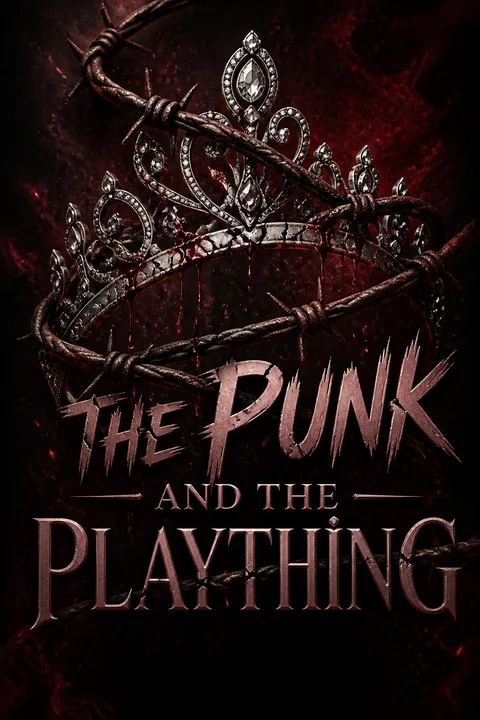
The Punk and the Plaything receives polarized reviews averaging 4.23 stars. Many readers praise the intense chemistry between Jamie and Bee, calling their second-chance romance "angsty" and "steamy" with excellent character development. Bee's transformation from ice queen to beloved heroine particularly resonates. However, critical reviewers cite problematic content including non-consensual scenes, toxic behavior, an unnecessary group sex scene that feels out of character, and Jamie's treatment of Bee. Fans appreciate the friend group dynamics and eagerly anticipate the final book, while detractors find the story disappointing compared to earlier series installments.
People Also Read








Characters
Barbette Montgomery
The guarded heiressBarbette is the daughter of a wealthy family and a senior at Brynwood Academy, where classmates reduce her to a beautiful, feared social queen. Beneath the practiced posture and sharp lipstick is a girl who once led a band of boys, wrote poems, played harmonica, and valued loyalty more than approval. Her father’s control and her mother’s rules have taught her to hide vulnerability behind performance. She is drawn to Jamie because he remembers the unruly, imaginative person she has buried, but she also fears the consequences of trusting him with her truth. Her central struggle is not simply choosing a lover; it is recovering the right to define herself outside family wealth, beauty, and obligation.
Jameson Buchanan
The wounded returneeJamie is Barbette’s childhood friend, Ever’s cousin, and the son of a musician whose harmonica and guitar remain tied to his memories. He returns from Ireland with tattoos, bravado, and a talent for provoking the people he cares about. Beneath the sexual confidence is a boy who experienced Barbette’s rejection as a total loss and has spent years turning hurt into control, jealousy, and retaliation. He is loyal to his friends and fiercely protective, but those strengths can become dangerous when he assumes that love gives him authority over Barbette. His growth depends on learning to ask, listen, and offer support without making forgiveness or intimacy a debt she owes him.
Ever McNamara
The loyal childhood friendEver grows up beside Barbette as her closest friend and Jamie’s cousin. His wealth and reckless streak conceal a deep attachment to the people he considers family. He agrees to help Barbette withstand her father’s marriage plans, even when the arrangement complicates his own life and feelings. His loyalty is generous, but his habit of withholding information can make protection look like deception. Ever also carries guilt about choices that affected other people, and he struggles to separate responsibility from the wish to undo the past. He is a steady presence for Barbette, Jamie, and Four, even when his silence helps keep their conflicts alive.
Four Archer
The fearless racerFour arrives in Blackwood Keep as a blunt, independent outsider with a passion for motocross and little patience for the town’s social hierarchy. She is close to Ever and becomes a trusted friend to Barbette, recognizing the cost of the false engagement without reducing Barbette to a rival. Four’s directness can be abrasive, but it often cuts through the excuses other characters use to protect themselves. She balances loyalty with a willingness to challenge the people she loves, and her ambitions reach beyond romance. Her complicated family responsibilities make independence a practical struggle rather than an abstract ideal.
Vaughn Rees
The damaged loyalistVaughn is one of Barbette’s childhood friends and Ever’s longtime ally. He carries the confidence of a wealthy athlete, but his family history leaves him guarded and difficult to read. He dates Tyra, though he has trouble admitting how much the relationship matters. Vaughn is quick to defend the group and often uses humor or bravado to avoid showing vulnerability.
Tyra
The steady truth-tellerTyra is a grounded friend in the group and Vaughn’s partner. She is compassionate without being naïve, and she notices when other people are hiding distress behind jokes or social polish. Her patience gives Vaughn room to be more than his family’s reputation, though she does not accept every excuse he makes.
Lou
The mischievous catalystLou is Wren’s quick-witted partner and a pickpocket whose appetite for trouble makes her a natural ally to Jamie. She pushes people into conversations they would rather avoid, including the gathering meant to expose the secrets among the friends. Her humor masks a sharp understanding of loyalty and survival. Lou is affectionate, impulsive, and difficult to control.
Wren
The guarded protectorWren is Lou’s partner and a former lieutenant in the criminal group Exiled. He has left that life behind and seeks safety for the people he loves, relying on the group’s protection in return. Quiet and watchful, he distrusts needless risk and often serves as a counterweight to Lou’s mischief. His history connects the friends to dangers beyond school.
Elliot Montgomery
The controlling patriarchElliot is Barbette’s father, a wealthy businessman whose concern for status and money outweighs his attention to his daughter’s wishes. He treats family life as an extension of his authority and expects Barbette to behave in ways that protect his image. His polished public manner hides a capacity for cruelty at home. He represents the force Barbette must resist in order to make choices for herself.
Melissa Montgomery
The polished enablerMelissa is Barbette’s mother, devoted to refinement, appearances, and the rules she believes will secure her daughter’s future. She teaches Barbette how to look composed, but rarely gives her the emotional protection that composure requires. Her own passivity complicates Barbette’s feelings toward her: affection, disappointment, and resentment coexist.
Thomas McNamara
The burdened family headThomas is Ever’s father in name and the head of the McNamara family business. He is accustomed to managing both corporate and family crises, yet his reluctance to tell the truth has damaged the people closest to him. His care for Ever is real, but he must confront how secrecy and pride have shaped their relationship.
Evelyn McNamara
The estranged motherEvelyn is Ever’s mother and Thomas’s wife, a woman whose absence has left a lasting wound in her son’s life. She is caught between her history with Thomas and feelings she has not made clear to the younger generation. Her return forces the family to face how adult choices can be experienced as abandonment by a child.
Jason Portland
The grieving twinJason is Barbette’s childhood friend and the twin brother of Olivia. He is guarded, proud, and increasingly shaped by resentment over the pain his family has endured. His anger at Ever is tangled with grief and with the difficulty of speaking openly about his own life. He is not simply an antagonist; he is a young man searching for somewhere to put hurt he cannot repair.
Olivia Portland
The overlooked friendOlivia is Jason’s twin and Barbette’s childhood acquaintance, a girl who once seemed to fit the polished world her parents valued. Beneath that surface, she struggles with a private unhappiness that others fail to recognize in time. Her connection to Ever complicates the loyalties among the old friend group.
Sean Kelly
The vanished fatherSean is a former friend of Thomas and a figure presumed lost for many years. His return unsettles the McNamara family and links Ever’s origins to Wren’s past. He is elusive and self-assured, and his presence makes clear that the adults’ buried history still has consequences for their children.
Dilwen Buchanan
Jamie’s blunt motherDilwen is Jamie’s mother, living in Ireland with his younger twin siblings. She is affectionate but unafraid to confront Jamie when his recklessness crosses a line. Her warmth toward Barbette comes from knowing the children’s shared history, while her insistence on accountability offers Jamie a model of love without indulgence.
Franklin Rees
Vaughn’s feared fatherFranklin is Vaughn’s powerful father, a man whose business and influence make the town wary. His presence shapes Vaughn’s distrust and helps explain why his son hides so much behind swagger.
Winny
The generous grandmotherWinny is Wren’s grandmother, whose cooking and easy warmth make the modest farmhouse feel like a home. She welcomes the friends without judging their complicated lives and brings a mischievous romantic streak of her own.
Plot Devices
The Harmonica and Journal
Memory kept in objectsJamie’s father’s harmonica and Barbette’s journal carry the private history neither character can comfortably speak aloud. The harmonica connects music, childhood friendship, separation, and a promise to keep something safe. Barbette’s poems preserve feelings she hides behind her social persona, while Jamie’s search for the journal exposes his desire to find the girl he remembers. Their significance changes as the characters grow: they begin as tokens of childhood attachment and become objects they can choose to share again. The devices make memory concrete, but they do not solve the conflict by themselves. The characters still have to explain what happened and decide what trust will mean now.
The Fake Engagement
A shield with a costEver’s staged engagement to Barbette gives Elliot a wealthy prospective son-in-law to focus on and delays his plan to marry her for financial advantage. The arrangement also conceals Ever’s relationship with Four, whose family circumstances make it difficult for them to be open. It protects Barbette in the short term, but it forces her to perform a romance she does not feel and encourages Jamie to believe that she chose Ever over him. Once the arrangement becomes public through the newspaper, the shield turns into a source of injury for Four and a threat to the group’s trust. Its usefulness depends on lies, so it cannot remain stable.
The Prom Dress
A public choice of partnerThe red dress Jamie arranges for Barbette is more than a romantic gift. It places her in the social event her parents expect her to attend as Ever’s fiancée, while signaling that Jamie intends to take her there himself. Their shared night at prom gives them a chance to be seen together, but the dress also carries the weight of Jamie’s assumptions and Barbette’s uncertainty. The accompanying newspaper story complicates the gesture by making the false engagement public. Prom therefore operates as a stage where several hidden relationships become visible, including Ever and Four’s attachment and Jamie and Barbette’s unresolved desire.
Elliot’s Emails
Proof against private powerThe emails Barbette finds on Elliot’s computer connect two forms of exploitation. They document financial misconduct at MontGlobal and show Elliot presenting his daughter as a marriage prospect to wealthy men. Barbette copies and sends the records to the company’s board and investors, turning information he thought he controlled into evidence others can act on. The discovery gives her a way to challenge him without relying solely on Jamie’s protection. It also exposes the material motive behind the fake engagement and the urgency of her father’s plans. The records make her escape consequential beyond the family, because the financial scheme has harmed people outside the household.
The Interrupted Timeline
Reframing the old woundThe novel moves between Barbette and Jamie’s present-day conflict and scenes from the summers when they first met. Each return to childhood revises the meaning of an adult accusation: the harmonica, the first kiss, Jamie’s departure, and the moment he sees Barbette with Ever acquire new context as the past is filled in. This structure lets readers feel Jamie’s belief in betrayal before learning what Barbette feared and what Ever was protecting. It also echoes the characters’ psychology, because both live inside partial memories and treat them as complete explanations. The timeline’s revelations gradually replace certainty with a more difficult account of shared responsibility.
When Rivals Play Series

About the Author
Other books by B.B. Reid







Download PDF
Download EPUB
.epub digital book format is ideal for reading ebooks on phones, tablets, and e-readers.








