

Plot Summary
The Fifty Keystone Bid
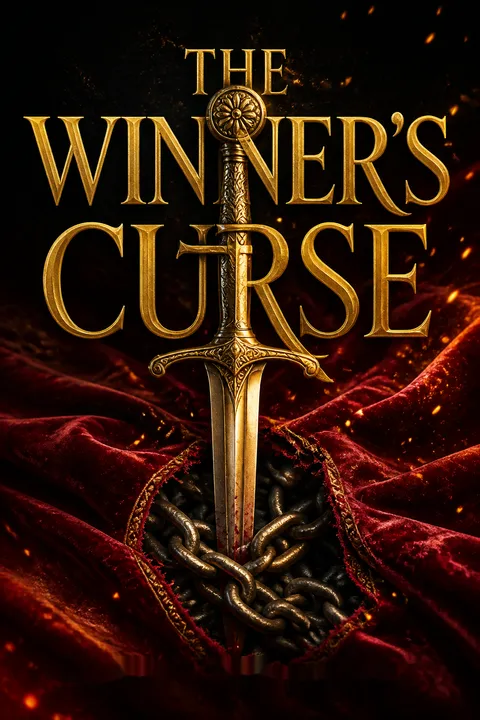
At seventeen, General Trajan’s daughter Kestrel is expected to choose between military service and marriage, but neither future feels like hers. After rescuing a free Herrani jeweler from punishment by buying her supposedly valuable glass earrings, Kestrel and her friend Jess wander into a slave auction.
A young man on the block refuses to sing when ordered, and his defiance catches Kestrel’s attention. The bidding grows into a contest of status, and she spends fifty keystones to win him, far more than his advertised blacksmith skills seem to justify.
Back at her father’s villa, she names him Smith and orders him cleaned, clothed, and shorn. His contempt meets her authority, and Kestrel is left uneasy with the person she has chosen to own.
Kestrel’s first consequential act is neither a rescue nor a simple indulgence. She intervenes because the young man refuses to perform, recognizing a familiar resistance while still exercising the power of a buyer. The earrings sharpen that contradiction: she protects the jeweler through a lie, then leaves unsure whether the woman’s truth was ever safe to tell. The auction’s price gives Kestrel a new possession, but its emotional cost begins immediately. Her impulse to honor defiance remains entangled with the privilege that makes defiance punishable.
Smith Becomes Arin
Kestrel’s steward assigns Smith to the forge while she avoids thinking about her purchase. When she finally asks him to check her horse, he lets slip that Smith is only the name a slaver gave him. His real name is Arin. Kestrel begins bringing him as her escort and discovers he understands Valorian far better than he lets on.
After he challenges her assumptions about the jeweler’s false earrings, Kestrel asks him for honest judgment rather than reports on other slaves. Arin bargains for house privileges and occasional trips to the city, claiming he wants to see his sweetheart. Their games of Bite and Sting become exchanges of questions, and when Arin asks Kestrel to play music, her performance draws a rare, genuine smile from him.
The name Arin restores a measure of selfhood, but the bargain that follows shows how little a name alone can repair. He negotiates limited movement inside a system that still treats his freedom as a favor Kestrel can grant. Their games provide a carefully bounded form of reciprocity: each may ask, but only after winning. Music briefly loosens that structure. Kestrel plays by choice, and Arin receives the performance without turning it into another transaction. Their closeness grows through acts of attention, even as the unequal power between them remains unmistakable.
Lessons in Two Wars
Kestrel presses her father to teach her military strategy instead of pushing her toward enlistment, and General Trajan agrees to lessons while setting a spring deadline for her choice. He explains how Valoria conquered Herran by blasting a passage through the mountains with black powder.
Meanwhile, Arin studies the general’s estate, secretly makes weapons, and passes them to Cheat, the auctioneer who arranged his sale. Their plan depends on a stolen supply of powder and a coordinated uprising.
Kestrel notices that Senator Andrax’s supposed sale of powder to the eastern barbarians, and the city guard captain Oskar’s suicide, do not fit what she knows of either man. Her questions sharpen, but Arin dismisses her suspicions while continuing to supply the rebellion.
The same lessons pull Kestrel and Arin in opposite directions. Trajan teaches her to treat terrain, numbers, and an opponent’s habits as tools, while Arin applies comparable discipline to the household where he is held. Kestrel’s strategic mind is welcomed when it serves Valoria, yet her father still tries to determine how she will use it. Arin’s secret work turns daily labor into preparation for revolt. The unresolved deaths and missing powder show how official explanations can conceal organized violence, but Kestrel’s ability to detect inconsistencies does not yet give her access to the truth.
A Book, A Duel
At Lord Irex’s party, Arin is accused of stealing a book from the library. Kestrel recognizes the inscription as a dedication to Arin from his family, and understands that the elegant house once belonged to him.
Rather than let Irex punish Arin, she challenges the celebrated fighter to a duel. The next day, Irex sends the five-hundred-gold death-price, making the danger plain. Kestrel considers withdrawing, but then fights him at Needles, accepting injuries to draw close enough to reveal that she knows he fathered Lady Faris’s baby.
She forces him to yield and make the loss look legitimate. Her father realizes the victory involved a bargain, but accepts that she won. Arin is freed from the barracks, though the general warns him away from Kestrel.
The stolen book turns a legal dispute into a collision with the history beneath the Valorian house. Kestrel’s decision to fight is protective, but it also converts Arin’s vulnerability into a public spectacle she controls. Her victory depends not on superior strength but on reading Irex’s private interests and making them more dangerous than defeat. That is the strategic talent her father has recognized all along. Yet Kestrel’s bargain with Irex comes at a cost: she protects Arin without being able to free him, and her father’s warning makes clear that affection will not dissolve the social hierarchy.
Firstwinter's Poisoned Toast
Before leaving with his regiment, General Trajan arranges for Captain Wensan to watch over Kestrel. She attends the Firstwinter ball anyway, taking Arin with her despite the scandal surrounding their closeness. Arin warns her away from the wine, but she ignores him.
Ronan, Jess’s brother and Kestrel’s devoted friend, asks her to marry him; she refuses when she sees Arin watching. Outside, she tells Arin she cannot marry because of him, and they kiss. Explosions interrupt their intimacy.
Arin identifies attacks on the guard barracks and armory, and Kestrel realizes he knew the wine was dangerous. She escapes toward home, where she finds the guards dead and the Herrani uprising in control. The man she trusted has helped prepare the coup that is killing her friends.
The ball joins private choice to public catastrophe. Kestrel’s refusal of Ronan is not a rejection of kindness so much as a refusal to use marriage as camouflage for feelings she cannot deny. The kiss gives her a moment of mutual recognition, then the explosions recast it as part of a deception she did not understand. Arin’s warning about the wine was a genuine attempt to protect her, but his silence about the larger plan makes that care inseparable from betrayal. Kestrel’s emotional discovery arrives at the instant her political world collapses.
Herran Takes the House
Cheat’s forces seize General Trajan’s estate. He kills the housekeeper, and Arin claims Kestrel as his own to prevent Cheat from killing her. At the harbor, Arin plans to capture the merchant ships before news of the revolt can escape.
Kestrel learns that Jess is among the poisoned guests and bargains for the chance to reach her. She supplies the likely nightly password, using the bird pattern Captain Wensan had discussed over dinner. The rebels raise their launch to the ship and attack its crew from the deck and hull ladder, taking the vessel and its cannon.
Kestrel has helped the uprising succeed, but remains a prisoner in Arin’s hands. Her knowledge has saved the rebels time while costing her the last illusion that she can remain uninvolved.
Kestrel’s knowledge becomes a weapon before she can decide whose side she is on. The password comes from an ordinary dinner detail, but her confidence in reading Wensan lets the rebels exploit the habits that protect his ship. She chooses to help because Jess may be saved, not because she accepts the uprising’s aims. That distinction matters: the rebels gain a ship, while Kestrel gains no freedom. Arin’s claim over her is meant to shield her from Cheat, yet it repeats the language of ownership that has shaped their relationship from the start.
The Pass and Nightlock
At the governor’s palace, Kestrel finds Jess alive but gravely ill from nightlock poison; Benix and Captain Wensan are dead. Arin admits there is no antidote, only an herb that might help, and promises to search.
While Kestrel remains confined, Cheat forces her to write a misleading letter to her father and demands military information. Arin scouts the mountain pass, then leads the Herrani against the returning Valorian battalion. When the planned explosives fail to split the force, he risks climbing the cliff himself to trigger a landslide.
The trapped Valorians surrender. Arin returns wounded with the herb, and Kestrel gets the healer to give it to Jess. After hours, Jess wakes and recognizes her. Kestrel has saved her friend, but the uprising’s military success makes the coming war more dangerous.
This section makes survival depend on two kinds of labor. Arin searches for a fragile remedy and then risks his body to keep the city from being retaken; Kestrel stays with Jess and insists on using the herb before hope can be dismissed. Neither effort offers certainty. Arin’s battlefield plan succeeds through improvisation after its intended explosives fail, while the plant only gradually draws Jess back to consciousness. The contrast also exposes a moral divide: the rebels can preserve individual lives, but the wider conflict is becoming harder to contain.
Cheat Loses the Keys
After Cheat orders the captured Valorian soldiers killed, Arin confronts him and refuses to treat prisoners as expendable. Cheat later enters Kestrel’s rooms and attacks her. Arin arrives in time and kills his former ally with a sword, ending Cheat’s control but inheriting a rebellion without a clear leader.
He gives Kestrel keys to her suite and apologizes; she does not fully trust him, though his singing through the garden wall steadies her after the assault.
Their connection resumes in small acts: he brings her piano, teaches her practical skills, and shares the history of his family home. Kestrel and Arin kiss, but she remembers promising Jess to make the Herrani pay. She uses what she has learned of the house to plan an escape instead of surrendering to their intimacy.
Cheat’s death removes the immediate threat to Kestrel, but it does not restore a clean distinction between protection and control. Arin kills a friend to stop an assault, then offers keys while retaining the power to decide what Kestrel may do. His song creates trust at a distance, and the piano makes room for a shared past without repairing the political injury. Kestrel’s escape plan is therefore not a simple rejection of Arin. It is her attempt to preserve agency while affection, guilt, and the promise to Jess pull her toward incompatible loyalties.
The Boat to Valoria
Kestrel climbs over the roof of Arin’s house, reaches the stables, and rides Javelin toward the harbor. Arin catches up but does not stop her; she cannot bring herself to draw her hidden knife on him. She steals a fishing boat and sails west without food or water.
A green storm wrecks her plans, but she survives long enough to reach Valorian territory and warn the emperor that Herran has revolted. He tells her the attack began while she slept and demands that she marry his son or face a second war.
Kestrel argues that the empire is overextended and proposes Herran’s independence under imperial rule, with Arin as governor. The emperor considers the bargain only if Kestrel accepts the imperial marriage, forcing her to weigh personal freedom against the survival of both peoples.
Kestrel’s escape is both an act of betrayal and an attempt to prevent a larger one. She cannot draw her knife against Arin, yet sails away to bring imperial force toward the city. The storm strips her of control over route and timing, leaving her alive through endurance rather than strategy. At the capital, she applies her father’s lessons to the empire itself: conquest has become a burden the emperor cannot indefinitely finance. The marriage condition turns her argument for Herran into a personal price, making diplomacy another arena where she must negotiate under unequal power.
Marriage Buys a Truce
While Kestrel crosses the sea, Arin’s city endures a siege. General Trajan’s army builds towers, tunnels beneath the walls, and finally blasts a breach through the mountainside defenses. As the assault threatens to become a massacre, a hawk brings Arin a message from Kestrel asking him to open the gate.
She arrives marked as an engaged woman and tells him the emperor has appointed him governor, granting Herran limited self-rule in exchange for taxes and loyalty. Arin suspects a trap, then agrees, on condition that Kestrel serve as the empire’s emissary. She presents the marriage as a choice she made for herself, leaving him to believe she has chosen the imperial heir. The siege pauses, but their trust remains unsettled beneath the treaty.
The ending converts a military crisis into a negotiated arrangement, but it does not erase the violence that made negotiation possible. Arin’s defenses buy time rather than victory; Kestrel’s proposal offers the emperor a cheaper form of control and the Herrani a chance to govern themselves. Her engagement mark communicates a sacrifice while concealing its precise terms, preserving her leverage and deepening Arin’s uncertainty. The final bargain grants political room to both sides, yet leaves personal reconciliation unresolved. Kestrel has won a way back into the city, not a way back to innocence.
Analysis
The novel’s central conflict is not simply whether Kestrel will choose Arin or her society. It asks what choice can mean when one person begins with legal power over another, and when both empire and rebellion claim to act for collective survival. Kestrel’s purchase of Arin is the first expression of this contradiction: she recognizes his refusal to submit, yet exercises the very system that makes his refusal dangerous. Their affection deepens through music, games, and practical care, but none of those gestures erases the fact that he cannot freely consent to the terms of their relationship.
The book also treats strategy as morally double-edged. Trajan teaches Kestrel to calculate terrain and human weakness; Arin uses similar skills to organize revolt. Kestrel can read a game, infer a ship’s password, and expose Irex’s secret, yet each success makes other people’s lives part of her plan. Arin’s rebellion answers a genuine injustice, but Cheat’s cruelty and the killing of prisoners show how liberation can reproduce domination when victory becomes its only measure. The distinction between a just cause and just conduct never stays comfortable.
The title’s economic metaphor expands into imperial politics. Valoria’s conquest brings wealth and territory, but maintaining its victories drains the resources needed to defend them. Kestrel’s proposal offers the emperor a form of control less costly than extermination, while requiring her own marriage as political collateral. The settlement is therefore neither uncomplicated peace nor full freedom. It is a negotiated pause built from unequal power.
Kestrel’s deepest development is from seeing clearly to accepting responsibility for what she sees. She cannot undo the auction, the uprising, or the deaths at the ball. She can, however, use her intelligence to make a political alternative imaginable. The ending leaves love unresolved because the characters’ private trust cannot be separated from the public consequences of their choices.
Review Summary
The Winner's Curse received mostly positive reviews, with many praising its engaging writing, complex characters, and political intrigue. Readers particularly enjoyed Kestrel's strategic mind and the slow-burn romance between her and Arin. Some criticized the lack of fantasy elements and world-building, while others found the slavery themes problematic. The book's ending left many eager for the sequel. Overall, reviewers found it a compelling start to the trilogy, despite some mixed feelings about certain aspects.
People Also Read









Characters
Kestrel
Strategist without a uniformSeventeen-year-old Kestrel is the daughter of General Trajan, raised amid Valorian privilege and the military customs imposed on conquered Herran. She is a gifted reader of patterns, motives, and games, but not a natural fighter, and she resists the narrow futures her society offers women: enlistment or marriage. Music gives her a private language beyond duty, while her friendship with Jess shows her loyalty and capacity for warmth. Kestrel’s central tension is that she can recognize injustice and still benefit from it. She wants to choose freely, yet must learn that strategic intelligence carries responsibility for the lives caught inside her decisions.
Arin
Blacksmith with hidden depthsArin is a Herrani young man whose strength and skill as a blacksmith conceal an education and sensitivity that his captors do not expect. He is observant, strategic, and cautious about revealing what he knows, habits shaped by years of enslavement. Music remains a deep part of him, though he guards it alongside his language skills and memories. Arin’s relationship with Kestrel begins inside a brutal imbalance of ownership, which makes every kindness difficult to separate from power. He is driven by the hope of restoring his people’s freedom, but his emotional life complicates the clean loyalties his cause demands.
General Trajan
Father and empire-builderKestrel’s father is a celebrated Valorian general whose discipline and strategic brilliance helped conquer Herran. He loves his daughter, but expresses that love through protection, rules, and pressure to serve the empire. Trajan believes that military strength preserves Valorian independence, and he has little patience for Kestrel’s refusal to accept the role he imagines for her. His lessons give her a powerful method of thought even as his history shows what that method can cost.
Jess
Kestrel's steadfast friendJess is Kestrel’s childhood friend, warm, sociable, and at ease with the rituals of Valorian society. Her loyalty is less strategic than Kestrel’s, but no less real: she offers affection without demanding that Kestrel become someone else. Jess enjoys fashion, gossip, and family life, and her straightforwardness gives Kestrel a contrast to the guarded games played by others. She is also a reminder of the ordinary future Kestrel might have chosen.
Cheat
Auctioneer and operatorCheat is a Herrani auctioneer who knows how to read a crowd, flatter a buyer, and turn a transaction to his advantage. His ease and humor conceal a hard pragmatism shaped by life under Valorian rule. He values useful people and effective plans, often judging mercy as a liability. His relationship with Arin carries the intimacy and strain of a long shared history, while his treatment of Kestrel reveals how quickly resistance can reproduce the coercion it opposes.
Ronan
Jess's devoted brotherRonan is Jess’s older brother and one of Kestrel’s closest Valorian friends. Handsome, witty, and socially adept, he uses flirtation as both performance and genuine courtship. He offers Kestrel affection and the prospect of a life within familiar society, but he does not always understand her need to define herself beyond its expectations. His warmth and loyalty make him more than a convenient suitor, even when Kestrel cannot return his feelings.
Enai
Kestrel's former nurseEnai raised Kestrel after the death of her mother and remains a source of comfort, stories, and Herrani language. She is practical about the limited choices available to an older Herrani woman, and her refusal of a simple offer of freedom makes Kestrel confront the conditions beneath good intentions. Enai understands Kestrel’s habits and emotional evasions, offering care without pretending that affection can undo the society around them.
Sarsine
Arin's watchful cousinSarsine is Arin’s cousin, independent-minded and alert to the dangers created by his attachment to Kestrel. She manages household responsibilities with competence and refuses to mistake affection for a sound political plan. Her loyalty to Arin is tempered by candid judgment, especially when his choices threaten the fragile trust of their people.
Lord Irex
Celebrated fighter and rivalIrex is a prominent young Valorian known for his skill with weapons and his ambitions in society. His confidence turns quickly into aggression when he feels mocked or refused. Kestrel’s ability to read him makes their encounters a contest of physical strength against social and psychological leverage.
Lirah
Kind household slaveLirah works in General Trajan’s household and often translates for Herrani servants. She is gentle, perceptive, and eager to help, though her position leaves her vulnerable to the desires and assumptions of those who own the house.
Captain Wensan
Merchant captain and family friendWensan is an experienced sea captain and merchant who has known Kestrel since childhood. His ship, crew, and knowledge of the harbor connect him to the empire’s maritime power. He treats Kestrel with affection while remaining a capable professional whose habits and loyalties matter to the people around him.
Benix
Ronan's loyal friendBenix is a friend of Ronan and Kestrel, an easygoing presence in their social circle. He enjoys games and teasing, but his choices show how difficult it can be to stand beside someone when society turns against them.
Rax
Kestrel's weapons instructorRax commands General Trajan’s personal guard and trains Kestrel in weapons. He recognizes that her strength lies more in strategy than combat, but his methods are blunt and his patience with her resistance has limits.
Oskar
Respected city guard captainOskar is the long-serving captain of the city guard, known to Kestrel through her father. His reputation for competence makes unusual events surrounding the guard difficult for her to dismiss.
Senator Andrax
A senator under suspicionAndrax is a wealthy senator whose appetite for comfort and easy profit shapes how others judge his choices. News about him becomes one of the contradictions Kestrel examines as she learns to question official explanations.
Harman
The general's household stewardHarman manages the general’s estate and tries to enforce the rules governing Kestrel’s movements. His concern for order and status often puts him at odds with her independence.
Etta
Arin's older sisterEtta is Arin’s older sister, remembered through family objects and his recollections of childhood. Her care helped shape his connection to music, beauty, and the life he had before the war.
Lady Faris
Society hostess and gossipFaris is a prominent hostess who thrives on scandal and manages appearances with practiced confidence. Her parties draw together the people whose private ambitions shape Valorian society.
Plot Devices
The Winner's Curse
Victory carries a priceThe auction term describes winning by paying more than the purchase seems worth. Kestrel spends an extraordinary sum on Arin before she understands what she has bought or what the bid will cost her emotionally. The idea continues to fit her choices: victories in the games, the duel, the revolt, and diplomacy all involve losses that are not visible at the moment of winning. It gives the story a precise way to connect economic overpayment with political conquest and personal sacrifice.
Bite and Sting
A game of concealed motivesThis Valorian tile game rewards reading opponents, concealing intentions, and deciding when to risk a weak hand. Kestrel uses it to test Arin, negotiate questions, and understand how confidence can manipulate another player. Their matches echo larger decisions without making those decisions feel like simple puzzles: unlike a game, political choices endanger people who have not agreed to play. The game also shows Kestrel’s unusual talent for strategy in a society that expects her to use it only in approved ways.
Music and Silence
A private language of trustKestrel’s piano gives her an identity beyond her father’s military ambitions, while Arin’s hidden singing connects him to a past that enslavement cannot erase. Their musical exchanges create moments of intimacy when ordinary conversation remains constrained by ownership, suspicion, or grief. Kestrel’s playing draws Arin toward the villa, and later his song comforts her without demanding that she forgive him. Music functions as both a form of self-expression and a test of whether the characters can attend to one another without turning every exchange into a bargain.
Black Powder
Conquest's weapon returnsBlack powder enabled Valoria to invade Herran by opening a passage through the mountains. Its theft and use in the rebellion reverse that history: the material that secured Valorian power now helps Herrani seize the city and resist the returning army. Powder links the senator’s unexplained scandal, the attack on the armory, the harbor explosions, and the later siege. Its military usefulness also clarifies the book’s political argument: control of a territory depends not only on who claims it, but on who can make the cost of holding it unbearable.
The Code of the Call
A password becomes leverageSailors use a changing verbal code to identify trusted crew in darkness. Captain Wensan explains the pattern behind his crew’s memory aid during a dinner with Kestrel, unknowingly giving her a clue that later matters at the harbor. Kestrel combines that detail with his choice of a bird design to infer the password and help the Herrani board his ship. The code turns a domestic conversation into a military vulnerability, showing how observations that seem harmless can become decisive when a strategist knows how to use them.
The Winner's Trilogy Series


Download PDF
Download EPUB
.epub digital book format is ideal for reading ebooks on phones, tablets, and e-readers.








